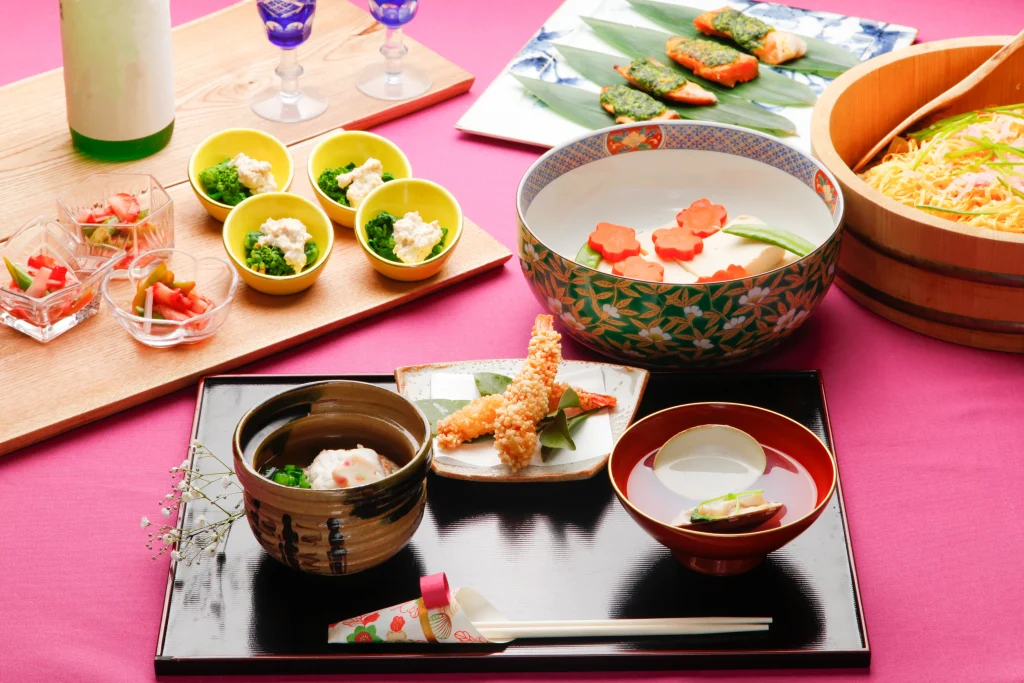
Kaiseki ryori is a traditional Japanese cuisine that allows one to experience the essence of Japan’s four seasons through all five senses. By understanding the delicate presentation and the meaning behind each dish, the meal itself becomes a unique and memorable experience. This article explores the history, course structure, etiquette, and everything you need to know to book and enjoy an authentic kaiseki ryori experience in Japan.
What is Kaiseki Ryori?
Kaiseki ryori is one of Japan’s traditional cuisines, distinguished by its long history and refined nature. Originally, it was developed as a simple meal served before drinking koi-cha (thick tea) during a Japanese tea ceremony. Because of this, its seasoning is intentionally subtle, designed to complement the tea, while incorporating meticulous techniques that highlight seasonal ingredients. Embodying the aesthetics of wabi-sabi (a philosophy that finds beauty in imperfection and simplicity), its presentation exudes a tranquil beauty that reflects the essence of Japanese aesthetics.
At the same time, it is important to differentiate kaiseki ryori from other similar terms, such as kaiseki and Kyo-kaiseki (a Kyoto-style variation of kaiseki ryori). Kaiseki refers to a multi-course meal served at banquets, featuring an array of exquisite dishes intended to be enjoyed with sake. Today, this style of dining is commonly offered at business receptions and celebratory gatherings. Kyo-kaiseki, on the other hand, is a variation of kaiseki ryori that developed in Kyoto, influenced by shojin ryori (Buddhist vegetarian cooking) and obanzai (home-style Kyoto dishes). It is characterized by delicate presentation and sophisticated flavors. Understanding these distinctions allows for a deeper appreciation of the complexity and artistry of kaiseki ryori.
History of Kaiseki Ryori
The origins of kaiseki ryori trace back to the simple meals consumed by Buddhist monks and the practices they used to endure hunger. During the Azuchi-Momoyama period (1568–1600), monks were allowed only one meal per day. To ease their hunger, they would warm stones and tuck them inside the folds of their robes near their stomachs. This practice gave rise to the term kaiseki meaning “bosom-stone”. At this stage, kaiseki ryori was strictly a part of monastic discipline, far removed from the elaborate meals of later generations.
However, it was Sen no Rikyu, the renowned tea master, who redefined this austere cuisine. He transformed the simple meals intended for monks into a refined style of dining that could be enjoyed at tea gatherings. Through his influence, kaiseki ryori evolved beyond its original purpose of satisfying hunger and became an essential expression of the tea ceremony’s philosophy—remaining simple yet exuding grace and sophistication. Today, kaiseki ryori is widely cherished for its refined flavors and its ability to celebrate the changing seasons.
The Course Flow of Kaiseki Ryori
The course of kaiseki ryori is carefully structured, with each dish served in a specific order to create a harmonious dining experience that engages all five senses. At its core, the meal follows the ichiju-sansai (one soup, three dishes) format, and it is characteristic that the course begins with rice and soup.
The first dish served is called oshiki, which consists of rice, soup, and mukozuke (sashimi or similar items) arranged on a single tray. The typical placement follows a standard style: rice on the left, soup on the right, and mukozuke at the back.
Next comes wanmori, which is considered the main dish of kaiseki ryori. This is a clear soup served in a large lacquered bowl, containing seasonal vegetables, fish, or meat. The dish is carefully prepared to highlight the natural flavors of the ingredients.
Following this, yakimono (a grilled dish, usually featuring seasonal fish or meat) is served. This grilled dish typically features seasonal fish, carefully cooked to enhance its aroma and flavor. The charred surface brings out the essence of the season, further deepening the sensory experience of the meal.
The next dish, shiizakana, means “a dish that is strongly recommended” or “an additional dish to further enhance the meal.” It is served as an extra dish for those who might find the ichiju-sansai structure insufficient. This course often includes marinated or fried items that pair well with sake.
Afterward, another suimono (clear soup) is presented. This is usually a lightly seasoned broth, sometimes containing plum paste or kelp, and is served as a palate cleanser to refresh the taste buds before the final stages of the meal.
Next is hassun, a small selection of sake-pairing delicacies. This dish showcases a variety of flavors and textures, allowing diners to enjoy the interplay between different ingredients while savoring their drink.
Towards the end of the meal, yuto and konomono (pickled vegetables) are served. Yuto consists of roasted rice steeped in hot water, offering a mild and soothing taste that helps settle the stomach. It is accompanied by konomono, which add a final touch of refreshing acidity.
The final course features omogashi (main confectionery) and koi-cha (thick tea). Japanese sweets, sherbet, or seasonal fruits are served to provide a gentle and satisfying conclusion to the meal. In some establishments, thick matcha tea is offered, emphasizing the deep connection between kaiseki ryori and the spirit of the Japanese tea ceremony.
The course of kaiseki ryori flows seamlessly from one dish to the next, with each component thoughtfully designed to hold meaning and purpose. It is more than just a meal—it is an immersive cultural experience that allows diners to appreciate Japan’s seasons, traditions, and the philosophy of the tea ceremony.
Sake and Drink Pairings with Kaiseki Ryori
Drink pairing is woven into the structure of kaiseki ryori itself, most visibly in the hassun and shiizakana courses, which are traditionally designed to be enjoyed alongside sake rather than eaten on their own.
Sake is by far the most common pairing, and many kaiseki restaurants offer a curated flight that changes course by course, moving from a lighter, more delicate sake with the early dishes to a richer, fuller-bodied one as the meal progresses toward the grilled and simmered courses. Some restaurants also offer regional sake selected specifically to complement the local ingredients used that evening, reflecting the same seasonal and geographic philosophy that shapes the food itself.
Other pairing options are increasingly available at restaurants accustomed to overseas guests. These can include Japanese whisky, shochu, or a non-alcoholic pairing of tea and craft sodas, particularly at establishments that regularly host international travelers. If you prefer not to drink, or have a preference for a particular style of sake (dry, sweet, sparkling, or aged), it is worth mentioning this when you make your reservation, as some restaurants prepare pairing sets in advance alongside the food course.
A note on pacing: because kaiseki is a slow, multi-hour meal built around small portions, a full sake pairing across all courses can add up to a meaningful amount of alcohol over the course of the evening. Restaurants generally serve pairings in small measures for exactly this reason, allowing guests to enjoy the full range of flavors without needing to finish a large volume of any single drink.
Kaiseki Ryori Through the Seasons
Seasonality is not a decorative detail in kaiseki ryori—it is the organizing principle behind the entire menu. The same course structure remains constant throughout the year, but the ingredients placed within it shift constantly to reflect what is at its peak, known in Japanese as shun.
Spring (March–May) brings tender bamboo shoots, foraged mountain vegetables such as fiddlehead ferns and butterbur sprouts, and sakura-dai (sea bream), prized for its delicate pink hue that echoes the cherry blossom season.
Summer (June–August) shifts toward cooling, refreshing preparations to counter the heat and humidity, featuring ingredients like hamo (pike conger eel), sweet river ayu, and cucumber-based dishes with a lighter touch.
Autumn (September–November) is considered by many chefs to be kaiseki’s richest season, showcasing matsutake mushrooms, chestnuts, Pacific saury, and ginkgo nuts, with earthy, deeper flavors that mirror the harvest.
Winter (December–February) turns to warming, luxurious ingredients such as fugu (pufferfish), snow crab, and root vegetables like daikon, often incorporated into heartier, simmered dishes.
Because the menu is rebuilt around these shifting ingredients, no two visits to the same restaurant are ever quite identical—part of what makes returning to a favorite kaiseki restaurant across different seasons a genuinely different experience each time.
Experiencing Kaiseki Ryori with All Five Senses
The true charm of kaiseki ryori lies not only in its taste but also in the way it engages all five senses, creating a deeper and more immersive dining experience. Each dish is crafted to be appreciated through sight, sound, taste, smell, and touch, elevating the act of eating into a richer, more meaningful moment.
- Sight: The beauty of plating and the harmony of colors.
- Hearing: The sound of ingredients as they are chewed, revealing their textures.
- Taste: The delicate balance of flavors, carefully arranged to complement each other.
- Smell: The aroma of seasonal ingredients enhancing the overall experience.
- Touch: The texture of the food and the way the temperature of the dish and the plate interact.
The Harmony of Dishes and Tableware
Kaiseki ryori is not only about seasonal ingredients but also about the presentation and the tableware that reflect the time of year. The plates and bowls used for serving are carefully chosen to match the seasonal ambiance, adding another layer to the sensory experience.
For example, in spring, plates decorated with cherry blossom motifs may be used, while in autumn, dishes with red and gold hues reminiscent of autumn leaves are selected. These thoughtful choices enhance the visual enjoyment of the meal, making it feel even more connected to nature’s changing scenery.
Creating Unity with the Dining Space
Beyond the harmony between food and tableware, the atmosphere of the room also plays a key role in kaiseki ryori. The hanging scrolls and floral arrangements (ikebana) displayed in the dining area are adjusted according to the season, ensuring that the entire environment resonates with the natural flow of time.
By experiencing the seamless connection between the food, tableware, and the surrounding space, diners can immerse themselves in the seasonal beauty of Japan, making their kaiseki ryori experience truly unforgettable.
Where to Experience Kaiseki Ryori
Kaiseki ryori is served in several distinct types of venues, and knowing the differences helps in choosing the right setting for your trip.
Ryotei are restaurants that specialize exclusively in kaiseki ryori. They tend to be the most formal and traditional setting, often with private tatami rooms, and typically require an introduction or a reservation arranged well in advance.
Ryokan (traditional Japanese inns) commonly include a kaiseki dinner as part of the overnight stay, particularly under the standard ippaku-nishoku (one night, two meals) plan. This is often the most accessible way for first-time visitors to experience kaiseki, since the meal is built into the accommodation booking rather than requiring a separate reservation.
Hotels, especially those in the luxury category, frequently operate their own kaiseki dining rooms, offering a slightly more relaxed and foreigner-friendly booking process than a standalone ryotei.
Standard restaurants in cities such as Kyoto, Tokyo, and Kanazawa may offer a simplified kaiseki course alongside their regular menu, which can be a gentler and more affordable introduction to the cuisine.
Notable Kaiseki Restaurants to Experience
The following five restaurants span Tokyo, Kyoto, and Kanazawa, and illustrate the range of kaiseki available, from a long-established Tokyo ryotei and a hotel dining room to a Michelin-starred Kyoto flagship and a ryotei/ryokan in Kanazawa:
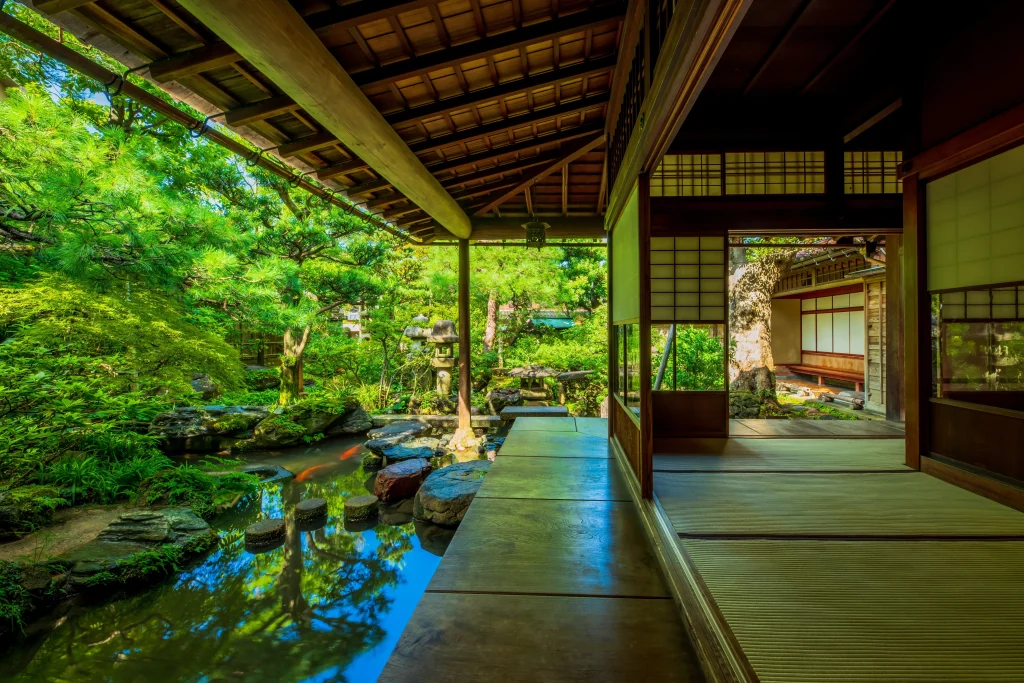
- Tsukiji Jisaku (Tokyo) — Opened in 1931 in a former Iwasaki family residence near Tsukiji, this ryotei is known for its Japanese garden with a koi pond and its signature mizutaki (chicken hot pot), alongside a seasonal kaiseki course. English-speaking staff are on hand, and religious and allergy-related dietary requests can be arranged in advance. Kaiseki courses run ¥27,500–35,000, with a private room fee and 15–20% service charge added on top.
- Tokyo Nadaman, Imperial Hotel (Tokyo) — A kaiseki restaurant with a 190-year heritage, operating inside the Imperial Hotel Tokyo in a sukiya-style interior designed by architect Togo Murano. As a hotel-based option, it offers a somewhat more accessible booking process than a standalone ryotei, with dinner courses priced from around ¥27,000–28,000 and special celebration kaiseki sets from ¥23,000.
- Kikunoi Honten (Kyoto) — A three-Michelin-star restaurant led by third-generation chef Yoshihiro Murata, known for treating its tableware, decor, and rooms as extensions of the seasonal storytelling on the plate. Courses span roughly ¥22,000 to ¥77,000, with both lunch and dinner options available.
- Kodaiji Wakuden (Kyoto) — Part of the Wakuden group, this Higashiyama ryotei offers lunch courses at ¥33,000–44,000 and dinner courses at ¥55,000–66,000, along with a shojin (vegetarian) course from ¥33,000 with five days’ advance notice. A seasonal crab kaiseki course is also offered in winter.
- Yamanoo (Kanazawa) — A ryotei and ryokan founded in 1890 on a hillside in Kanazawa’s Higashi Chaya district, built around a “one guest, one villa” concept with four detached rooms. Its Kaga-style kaiseki menu features regional specialties such as nodoguro (blackthroat sea perch) and Noto beef, and can be experienced either as a day visit or as part of an overnight stay, with rates from ¥45,300 per person including breakfast and dinner.
Because menus and pricing are revised seasonally, treat this as a starting point for research rather than a final booking list, and confirm current details directly with each restaurant, via their listed reservation channel, or through your accommodation before finalizing plans.
How Much Does Kaiseki Ryori Cost?
Kaiseki ryori spans a wide price range depending on the venue, the number of courses, and the time of day. As a general guide:
- Entry-level kaiseki courses, including those at hotel restaurants, typically start around ¥20,000–35,000 per person for a full multi-course set without drinks.
- Well-regarded ryotei commonly charge ¥30,000–45,000 for lunch, with dinner courses often priced higher.
- Michelin-starred flagship restaurants sit at the top of the range, with dinner courses reaching ¥60,000–80,000, and seasonal specialties such as winter crab kaiseki sometimes pushing beyond ¥90,000.
For specific current prices, see the restaurant profiles above. On top of the listed course price, most ryotei add a service charge of 15–20%, and some also charge a separate private room fee. Consumption tax is usually included in the quoted price, but it’s worth double-checking. Because pricing changes seasonally and varies by restaurant, it is worth confirming the current course price directly with the venue, your accommodation, or your travel planner before booking.
How to Reserve a Kaiseki Ryori Experience
Unlike casual dining in Japan, kaiseki ryori almost always requires a reservation, and the process can be one of the more difficult parts of planning for overseas visitors.
Reservations are often required well in advance. Many of the most sought-after ryotei accept only a limited number of guests per seating, so tables can be booked out weeks ahead, especially during peak cherry blossom and autumn foliage seasons.
Many restaurants are not set up to take direct bookings from overseas guests. Some require the reservation to be made in Japanese, or only accept bookings through a hotel concierge or an existing personal introduction, which can make independent booking difficult for first-time visitors.
Cancellation policies tend to be strict. Because these restaurants prepare a fixed number of seasonal dishes in advance for each seating, last-minute cancellations or no-shows often carry a cancellation fee, in some cases equal to the full course price. Arriving significantly late can also result in an automatic cancellation of your table.
Confirm dress code and dietary needs at the time of booking, since most restaurants cannot accommodate last-minute changes once a course is underway (see Dietary Restrictions below).
Given these constraints, many travelers choose to have their accommodation or a travel planner handle the reservation on their behalf, since local contacts can navigate the language barrier and secure a table at restaurants that may not be reachable through public booking channels.
Kaiseki Ryori Etiquette and Practical Tips
Signals for Finishing a Meal in Kyo-Kaiseki
In Kyo-kaiseki, there is a traditional way to indicate that you have finished your meal. A polite way to handle a covered dish is to slightly open the lid or set it neatly to the left. Being aware of this custom helps facilitate smooth communication with the restaurant staff and allows for a more seamless dining experience.
Dress Code
Most kaiseki ryori restaurants expect guests to dress in smart casual attire.
For women, dresses, jackets, or coordinated outfits are common choices.
For men, wearing a jacket with pants is considered appropriate, while jeans, shorts, and sandals should be avoided.
Since kaiseki ryori places great emphasis on the delicate aromas of the dishes, it is best to avoid wearing strong perfumes. Additionally, as traditional kaiseki ryori is often served in tatami rooms, guests will be required to remove their shoes. Wearing easily removable footwear and clean socks is recommended.
Chopstick Etiquette
Chopsticks (ohashi) at a kaiseki meal are typically presented wrapped in a paper sleeve. Rather than tearing the sleeve to remove them, the polite approach is to gently slide the chopsticks out, keeping the sleeve intact. This small gesture reflects the same spirit of care and attentiveness that runs through every part of the kaiseki experience.
Expressing Gratitude Instead of Tipping
Kaiseki ryori offers a refined and hospitable dining experience, but Japan does not have a tipping culture, even at high-end restaurants, including those with Michelin stars. Instead of tipping, expressing your appreciation directly to the chef or staff by sharing your thoughts on the meal is considered the highest form of gratitude.
Dietary Restrictions: Vegetarian and Vegan Options
Traditional kaiseki ryori relies heavily on dashi, a stock typically made from bonito flakes and kelp, along with seasonal fish and seafood. Because of this, a standard kaiseki course is rarely suitable for strict vegetarians or vegans, and substitutions are not always possible once the course is underway.
If you have dietary restrictions, the most important step is to inform the restaurant when making your reservation rather than on the day of your visit, since dishes are prepared in advance as a fixed set.
For travelers seeking a fully plant-based alternative, shojin ryori is worth considering. This is the traditional Buddhist temple cuisine that applies the same seasonal philosophy and artistry as kaiseki ryori, but built entirely around tofu, yuba, mountain vegetables, and plant-based dashi. It is served at select temples and specialist restaurants, particularly around Kyoto, and offers a comparable sense of ceremony and seasonal storytelling for guests who cannot eat a standard kaiseki menu.
Summary
Kaiseki ryori is a unique culinary experience that embodies Japanese culture and aesthetics. Its history is deeply intertwined with the tea ceremony, evolving with the spirit of wabi-sabi, and expressing the beauty of nature’s transitions through seasonal ingredients and carefully chosen tableware. By understanding the meaning behind each dish and the flow of the meal, diners can fully appreciate the depth and artistry of this sophisticated dining tradition.
Experience Authentic Kaiseki Ryori with ENJYU JAPAN
Booking a genuine kaiseki ryori experience can be one of the more challenging parts of planning a trip to Japan, from navigating language barriers to securing a seat at restaurants that don’t take direct overseas reservations. ENJYU JAPAN can arrange a kaiseki ryori experience tailored to your itinerary, dietary needs, and preferred setting—whether that’s a ryotei in Kyoto, a ryokan dinner, or a Michelin-starred dining room. Contact us to plan your kaiseki ryori experience.