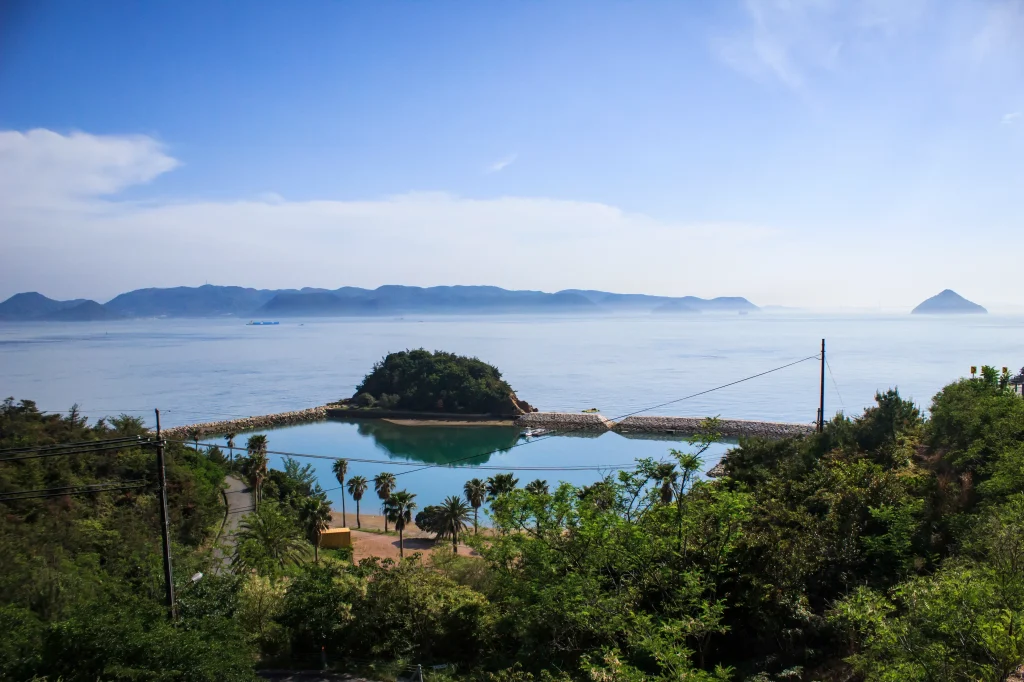
Naoshima is a small island in Japan’s Seto Inland Sea and one of the country’s leading destinations for contemporary art. It rewards travellers who plan its fixed parts first: opening days, timed tickets, ferry services and accommodation. A museum entry time, an outbound ferry and a return journey need to fit together. Once they do, Naoshima becomes a quieter pause within a wider journey through Japan.
Is Naoshima Worth Visiting?
Naoshima is worth visiting if you want to see contemporary art as part of a real island landscape. Museums sit below ground, artworks appear beside the sea, and installations occupy former homes in village streets. Art, architecture and everyday life meet within a small area.
The art project began with the opening of Benesse House in 1992. Benesse Holdings and the Fukutake Foundation have continued to develop art activities on Naoshima and nearby islands. This background matters because Naoshima is not an empty outdoor gallery. Residents still live in its villages, and visitors share the island with local routines.
You do not need specialist knowledge to enjoy the island. What matters is an interest in the relationship between an artwork, its setting and the time you spend with it. For a short visit, choose fewer priorities and give each one enough time.
Plan Before You Book
The most reliable Naoshima plan works in five connected steps: check the date, review ferry options, choose museum tickets, plan local transport, then decide where to stay. Do not treat these decisions separately. Your museum entry time should work with both your outward and return ferry services.
First, check the official opening calendar for your exact date. Closure days differ by facility, and special arrangements may apply during Japanese public holidays or exhibition periods. A general rule about Mondays is less useful than checking the calendar for your own visit.
Second, review the ferry timetable before choosing an entry time. Confirm which port your selected service arrives at, which port you will use to leave, and how much time you need between the terminal and your first museum. This is particularly important for a day trip.
Third, reserve the facilities that use timed entry. Fourth, review the town bus and museum-area shuttle timetable. Finally, book accommodation once you understand how much time you have on the island. If Benesse House is your preferred stay, check room availability at the same time as your museum plans. Your preferred room may determine the most practical dates.
In short, choose an entry time that works with both your outward and return ferry services.
Which Museums Need Timed Tickets?
Reserve the work you care about most before filling the day with other plans. A timed ticket gives entry on a fixed date and at a fixed time. It can shape your whole itinerary, especially when ferries and buses run to a timetable.
The following facilities may use admission tickets for a specific date and time. Check the official ticket page for the latest requirements before booking:
|
Facility |
What to know |
| Chichu Art Museum | Timed entry and limited capacity per slot |
| Hiroshi Sugimoto Gallery: Time Corridors | Timed entry and limited capacity per slot |
| Art House Project: Minamidera | Timed entry and limited capacity per slot |
| Art House Project: Kinza | Timed entry and limited capacity per slot; one visitor enters each slot |
| Ring of Fire – Lunar (Night) | Timed entry for the night experience |
Chichu Art Museum is a priority for many first-time visitors. Architect Tadao Ando placed most of the building underground, and natural light changes the atmosphere of its galleries. The museum displays works by Claude Monet, Walter De Maria and James Turrell.
If you are visiting for Monet’s Water Lilies, the experience differs from a conventional gallery visit. The room was designed for the paintings, and daylight changes how the space feels during the day. You come not only to see the works, but also to see how architecture frames them.
The Art House Project needs equally careful planning. It places works in former houses and other existing structures in Honmura, a village where residents still live. The Art House Project uses different ticket arrangements for different sites. Check the official ticket page for the latest coverage of the Multi-Site Ticket and any separate timed-entry requirements.
How to Get to Naoshima Island
Most visitors reach Naoshima by ferry or passenger boat from Uno Port in Okayama Prefecture or Takamatsu Port in Kagawa Prefecture. The best departure point depends on where you are coming from, where you are travelling next and which Naoshima arrival port is most practical for your first booked activity.
|
Departure point |
Naoshima arrival port | Best for |
Key point |
|
Uno Port |
Miyanoura Port or Honmura Port, depending on the service | Travellers using Okayama, Kyoto, Osaka or Hiroshima routes | Check the arrival port before deciding what to see first |
|
Takamatsu Port |
Miyanoura Port | Travellers staying in Takamatsu or continuing through Shikoku | Plan enough time for the ferry and onward island transport |
Miyanoura is the main ferry gateway for many visitors. It is useful for collecting information, checking local transport and beginning a visit in the northern part of the island. Honmura Port is closer to the Art House Project and the Ando Museum, so it can suit visitors whose first confirmed activity is in the village area.
It is useful to understand the difference between a ferry and a passenger boat. A ferry is larger and can carry vehicles. A passenger boat carries people only and may have a different journey time. In poor weather, always follow the official service status when making travel decisions.
Check Shikoku Kisen’s official information before travelling, as reservation arrangements and boarding procedures may vary by service. Arrive with enough time to buy a ticket, board safely and respond to changes in the day’s operation.
Do not choose a route only because it appears shortest on a map. Choose the service that allows you to reach your booked museum calmly and return in time for your next hotel, train or flight.
See Naoshima in Three Areas
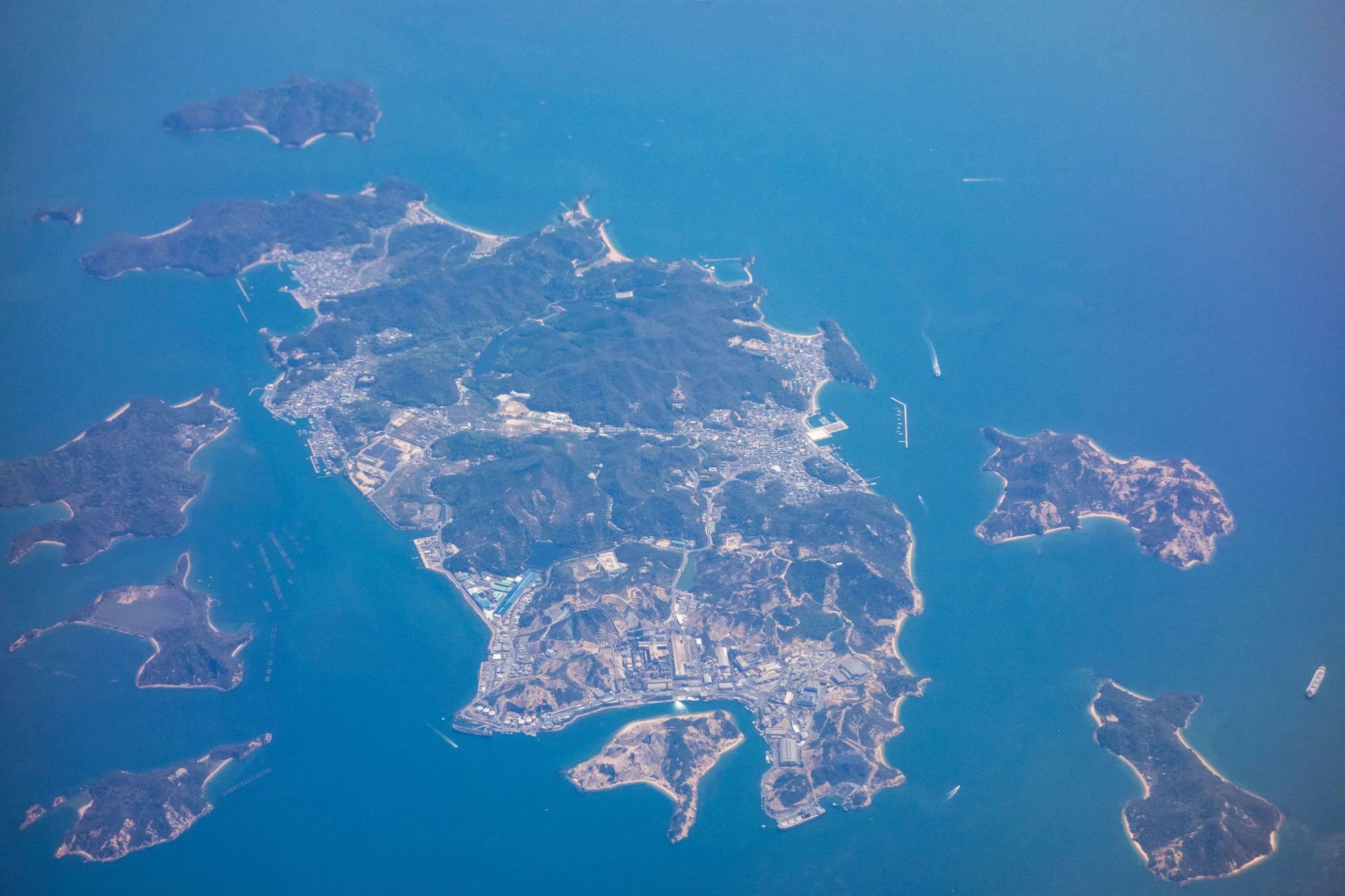
Naoshima is easier to understand through three areas: Miyanoura, Honmura and the Benesse House area in the south. Each offers a different kind of visit, so a good itinerary does not need to include every site in one day.
Miyanoura: Your Arrival Point
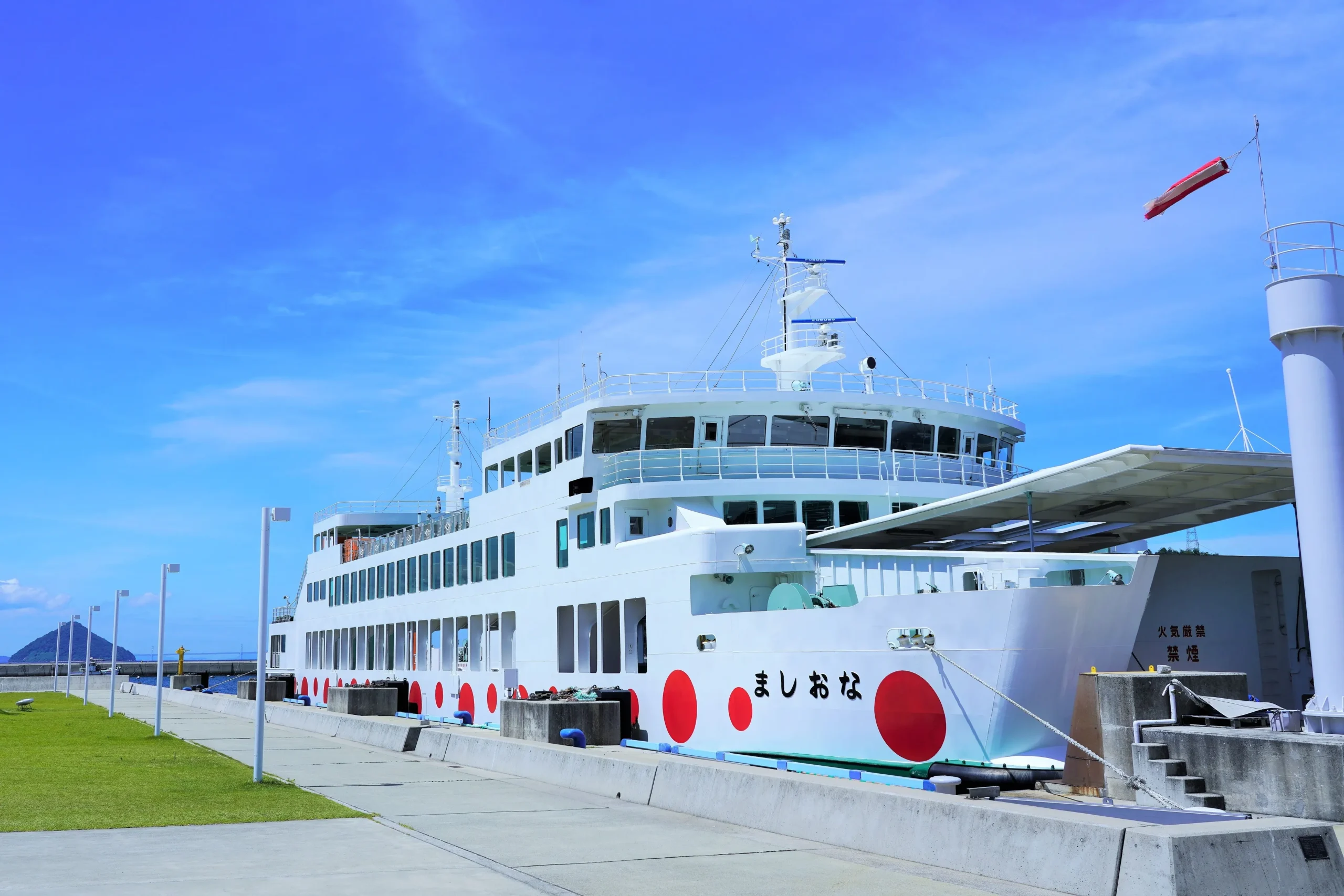
Miyanoura is the arrival point for many ferries and passenger boats. It is a practical place to collect information, check local transport and orient yourself before moving on to the village or southern museums.
Miyanoura also includes Naoshima Bath “I ♥ Yu”, Miyanoura Gallery 6 and the Naoshima Plan “The Water”. These sites can suit travellers with time before a ferry, but they do not need to fill the whole day. Use Miyanoura as an organised beginning or end to your visit.
Honmura: Art in a Living Village
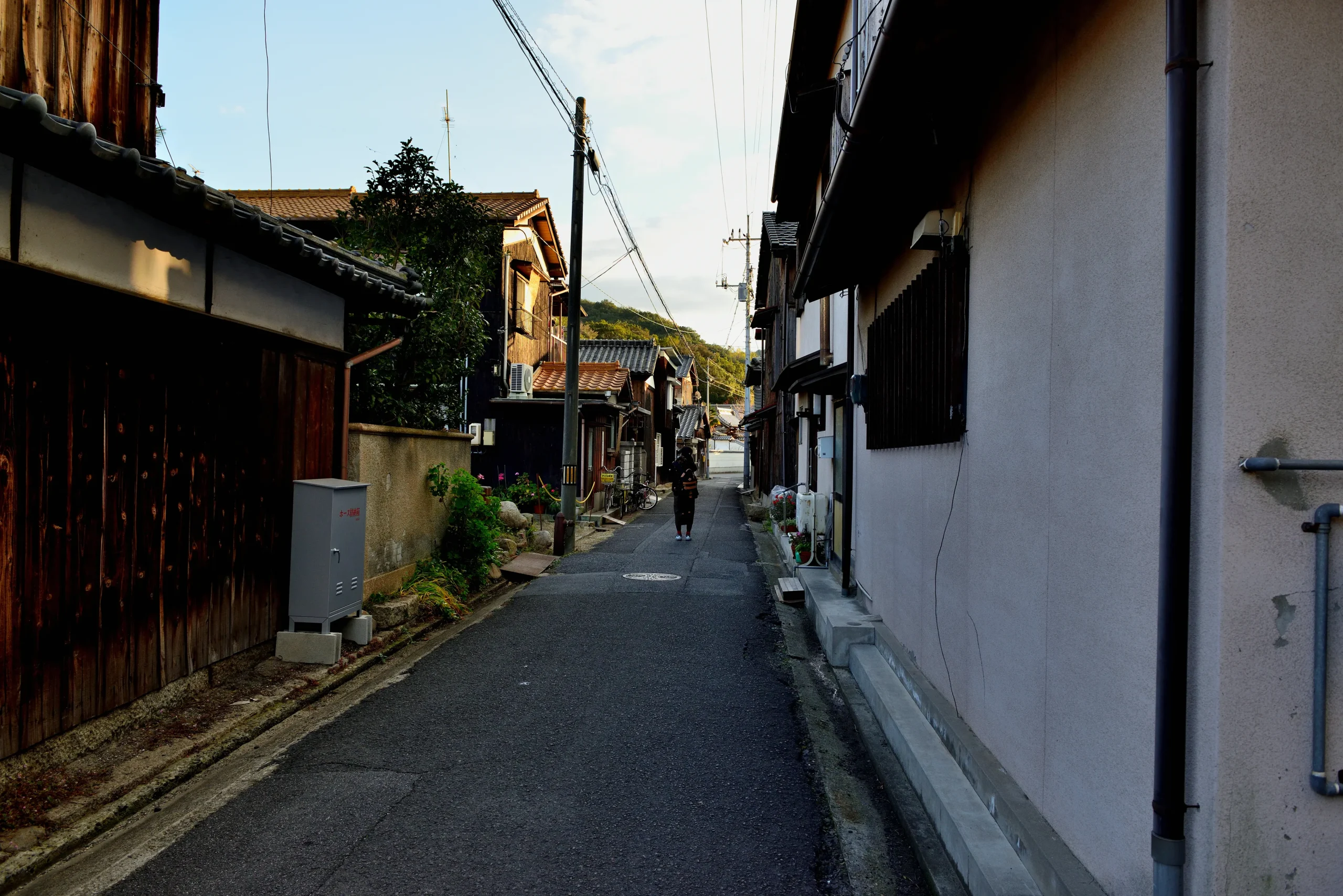
Honmura is where Naoshima’s connection between art and local life is most visible. The Art House Project places site-specific works in former homes, a shrine and other existing buildings. A site-specific work is made for one particular setting, rather than being moved easily to another gallery.
The Ando Museum is also in Honmura. It introduces Tadao Ando’s work on the island through a traditional wooden house reshaped with modern concrete spaces. Nearby, the Naoshima New Museum of Art stands on a hill in Naoshima’s residential area, near Honmura.
Walk quietly in Honmura and follow signs around homes and narrow streets. This is not a museum-only district. It is a community where residents continue their daily lives.
Benesse House Area: Museums and Coastline
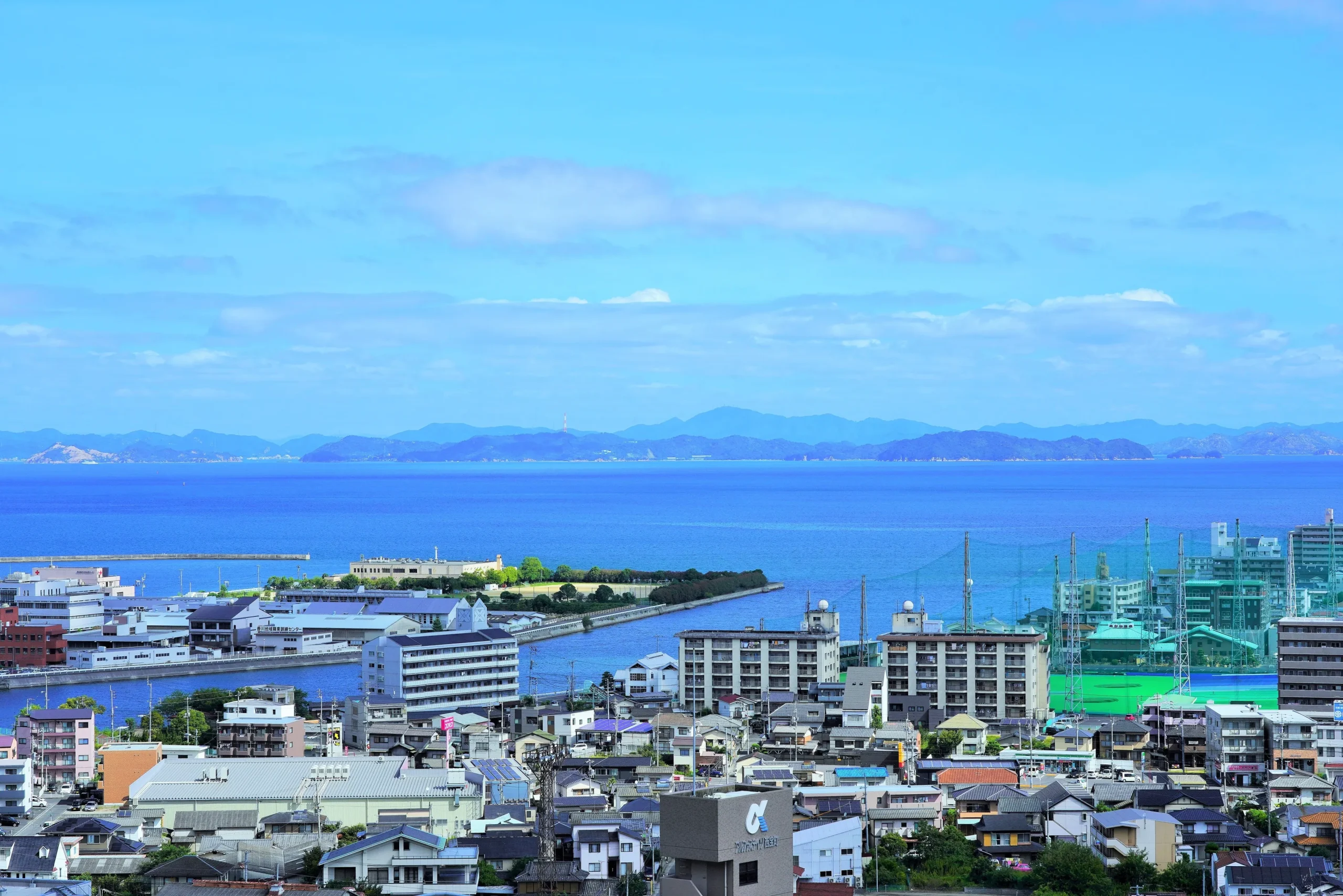
The Benesse House area includes Chichu Art Museum, Benesse House Museum, Hiroshi Sugimoto Gallery: Time Corridors, Lee Ufan Museum and outdoor works. It is the main area for travellers who want to focus on large-scale art spaces, architecture and the coast.
Benesse House Museum combines museum spaces with a hotel designed by Tadao Ando. Its works appear indoors and outdoors, including on terraces and around the grounds. Lee Ufan Museum presents the work of Korean artist Lee Ufan in a building designed with Tadao Ando.
This area needs more time than its map position suggests. Museum entry slots, shuttle connections, slopes and walking distances all affect the day. Choose two or three priorities, rather than trying to see every museum.
How to Get Around with an Island Map
Download the official English-language island map before travelling. It shows the relationship between Miyanoura, Honmura, Tsutsuji-so and the Benesse House area. It will help you understand where a ferry arrives and where a bus connection ends.
The Naoshima Town Bus and the Benesse Art Site Naoshima shuttle help visitors travel between the island’s main areas. Check the latest official timetable, stops and operating days before travelling, especially if you have a timed museum entry or a ferry to catch.
The public shuttle service is different from the courtesy bus for guests staying at Benesse House.
Allow extra time when using the town bus, particularly if you have a timed museum entry or a ferry to catch. Public buses, walking and pre-arranged transport should form the basis of your plan. The island may look small on a map, but its three main areas are far enough apart to require transport.
Bicycles are available in Miyanoura and Honmura, and can be useful for confident riders. However, some roads have slopes, and access restrictions apply in parts of the southern museum area. Follow the latest official guidance, use designated parking areas where required, and continue on foot or by shuttle when necessary.
One Day or One Night?
A day trip is possible if you choose a limited number of priorities. It works best when you book one key museum, select one nearby area and check your return ferry before leaving the mainland.
For a one-day visit from Uno, check whether your selected service arrives at Miyanoura or Honmura, then choose your first activity accordingly. Focus on either the southern museums or Honmura, and confirm your return port before leaving the mainland. For a one-day visit from Takamatsu, Miyanoura is the usual arrival point, so plan your first local connection before booking a museum entry time.
An overnight stay gives more freedom, but it is not essential for every visitor. It is especially useful if you want to see both Honmura and the southern museum area, or if you prefer room for a slower meal and changes in the weather.
Use one night to reduce pressure, not to add more sites without pause. The benefit is time: time for ferry changes, a longer gallery visit and a quieter walk through the village.
Where to Stay on or Near Naoshima
Choose accommodation according to your next morning’s plan. Staying on Naoshima reduces the pressure of matching every activity to a ferry. Staying in Uno, Okayama or Takamatsu can offer a wider choice of rooms and simpler onward rail connections.
Benesse House is Naoshima’s best-known art hotel. It has four accommodation buildings: Museum, Oval, Park and Beach. Each has a different location and room type.
Benesse House guests may receive admission benefits for selected art facilities. Check the hotel’s official stay information for the current eligible venues and conditions. Chichu Art Museum and the Art House Project may require separate tickets, so confirm the latest arrangements before booking.
Benesse House also provides a courtesy bus for its guests. It is separate from the public shuttle service. Routes, stops and operating times may vary, so confirm the current service directly with the hotel before travelling.
Smaller guesthouses, inns and rental accommodation are also available on Naoshima. Compare their location carefully. Miyanoura suits ferry access, Honmura suits the Art House Project, and the southern area suits visitors focusing on the museums.
If you stay overnight, make a dinner plan before you arrive. Dining options are concentrated in a small number of areas, and opening days and evening hours can vary. Check whether your accommodation includes dinner and breakfast. If it does not, reserve a table or confirm another suitable option in advance.
If Weather or Ferries Change Your Plans
A good Naoshima plan has a second version. Rain, sold-out tickets and ferry disruption are different problems, so they need different responses.
|
Situation |
What to do |
| Rain, but boats and facilities are operating | Keep reserved indoor museums at the centre of the day. Reduce cycling, long outdoor walks and time at coastal works. |
| A priority museum is unavailable | Check official availability before changing plans. Then choose an open site in the same area, rather than crossing the island without a clear reason. |
| Ferry disruption before departure | Check the official service notice. Review your museum ticket, hotel and onward-transport conditions before deciding whether to wait or change the day. |
| A return ferry is cancelled or disrupted while you are on Naoshima | Contact the ferry operator, your accommodation and your next hotel or rail provider early to discuss the options available. Use confirmed information rather than informal forecasts. |
Rain does not automatically spoil a visit. Chichu Art Museum, Benesse House Museum, Hiroshi Sugimoto Gallery, Lee Ufan Museum and several Art House Project sites offer indoor experiences. However, rain can slow walking and make cycling unsuitable, so reduce the number of areas you try to cover.
Ferry cancellations or disruptions affect access to the island itself. If you are still on the mainland, do not assume that the next service will operate. If you are already on Naoshima, contact your accommodation and onward transport providers early to discuss the options available before making further plans.
Before You Go
Use this final check before leaving for Naoshima:
- Check the official opening calendar for each priority facility
- Check which priority facilities use timed entry, then reserve the tickets you need
- Confirm which Naoshima port your selected ferry service uses, especially if travelling from Uno
- Check the current ferry timetable and same-day service notices
- Save the official English-language island map and local transport timetable
- Confirm your hotel check-in time, meal plan and any hotel shuttle arrangements
- Reserve dinner, or confirm another suitable option, if you are staying overnight
- Keep your museum booking details, ferry plan and accommodation information together on your phone
Naoshima becomes memorable when the plan leaves room for attention. You may remember the salt air beside the harbour, the changing daylight around Monet’s paintings, or a quiet turn into a lane in Honmura. These moments are easier to notice when the practical details are already in place.
Check the opening calendar, reserve your priority entry times and confirm your return ferry service. If you are fitting Naoshima into a wider journey through Japan, ENJYU JAPAN can help you coordinate accommodation, museum reservations and transport around confirmed availability. A careful itinerary does not hurry the island; it gives you time to experience it properly.
References
- Benesse Art Site Naoshima – Ticket Reservations
- Benesse Art Site Naoshima – Getting Around on Naoshima
- Benesse Art Site Naoshima – Chichu Art Museum
- Benesse Art Site Naoshima – Art House Project
- Benesse Art Site Naoshima – Naoshima New Museum of Art
- Benesse Art Site Naoshima – Benesse House Stay Information
- Naoshima Town Tourism Association – Access to Naoshima and Other Islands
- Shikoku Kisen – Naoshima Ferry Routes, Timetables and Service Information