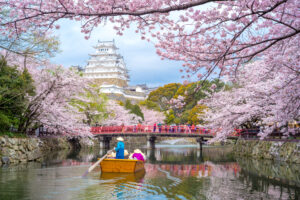
Hanami, the traditional Japanese custom of enjoying cherry blossoms, is a cherished cultural event symbolizing spring in Japan. It has evolved into a nationwide activity beloved by people across all generations. However, for those new to Hanami, questions like “What exactly do you do at Hanami?” or “How can I make the most of it?” often arises. These uncertainties can be prevalent for first-time visitors wanting to immerse themselves in the tradition. This guide delves into the timing of cherry blossoms and provides a comprehensive look at how to enjoy Hanami to the fullest. If you’re planning a trip to Japan during cherry blossom season, you’ll find tips here to make the experience truly unforgettable. Discover the beauty of Sakura and enjoy a unique springtime tradition that captures the heart of Japan.
Why is Hanami Celebrated
Hanami is a quintessential celebration of spring in Japan. Its origins date back to the Nara period when aristocrats primarily admired plum blossoms. By the Heian period, cherry blossoms became the central focus, intertwining with the cultural practices of composing poetry and expressing seasonal appreciation. During the Edo period, Hanami extended to the general public as parks and cherry blossom viewing spots were developed. This transformation turned Hanami into a widely embraced cultural event. Today, it has evolved into a nationwide tradition enjoyed by people of all ages. Hanami takes various forms, from casual picnics with family, friends, or coworkers to more modern approaches like illuminated night viewings or cherry blossom cruises. These contemporary experiences have added new dimensions to the traditional practice, enhancing its appeal to modern viewers. With its deep historical roots and enduring popularity, Hanami remains a beloved celebration of Japan’s spring. It symbolizes harmony with nature and an appreciation for fleeting beauty, drawing widespread admiration both domestically and internationally.
The Deeper Meaning of Hanami: Mono no Aware
Beyond the picnics and photo opportunities, this tradition carries a deeper cultural and philosophical significance rooted in the Japanese concept of mono no aware (物の哀れ), a phrase often rendered in English as “the pathos of things.” At its core, it describes a bittersweet, almost wistful awareness that beauty is made more precious, not less, by the fact that it cannot last.
Cherry blossoms typically remain in full bloom for only about one to two weeks before falling, and it is precisely this fleeting nature that the Japanese have come to treasure. Rather than lamenting the brevity of the blossoms, Hanami invites participants to embrace the beauty of the present moment, recognizing that nothing in life, including the blossoms themselves, lasts forever. When cherry petals begin to drift and scatter in the wind, a phenomenon poetically referred to as hanafubuki, or “flower snowstorm,” it is often considered just as beautiful, if not more so, than the blossoms in full bloom.
For visitors to Japan, understanding this layer of meaning can transform Hanami from a simple seasonal event into a genuinely reflective experience. Watching petals fall onto a picnic sheet or drift across a river’s surface offers a quiet reminder to slow down and appreciate the present, a sentiment that resonates with travelers regardless of their cultural background.
This is part of why Hanami continues to captivate not only locals but also international visitors seeking a deeper connection with Japanese culture during their trip, and why it feels so different from an ordinary garden visit or springtime stroll back home: the emphasis is not just on the flowers themselves, but on the awareness that this particular view will never look quite the same again.
When is Hanami Season
The Hanami season generally spans from late March to early May, with peak bloom periods varying each year based on the forecasted blooming dates of Somei Yoshino, the most common cherry blossom variety. In Kyushu and Shikoku, blooming begins in late March, while in Honshu, the blossoms typically reach their peak from late March to early April. In Tohoku, cherry blossoms are at their best from mid to late April, and in Hokkaido, the season extends to early May. However, blooming times can shift depending on weather conditions, so staying updated is crucial. Many popular Hanami spots provide regular updates on blooming progress via official websites. Checking these resources in advance ensures that you can plan your visit to witness the cherry blossoms at their most stunning.
Beyond Somei Yoshino: Other Cherry Blossom Varieties Worth Knowing
While Somei Yoshino is by far the most iconic and widely planted cherry blossom variety in Japan, it is far from the only one worth seeking out. Japan is home to several hundred cultivated and wild cherry varieties, many of which bloom at different times and offer distinctly different looks, effectively extending the window for enjoying Hanami well beyond the few weeks that Somei Yoshino is in flower.
Early bloomers such as Kanzakura and Kawazuzakura often begin flowering as early as February in warmer regions, their deep pink blossoms opening weeks ahead of the Somei Yoshino displays that typically define the start of the “official” cherry blossom season. In Okinawa, the Kanhizakura variety, with its distinctive bell-shaped, deep pink flowers, blooms earlier still, often from mid-January, making the subtropical islands the first place in Japan to welcome spring’s cherry blossoms each year.
At the other end of the season, later-blooming varieties such as Kanzan and other yaezakura, or “double-flowered” cherries, extend the display into late April and early May, well after most Somei Yoshino petals have fallen. These varieties are known for their dense, ruffled, multi-layered blossoms and richer pink coloring, offering a striking contrast to the simpler five-petaled Somei Yoshino flower.
For travelers whose trip dates don’t align neatly with peak Somei Yoshino bloom, seeking out parks and gardens known for these earlier or later varieties, many of which intentionally plant a mix for exactly this reason, can be an effective way to still experience genuine Hanami, whatever week of spring they happen to be visiting.
How is Hanami Celebrated
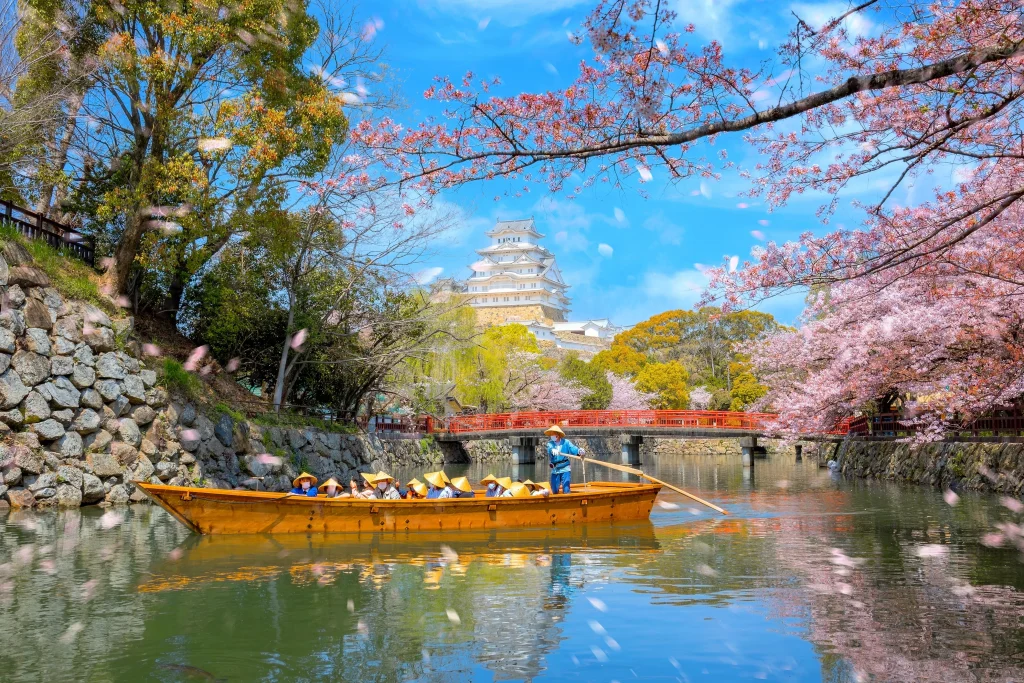
Hanami is often associated with the classic daytime activity of enjoying a picnic under the cherry blossom trees. Bringing along bento boxes and drinks while spending time with friends and family beneath the blooming Sakura creates a quintessential scene of Japanese spring. At popular Hanami spots, food stalls selling items like yakisoba and potato snacks add to the festive atmosphere, offering an additional layer of enjoyment. Yozakura, which is Hanami at night, provides a completely different experience. Illuminated by lanterns or special lighting, the blossoms take on a dreamy and romantic quality, creating an atmosphere distinct from the cheerful ambiance of the daytime. The tranquil setting of the evening makes savoring the beauty of the cherry blossoms a truly unique and serene experience. Another delightful way to enjoy Hanami is by strolling along cherry blossom-lined paths or taking a boat ride to admire the blossoms reflected on the water’s surface. Each setting offers a unique perspective of the cherry blossoms, allowing you to fully immerse yourself in the beauty and essence of spring.
Hana Yori Dango: Food, Drink, and Company Over Blossoms
A well-known Japanese expression closely tied to Hanami is hana yori dango, which literally translates to “dumplings over flowers.” The phrase playfully suggests that for many people, the food, drink, and company shared during Hanami often matter just as much as, if not more than, the blossoms themselves. It captures something essential about how Hanami is actually practiced in Japan: less a solemn appreciation of nature and more a lively, social gathering centered on food and conversation.
True to this spirit, certain foods have become closely associated with the season. Hanami dango, three-colored rice dumplings skewered on a stick in pink, white, and green, are a classic seasonal treat sold at convenience stores, sweet shops, and festival stalls throughout the blooming period. Sakura mochi, a pink rice cake filled with sweet red bean paste and wrapped in a pickled cherry blossom leaf, is another seasonal favorite, prized for its delicate floral aroma. Alongside these sweets, savory items like onigiri rice balls, bento boxes, and skewered yakitori are common picnic staples, often accompanied by sake or seasonal cherry-blossom-flavored drinks.
For travelers, seeking out these specific foods can add an extra layer of cultural immersion to a Hanami outing. Rather than simply bringing any snacks, picking up a box of hanami dango or a piece of sakura mochi from a local confectionery connects the experience more directly to the tradition itself. Many convenience stores and supermarkets across Japan also roll out limited-time sakura-themed snacks, drinks, and desserts each spring, making it easy for visitors to sample the seasonal flavors even without seeking out a specialty shop.
Things to Have Ready for Hanami
To fully enjoy Hanami, preparation is key. Having the right items on hand ensures a more comfortable and memorable experience under the cherry blossoms.
First and foremost, bring a picnic sheet to avoid sitting directly on the ground. It’s an essential item that allows you to claim your spot and enhances your comfort. Packing bento boxes, light snacks, and drinks adds a festive touch, turning your outing into a delightful picnic under the blooming trees.
While the days during the Hanami season in March and April are often warm, mornings and evenings can get chilly. Bringing a jacket or blanket will keep you cozy and let you enjoy the blossoms without discomfort. Additionally, don’t forget to pack trash bags for cleaning up after yourself, ensuring a hassle-free and eco-friendly outing.
With these preparations, you’ll be ready to relax and immerse yourself in the beauty of Japan’s iconic cherry blossoms.
Hanami Etiquette: How to Celebrate Respectfully
While Hanami is a relaxed and social occasion, it follows a set of unwritten, and sometimes officially posted, rules that help keep the experience enjoyable for everyone sharing the same park or riverside. Understanding these customs in advance can help visitors avoid awkward moments and show respect for local practices.
Reserving a spot (basho-tori). In Japan, it is common, especially among coworkers, for someone to arrive early in the morning to claim a good viewing spot by laying down a tarp or blue picnic sheet, a practice known as basho-tori. However, not every park allows this. Kyoto’s Maruyama Park, for example, officially prohibits laying out sheets in advance to reserve space, asking visitors to enjoy Hanami with consideration for others instead. Because rules vary by location, it is worth checking signage or local guidance before assuming a spot can be reserved hours ahead of time.
Noise and behavior. Many parks discourage or outright ban loud music, karaoke, and rowdy behavior, particularly in the evening when nearby residents may be affected. Open flames, including barbecues and fireworks, are prohibited in most public parks. Climbing trees or breaking off branches to take home is also considered highly disrespectful, since it damages the very trees everyone has gathered to admire.
Cleaning up. Perhaps the most important rule of all is to leave the space as clean as it was found. Since public trash cans are relatively scarce in Japan, visitors are expected to bring their own trash bags and carry their garbage out with them rather than leaving it behind for park staff. Popular Hanami spots can generate significant litter during peak season, and local governments and park associations frequently urge visitors to be mindful of this responsibility.
Sharing space. Because prime viewing spots can get crowded quickly during peak bloom, especially on weekends, groups are generally expected to be mindful of how much space they occupy and to make room for others where possible. Sitting directly under low branches, blocking pathways, or setting up large tents can inconvenience other visitors.
Respecting sacred and historic sites. Many popular Hanami locations, such as Himeji Castle or Kyoto’s temple grounds, are historic or religious sites. At some of these locations, full picnic-style banquets are discouraged or banned entirely in favor of quiet, contemplative viewing, so it is worth checking each location’s specific rules rather than assuming every spot welcomes a full Hanami party setup.
Ultimately, most of these customs boil down to a simple principle: because Hanami is meant to be enjoyed by the entire community, not just one’s own group, a bit of consideration goes a long way toward preserving the tradition for everyone.
Where is Hanami Celebrated
Hirosaki Park | Aomori
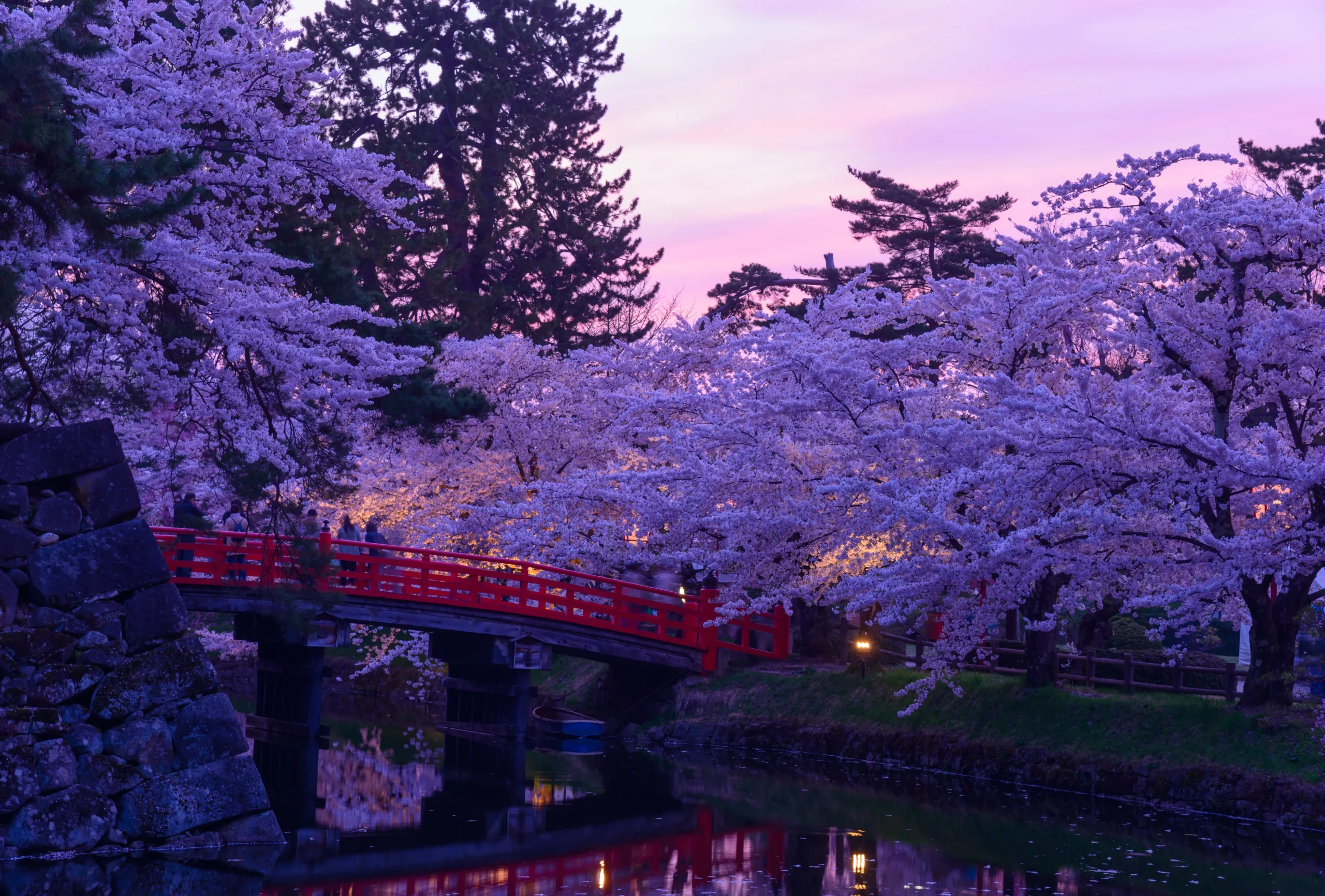
Hirosaki Park, located in the heart of Hirosaki City, Aomori, is one of Japan’s premier cherry blossom viewing destinations, boasting approximately 2,600 cherry trees. Featuring 52 varieties, including the iconic Somei Yoshino, the park captivates visitors with its abundance and beauty of blooms. The contrast between the blossoms and historic structures, such as the castle keep and gates, creates breathtaking scenery that draws admiration from all who visit.
Hirosaki Cherry Blossom Festival, held from late April to early May, transforms the park into a lively celebration of spring. During the festival, visitors can enjoy various events and admire the illuminated cherry blossoms at night, which offer an enchanting and magical atmosphere distinct from the daytime views.
Hirosaki Park is a remarkable fusion of Japan’s rich history and natural splendor. For those seeking to experience its profound beauty and charm, this park is undoubtedly a destination worth visiting.
Meguro River | Tokyo

Meguro River, flowing through the Setagaya, Meguro, and Shinagawa wards of Tokyo, is renowned as one of the premier cherry blossom viewing spots in Tokyo. Approximately 800 Somei Yoshino cherry trees line the riverbanks, creating a stunning 4-kilometer-long Sakura promenade. During peak bloom, the blossoms form a mesmerizing tunnel over the river, captivating all who visit.
By day, the sight of cherry blossoms reflected on the river’s surface offers a serene beauty, while at night, the illuminated blossoms transform the area into a magical wonderland of night Sakura. The contrasting atmospheres between day and night are part of what makes Meguro River so special.
In addition to the breathtaking scenery, the area is dotted with numerous cafes and restaurants, allowing visitors to enjoy delicious food and drinks while taking in the views. Whether strolling along the river or savoring the local flavors, Meguro River offers a delightful springtime experience not to be missed.
Read More: Tokyo Cherry Blossom 2027: When To Go, 7 Best Spots & 5 Festivals
Mt. Yoshino | Nara
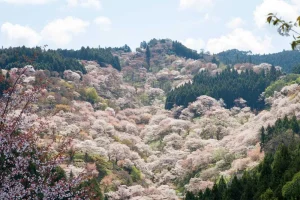
Mt. Yoshino, with approximately 30,000 cherry trees blanketing its slopes, stands as one of Japan’s most celebrated cherry blossom destinations. Renowned for its sheer scale and breathtaking beauty, it draws countless visitors each year from both Japan and abroad.
The mountain is divided into four distinct areas based on elevation: Shimo Senbon (lower area), Naka Senbon (middle area), Kami Senbon (upper area), and Oku Senbon (inner area). Each area showcases cherry blossoms at different times, allowing visitors to enjoy the spectacle over an extended period from early to late April. The pale pink hues of the Shiroyamazakura variety, covering the mountain in a mesmerizing blanket of color, offer an unforgettable sight.
Beyond its natural beauty, Mt. Yoshino is home to several historical landmarks, including the UNESCO World Heritage Sites of Kinpusenji Temple and Yoshino Mikumari Shrine. The harmonious blend of cherry blossoms with these cultural treasures creates a unique and awe-inspiring landscape. This fusion of history and nature provides visitors with not only stunning views but also an opportunity to immerse themselves in Japan’s rich cultural heritage.
Himeji Castle | Hyogo

Himeji Castle, located in Himeji City, Hyogo, is one of Japan’s premier cherry blossom viewing spots, adorned with 1,000 Someiyoshino and Shidarezakura cherry trees. Known as “Shirasagijo,” or the White Heron Castle, its elegant architecture contrasts beautifully with the blooming cherry blossoms, creating a breathtaking, picture-perfect scene.
While the daytime offers stunning views of the castle surrounded by vibrant cherry blossoms, the experience becomes even more enchanting at night. During the evening, the illuminated castle and softly glowing cherry blossoms create a magical atmosphere, offering a different perspective on this historic landmark.
From late March to early April, the annual “Himeji Castle Cherry Blossom Viewing Festival” is held, featuring traditional events such as tea ceremonies and samurai parades. These festivities allow visitors to not only admire the beauty of the cherry blossoms but also immerse themselves in Japan’s rich history and cultural traditions.
Himeji Castle, with its harmonious blend of striking cherry blossoms and majestic architecture, offers more than just flower viewing—it’s a unique opportunity to experience the depth of Japan’s history and culture.
Maruyama Park | Kyoto
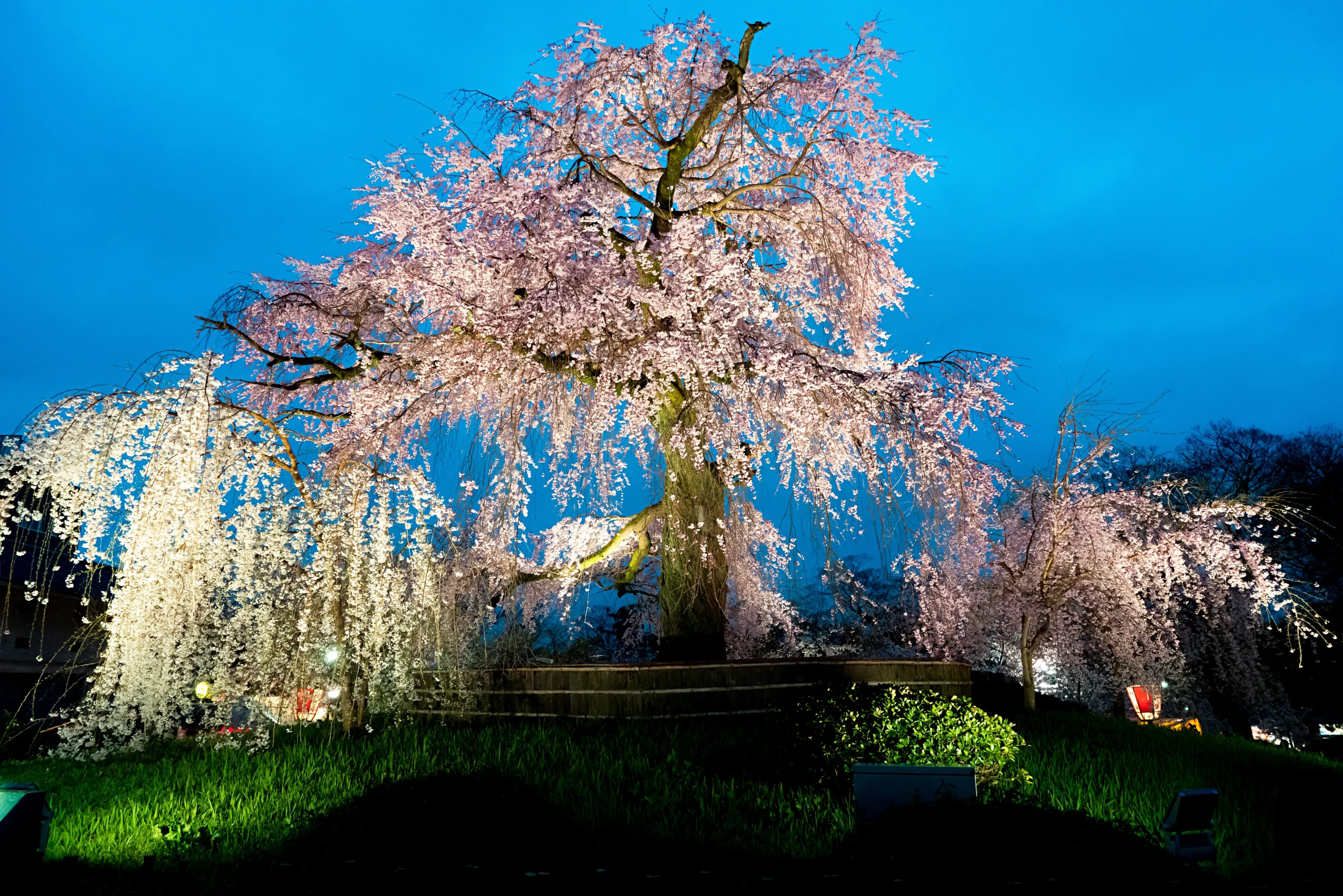
Maruyama Park, located in Kyoto’s Higashiyama district next to Yasaka Shrine, is the oldest public park in the city, established in 1886, and remains one of Kyoto’s most beloved Hanami destinations. Spanning roughly 86,600 square meters and designated a National Place of Scenic Beauty, the park is home to around 680 cherry trees of varying species, though its true centerpiece is a single tree: the Gion shidarezakura, a weeping cherry tree that has become an icon of Kyoto’s spring scenery.
The current tree is actually the second generation of this famous weeping cherry. The original, over 200 years old, was designated a natural monument before it died in 1947. Its successor was grown from seeds collected from the original tree and planted at its present location in 1949 by renowned cherry blossom caretaker Tōemon Sano. Standing around 12 meters tall with a wide, cascading canopy, the tree is illuminated after dark each spring, drawing large crowds eager to see it glow against the night sky, a spectacle often referred to locally as Gion’s night cherry blossom.
Beyond the famous weeping cherry, the park’s grounds include a traditional strolling garden with ponds, teahouses, and stone paths, laid out in part by the celebrated Meiji-era landscape architect Jihei Ogawa. During peak bloom, food stalls and vendors set up throughout the park, adding a lively festival atmosphere by day, while the evening hours offer a quieter, more atmospheric experience centered on the lit-up blossoms.
Maruyama Park’s location also makes it an easy addition to a wider Kyoto itinerary, since it borders Yasaka Shrine and sits within walking distance of the Gion district, known for its preserved wooden machiya townhouses and occasional glimpses of geisha and maiko heading to appointments in the evening. Visitors can easily combine a Hanami outing here with a stroll through some of Kyoto’s most iconic historic streets on the same afternoon.
Maruyama Park, with its centuries of history and its single, unforgettable weeping cherry tree, offers a distinctly Kyoto take on Hanami—one where a millennium-old capital’s elegance meets the simple, communal joy of flower viewing.
Start Planning Your Own Hanami Journey
Hanami, the tradition of enjoying cherry blossoms during their blooming season, is a hallmark of Japanese spring. This cultural event involves admiring the beauty of Sakura while sharing meals, offering a unique way to celebrate the fleeting charm of spring. Over time, the ways to enjoy hanami have diversified, ranging from daytime picnics under the blossoms to nighttime illuminations and even viewing the blossoms from cruise boats. Across Japan, countless hanami spots showcase their own unique appeal, allowing visitors to not only appreciate the beauty of the cherry blossoms but also immerse themselves in the local landscapes and culture. These experiences make hanami more than just flower viewing—it becomes a journey through Japan’s rich seasonal traditions. Because peak bloom dates shift from year to year and vary widely by region and variety, timing a trip around Hanami takes more than checking a single calendar date—it takes current, on-the-ground knowledge of where and when the blossoms will be at their best. By respecting the rules and customs of the places you visit, you can fully enjoy this iconic Japanese springtime celebration. If you’re ready to build a trip around it, from choosing the right cities, parks, and viewing styles to timing your visit as closely as possible to peak bloom, our travel specialists at ENJYU JAPAN can help design a tailor-made Japan itinerary around your travel dates, interests, and pace. Get in touch with us today to start planning your own unforgettable Hanami experience.