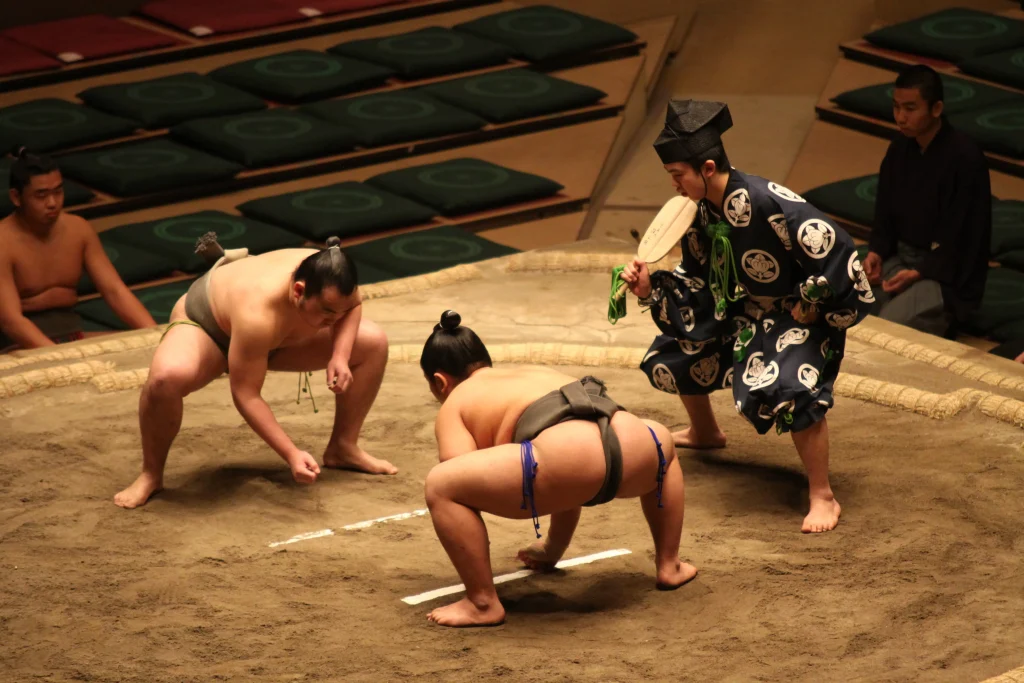
Kochi Prefecture, located on the southern coast of Shikoku Island, offers an “authentic Japan” experience characterized by untamed nature and enduring traditions. To maximize your limited travel time, this guide categorizes destinations by your travel style—family, couple, or first-timer—ensuring you experience the soul of this region rather than just sightseeing.
3 Must-Visit Spots in Kochi for First-Timers (1-Day Efficient Plan)
If you are visiting Kochi for the first time, concentrating on the three main landmarks—Kochi Castle, the Makino Botanical Garden, and Chikurin-ji Temple—allows you to grasp the prefecture’s history and natural identity within a single efficient day. If you extend your stay to two days, we recommend selecting one or two additional hidden gems from this guide to deepen your exploration.
Kochi Castle (Kochi-jo)
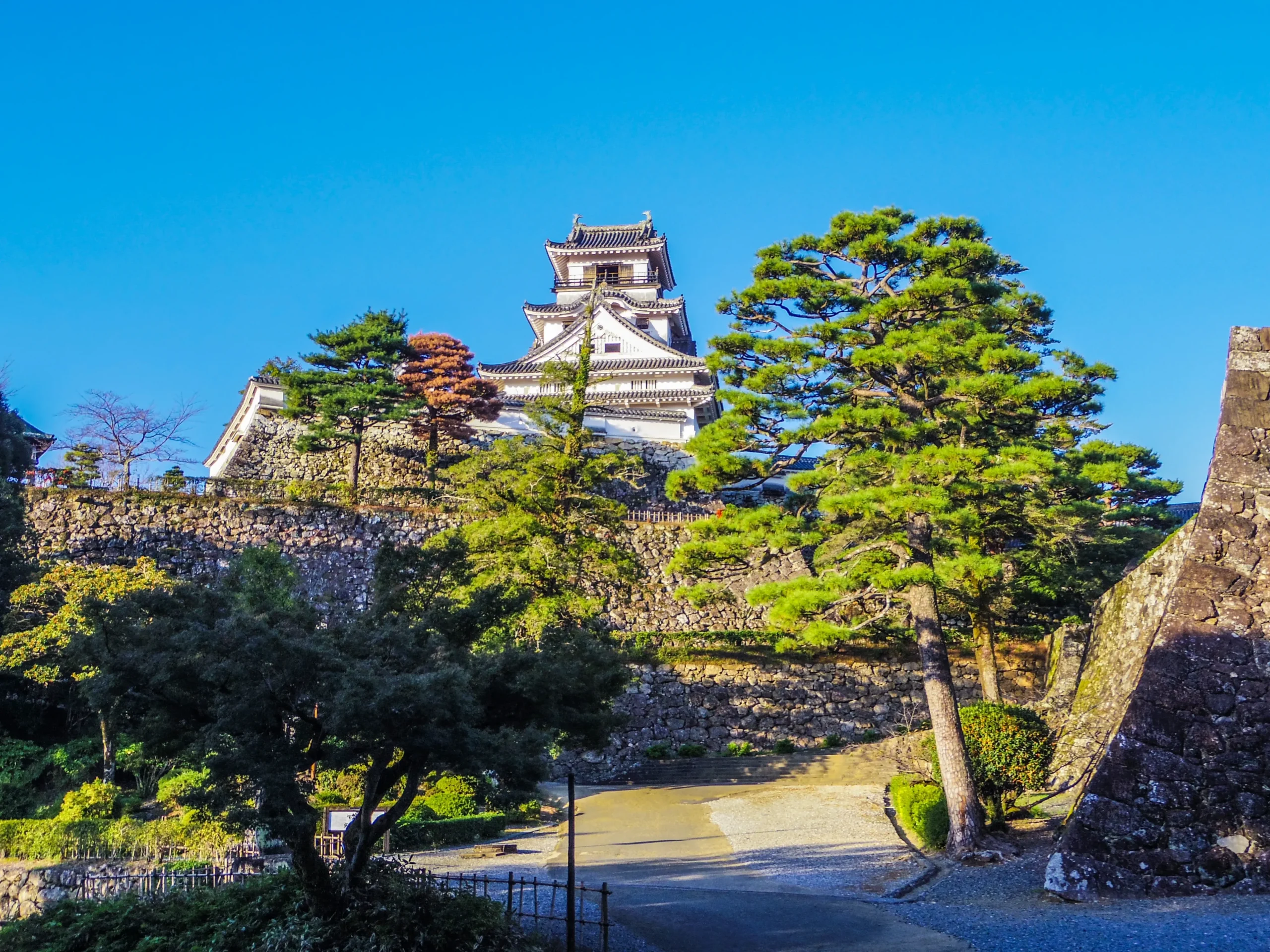
Kochi Castle is essential for understanding the region’s feudal history. Built in 1601 by Yamauchi Kazutoyo, a warlord (daimyo—a powerful regional feudal lord), it remains one of only 12 original wooden castles in Japan. The castle dates back to the Edo period (1603–1868), an era of relative peace and national isolation under the Tokugawa shogunate, where castle construction was strictly regulated by the central government. Unlike the many concrete reconstructions found elsewhere in Japan, the steep, polished wooden stairs and the smell of ancient cedar timber offer a tactile connection to the past. Ascending the tenshukaku (main keep) provides a 360-degree view of the city, perfectly orienting you to the region’s geography.
Official Website: Kochi Castle
Kochi Prefectural Makino Botanical Garden
Perched atop Mt. Godai, this 8-hectare sanctuary pays tribute to the legacy of Dr. Tomitaro Makino (1862–1957), a pioneer whose relentless exploration forever changed the study of Japanese flora. Throughout his life, Makino identified and documented over 1,500 species, and today this garden serves as a living archive of that monumental passion. As you stroll the grounds, you are not merely looking at plants; you are walking through a curated collection of over 3,000 species that reflect the life’s work of the man who defined modern botany in Japan.
Official Website: Kochi Prefectural Makino Botanical Garden
Chikurin-ji Temple
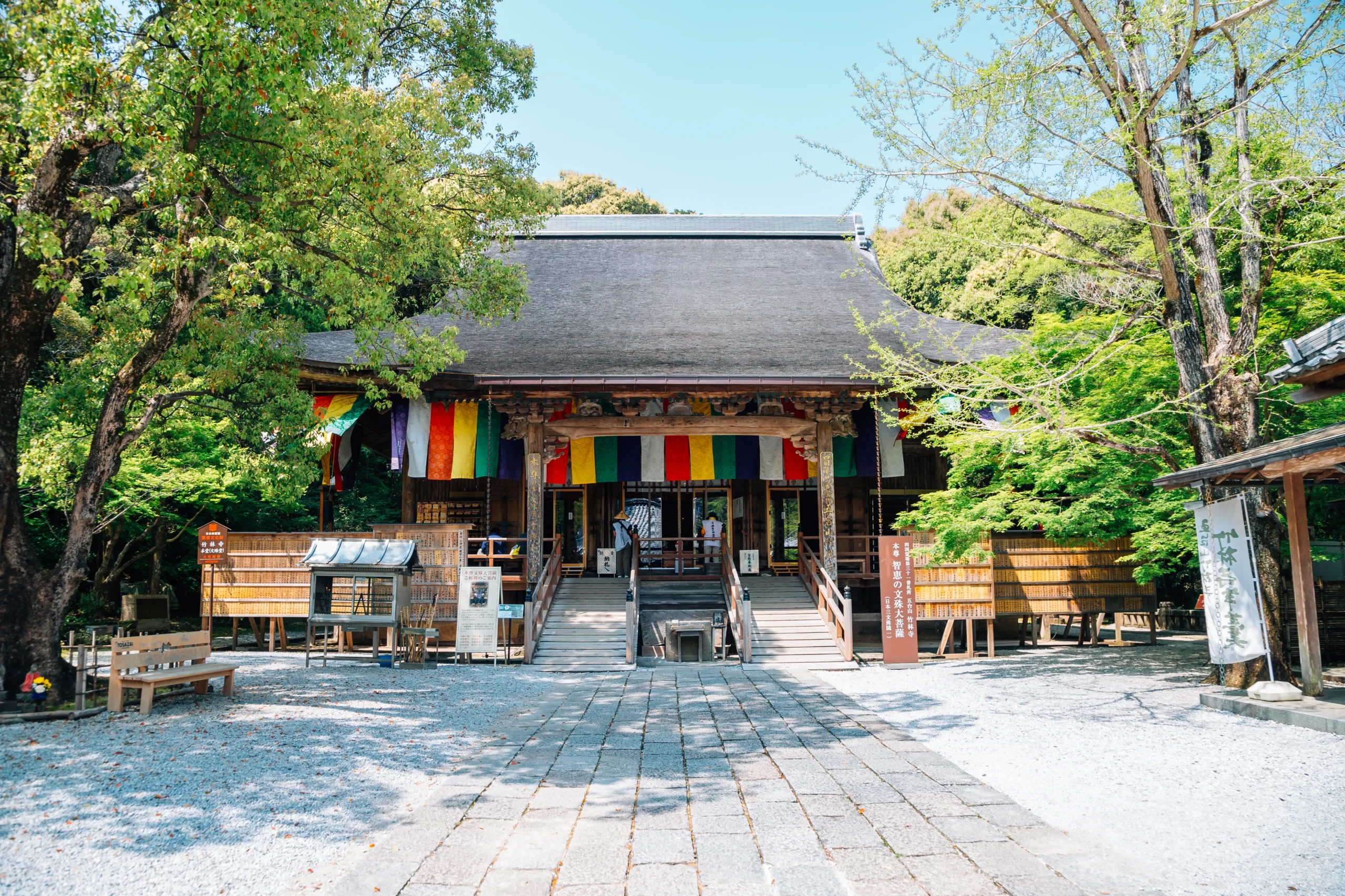
Founded in 724 AD by the monk Gyoki at the request of Emperor Shomu, Chikurin-ji is the 31st stop on the sacred Shikoku 88 Temple Pilgrimage. The temple was built to emulate China’s Mt. Wutai, the legendary dwelling of Manjushri, the Bodhisattva of Wisdom.
Its garden is a masterpiece of the Kamakura period (1185–1333), an era when Zen-inspired aesthetics flourished under warrior rule. The deliberate arrangement of moss, stones, and water creates a profound stillness, representing a “paradise on earth.” Walking the temple grounds, you witness the convergence of ancient Indian roots, Chinese influence, and refined local Tosa culture. The elegant five-story pagoda stands as a beacon for pilgrims who have sought enlightenment here for over 1,200 years.
Official Website: Chikurin-ji Temple (Japanese Website)
3 Best Places to Visit in Kochi for Couples
Kochi’s geography, defined by the Pacific Ocean and artistic sanctuaries, provides a romantic backdrop for couples seeking scenery and serenity.
Katsurahama Beach
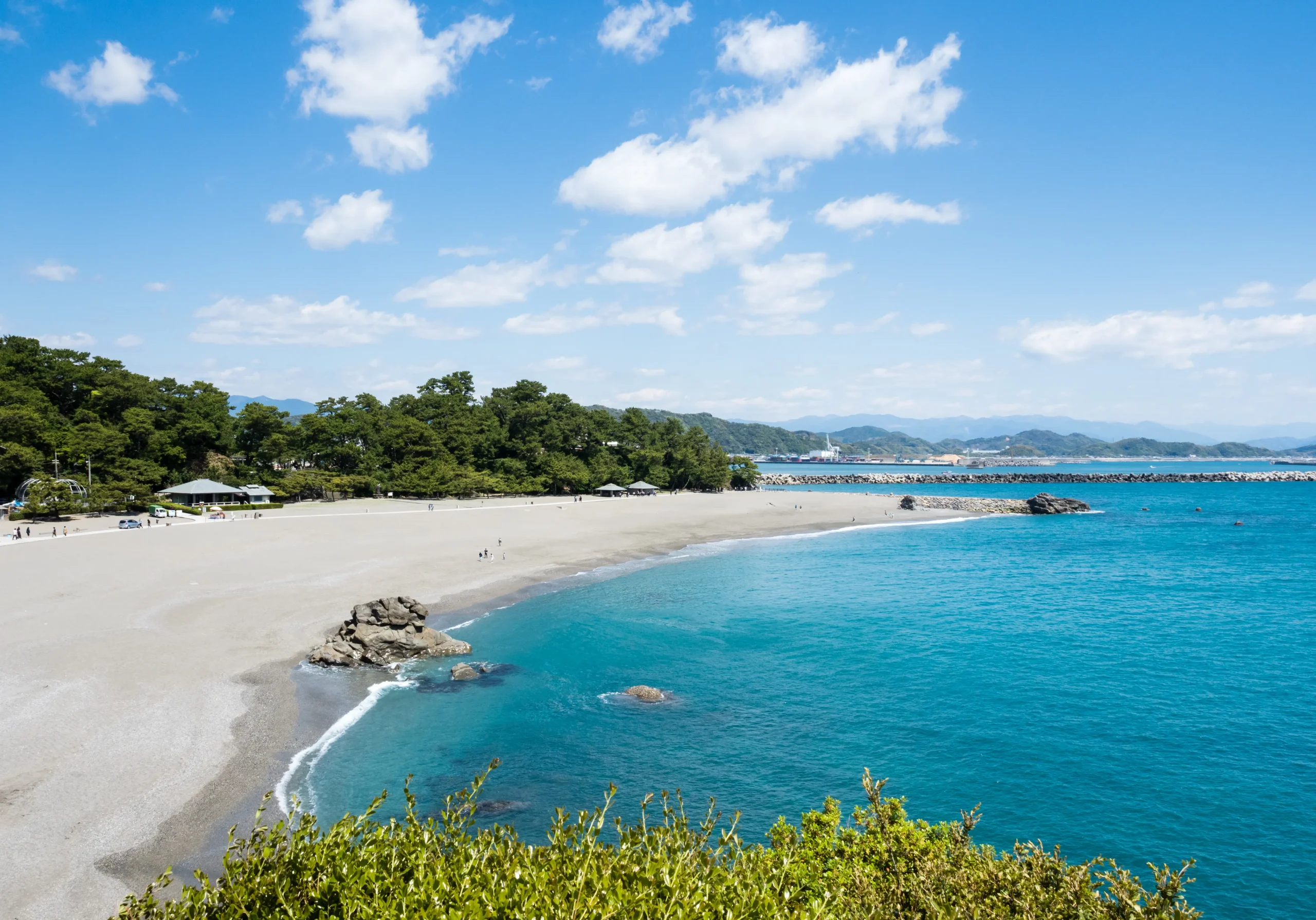
Katsurahama Beach is a scenic gem nestled between Ryuo-misaki and Ryuzu-misaki, widely celebrated as one of Japan’s premier spots for moon-viewing. The area is maintained as Katsurahama Park, which features various attractions scattered along the rugged coastline. Standing before the bronze statue of Sakamoto Ryoma (1836–1867)—a pivotal reformist who helped end the feudal era—perched on the high ground overlooking the beach, couples can truly feel the vast scale of the Pacific Ocean. The nearby “Umino Terrace” allows you to enjoy the salty breeze while sampling local delicacies like katsuo no tataki (bonito seared over straw fire). The smoky aroma of the searing straw, combined with the rhythmic sound of waves, makes this a multisensory experience.
Website: Katsurahama Park (Japanese Website)
Cape Muroto (Muroto-misaki)
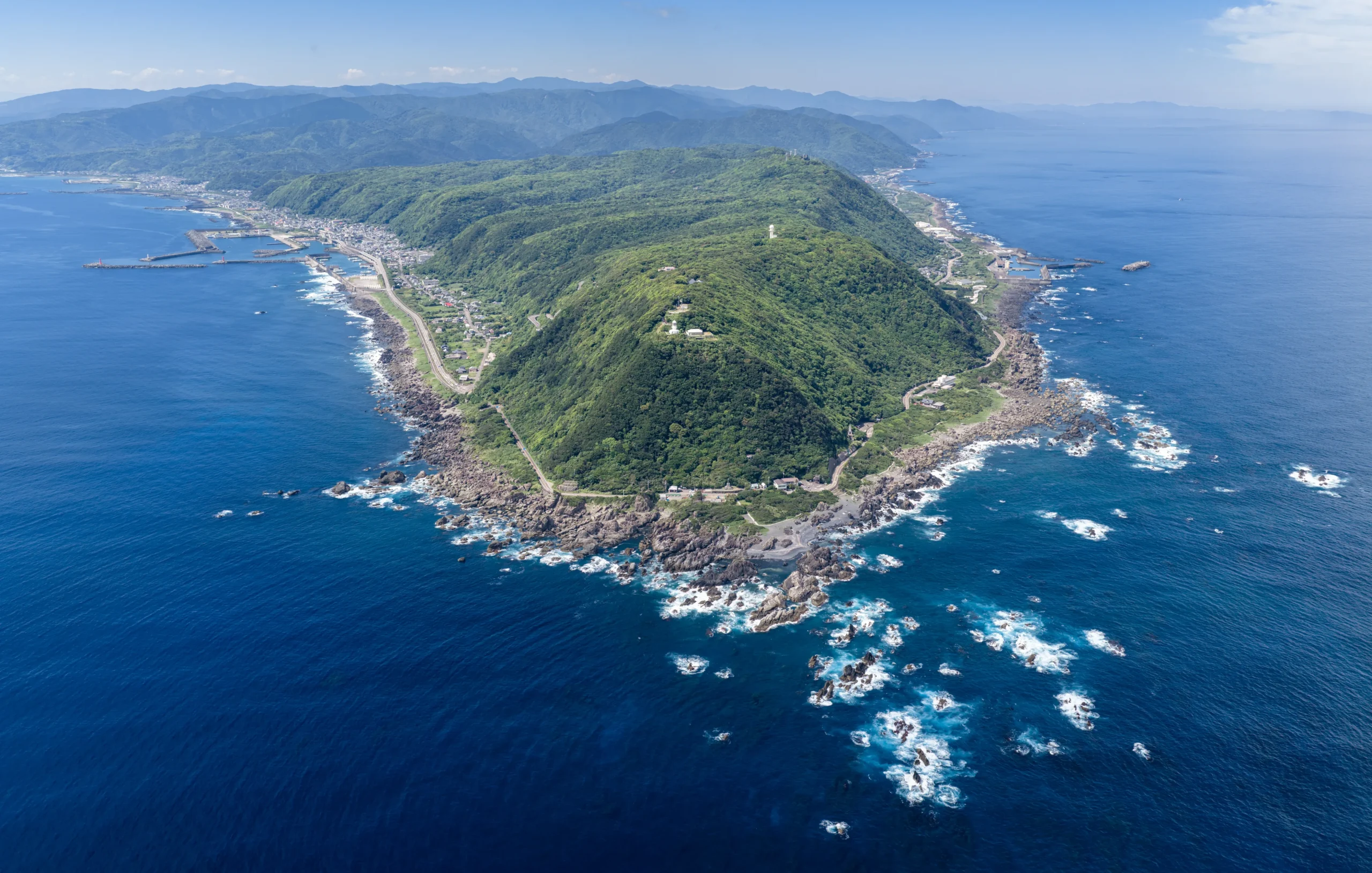
Designated a UNESCO Global Geopark, Cape Muroto is a dramatic landscape where tectonic plates collide. The rugged cliffs and deep blue horizon have earned it the status of “Lover’s Sanctuary,” a title given to romantic spots across Japan. The raw, powerful scale of the cliffs makes the human experience feel small, creating an intimate, awe-inspiring setting for couples looking to escape the city.
Website: Muroto UNESCO Global Geopark
Kitagawa Village “Monet’s Garden” Marmottan
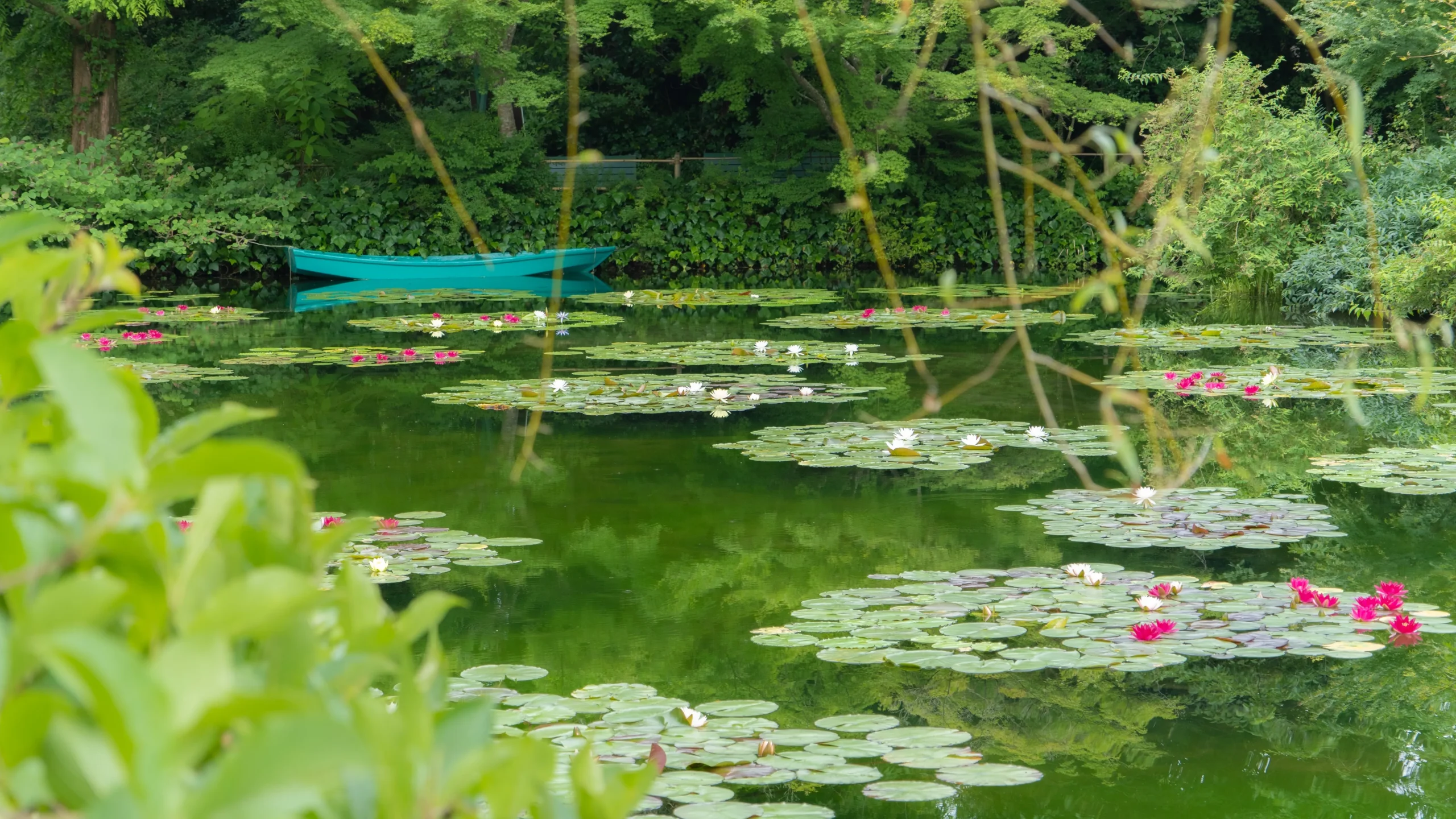
This garden is a precise reproduction of Claude Monet’s home in Giverny, France. Because the climate in Kitagawa shares similarities with Normandy, the garden features the same water lilies and seasonal blooms that inspired Monet’s Water Lilies series. Walking through the three distinct zones—the Flower Garden, the Water Garden, and the Bordighera Garden—allows couples to step inside a living impressionist painting, experiencing the same light and color that moved the artist.
Official Website: Monet’s Garden Marmottan in Kitagawa Village
2 Places to Visit in Kochi in 1 Day with Family
For families traveling with children, we highly recommend a route that balances education with immersive adventure. Exploring the Kami City area, located east of the city center, allows you to enjoy these top-tier attractions efficiently. Below is a suggested model plan for your trip.
1-Day Model Plan for Families
- 10:00 AM – 12:30 PM: Discover the Anpanman Museum; children can explore the interactive displays at their own pace.
- 12:30 PM – 1:30 PM: Enjoy a local lunch at “Nirano-sato,” a farm-direct market opposite the museum.
- 2:00 PM – 3:30 PM: Embark on an underground journey at Ryugado Cave to see Earth’s natural sculptures.
- 5:00 PM: Return to Kochi City to experience a family-friendly dinner at Hirome Market, where communal seating makes for a stress-free meal.
Anpanman Museum (Yanase Takashi Memorial Hall)
This museum celebrates the legacy of Yanase Takashi (1919–2013), the creator of the globally beloved “Anpanman.” Unlike static museums, this space is designed for children to run and explore freely. It conveys Yanase’s philosophy that “true justice is helping others even at the cost of oneself,” providing both entertainment and a profound humanitarian lesson for young visitors.
Official Website: The Yanase Takashi Memorial Hall & Anpanman Museum
Ryugado Cave
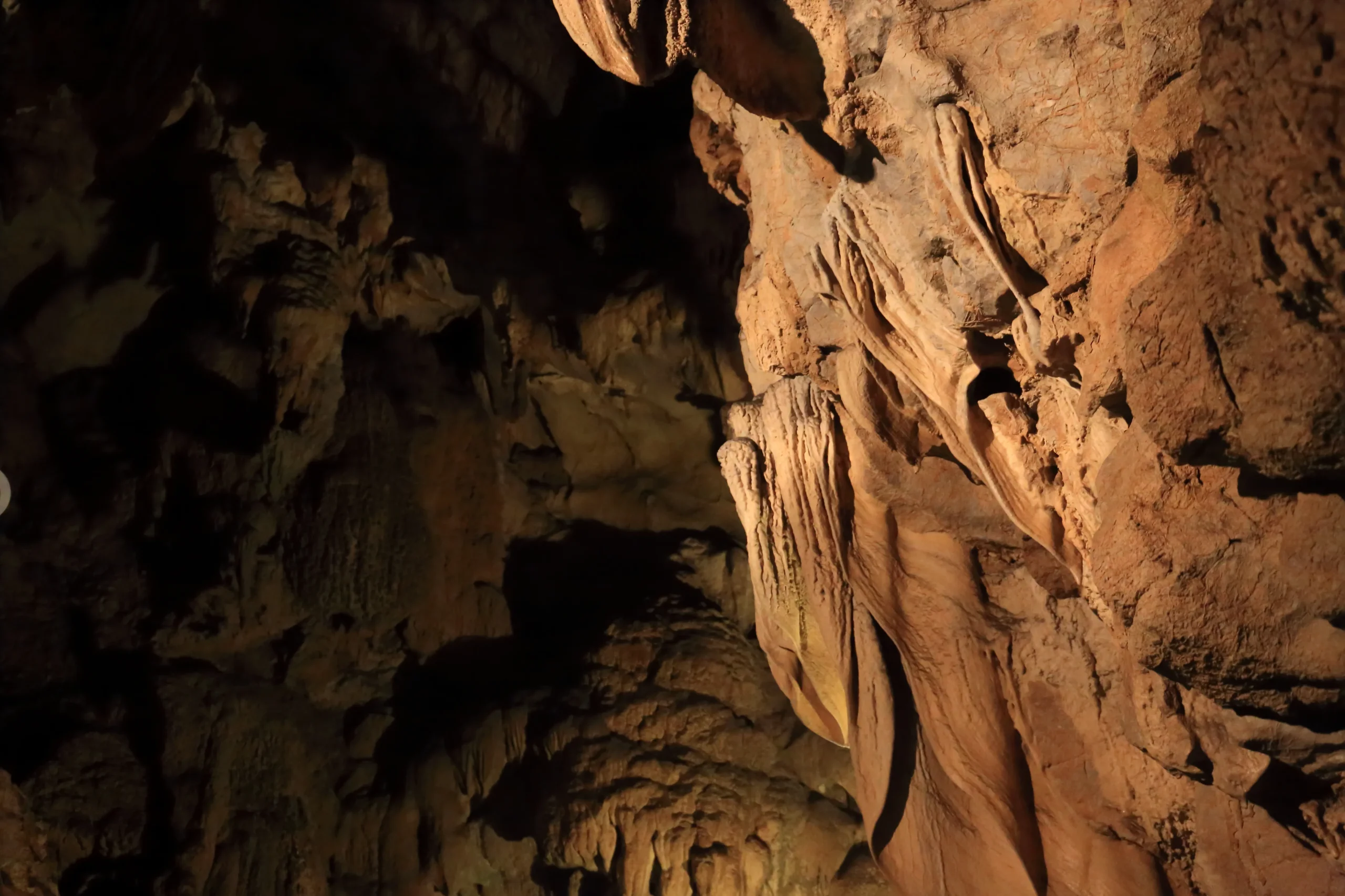
Ryugado Cave is a 175-million-year-old limestone cavern. Inside, you walk a 1-kilometer path featuring stalactites and underground waterfalls. The cave remains a cool, constant temperature year-round, serving as a natural classroom where children can observe how water and time sculpt the earth, offering a tangible lesson in Earth science.
Official Website: Ryugado Cave
3 Places to Visit in Kochi Evening
Kochi’s nightlife blends social food culture with serene nature, offering distinct evening experiences.
Hirome Market
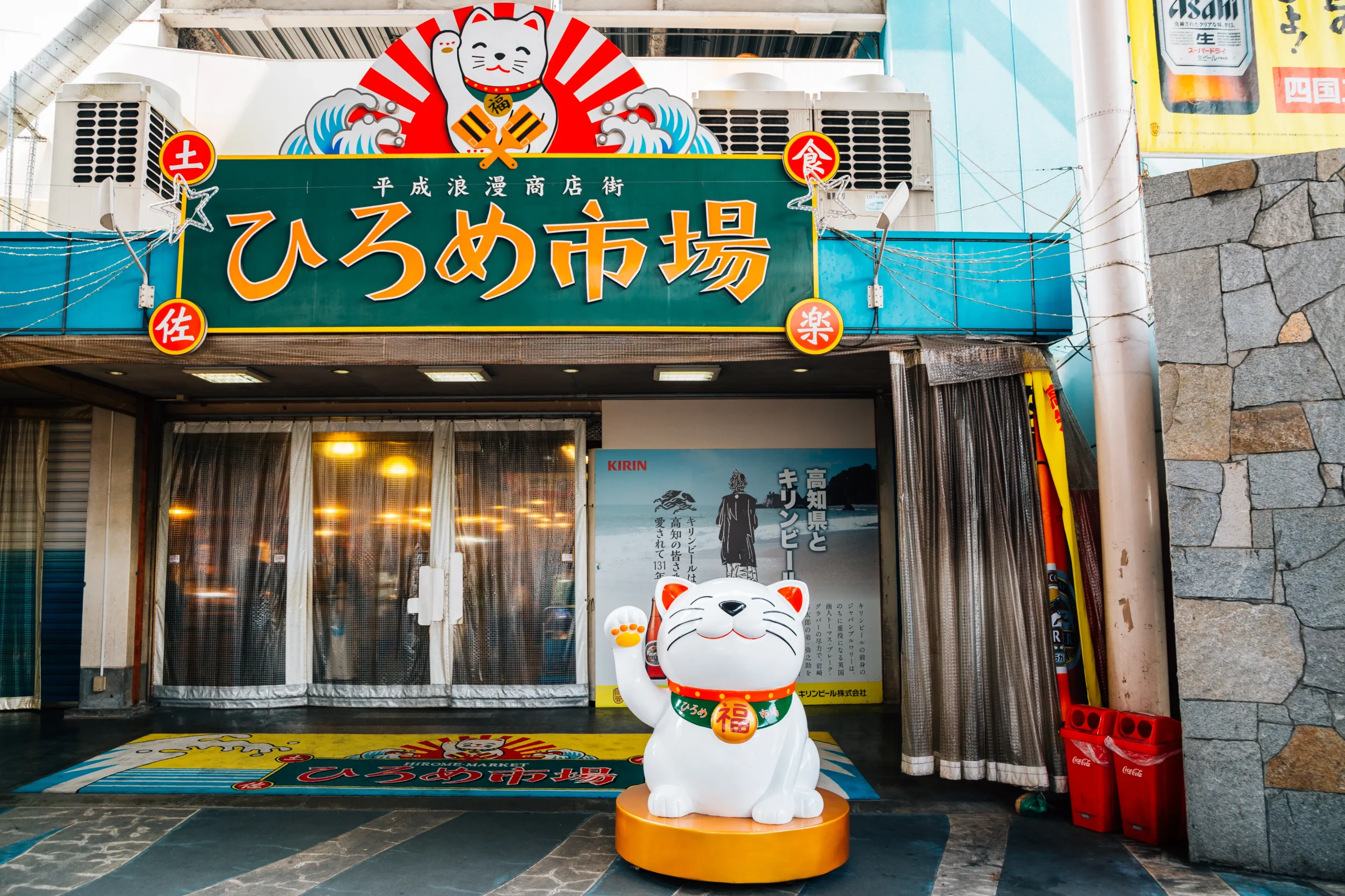
Hirome Market is a bustling indoor food hall where communal tables facilitate interaction between locals and travelers. The highlight is the Warayaki (straw-searing) of katsuo no tataki. Watching the chef manipulate the straw fire to create a high-heat sear adds a smoky, complex flavor to the fish. Do not miss the crispy gyoza at “Hirome de Yasube,” a local favorite.
Official Website: Hirome Market (Japanese Website)
Kochi Castle Night Illumination
In 2014, Kochi Castle was officially designated as one of Japan’s “Three Great Night Castles,” solidifying its reputation as a premier evening destination. The experience here is multifaceted; beyond the subtle, daily illuminations that highlight the architectural elegance of the wooden keep, the castle hosts special events featuring vibrant projection mapping that transforms the structure into a living canvas of light. We recommend strolling through the quiet evening streets of Kochi City, where you can admire the glowing tenshukaku (main keep) set against the dark night sky. The contrast between the warm, illuminated beams and the surrounding darkness creates a peaceful atmosphere, perfect for a reflective walk after the crowds have dispersed.
Shikoku Karst Stargazing

Shikoku Karst, located at 1,400 meters above sea level, is one of Japan’s best stargazing spots. At the hotel in Tengu Highland, guests can use on-site telescopes and a planetarium to observe celestial bodies. The silence at this altitude is absolute, broken only by the night breeze.
3 Hidden Gems in Kochi
These off-the-beaten-path destinations reveal the wild, untouched essence of Kochi, far beyond the reach of urban crowds. Whether you seek pristine rivers or rugged coastal vistas, these hidden gems invite you to experience the raw, authentic spirit of Shikoku’s natural frontiers.
Niyodo River (Niyodo Blue)
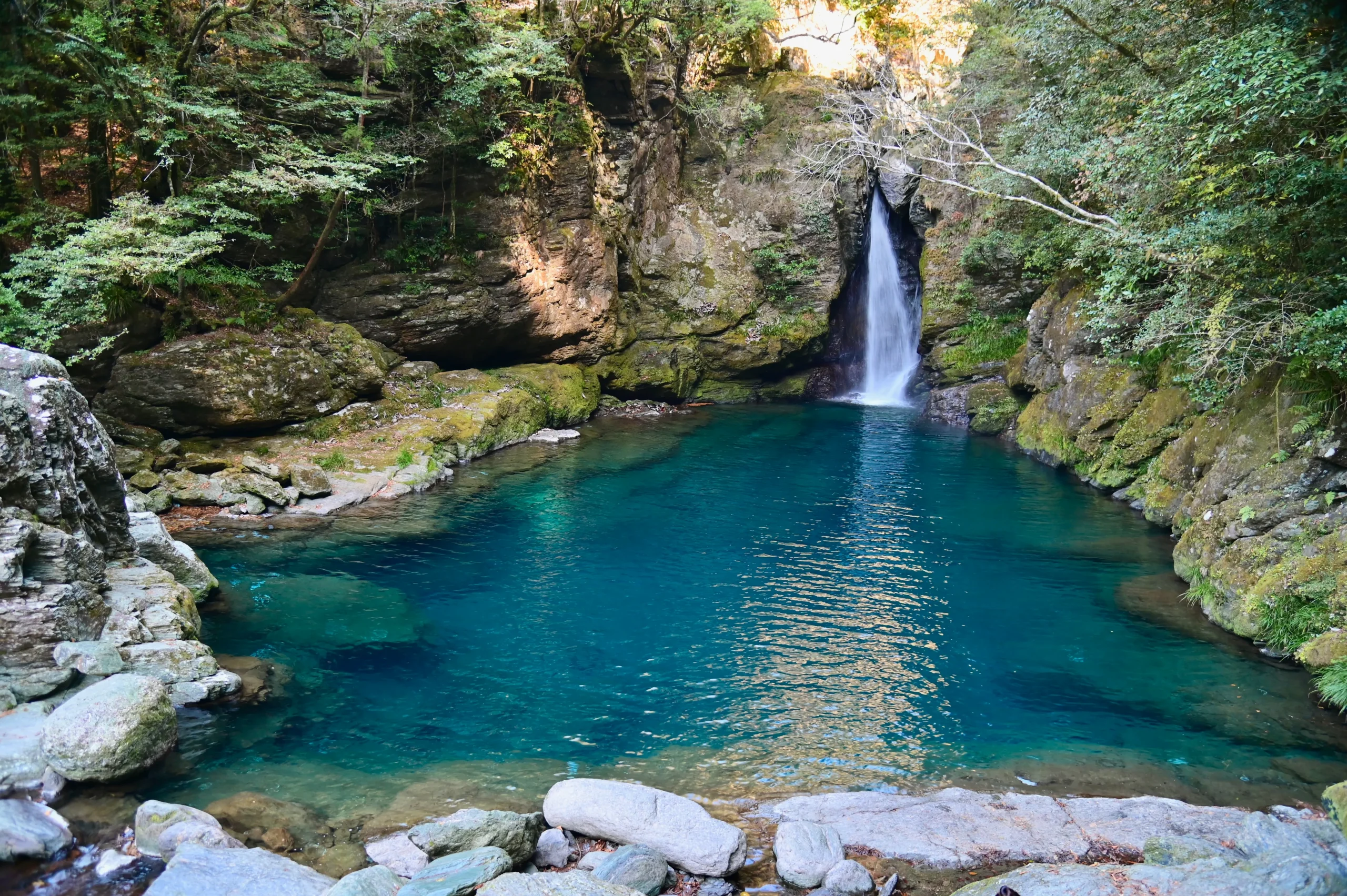
“Niyodo Blue” owes its sapphire hue to high water clarity, low sediment, and a riverbed rich in “green schist,” a pale blue-green rock that enhances the water’s natural tones. The highlight is “Niko-fuchi,” a waterfall basin once revered as a sacred habitat for a water deity. Locals avoided the area for generations to preserve its sanctity; please honor this legacy by practicing good manners and respecting the site during your visit.
Official Website: Niyodo Blue
Shimanto River
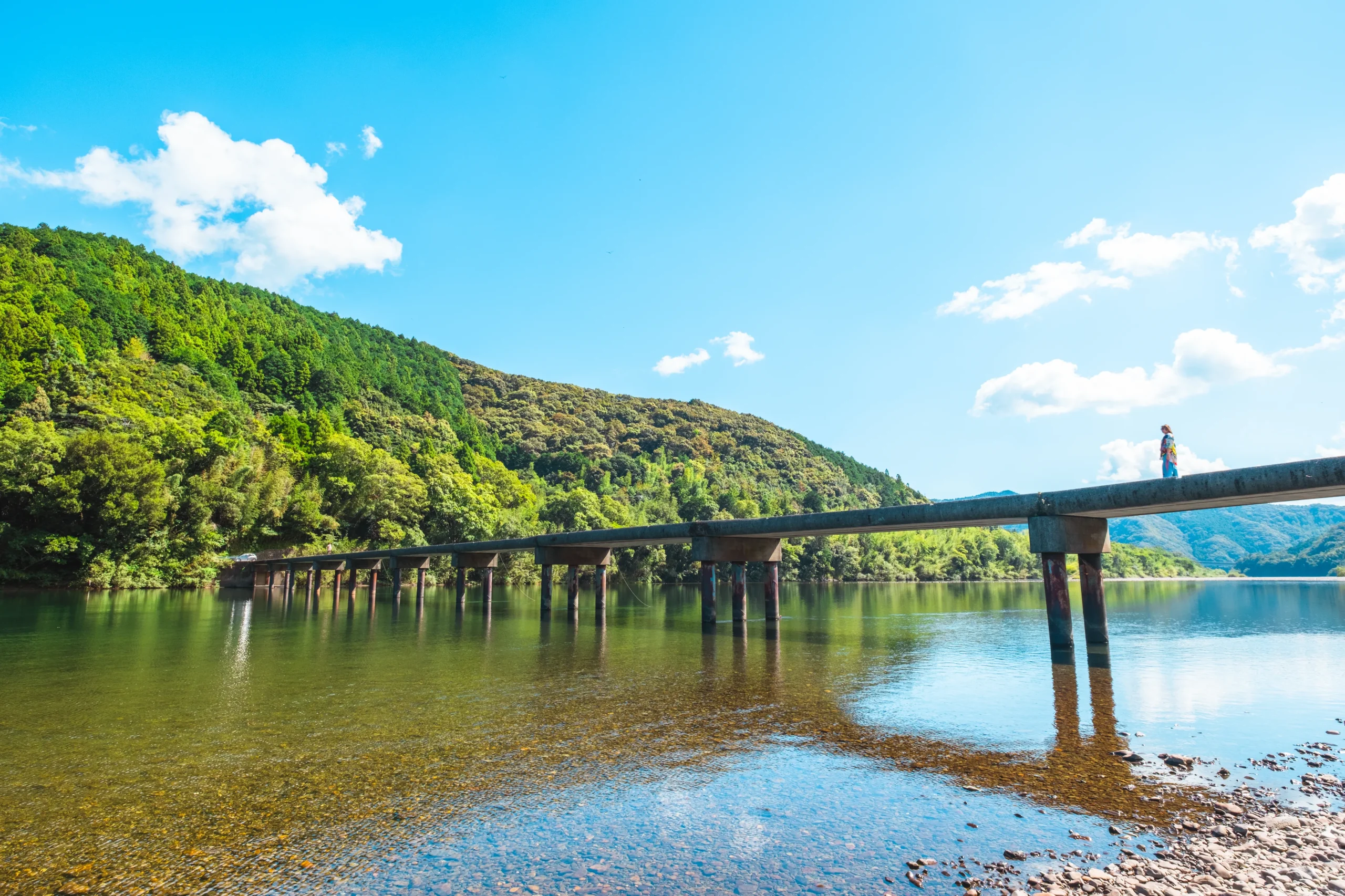
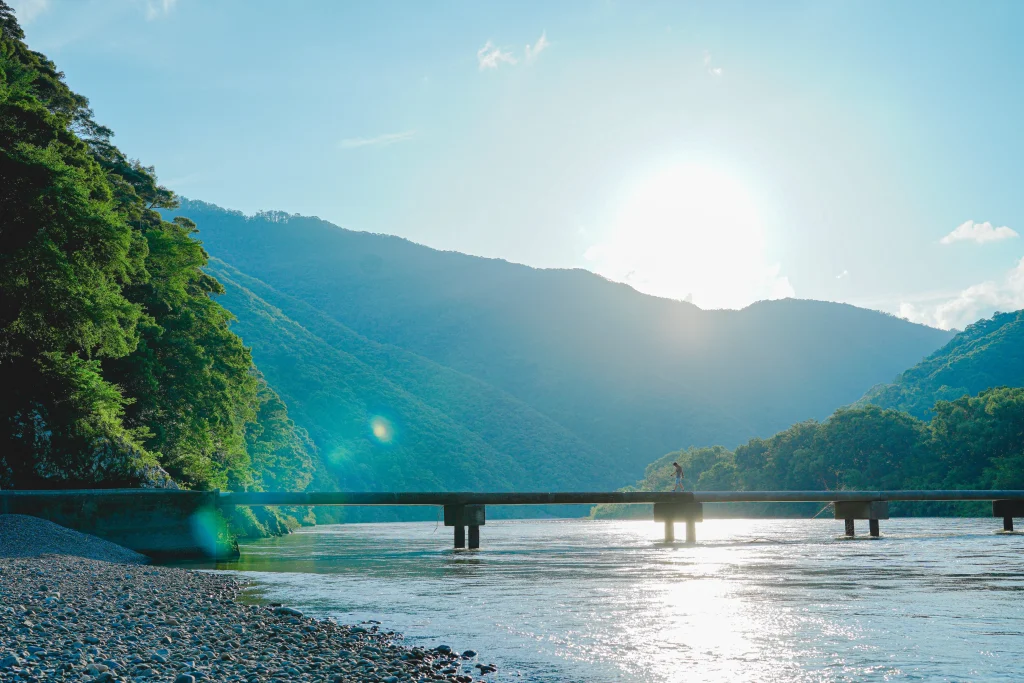
As Shikoku’s longest river (196 km) and Japan’s “last limpid stream,” the undammed Shimanto River maintains a thriving, pristine ecosystem. It is iconic for its chinkabashi—railless, low-water bridges designed to submerge during floods rather than resist them. Notable among these is the Sada Chinkabashi; at 291.6 meters, it is the longest bridge located at the river’s lowest point. Cycling between these structures offers a unique way to experience the local philosophy of living in harmony with nature.
Kashiwajima Island
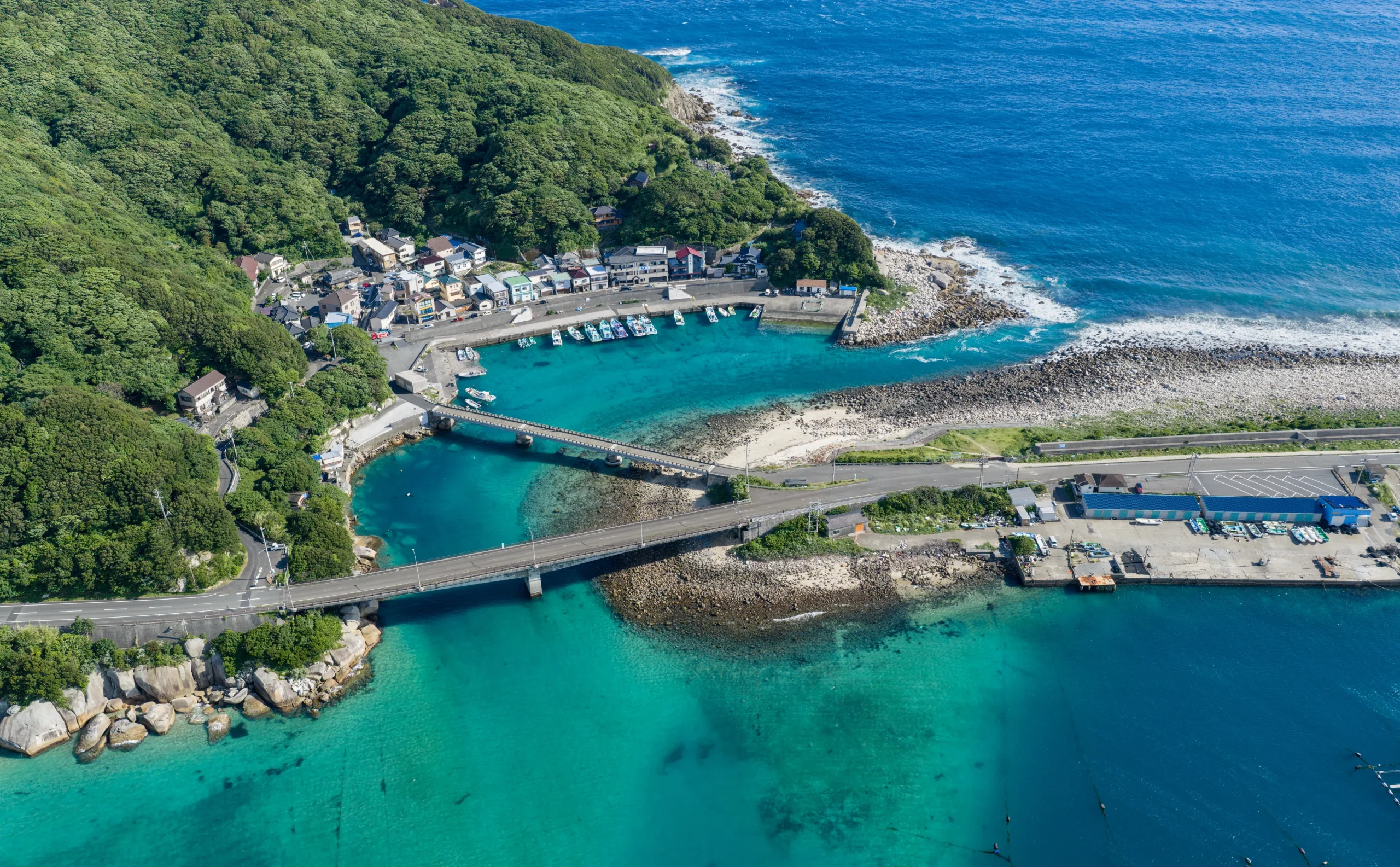
Connected to the Otsuki Peninsula by two bridges, Kashiwajima Island is famous for emerald waters so transparent that boats appear to float in mid-air. Situated where the Bungo Channel meets the Kuroshio Current, this marine hotspot hosts nearly one-third of Japan’s fish species, making it a world-class destination for diving and snorkeling. Beyond viewing colorful coral and tropical fish at spots like Shirahama Beach, the island’s nostalgic atmosphere and small local community make it perfect for a leisurely, peaceful stroll.
Practical Tips for Your Kochi Trip
Careful planning regarding logistics and timing is the key to fully experiencing Kochi’s diverse natural landscapes and culture. The following advice will help you navigate the region efficiently and ensure your visit aligns with the best seasonal opportunities.
Access
The most efficient gateway to the region is Kochi Ryoma Airport. There are frequent daily flights connecting Kochi with major hubs, with travel times of approximately 80 minutes from Tokyo (Haneda) and 45 minutes from Osaka (Itami).
Getting Around
Because public transportation is limited outside of the city center, renting a car is highly recommended to explore Kochi’s remote hidden gems at your own pace. If you prefer to avoid the stress of driving, we strongly suggest contacting a professional travel company to coordinate a custom itinerary. They can manage the logistics and provide local insights that are often difficult to navigate independently.
Best Time to Visit
The best time to visit is from spring through autumn, when pleasant weather is ideal for sightseeing and outdoor activities. Spring offers lush scenery, while autumn is the peak season for gourmet experiences like savoring rich, fatty modori-katsuo (bonito). Summer is a standout highlight, headlined by the world-famous Yosakoi Festival in August, where thousands of dancers fill the streets in a vibrant, high-energy cultural celebration. Winter, meanwhile, offers a serene and unhurried atmosphere; thanks to the region’s mild climate, it is the perfect season for exploring historic temples and experiencing the authentic, relaxed charm of local life without the crowds.
Read More: Yosakoi Festival in Kochi: History, Dates, and How to Experience the Original
Essential Places to Visit in Kochi: Your Journey Begins Here
Kochi is not merely a place you visit; it is a region that demands to be felt. From the Niyodo River, where sapphire-clear water flows from the mountains, to the wide, infinite expanse of the Pacific Ocean, the land is a masterpiece of geographical harmony. Whether you are tasting the smokiness of straw-seared bonito or cycling past the submerged bridges of the Shimanto, you are witnessing the living traditions of a region that refuses to rush. Pack your curiosity and set out for Kochi—a deeper, more soulful Japan awaits your discovery.