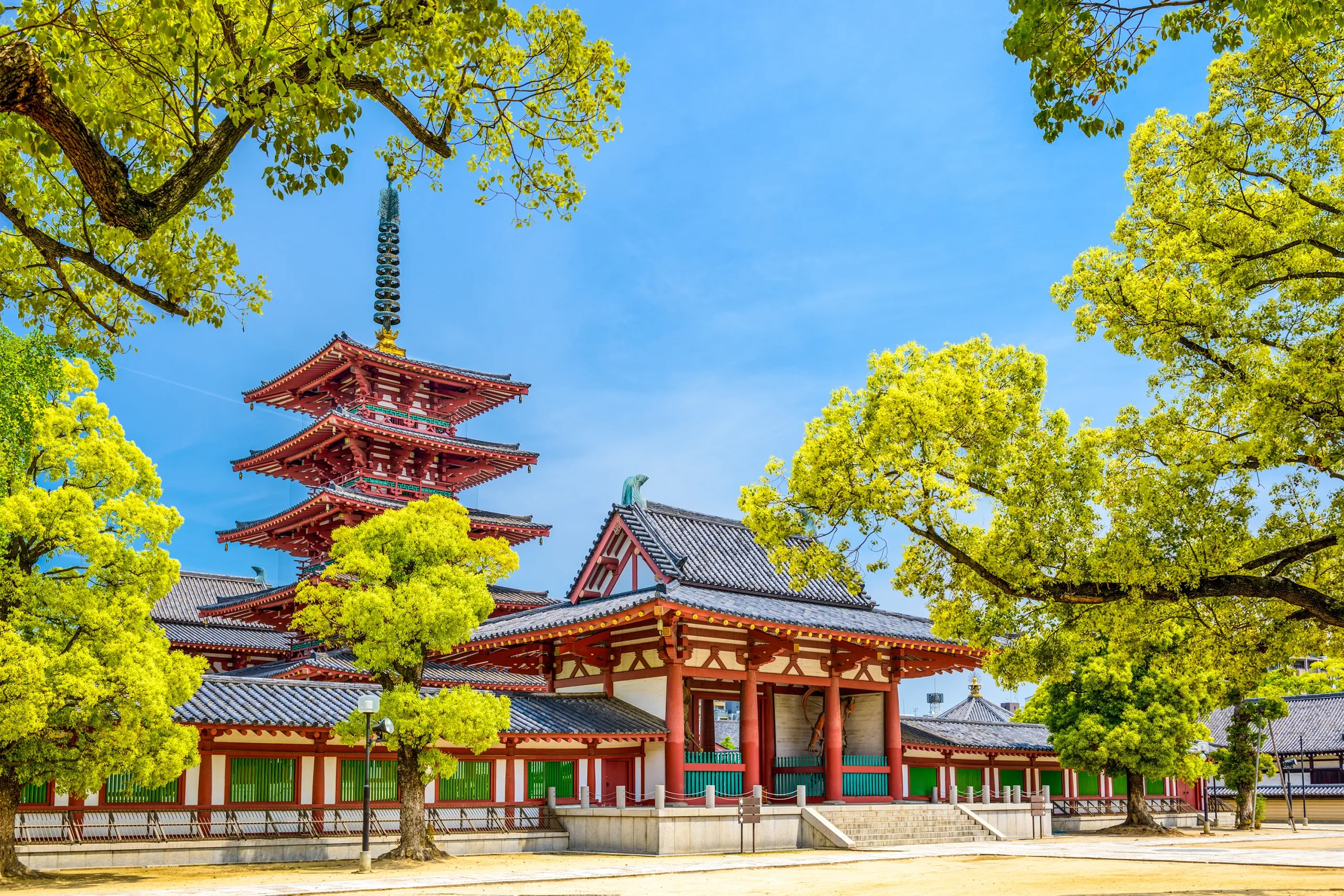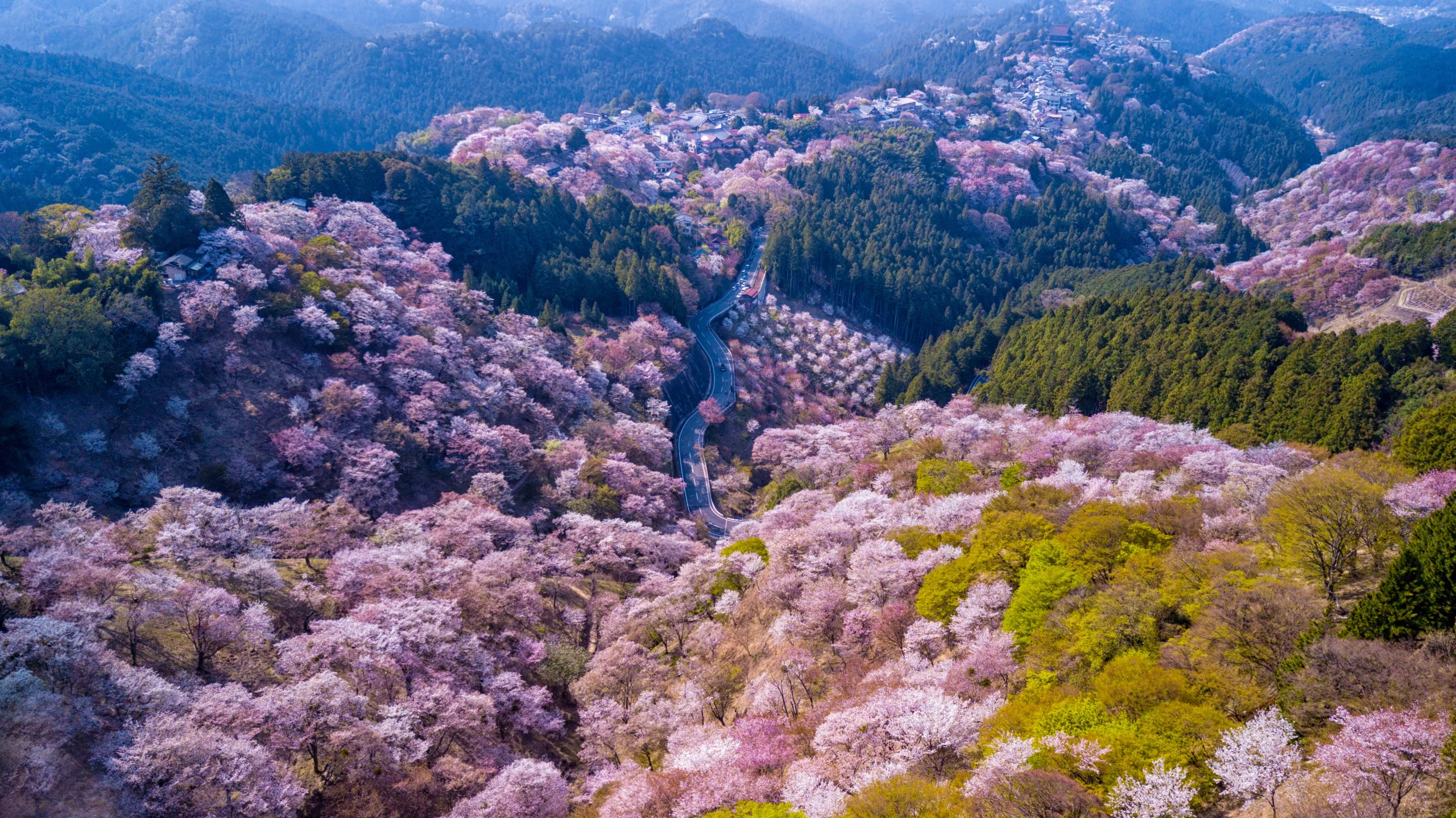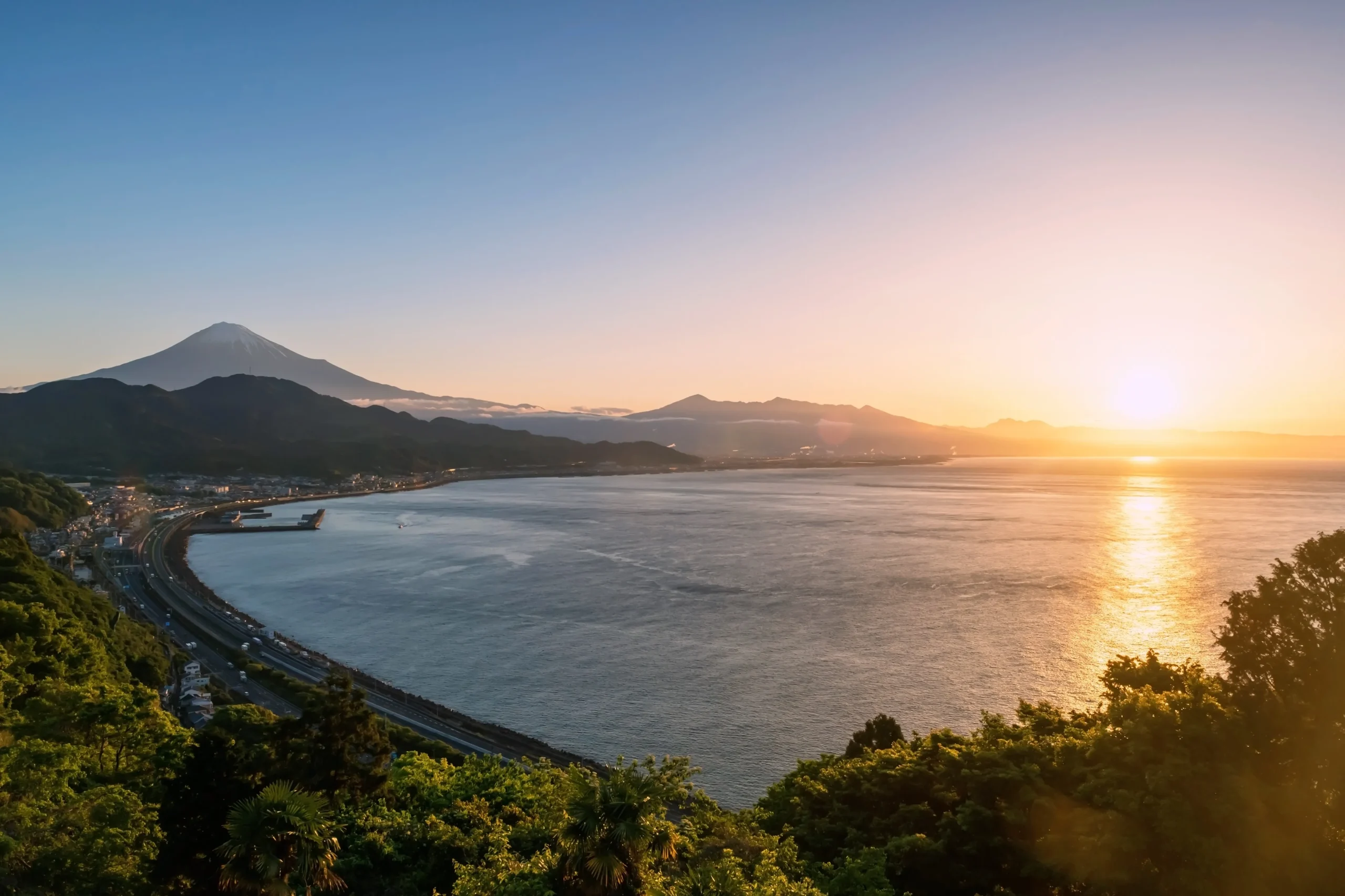
Eighty-eight temples. A loop of roughly 1,400 kilometres around an island. Six or seven weeks on foot.
That is how the Shikoku pilgrimage is almost always introduced, and it is why most people who hear about it file it somewhere behind the things they will actually do.
Here is what the introduction leaves out. Most of the people out on that route are not walking all of it. They mix walking with trains and buses, take a handful of temples at a time, stop, and come back to the next stretch months or years later. Walking one section is not the diluted version of this pilgrimage. It is the ordinary one — and a good section takes about four days.
Which turns an impossible-sounding thing into a fairly ordinary decision. This guide covers what the Shikoku pilgrimage trail actually is and where the number 88 comes from, what four days of walking it are genuinely like, what you are meant to do once you are standing at a temple gate, and how to tell whether any of it belongs in your trip.
What the Shikoku Pilgrimage Trail Actually Is
The 88 is not a count of temples that happened to be standing in the right places. It is a count of the delusions a person is held to carry around with them — anger, appetite, self-regard, the whole inventory. When Kukai, the ninth-century monk born on this island and known after his death as Kobo Daishi, opened the first temple in 815, he is said to have spent thirty-seven days in rites to establish somewhere those eighty-eight things could be cleared. The temples came afterwards, to match the number
Reference: Temple 1 Ryozenji – Shikoku Eighty-Eight Temple Association (Official Website, Japanese)
They ring Shikoku across its four prefectures, through farmland, fishing villages, suburbs and mountains, and the route was registered as a Japan Heritage story in 2015 — a designation covering fifty-eight municipalities, which gives you a sense of how much ordinary country it passes through. Most of the walking is not wilderness. It is other people’s neighbourhoods.
Reference: Shikoku Henro, Japan Heritage story 015 – Agency for Cultural Affairs (Official Website, Japanese)
The shape matters more than the length. This is a loop, not a line. A pilgrimage that runs from a start to a destination has to be walked in one piece for the ending to mean anything; a circle can be entered anywhere and left anywhere, and nothing is spoiled by coming back to it later. The temple association is direct about this — there is no correct method, and doing one prefecture per trip, or half the loop, or all of it at once are all listed as normal.
Nor does it ask anything about your own beliefs. The 88 belong to several different Buddhist schools rather than one, and the association states plainly that a pilgrim’s own sect is not a consideration. Plenty of Japanese people walk it without being religious in any way they would put a name to.
Reference: Frequently asked questions – Shikoku Eighty-Eight Temple Association
On the Shikoku Pilgrimage, You Are Never Walking Alone
There is one assumption the whole route runs on, and it is worth understanding early because a lot of small things follow from it: nobody on this pilgrimage is considered to be walking by themselves. Kukai walks with you, the entire way. The phrase for it is dogyo ninin — two travelling together — and you will meet it constantly.
That is why the wooden staff most pilgrims carry is not equipment. It is him. At the end of a day people stand it up and clean it before they wash themselves. And it is why you lift the staff rather than tap it when you cross a bridge — any bridge, not only the famous one — because he is held to be sleeping underneath and there is no reason to wake him.
Reference: Henro supplies – Shikoku Eighty-Eight Temple Association
The story people tell about that idea is worth hearing, partly because it ends on the mountain most first-time walkers climb. A wealthy man named Emon Saburo turned a begging monk away from his door eight days running, and on the eighth he broke the monk’s bowl. His children died. Understanding who it was he had turned away, he set out to find him and apologise — and walked the whole island twenty times without ever catching him. On the twenty-first attempt he tried going round the other way, and collapsed on the mountain above Temple 12, where the story says the Daishi finally came to him.
It is a legend, and everyone treats it as one. It is also, fairly obviously, about persistence and about being too late, which is not a bad thing to have in your head while walking.
Four Ways to Do the Shikoku Pilgrimage, and the One That Fits a Normal Trip
Walking the entire loop takes about a month and a half and costs at least ¥400,000–500,000 before you have flown anywhere. Driving it takes around ten days and gets you all 88 temples, with the trade that you have spent those days on roads rather than on the path — for some people that is the whole point missed, and for others a perfectly fair exchange. Organised bus circuits take about twelve days and remove every decision, including the interesting ones.
Reference: Setting out on the Shikoku pilgrimage – Tokushima Prefecture Tourism Association (Official Website, Japanese)
And then there is the section walk, which is what almost everyone reading this actually wants. Three or four days, eight to twelve temples, on foot, on the real path. It fits inside a wider Japan itinerary without reshaping it, and it is long enough that you stop being a person looking at temples and start being a person walking between them, which is a different experience and the one people come back for.
You would not be conspicuous out there, either. At the rest stop below Temple 11, walkers from overseas made up forty-four percent of everyone counted on foot in 2023. This is not a route where you will be the only one.
The First Four Days on the Pilgrimage Trail, and What You Meet on Them
Nearly everyone who walks a section walks the first twelve temples, and the reason is in the ground rather than in tradition. The first ten sit close together in flat farmland along the Yoshino River — close enough that you can string three or four into a morning. A gate, a bell, a few minutes at the hall, a stamp, a farm road, the next gate.
Then the eleventh sends you into the mountains, and the twelfth is at the top. Three easy days and one hard one, in that order, which is the right order.
What is inside those first gates is more varied than “twelve temples” makes it sound.
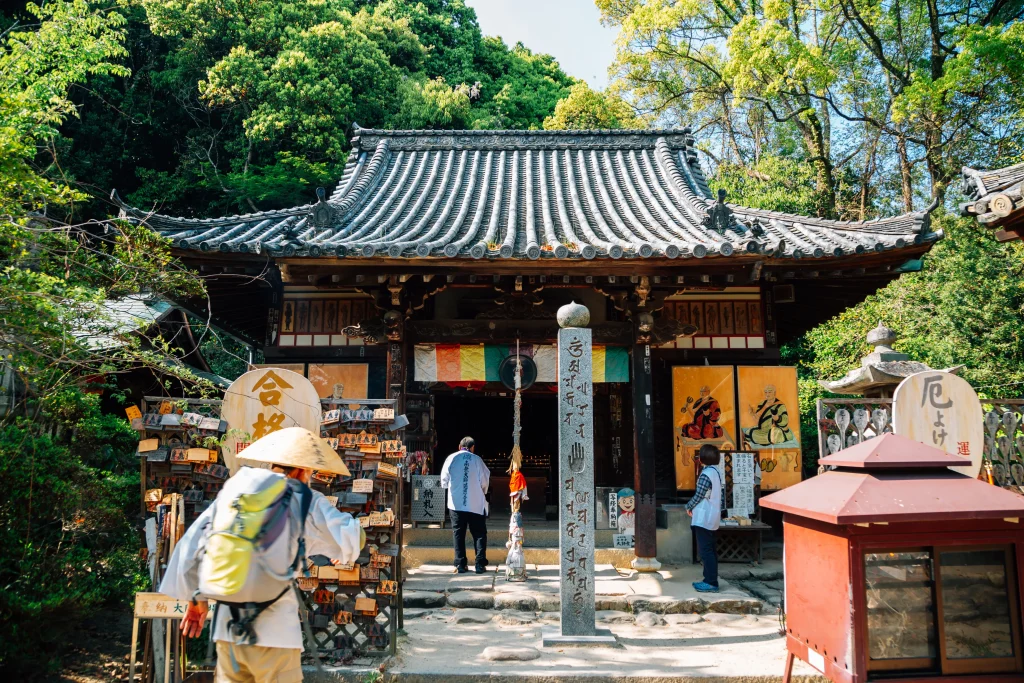
It starts at Ryozenji, where there is a shop beside the gate selling the kit — the white coat, the sedge hat, the staff, the book waiting to be filled. People buy it, walk out, and turn left onto a farm road between rice fields. Twelve hundred years of this, and the road does not look like anything at all.
Konsenji, the third, has a well in the grounds that Kukai is said to have dug during a drought, and a boulder that Benkei is said to have hoisted when Yoshitsune stopped here to pray on his way to the battle at Yashima. Both are the temple’s own stories, and the second one quietly puts a twelfth-century army on the same farm road you are walking.
Jizoji, the fifth, is where the morning stops being a walk between gates. A hall of five hundred life-size arhat figures was begun here in 1775; a fire in the 1920s took most of them, and about two hundred survive, standing in rows with faces working through anger, amusement, boredom and grief. Nobody warns you about it, and it is a strange thing to meet on your first day.
Horinji, the ninth, has the only reclining Buddha among the 88 — the principal image here is lying down while every other one on the island sits or stands. The main hall is hung with straw sandals, left by people giving thanks for being able to walk, after a pilgrim who could not manage without crutches is said to have recovered partway up the approach path. It is the most human room in the section, and it takes a moment to work out what all the sandals are.
Kirihataji, the tenth, makes you climb 333 stone steps, and the story at the top is about a woman at her loom who gave Kukai cloth to mend his robe. He ordained her, and she is said to have transformed on the spot, throwing off light in seven colours.
And Fujiidera, the eleventh, is a Rinzai Zen temple sitting on a circuit associated with Shingon Buddhism, converted in 1674 when a Zen priest revived it. It is the sect rule made physical: the pilgrimage never asked its own temples to agree with each other either.
Henro-korogashi: The Hardest Day on the Shikoku Pilgrimage Trail
The stretch from Temple 11 up to Temple 12 is called henro-korogashi — pilgrim-toppling — and it earns the name before lunch. Tokushima Prefecture, which grades its walking routes, puts this one at its highest difficulty and states plainly what it needs: the stamina for long mountain paths, steep climbs and descents, and slippery, unstable footing. The day before it, along the river, is graded at the bottom of the same scale. They are consecutive.
Reference: Shosanji pilgrim path, Shikoku Nature Trail course 9 – Tokushima Prefecture (Official Website, Japanese)
Temple 11’s own page gives the old reckoning for it — eight hours for a man, nine for a woman — which tells you more honestly how the day tends to go than any distance figure. You climb, drop, and climb again, past small shelters that have names, and about two-thirds of the way up there is a cedar of some six hundred years, thirty metres tall and more than seven around, registered as a natural monument. It is where people stop. When you get there it is obvious why.
Shosanji sits near the top of a 938-metre mountain, second-highest of the 88, with old cedars closing over the precinct. Its name means burning-mountain temple, and the temple’s own account of that is a serpent which had been setting the mountain alight until Kukai sealed it into a rock cave. The place was already ancient when he arrived — it was opened in the Asuka period by En no Gyoja, the mountain ascetic — which makes it older than the pilgrimage running through it.
Reference: Shosanji, Temple 12 – Kamiyama Town (Official Website, Japanese)
One reassurance, since it is the question people ask. Shikoku’s black bears survive only around a mountain range much further south, in a population counted in the low twenties and listed as endangered, and none of the first twelve temples is anywhere near it. What Tokushima’s trail guidance actually warns about is wasps, pit vipers and ticks — which is an argument for long trousers and a proper look at the forecast, not for anxiety.
What You Do at Each Temple on the Shikoku Pilgrimage
The visit has an order to it, and knowing it removes almost all of the awkwardness of the first one.
- Bow with your hands together at the gate, before stepping through.
- Wash your hands and rinse your mouth at the basin.
- Ring the bell once — on the way in only. It is not rung on the way out.
- Main hall: leave a name slip and a small coin, light a candle and incense, recite.
- Daishi hall: the same again.
- Stamp office.
- Bow again at the gate as you leave.
Twenty to thirty minutes per temple, which across a dozen of them adds four to six hours to the section — the arithmetic most first plans leave out entirely.
The book that gets stamped is worth taking seriously, because the temples do. It is not a souvenir stamp card and the association says so in as many words: you pass it over open, and it comes back written by hand while you wait. There is a small piece of official flexibility built in, too. The stamp is supposed to come after you have recited at both halls, but if closing time is near you can say so at the office and take the stamp first, which is the rule that lets a late arrival still count.
Reference: Worship procedure – Shikoku Eighty-Eight Temple Association (Official Website, Japanese)
The name slips carry more than a name. At each hall you leave a small paper slip, and its colour is set by how many complete circuits the pilgrim has finished: white for one to four, green for five and six, red up to twenty-four, silver up to forty-nine, gold up to ninety-nine, and brocade beyond a hundred, made to order rather than sold. So when a stranger hands you one, the colour tells you exactly who you have just met — a gold slip is somebody on their fiftieth lap of the island. Reaching into the box to look at other people’s, on the other hand, is bad manners.
Osettai: What Shikoku Gives Pilgrims, and What It Asks in Return
Somewhere in the first days a stranger will hand you a drink, a mandarin, a coin, occasionally a lift. This is osettai, and the idea behind it is specific rather than sentimental: helping a pilgrim is understood to earn the giver the same merit as walking the route themselves. The gift is being sent along with the Daishi rather than handed to you personally.
Which is why the etiquette runs against most visitors’ instincts. Accept it. The traditional return is one of your own name slips, and if you have none, thanks properly given will do. What does not work is treating it as a transaction and trying to pay — that is the one response the tradition has no room for.
It is also the thing people who have walked this route talk about years later, and it is the clearest sign that the pilgrimage is not a heritage attraction. Somebody’s grandmother is standing at her gate with a bag of mandarins because a pilgrim is going past, the way somebody in her family has done for a very long time.
The One Part of the Shikoku Pilgrimage You Cannot Improvise
Almost everything else about this route is forgiving. Beds are not.
Some temples run lodgings of their own — Temple 6 has been housing travellers for four centuries, since the local lord designated it an official post-road temple and instructed it to put pilgrims up — and village guesthouses handle most of the rest. They are not hotels, and the association says so directly: the low rate exists to keep the pilgrimage affordable, and some inconvenience comes with that. Doors lock early. Meals happen at set times.
Reference: Temple lodging – Anrakuji, Temple 6 (Official Website, Japanese)
The complication is that there are fewer of them every year, and they are booked by telephone, in Japanese, a day or two ahead, by people who already know the route. It is a fine system if you are inside it. Temple 12 is the sharpest version of the problem: it has thirty beds on the mountain, no bus runs up there, and the last stretch is a taxi you arrange in advance. Arriving at the summit at four in the afternoon with nothing booked is the way this walk goes wrong.
Reference: Access to Shosanji by public transport – Kamiyama Town (Official Website, Japanese)
Everything else is straightforward. March to May and October to November are the walking windows — Shikoku is hot and humid from June through September, and the mountain sections in midsummer are genuinely punishing. Shoes with real grip, rain gear you can keep walking in, and small notes and coins for offerings and rural lodging cover most of what you need. The white coat, hat and staff are a choice rather than a requirement, though wearing them changes how the route treats you, because on the trail and in the villages people know instantly what you are doing.
Is the Shikoku Pilgrimage Trail Your Kind of Trip?
Be honest about what appeals. If it is seeing all 88, the car version delivers that and there is no shame in it. If it is the idea of walking somewhere for a few days with a reason to be walking, then three or four days from Temple 1 to Temple 12 is the answer, and it drops neatly into a longer Japan itinerary without taking it over.
What you get for those four days is not scenery, exactly. It is rice fields, a lot of small roads, five hundred stone faces in a hall you were not expecting, a wall of straw sandals, a hard morning on a mountain, and a series of people handing you things and refusing to be paid — plus the slightly odd, quite persistent sense that the arrangement is you and one other person, and only one of you is visible.
The pieces that need arranging are the ones the route does not make easy from abroad: which section suits how you actually walk, where the beds are and how to get them held, and how the transport behaves on the day it matters. That is the part ENJYU JAPAN’s Tailor-Made Tour planning is built for, working with local guides who know the route rather than the brochure. If a few days on this trail is something you have been half-considering, it is worth a conversation before the rest of the trip hardens around it.