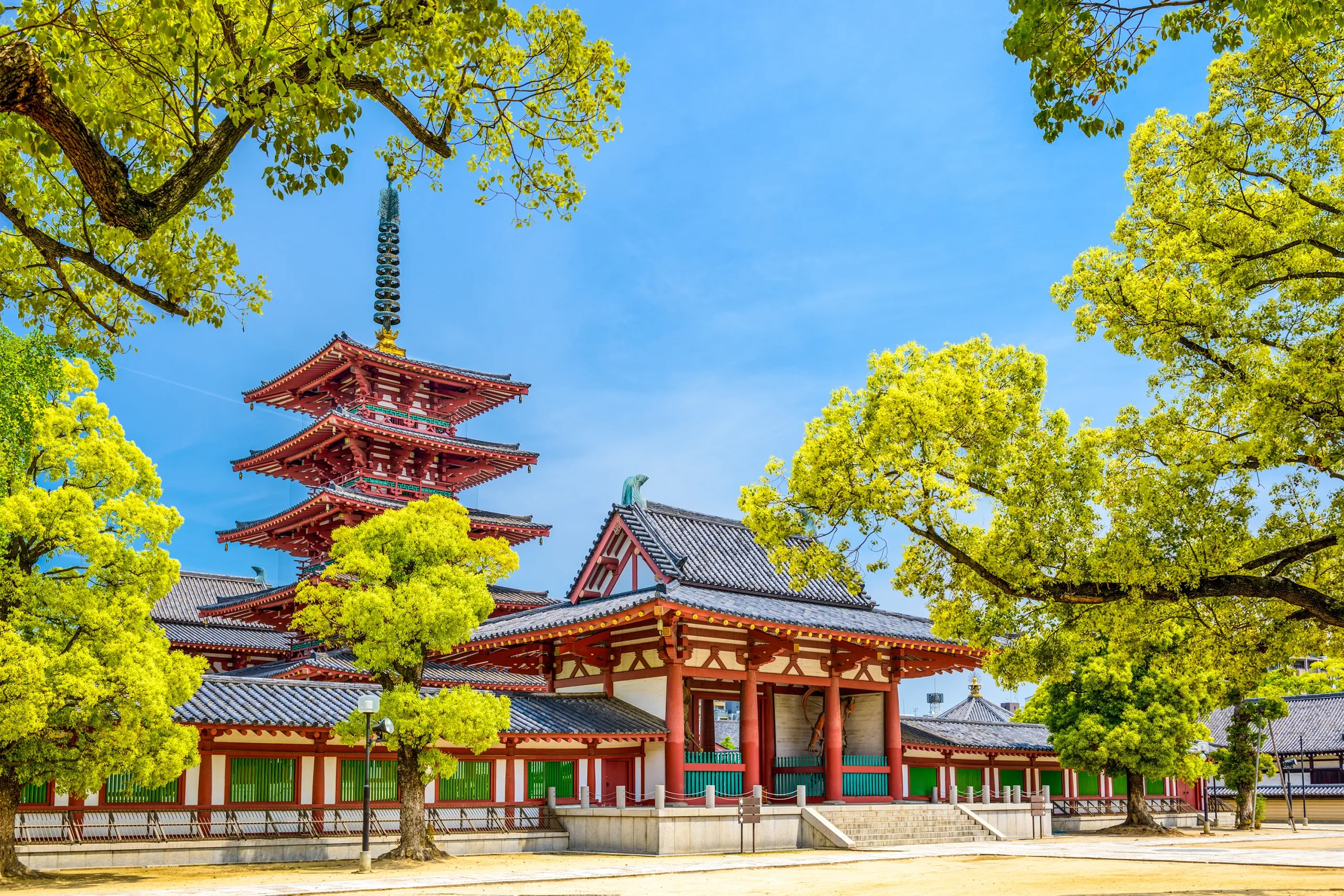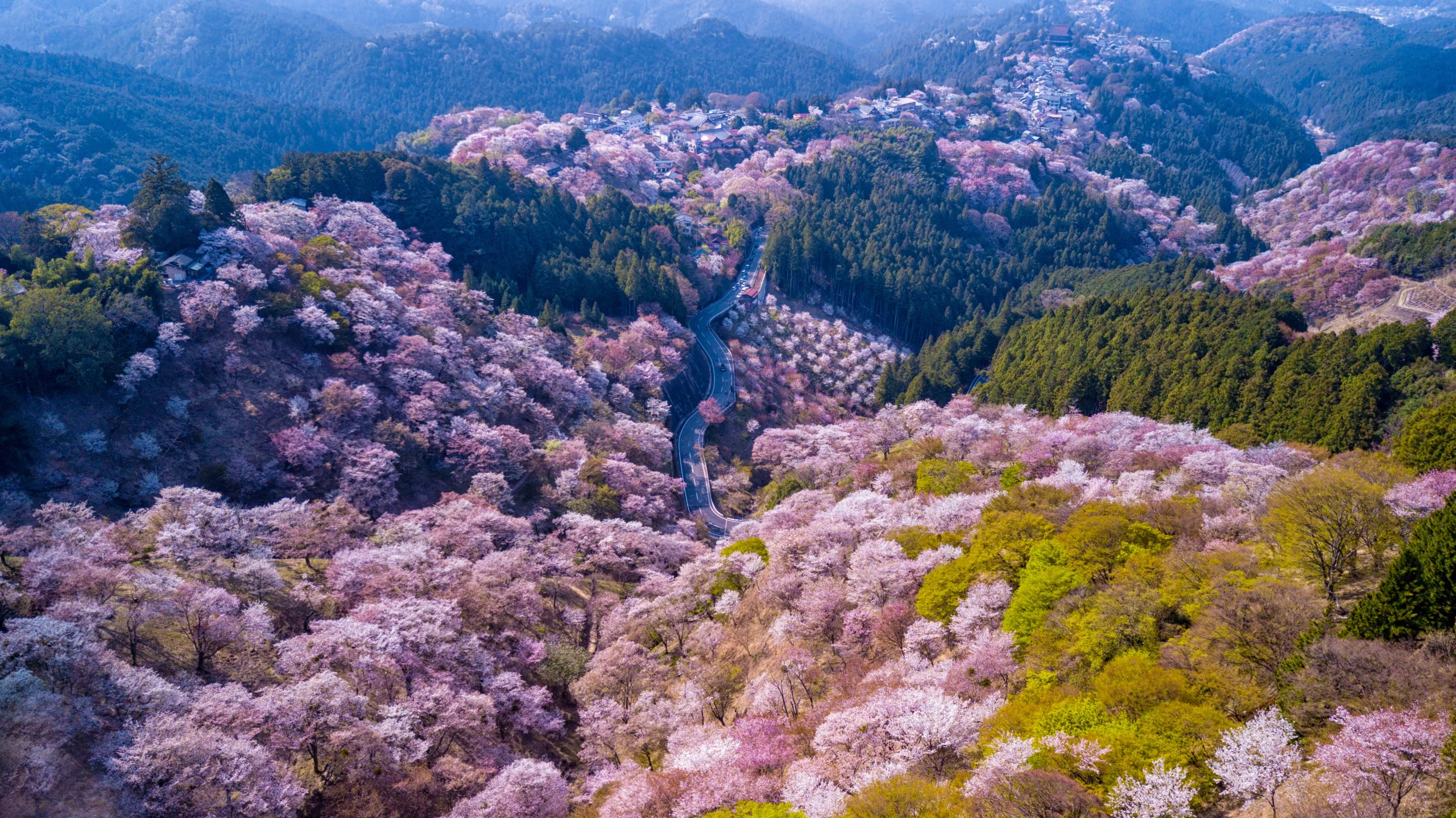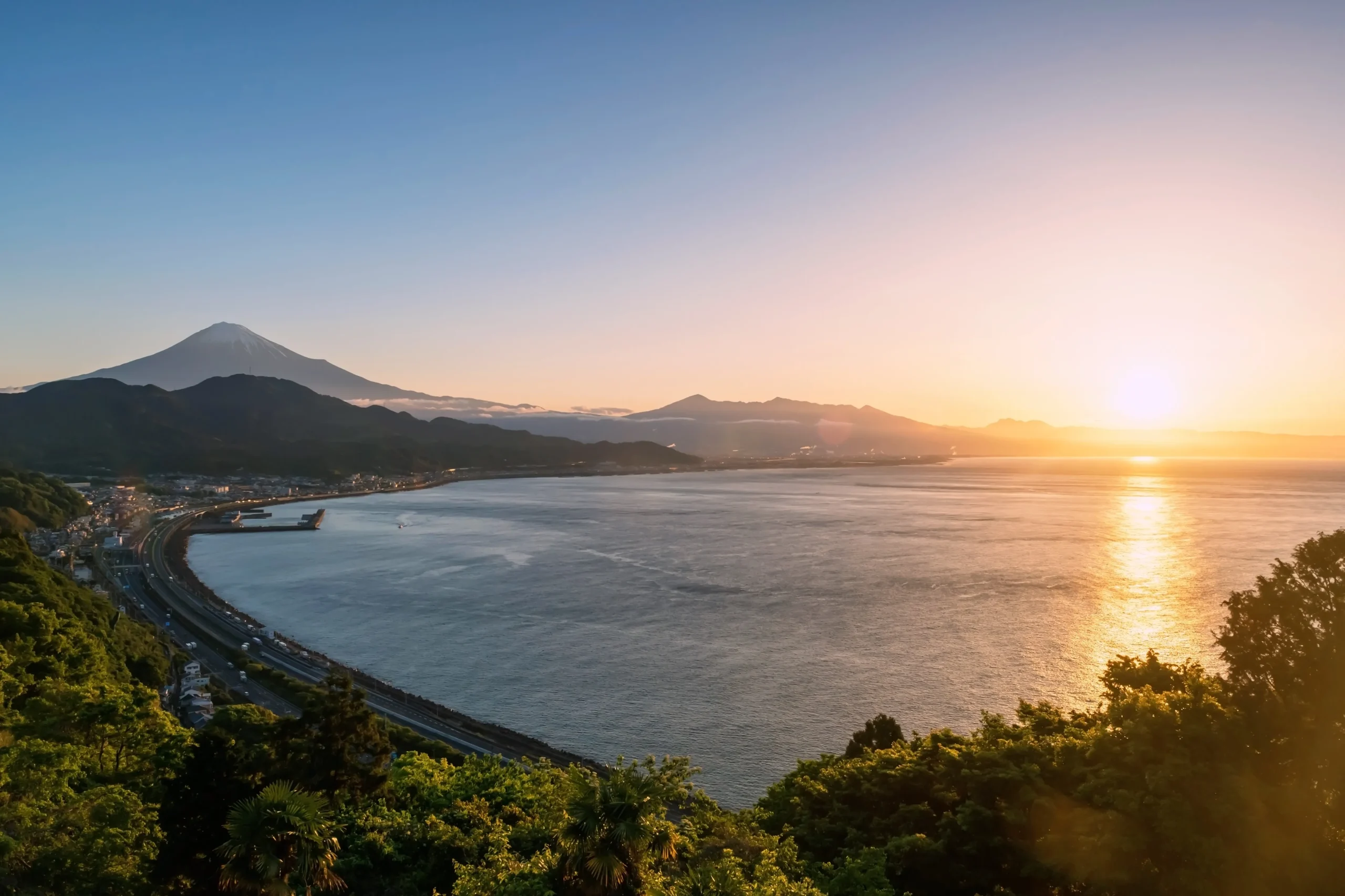
A pilgrimage in Japan can take six weeks, or it can take an afternoon.
The full Shikoku pilgrimage circles an entire island and links 88 temples. The Kumano Kodo can become a serious multi-day mountain walk, but you can also experience one of its historic paths in a few hours. Ise Jingu is different again: the pilgrimage is centered on visiting one of Japan’s most important Shinto shrine complexes rather than completing a hiking trail.
So the useful question is not which pilgrimage is the most impressive. It is which one fits the kind of trip you are planning.
The five pilgrimages below range from long-distance walking routes to regional temple circuits and a major shrine pilgrimage. All can be experienced without completing the entire journey.
What Does Pilgrimage Mean in Japan?
The Japanese word junrei refers to a pilgrimage or journey between sacred places. In Japan, that can involve temples, shrines, mountains, or a combination of them.
There is no single way to make a Japanese pilgrimage. Some traditions involve long periods of walking. Others revolve around visiting a numbered group of temples, while a pilgrimage such as Ise is focused on reaching and worshipping at an important sacred destination.
Religion remains central to these traditions, but people also travel for reflection, remembrance, cultural interest, or personal reasons. You do not need to be Buddhist or Shinto to visit respectfully.
Most importantly for travelers, completing an entire route is not always necessary. Several of Japan’s pilgrimage traditions can be experienced in sections, which makes them much easier to include in a wider trip.
Five Pilgrimages in Japan at a Glance
| Pilgrimage | A good choice for | Time commitment | Walking |
|---|---|---|---|
| Kumano Kodo | Mountain scenery, historic paths, nature | About 30 minutes to several days | From short stone paths to demanding mountain stages |
| Shikoku 88 Temple Pilgrimage | A deeper Buddhist pilgrimage | Selected temples to about six weeks on foot | Very varied, including towns, coast, countryside, and mountains |
| Ise Jingu | Shinto history and sacred tradition | Half a day to one day | Normal sightseeing-level walking |
| Aizu 33 Kannon | Regional history, Buddhism, rural Fukushima | Selected sites or several days | Sites are spread out; transport is useful |
| Chichibu 34 Kannon | A walking pilgrimage near Tokyo | One day to several days | Town, countryside, and hill walking |
If the walking itself matters most, look first at Kumano or Chichibu. If you are interested in the practice of pilgrimage and have more time, Shikoku goes much deeper. Ise works well without strenuous walking, while Aizu fits naturally into a slower regional trip.
1. Kumano Kodo: For Pilgrimage and Mountain Walking
The Kumano Kodo is a network of old pilgrimage routes across the Kii Peninsula. Parts of the network are included in UNESCO’s Sacred Sites and Pilgrimage Routes in the Kii Mountain Range, together with places such as the three Kumano grand shrines and Koyasan.
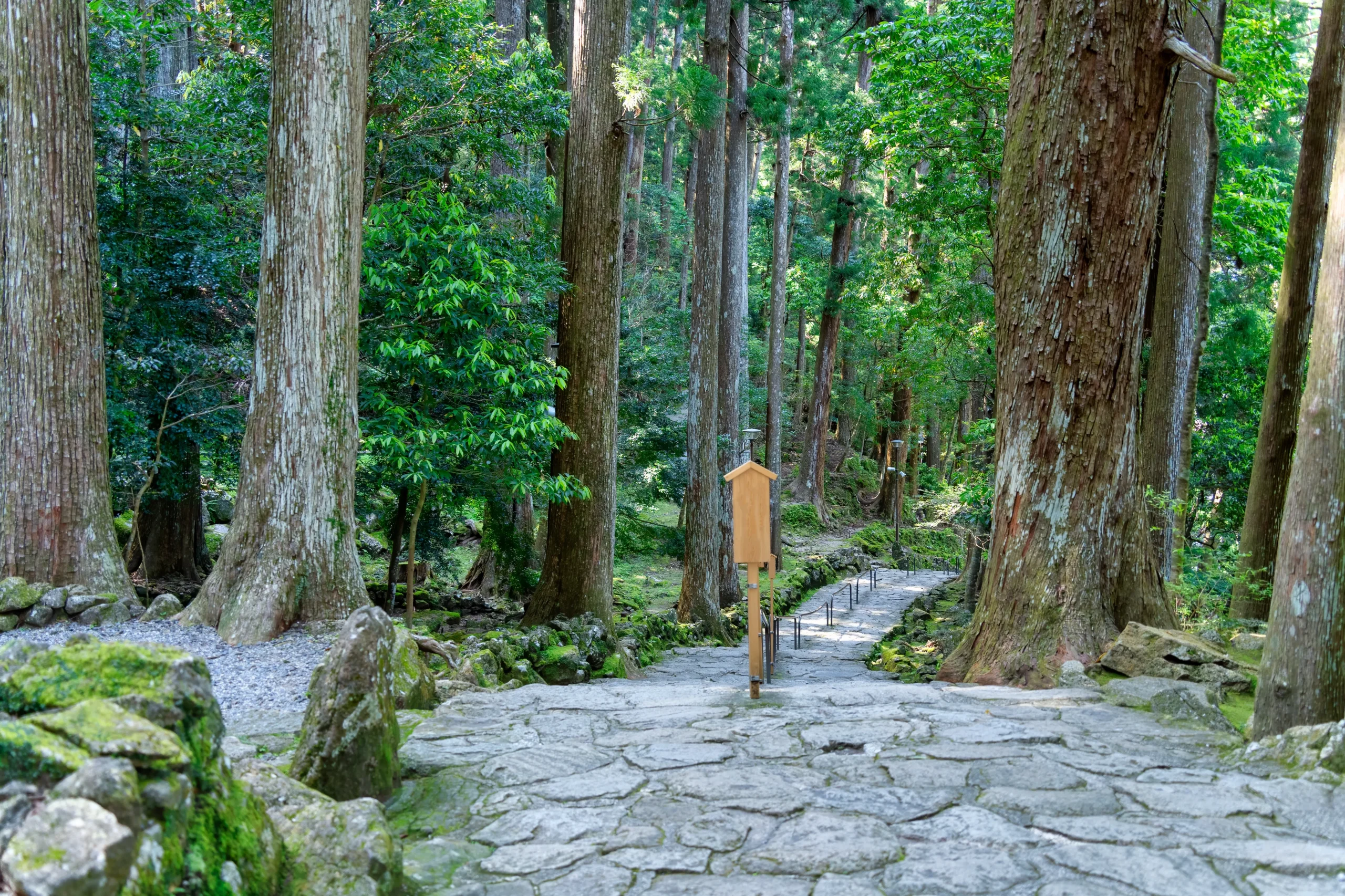
Pilgrims have traveled through these mountains for centuries to reach Kumano Hongu Taisha, Kumano Hayatama Taisha, and Kumano Nachi Taisha. The routes still pass through forests, villages, old stone paths, and steep mountain terrain.
There is no need to commit to a long trek to get a sense of the route.
Daimon-zaka, near Kumano Nachi Taisha, is one of the easiest introductions. The historic stone path itself is about one kilometer and takes roughly 30 minutes. From there, you can continue toward the shrine, Seiganto-ji Temple, and Nachi Falls.
Around Hongu, the walk from Hosshinmon-oji to Kumano Hongu Taisha is roughly 7.5 kilometers and usually takes two to three hours. This gives you a much longer stretch of the old pilgrimage route without requiring a full trekking itinerary.
Another short option is Dainichi-goe, which connects the Hongu area with Yunomine Onsen. It is only around two kilometers and takes about one to two hours, but it includes a steep climb and descent.
Longer sections of the Kumano Kodo should be treated differently. The Nakahechi crosses real mountain terrain, and some stages take most of a day. If you want a substantial walk rather than a short introduction, it is better to give Kumano several days instead of trying to squeeze it into a Kyoto or Osaka day trip.
Accommodation in the smaller communities along the route is limited, so multi-day walks also benefit from advance planning.
Read more: Walking the Kumano Kodo
2. Shikoku 88 Temple Pilgrimage: For a Longer Buddhist Journey
The Shikoku pilgrimage connects 88 temples associated with Kūkai, also known as Kōbō Daishi, the Buddhist monk closely associated with Shingon Buddhism.
The complete walking route is commonly described as roughly 1,200 kilometers and takes around six weeks. It passes through all four prefectures of Shikoku, moving through towns, rural areas, coastlines, and mountain sections.
That sounds like a trip in itself, and for people walking the whole route, it is. But completing all 88 temples at once is not the only accepted approach.
Pilgrims commonly divide the route into sections and return over time. This means a visitor with only a few days can choose a cluster of temples rather than treating the full circuit as an all-or-nothing challenge.
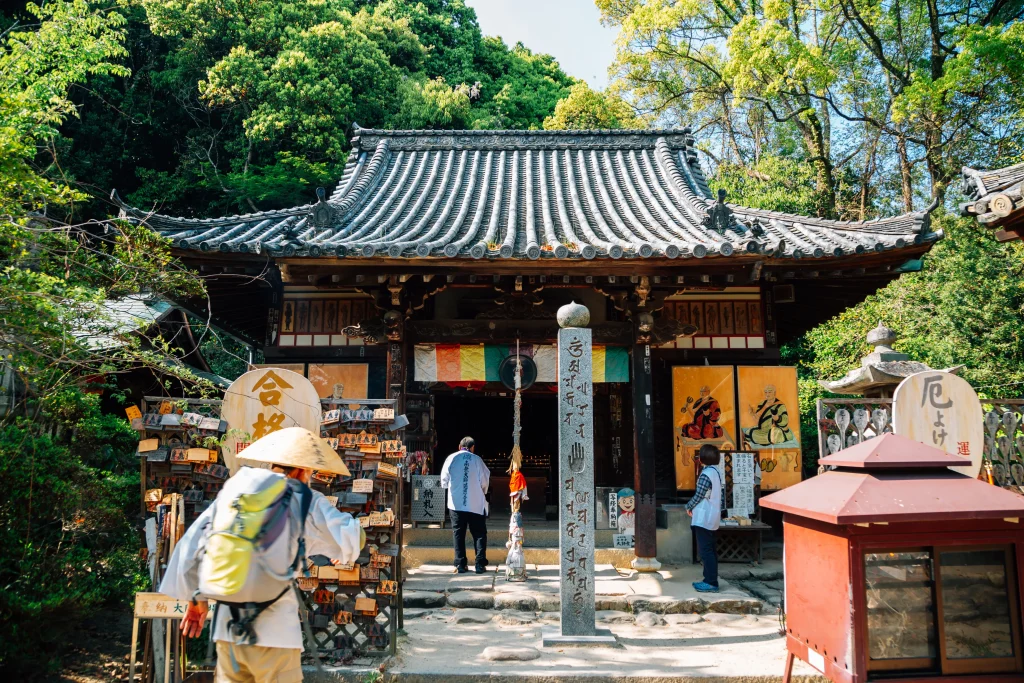
You will often see Shikoku pilgrims wearing a white vest and carrying a wooden pilgrim staff called a kongōzue. Traditional clothing is part of the culture of the route, but visitors are not required to wear a complete pilgrim outfit.
The temples themselves are active places of worship, and this is worth keeping in mind when collecting stamps or taking photographs. The pilgrimage is still a religious tradition rather than a sightseeing checklist.
Shikoku makes most sense if pilgrimage itself is one of the main reasons for your trip. For a shorter visit, choose one part of the route and give yourself time to experience it properly rather than rushing between as many temples as possible.
3. Ise Jingu: A Shinto Pilgrimage Without a Long Trail
Pilgrimage to Ise Jingu, traditionally called Oise-mairi, shows how different Japanese pilgrimage traditions can be.
There is no long trail to complete. The focus is the journey to Ise Jingu itself.
Ise Jingu is made up of 125 Shinto shrines, centered on two main sanctuaries: Naiku, dedicated to Amaterasu-Omikami, and Geku, dedicated to Toyo’uke-no-Omikami.
The traditional order is simple: visit Geku first, then Naiku.
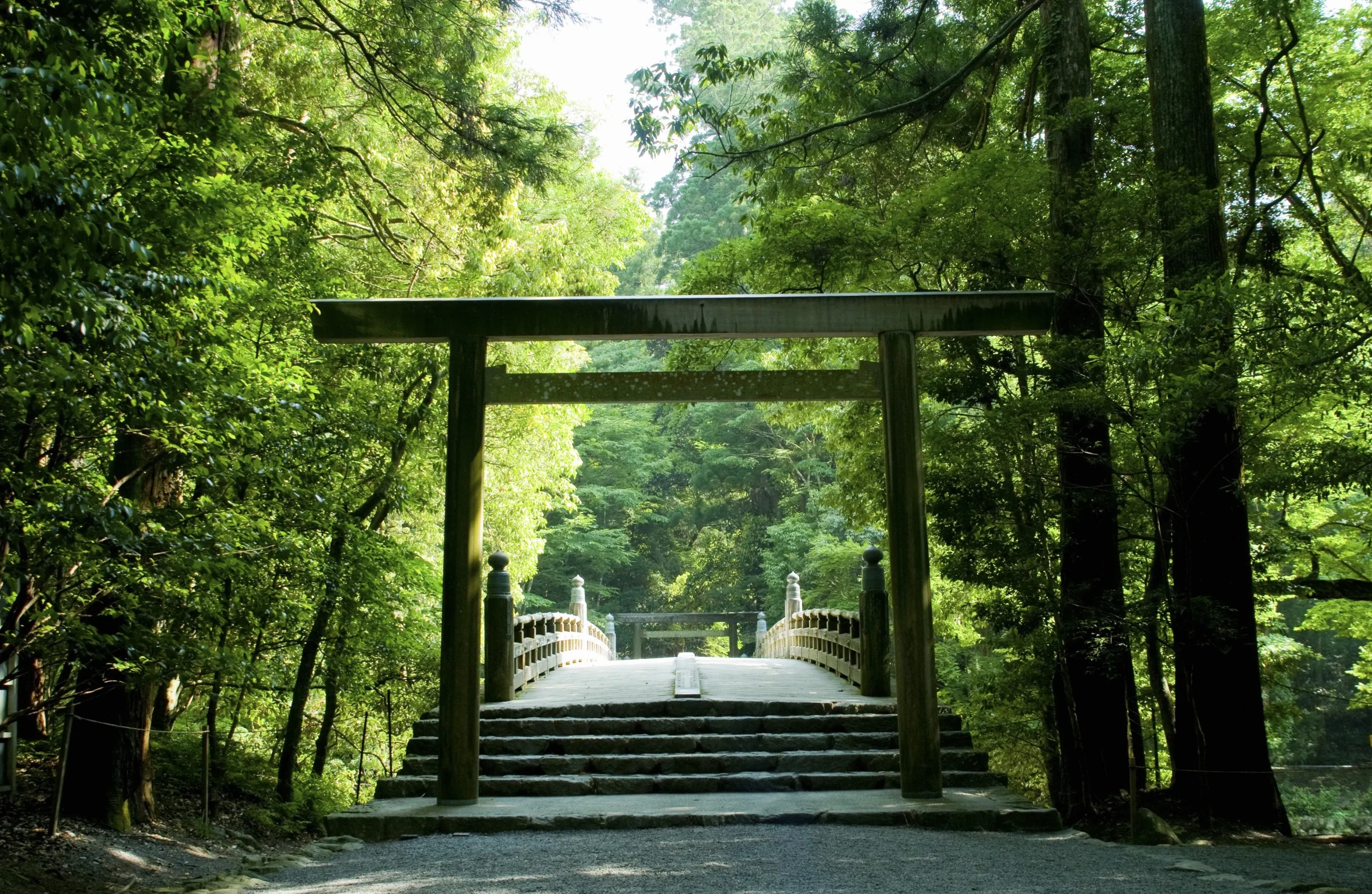
At the entrance to Naiku, Uji Bridge crosses the Isuzu River. Ise Jingu describes it as the boundary between everyday surroundings and the sacred grounds of the shrine. It is one of the places where the character of the pilgrimage becomes clear even without a long walk.
A visit to Ise therefore works well for someone interested in Shinto history and worship but who does not want to organize a hiking trip. Both main precincts can comfortably be included in a day in Ise.
Ise is also historically connected with Kumano through the Iseji route of the Kumano pilgrimage network. Travelers once continued between these sacred areas as part of much longer journeys than most visitors would attempt today.
4. Aizu 33 Kannon: A Regional Pilgrimage Through Fukushima
The Aizu 33 Kannon pilgrimage is spread across the wider Aizu region of Fukushima rather than following one continuous walking trail.
It was established under Hoshina Masayuki, the first lord of the Aizu domain. At the time, long-distance pilgrimage was popular, but traveling to distant regions required considerable time and money. The local circuit gave people in Aizu another way to visit 33 sites dedicated to Kannon.
Its history also has a surprisingly social side. Official Aizu heritage material describes pilgrimage as a chance for ordinary people, particularly women in rural communities, to travel together, visit hot springs, talk, and enjoy time away from daily life as well as practice their faith.
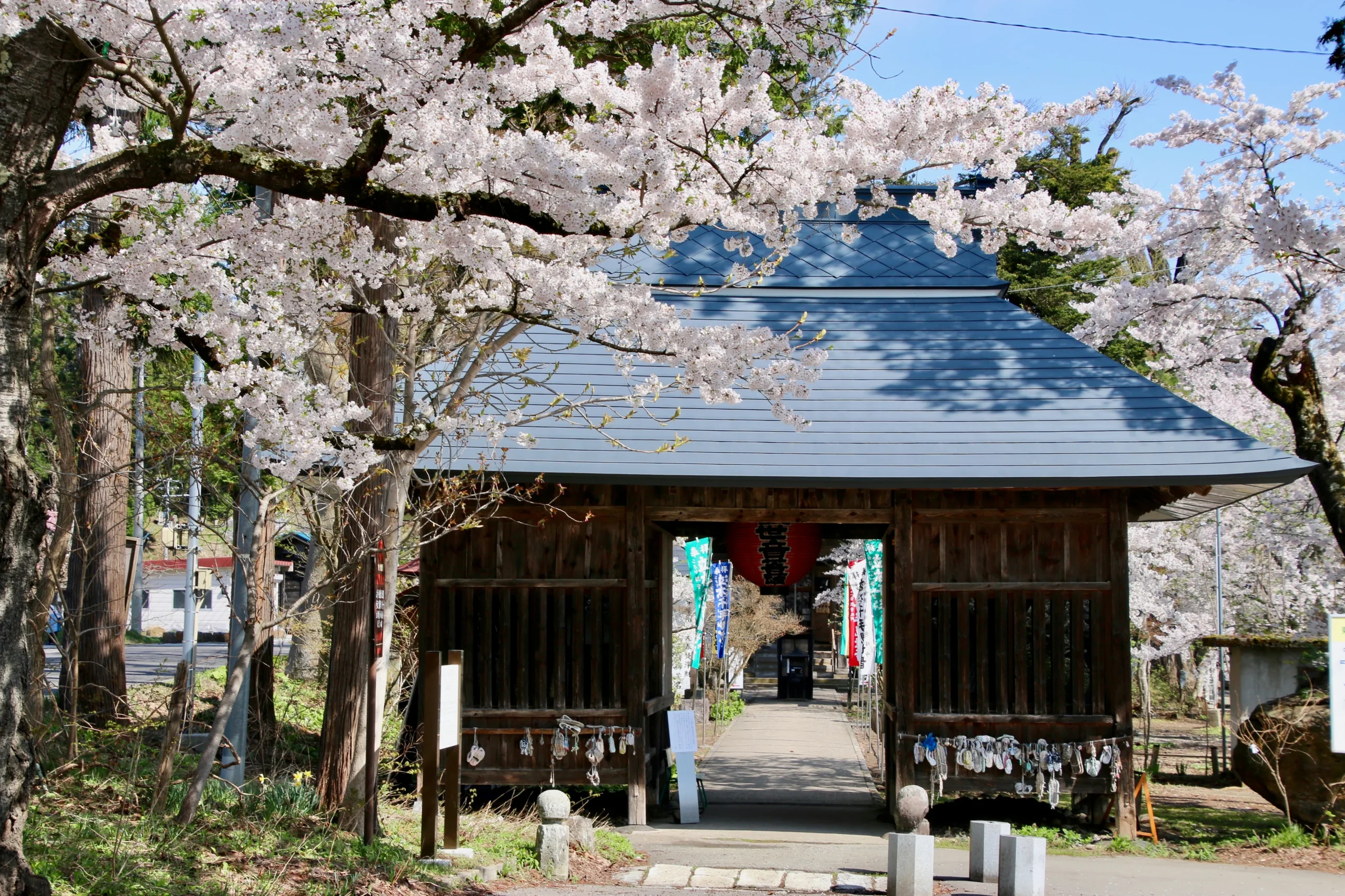
That history still helps explain how to approach Aizu today. The sites are spread around the region, and current official model courses combine Kannon temples with historic towns, countryside, hot springs, and other local stops.
In other words, Aizu is not the route to choose if your main goal is to walk continuously for several days. It works better as part of a regional journey, especially for travelers who are already interested in Fukushima’s history and rural landscapes.
You can visit selected Kannon sites rather than trying to cover all 33.
5. Chichibu 34 Kannon: A Pilgrimage You Can Add to a Tokyo Trip
The Chichibu pilgrimage connects 34 temples dedicated to Kannon across the Chichibu area of Saitama.
Together with the Saigoku 33 and Bando 33 pilgrimages, Chichibu completes the Japan 100 Kannon Pilgrimage.
The full Chichibu circuit is about 100 kilometers, so walking the entire route still takes several days. Its location, however, makes it much easier to sample than many longer pilgrimage routes. Seibu-Chichibu is around 80 minutes from Ikebukuro by train.
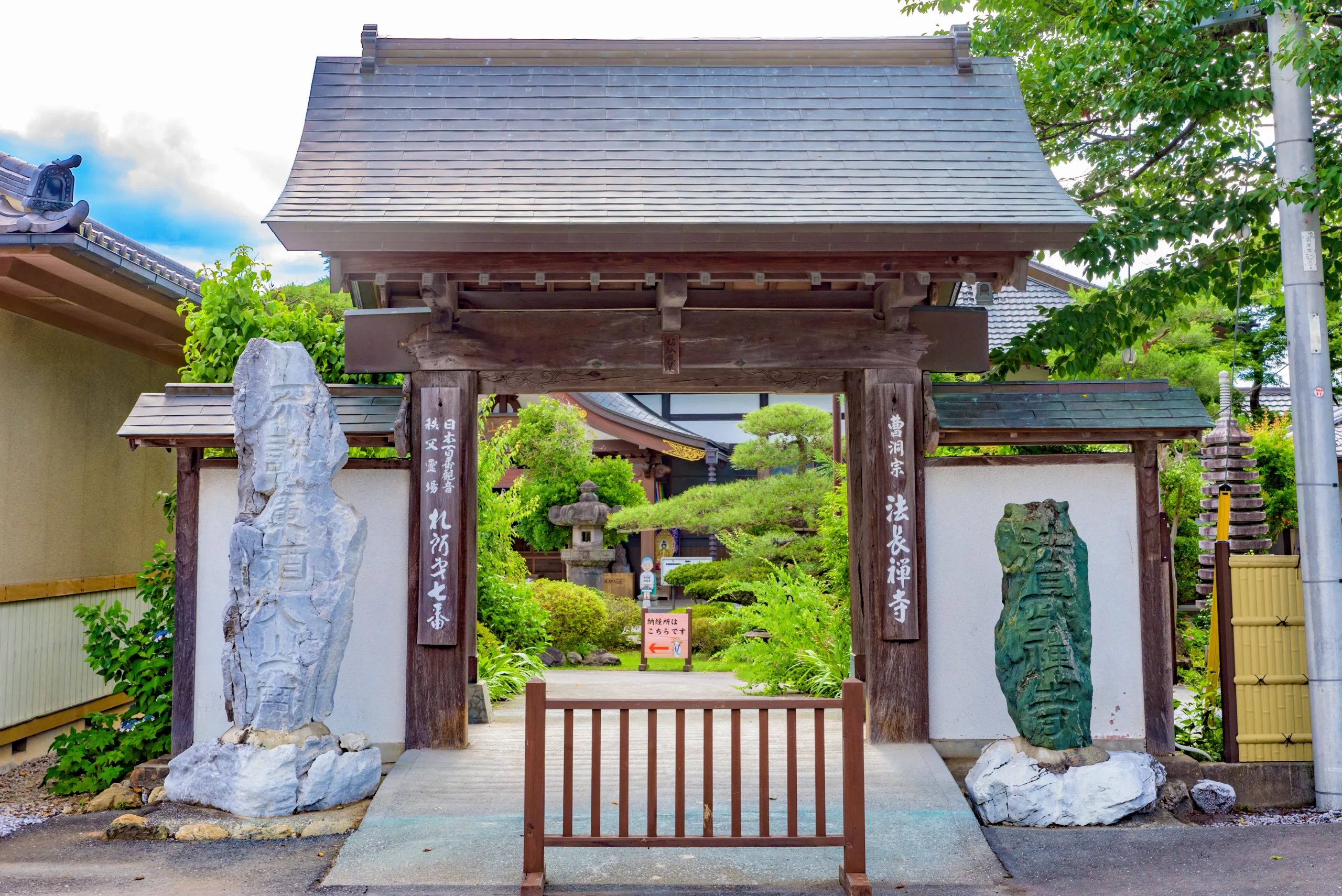
The local tourism organization even publishes a short pilgrimage route for visitors who do not want to attempt all 34 temples. The section from Temple 26, En’yūji, to Temple 29, Chōsenin, is 6.4 kilometers and can be reached from the Chichibu Railway.
This is one of the clearest choices if you want a genuine day of pilgrimage walking while staying in Tokyo. You can spend several hours moving between temples and countryside, then return to the city without turning the pilgrimage into a separate multi-day trip.
Chichibu is also quite different visually from Kyoto’s famous temple districts. Many of the pilgrimage temples are modest local places rather than monumental complexes. That smaller scale is part of the experience.
You Do Not Have to Finish the Whole Route
Looking only at the numbers can make Japanese pilgrimage seem inaccessible.
Shikoku has 88 temples. Chichibu has 34. A serious Kumano walk can fill several days.
Yet all three can be experienced on a smaller scale.
A few hours on the Kumano Kodo, a group of Shikoku temples, or one Chichibu walking course will obviously not be the same as completing the whole pilgrimage. It can still give you time to understand what makes the tradition different from ordinary sightseeing.
You move more slowly. The journey between sites becomes part of the day. There is less pressure to collect attractions quickly.
For most travelers, the better question is not how much of a pilgrimage they can complete. It is how much fits naturally into the trip they already want to take.
Basic Etiquette at Temples and Shrines
Pilgrimage routes pass through working temples and shrines, so ordinary respect matters more than memorizing a long list of rituals.
Keep your voice down around people who are praying, follow signs about photography, and remove shoes where requested. Purification basins can be used where appropriate, but remember that Buddhist temples and Shinto shrines do not all follow the same customs.
Some routes, especially Shikoku, also have their own pilgrimage practices involving clothing, temple stamps, prayer, and the order in which things are done. If you plan to take part more formally, check the guidance for that particular pilgrimage rather than assuming one set of rules applies everywhere.
Fitting a Pilgrimage Into a Japan Itinerary
A short visit to Ise or Chichibu is fairly easy to add to a wider trip. Multi-day pilgrimage walking requires more thought.
On the Kumano Kodo, for example, trail distances, rural transport, and limited accommodation can make a route that looks simple on a map harder to organize in practice. A serious Shikoku pilgrimage involves an even larger commitment.
Before choosing, think about the role you want pilgrimage to play in the trip.
Do you want one quiet day away from the major cities? Chichibu or Ise may be enough.
Do you want several days where walking is one of the main activities? Kumano is a stronger fit.
Do you want pilgrimage itself to become the journey? Then Shikoku starts to make sense.
ENJYU JAPAN also offers a 6-Day Temple Stay and Kumano Kodo Tour for travelers who want to make the Kii Peninsula a larger part of their trip. It combines Kumano Kodo walking with Koyasan and a temple stay. ENJYU can also build pilgrimage time into a Tailor-Made Tour when you want the route, accommodation, and transport planned around the rest of your Japan itinerary.
Which Pilgrimage Fits Your Trip?
If you have one free day from Tokyo, look at Chichibu.
If you want mountain walking and several days in nature, Kumano Kodo is the strongest fit among these five.
If you have the time for a much longer Buddhist pilgrimage, Shikoku offers an experience on a completely different scale.
If you are interested in Shinto and do not want a strenuous walk, Ise is easy to include in a normal sightseeing itinerary.
And if you are already exploring Fukushima and the Tohoku region, Aizu gives pilgrimage a more local, regional setting.
There is no need to choose the longest route for the experience to matter. Sometimes a half-day walk or a small group of temples is enough to change the pace of a trip and show a side of Japan that is easy to miss when moving quickly between major sights.
Read more: Temple Stays in Japan