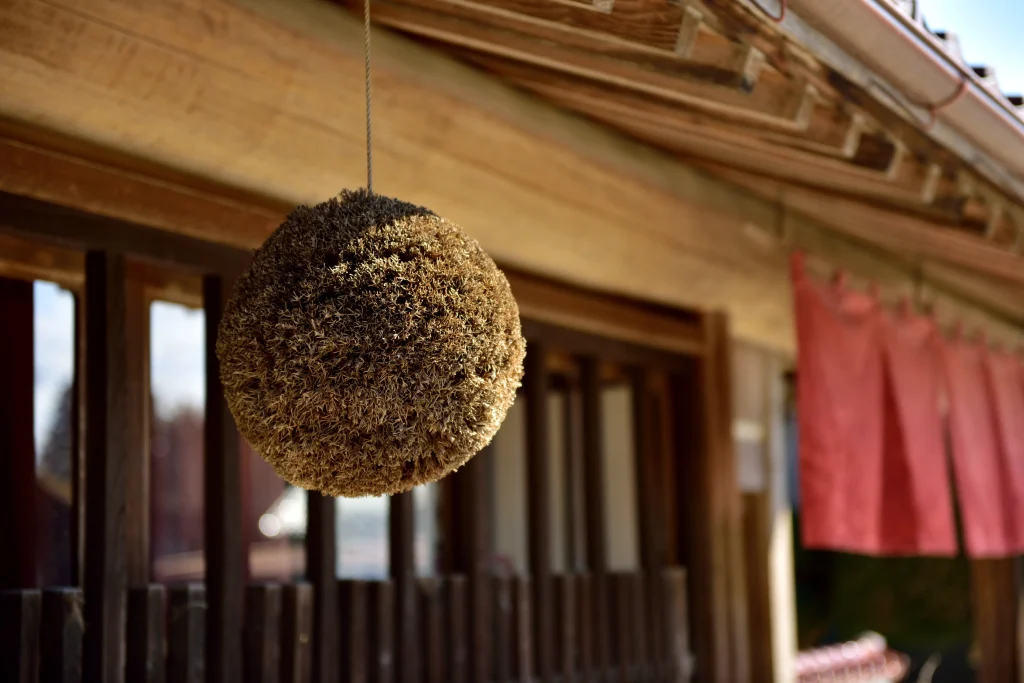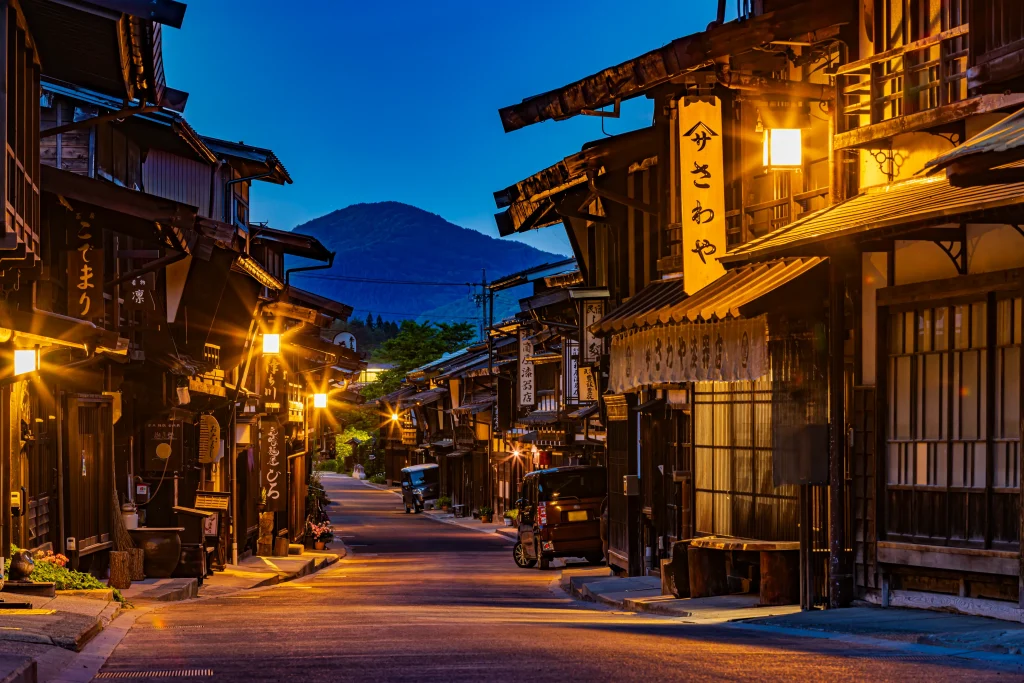
In Japan, Niigata Prefecture is known first and foremost for two things: rice and snow. Nestled along the Sea of Japan, this region experiences some of the country’s heaviest snowfall, driven by cold winds from the sea. It’s also one of Japan’s top rice producers, thanks to its fertile plains and abundant water from snowmelt. Together, these two natural forces have long shaped daily life in Niigata.
This unique climate and rich natural environment have nurtured a thriving sake tradition. For centuries, Niigata has been celebrated for its refined sake brewing, where pristine mountain water, premium rice, and generations of masterful craftsmanship come together to create sake enjoyed throughout Japan and increasingly around the world.
In this article, we’ll explore what makes Niigata a true sake destination, from its artisanal brewing culture and the clean, dry flavor of its sake, to hidden local gems known mostly to insiders. Tasting sake where it’s made, and discovering the compelling stories and cultural background behind each bottle offers a deeper appreciation for the beloved drink and for the rich heritage and quiet beauty of Niigata itself.
What Makes Niigata One of Japan’s Premier Sake Regions?
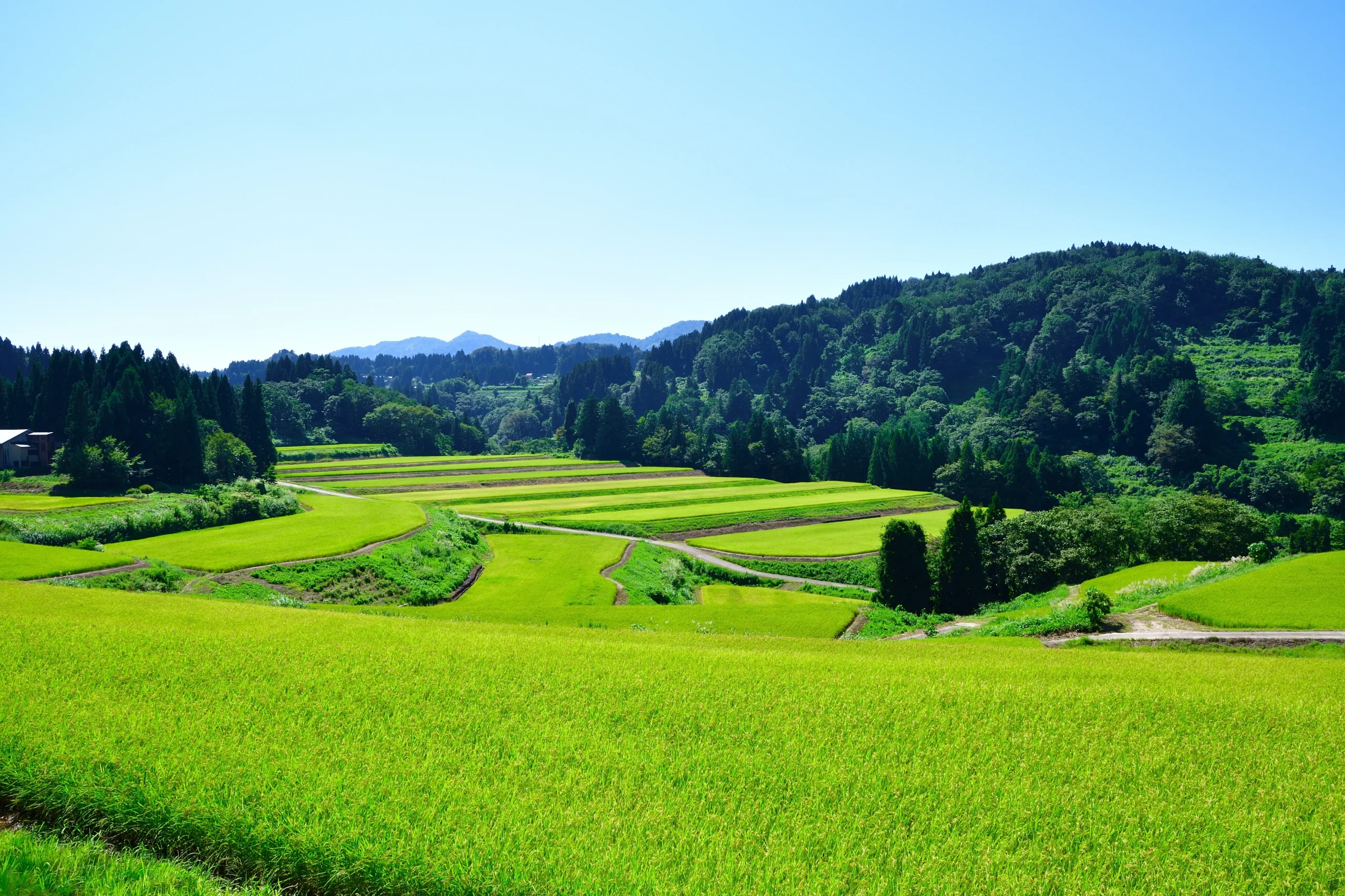
While many places in Japan are known for sake, Niigata stands apart. So what gives it such a well-earned reputation? It comes down to the perfect balance of three essential elements- rice, water, and craftsmanship- all influenced by the region’s bountiful climate and deep-rooted culture.
1. Japan’s Top Rice-Growing Region
Rice is the heart of sake, and its quality directly impacts the flavor. Niigata is Japan’s top rice-growing region, harvesting around 591,700 tons of rice in 2023, over 50,000 tons ahead of Hokkaido in second place. But it’s not just about quantity. Niigata also prioritizes the cultivation of sake-specific rice varieties (shuzō-kōtekimai), backed by close collaboration between local brewers and farmers. This shared commitment to refining rice tailored for brewing gives Niigata sake its distinctive edge.
2. Pure Snowmelt Water, Perfect for Brewing
Water is another key ingredient in sake, influencing its clarity, softness, and overall character. Surrounded by mountain ranges including the Asahi Mountains, the Iide Mountains, and the Echigo Mountains, Niigata receives heavy snowfall each winter, clearly defining its natural landscape. In spring, this snow melts into pristine, soft water that flows into the region. The runoff from the Echigo Mountains, in particular, is prized for brewing, playing a central role in creating Niigata’s signature tanrei karakuchi style- light, dry, and known for its clean, crisp elegance.
3. A Brewing Culture Deeply Rooted in History
Niigata is home to over 90 sake breweries, the highest number in Japan. Many have histories stretching back more than a century, with some founded over 300 years ago. This enduring tradition has long nurtured and preserved the delicate art of sake brewing. Each year, festive events such as the Niigata Sake no Jin and Niigata SAKE Fair invite locals and visitors to experience and celebrate the region’s refined sake firsthand. This deep connection between a close-knit community, a time-honored tradition, and continued innovation sets Niigata apart as an exceptional sake destination.
The Distinctive Qualities of Niigata Sake

Niigata’s sake is renowned throughout Japan, and increasingly, around the world, owing its outstanding reputation to the region’s favorable climate, premium ingredients, expert brewing techniques, and deep commitment to quality. One of its most distinctive features is its low-temperature, long fermentation process, which brings out the sake’s signature clarity and subtle elegance.
Low-Temperature, Long-Term Fermentation
The typical sake brewing process, begins with a warm, slightly textured mash called moromi, made by combining steamed rice, rice koji, and water. In Niigata, this mash is fermented slowly in cold conditions, often during the region’s long snowy winters. This time-intensive method, known as teion chōki hakko (low-temperature, long-term fermentation), draws out flavors gradually and gently, producing a smooth, refined sake free of harsh aftertastes. It’s a specialized technique designed for Niigata’s snow-rich climate and meticulous brewing philosophy.
The Signature “Tanrei Karakuchi” Style
Sake brewed in this style is often described as tanrei karakuchi- light, dry, and clean. With its smooth mouthfeel and crisp finish, Niigata sake complements a wide variety of traditional dishes. It’s particularly well suited to fresh seafood, a hallmark of the region’s cuisine, with its gentle character enhancing the delicate flavors of the ocean.
Expanding Flavor Profiles
In recent years, Niigata’s sake landscape has evolved beyond its classic tanrei karakuchi roots. Breweries across the region are now crafting a broader range of styles, including fragrant, fruit-forward sake and full-bodied varieties rich in umami. Driven by fresh creativity and a deep passion among local brewers, these delicious new flavors are attracting both younger generations and international audiences.
Hidden Gems: 5 Must-Try Sake Brands from Niigata
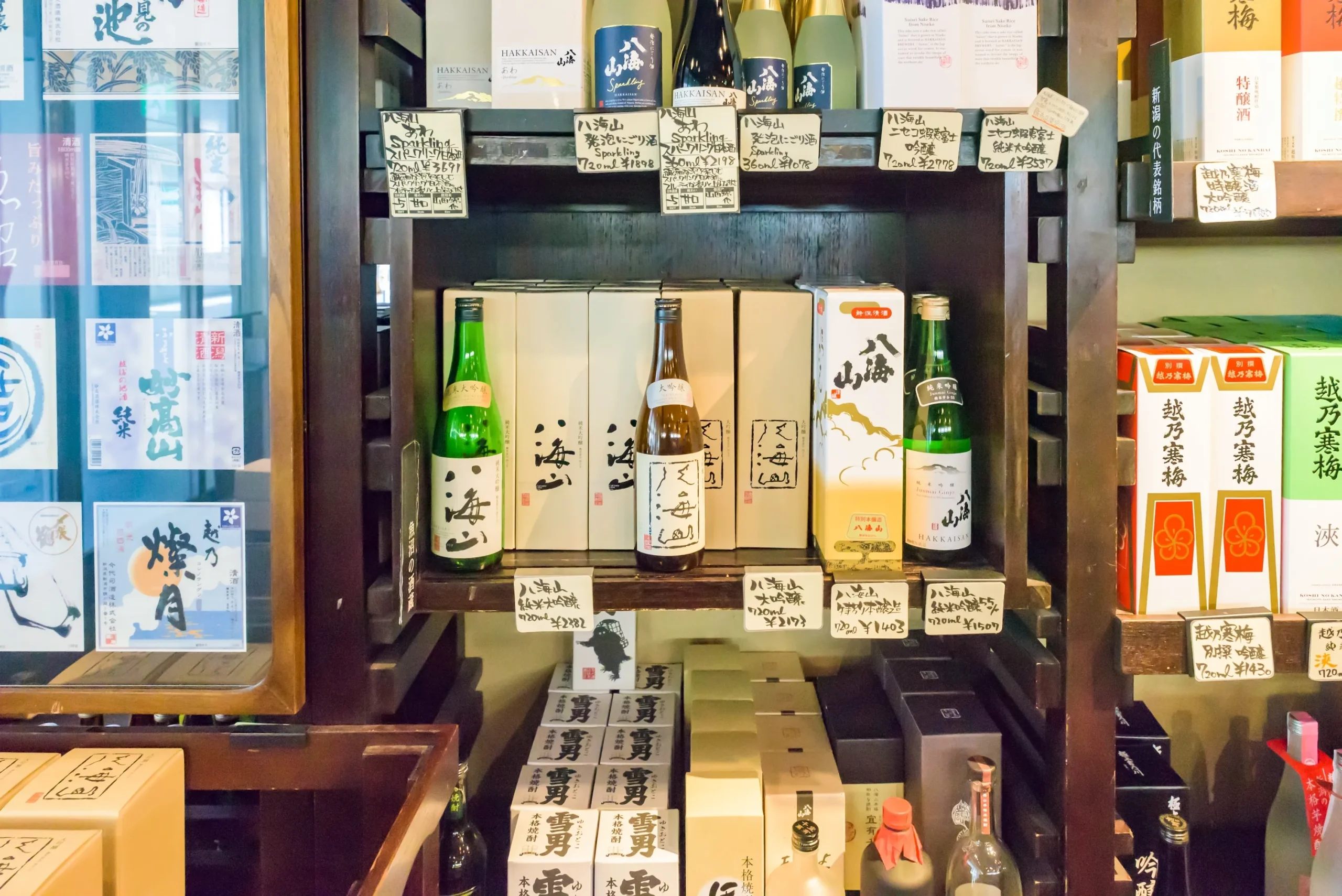
Niigata is home to countless renowned sake breweries. But among them, a few stand out among true sake enthusiasts. Here are four exceptional sake brands that capture the enduring spirit, long-standing tradition, and masterful craftsmanship of Niigata.
Kubota
Kubota, one of Niigata’s most respected and widely recognized sake brands, is often considered the benchmark for tanrei karakuchi-the light, dry style that defines the region’s sake. It’s brewed by Asahi Shuzo, a historic brewery founded in 1830. Clean and crisp with a smooth finish, Kubota delivers a refined flavor profile free of off-notes. It pairs beautifully with both traditional Japanese cuisine and modern Western dishes, making it the perfect introduction for sake newcomers and a reliable favorite among international guests. The brand offers a wide range of notable expressions, including Kubota Senju and Kubota Manju, each with its own unique character and appeal.
Hakkaisan
Hakkaisan adds a gentle touch of richness to Niigata’s signature dryness, creating a clean, well-balanced sake with subtle umami and a smooth, refreshing finish. It pairs especially well with local seafood and lightly simmered dishes. Brewed with pure snowmelt water from Mount Hakkai in the Echigo Mountain Range, Hakkaisan is deeply rooted in the snowy landscape of Minami-Uonuma, truly reflecting the region’s quiet nature.
Shimeharitsuru
Shimeharitsuru is celebrated for its smooth texture and clean, balanced finish. It is brewed by Miyao Shuzo, a historic brewery founded in 1722. While staying true to the classic tanrei karakuchi style, it preserves the gentle, natural umami of the rice, offering both clarity and depth. The Jun variety is especially enjoyable when served chilled, revealing delicate aromas and a soft hint of sweetness. Crafted using the traditional kanjikomi method of fermentation during the coldest winter months, Shimeharitsuru reflects the quiet precision and meticulous care that define Niigata sake.
Ryoko
Ryoko sets itself apart from the classic Niigata style with its vibrant aroma and fruity, juicy flavor. Lush and easy to drink, it’s a favorite aperitif, especially among women and younger drinkers. Thanks to its smooth, approachable nature, Ryoko also makes a thoughtful gift. Crafted with carefully selected rice and yeast, it features a well-balanced bouquet and elegant flavor. Brewed in Uonuma, an agricultural city famous for producing Japan’s top-grade Koshihikari rice, Ryoko is best enjoyed alongside a freshly prepared local rice dish for an authentic taste of the region.
Koshi no Kanbai
Widely celebrated globally as a pinnacle of Niigata japan sake Koshi no Kanbai is the legendary brand that sparked Japan’s nationwide light-and-dry sake boom in the late 20th century. Produced by Ishimoto Sake Brewery in Niigata City, it utilizes heavily polished local rice and rigorous, patient fermentation. The result is a refined, velvety texture with a subtle, graceful aroma that elevates food rather than overpowering it—a masterclass in quiet elegance.
10 Immersive Sake Experiences: Museums, Trains, Festivals, and Tours
To truly appreciate why Niigata is a mecca for enthusiasts, you should experience its culture beyond the glass through a rich narrative journey across the prefecture’s most fascinating cultural touchstones.
1. The Niigata Sake Museum and Vending Machine Tasting Corner
Conveniently situated inside major transit hubs, the Ponshukan (Niigata Sake Museum) serves as an ultimate, comprehensive gateway to the prefecture’s brewing heritage. Operating as a vibrant cultural showcase, it gathers representative bottles from nearly every active brewery across the region under a single roof, offering international visitors an unmatched overview of regional styles. The true highlight of the experience is its legendary tasting corner, equipped with a massive wall of automated sake vending machines. By exchanging a modest fee for tokens and an o-choko tasting cup, visitors can explore a vast directory of over one hundred distinct labels. Clear English numbering guides guests through the selection process, allowing you to sample rare dry styles, aged expressions, and seasonal gems independently and interactively without needing to commit to a full bottle.
2. Niigata Sake Train
For travelers looking to merge breathtaking natural scenery with top-tier drinking, booking a journey aboard the JR East Koshino Shu*Kura Official Info offers an unforgettable mobile adventure. As this specialized resort train winds its way along dramatic coastal cliffs facing the Sea of Japan and through the majestic snow-dusted valleys of the interior, passengers are treated to an exclusive onboard bar counter stocked with rotating regional selections. The atmosphere is elevated by live musical performances, local gourmet snacks, and complimentary tastings served by attentive staff. While announcements are primarily in Japanese, English guides and warm hospitality ensure that overseas visitors feel completely comfortable throughout the scenic ride.
3. Imayo Tsukasa Sake Brewery Tour
Located within a convenient walking distance of Niigata Station, taking the Imayo Tsukasa Brewery Tour provides an intimate look into urban artisanal craftsmanship. Operating since 1767, this historic estate distinguishes itself by producing exclusively pure junmai sake. Visitors are led through atmospheric cedar-lined fermentation rooms and traditional wooden vats by knowledgeable guides, with dedicated English-language tours available on weekdays by advance reservation. The tour concludes with an extensive supervised tasting session featuring seasonal releases, unpasteurized namazake, and specialty pours that provide a profound window into modern brewery management rooted in century-old philosophies.
4. Hakkaisan Snow Storage Facility
Deep in the snow-heavy valleys of Minami-Uonuma, the Hakkaisan Snow Storage Facility Tour (Yukimorogura) highlights the ingenious way local producers harness winter elements for maturation. This massive natural refrigerator safely stores up to one thousand tons of compacted snow to chill and age premium sake and local culinary products at a stable, cool microclimate year-round. While guided walking tours are conducted in Japanese, comprehensive visual guides and helpful English-speaking staff at the adjacent Sennen Kojiya retail complex ensure international guests can fully appreciate the science and romance of snow-aged fermentation.
5. Yoshino River Sake Museum “Johgura”
Situated in the historic brewing district of Settaya in Nagaoka City, the Yoshino River Sake Museum Johgura occupies a meticulously renovated century-old bottling warehouse. Operated by Yoshinogawa—a legendary estate with roots tracing back to the Muromachi period—the museum offers an interactive dive into the sights, sounds, and aromas of regional production. Visitors can explore exhibitions featuring authentic antique tools, watch engaging multimedia presentations on large projectors, and enjoy hands-on digital simulations. The experience culminates at the atmospheric standing SAKE Bar, where guests can sample limited seasonal brews and signature waters used directly in the fermentation process.
6. Niigata Sake no Jin (The Massive Annual Festival)
Held annually in Niigata City, Niigata Sake no Jin stands as one of the largest and most exhilarating alcohol celebrations on earth, drawing hundreds of regional brewers and tens of thousands of passionate enthusiasts from across the globe. The massive convention hall transforms into a vibrant celebration of snow-country culture, where attendees can freely interact directly with master brewers, compare hundreds of distinct regional styles, and celebrate the collaborative spirit of the prefecture’s agricultural community. English event maps and helpful volunteer staff stationed throughout the venue ensure that international visitors can navigate the sprawling tasting booths with ease.
7. Furumachi Traditional District & Local Pairing Experiences
Immerse yourself in the historic heart of Niigata’s entertainment heritage at the Furumachi District, which has historically stood alongside Kyoto’s Gion and Tokyo’s Shinbashi as one of Japan’s premier geisha quarters. Today, the district preserves its refined aesthetic through exclusive traditional banquet experiences (ozashiki), where guests can witness traditional Geigi artistry accompanied by multi-course seasonal dining paired with elite local labels. Specialized concierge services offering English translation make it seamless for international travelers to book and participate in these sophisticated cultural evenings.
8. Sado Island Sake Breweries
A scenic jetfoil ride across the Sea of Japan leads travelers to the remote artisan shores of Sado Island, home to innovative producers like Hokusetsu Shuzo. Famed for pushing the boundaries of traditional craftsmanship through creative methods such as music-played aging and deep-sea pressure vats, Sado’s independent breweries reflect an insular, highly creative approach to flavor. Island brewery retail shops provide detailed English product sheets, allowing visitors to appreciate how maritime breezes and local mineral waters impart a distinct minerality and crisp elegance into every bottle.
9. Echigo-Kenshin SAKE Festival
Taking place every autumn in Joetsu City, the Echigo-Kenshin SAKE Festival honors the rich martial and cultural heritage of the region’s legendary Sengoku-period warlord, Uesugi Kenshin. This major regional gathering brings together top-tier offerings from virtually every brewery across southern Niigata, alongside local wines, artisanal foods, and craft beverages. The lively festival atmosphere bridges feudal history with contemporary culinary appreciation, offering travelers a vibrant community celebration framed against the stunning backdrop of the surrounding mountain ranges.
10. Takarayama Brewery Heritage Tour
Nestled at the scenic foot of Mount Taho in Niigata City’s Nishikan ward, Takarayama Brewery offers an authentic look into a family-run estate operating since 1885. Famous for adhering to heartful handwork rather than heavy mechanization, the brewery welcomes visitors into its historic barrel-lined warehouses and aging spaces. Guests are guided through traditional brewing architecture, learning how pure underground snowmelt water and locally harvested grains create delicate, fruit-forward profiles. The experience concludes with intimate tastings of seasonal unpasteurized styles and exclusive cellar-only pours.
The Seasonal Lifecycle of Niigata Sake: From Winter Brewing to Seasonal Releases
To truly grasp the magic behind every bottle in the prefecture’s extensive selections, one must understand the rhythmic seasonal cycle that governs life inside a traditional brewery. Unlike mass-produced industrial beverages, artisanal sake brewing in snow country is deeply attuned to the natural calendar, shifting dramatically through the changing months of the year.
Traditionally, the brewing season (sakazukuri) begins in late autumn when temperatures plunge and the first freezing winds sweep down from Siberia. This is when master brewers, historically led by elite guilds such as the renowned Echigo Toji, commence intense production. The sub-zero winter environment naturally stabilizes fermentation temperatures, preventing unwanted bacterial spoilage and allowing yeast to convert sugars into alcohol with immaculate slowness. This time-honored method, known as kanjikomi (cold-weather brewing), is the foundational secret behind Niigata’s legendary clarity and pristine crispness.
As winter turns to spring and massive snowdrifts begin to melt, fresh batches are bottled as unpasteurized namazake. These vibrant, fruit-forward spring releases are bursting with lively aromas and are celebrated at seasonal festivals across the prefecture. During the warm summer months, the sake rests quietly in temperature-controlled warehouses or natural snow-packed vaults like Hakkaisan’s Yukimorogura, smoothing out its rough edges and developing a mature roundness. Finally, by autumn, the fully matured vintages emerge, offering deep, rich balance just in time for the harvest feasts.
For travelers embarking on a guided brewery tour, timing your journey through this seasonal cycle reveals how dynamic and living the prefecture’s brewing culture truly is, offering entirely different aromatic profiles whether you visit during the snowy depths of January or the verdant harvest of September.
The Culinary Harmony of Niigata: Pairing Local Gastronomy with Regional Sake
No exploration of Niigata’s brewing culture is truly complete without experiencing its extraordinary culinary pairings. Because sake is historically brewed as a companion to food rather than a standalone drink, the gastronomic landscape of Niigata shares an intimate, symbiotic relationship with its local libations. The clean, crisp character of the local selections is specifically calibrated to elevate, rather than overwhelm, the delicate flavors of regional delicacies.
1. Sea of Japan Seafood (Nanban Shrimp and Snow Crab)
Thanks to the cold, nutrient-rich currents of the Sea of Japan, Niigata’s coastal ports—such as Itoigawa, Sado, and Joetsu—yield some of the freshest seafood in the country. Sweet, translucent nanban-ebi (deep-water shrimp) and succulent winter snow crab possess a subtle, natural sweetness. When paired with a bone-dry, refreshing pour of tanrei karakuchi sake like Hakkaisan or Kubota, the alcohol cleanly washes the palate while accentuating the ocean-fresh richness of the seafood.
2. Mountain Foraged Delicacies and Noppe
Moving inland into the mountainous valleys, traditional dishes reflect the resourcefulness of snow-country survival. Noppe, Niigata’s iconic traditional stew made from root vegetables, taro, shiitake mushrooms, and konjac, features a gentle, savory dashi broth that avoids heavy oils. The subtle umami profile of a classic junmai or ginjo brew bridges the earthy flavors of these mountain-foraged ingredients, creating a comforting, harmonious mouthfeel.
3. World-Class Uonuma Koshihikari Rice Dishes
It is impossible to discuss Niigata gastronomy without honoring its legendary staple: Uonuma-grown Koshihikari rice. Widely recognized as the finest table rice in Japan, it features an unmatched gloss, stickiness, and natural sweetness. Enjoying a freshly harvested bowl of Koshihikari alongside local pickles and a chilled cup of craft sake highlights the core agricultural synergy of the region. Rice in liquid form meets rice on the plate, offering a profound appreciation for why Niigata remains the undisputed capital of Japan’s agricultural heritage.
Planning Your Niigata Sake Journey with ENJYU JAPAN
Niigata is much more than just a destination for exceptional drinks; it offers a rich cultural journey shaped by dramatic topography, centuries of history, and hardworking, passionate communities. From pristine rice paddies and pure mountain snowmelt to high-tech tasting rooms, scenic railway cars, and historic brewing estates, every element works in harmony to create a truly authentic Japanese experience. Just beyond the bustling urban centers of Tokyo and Kyoto, Niigata reveals a quieter, more contemplative side of Japan—one that deeply rewards curious travelers.
Planning a custom trip, private brewery tour, or deep-dive cultural itinerary in Niigata?
At ENJYU JAPAN, we specialize in crafting bespoke travel experiences tailored precisely to your preferences. Whether you want to book exclusive private tastings, arrange seamless transportation to remote snow-country estates, or discover hidden local gems, our expert local team is here to help.
Ready to explore the authentic heart of Japanese brewing? Contact us today to start designing your dream Niigata itinerary!