Japan is one of the most comforting places in the world to explore with young children. For families planning 2 weeks in Japan with a toddler or designing a shorter Japan with a baby itinerary, the first thing you’ll notice is how effortlessly daily life works. Clean streets, reliable transportation, and a culture built around consideration create an environment where parents can focus on enjoying the trip instead of managing constant stress.
Getting Around Japan With Toddlers: Transport, Facilities, and Daily Essentials
Visitors often ask, “Is Japan baby-friendly?”—and the answer becomes obvious the moment you step into a major train station. Elevators, wide platforms, priority seating, and clear signage make moving with a stroller surprisingly easy. In baby-friendly Tokyo, department stores and malls offer spotless nursing rooms, family rest areas, and restaurants with high chairs and stroller parking. Even busy food courts feel manageable thanks to their open layout and ambient noise that softens toddler fussiness.
Daily essentials are never far away. Shops like Akachan Honpo and Nishimatsuya stock diapers, wipes, toddler snacks, and baby food, making it simple to travel light. Whether you’re crafting a detailed Japan with toddler itinerary or simply exploring at your own pace, Japan’s safety, infrastructure, and hospitality ensure parents and little travelers feel welcomed every step of the way.
Experiencing Japan With Toddlers: Where Families Can Play and Explore
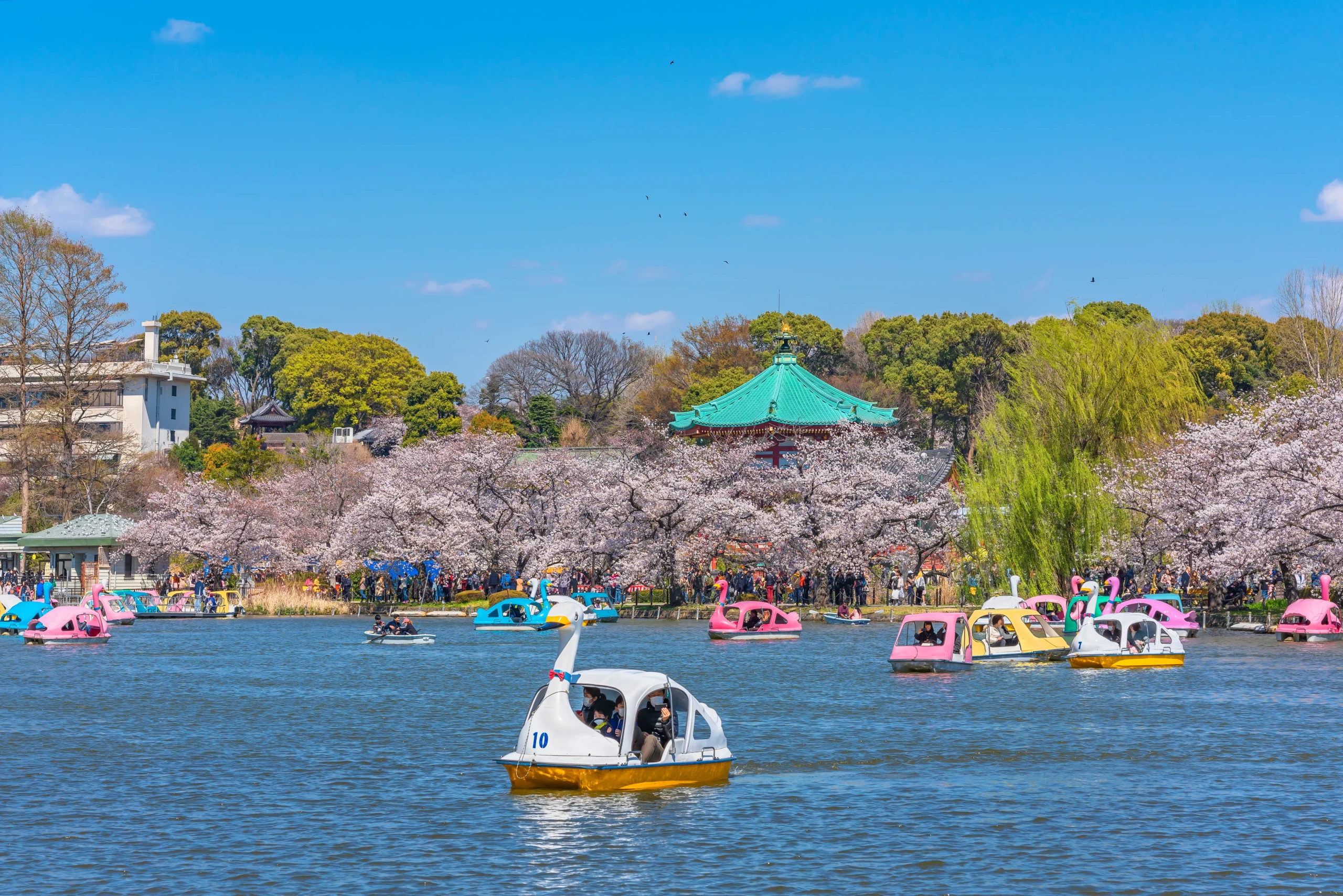
Japan doesn’t just make logistics easier for families—it also offers a surprising number of low-stress, high-reward experiences that naturally match a toddler’s curiosity. Many activities encourage hands-on discovery, short bursts of wonder, and gentle surprises—perfect for creating memorable travel moments. Traveling with toddlers in Japan is not just about keeping them safe; it’s about experiences where children explore and parents enjoy the sights and culture alongside them.
Nature and animals are especially engaging, and these experiences are spread across every major region, making it easy to include them in a Japan with toddler itinerary. From interactive aquariums and open-air museums to animal parks and gardens, families can find activities that captivate toddlers while being enriching for adults.
Tokyo
Ueno Park offers wide lawns for toddlers to run freely, while Ueno Zoo lets children see familiar animals up close, from elephants to red pandas. For indoor options, Sumida Aquarium features compact, engaging displays with colorful fish and petting pools.
Hakone / Fuji corridor
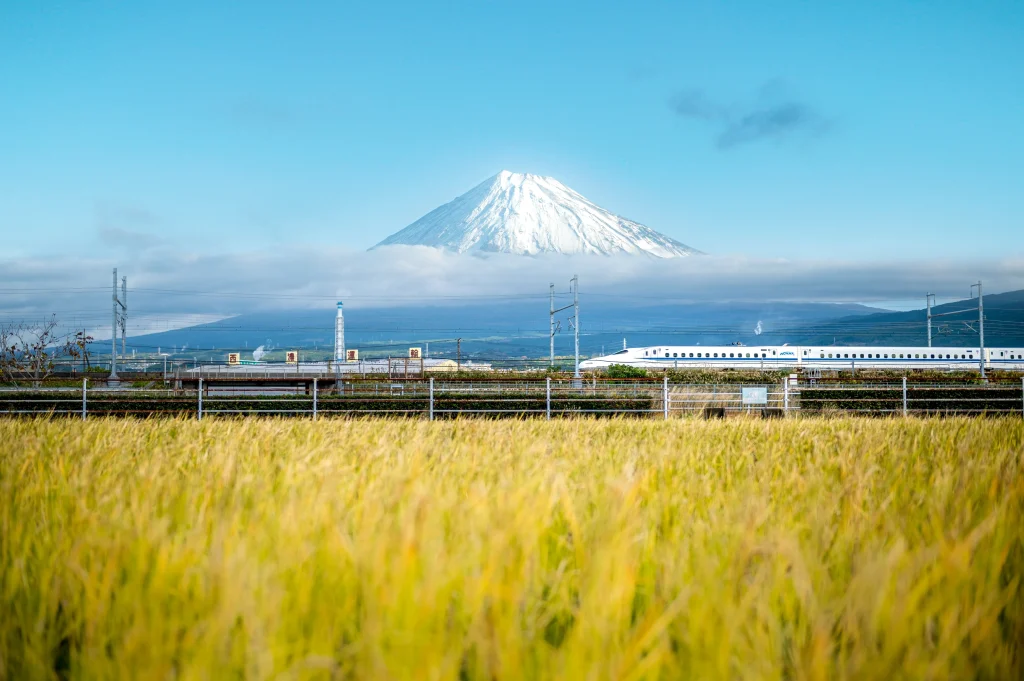
The Hakone Open-Air Museum combines art and nature, with large sculptures toddlers can approach and explore safely. Nearby Lake Ashi boat rides provide calm waters and scenic views of Mt. Fuji, letting children experience gentle movement while parents enjoy the surrounding landscapes without long transfers.
Kansai (Kyoto / Nara / Osaka)
Arashiyama Bamboo Grove offers tall, swaying stalks and shaded paths perfect for short walks, while Monkey Park provides mild adventure as toddlers observe playful macaques. Nara Park’s free-roaming deer allow safe, supervised feeding experiences. In Osaka, the Kaiyukan Aquarium captivates children with slow-moving exhibits, large tanks, and interactive touch areas, keeping toddlers engaged while adults enjoy observing marine life.
Hokkaido
Sapporo’s Odori Park offers wide, open lawns similar to Ueno Park, with plenty of room for toddlers to run and seasonal festivals throughout the year. For a reliable rainy-day option, Shiroi Koibito Park is a fully indoor chocolate theme park where children can watch chocolate being made and join simple hands-on cookie-decorating activities. About 90 minutes further north, Asahiyama Zoo in Asahikawa is one of Japan’s most toddler-friendly zoos, with paved, stroller-accessible paths and close-up enclosures designed so animals display natural behavior at eye level; in winter, a carrier is more practical than a stroller once paths turn snowy. Because Hokkaido requires more travel time than Kanto or Kansai, it works best as a dedicated 3–4 day extension rather than a single day trip.
Okinawa
Okinawa trades temples and trains for beaches and warm water, making it one of Japan’s easiest regions for toddlers. The Okinawa Churaumi Aquarium, inside Ocean Expo Park, is fully stroller-accessible with elevators between floors, and its touch pools consistently hold toddlers’ attention longer than any other exhibit. Just outside, Ocean Expo Park itself is free to enter and includes a large playground and a free dolphin show, alongside Emerald Beach, a shallow, lifeguarded, netted swimming area a short stroller push from the aquarium. Since Okinawa’s public transport only covers central Naha, a rental car is the practical way to move between the aquarium, beaches, and hotel, and swimming season generally runs April through October.
Nagano
Nagano suits families looking to pair mountain scenery with gentle, low-key activities. Chausuyama Zoo in Nagano City has a dedicated petting zoo section and easy, flat walking paths, with red pandas and small animals toddlers can view up close; next door, Chausuyama Dinosaur Park lets kids play on slides built directly into life-size dinosaur models. The resort town of Karuizawa offers cooler summer temperatures, forested walking paths, and a slower pace that works well as a mid-trip breather. Older or more mobile toddlers comfortable riding in a carrier can also visit Jigokudani Monkey Park to see wild snow monkeys bathing in hot springs, though it involves a 30–40 minute uphill walk from the nearest bus stop and isn’t practical with a stroller.
Best Time to Visit Japan with Toddlers
Timing shapes a Japan with toddler itinerary more than almost any other factor. Japan’s climate swings widely across the year, and a handful of national holiday periods can turn an otherwise calm trip into a crowded one.
Spring (March–May) is the most requested season, and for good reason: mild temperatures and cherry blossoms make outdoor time with a toddler genuinely comfortable. The one date range to plan around is Golden Week, a cluster of national holidays that typically falls from late April into early May. During this stretch, domestic travel peaks nationwide—trains run at capacity, popular attractions see long waits, and accommodation in cities like Kyoto books out months ahead. Families set on spring travel are usually happiest visiting in the weeks just before or after Golden Week rather than during it.
Summer (June–August) brings heat and humidity that can be hard on young children, particularly during outdoor sightseeing in Tokyo or Kyoto. Mid-August also marks Obon, a holiday period when many Japanese families travel to their hometowns; shinkansen and highway traffic get heavy, and some smaller family-run restaurants close for a few days. Families traveling in summer benefit from front-loading outdoor activities into the morning and building in indoor breaks—aquariums, museums, and shopping mall play areas—during the hottest afternoon hours.
Autumn (September–November) rivals spring for comfort, with cooling temperatures and autumn foliage from mid-October through November. Crowds are generally lighter than spring, aside from a possible “Silver Week” long weekend in late September that occurs in some years.
Winter (December–February) is the quietest season for sightseeing and pairs well with a slower, indoor-friendly pace, though the New Year period (roughly December 29 to January 3) sees many shops, restaurants, and some attractions close as families observe the holiday.
How to Plan a Toddler-Friendly Itinerary (7–14 Days)

For a first Japan with toddlers trip, late spring (avoiding Golden Week) or mid-autumn tend to offer the most forgiving combination of weather, crowd levels, and daylight hours for a toddler’s schedule.How to Plan a Toddler-Friendly Itinerary (7–14 Days)
A successful Japan with toddler itinerary follows one core principle: Design each day around your child’s rhythm, not a checklist of sights.
Families who enjoy their trip the most explore in the morning, rest in the afternoon, and limit travel days to short, predictable transfers. Japan’s efficient rail network and compact city centers make this rhythm easy to maintain. Rather than trying to “do everything,” aim for calm mornings, one main activity per day, and enough time for naps, snacks, and unplanned breaks. The sample routes below show how a 7–14 day Japan with a toddler itinerary can remain relaxed and flexible.
7-Day Itinerary Example|A balanced first-time route with minimal long transfers
Day 1–3: Tokyo
Plan one primary outing each morning—Ueno Zoo, Asakusa, Shinjuku Gyoen National Garden, or a small aquarium then return to your hotel area by early afternoon. Keeping activities within a 30–40 minute travel radius helps toddlers stay calm. Afternoons work best for naps, hotel pools, or nearby playgrounds.
Day 4–5: Hakone
Hakone’s compact sightseeing loop suits young children well. Short cable car rides, open views, and the Hakone Open-Air Museum provide stimulation without constant movement.
Day 6–7: Kyoto
Kyoto rewards early starts. Morning visits to Arashiyama or temple gardens are noticeably quieter, allowing toddlers to explore at a relaxed pace. After lunch, staying close to your hotel makes it easier to rest, reset, and enjoy the neighborhood without overextending the day.
10-Day Itinerary Example|A comfortable pace with extra flexibility
Day 1–3: Tokyo
Combine large green spaces with one or two indoor attractions, keeping each day focused on a single highlight.
Day 4–6: Hakone
With short transfers and gentle scenery, Hakone remains one of the easiest regions for toddlers. Cable cars, lake views, and outdoor museums offer variety without long walking distances.
Day 7–9: Kyoto
Kyoto is easiest with a neighborhood-based approach. Choosing areas where temples, gardens, and riverside paths are within walking distance allows mornings to flow naturally without rushing between sights.
Day 10–11: Osaka
Osaka works well as a relaxed final base. Kaiyukan Aquarium, Osaka Castle Park, and quieter food districts are stroller-friendly. Staying two nights in the same hotel creates a calm end to the trip.
14-Day Itinerary Example|For families who prefer more breathing room
Day 1–4: Tokyo
Slower mornings and neighborhood exploration allow time to revisit favorite spots.
Day 5–6: Hakone
Light transport days and onsen (hot spring)-friendly accommodations help the whole family recharge.
Day 7–10: Kyoto
Include full rest days and limit outings to short morning visits to Arashiyama, Fushimi, or Nara.
Day 11–14: Osaka and Hiroshima
Use Osaka as a practical base for food, parks, and indoor attractions. A final optional day trip to Hiroshima or Miyajima suits toddlers comfortable with longer train rides.
Alternative Routes: Adding Nagano, Hokkaido, or Okinawa
The itineraries above follow Japan’s classic Tokyo–Hakone–Kyoto–Osaka route, but families drawn to mountain zoos, snow, or beach time can swap in Nagano, Hokkaido, or Okinawa instead. Because these regions sit further from the standard Honshu loop, the routes below are best suited to families comfortable with one additional shinkansen transfer or a single domestic flight.
7-Day Alternative|Tokyo + Nagano
Day 1–4: Tokyo — follow the same pacing as the standard 7-day route above.
Day 5–7: Nagano — reached by Hokuriku Shinkansen in under two hours, Nagano swaps Hakone’s cable cars for Chausuyama Zoo’s petting section and the adjoining Dinosaur Park, with Karuizawa nearby for a slower, forest-walk day before flying or training home.
10-Day Alternative|Tokyo + Nagano + Kyoto + Okinawa
Day 1–3: Tokyo
Day 4–5: Nagano — zoo, dinosaur park, and a relaxed day in Karuizawa.
Day 6–7: Kyoto — a shortened version of the standard Kyoto stay, focused on Arashiyama and one temple garden.
Day 8–10: Okinawa — flying from Osaka’s Kansai Airport (roughly two hours) trades the trip’s final days for the Churaumi Aquarium, Ocean Expo Park’s free playground and dolphin show, and shallow, lifeguarded swimming at Emerald Beach—an easy, low-stress way to end a trip with a tired toddler.
14-Day Alternative|Tokyo + Hokkaido + Nagano + Kyoto + Okinawa
Day 1–3: Tokyo
Day 4–6: Hokkaido — a short domestic flight from Tokyo (around 1.5–2 hours) reaches Sapporo, where Odori Park and the indoor Shiroi Koibito Park pair well with a day trip to Asahiyama Zoo.
Day 7–8: Nagano — a scenic link back south, with Chausuyama Zoo and Karuizawa as a gentler midpoint.
Day 9–11: Kyoto — Arashiyama, temple gardens, and neighborhood-based mornings as in the standard route.
Day 12–14: Okinawa — flying from Kansai Airport for a beach-and-aquarium finish, using Churaumi Aquarium and Emerald Beach as the trip’s final, low-key days.
This route covers considerably more ground than the standard loop, so it suits families who are comfortable with two or three domestic flights and prefer variety over a slower, single-region pace.
Optional Day Trips (With Fewer Hotel Changes)
Families who prefer staying in one place can add variety through simple day trips:
- From Tokyo: Kanazawa (approx. 2.5 hours by shinkansen)
- From Tokyo: Nagano (approx. 80–100 minutes by Hokuriku Shinkansen) — a comfortable single-night or day-trip addition pairing Chausuyama Zoo with the Dinosaur Park next door.
- From Kyoto / Osaka: Nara or Kobe (30–60 minutes by local train)
Returning to the same hotel often leads to better sleep and smoother days for toddlers. By limiting long transfers and prioritizing mornings for exploration, these itineraries help children stay engaged rather than overwhelmed. A slower pace doesn’t reduce what you experience—it often makes the journey more meaningful.
Practical Tips to Make Your Japan With Toddlers Trip Smoother
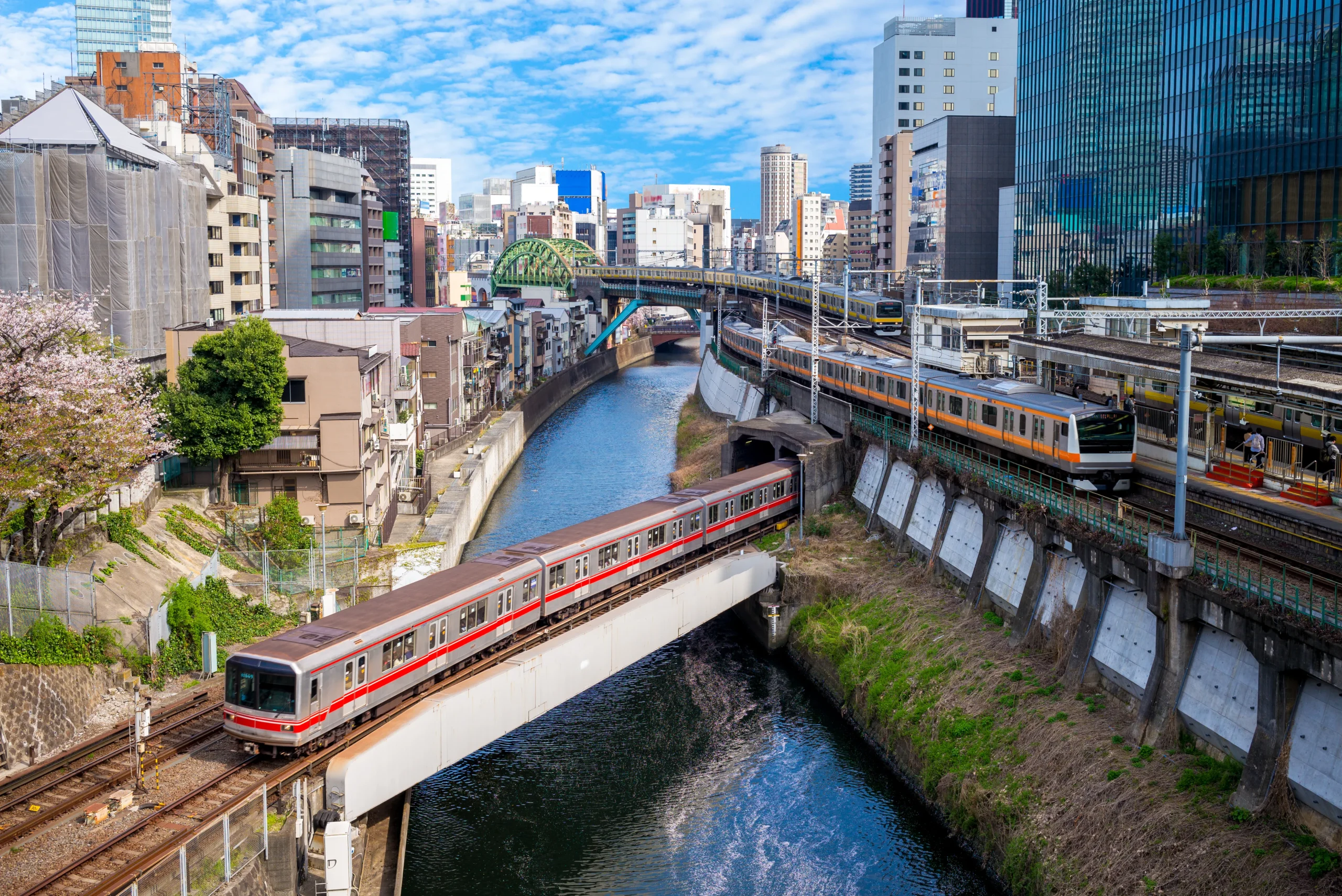
Traveling Japan with toddlers becomes easier once you understand a few practical rhythms. Timing, layout, and built-in family support play a major role in keeping days calm. With these in mind, even a longer stay—such as 2 weeks in Japan with a toddler—feels manageable rather than exhausting. Japan rewards families who travel at a gentle pace and work with local systems.
Moving Around Cities With a Stroller
Navigating Japanese cities with a stroller is often simpler than expected. Major stations feature elevators, wide ticket gates, and clear signage, allowing smooth transfers across cities. The main adjustment is timing: traveling between mid-morning and mid-afternoon helps avoid commuter rush hours.
Using an IC card such as SUICA or ICOCA removes the need to calculate fares or queue at ticket machines. Combined with Japan’s punctual trains and buses, this predictability makes planning naps and meals easier throughout your Japan with a toddler itinerary.
Increasingly, a contactless credit card works as an alternative to an IC card: as of 2026, tapping a Visa, Mastercard, JCB, or Amex directly at the ticket gate is supported across most of Kansai, Fukuoka, and—since March 2026—eleven operators spanning 729 stations across Greater Tokyo. That said, an IC card is still worth carrying as your primary option while traveling with a toddler: contactless credit card payment currently covers adult fares only, and core JR East lines aren’t yet part of the network, so an IC card remains the more reliable way to cover a young child’s discounted or free fare across a full day of travel.
Traveling Light: Forwarding Luggage with Takkyubin
One of the most useful tools for a Japan with toddler itinerary rarely appears on packing lists: luggage forwarding. Japan’s courier network, most commonly Kuroneko Yamato’s takkyubin service, lets families send suitcases directly from one hotel to the next—or from the airport to the first hotel—for a modest fee, arriving within a day.
For parents already managing a stroller, a diaper bag, and a toddler through train stations, this removes one of the biggest sources of friction: hauling full-sized luggage up stairs or through ticket gates while keeping a hand free for a child. Most hotels and convenience stores can arrange a takkyubin pickup, and staff are well accustomed to assisting international travelers with the process. Building one or two forwarding drop-offs into a multi-city Japan with toddler itinerary—for example, sending bags ahead from Tokyo to Kyoto—lets a family travel each leg with only a day bag and the essentials a toddler needs within reach.
Choosing the Right Accommodation
Accommodation choice matters more with a toddler than almost any other travel decision. Standard hotel rooms in Japan’s major cities are often compact, so it’s worth confirming room size and crib availability directly with the hotel before booking rather than assuming one will be provided.
Traditional ryokan and minshuku (family-run inns) are a popular choice among Japanese families themselves, and many welcome young children warmly. Their futon-and-tatami room layout offers flexible floor space for a toddler to move around, though parents traveling with a new walker will want to keep an eye on low tables and sliding doors. For families who prefer more space and the option to prepare simple meals, apartment-style hotels—widely available in Tokyo, Kyoto, and Osaka—offer separate sleeping areas and small kitchens, which can make nap schedules and early bedtimes easier to protect.
Wherever you stay, proximity to a train station with elevator access is worth prioritizing over proximity to a specific sight; it will save far more time and stress across a multi-day Japan with toddlers itinerary than a slightly shorter walk to any single attraction.Eating Out Without the Stress
Meals in Japan are generally relaxed for families, particularly in baby-friendly Tokyo. Department stores are especially convenient, grouping restaurants, clean restrooms, and nursing rooms on the same floor, so parents can pause and reset without changing locations.
Food courts and casual family restaurants usually welcome strollers and offer mild, familiar dishes such as rice, noodles, and soups, useful for midday meals when toddlers need predictability.
Daily Essentials and Seasonal Comfort
Unexpected needs are easy to manage. Convenience stores sell baby food, drinks, and toddler-friendly snacks, allowing families to pack lighter and adjust as needed.
Seasonal planning also matters. Spring and autumn offer the most comfortable pace for travel, while summer heat can make stroller outings physically demanding. When traveling to Japan in summer, family-oriented stores such as Akachan Honpo and Nishimatsuya, found nationwide, make it easy to source age-appropriate items designed for Japan’s climate in every season, allowing parents to adapt on the ground rather than overpacking.
Japan’s family-friendly infrastructure works quietly in the background. When parents align their schedule with transit rhythms and rely on local services, daily travel becomes noticeably easier. Small adjustments lead to calmer days and a smoother family journey.
Enjoying Onsen (Hot Springs) with a Toddler
Onsen towns like Hakone and parts of Nagano fit naturally into a Japan with toddler itinerary, but the bathing rules differ from a hotel pool. Most shared public baths don’t allow children still in diapers, for hygiene reasons, and some larger communal baths set a minimum age of around three. Rather than skipping onsen altogether, most ryokan offer a kashikiri-buro (貸切風呂)—a private family bath reservable for 45 to 60 minutes—which sidesteps the diaper rule entirely, since the water isn’t shared with other guests. Sessions typically run ¥2,000–6,000, though many family-friendly ryokan include one session free with a stay, and booking at check-in rather than waiting is worth doing, since slots at popular properties fill quickly on weekends.
Families who’d rather skip reserving a slot can look for ryokan rooms with their own in-room private bath, fed by the same hot spring source, which works for a toddler still in diapers without any separate booking. Whichever option you choose, keep a toddler’s time in the water short—around five minutes—since onsen water runs considerably hotter than a bath at home, and treat the bath as a quiet space rather than a pool: splashing and running along the edge are treated as a real breach of etiquette, regardless of a child’s age.
Crafting Your Family-Friendly Japan Trip
Traveling Japan with toddlers becomes far more enjoyable when the journey is shaped around your child’s rhythm rather than a fixed checklist. Gentle mornings, one well-chosen activity a day, and flexible afternoons allow curiosity to unfold without fatigue.
Local knowledge plays a quiet but meaningful role in this balance. In Tokyo, a guide may time park visits to avoid crowds or suggest stroller-friendly routes through busy neighborhoods. In Kyoto, Nara, or Hakone, small choices such as shorter walks, calmer transport options, or nature-focused stops—can transform an ordinary day into a relaxed family experience.
For families who prefer not to manage every detail, our tailor-made tours offer an unobtrusive layer of support. Planned from the ground up around each family’s pace and needs, they remove logistical pressure while keeping the schedule adaptable for naps, meals, and unexpected moments. Start planning today—consider guides, family-friendly apps, and even tailored tours to craft a trip that is enjoyable, manageable, and uniquely yours. Japan is ready to welcome you and your little ones, turning travel into a truly shared adventure.