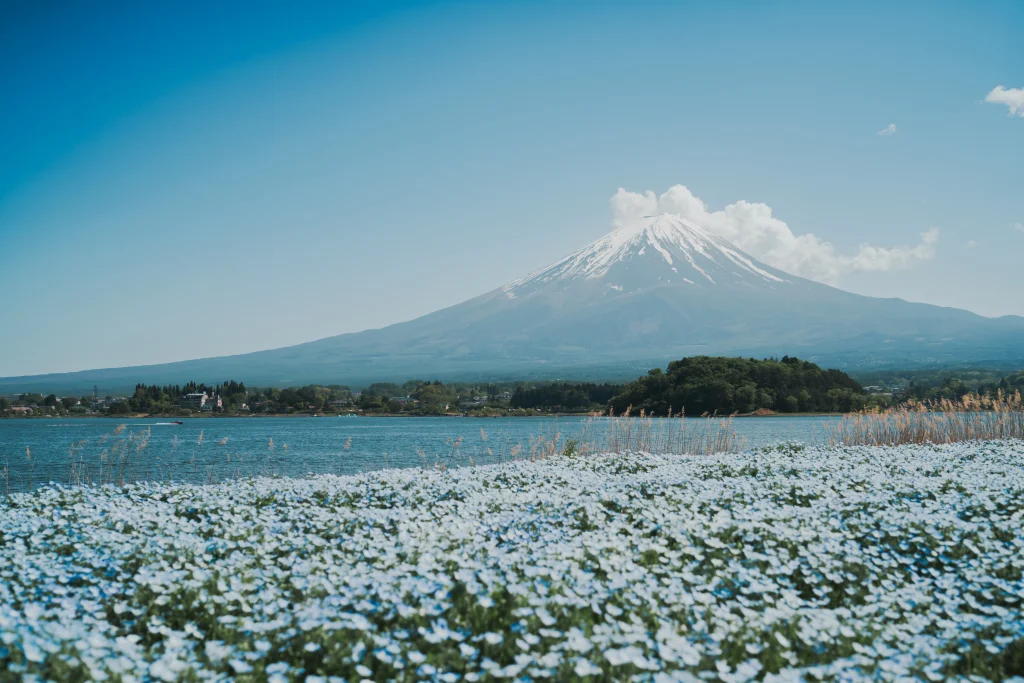
Seeing Mt. Fuji is only the beginning. Around the mountain, you can explore lakes shaped by eruptions, learn about pilgrimage traditions, visit historic towns, and enjoy a day that still feels worthwhile when cloud hides the summit.
The real value of the Mt. Fuji area lies in how you experience it over the course of a day. This guide covers practical ways to explore Fujikawaguchiko, the Fuji Five Lakes, Fujiyoshida, and Hakone. Rather than rushing between viewpoints, choose experiences that suit your time, interests, season, and weather.
Why Mt. Fuji Is More Than a Scenic Landmark
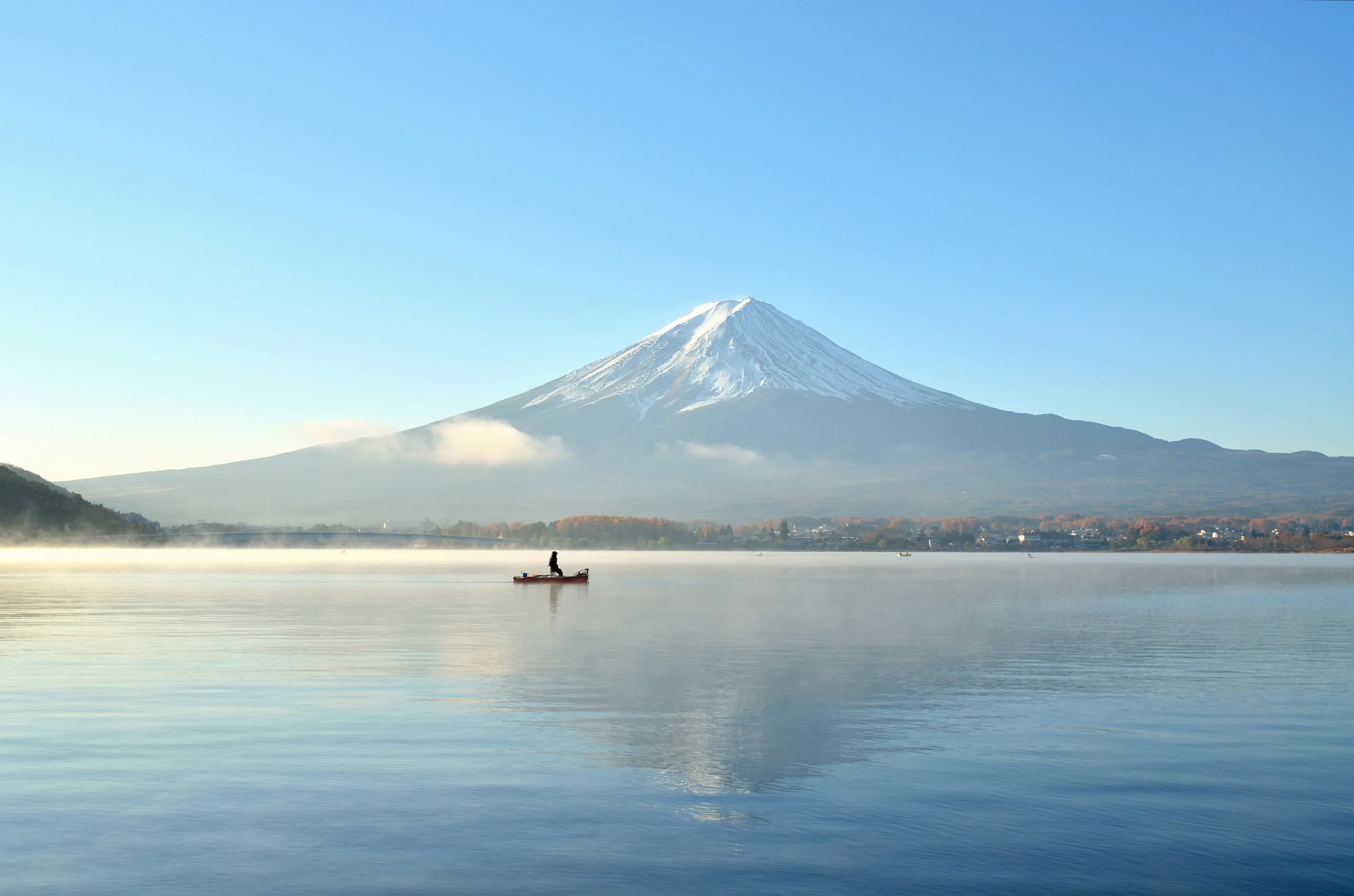
Mt. Fuji is both a volcano and a cultural landscape shaped by faith and art. For centuries, people have visited it as a sacred mountain and depicted it in paintings and prints.
UNESCO inscribed Fujisan as a World Cultural Heritage site in 2013 under the title Fujisan, sacred place and source of artistic inspiration. The property has 25 component parts, including the mountain, shrines, pilgrimage routes, lakes, springs, and other places linked to worship and artistic traditions.
This background changes how you experience the area. A lake, a shrine, or a lava cave is not simply an extra stop. Each can reveal part of the long relationship between people and the mountain.
Choose Kawaguchiko, Fujiyoshida, or Hakone First
The Mt. Fuji area includes places with different strengths. Choose one main area before deciding on individual stops.
Fujikawaguchiko and Lake Kawaguchiko suit travellers who want a practical base. The area combines lake views with accommodation, restaurants, hot springs, museums, and transport options. Lake Kawaguchiko is the main point of entry to the Fuji Five Lakes region.
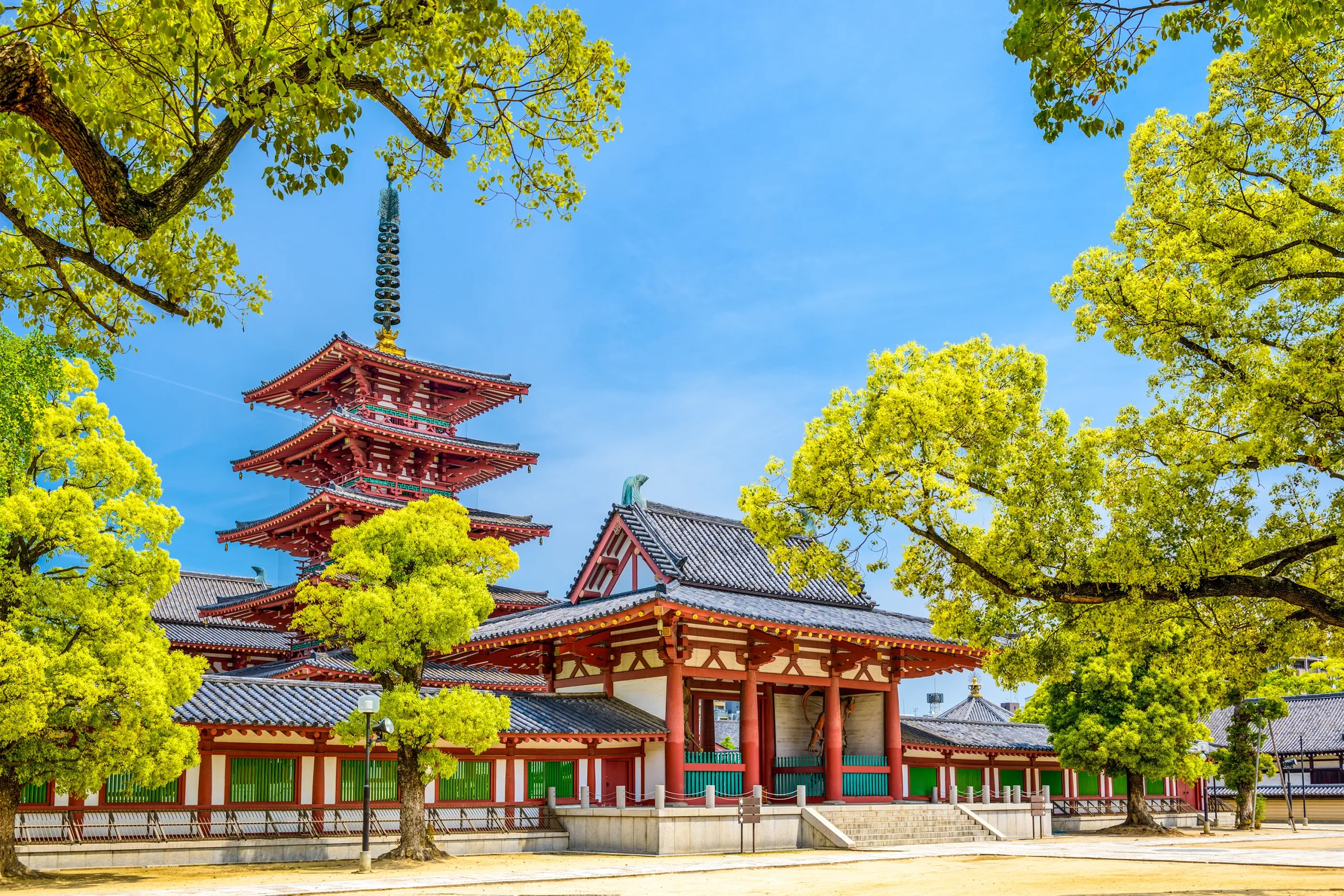
Fujiyoshida is best for travellers interested in Fuji’s human history. Its streets, shrines, former pilgrim lodgings, and textile tradition explain how communities supported people travelling towards the sacred mountain.
Hakone offers a different type of Fuji experience. Its volcanic landscapes, Lake Ashi, hot springs, and mountain transport create a wider nature-and-onsen journey. On clear days, selected viewpoints also look towards Mt. Fuji.
If you have only one day, do not try to cover all three areas. Long transfers reduce the time available for walking, eating, learning, and enjoying the landscape. A slower route through one main district is usually more satisfying.
How Geography Shapes the Fuji Five Lakes Experience
The Fuji Five Lakes are not interchangeable viewpoints. Their different landscapes reflect Mt. Fuji’s volcanic history.
The Jōgan eruption, a major eruption in 864 CE, sent lava across the north-western foothills of Mt. Fuji. This lava created the ground beneath today’s Aokigahara forest and altered the former Lake Senoumi. Lake Saiko and Lake Shojiko remain as parts of that older lake system.
Lake Kawaguchiko sits at about 830 metres above sea level and reaches a maximum depth of 14.6 metres. Its lakeside facilities and broad choice of nearby activities make it a practical base for sightseeing.
Lake Motosuko is the westernmost and deepest of the Five Lakes, reaching 121 metres. It offers a landscape and viewing experience that differs from Lake Kawaguchiko. If you want a quieter setting with more time outdoors, consider one of the less developed western lakes.
These differences help answer a useful question: what to do around Fujikawaguchiko depends on the kind of day you want. Choose Lake Kawaguchiko for access and variety. Consider the western lakes when you want more time with the volcanic landscape.
Lake Kawaguchiko as a Base for Views and Learning
Lake Kawaguchiko is a practical base because it combines scenery with places that explain the meaning of Mt. Fuji.
The Yamanashi Prefectural Fujisan World Heritage Center is a useful first stop. Its South Hall introduces the relationship between the mountain and people through exhibitions on worship, nature, and artistic inspiration. It provides valuable context before you visit shrines, lakes, forests, or other sites in the foothills.
The centre is also a helpful indoor option when cloud or rain changes the plan. Check its official opening hours before travelling, as they vary by season.
When to Look for Mt. Fuji Views
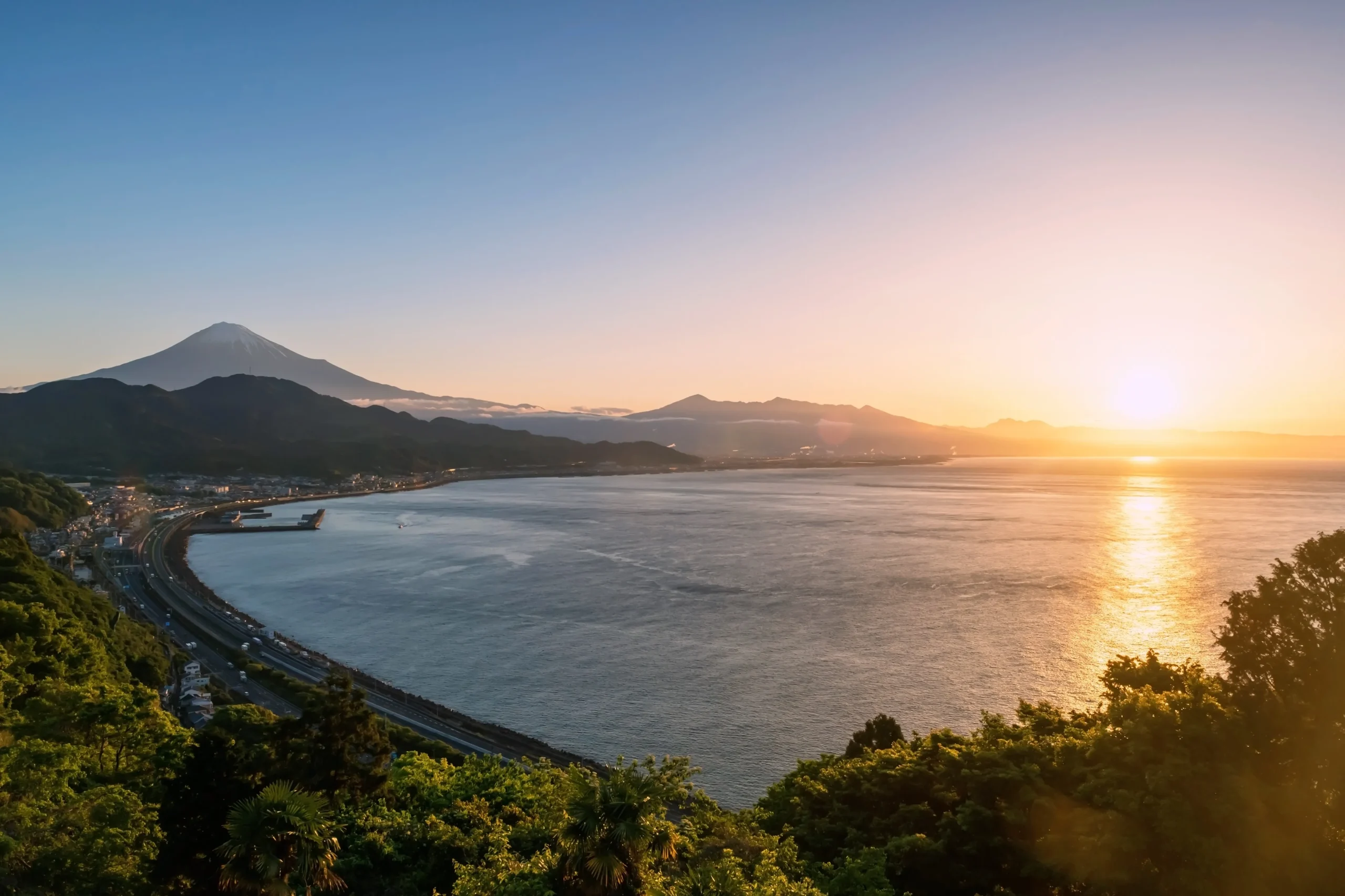
When conditions are clear, use your first good view of the day. Early morning can offer calmer water and clearer air, but visibility changes with season and weather. Treat a clear summit view as an opportunity, not as a fixed timetable.
Combine a lakeside walk with one higher viewpoint. The shoreline shows the mountain at water level. A ropeway or accessible observation point can then reveal the relationship between the lake, nearby settlements, and the mountain itself.
Do not feel obliged to collect many viewpoints. Seeing the same landscape at two different heights often gives you a more complete impression.
Read More: Things to Do in Kawaguchiko: Best Time to Visit and How to Get There
Fujiyoshida and the Cultural Roots of Mt. Fuji
Fujiyoshida is one of the best places to explore the cultural landscape beneath Mt. Fuji. The city developed around routes used by people travelling towards the mountain for worship.
Fuji-kō were lay religious groups whose members made pilgrimages to Mt. Fuji. Oshi were guides and hosts who arranged accommodation and supported pilgrims before their ascent. Former Oshi residences in Fujiyoshida remain part of the wider World Heritage cultural landscape.
The city also has a long hataori, or weaving, tradition. This textile identity adds another layer to a town that many visitors know only as a route towards the mountain.
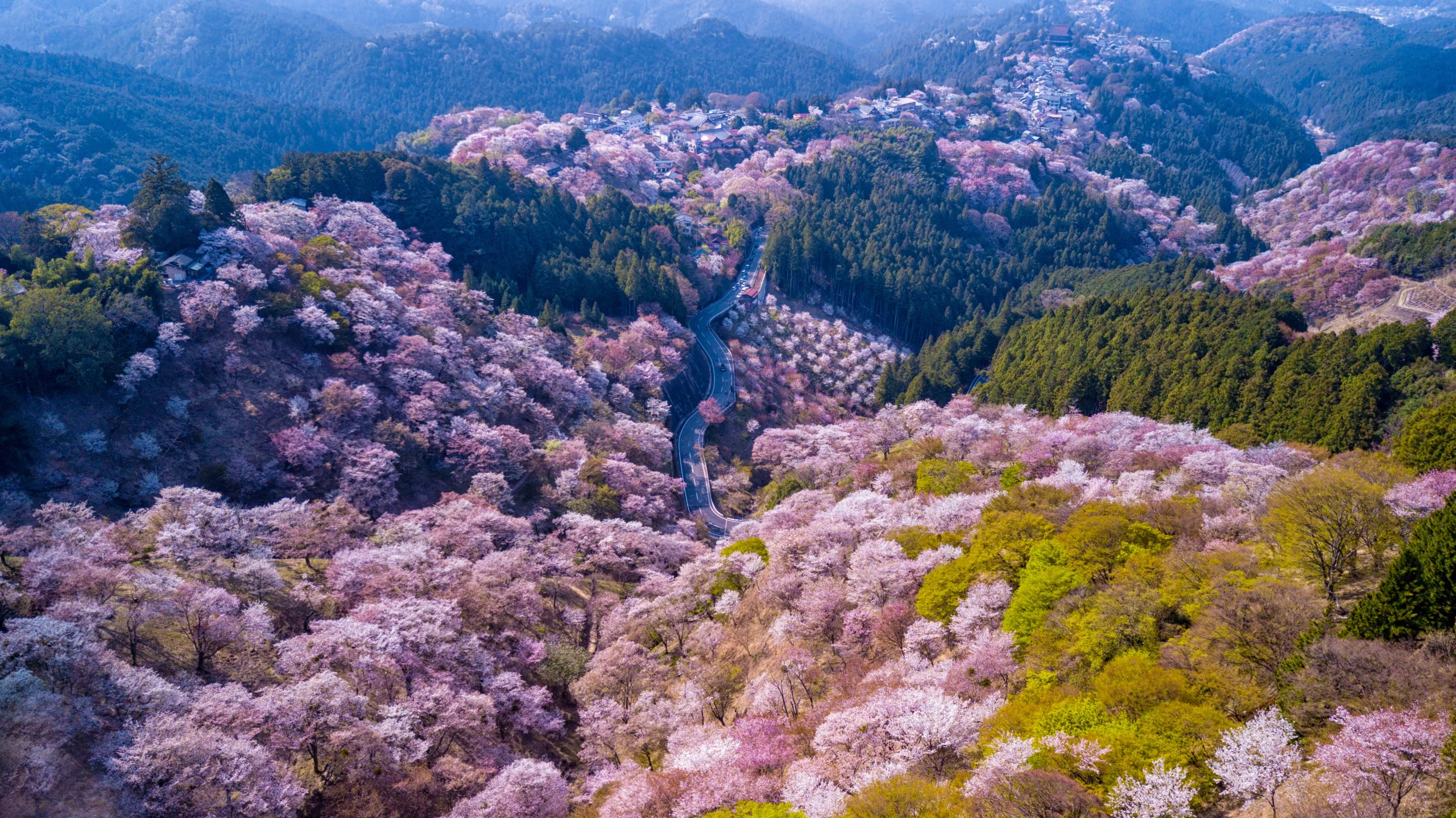
For an iconic view, climb the 398 steps at Arakurayama Sengen Park to reach the observation deck. From here, you can look over Fujiyoshida towards Mt. Fuji, with the five-storey Chureito Pagoda in the foreground.
The park can become very busy during the cherry blossom season. In spring 2026, Fujiyoshida introduced traffic, parking, and safety measures to manage peak visitor numbers. Follow local guidance, allow extra time, and treat the area as a lived-in neighbourhood as well as a famous viewpoint.
Lava, Forests, and Water Beneath Mt. Fuji
When cloud hides the summit, look down rather than giving up on the day. The northern foothills contain lava caves, forests, springs, and landforms created by past eruptions.
Fugaku Wind Cave is a lava tube in the Aokigahara area. It is about 201 metres long, and its interior remains cold even in summer. A light extra layer is useful when visiting.
The cave gives you a direct way to understand how lava helped form the landscape around Mt. Fuji. Its porous basalt walls absorb sound, so the cave has little echo. The dim interior and cool air make the volcanic history of the foothills easier to sense.
Water also has cultural meaning in this region. Misogi is a Shinto purification practice involving water. Lakes and springs around Mt. Fuji have long been linked with the religious traditions of mountain worship.
For a balanced day, combine a cave or managed forest route with a lake or cultural site. This approach gives you a meaningful experience even when the summit remains hidden.
What to Do Around Mt. Fuji in Winter
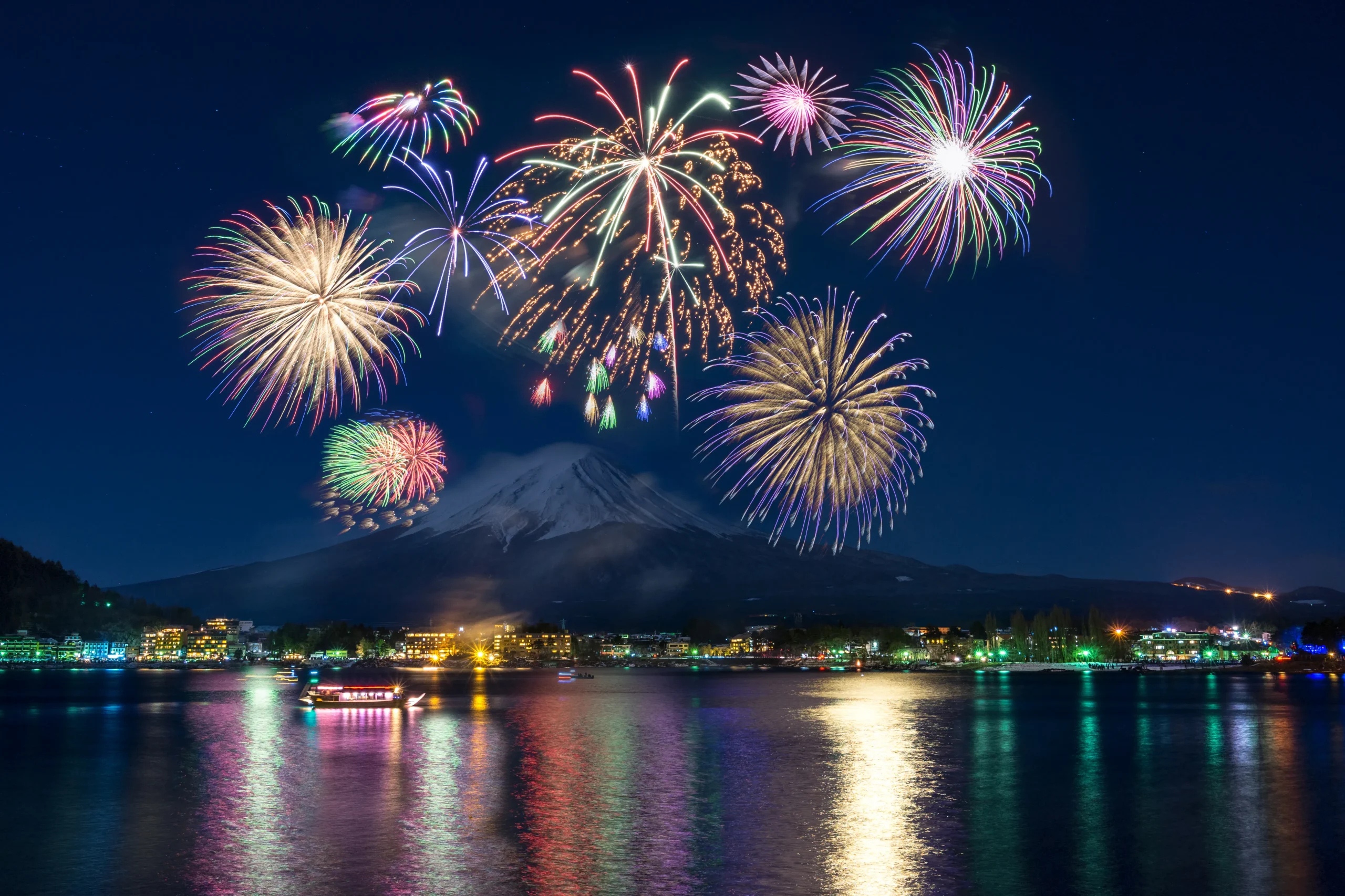
Winter can bring crisp air, snow-covered slopes, and carefully planned evening events. However, temperatures fall quickly after sunset, and visitors should be prepared for cold wind and icy surfaces.
Kawaguchiko Winter Fireworks is a major seasonal event. In 2026, the displays took place on weekends from 24 January to 23 February, with an additional display on 23 February. Each programme ran from 8:00 p.m. to 8:20 p.m. A single firework at around 7:30 p.m. marked the beginning of the event.
Another winter event is the Saiko Ice Festival, held at Saiko Wild Bird Forest Park. It is usually held from late January to early February, but dates and conditions vary each year. Check the official tourism website before making plans.
The main venue was Oike Park, with additional launches from Tatamiiwa and Yagizaki Park. Future dates, venues, and weather-related changes should always be confirmed through the official tourism calendar before departure.
Winter days need a simpler rhythm. Wear several layers, bring gloves, and use footwear with reliable grip. Shaded paths and roads may become slippery, particularly in the early morning and after dark.
What to Do in Fuji at Night
A night around Mt. Fuji does not need another long list of attractions. The best choice is often to reduce travel and enjoy the setting near your accommodation or chosen base.
On a fireworks night, use the display as the main evening activity. The fixed 8:00–8:20 p.m. schedule in 2026 made it possible to plan dinner and transport around one clear event.
On other evenings, choose a hot-spring bath, an early dinner, or a short walk in a well-used and familiar lakeside area. A slower evening can be more enjoyable than searching for another distant viewpoint after dark.
Stargazing can be rewarding on a clear night, but safety comes first. Dark roads, cold temperatures, and limited late-night services require careful planning. Choose a designated or familiar location and confirm your return journey before setting out.
A Realistic One-Day Plan Around Mt. Fuji
If you have one day around Mt. Fuji, do not try to see every famous viewpoint. A realistic itinerary combines a convenient base, one main experience, and a weather backup.
Base: Begin around Lake Kawaguchiko, where you can find transport, accommodation, food, and several sightseeing options.
Main experience: Choose one direction. Visit Fujiyoshida for pilgrimage culture, shrines, and town history. Or explore the western lakes for lava caves, forest landscapes, and volcanic geology.
Weather backup: Keep an indoor option ready, such as the Fujisan World Heritage Center. It provides useful context even when the summit cannot be seen.
- A flexible sequence could look like this:
- Morning: Lake Kawaguchiko and a clear-weather viewpoint
- Late morning or midday: World Heritage Center or another cultural stop
- Afternoon: Fujiyoshida, or a lava-and-forest experience
- Evening: A hot spring, dinner, or a seasonal event
This structure works better than a fixed list of five or six attractions. If the morning is clear, prioritise the view. If cloud arrives, move naturally to the cultural or geological part of the day.
Treat climbing Mt. Fuji as a separate activity. On the Yoshida Trail in 2026, the climbing season ran from 1 July to 10 September. The rules included a 4,000-yen hiking fee, entry restrictions from 2:00 p.m. to 3:00 a.m. for visitors without mountain-hut accommodation, and a daily limit of 4,000 climbers. Rules can change, so check the official climbing website before travelling.
What to Do When Mt. Fuji Is Hidden by Weather
The safest way to plan around Mt. Fuji is to accept that the summit may disappear for part of the day. Build in experiences that remain worthwhile without a clear view.
Start with the Fujisan World Heritage Center, where indoor exhibitions explain the mountain’s religious, artistic, and natural significance. Then continue to a lava cave, a managed forest route, or a lakeside site that shows how eruptions shaped the foothills.
Use this simple structure:
- Learn: Understand the mountain’s history, worship, and artistic influence
- Explore: Visit a cave, forest, lake, or historic town
- Pause: Take a warm indoor break, meal, or hot-spring bath
- Look again: Check the view later, without allowing it to control the whole day
This approach keeps the day meaningful even when cloud remains. If the summit appears later, it becomes an added highlight rather than the only measure of success.
Why Planning Matters More Than Spot-Hopping
The Mt. Fuji area rewards a planned sequence rather than a long list of stops. Begin with culture, move to geology, and finish with scenery when the weather allows. That order connects the people who worshipped the mountain, the volcanic forces that shaped the land, and the landscape you see today.
Weather, traffic, seasonal crowds, and transport should shape the route from the start. A carefully chosen half-day or full day is usually more rewarding than trying to cross the whole Fuji Five Lakes region.
Mt. Fuji can be a quick sighting from a road or train. It can also become a day shaped by landscape, culture, nature, and a slower pace. The difference lies in choosing the right area, allowing time between experiences, and keeping a realistic alternative ready for changing weather.
If you would like a route designed around your group’s interests, season, preferred pace, and travel conditions, ENJYU JAPAN can create a Tailor-Made Tour with practical planning for visibility windows, minimal transfers, and weather alternatives.