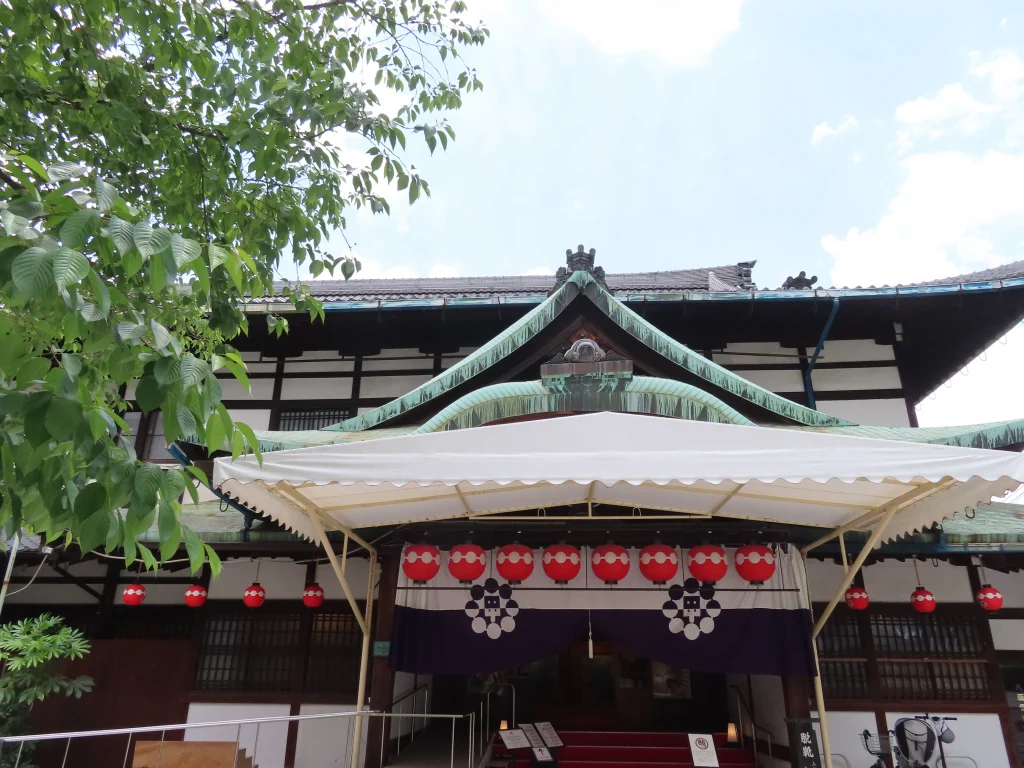
Japan can be a very good destination for older travelers, but comfort depends heavily on how the trip is planned. Major stations and attractions often have elevators, accessible toilets, and other step-free facilities, yet long station corridors, temple grounds, crowds, and full sightseeing days can still become tiring.
This guide focuses on keeping a Japan trip enjoyable for elderly parents and other travelers who may need a slower pace. Some people simply need more breaks, while others have difficulty with stairs, long walks, or standing for extended periods. When mobility is more limited, it helps to check the actual route through each attraction rather than relying on a general “barrier-free” label.
Japan can work well for seniors
Japan has invested heavily in accessible public transport and public facilities. Elevators and accessible toilets are common at major stations, and staff assistance is available in many transport facilities.
That does not remove all the physical effort of travel. A station may have an elevator, but reaching it can still involve a long walk through the concourse. Historic temples and gardens may have accessible entrances while containing gravel, slopes, or steps farther inside.
For many older travelers, the most useful planning question is simply how much walking and standing each day will involve.
“Barrier-free” does not always mean “easy”
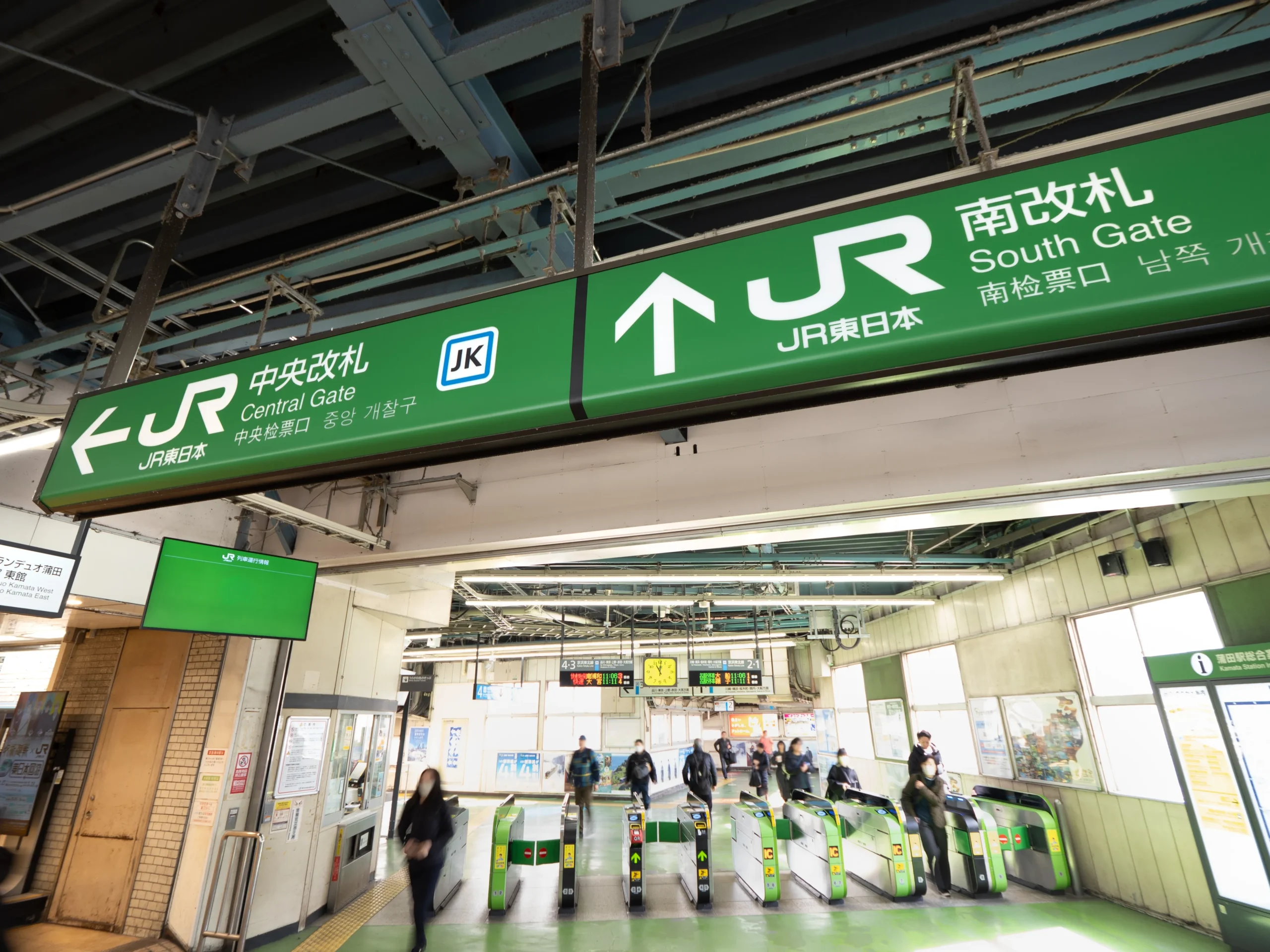
A morning temple visit, a station transfer, lunch, and an afternoon museum can each feel manageable on their own. Put them together and the fatigue starts to accumulate.
Large stations such as Shinjuku are a good example. Elevators are available, but transfers can still mean long underground corridors and several changes of level. Crowds and summer heat add another layer of effort.
A slower itinerary usually works better than trying to eliminate every staircase. Leave enough space in the day for plans to change when someone gets tired.
Build one good day, then repeat it
A practical day with elderly parents might have one main outing in the morning, time for a proper lunch and rest, a lighter second stop in the afternoon, and dinner close to the hotel.
Public transport can still work very well. Station staff can provide assistance when needed, including helping passengers find accessible routes.
Try not to spread the day across too many neighborhoods. One museum and a nearby garden can be a much easier day than a shrine, shopping district, observation deck, and restaurant in four different parts of the city.
Toilets, luggage, and stations: three things that make a big difference
Toilets are usually easy to find in stations, department stores, museums, parks, and other large public facilities. A simple habit helps: use the restroom before leaving a station or attraction rather than waiting until someone urgently needs one.
Luggage is another area where a little planning saves a lot of energy. Large suitcases become surprisingly difficult when you are changing trains or navigating a large station.
Japan’s luggage-forwarding services can send suitcases between hotels or to the airport, allowing everyone to travel with only a smaller bag on transfer days. For a slower trip, this is often more useful than trying to manage every suitcase on the train.
What to do, and where to go
The familiar Tokyo-Hakone-Kyoto-Osaka route can still work well for senior travelers. The key is choosing a few places that offer a lot without requiring an exhausting amount of movement.
Tokyo: Choose Walkable, Flexible Districts
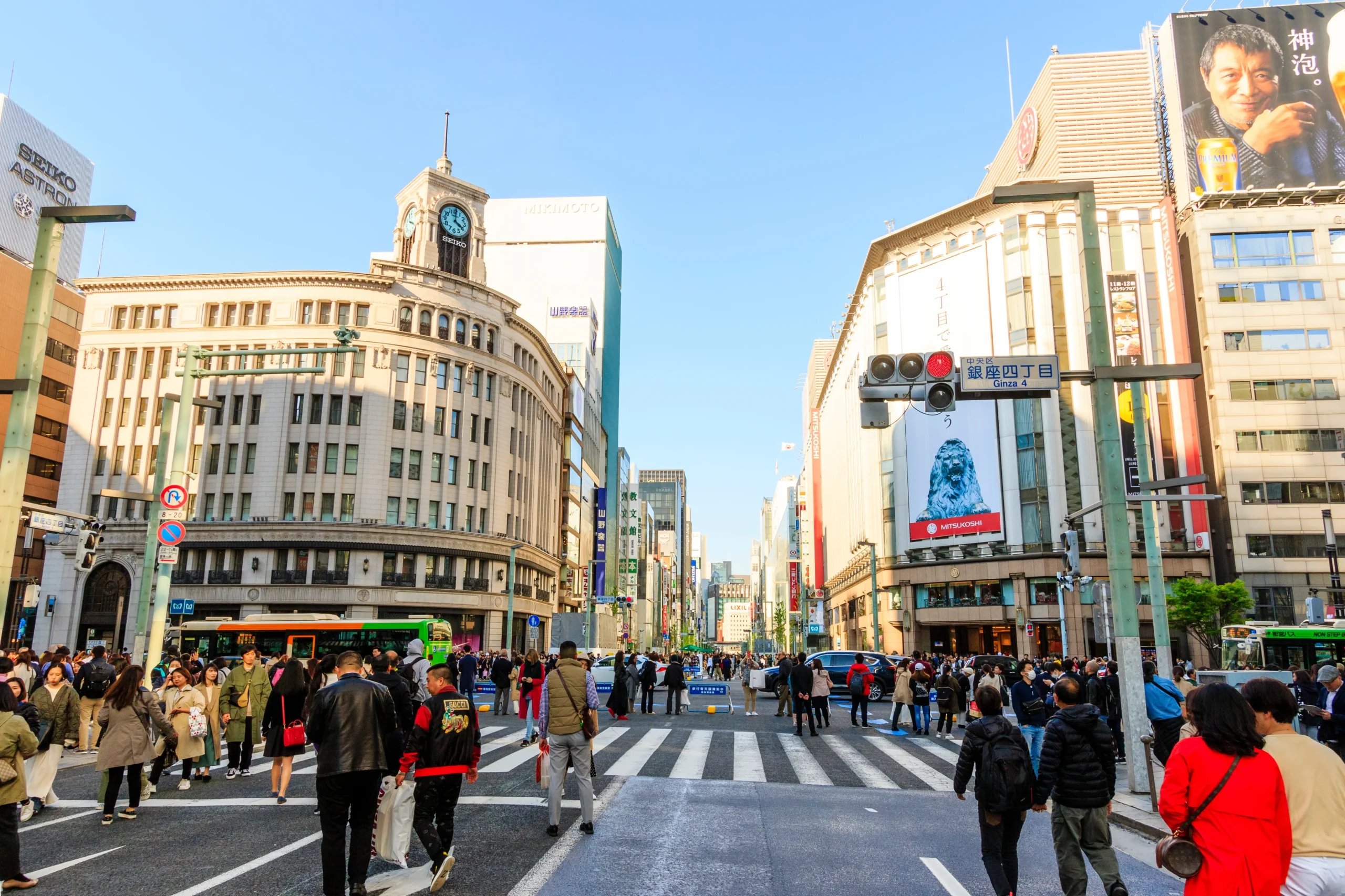
Tokyo works best when you choose areas where sightseeing, food, and places to sit are close together.
Ginza is useful for this because department stores, restaurants, and cafes make it easy to stop whenever necessary. Ueno also works well because the park and museums give you several options without constantly changing neighborhoods.
The Tokyo National Museum is a good choice for a slower cultural day. The museum has ramps and elevators, accessible toilets, places to sit, and wheelchairs and walking canes that can be borrowed when available. You can also decide how many buildings to visit instead of trying to cover the whole complex.
Shinjuku Gyoen is another option when the group wants a quieter day outdoors. Its large lawns and gardens make it easy to slow the pace and stop when needed. Some parts of the formal and traditional gardens have gravel paths, so travelers with more limited mobility should check the garden’s accessibility map and choose their route accordingly.
Odaiba can also work well because of its wide pedestrian areas and modern facilities, although distances between attractions can be longer than they first appear.
Asakusa: Short Visits Work Best
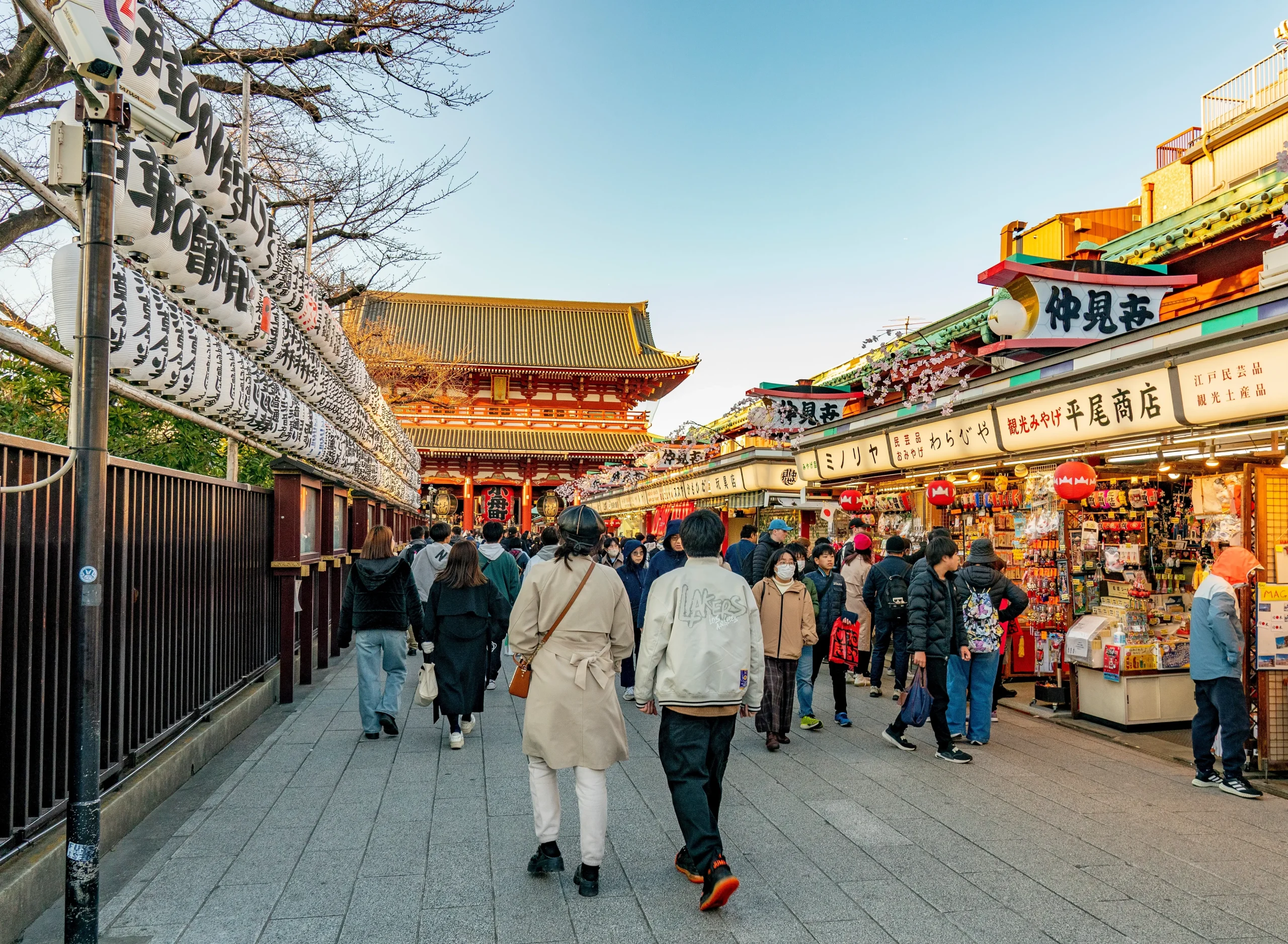
Asakusa can still be worth visiting, but it is better in shorter segments. Senso-ji and Nakamise can become crowded, so there is little benefit in trying to spend the whole day walking around the district.
Mixing a shorter visit with a taxi or water-bus ride can give everyone a seated break between sightseeing stops.
Day Trips: Kamakura, Hakone, and the Fuji Area
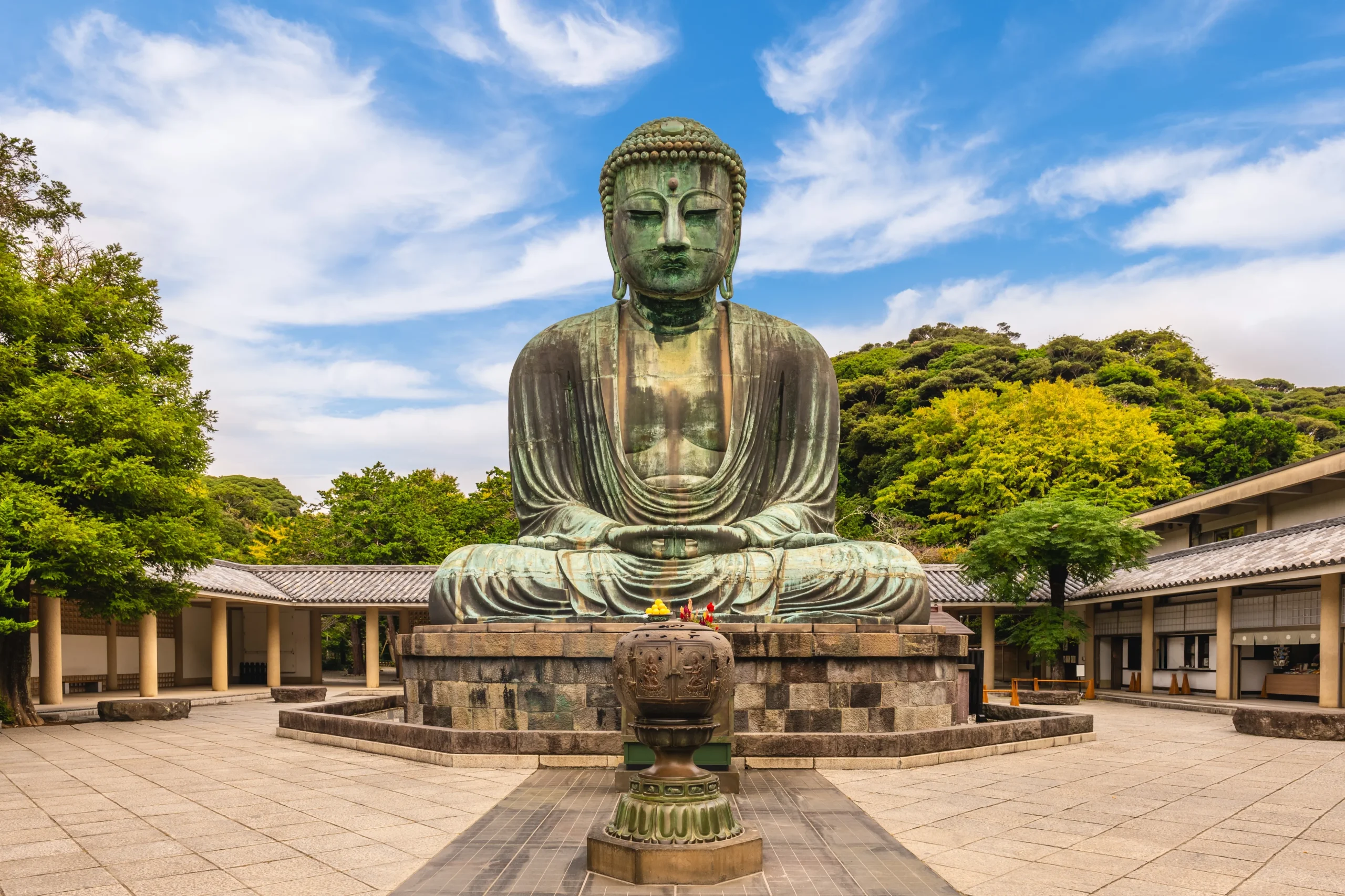
Kamakura can be enjoyable if you accept that taxis may be more practical than walking between every major sight. The streets have character, but distances quickly add up.
Hakone and the Mount Fuji area work better as scenic stays than as places where you need to complete a checklist.
A Lake Ashi sightseeing cruise is a good example. The crossing takes roughly half an hour depending on the route, and the ships are designed to accommodate wheelchair users. Much of the experience can therefore be enjoyed while seated. Rather than completing the entire Hakone sightseeing loop, choose one or two experiences and leave time to enjoy the hotel or ryokan as well.
Kyoto: Choose Fewer Places and Check the Route
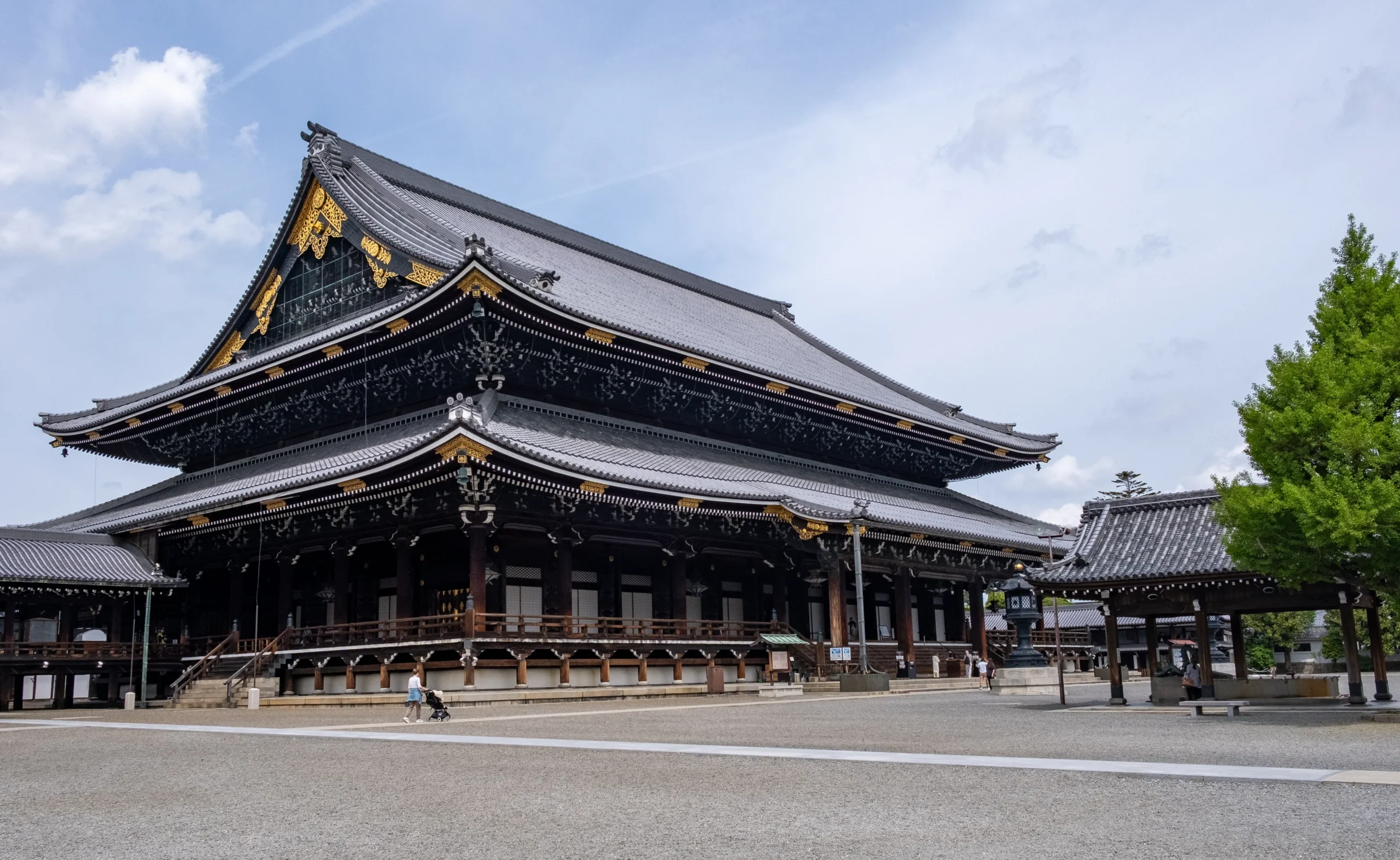
Kyoto deserves extra planning because many famous temples sit on older grounds with slopes, gravel, or steps.
That does not mean they need to be avoided. Kinkaku-ji, for example, has a wheelchair-accessible route as far as the Golden Pavilion. The garden farther on contains steps, so wheelchair users and visitors with weak legs can see the main pavilion and then return toward the entrance instead of following the complete route.
That is a useful approach across Kyoto: decide what you actually want to see at each temple instead of assuming every visitor needs to complete the full route.
Read more: Accessible Kyoto: A Practical Guide for Elderly Travelers
Osaka: Add an Indoor Option
Osaka is already a natural part of many first-time itineraries, but it helps to include at least one sightseeing day that does not depend on walking through busy shopping and entertainment districts.
Osaka Aquarium Kaiyukan is one option. Visitors who have difficulty with stairs or escalators can use dedicated elevator routes, and the aquarium provides accessible toilets, benches, and rental wheelchairs.
It is still a large attraction, so allow plenty of time rather than treating it as a quick stop.
A Calmer Alternative: Kanazawa
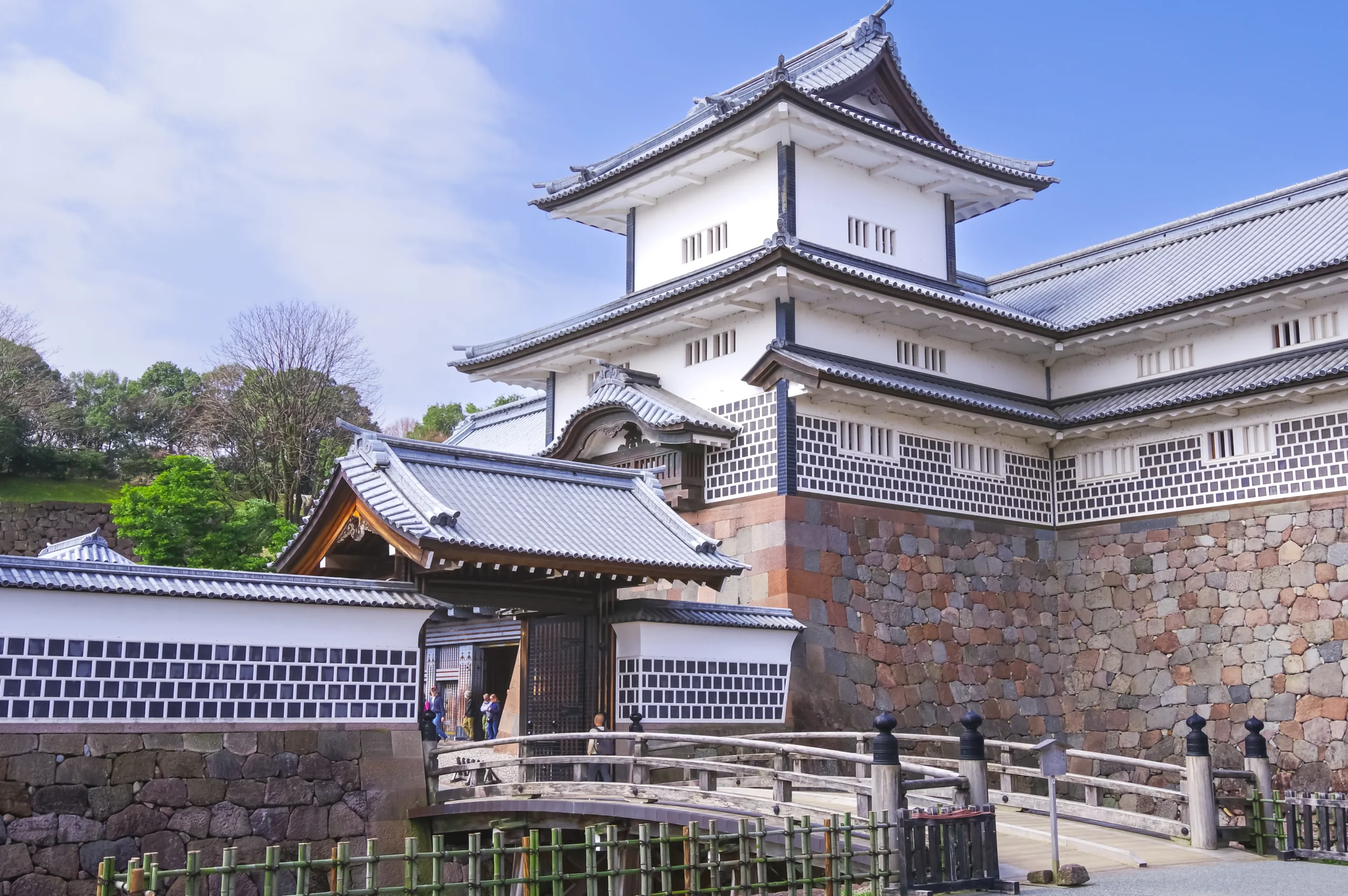
If Tokyo and Kyoto feel too demanding, Kanazawa can be a useful alternative. It offers gardens, museums, traditional districts, and historic sites within a smaller city, and local transport is generally less complicated than navigating Tokyo.
Individual attractions still need to be considered separately, but Kanazawa can fit a slower itinerary very naturally.
Where to stay, and when to go
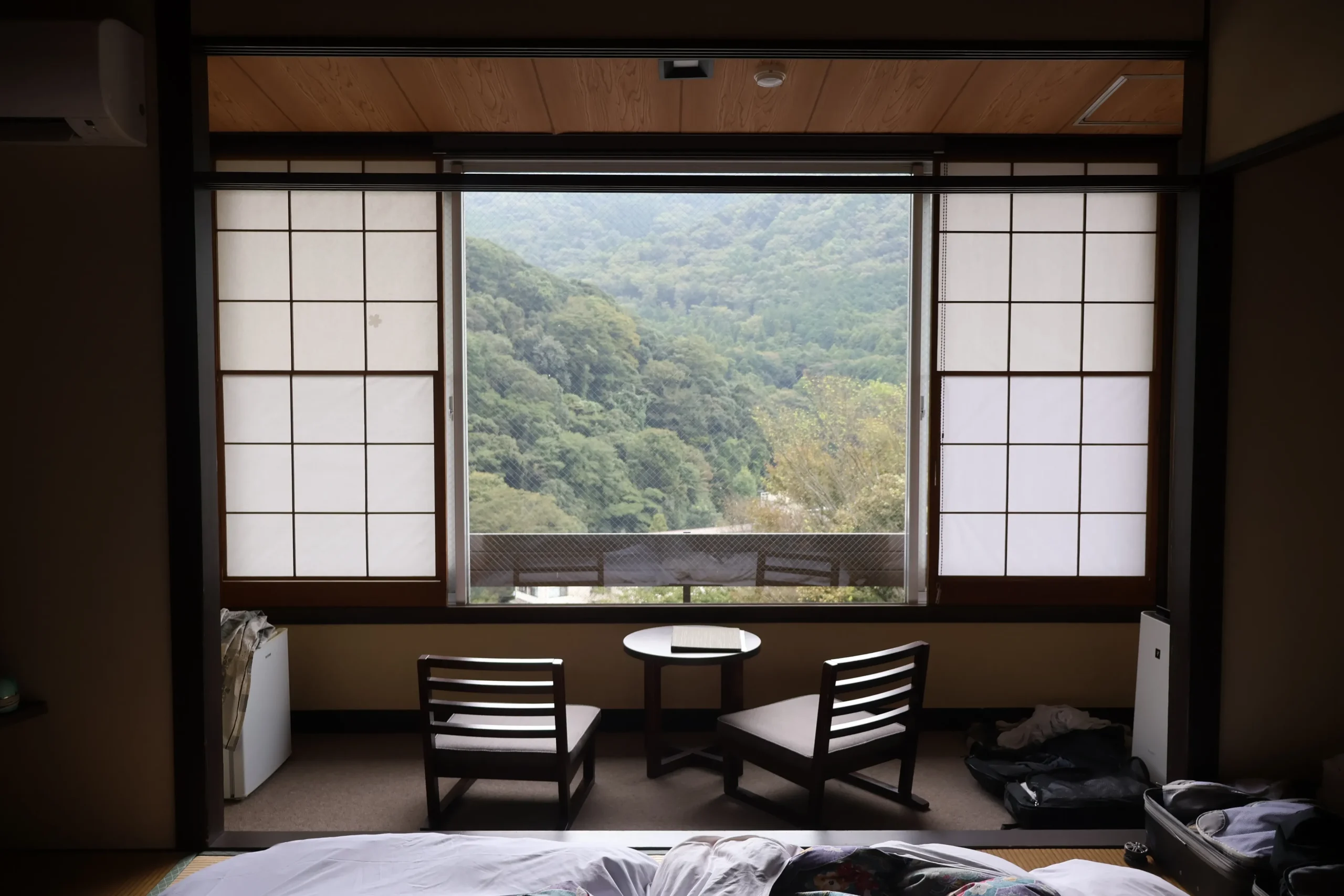
Accommodation is part of mobility planning. The best hotel is not always the one attached to the biggest station.
Large stations can have many exits and long internal walking routes, so a hotel one stop away in a calmer neighborhood may sometimes be easier. Look beyond the map pin and check how far the elevator is from the platform, how easy the bathroom is to use, and how much walking is involved inside the hotel itself.
Ryokan, or traditional Japanese inns, can also work well, but check the sleeping setup before booking. Some offer Western-style beds rather than only futons on tatami. For a traveler who has difficulty getting down to floor level and back up again, that can make a major difference.
Spring and autumn are usually more comfortable seasons for a slower sightseeing trip. Summer heat adds fatigue quickly, while snow and icy ground can make some winter destinations more demanding. Whatever the season, it often helps to do outdoor sightseeing earlier in the day and keep an indoor option for the afternoon.
Traveling Together Well
Planning Japan with elderly parents does not mean removing the places everyone wants to see. It usually means choosing fewer stops, checking the physical route more carefully, and leaving enough room to change the plan.
A famous temple may still work if you only visit its most important section. A day in Hakone may be better with a lake cruise and a relaxed stay than a full sightseeing loop. In Tokyo, one museum and a garden can be enough for a satisfying day.
If you are unsure how much walking to build into each day, which accommodation will be easiest, or where taxis and other transport can reduce unnecessary strain, ENJYU JAPAN can help shape a Tailor-Made Tour around your family’s pace and priorities.