Many travelers consider Hokkaido in summer for two reasons: they want a break from the heat farther south, or they have seen photographs of Furano’s lavender fields. Both are good reasons to go, but neither tells you how large Hokkaido is or how carefully you need to choose your route.
Hokkaido is generally cooler than Tokyo or Kyoto, but July and August can still bring temperatures above 30°C, especially inland. And Furano, Sapporo and the wilderness of eastern Hokkaido do not fit neatly into one short trip.
The key decisions are when to go, what you most want to experience, and how much of Hokkaido you can realistically cover.
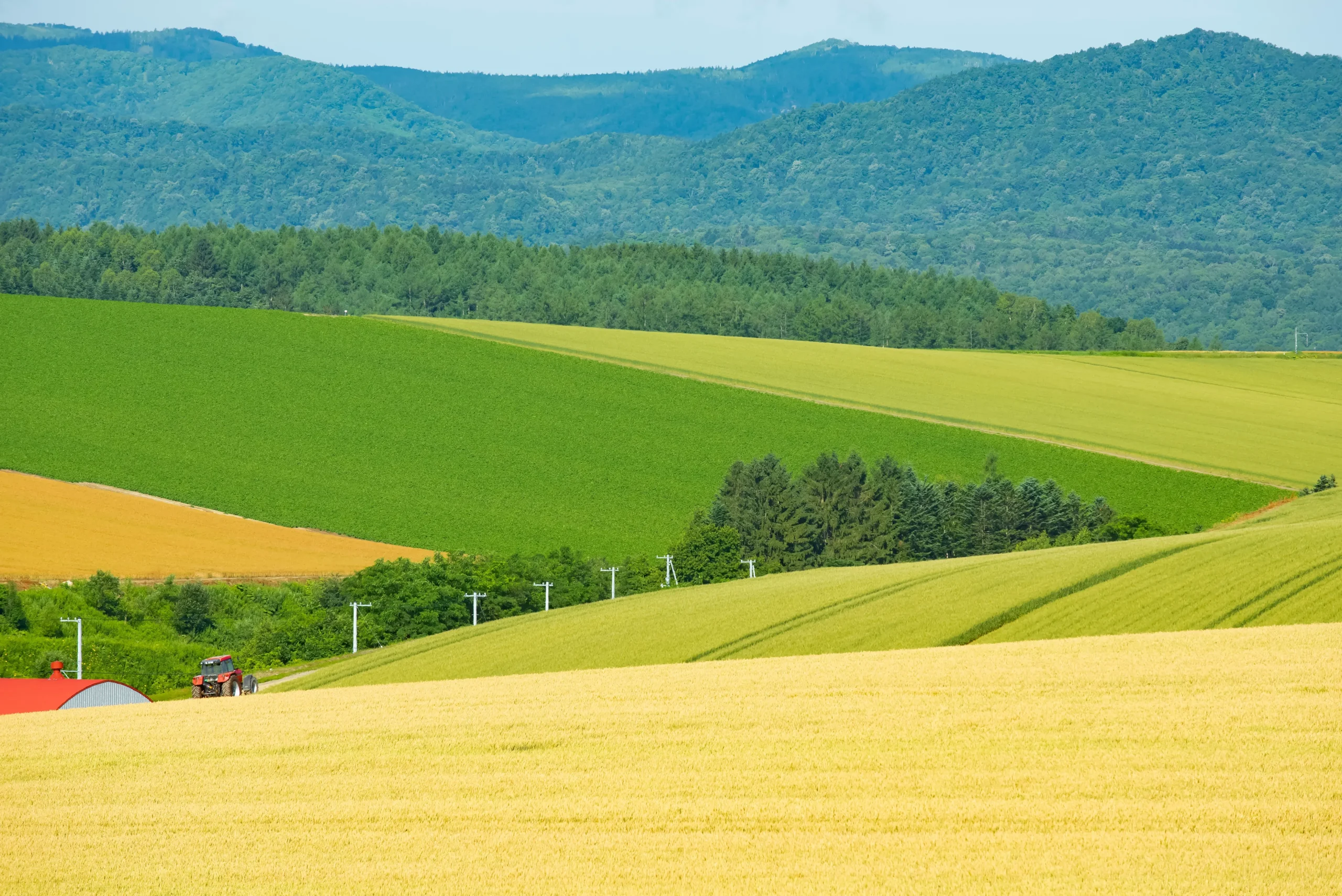
Hokkaido in Summer at a Glance
| If your priority is… | Good timing | Focus on… | Main planning point |
|---|---|---|---|
| Lavender and photography | Around mid-July | Furano + Biei | A car gives you more freedom between rural sights |
| Cooler early-summer travel | June | Sapporo + central/northern Hokkaido | Lavender is only beginning |
| Hiking and mountain scenery | Mid-June to early September | Daisetsuzan | Prepare for colder mountain weather |
| Festivals and city time | Late July to mid-August | Sapporo + Asahikawa | Check exact event dates before fixing your route |
| Wilderness and wildlife | Summer | Shiretoko + Akan + Kushiro | Treat eastern Hokkaido as its own multi-day trip |
| A balanced first summer trip | July or early August | Sapporo + central/northern Hokkaido | Around a week or more gives you much more flexibility |
Is Hokkaido Worth Visiting in Summer?
For travelers who want nature, outdoor activities and more comfortable temperatures than much of central Japan, summer is an excellent time to consider Hokkaido.
The island is less affected by Japan’s early-summer rainy-season front, and average temperatures are lower than in places such as Tokyo, Kyoto and Osaka. June through August works particularly well for hiking, scenic drives, flower fields and regional festivals.
However, Hokkaido should not be sold as a guaranteed cool escape. Recent summers have brought 30°C-plus days, and temperatures can occasionally climb to around 35°C.
Regional differences also matter. Inland areas such as Asahikawa and Furano can become hot during the day, while eastern coastal areas around Kushiro are generally cooler and may experience summer fog.
June, July or August?
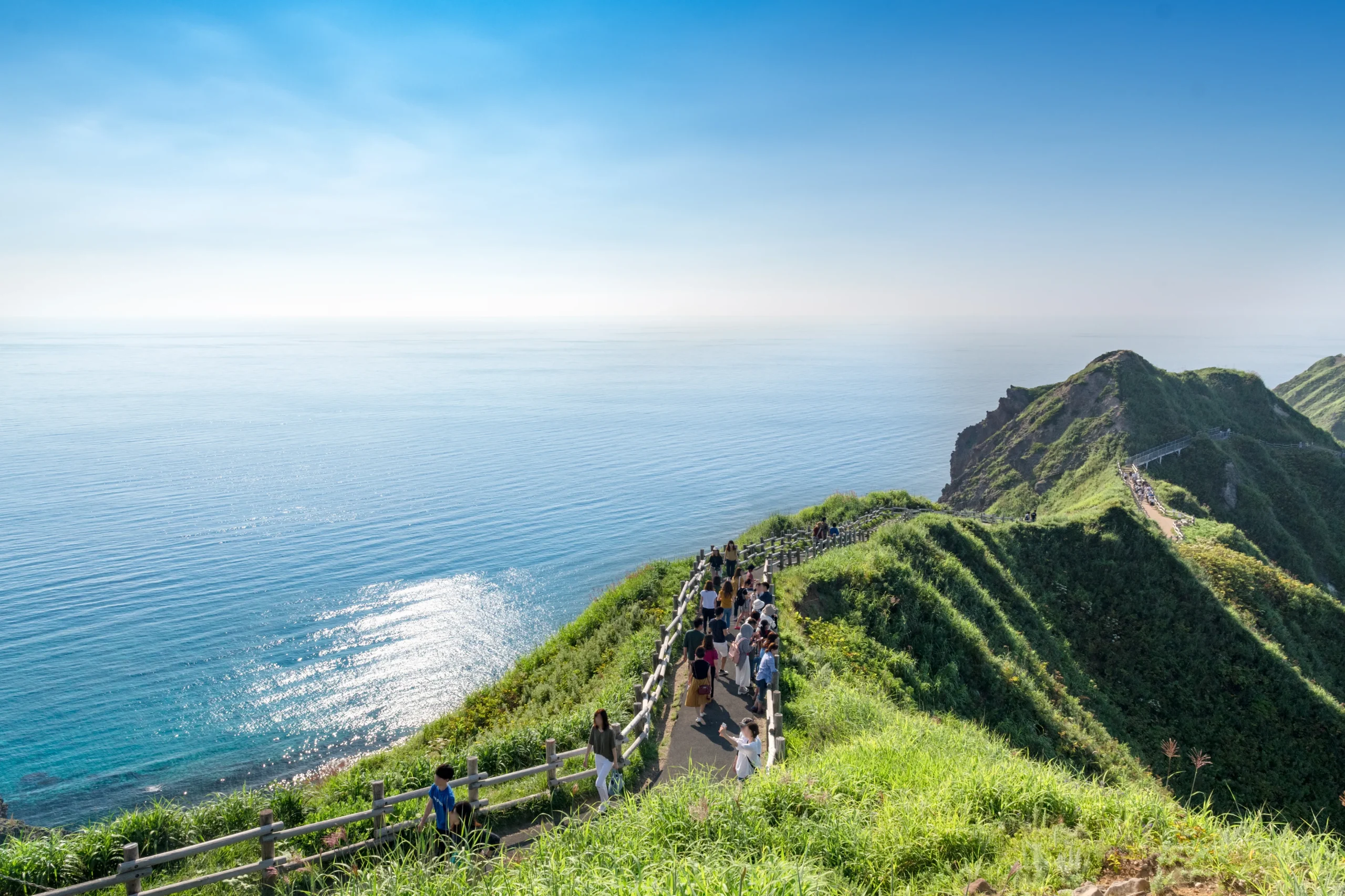
The best month depends on what you want from the trip.
The figures below are long-term climate averages for Sapporo rather than a forecast for a particular year.
| Month | Average high | Average low | Good for |
| June | 21.8°C | 13.4°C | Green landscapes, hiking, early flowers |
| July | 25.4°C | 17.9°C | Lavender, Furano/Biei, outdoor travel |
| August | 26.4°C | 19.1°C | Festivals, food and general summer sightseeing |
June: cooler and green
June works well if you value comfortable sightseeing weather, hiking and green landscapes more than peak lavender.
Early lavender varieties may begin flowering toward the end of the month, but June is generally too early for the broad purple fields most visitors associate with Furano.
It is also a good month to start exploring mountain areas such as Daisetsuzan as the main summer hiking season gets underway.
July: the strongest choice for lavender
If lavender is one of your main reasons for visiting, mid-July is the safest target.
Different varieties flower at different times. Early lavender can appear from late June, while later varieties may continue into early August, but the classic Furano landscape generally reaches its strongest period around mid-July.
July also works well for combining the flower fields with hiking, Biei’s rural scenery and time in Sapporo.
August: festivals rather than guaranteed lavender
August is still a good month for Hokkaido, but it should not automatically be treated as peak lavender season.
Late-flowering varieties can remain into early August, but harvesting also starts at some farms. If you arrive later in the month, treat lavender as a possible bonus rather than the reason for your trip.
August has a strong festival calendar and is good for outdoor sightseeing, local food and city events.
Mid-August needs extra planning. The Obon holiday period brings heavy domestic travel demand and also overlaps with the end of the main lavender season. If your dates are flexible, traveling earlier is usually easier.
Read more: Best Time to Visit Hokkaido
What Does Hokkaido Summer Weather Feel Like?
Hokkaido is often described as “cool and dry,” but that oversimplifies the climate.
It is usually cooler than central Japan, yet humidity, rainfall and temperature vary considerably around the island. Inland destinations can be surprisingly hot in the afternoon, while eastern Hokkaido is cooler and often foggier.
For a typical city-and-countryside trip, summer clothing plus a light layer for mornings and evenings is sensible. If you are heading into Daisetsuzan or another mountain area, bring warmer clothing and proper rain protection even when the weather looks fine below.
Choose Hokkaido by What You Want to Experience
Trying to collect every famous place is usually less rewarding than choosing one or two areas that match your interests.
Lavender and summer scenery: Furano and Biei
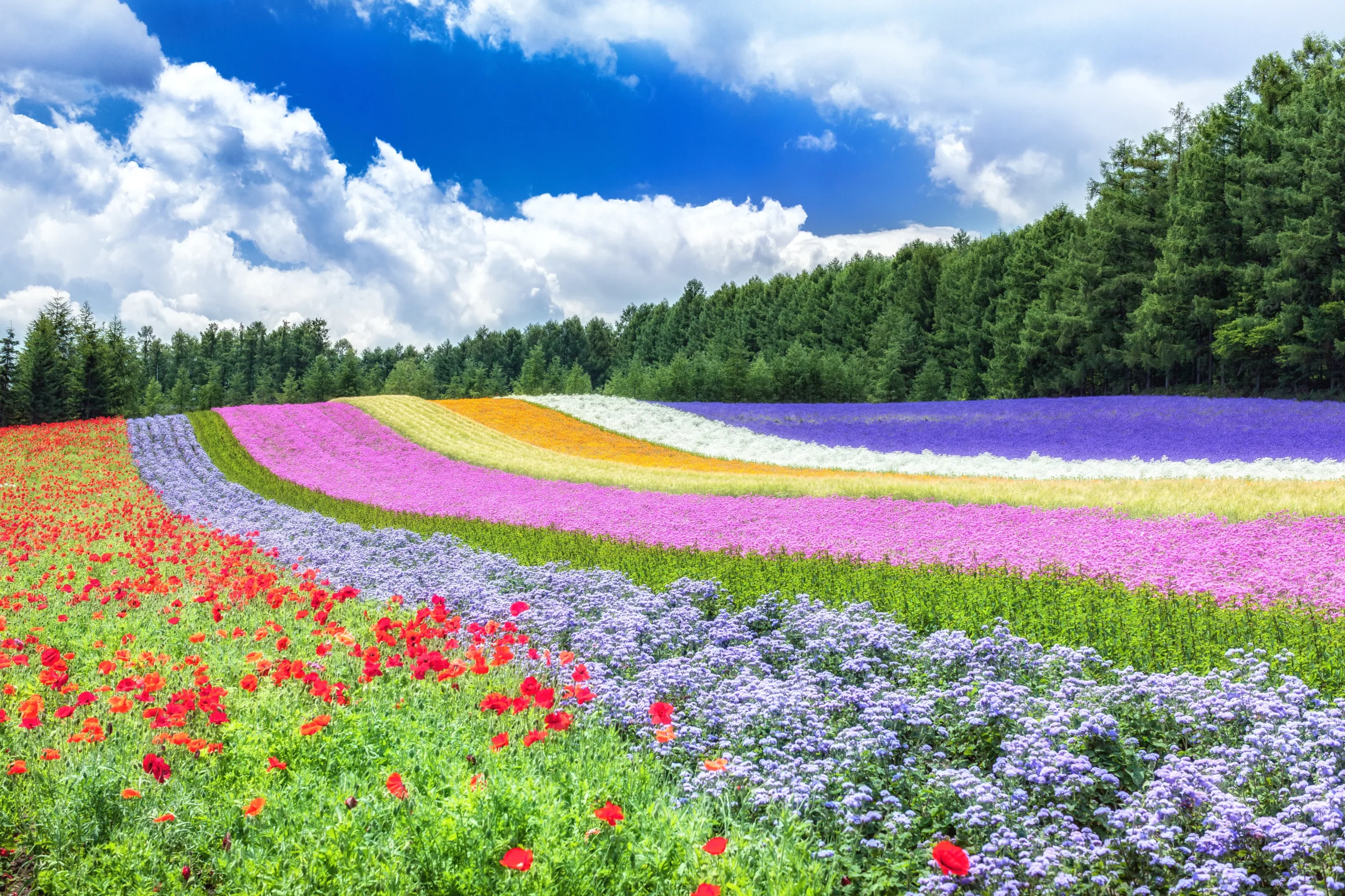
Furano and Biei are the obvious choice if your image of summer Hokkaido is flower fields, rolling farmland and wide rural landscapes.
Farm Tomita is the best-known lavender destination, but the surrounding area is what makes a longer stay worthwhile. Biei adds farmland, countryside viewpoints and the Blue Pond.
Give the area about two days if it is one of your main priorities. Racing through both Furano and Biei in a single day leaves little room for weather, traffic or spontaneous stops.
You can visit without driving. Trains, buses, seasonal sightseeing services and bicycles cover several major sights. A rental car becomes especially useful if you want to move freely between flower farms, viewpoints and places with infrequent public transport.
Hiking and mountain scenery: Daisetsuzan
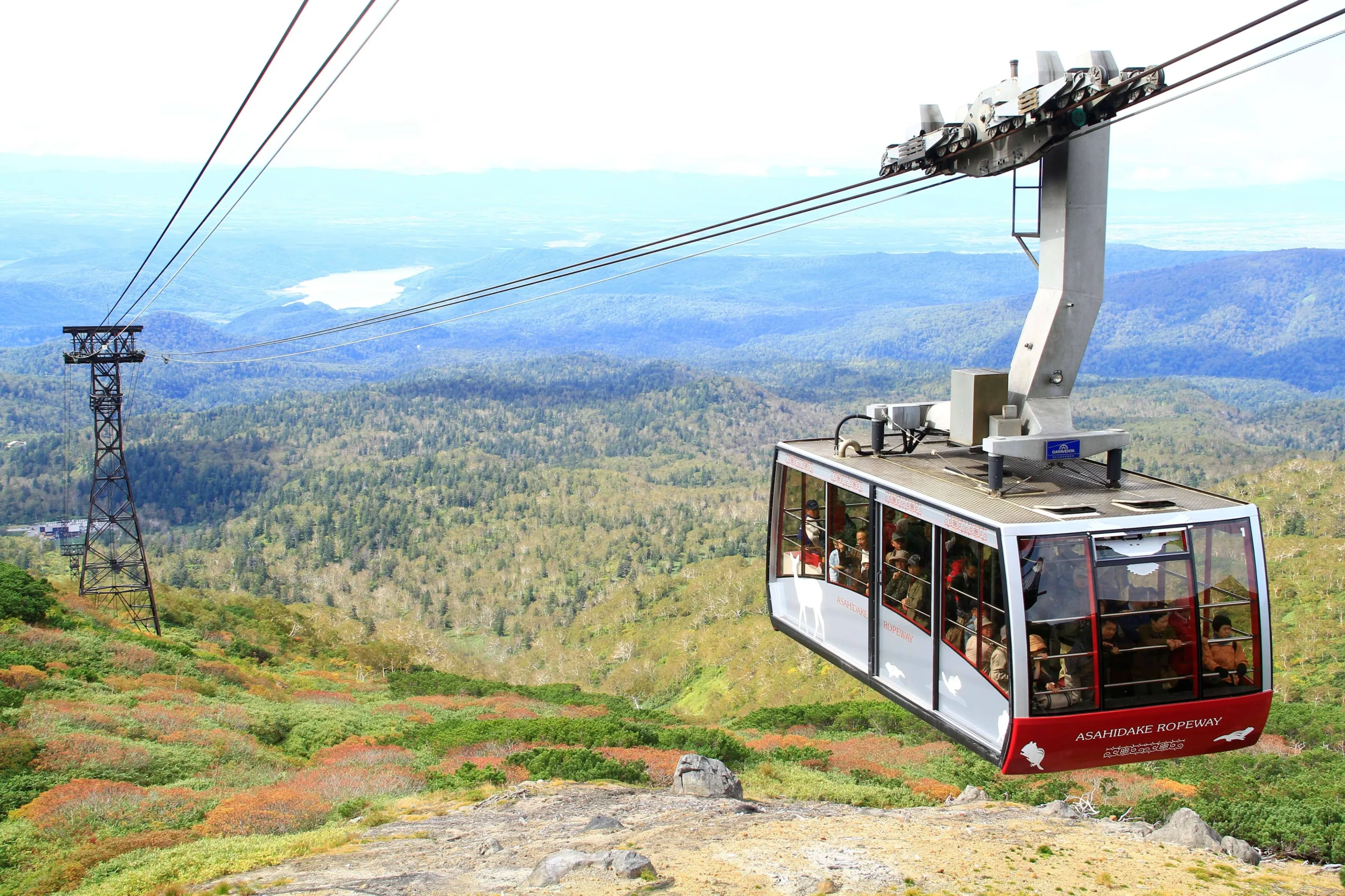
If mountains interest you more than flower farms, make Daisetsuzan part of the route.
The main hiking season runs broadly from mid-June into early September. Around Asahidake, the ropeway also makes high-elevation scenery accessible without committing to a long mountain trek.
Weather can change quickly at elevation, so check current trail and weather information before setting out.
Festivals, food and an easy base: Sapporo
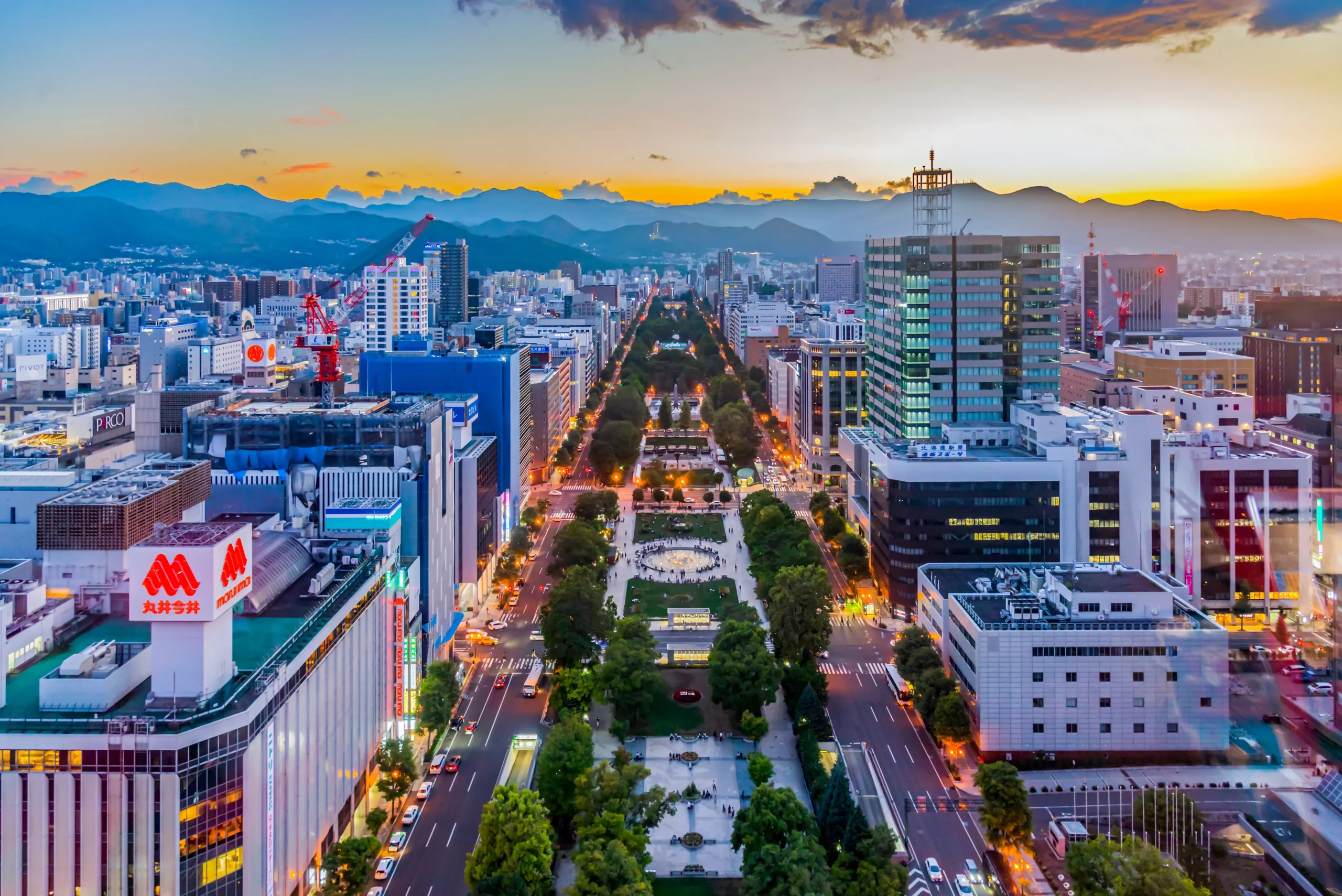
Sapporo is a practical place to start a first Hokkaido trip.
You can stay without a car, choose from a wide range of restaurants and use the city as a base for nearby excursions. Late July and August also bring several major summer events.
Rather than changing accommodation every night, a few nights in Sapporo can give the trip useful breathing room before moving into more rural areas.
Wilderness and wildlife: eastern Hokkaido
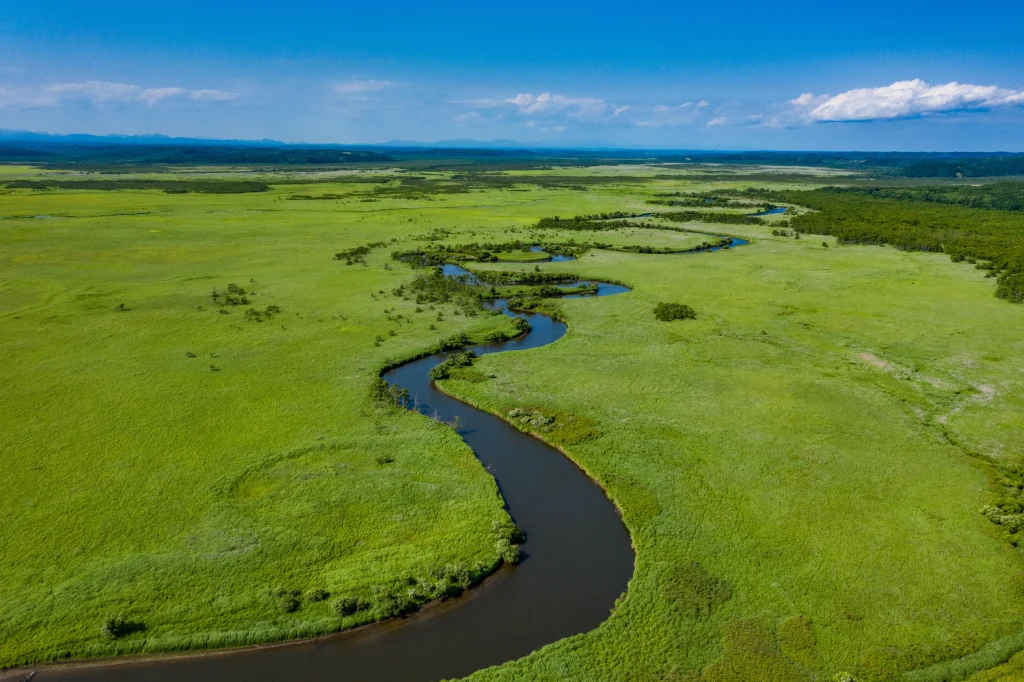
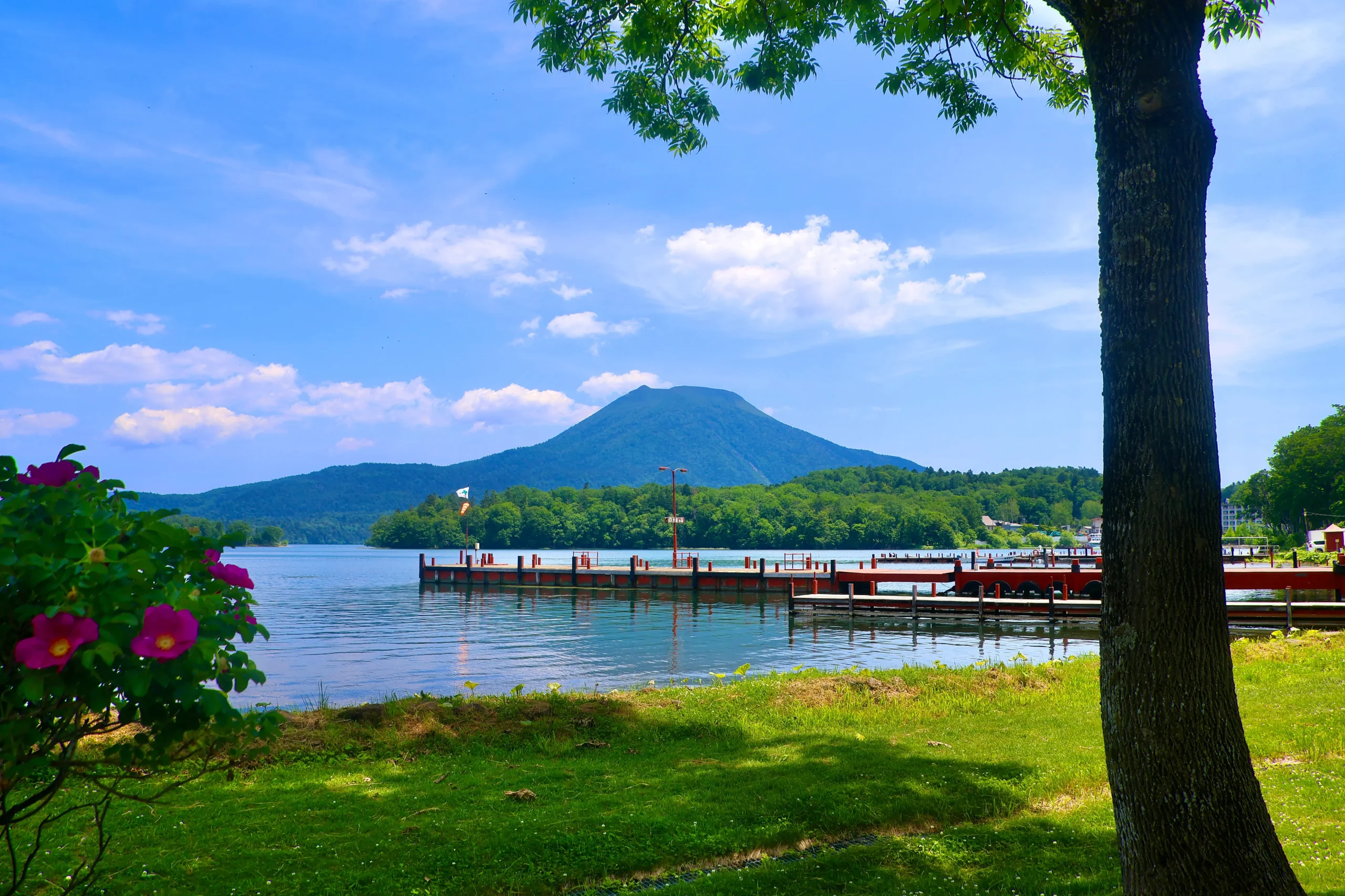
Shiretoko, Lake Akan and Kushiro provide a very different version of Hokkaido.
The appeal here is wetlands, lakes, wildlife and more remote landscapes. Kushiro Marsh works particularly well for slower nature experiences such as canoeing, while Shiretoko deserves enough time to account for both distance and changing weather.
The important point is geography:
Eastern Hokkaido should normally replace part of a central-Hokkaido route, not simply be added to it.
Official itineraries already devote several days to combinations such as Shiretoko, Lake Mashu, Lake Akan and Kushiro.
Kamuiwakka Hot Falls in Shiretoko is also no longer a casual stop where visitors simply climb in for a soak. The climbing experience now operates with controlled access, advance reservations, helmets and current safety rules. Check the official information if you want to include it.
How Many Days Do You Need?
Hokkaido is roughly the size of Austria. Distances that look manageable on a map can consume a large part of the day.
| Time available | A realistic approach | Avoid |
| 3–4 days | Sapporo plus one nearby excursion | Crossing several regions |
| 5–6 days | Sapporo + Furano/Biei, or another two-area combination | Adding eastern Hokkaido as an extra |
| 7–8 days | Sapporo, Otaru/Yoichi, Furano/Biei and one mountain or onsen stop | Trying to circle the island |
| 10+ days | A fuller central/northern route, or a dedicated eastern route | Trying to cover both ends of Hokkaido |
There is no universal minimum, but if Hokkaido is one of the main reasons for your Japan trip, around a week gives you considerably more room to enjoy it rather than simply moving between places.
Do You Need a Rental Car?
Not for every trip.
Sapporo, Otaru, Hakodate and Asahikawa are easy to include using public transport. Furano and Biei can also be visited without driving.
A car becomes much more useful when the trip revolves around:
- rural viewpoints;
- several flower farms in one day;
- countryside accommodation;
- mountain areas;
- remote coastlines;
- eastern Hokkaido.
So the useful question is not “Do I need a car in Hokkaido?” but whether your route depends on rural flexibility.
If you plan to drive, check Japan’s licence, International Driving Permit or official translation requirements for the country that issued your licence. The rules are not the same for every foreign licence.
For most travelers coming from Tokyo and heading toward Sapporo or central Hokkaido, flying into New Chitose Airport is straightforward. The Hokkaido Shinkansen currently terminates at Shin-Hakodate-Hokuto and does not continue to Sapporo.
Regional airports can also save time. If eastern Hokkaido is your priority, entering or leaving through airports such as Memanbetsu or Kushiro can reduce unnecessary backtracking.
A Realistic 10-Day Hokkaido Summer Route
ENJYU’s existing summer route is a useful example of what ten days can look like without trying to cover the entire island.
Days 1–4: Sapporo
Explore the city, enjoy Hokkaido food and keep some flexibility for weather or a nearby excursion.
Day 5: Otaru and Yoichi
Head west for Otaru’s canal area and, if it suits your interests, Yoichi.
Day 6: Lake Shikotsu and Noboribetsu
Move from city sightseeing into volcanic scenery and an onsen-area stay.
Day 7: Sounkyo and Daisetsuzan
Travel north into the mountains.
Day 8: Biei
Allow time for the Blue Pond, farmland and countryside scenery.
Day 9: Furano
Make the flower fields the focus if your dates match the bloom.
Day 10: Departure via Asahikawa or New Chitose
If Shiretoko and Kushiro are your main priorities, don’t add them after Furano. Build an eastern-Hokkaido itinerary instead.
Read more: What to Do in Hokkaido
Hokkaido Summer Festivals in 2026
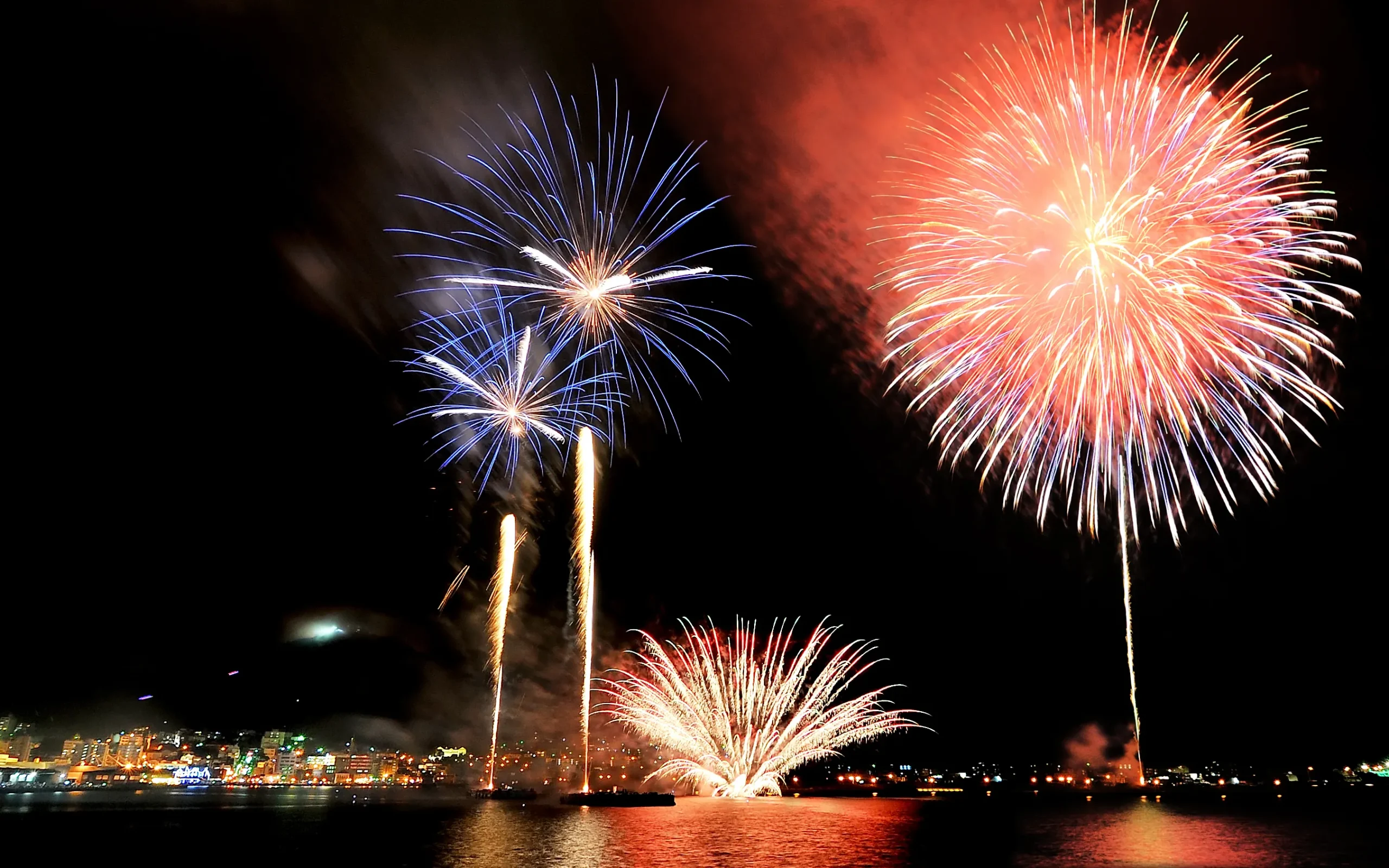
These dates are specific to 2026. Always check the organizer’s latest information before making non-refundable arrangements around an event.
| Festival | 2026 dates | Where | Planning note |
| YOSAKOI Soran Festival | June 10–14 | Sapporo | A major festival option for June |
| Sapporo Summer Festival | July 23–August 18 | Sapporo | Includes the Odori beer garden and other city events |
| Asahikawa Summer Festival | July 30–August 1 | Asahikawa | Fits naturally into a central-Hokkaido route |
| Hakodate Port Festival | August 1–5 | Hakodate | Fireworks and large street parades |
| Nakafurano Lavender Festival & Fireworks | August 1 | Nakafurano | Easy to combine with the Furano area |
| Hokkaido Balloon Festival | August 7–9 | Kamishihoro | A distinctive Tokachi event |
| Kachimai Fireworks Festival | August 13 | Obihiro | Ticketed; plan transport ahead |
Within the The Sapporo Summer Festival, the Susukino Festival runs August 6–8 and the Hokkai Bon Odori runs August 13–16 in 2026.
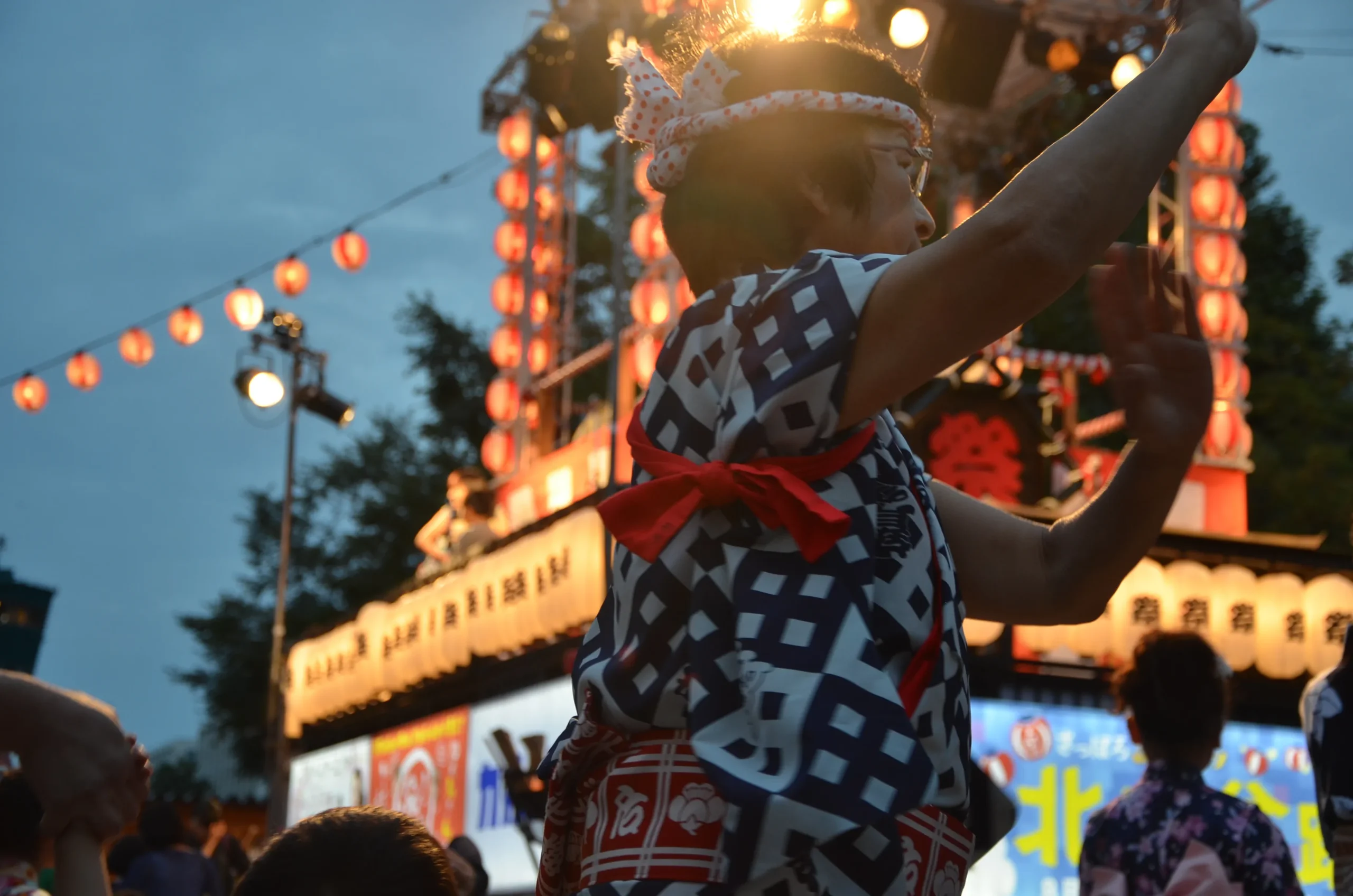
A festival is worth altering the itinerary for if attending it is one of your trip priorities. Otherwise, it is usually better to choose your route first and see which events naturally match your dates.
What to Eat in Summer
Food does not need its own itinerary, but summer gives you plenty of regional reasons to stop.
Around Furano and Biei, look for melon, corn and farm produce. Hakodate is closely associated with seafood and squid, while Sapporo is the easiest place to sample several Hokkaido specialties in one stay.
Seasonal seafood can be another reason to include coastal areas, and Hokkaido’s dairy culture means good soft serve is rarely difficult to find.
Practical Notes Before You Go
Pack layers. A warm afternoon in Sapporo says little about an evening in the mountains or a foggy day in eastern Hokkaido.
Check current bear information before hiking. Brown bears inhabit areas including Shiretoko and Daisetsuzan. Follow current guidance from the relevant park or visitor center.
Use insect repellent around wetlands and forests. Mosquitoes can be noticeable around water and in damp natural areas.
Plan around your most date-sensitive experience first. If lavender or a specific festival is the reason for your trip, fix that part before building the rest of the route.
Which Hokkaido Summer Trip Is Right for You?
For a first summer visit, Sapporo plus Furano/Biei and one mountain, onsen or coastal extension provides variety without turning the trip into a sequence of long transfers.
Choose July if lavender and classic summer scenery matter most.
Choose June if you prefer cooler conditions, greenery and hiking over peak flowers.
Choose August if festivals and summer events are more important than seeing lavender at its best.
And if Shiretoko, Kushiro and wildlife are your main reasons for coming, make eastern Hokkaido the trip rather than trying to squeeze it onto the end.
If several of those priorities compete for the same few days, ENJYU can help work out what realistically fits. The Summer Wonders of Hokkaido private route can also serve as a starting point for a central/northern summer itinerary.