What “Japanese Meditation” Really Means on a Japan Trip
Search for Japanese meditation and you will mostly land in the world of Zen, especially zazen. That is accurate, but there is more. Japan’s meditation experiences range from a short introductory sitting during a sightseeing day to an overnight temple stay where meditation is only one part of a slower routine.
That difference matters. A traveler who wants a calm hour in Kyoto is not really looking for the same thing as someone who wants to spend a night in Koyasan or join a training-oriented program in Fukui. Both may look similar in search results, but they ask for different amounts of time, energy, and openness.
Kyoto is still the easiest place to start, but it is not the only place where this kind of experience works. Tokyo-area temples, Hakone, Kanazawa, Eiheiji, and Koyasan all offer different ways into the same broader question: how much structure, silence, and depth do you actually want from this part of your trip?
Zen and Zazen, Explained Without the Mystery
Zazen sounds intimidating until you strip away the mood around it. In simple terms, you sit in a stable posture, settle your breathing, and keep returning your attention to the present when your mind wanders. That wandering is not proof that you are bad at meditation. It is part of the practice.
A first session does not require much theory. You do not need to know the full history of Zen in Japan, or the finer differences between Soto and Rinzai zen, before you sit down. What matters more is understanding that you are not being asked to achieve a blank mind or a dramatic breakthrough. You notice distraction, and you come back.
That is also why zazen fits travel so well. It interrupts the usual pace of moving, checking maps, taking photos, and thinking ahead. Even a short sitting can make the rest of the day feel slightly different. Not mystical, just clearer. You start noticing your breathing, your posture, the texture of the room, and how crowded your own thoughts had been a few minutes earlier.
Reference: How to Do Zazen – Soto Zen Buddhism International Center
What Happens in a First Zazen Session
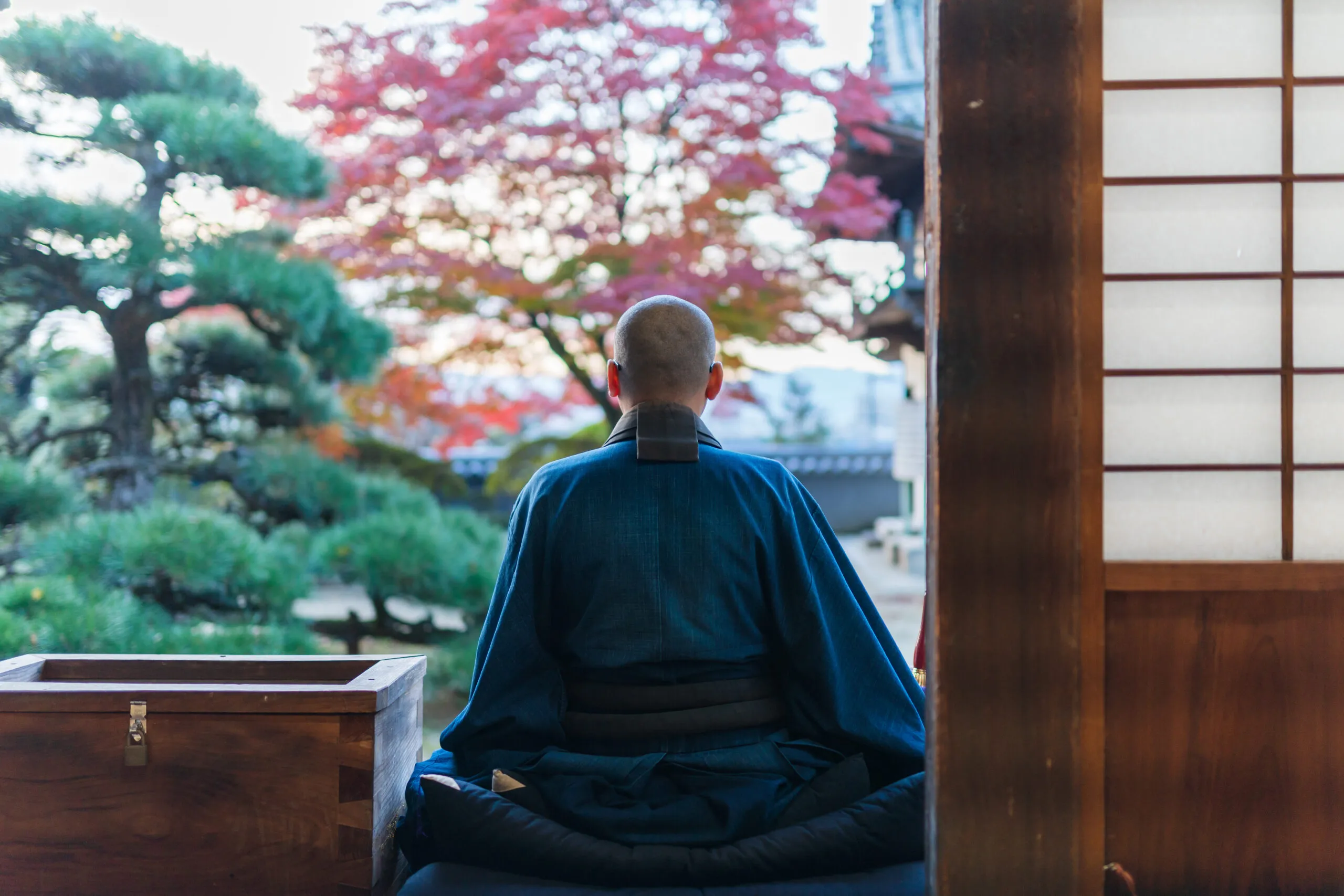
For beginners, the biggest worry is usually practical rather than philosophical. What happens when I walk in? Will I be the only one who does not know what to do? In most visitor-friendly sessions, the answer is reassuringly ordinary. Someone explains where to sit, how to place your hands, where to rest your eyes, and how long the sitting will last.
Often you will sit once, take a short walking break, then sit again. That walking interval, called kinhin, makes the whole experience easier for people who are new to stillness or not comfortable holding one position for too long. In some places there is time for questions afterward. In others, the structure is simpler and you mostly follow along.
The atmosphere also changes depending on the setting. A session designed with visitors from overseas in mind may feel more guided and accessible. A regular temple sitting group may feel plainer, quieter, and less explained. Neither is automatically better. One just asks less of you on the way in.
Comparing the Main Experience Types
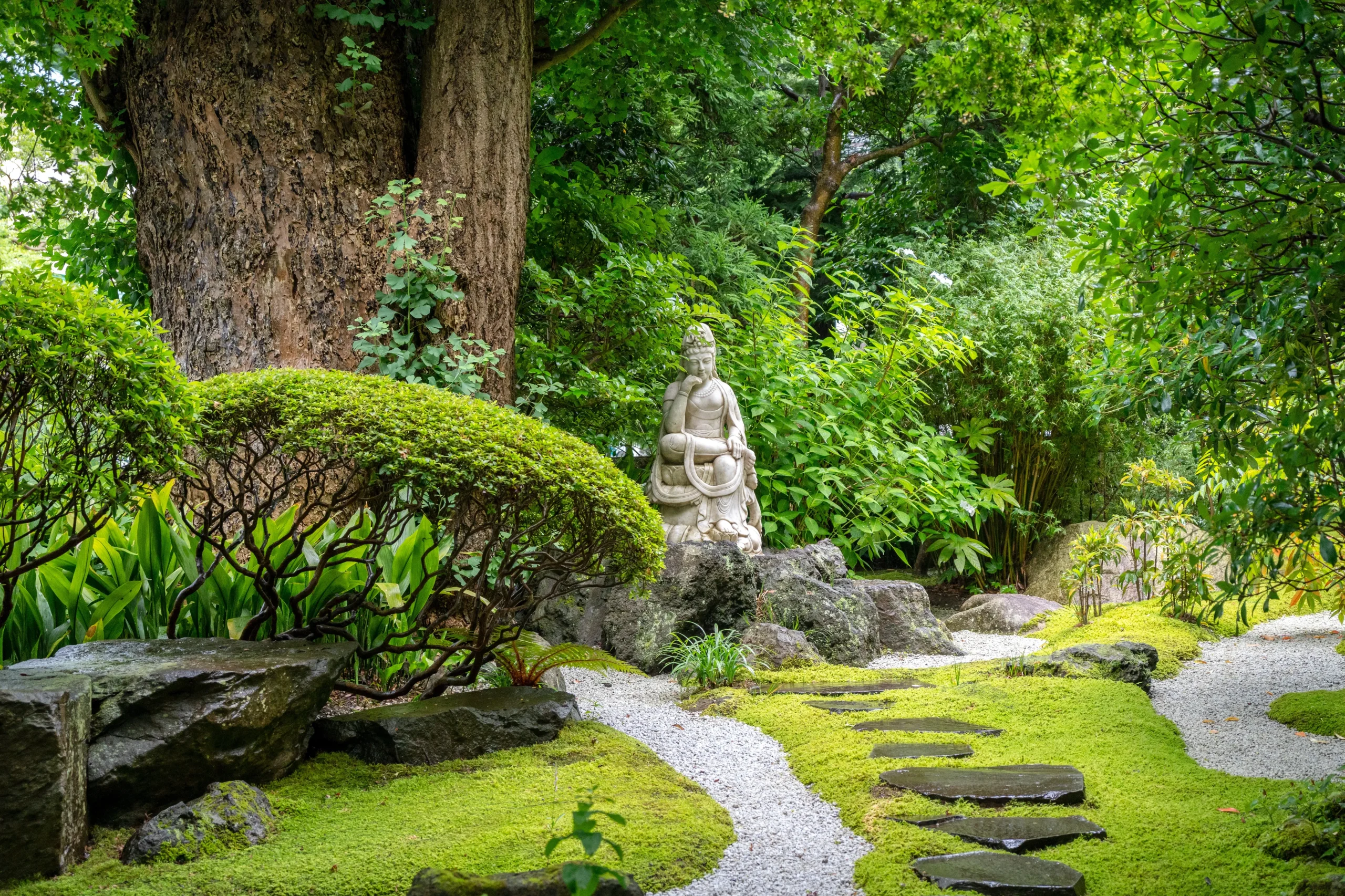
To find a meditation experience in Japan that best suits your trip, it’s most helpful to categorize the practice by the type of experience offered.
Short Introductory Sessions
A short introductory session is the easiest option to fit into a regular itinerary. It is good for travelers who are curious, short on time, or unsure whether they want to go deeper. Hakone is a strong example of this kind of stop because meditation can fit naturally into a broader travel day without taking over the trip.
Reference: Zazen Meditation – Hakone Japan
Culture-Forward Experiences
A culture-forward experience usually combines sitting with explanation, temple context, or conversation. This works well if you want help understanding what you are doing and why the setting matters. The trade-off is that meditation itself may be only part of the experience, not the entire point.
Regular Sitting Groups
A regular sitting group can feel less packaged and more rooted in everyday temple life. These meetings are often more matter-of-fact, sometimes lower in cost, and sometimes shared with local participants. They can be rewarding, but they may also assume more comfort with silence, fewer instructions, or limited English support.
Training-Oriented Programs
Then there are training-oriented programs. This is where the tone changes. Places linked to Eiheiji, for example, can move beyond the “try it once” level into something more structured, with clearer expectations around time, behavior, and participation. That will be too much for some travelers and exactly right for others.
Reference: Practice – Daihonzan Eiheiji
Temple Stays
Finally, there is the temple stay. This is often the best fit for travelers who are not only looking for meditation, but for a change in rhythm. A night in temple lodging can make you notice something that a one-hour class rarely does: how much of your attention is usually spent rushing ahead. When the pace slows, you begin to notice when your mind drifts, and you get used to bringing it back. Small details come forward again.
Read more: Inside Japan’s Temple Stays: What to Expect from a Shukubo Experience
That is one reason Koyasan matters here, even though it is not a Zen center in the strict sense. If your real goal is a contemplative experience in Japan rather than a purist commitment to zazen alone, Ajikan, the Shingon meditation practiced there, may suit you just as well.
Reference: Experience Ajikan – Koyasan Shingon Sect Main Temple Kongobu-ji
Where to Try Zen Meditation in Japan
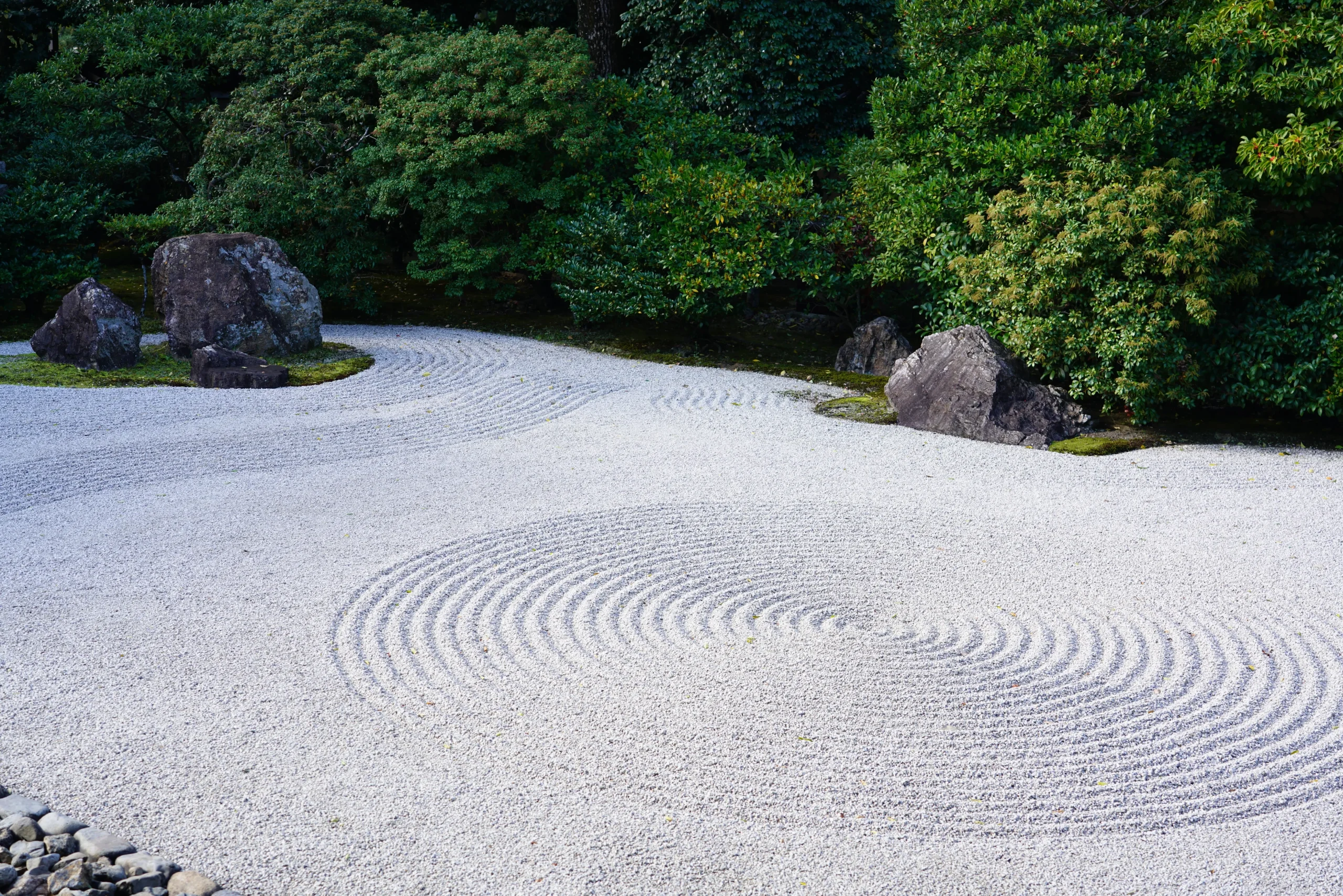
Kyoto: The Easiest Starting Point
Kyoto is still the most practical starting point. It has range, visibility, and enough English-language information that first-time visitors can compare options without too much guesswork. If you want a meditation experience that slips easily into a classic cultural itinerary, Kyoto remains the simplest choice.
Tokyo and Kamakura: Everyday Temple Life
The Tokyo area works differently. It is better for travelers who want something grounded in daily life rather than framed as a special detour. Kamakura is especially appealing because the temple setting feels substantial, but the city still feels lived-in rather than staged around visitors.
Hakone: A Calm Pause on the Golden Route
Hakone is useful for people following the Golden Route and trying to add one calm pause without rearranging the whole trip.
Ishikawa: Quieter Cultural Depth
Kanazawa and wider Ishikawa offer another alternative: less crowd pressure, a quieter regional feel, and enough cultural depth that meditation does not seem dropped in from nowhere.
Fukui and Eiheiji: More Formal Practice
If you want more structure, Fukui and Eiheiji pull the experience closer to formal practice. If you want a full overnight reset, Koyasan remains hard to beat.
A Quick Match Guide — Which Experience Fits Which Traveler?
If you are short on time, choose a short city or route-side session. It will tell you enough to know whether zazen speaks to you without asking for much from the rest of the trip.
If you want context as much as stillness, choose an experience with explanation built in. That works especially well for first-time visitors who enjoy understanding the setting rather than simply passing through it.
If you are nervous about language, posture, or etiquette, look for sessions that clearly mention beginner support or English guidance. This is more important than many people expect. A peaceful hour can become a tense one very quickly if you spend the entire time wondering whether you are doing something wrong.
If you are drawn to discipline, choose a training-oriented program. If you are drawn to atmosphere, routine, and a slower pace of attention, choose a temple stay. The right choice is less about prestige than about what you want the trip to feel like when you leave.
Planning, Booking, and Etiquette
Check the Practical Details First
Once you know which type of experience fits you, the practical side becomes much easier. Check the start time, duration, language support, and whether the session is a regular meeting or a visitor-focused program. Do not assume that an English website means every session will be guided in English.
What to Wear and How to Behave
Dress quietly and comfortably. That usually means clothes you can sit in without thinking about them. You do not need anything ceremonial, but you do want to avoid tight, noisy, or overly casual beachwear. If photography matters to you, confirm the policy in advance. Some temples allow it only in limited spaces, and some do not want practice turned into content.
Understanding the Costs
Costs vary more than people expect. A simple sitting group may be inexpensive or donation-based, while a longer experience or overnight stay can take a noticeable share of the day’s budget. What matters most is not the cheapest option, but the fit between the format and the mood of your trip.
Check Schedules Before You Go
It is also worth remembering that temple schedules are not fixed in the way museum hours are. Seasons, ceremonies, staffing, and local calendars all affect what is available. If a particular meditation stop matters to your itinerary, check the official site again shortly before you go.
Reference: Zazen Sessions, Seated Meditation – Kyoto Tourist Information Center
Summary
A good meditation experience in Japan does not need to be intense to stay with you. Often it is simply an hour, or a night, that changes the pace of the trip and lets you pay attention differently. If you want to fit that kind of experience into a wider journey, ENJYU JAPAN can help shape a Tailor-Made Tour around your route, schedule, and interests in a way that feels natural rather than forced.