A famous brewery name offers one clue, but not the answer to the question that matters: what will you see when you arrive? In Japan, one visit may take you into an operational sake brewery; another may lead through a former brewhouse where a cedar vat shows how people once worked. Both are worth your time if you choose with care.
This guide helps you compare sake visits, a whisky distillery and a soy sauce factory by access, language, booking and location. The reward is not simply a tasting, but a better understanding of what made it possible.
What Can You Actually See?
A brewery visit can mean entering an operational site, learning from exhibits in a former brewhouse or tasting without entering production areas. Decide which of those you want before choosing a familiar label.
Working Breweries, Former Breweries and Tastings
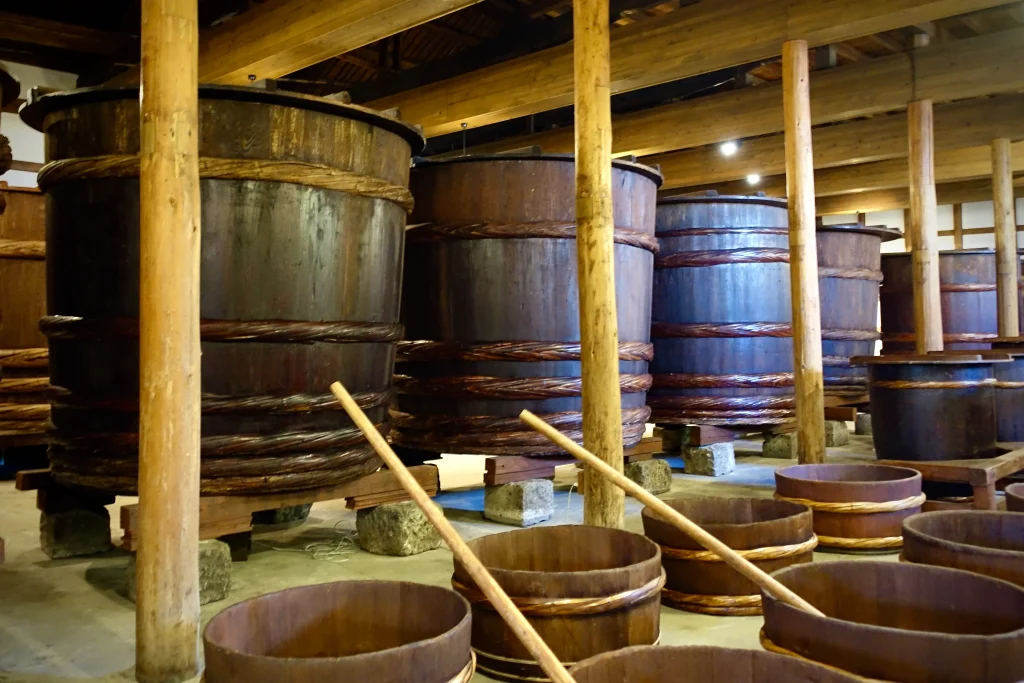
At Imayo Tsukasa in Niigata, visitors take a guided tour of an operational brewery. At Hakutsuru in Kobe, the former brewhouse displays traditional tools and films; its large cedar fermentation vat gives a sense of the work’s physical scale. Neither label alone tells you what will be happening on your visit date. An operational site does not guarantee that you will witness a particular stage of brewing.
Fukumitsuya in Kanazawa offers a useful comparison within one producer. Its Premium Sake Tasting Course includes a short film, an introduction to brewing water and a tasting. Its separate Guided Brewery Course adds a visit inside the brewery. Both currently list a fee of ¥3,300 per person, but the access and participation conditions differ. Choose the course, not just the venue.
Distilling, Soy Sauce and Beer
Whisky-making includes fermentation followed by distillation and storage; soy sauce production uses fermentation to make a seasoning. Suntory’s Yamazaki and Kikkoman’s Noda plant therefore answer different questions from a sake brewery. For a group that includes people who do not drink, Noda offers a way to explore fermentation without an alcohol tasting.
Beer factory tours are another possibility, with their own language and booking arrangements. For example, Asahi’s tours are generally in Japanese, with an English audio-guide app available. ENJYU JAPAN’s factory-tour guide covers those visits in more detail. Here, the first decision remains what process you want to understand.
How Sake Is Made—and What to Notice
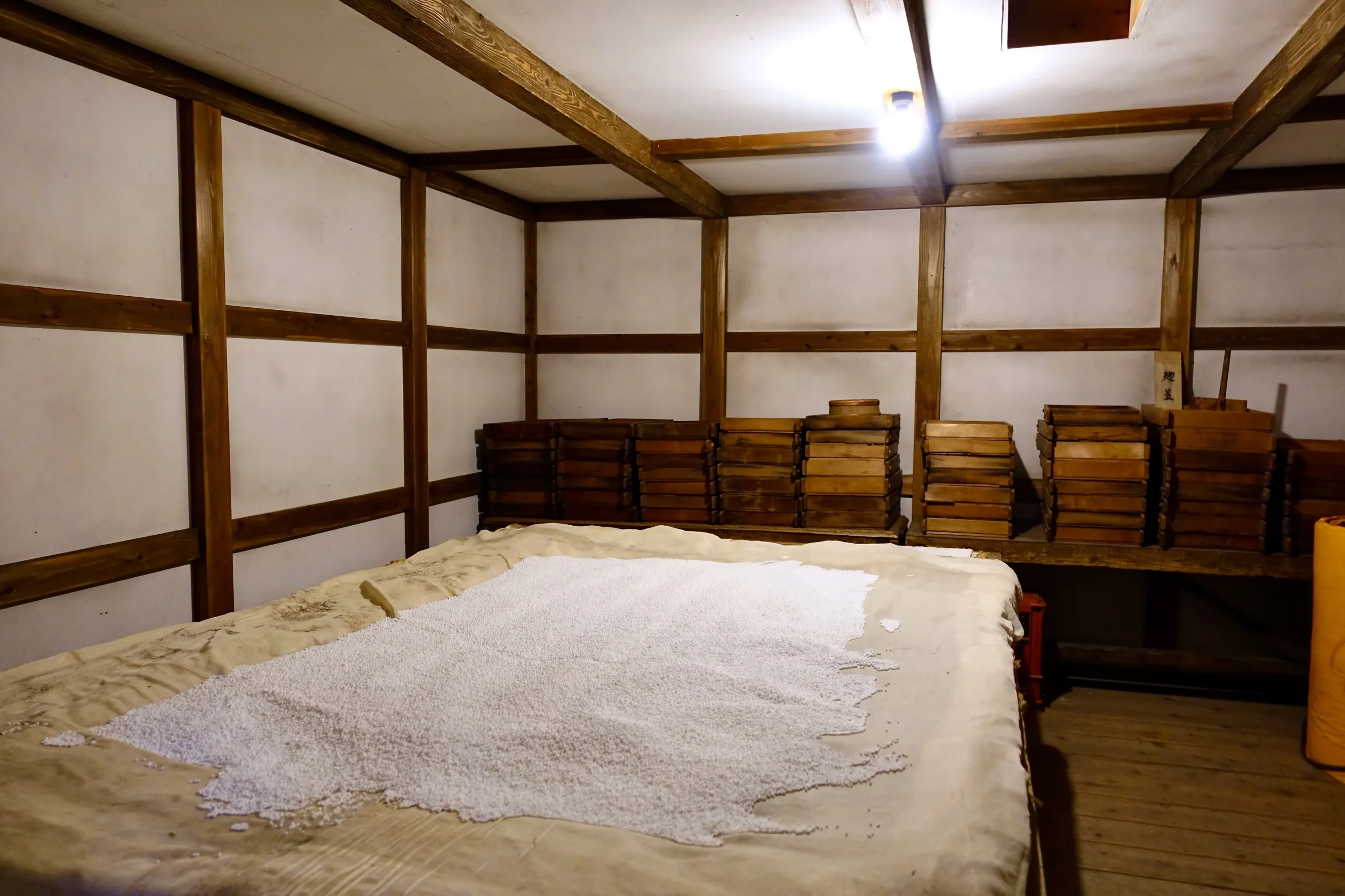
Knowing what koji and yeast do makes sake-making easier to follow. Brewers grow beneficial koji mould on steamed rice. Its enzymes turn rice starch into sugar, and yeast turns that sugar into alcohol. These changes happen together in the fermenting mixture, under conditions the brewers manage.
The tools reveal the people behind the process. At Hakutsuru’s museum, a cedar vat and a display showing a koji-cultivation room explain how earlier brewers handled fermentation. At an operational brewery, ask which stages the tour covers rather than expecting to enter that room or watch a vat in use. Each exhibit or answer is most useful when you know what job it represents.
In 2024, UNESCO recognised the traditional knowledge and skills of sake-making with koji mould as intangible cultural heritage. It recognised the craft passed between makers, not a particular brand or building. Temperature, humidity and the judgement to adjust them are part of what you are learning about, whether your visit takes place in a museum or an operational brewery.
Sake Experiences to Fit Your Route
Choose a sake stop by the access you want and the place already on your journey. These four options range from self-guided exhibits to a seasonal tour inside a brewery; the comparison is about suitability, not rank.
| Stop | Experience | Booking decision |
| Kyoto: Gekkeikan | Self-guided museum and tasting | A timed reservation gives priority entry; the ordinary booking page is in Japanese. |
| Kobe: Hakutsuru | Former brewhouse with tools and films | Admission is free; groups of 10 or more must reserve. |
| Niigata: Imayo Tsukasa | Tour of an operational brewery | Book either the English-guided course or the Japanese tour with English materials. |
| Kanazawa: Fukumitsuya | Tasting or seasonal tour inside the brewery | Specify the course and request bilingual guiding in advance. |
Gekkeikan Okura Sake Museum, Kyoto
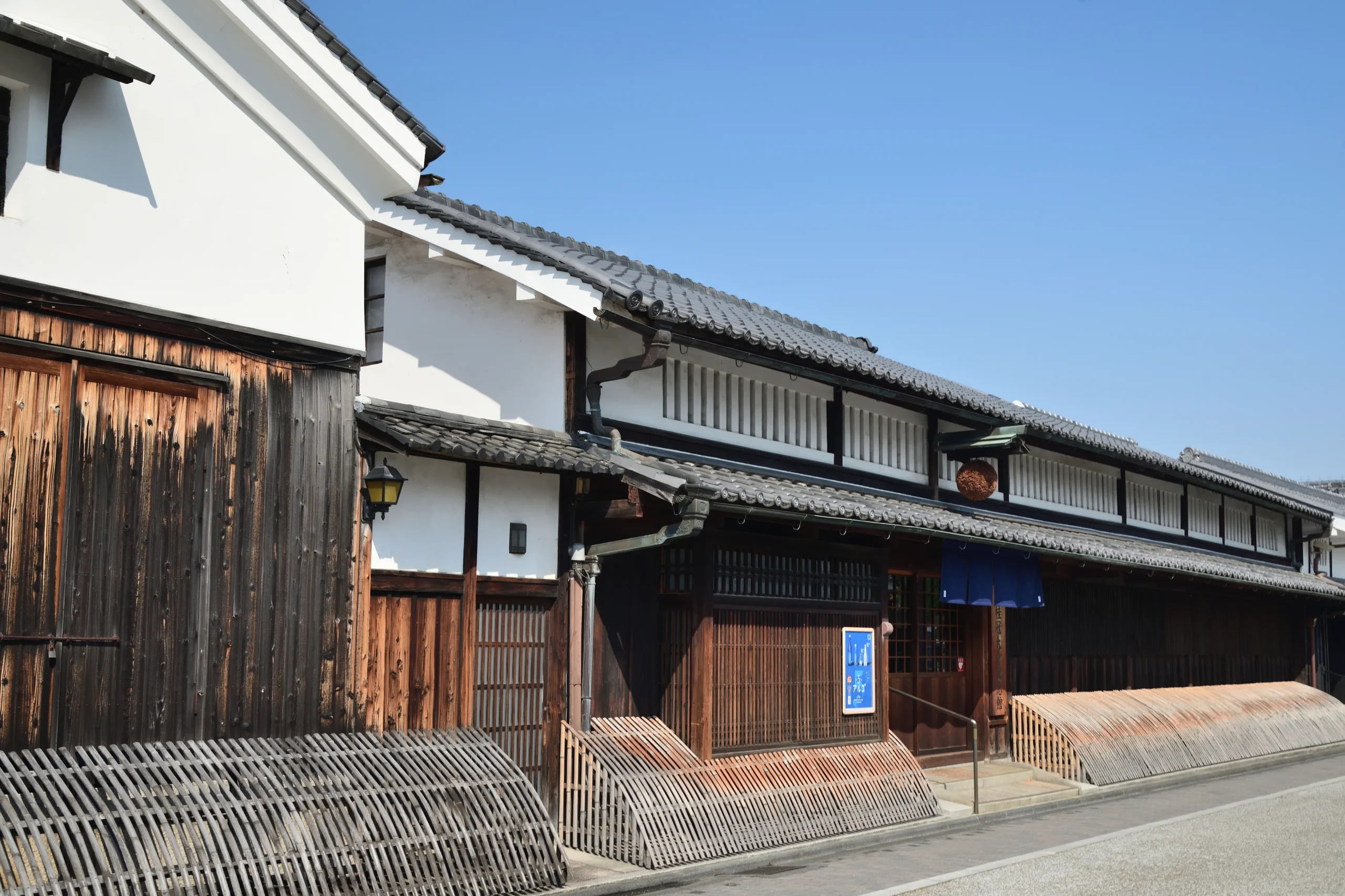
Gekkeikan is a practical introduction to Fushimi’s sake history during a Kyoto stay. Its former brewery houses exhibits and a tasting, but the visit is self-guided rather than a tour through current production areas. The English visitor page describes a museum guide for use on your own device; if its language matters to you, ask before travelling.
A timed online booking gives priority entry. Visitors without one may enter if space allows, but may need to wait or be turned away. The ordinary booking page is in Japanese, all payments inside are cashless, and Gekkeikan does not accept group visits of 13 or more. Keihan Chushojima Station is about five minutes away on foot. For a longer visit to the district, see ENJYU JAPAN’s Fushimi sake guide.
Hakutsuru Sake Brewery Museum, Kobe
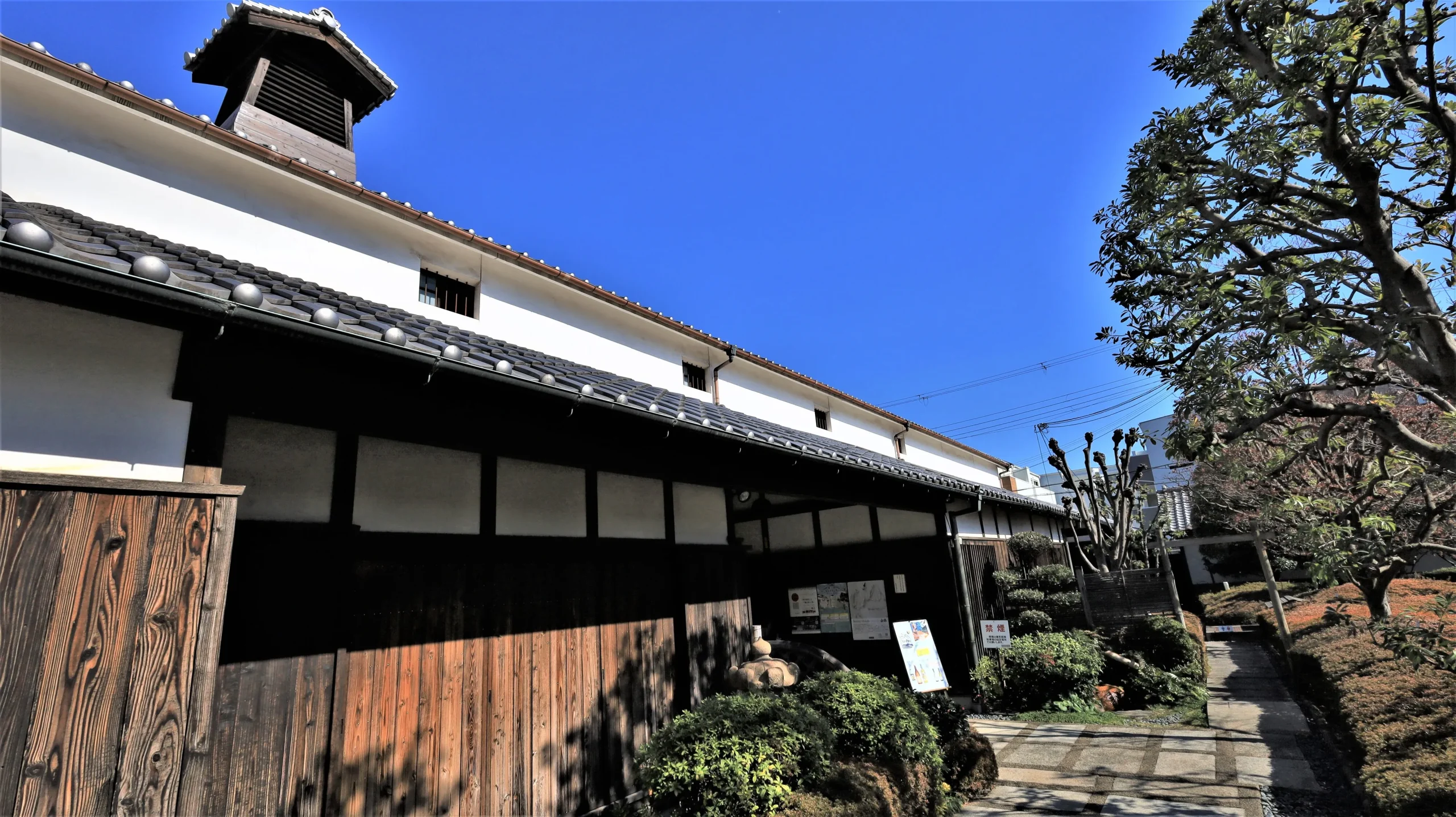
Hakutsuru makes traditional brewing equipment tangible. A large cedar vat stands in its former brewhouse, while tools, displays and films explain the stages of production. You learn how people used this old building, not how to walk through the company’s current production line.
Admission is free, and groups of 10 or more need a reservation. The museum is about five minutes on foot from Hanshin Sumiyoshi Station. Its English visitor page does not promise an English-speaking guide, so arrange language assistance separately if your party needs spoken explanations. For a smaller group, confirm the opening hours before treating it as a flexible Kobe stop.
Imayo Tsukasa Sake Brewery, Niigata
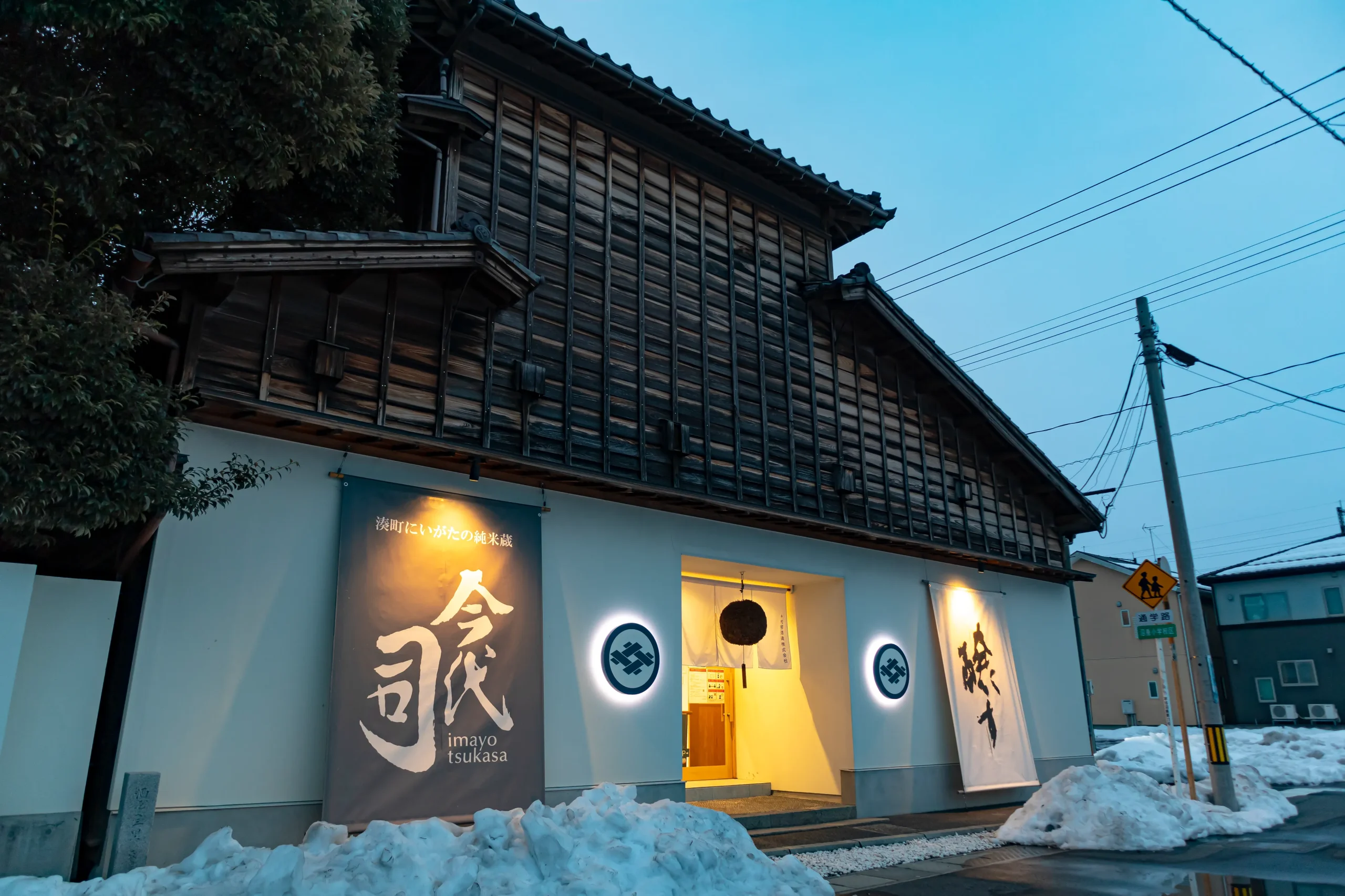
Imayo Tsukasa suits travellers who want to enter an operational brewery. It is about a 15-minute walk from Niigata Station’s Bandai Exit. The visit introduces sake-making and local history, although the work taking place when you arrive will depend on the day.
The brewery offers two distinct regular options. A Japanese-guided tour includes an English brochure and guide video; a separately booked English-guided tour is listed for weekdays at 14:00. Both last about 30 minutes and require reservations. Current adult fees are ¥200 and ¥550 respectively. Private groups of 10 or more have separate group rates and require advance arrangements, so ask the brewery about that option rather than reserve several standard places.
Fukumitsuya, Kanazawa
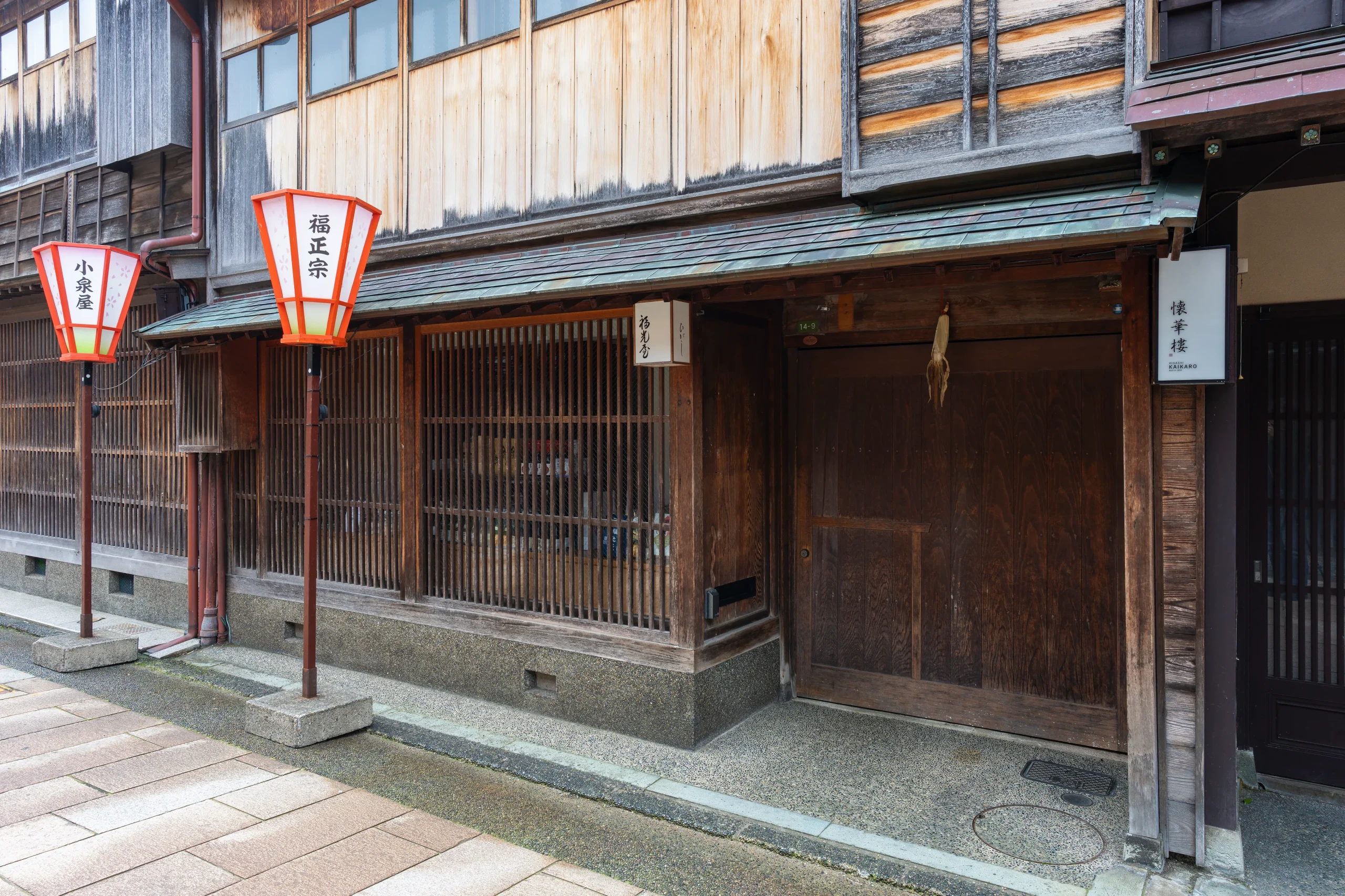
Fukumitsuya lets you decide between tasting sake and entering the brewery. Its Premium Sake Tasting Course combines a short film, brewing-water introduction and tasting. The separate Guided Brewery Course includes an interior visit. Both currently cost ¥3,300 per person; the important difference is what the course includes. Fukumitsuya states that all courses can be conducted by a bilingual guide when arranged in advance, so state that you need English when booking.
The brewery tour runs on Mondays, Fridays and Saturdays from November to March, excluding national holidays. It is shared with other visitors and has a stated capacity of six to ten people; you do not need to arrive as a group of six. Participants under 20 cannot join, and the route involves stairs without a lift. Meet at SAKE SHOP FUKUMITSUYA KANAZAWA beside the brewery, not at the producer’s shop in the Higashi Chaya district.
If your journey extends towards Hiroshima, Saijotsuru in Saijo offers an English-guided experience in a restored historic brewery for visitors aged 20 and over. The building has steep stairs. Confirm the tasting arrangements when booking.
Whisky and Soy Sauce
Yamazaki and Noda widen the choice without turning this into a list of unrelated factories. The first belongs in a Kyoto–Osaka itinerary for those interested in whisky. The second belongs in a Tokyo-area plan for travellers curious about soy sauce. They are not a suggested same-day pair.
Suntory Yamazaki Distillery
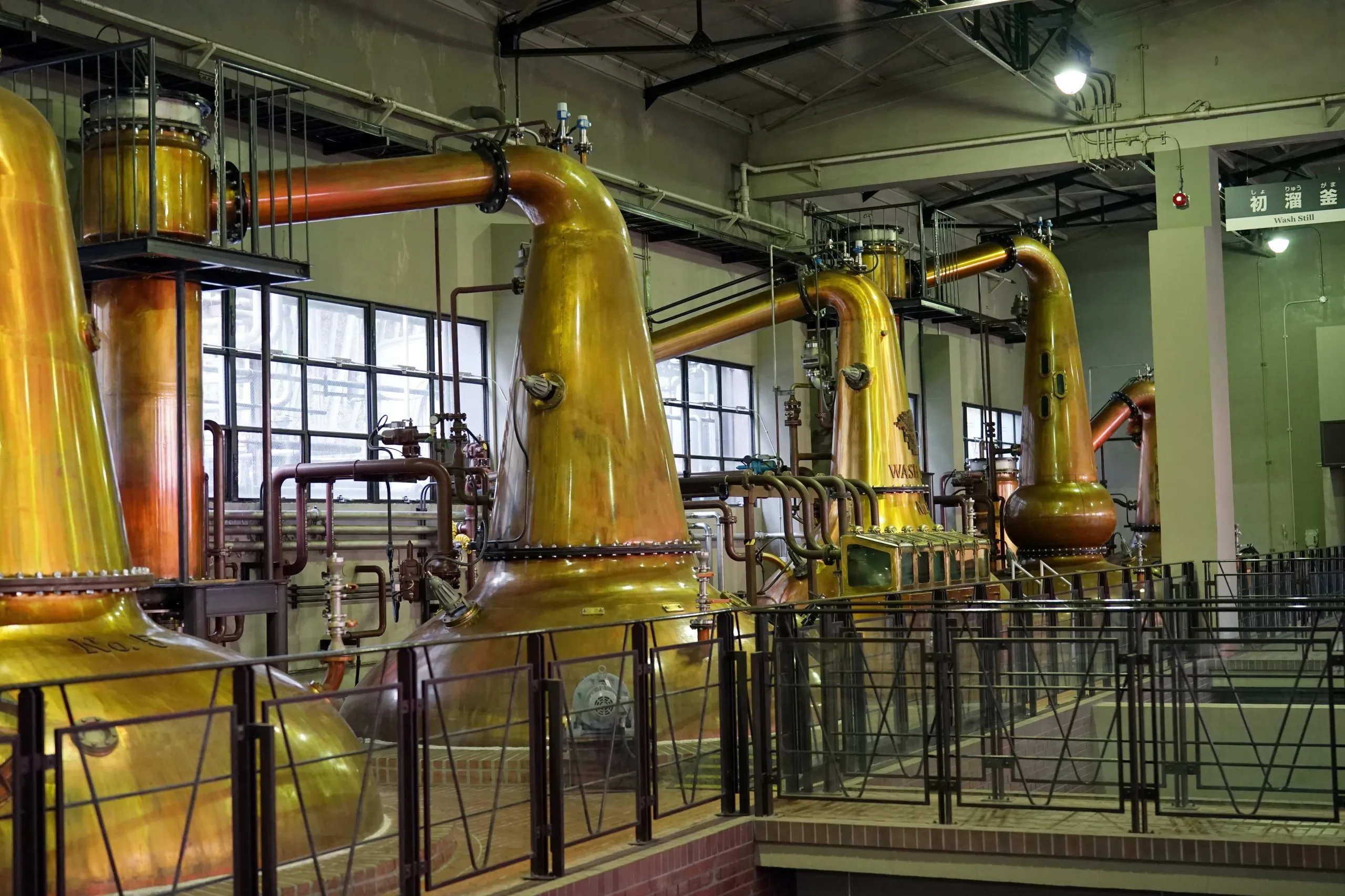
Yamazaki shows why the course name matters as much at a distillery as at a sake brewery. Suntory describes whisky production from mashing and fermentation through distillation and storage. Which spaces you can visit depends on the course; do not assume that every entry includes the production areas.
Suntory currently allocates places on its paid Yamazaki Distillery MONOZUKURI Tour & Tasting and Prestige Experience courses by lottery. An entry is not a booking: selected applicants must complete the reservation within the announced period.
The no-charge Yamazaki Whisky Museum has a separate first-come, first-served reservation; it is not a walk-in consolation prize. Suntory also offers an English audio-guide app for distillery tours. Confirm the available course, language support and reservation outcome before making Yamazaki a fixed part of your day.
Kikkoman Soy Sauce Museum, Noda
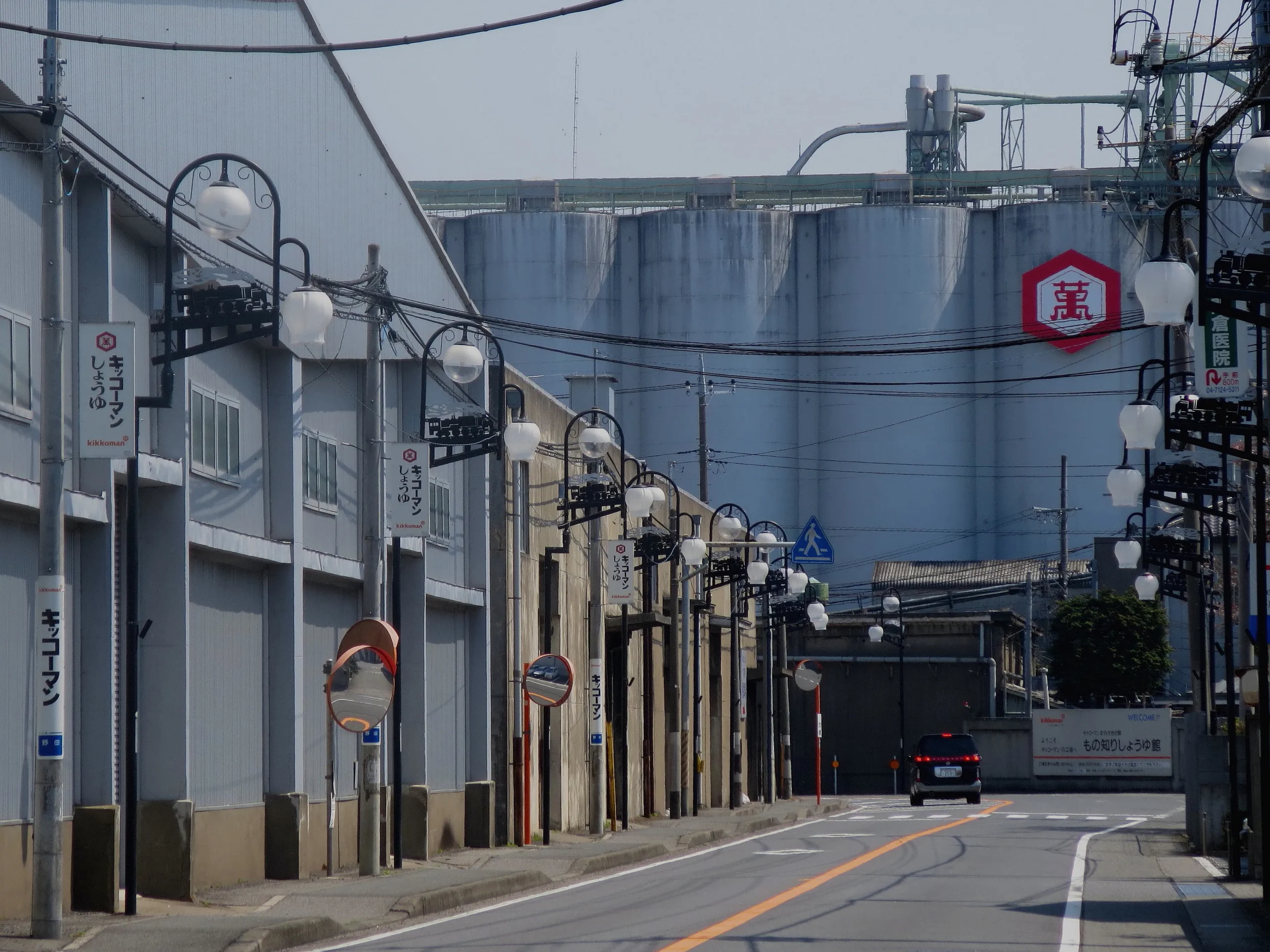
Kikkoman offers a visit centred on fermentation without alcohol. In Noda, visitors follow the stages of soy sauce production and experience differences in colour, taste and aroma. Kikkoman’s own publication describes English and Chinese audio guides, but ask whether one will be available for your chosen visit rather than assuming a spoken English tour.
The factory tour is free, but requires a reservation. Use the official English enquiry form to provide possible dates, the number of visitors and a contact name; sending the form is not instant confirmation. Tours do not run on weekends, national holidays or the fourth Monday of the month, among other closure periods. The site is three minutes on foot from Nodashi Station. Allow for the journey from your Tokyo accommodation when setting aside time for it.
How to Book Without Speaking Japanese
Book the experience you want, not merely a place with an English website. Language support and admission can differ between courses at the same facility.
| What you find | Question to settle |
| An English-speaking guide | Is that course available on your date? |
| An English brochure, film or audio guide | Will the spoken tour itself be in Japanese? |
| An English website or enquiry form | How and when will the operator confirm your place? |
| A lottery | Have you been selected and completed the required reservation? |
If someone is arranging your trip, send the facility’s formal course name, preferred date, party size and ages. Say whether you need spoken English, whether anyone will avoid alcohol and whether stairs are a concern. Ask for the meeting point, total price and cancellation terms in the confirmation. This helps prevent your group arriving for a tasting when it expected to enter a brewery.
When Plans Change
A full tour, ordinary rain and disrupted transport call for different decisions. If travel remains safe and the venue is open, shorten outdoor walks or check whether another course has space. If trains stop or a tour is cancelled, consult the operator’s and railway’s notices before setting off. The options below depend on availability and each venue’s entry rules.
| Route | First choice | If the booking or weather changes | If travel is unsafe or the tour is cancelled |
| Kyoto–Osaka | Confirmed Yamazaki visit or Gekkeikan museum | If Yamazaki is unavailable, check Gekkeikan’s entry conditions; shorten a Fushimi walk in rain. | Stay in your current city; review transport and venue notices. |
| Kobe–Nada | Hakutsuru museum | If it is open, focus on the exhibits rather than a longer district walk. | Rearrange the day from your current location. |
| Niigata | Reserved Imayo Tsukasa tour | Ask whether the tour with English materials meets your needs. | Check rail and brewery notices before a long transfer. |
| Kanazawa | Reserved Fukumitsuya brewery tour | Consider its tasting course if it still meets your aims and has space. | Check rail and brewery notices before a long transfer. |
| Tokyo area | Reserved weekday Kikkoman visit | Enquire about another available weekday, not a weekend walk-in. | Remain near your accommodation until travel is practical. |
A useful second choice must be open, reachable and suitable for everyone in your group.
Before You Visit
The final checks concern people, travel and cost. Japan prohibits drinking alcohol under 20, but that is not a universal minimum age for entering a museum. Fukumitsuya’s Guided Brewery Course excludes under-20s; its other courses have different conditions. Confirm the exact course rules if children or non-drinkers will join.
Choose your return transport before tasting. Do not drive a car or ride a bicycle after drinking. If anyone needs step-free access, ask about the route through the building: Fukumitsuya’s brewery tour has stairs and no lift. These conditions affect the whole party’s plan.
Finally, separate admission or tour fees from optional tastings, transport and bottles you choose to buy. A free museum does not remove travel costs; two courses with the same fee may offer different access. Check the current price of the course you want rather than looking for one answer to whether sake is expensive.
Choose the Craft, Then the Stop
Choose what you want to understand first: an old brewing tool, the work inside an operational brewery, whisky after distillation or soy sauce as it ferments. Then find the course whose language, access and location fit your travelling companions. One well-chosen stop will teach you more than a hurried list.
For a journey across several cities, ENJYU JAPAN’s Tailor-Made Tour offers a place to discuss how the visit could fit your itinerary; availability remains subject to each operator’s rules. Settle the practical details, then enjoy the small surprise of recognising the work behind your next taste.
References
- UNESCO – Traditional knowledge and skills of sake-making with koji mold in Japan (2024)
- Fukumitsuya – FUKUMITSUYA SAKE BREWERY SAKE EXPERIENCE
- Suntory – How to Make a Reservation: Yamazaki Distillery (2026)
- Kikkoman Corporation – Factory Tour in Noda, Japan
- Japan Sake and Shochu Makers Association – How is Sake Made?