Sake tasting in Tokyo can be as simple as ordering three small glasses at a bar. You can also stop at a liquor-shop counter, join an English-guided session, or enjoy sake with dinner. The best option depends on how much you want explained, whether you prefer choosing each glass yourself, and how much time you have.
You don’t need to know sake terminology beforehand. Even if a previous glass didn’t appeal to you, a lighter or fruitier style may change your impression.
Choose the Type of Sake Tasting That Suits You
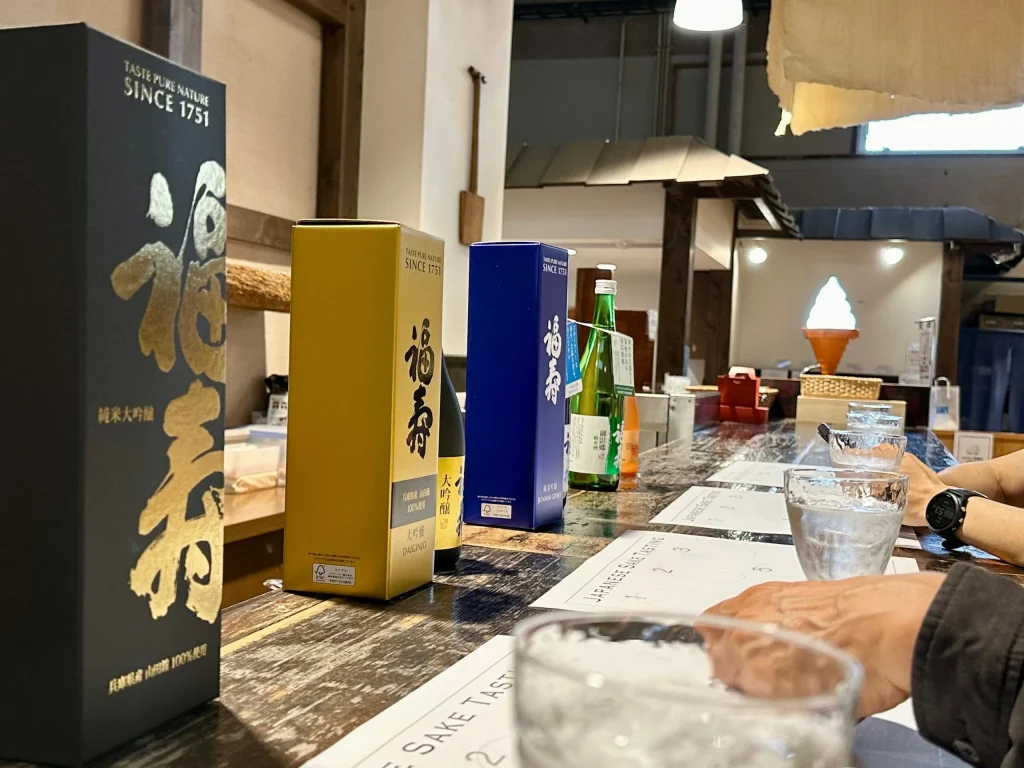
A tasting set is often called nomikurabe: a few small pours to compare side by side. A standing counter suits a spontaneous stop; an English-guided session offers more explanation. A bar with food is better for dinner, while visiting a brewery usually takes half a day.
| Experience | Best for | Cost | English | Booking |
|---|---|---|---|---|
| Standing counter | Short, flexible tasting | Per cup; varies | Varies by shop | Often walk-in |
| Tasting room | Comparing styles | JSS from ¥100/cup | JSS: English materials | JSS: weekdays |
| Guided tasting | Questions and context | Varies by session | Confirm guide language | Book ahead |
| Sake bar with food | Dining and conversation | Flight + possible cover | Varies | Reserve if busy |
| Brewery visit | How sake is made | Varies by brewery | Japanese or booked English | Reserve tour |
Two or three contrasting samples can be more revealing than a long list. The format matters as much as the number of sakes offered.
Where to Try Sake in Tokyo
A Tasting Room for Curious Beginners

The Japan Sake and Shochu Information Center in Nishi-Shimbashi is a useful weekday stop. It is run by the Japan Sake and Shochu Makers Association and has samples from across Japan, starting at ¥100 per cup, plus three-sake sets. Admission is free, and English-language tablets explain the basics. It normally opens from 10 a.m. to 6 p.m. on weekdays and closes on weekends. Check its news page for occasional schedule changes.
Displays of ingredients, brewing tools and sake vessels can be explored without drinking. The center fits a daytime itinerary, rather than an evening out.
Japan Sake and Shochu Information Center
A Casual Sake Counter in Ginza
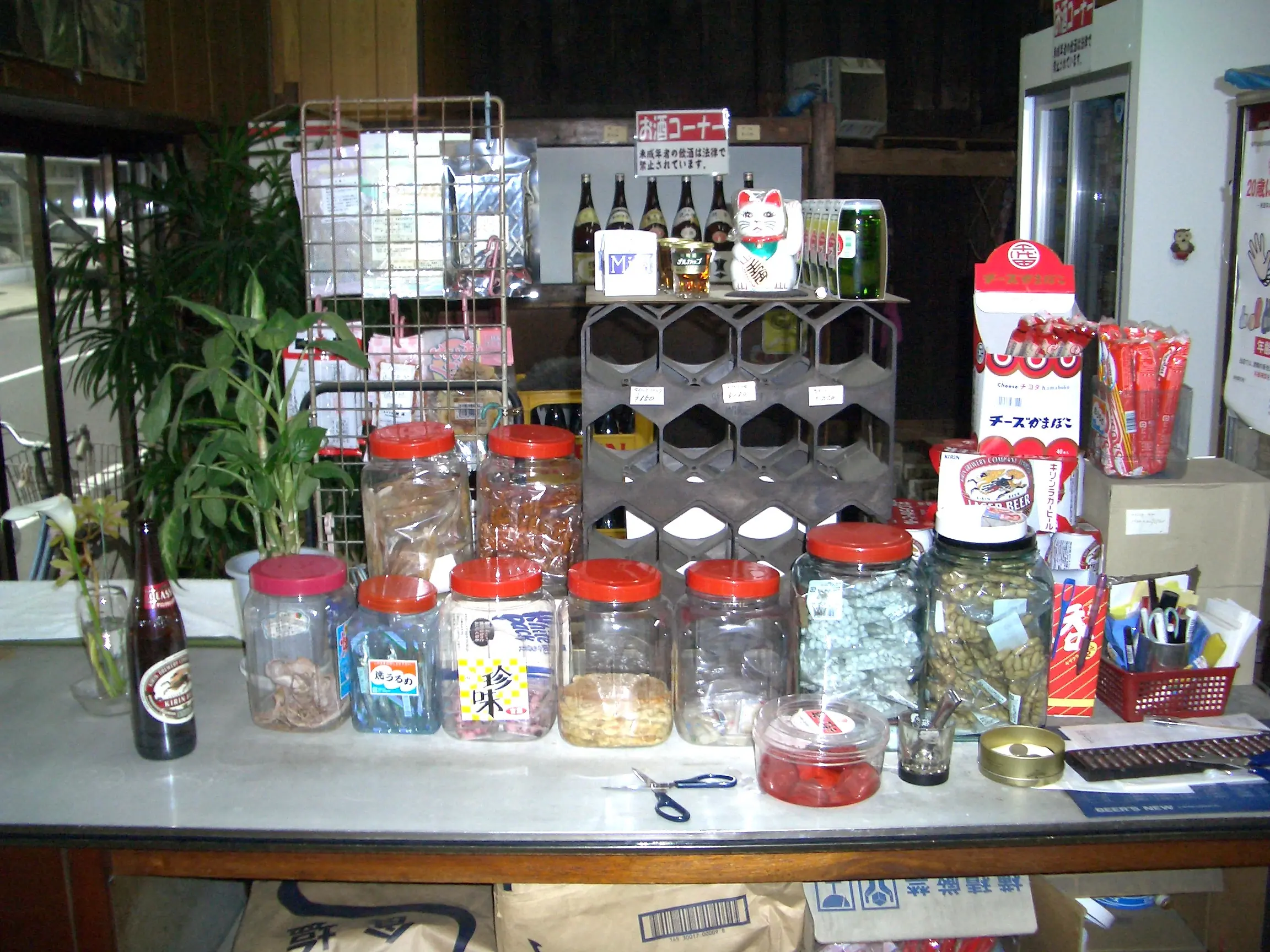
A kaku-uchi is a drinking counter inside a liquor shop. At IMADEYA GINZA SIX, you can order a glass or ask to compare two or three sakes. The counter is on the basement level, with English-language service and a menu in English. It’s standing only and accepts walk-ins, although you might wait during busy periods.
This is a short sightseeing stop rather than a seated dinner. IMADEYA also advertises separate English sake seminars; those are scheduled events, not part of the regular walk-in counter.
Guided Tastings and Social Sake Bars
Guided tastings suit visitors who want flavors explained in English and time to ask questions. Before booking, look beyond the number of listed sakes: how large are the samples, is the selection fixed or free-flow, and are snacks included? Check the session language, location, cancellation conditions and arrangements for non-drinkers. A long list of varieties doesn’t necessarily make a better introduction.
A sake-focused izakaya may offer a nomikurabe set to enjoy with dinner. Golden Gai in Shinjuku is a different kind of experience: its small bars are better known for conversation than structured sake tasting. Some have cover charges, English support varies, and it’s polite to ask before taking photographs.
How to Find a Sake You Actually Like
Start with What You Already Enjoy
If you’ve tried sake before and didn’t enjoy it, a tasting is a chance to try something different. A sparkling sake such as Mio can taste closer to fruity white wine, while other sakes are drier, richer or more savory. Your usual drink preferences are a good starting point.
Someone who likes aromatic white wine might enjoy a fragrant sake; someone who prefers crisp drinks could ask for a less-sweet finish. Describing what you normally enjoy gives the staff a useful clue, even if you can’t read the bottle labels.
A tasting lets you explore these differences without committing to a whole bottle. Ask for two contrasting pours or one recommendation based on a flavor you already know you like.
Ginjo and daiginjo are often fragrant, but the names don’t guarantee sweetness. Junmai indicates sake made without added brewer’s alcohol. These terms can help, yet even bottles with similar labels may taste quite different.
‘Not too sweet’ or ‘something that goes with fish’ is usually enough to begin. There’s no need to learn a classification chart before ordering.
Compare Aroma, Body, and Finish
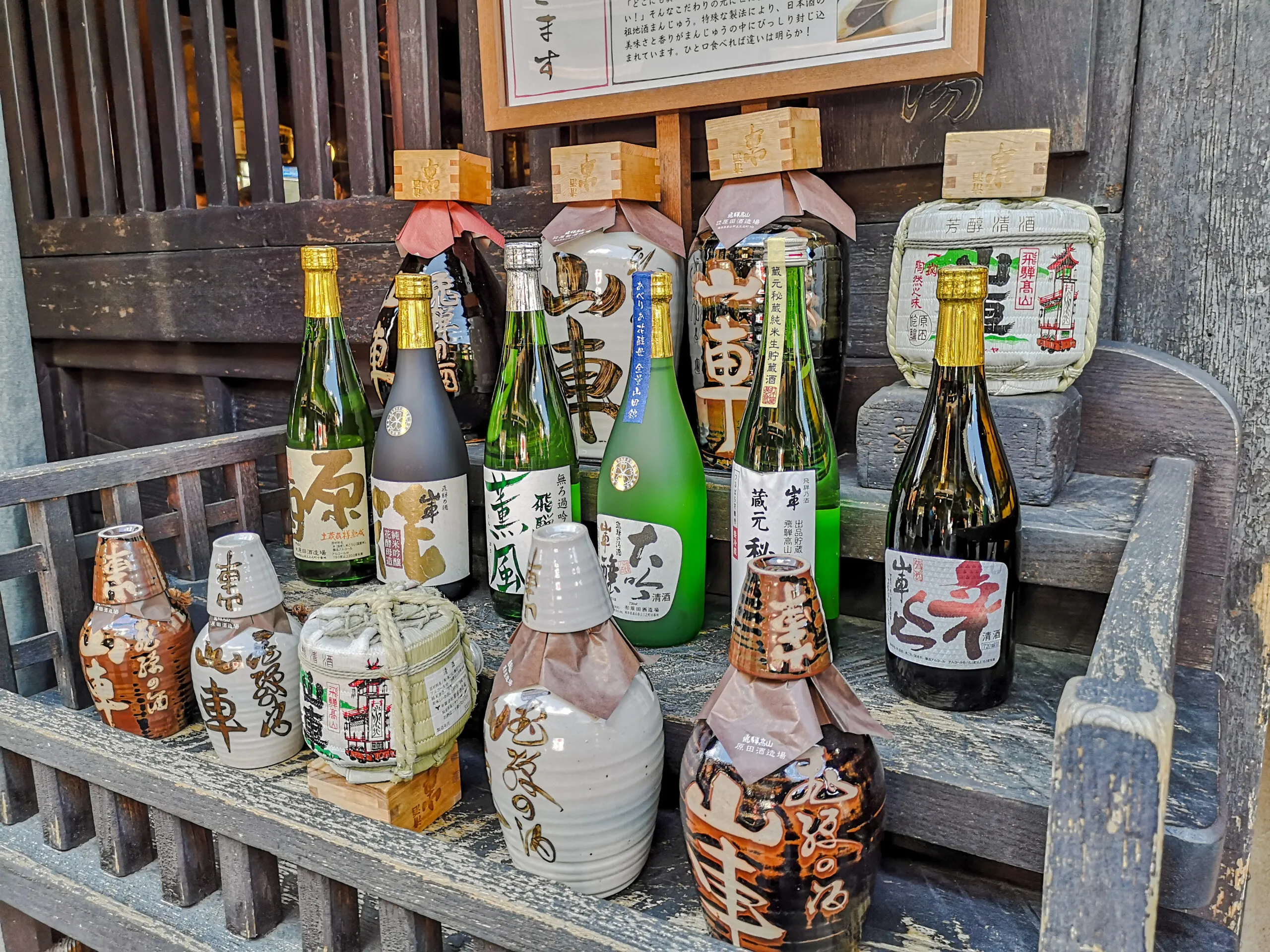
With two or three glasses in front of you, smell each before taking a sip. One might be fruity; another more savory or rice-like. Compare sweetness, acidity, texture and finish, without worrying about identifying every aroma correctly. Even noticing that one glass feels lighter or more refreshing is a useful discovery.
Temperature changes the experience, too. Sake served chilled can taste different when warmed. In autumn, look out for hiyaoroshi, a seasonal release aged through summer. Ask what the staff recommends rather than assuming one serving temperature suits every bottle.
Read more: How Japanese Sake Is Made Along With Its Unique Flavors
Why Tasting Sake with Food Changes the Experience
Sake can be easier to appreciate with food. A delicate chilled sake may complement sashimi, while something fuller might suit grilled fish or simmered dishes. These are starting points, not rigid pairing rules.
Take a sip, eat a bite, then taste the sake again. Does it seem sweeter, cleaner or fuller? The contrast can tell you more than a pairing chart. The Japan Sake and Shochu Makers Association suggests considering aroma and flavor intensity when combining sake with food.
If you’re planning dinner, choose a bar or restaurant that serves food. A small tasting counter may have little more than snacks, so a separate meal might make sense.
Before You Go: Costs, Bookings, and Practical Tips
Check the Price and What’s Included
There is no standard Tokyo tasting price. The JSS Information Center offers samples from ¥100; IMADEYA Ginza advertises scheduled English seminars at ¥6,000–¥10,000; Ishikawa Brewery lists its English-guided tour at ¥3,000 with tasting. These are specific venue examples, not prices that apply to every bar, class or brewery.
Before ordering, find out whether you pay per glass, for a flight, or for a hosted session. Extra pours and snacks may cost more. At an izakaya you may receive an otoshi, a small appetizer charged automatically as part of the table fee. Check the total price and what’s included rather than choosing by the number of tastings alone.
Check English Support and Reservations
An English menu doesn’t guarantee an English-speaking guide. If you want explanations, confirm the session language, rather than relying on an English booking page. Also check the cancellation terms, minimum age and whether anyone who doesn’t drink can join.
Hours matter as much as location. The JSS Center works on weekdays, the Ginza counter can fit into shopping or sightseeing, and an evening class needs a confirmed slot. A bar near your hotel may make more sense than crossing Tokyo for one short tasting.
You Don’t Have to Taste Everything
Small samples add up. Ten 30 ml pours total 300 ml, about 1.7 go (one go is 180 ml). Larger tasting glasses increase the amount quickly, especially at free-flow sessions. A set of two or three small samples may be enough to compare flavors; that isn’t a universally safe drinking limit. Ask about pour sizes before booking.
Japan’s legal drinking age is 20, including for visitors. Drink water between pours, eat and take breaks, but don’t assume these make heavy drinking safe. It’s fine to leave a glass unfinished or skip alcohol entirely. Check whether non-drinking companions have an alternative, and never drive after drinking.
What About a Tokyo Brewery Visit?
A brewery visit adds the place and process behind the drink. Most practical excursions are in western Tokyo and take more planning than a city tasting, so allow time for transport as well as the tour.
Ozawa Shuzo, maker of Sawanoi in Ome, is one option. Its tasting garden near Mitake Gorge serves samples of several sakes, with cups listed around ¥300–¥600. A roughly 40-minute brewery tour costs ¥700 and is conducted in Japanese, with an English brochure. You can combine the visit with a riverside walk. Check its tour reservations and tasting-counter hours before making the trip.
Sawanoi Brewery Tour and Tasting
Ishikawa Brewery in Fussa offers a separate English-guided tour lasting about 90 minutes, listed at ¥3,000 with tasting. Reserve at least five days ahead and allow several days for an email reply. The regular Japanese-language tours are different, so confirm what is available. If your trip is short, a city tasting may be the easier option.
Take Your Taste for Sake Further
A worthwhile tasting doesn’t have to end with a favorite bottle. You might discover that sparkling sake suits you, that a crisp sake goes well with sashimi, or simply that you prefer a relaxed bar to a formal class. You’ll know a little more about what to order next time.
If you’d like to fit sake, food and perhaps a western Tokyo brewery day into a wider itinerary, ENJYU JAPAN can help plan a Tailor-Made Tour around your interests and available time. Individual tasting sessions and brewery tours would still need to be confirmed.