Hokkaido has plenty to offer throughout the year, from fresh seafood and flower fields to autumn foliage, winter festivals and outdoor activities. The experience changes considerably depending on when you visit, so choosing the right season matters.
It is also worth remembering that Hokkaido is much larger than many first-time visitors expect. Sapporo, Furano, Shiretoko and Abashiri are in very different parts of the island, and trying to fit all of them into one short trip can mean spending too much time in transit.
This seasonal guide will help you decide what to prioritize during your 2027 Hokkaido trip.
Read more: Best Time to Visit Hokkaido
Things to Do in Hokkaido in Spring
Cherry Blossoms
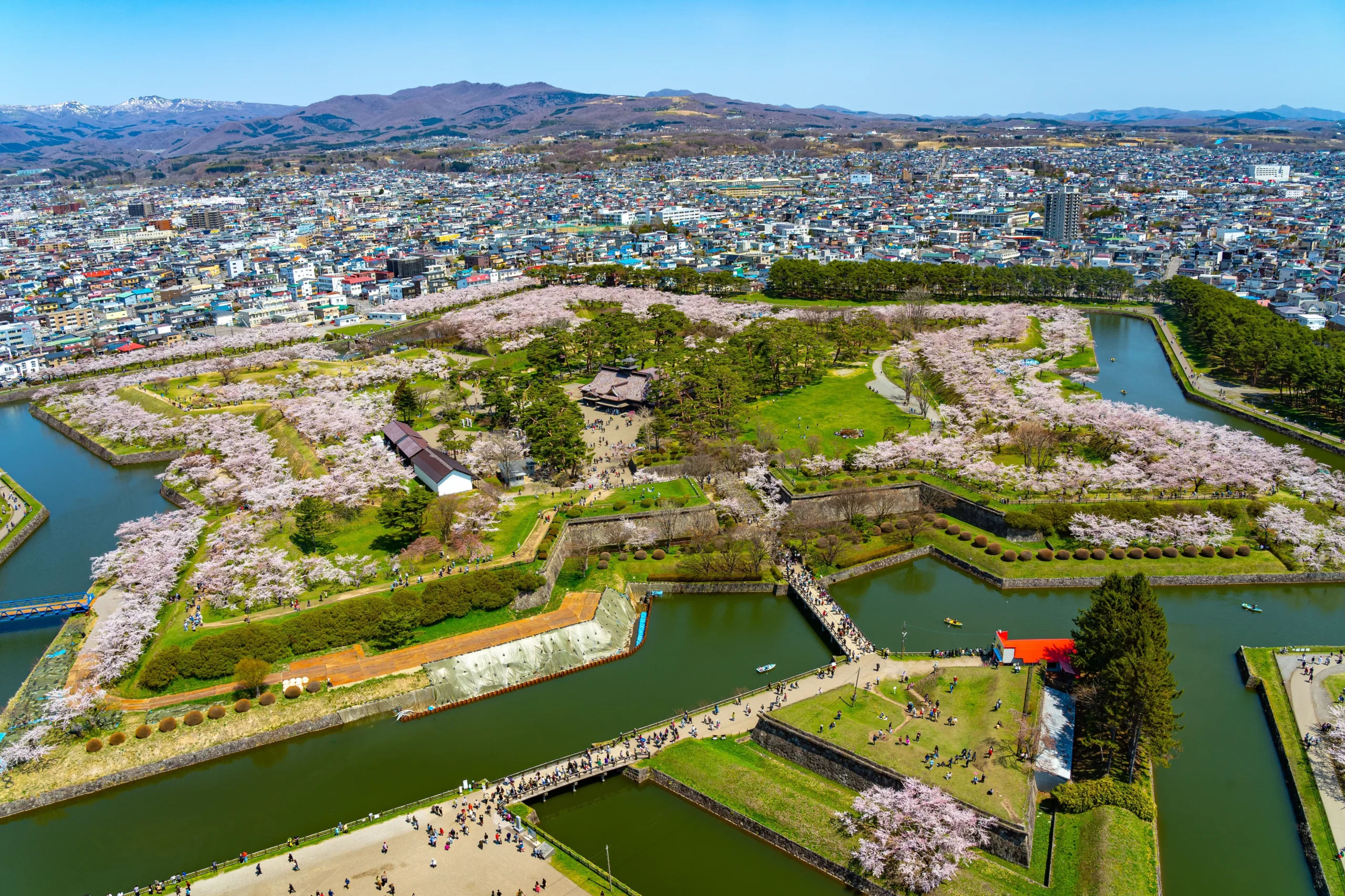
When it comes to springtime, cherry blossoms are everywhere. In Sapporo, Maruyama Park and Hokkaido Jingu are popular spots, while Goryokaku Park is one of the best-known choices in Hakodate.
Hokkaido has varieties such as Ezoyama-zakura, with deep pink flowers, and the low-growing Chishima-zakura, whose blossoms can sometimes be enjoyed closer to eye level.
Spring arrives later in Hokkaido than in most of Honshu, with cherry blossoms generally appearing from late April into early May. Blooming times vary considerably between southern and northern Hokkaido, so check the latest forecast shortly before your trip rather than assuming the whole island will bloom at the same time.
Jozankei Onsen Stream Carp Streamers
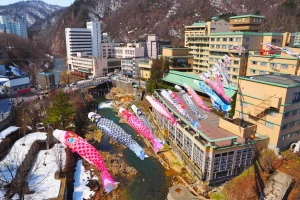
Another spring event is Jozankei Onsen’s stream carp streamer display. Carp-shaped streamers are traditionally flown around Children’s Day in May with wishes for children’s health and growth.
In Jozankei, around 400 colorful carp streamers are displayed from early April to early May in 2027. The mountain and onsen-town setting makes this an easy seasonal addition for travelers already spending time around Sapporo.
Higashimokoto Shibazakura Park
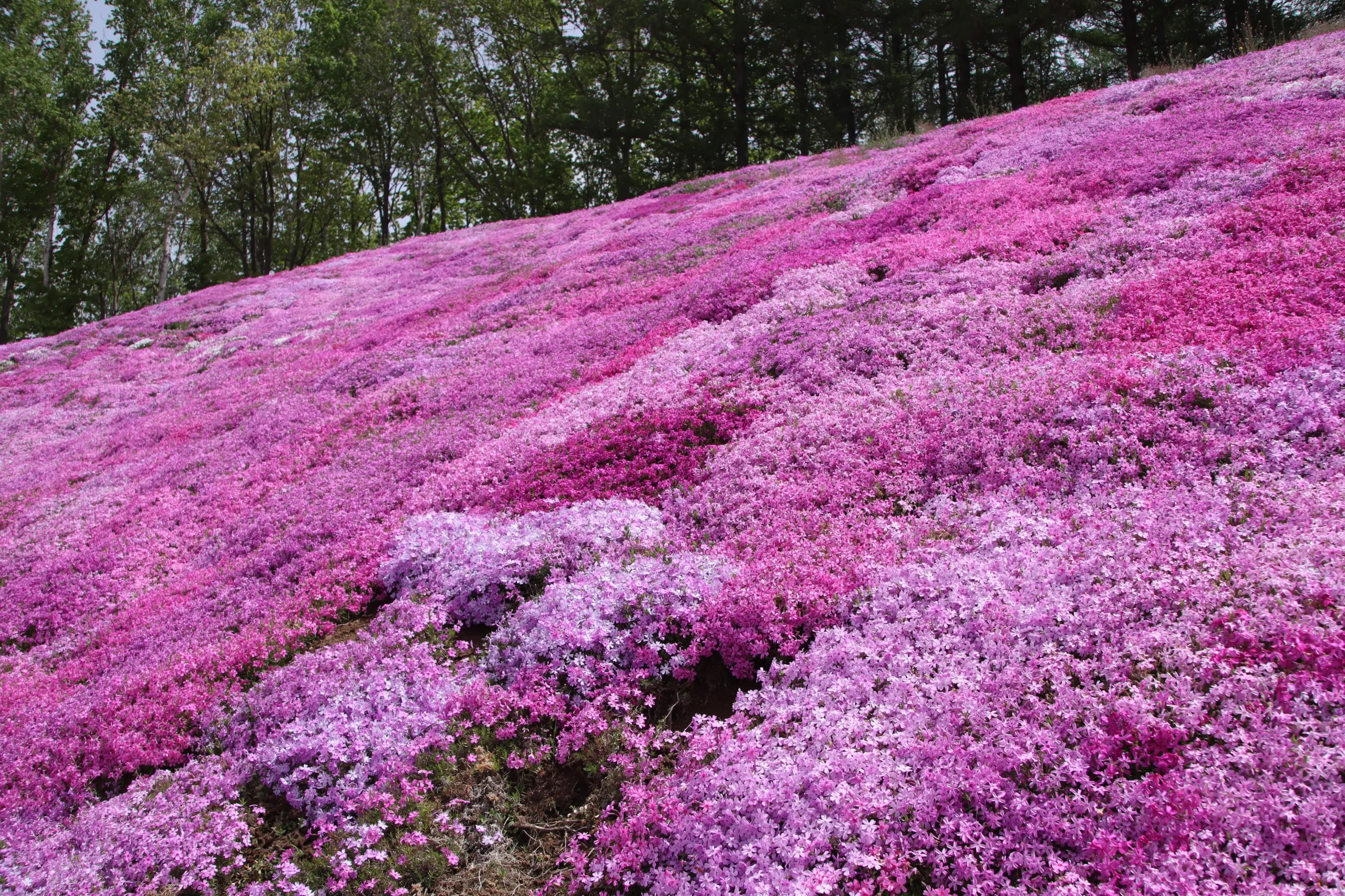
Cherry blossoms are not the only reason to visit Hokkaido in spring. Higashimokoto Shibazakura Park in eastern Hokkaido covers roughly ten hectares of hillside with pink moss phlox, generally from early May into early June.
The exact flowering conditions change with the weather, so check the park’s current bloom information if the flowers are the main reason for your visit.
Public transportation to the park is limited. Travelers coming from Abashiri can take a bus as far as Higashimokoto and continue by taxi, while a seasonal shuttle may operate during the flowering period. Check the current access arrangements before traveling without a car.
Must-Try Food During Spring in Hokkaido
One of the highlights of spring in Hokkaido is hair crab. Its meat is sweet and tender, while the rich crab tomalley, often called kani-miso, is particularly prized.
Spring is a popular season for enjoying Hokkaido hair crab, especially in eastern and northern parts of the island after the Okhotsk drift-ice season begins to end.
Things to Do in Hokkaido in Summer
Lavender Fields in Furano
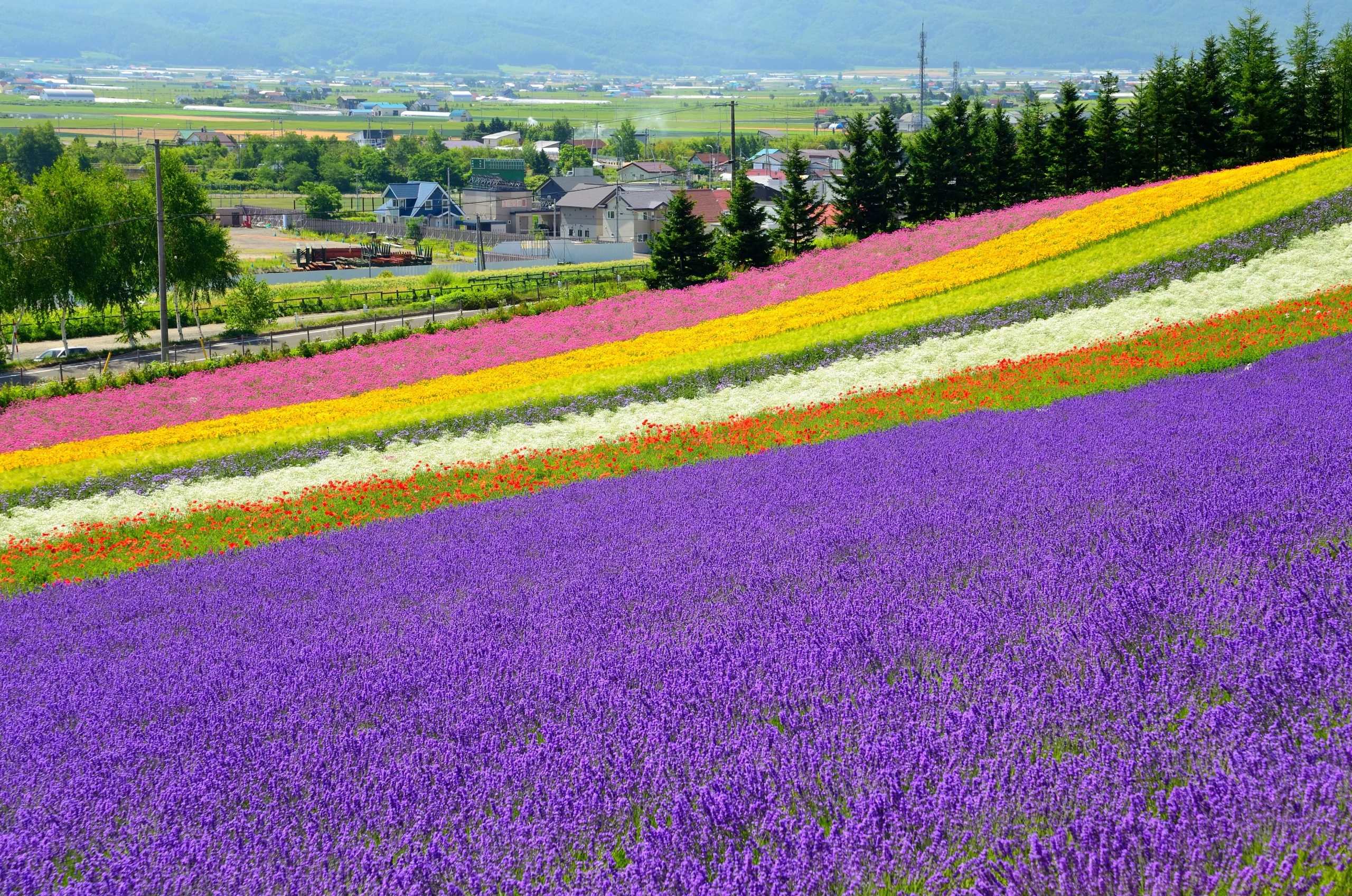
Hokkaido is famous for flower fields, and lavender is one of the best-known summer sights. Furano has large lavender fields, with Farm Tomita being the most famous place to see them.
Besides walking through the fields, visitors can buy lavender products such as soap and essential oils. Summer is busy, particularly around the main flowering period, so arriving earlier in the day can make the experience more comfortable.
If you are already visiting Furano, consider continuing into neighboring Biei rather than treating the lavender fields as your only stop. Shirogane Blue Pond is one of the area’s best-known landscapes. The color of the water changes with the light, weather and season, so it will not look exactly the same on every visit.
Shiretoko National Park
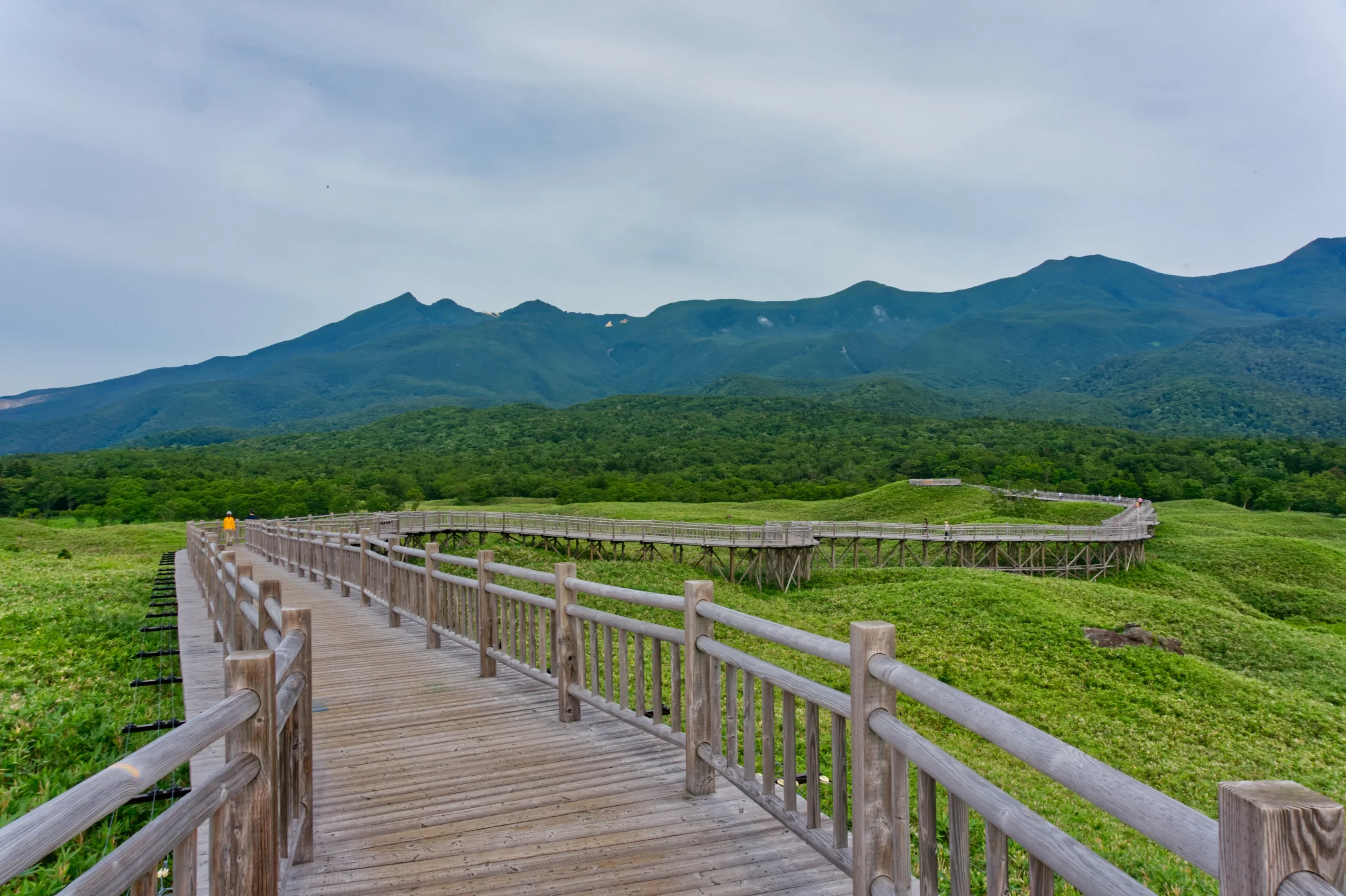
For travelers who want to see a wilder side of Hokkaido, Shiretoko offers a very different summer experience from Furano and Sapporo.
The Shiretoko Five Lakes area has an elevated boardwalk as well as longer ground-level walking routes through the forest and lake landscape. Access to the ground trails changes according to the season and brown-bear management rules.
Shiretoko is in far eastern Hokkaido, so it should be treated as a separate part of the trip rather than a day trip from Sapporo. It suits travelers willing to give eastern Hokkaido several days and make nature a priority.
YOSAKOI Soran Festival
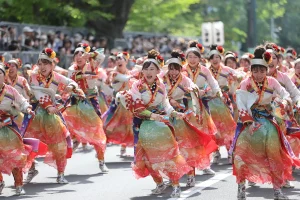
One of Hokkaido’s most popular festivals, the YOSAKOI Soran Festival, will take place from June 9 to 13, 2027.
Yosakoi is a Japanese dance style that began in Kochi, while Hokkaido’s version combines naruko clappers with the local folk song Soran Bushi. Performances take place around Sapporo, with Odori Park being one of the main areas to watch the larger teams and stage performances.
Visitors do not always have to remain spectators. Some festival areas include opportunities for members of the public to join simpler dances.
Must-Try Food During Summer in Hokkaido
Sea urchin is one of Hokkaido’s best-known summer seafoods, and Rishiri Island is particularly associated with it. The surrounding waters are also known for Rishiri kombu, a premium kelp widely used in Japanese cuisine.
The main sea urchin fishing period around Rishiri falls in summer, making this a good season for travelers who want to try it locally.
Read more: Hokkaido in Summer
Things to Do in Hokkaido in Autumn
Asahidake
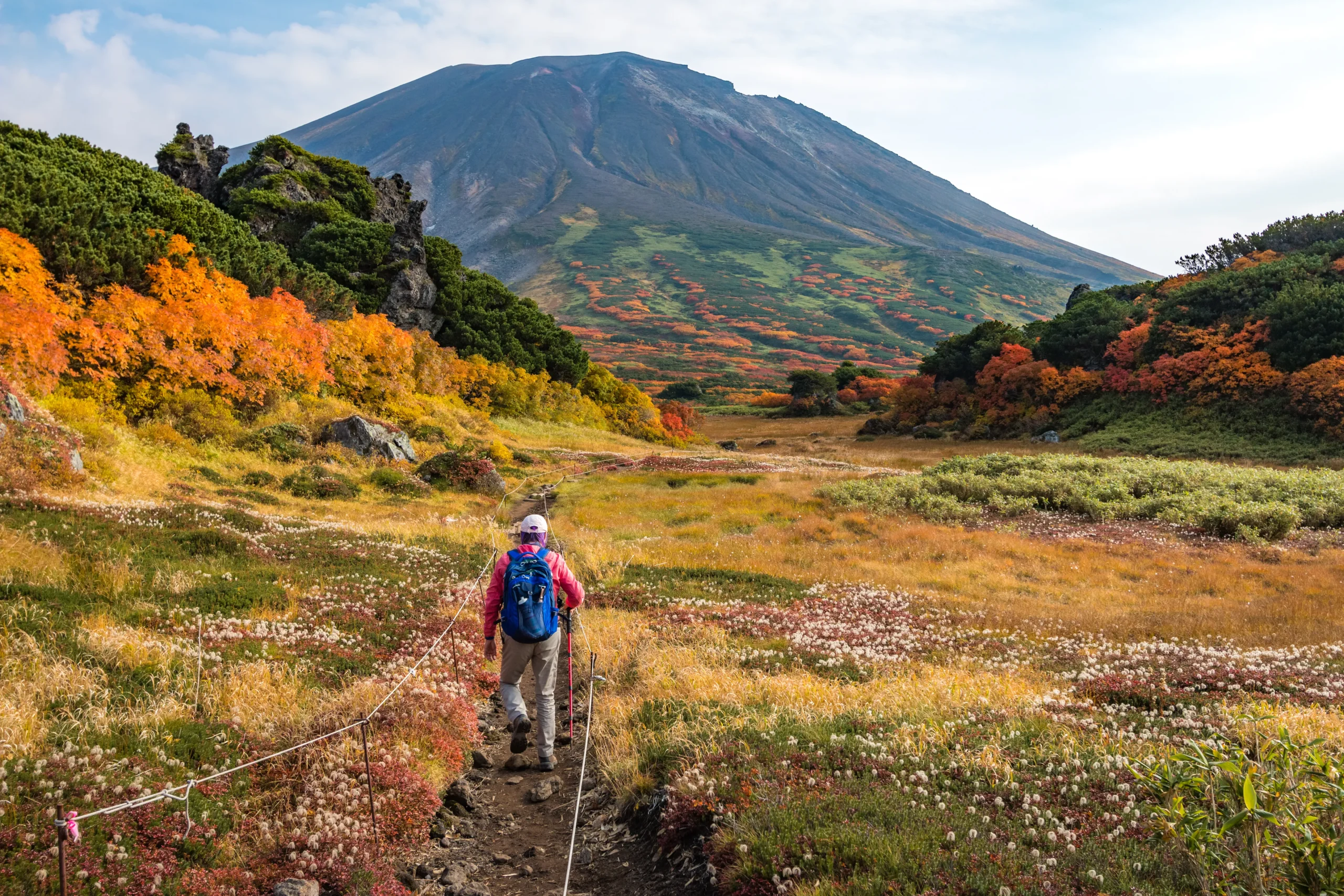
Autumn color reaches Hokkaido earlier than most of Japan.
At Asahidake in Daisetsuzan, colors can begin appearing from late August at higher elevations, with September being an important viewing period. Broadleaf trees, conifers and alpine vegetation give the landscape a different look from autumn foliage in Tokyo or Kyoto.
This early timing is particularly useful for travelers visiting Japan in September, when many places farther south are still weeks away from their main autumn-color season.
Noboribetsu Onsen and Jigokudani
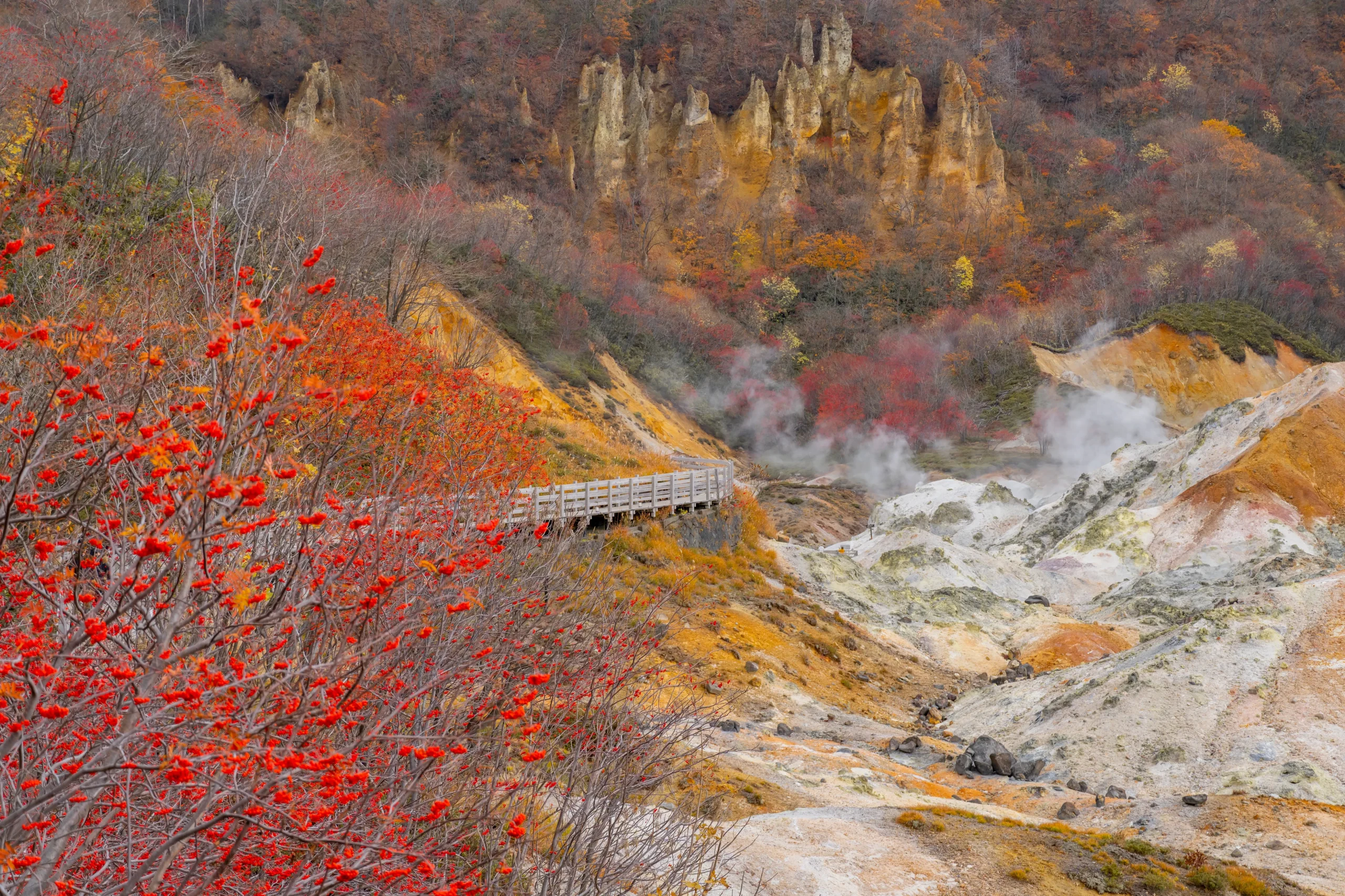
Noboribetsu gives autumn visitors a different way to enjoy Hokkaido’s landscape.
Jigokudani, or “Hell Valley,” is a geothermal area of steaming vents, mineral-rich water and exposed volcanic terrain next to Noboribetsu Onsen. Walking paths allow visitors to explore the valley before returning to the onsen town.
Noboribetsu is worth visiting throughout the year, but autumn works particularly well because the geothermal scenery can be combined with changing leaves. Travelers who want more than a quick walk through Jigokudani may find an overnight stay more satisfying, since the onsen itself is a major part of the experience.
Sapporo Autumn Fest
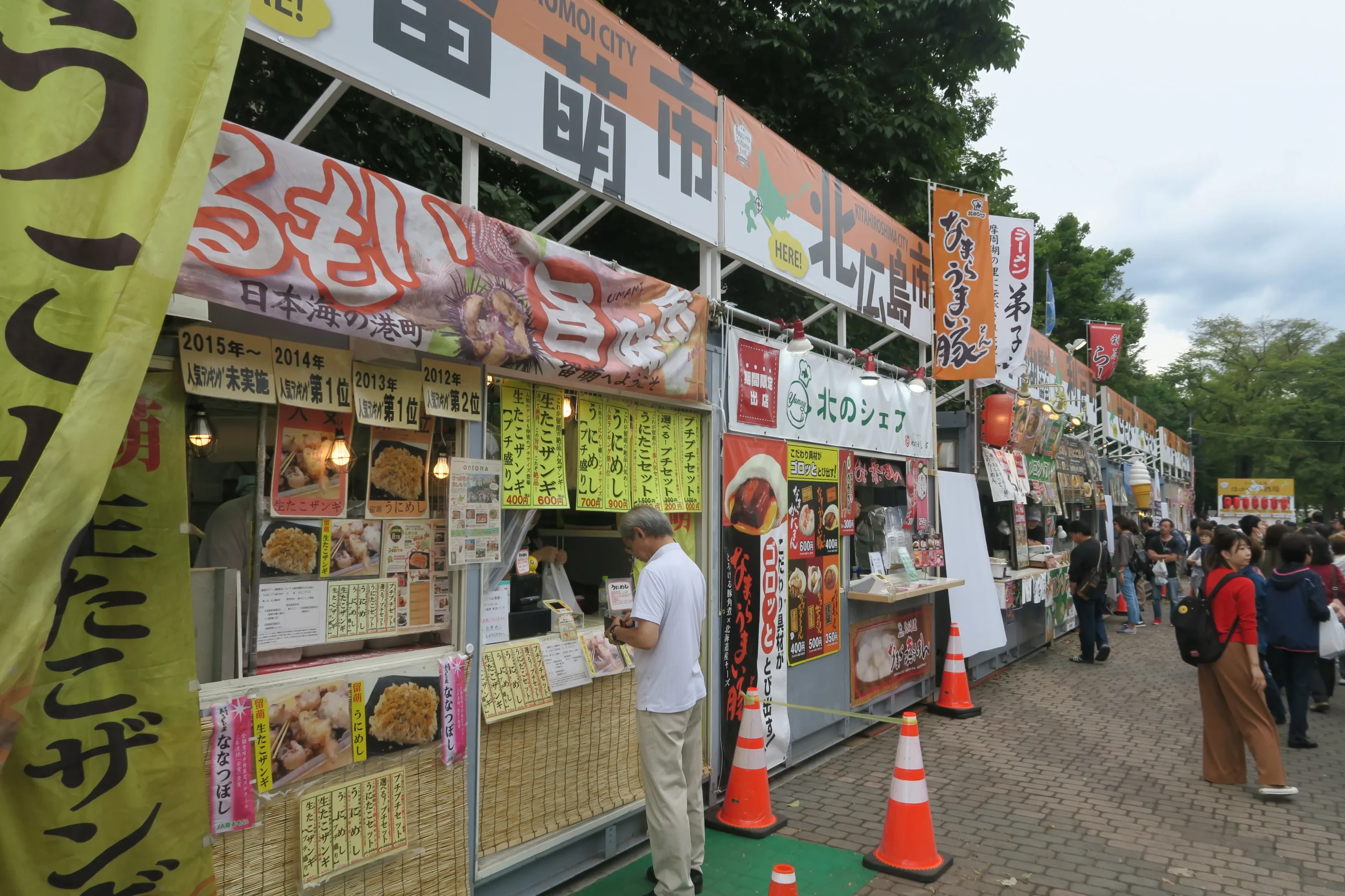
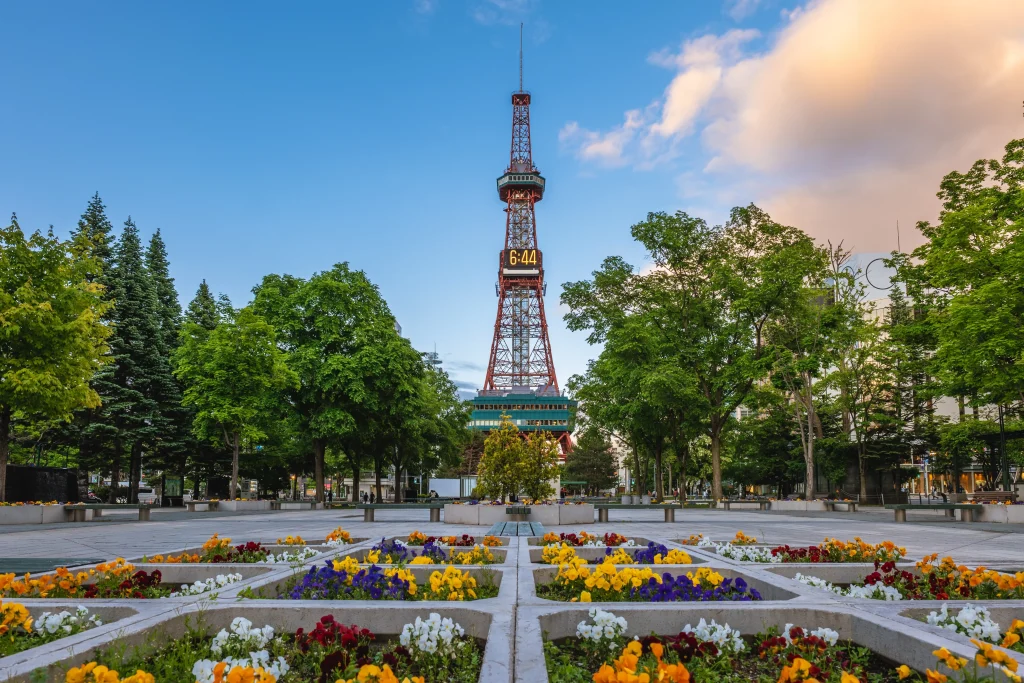
Autumn is harvest season in Japan, and the Sapporo Autumn Fest brings food from different parts of Hokkaido together in Odori Park.
The event normally runs for several weeks from around mid-September. Food stalls and restaurants serve regional specialties including ramen, Genghis Khan barbecue and seafood.
Exact 2027 dates have not yet been announced, so check the official schedule if you are planning your trip specifically around the festival. Weekdays or earlier hours may also be more comfortable than peak weekend periods.
Must-Try Autumn Food: Sanma in Nemuro
Another seasonal event is the Nemuro Sanma Festival in far eastern Hokkaido.
Nemuro is one of Japan’s best-known ports for sanma, or Pacific saury, and the festival celebrates the autumn catch with freshly grilled fish and other seafood.
Recent editions have been held in late September, but the exact 2027 schedule and distribution system have not yet been confirmed. Avoid planning around older descriptions of the event as an unlimited all-you-can-eat system, since the format can change.
Nemuro is also a long way from Sapporo, so this festival makes the most sense as part of an eastern Hokkaido itinerary.
Things to Do in Hokkaido in Winter
Winter is one of Hokkaido’s most distinctive seasons. Snow festivals remain a major attraction, but skiing, drift ice and experiences built around the cold give travelers several very different ways to enjoy it.
Sapporo Snow Festival and Other Winter Festivals
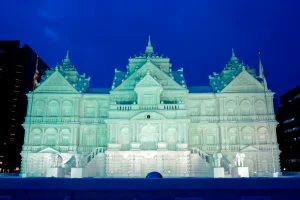
The Sapporo Snow Festival will run from February 4 to 11, 2027. Large snow and ice sculptures appear across several festival sites, with Odori Park being the main area for first-time visitors.
Other winter festivals can be combined with a Hokkaido trip too. The Sounkyo Onsen Ice Waterfall Festival normally runs from late January into early March, while Asahikawa holds another major winter festival in early February. Confirm their 2027 dates before planning your itinerary around them.
If you are in Sapporo during the Snow Festival, Otaru is worth considering too. The Otaru Snow Light Path is scheduled for February 6 to 13, 2027, so the two events overlap from February 6 to 11. Otaru’s candle-lit winter displays offer a quieter contrast to Sapporo’s much larger snow sculptures.
During midwinter, daytime temperatures in many parts of Hokkaido can remain below freezing. Warm layers and footwear with reliable grip matter more than simply wearing one heavy coat.
Skiing and Snowboarding in Hokkaido
Skiing and snowboarding are major reasons people travel to Hokkaido in winter, but there is no single resort that suits every itinerary.
Some travelers build the whole trip around a ski area, while others add one or two days on the slopes to a wider Hokkaido trip. Resorts around Niseko, Rusutsu, Furano and elsewhere differ in access, atmosphere and the amount of time needed to make the journey worthwhile.
If skiing is only one part of your trip, choose the resort according to the rest of your route rather than simply picking the most famous name.
Read more: Hokkaido Ski Resorts
Rikubetsu Shibare Festival
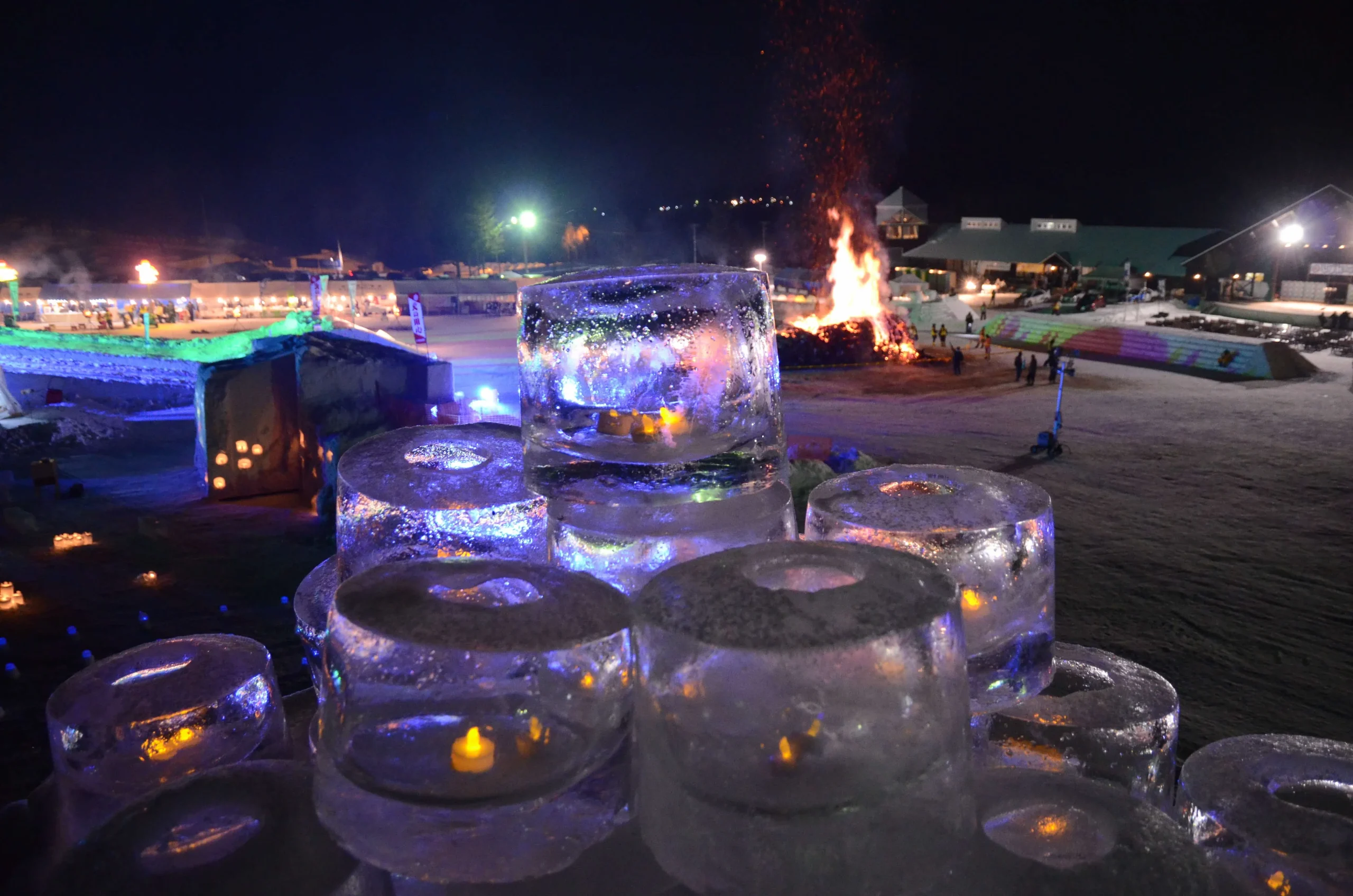
Another unusual winter experience is the Shibare Festival, held in early February in Rikubetsu, a town known for its severe winter cold.
“Shibare” is a Hokkaido dialect word referring to intense cold. One of the best-known parts of the event is the Human Cold Endurance Test, in which registered participants spend the night in simple outdoor shelters.
This is not an activity visitors should expect to join after arriving at the festival. The endurance test requires advance registration, and participants need to prepare their own serious cold-weather equipment. Check the official 2027 registration information when it becomes available.
Drift Ice in Abashiri
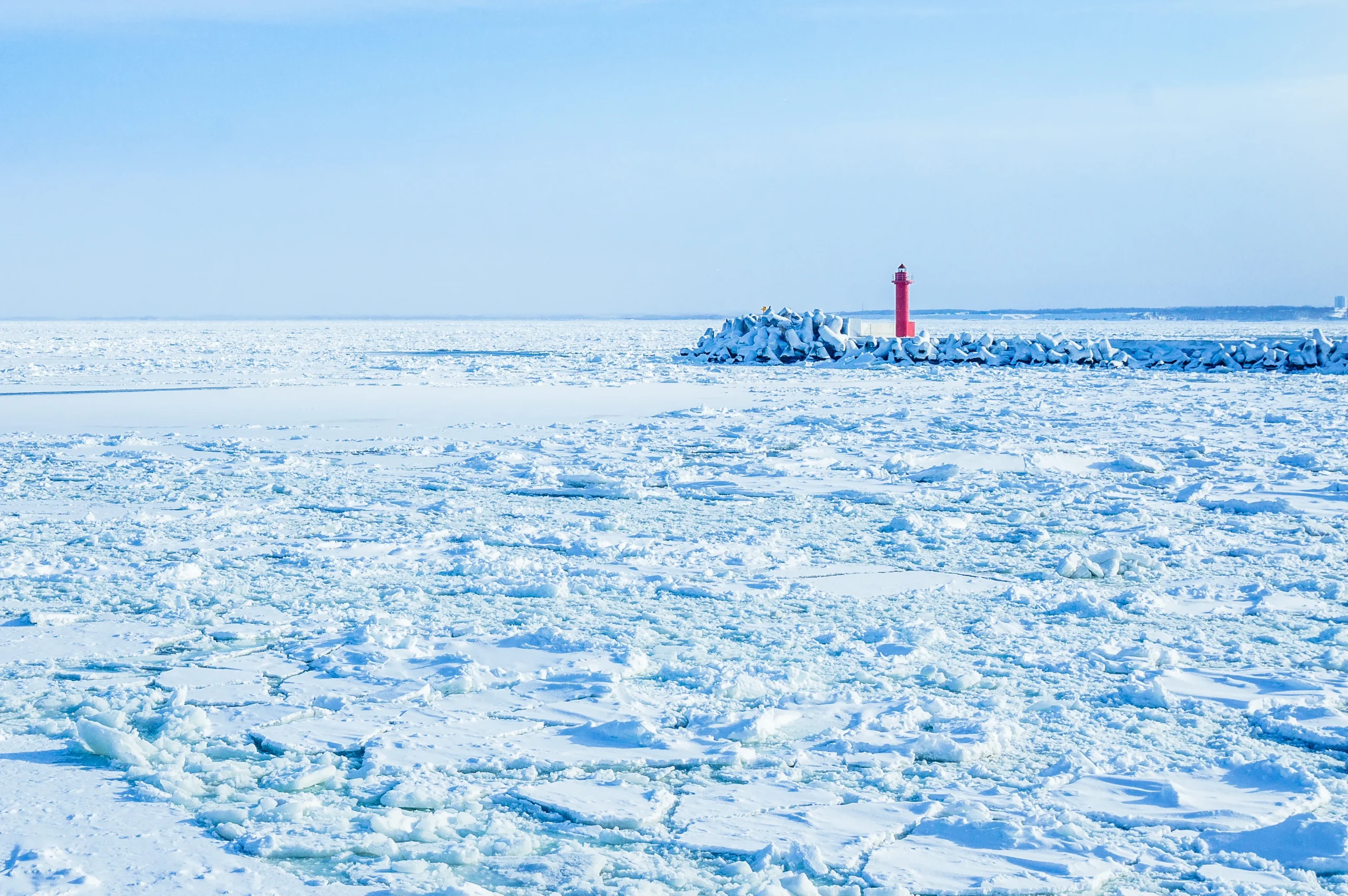
Along the Okhotsk coast, winter brings another Hokkaido experience that feels completely different from Sapporo’s snow festivals.
Drift ice normally begins reaching the Abashiri area during winter, and sightseeing boats such as the Aurora operate during the drift-ice season.
However, drift ice is a natural phenomenon and cannot be guaranteed on a particular day. When there is insufficient ice, the larger Aurora vessel may operate a normal coastal cruise instead.
If seeing drift ice is one of the main reasons for your trip, build some flexibility into your eastern Hokkaido itinerary and check the latest ice conditions and 2027 operating information before traveling.
Must-Try Food During Winter in Hokkaido
Another enjoyable winter experience is ramen.
Different parts of Hokkaido are known for different styles: Sapporo for rich miso ramen, Asahikawa for soy sauce-based ramen, and Hakodate for lighter salt ramen.
Trying these regional styles as you travel is a simple way to connect Hokkaido’s food culture with the different places on your itinerary, and a hot bowl of ramen is especially welcome after a winter day outdoors.
Read more: Hokkaido in Winter
Summary
Hokkaido offers worthwhile experiences in every season, but the best trip depends heavily on when you visit and how much of the island you realistically have time to cover.
Spring brings late cherry blossoms, Jozankei’s carp streamers and the pink hillsides of Higashimokoto. Summer is the season for Furano and Biei, Shiretoko’s wilderness and the YOSAKOI Soran Festival. Autumn arrives early around Daisetsuzan and combines well with Noboribetsu’s volcanic landscape, Sapporo’s food events and seasonal seafood in eastern Hokkaido.
Winter has perhaps the widest range of distinctly northern experiences: the Sapporo Snow Festival, skiing and snowboarding, the severe cold of Rikubetsu, and drift ice along the Okhotsk coast.
You do not need to fit all of these into one trip. Hokkaido is usually easier to enjoy when you choose the season and regions that matter most to you rather than trying to cross the whole island.
If you know what you want to experience but are unsure how to combine Hokkaido’s different regions, ENJYU can help build a route around your season, interests and available time.