The hard part of planning a first trip to Japan is not finding places to visit. It is deciding what to leave out.
For most first-time visitors, Tokyo and Kyoto are the strongest starting points. Add Osaka if food, nightlife, or its more casual city atmosphere appeals to you. If you have 10 days or more, you can start thinking about places such as Nara, Hakone, the Fuji Five Lakes, Himeji, or Hiroshima.
You do not need to see all of them.
A good first trip usually works better with a few well-chosen bases and one or two side trips than with a new hotel every night.
Where to Go on Your First Japan Trip
This is a useful starting point rather than a fixed itinerary.
| Trip length | A realistic starting point | What to be careful about |
|---|---|---|
| 5 days | Tokyo, or Tokyo + Kyoto | Adding several cities will make the trip very rushed |
| 7 days | Tokyo + Kyoto, with one optional side trip or Osaka visit | Do not automatically add Hakone, Nara, Osaka and Himeji |
| 10 days | Tokyo + Kyoto + Osaka, plus one meaningful extension | Choose your extra destination based on what you actually want to experience |
| 14 days | Golden Route + one or two longer extensions | This is where Hiroshima, Miyajima or a regional route becomes easier to justify |
Start With Fewer Bases
Japan’s trains are fast, but train time is not the same as travel time.
Tokyo and Kyoto are connected by Shinkansen in about two hours and ten minutes. On paper, that makes changing cities look almost effortless.
In practice, a moving day also means packing, checking out, getting to the station, dealing with luggage, finding the right train, reaching your next neighborhood and checking into another hotel.
That is why adding one more city can take more out of the trip than expected.
For a seven-day visit, Tokyo and Kyoto already give you two very different sides of Japan. With 10 days, Osaka and an extra destination become easier to fit without constantly watching the clock.
Read more: Japan’s Golden Route
Tokyo: Give Yourself Time to Explore Different Neighborhoods
Tokyo is the easiest city to underestimate. A map can make its attractions look close together, but each area has enough going on to fill several hours.
For a first trip, three or four nights is a useful starting point. Stay longer if food, shopping, contemporary culture, museums or city life are a major part of why you are coming to Japan.
Senso-ji and Asakusa
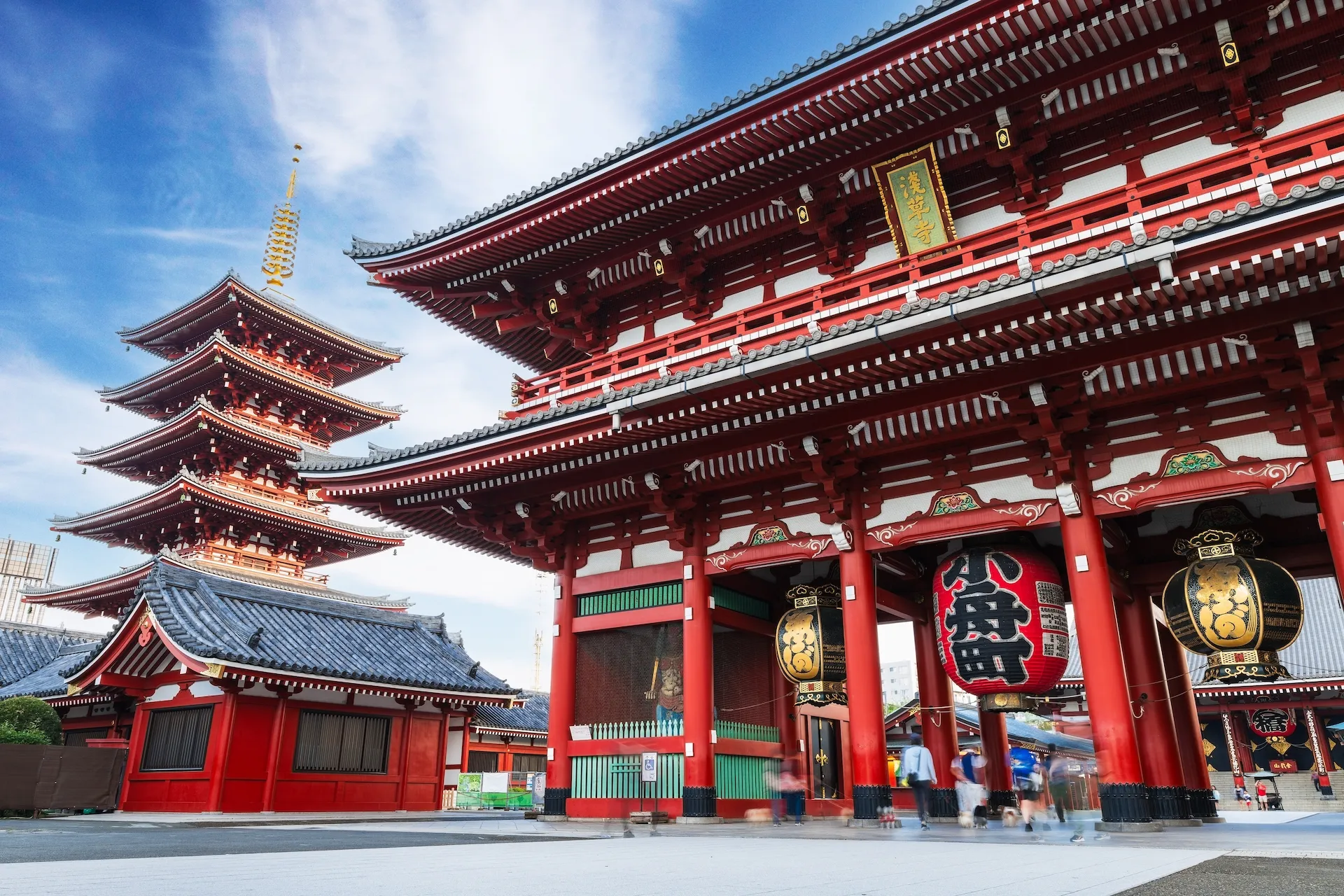
Senso-ji is an easy place to begin.
The temple and the streets around Asakusa introduce an older side of Tokyo without requiring a complicated journey across the city. Nakamise shopping street is usually busy during the day, so visiting earlier gives you more room to look around before moving on to another neighborhood.
It also pairs well with a completely different part of Tokyo later in the day.
Shibuya and Shinjuku
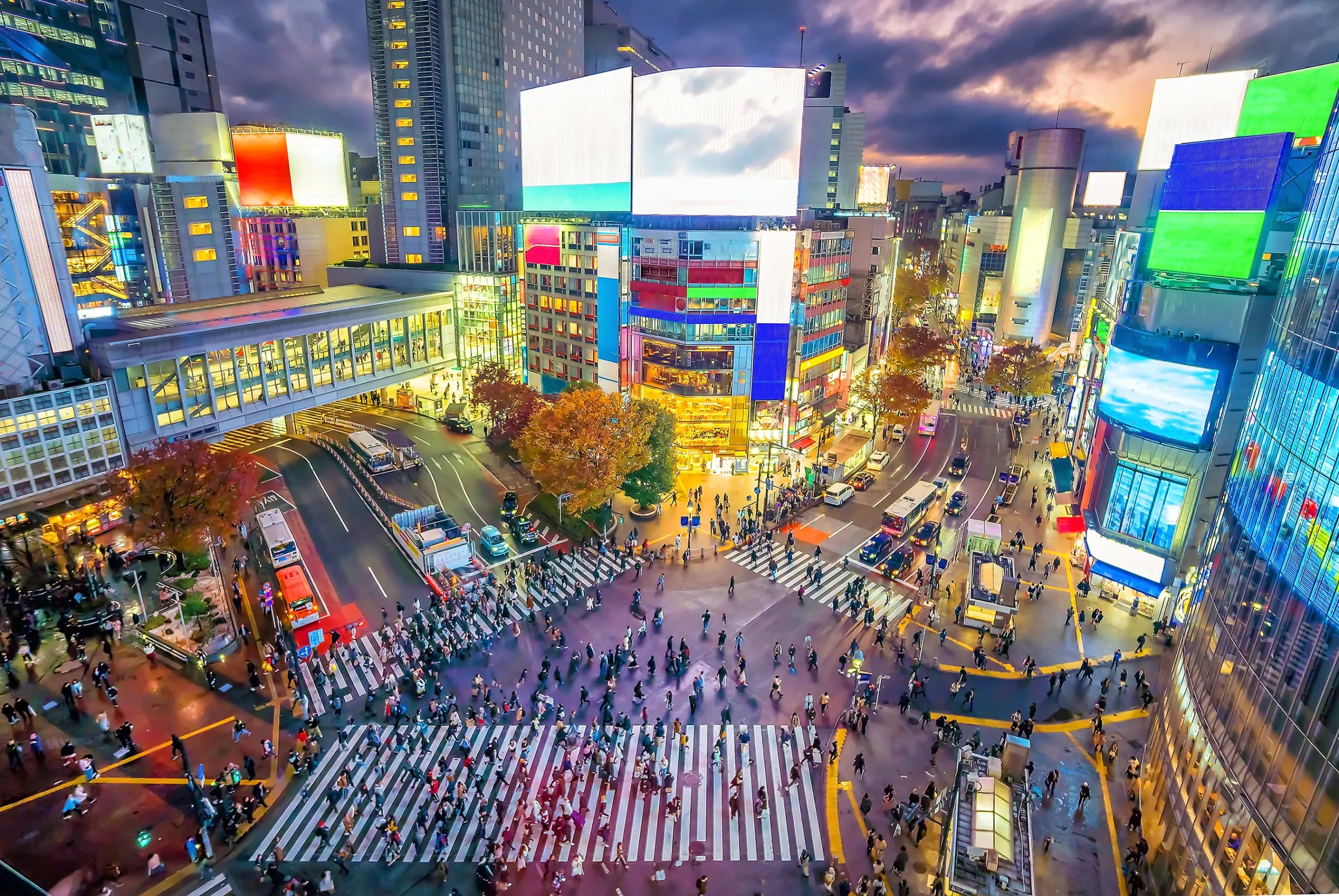
Shibuya and Shinjuku are the obvious choices if you want the large-scale Tokyo experience: busy stations, department stores, observation decks, restaurants and streets that stay active well into the evening.
You do not need to cover every famous district. It is often more enjoyable to spend an evening around one area rather than crossing the city several times to tick off landmarks.
teamLab Planets or Borderless?
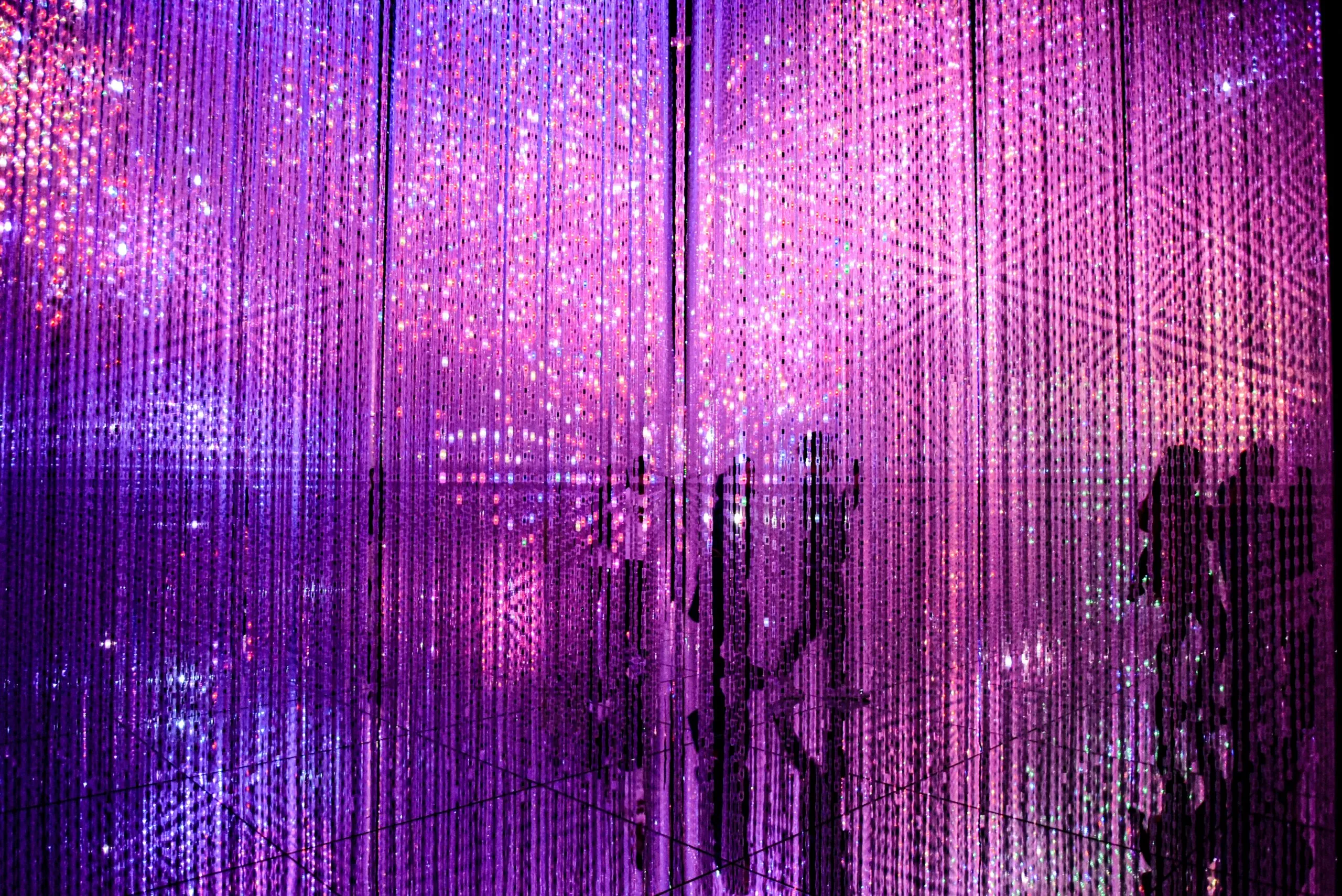
There are currently two major teamLab museums in Tokyo, and the difference matters when deciding which one to book.
teamLab Planets is in Toyosu. Some installations involve walking through water, and the experience follows a more defined route.
teamLab Borderless is in Azabudai Hills. It is designed around wandering between connected digital artworks, without a conventional museum map.
Both use timed admission, so if teamLab is important to you, it is worth choosing your venue and booking before the trip rather than leaving the decision until that morning.
Kyoto: Leave More Time Than You Think You Need
If temples, historic streets, gardens and traditional culture are among the main reasons you are visiting Japan, Kyoto deserves a large share of the trip.
Three nights is a reasonable starting point, but Kyoto is one of the easiest places to give an extra day to.
Kiyomizu-dera and Higashiyama
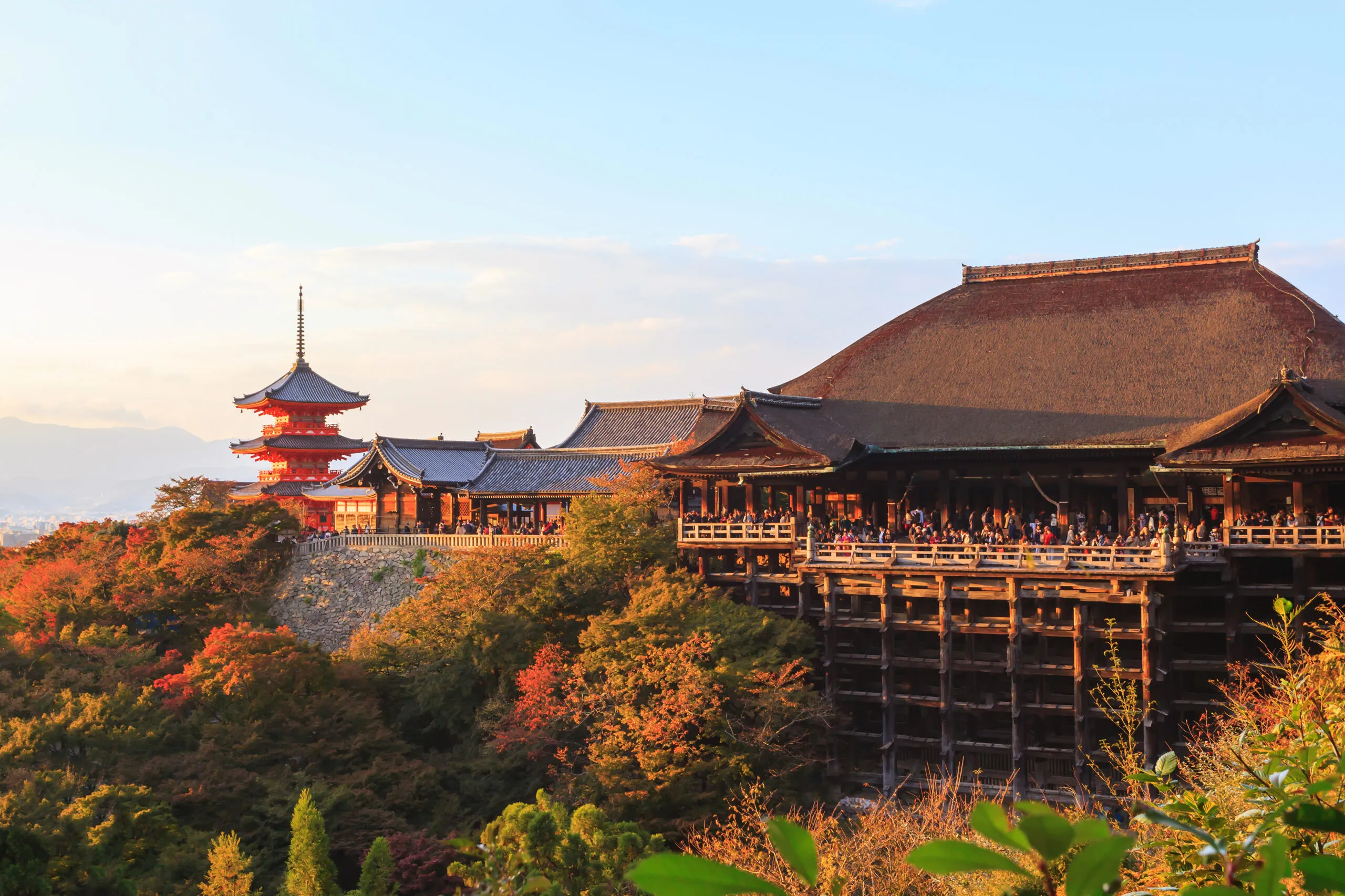
The hillside around Kiyomizu-dera is one of Kyoto’s most recognizable areas.
The temple itself is only part of the visit. The surrounding streets, slopes and smaller temples make it an area where walking slowly is more rewarding than arriving only for a photograph and leaving again.
It is also extremely popular. Starting earlier in the day can make the narrow streets easier to enjoy.
Fushimi Inari
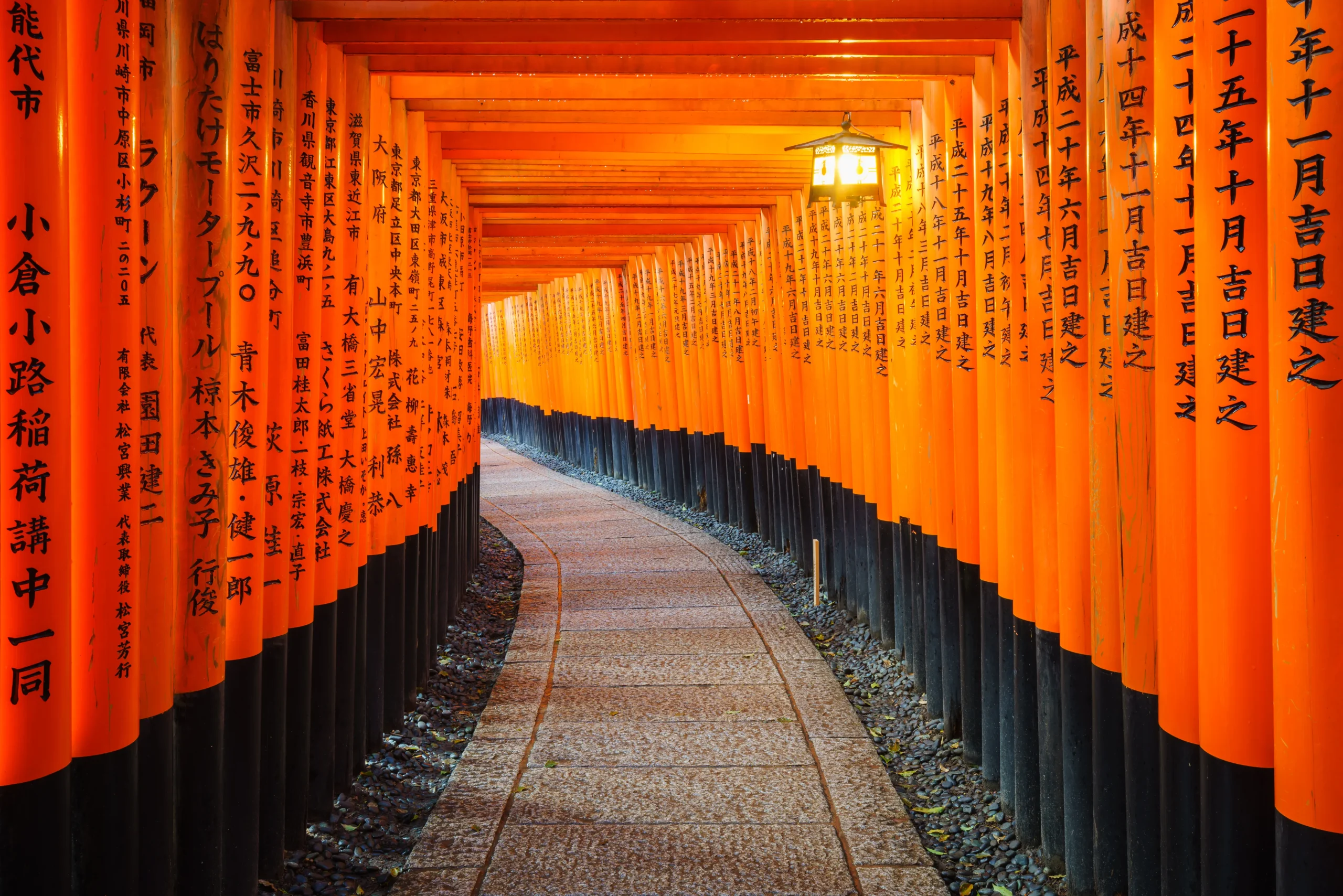
Fushimi Inari‘s rows of red torii gates continue much farther up the mountain than many visitors expect.
You do not need to complete the entire route, but walking beyond the busiest lower section gives you a better sense of the scale of the shrine.
Because it is not restricted to normal museum opening hours, it is also easier to fit around other sightseeing than many Kyoto attractions.
Arashiyama
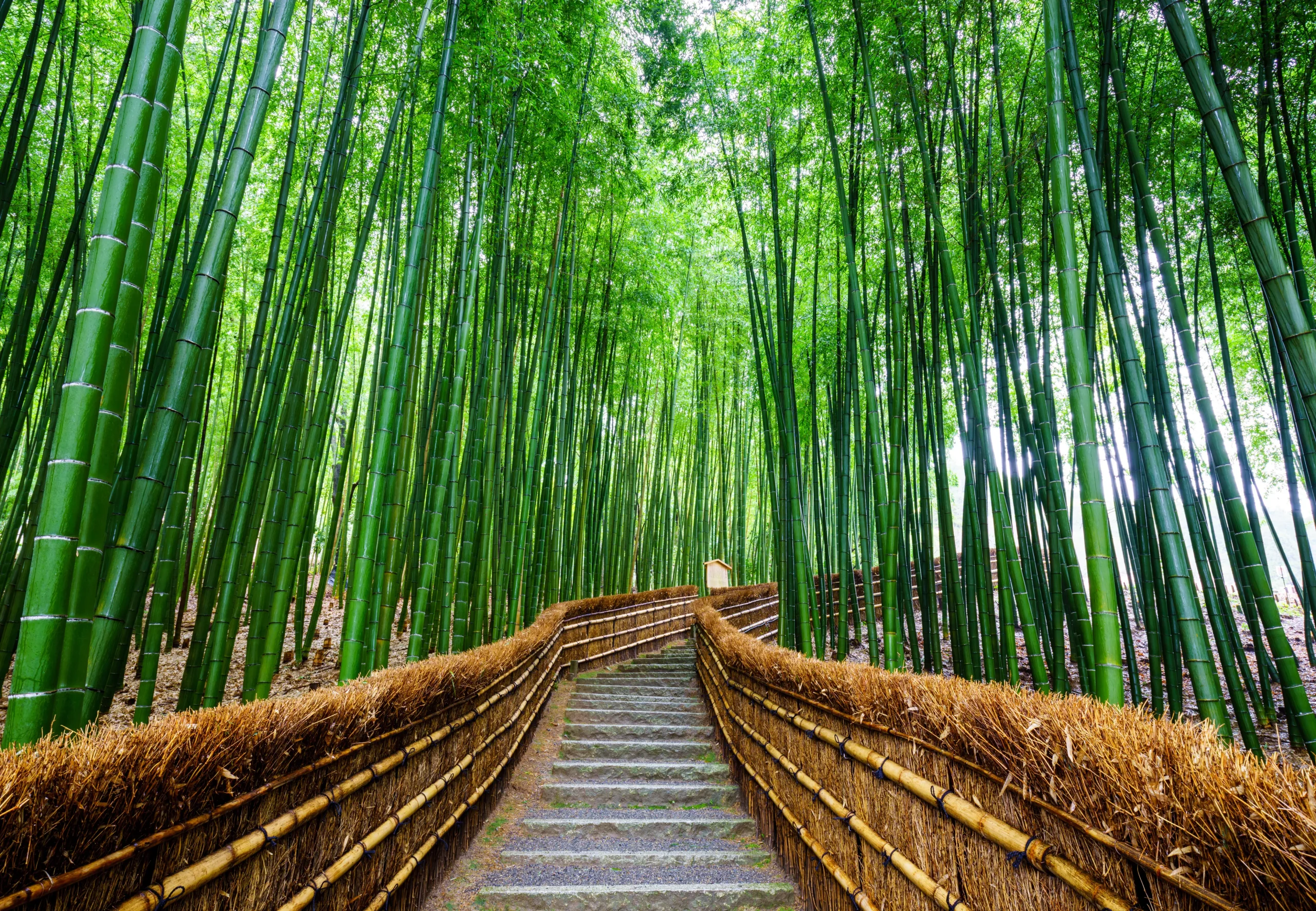
The bamboo grove is the image most people associate with Arashiyama, but it should not be the only reason to cross Kyoto for the area.
Arashiyama also has temples, river scenery and mountain views. Treat it as a half-day area rather than a quick stop at the bamboo path and the journey feels much more worthwhile.
If you only have seven days in Japan, another day in Kyoto may be a better use of your time than adding a distant city simply because it appears on a standard itinerary.
Osaka: Add It for a Different Kind of City Experience
Osaka is easy to include, but it is not compulsory.
Its main appeal on a first trip is different from Kyoto’s. Come for food, evening streets, shopping and a more relaxed urban atmosphere rather than another long list of temples.
Dotonbori and Namba
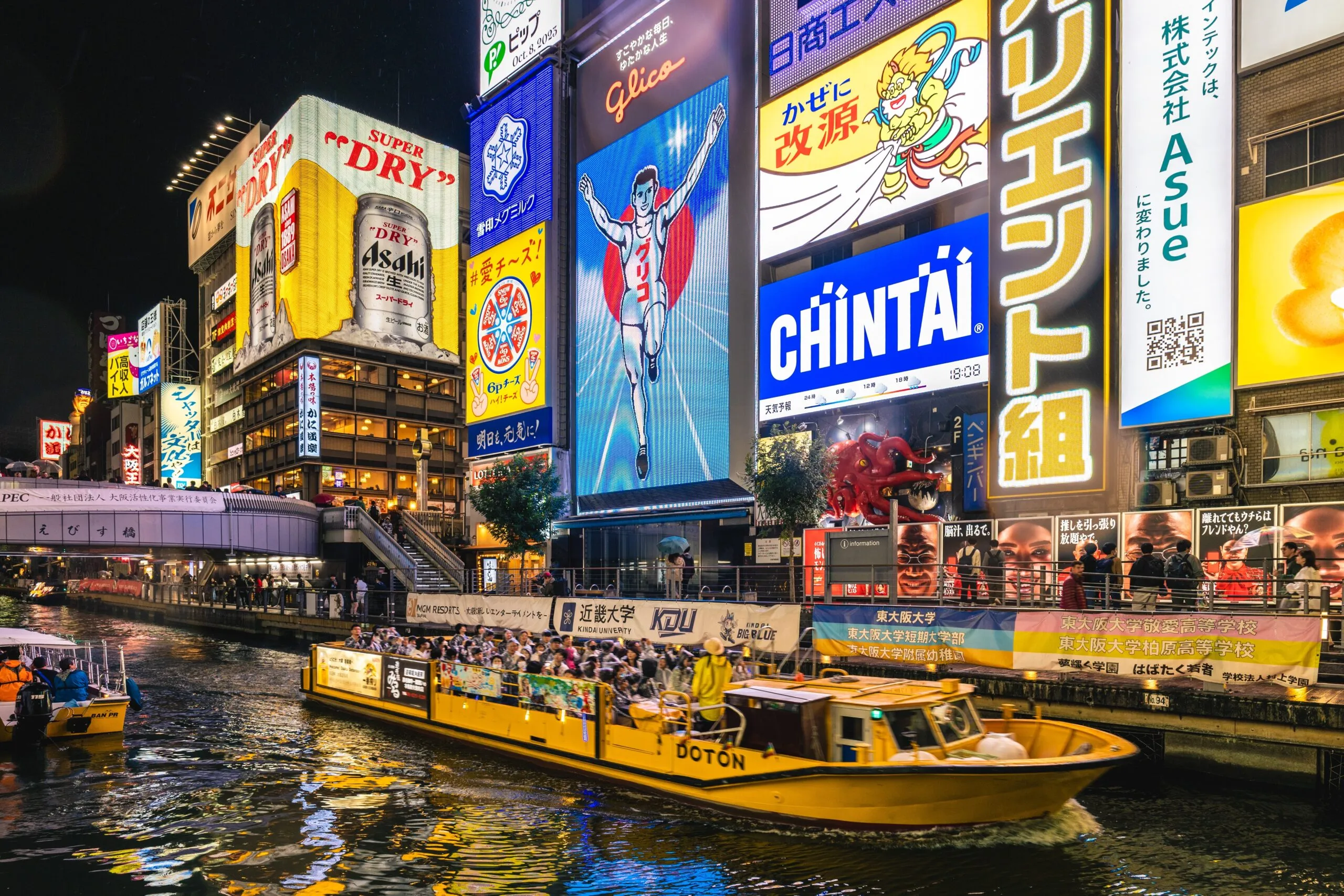
Dotonbori is crowded, bright and full of restaurants. That is part of its appeal.
It makes an easy evening introduction to Osaka, especially if you have spent the previous few days visiting temples and historic areas in Kyoto.
Give yourself time to eat and wander rather than treating Dotonbori as another landmark to photograph before moving on.
Do You Need to Stay in Both Kyoto and Osaka?
Not necessarily.
Central Osaka and Kyoto can be around half an hour apart by train, depending on the service and stations you use. For a short trip, avoiding another hotel change can be more valuable than sleeping in both cities.
If Kyoto is your main priority, you can stay there and visit Osaka.
If you want late evenings in Dotonbori, Osaka restaurants, shopping or attractions in and around the city, one or two nights in Osaka becomes more useful.
This is one of the first places where personal preference should override the standard Golden Route checklist.
Which Day Trips Are Worth Adding?
A side trip can give you a completely different experience without another hotel move. The catch is that every side trip also replaces a day you could have spent in your main destination.
| Place | Works well from | Main reason to go | Time to allow |
|---|---|---|---|
| Nara | Kyoto or Osaka | Temples, park and deer | Half to full day |
| Hakone | Tokyo | Onsen, ryokan and mountain scenery | Full day or overnight |
| Kawaguchiko | Tokyo | Mt. Fuji views and lakes | Full day or overnight |
| Himeji | Kyoto or Osaka | Himeji Castle | Half to full day |
| Hiroshima & Miyajima | Best as part of a longer route | History and island scenery | At least 1–2 days |
Nara: The Simplest Kansai Addition
Nara is less than an hour from both Kyoto and Osaka, which makes it one of the easiest additions to a Kansai itinerary.
The main sightseeing area around Nara Park includes Todai-ji, temples, open parkland and the free-roaming deer the city is known for.
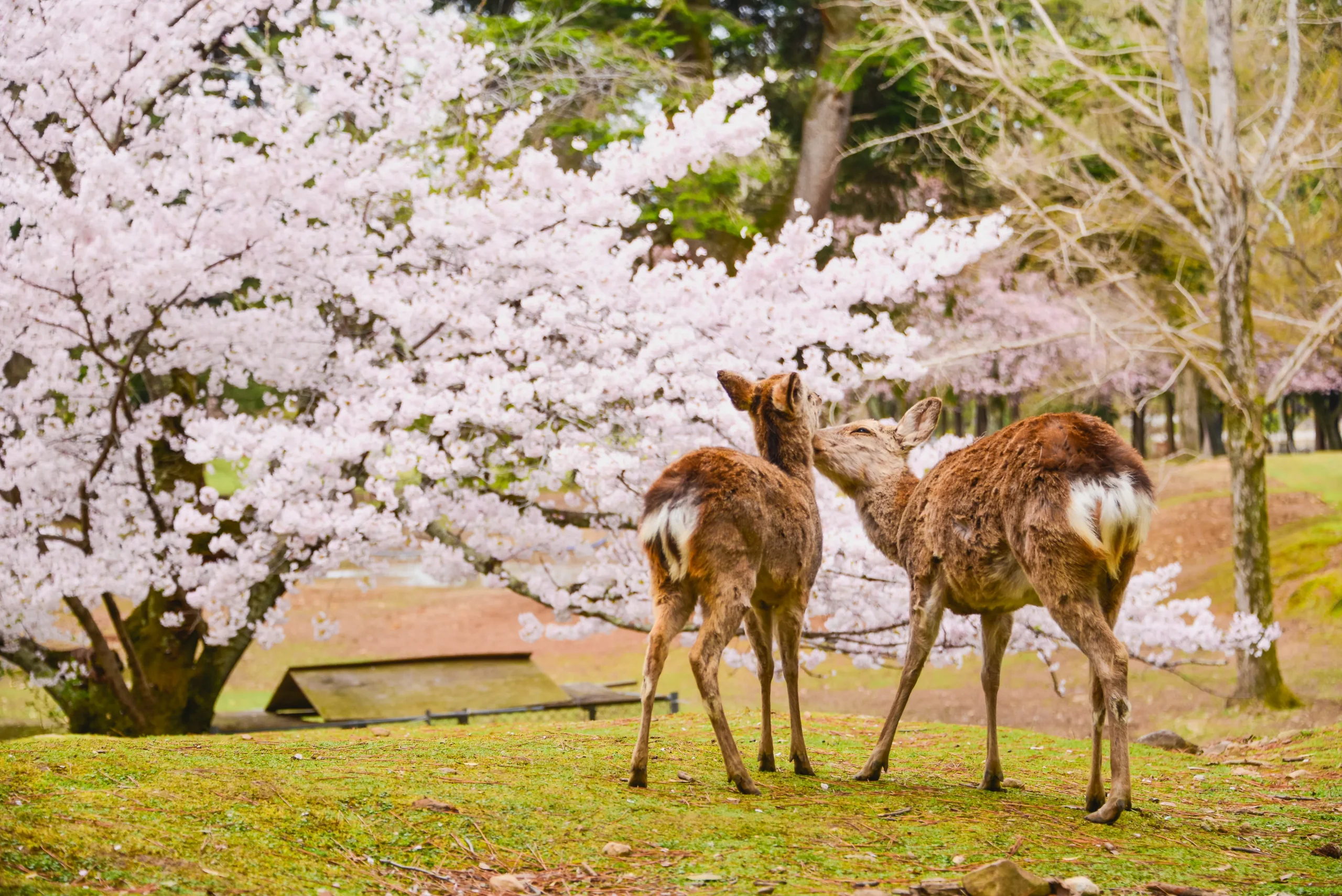
You do not need to move hotels for Nara. A half or full day is enough for many first-time visitors, depending on how much of the temple area you want to explore.
If your Kyoto schedule already feels full, however, Nara is still optional. It should add variety to the trip, not force you to rush through Kyoto.
Hakone or Kawaguchiko? They Are Not the Same Trip
Hakone and the Fuji Five Lakes often appear together in Japan itineraries, but they suit different priorities.
Choose Hakone for the Onsen and Ryokan Experience
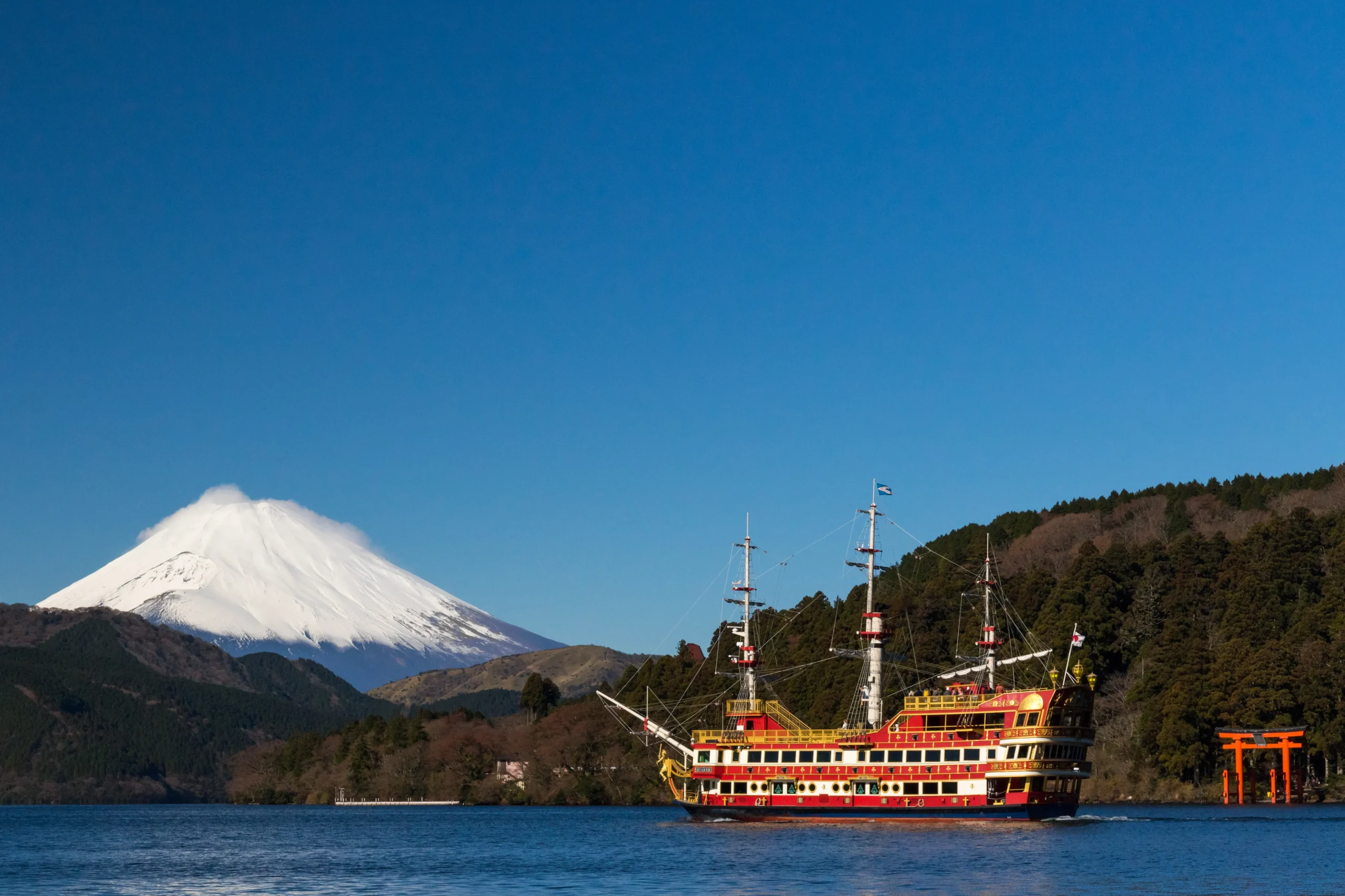
Hakone works well if you want to slow down after several days in Tokyo.
The area combines hot springs, mountain transport, Lake Ashi and places such as Owakudani. It can be visited in a day, but staying overnight makes more sense if a ryokan and onsen are important parts of the experience.
Mt. Fuji can be visible from parts of Hakone when the weather cooperates, but it should not be the only reason you choose the area.
Choose Kawaguchiko If Seeing Mt. Fuji Is the Priority
Lake Kawaguchiko is the easiest of the Fuji Five Lakes to reach from Tokyo and is one of the most practical bases for travelers whose main goal is seeing the mountain.
The important word is seeing.
Clouds can hide Mt. Fuji completely, even when the rest of the day is pleasant. If your schedule allows some flexibility, check the weather rather than assuming the mountain will appear because you reserved one particular day for it.
Read more: What to Do Around Mt. Fuji
Himeji: Add It If Castles Matter to You
Himeji is easy to reach from Kansai, and Himeji Castle is about a 15 to 20-minute walk from the station.
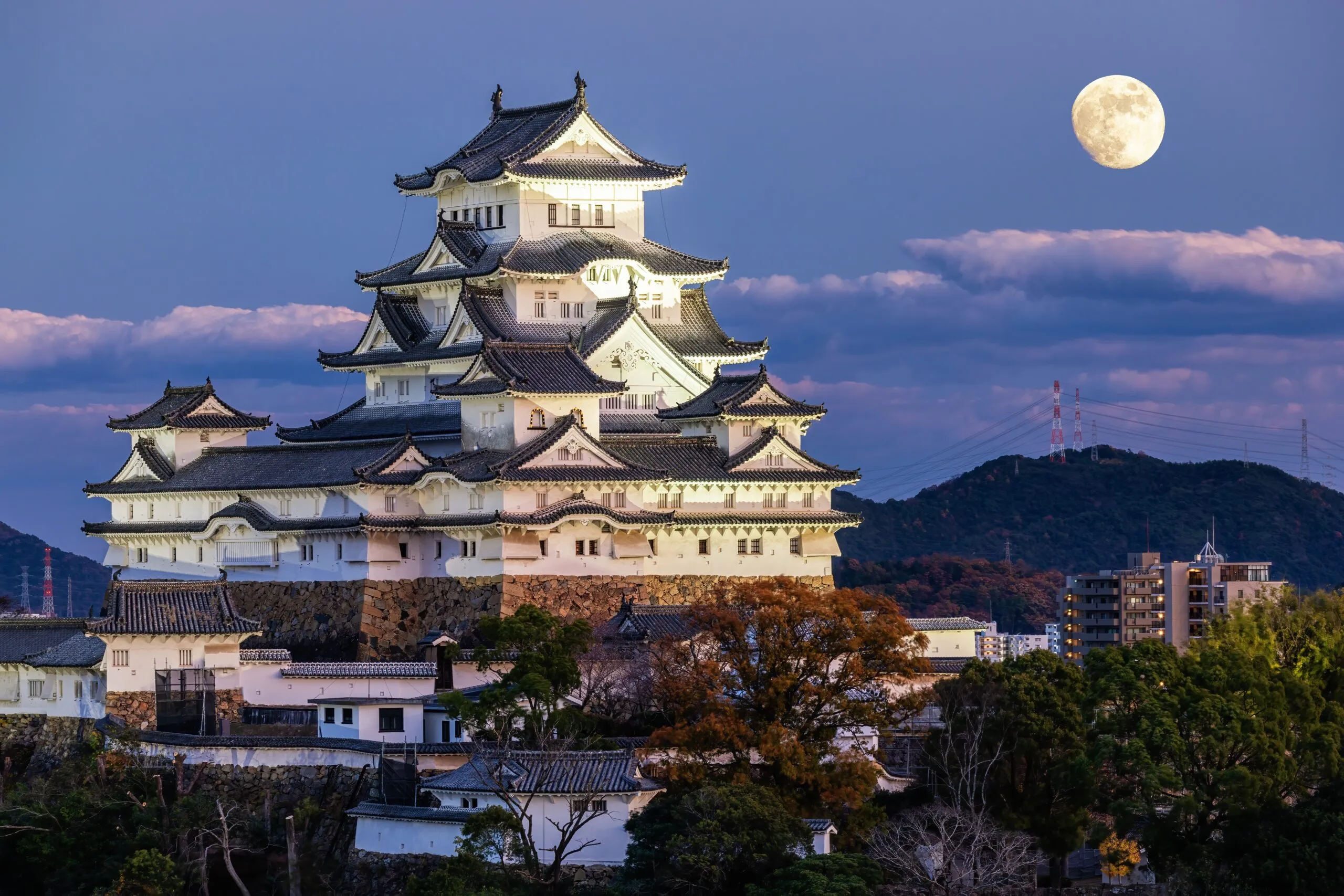
The better question is not whether Himeji Castle is worth seeing. It is whether castles are important enough to you to give it part of a day.
If they are, Himeji is a straightforward addition.
It also fits particularly well if you are already continuing west toward Hiroshima, since you can stop along the route instead of making a separate return journey.
If castles are not high on your list, keep the time for Kyoto, Osaka or another experience you care more about.
Hiroshima and Miyajima: Better When You Have More Time
Hiroshima and Miyajima add something very different to a first Japan trip.
Hiroshima brings important modern historical context, while Miyajima gives you the island setting around Itsukushima Shrine and Mt. Misen.
The problem is not whether they are worth visiting. It is how much of the trip you have to give them.
On a seven-day itinerary, traveling this far west usually means taking time away from Tokyo or Kyoto. With 10 to 14 days, the route becomes much easier to justify.
If you add Hiroshima and Miyajima, giving the area an overnight stay is usually more comfortable than trying to force everything into a very long day from Kansai.
Shirakawa-go: Beautiful, but Not a Golden Route Day Trip
Shirakawa-go often appears in first-trip inspiration lists because its traditional gassho-style farmhouses look so different from Japan’s large cities.
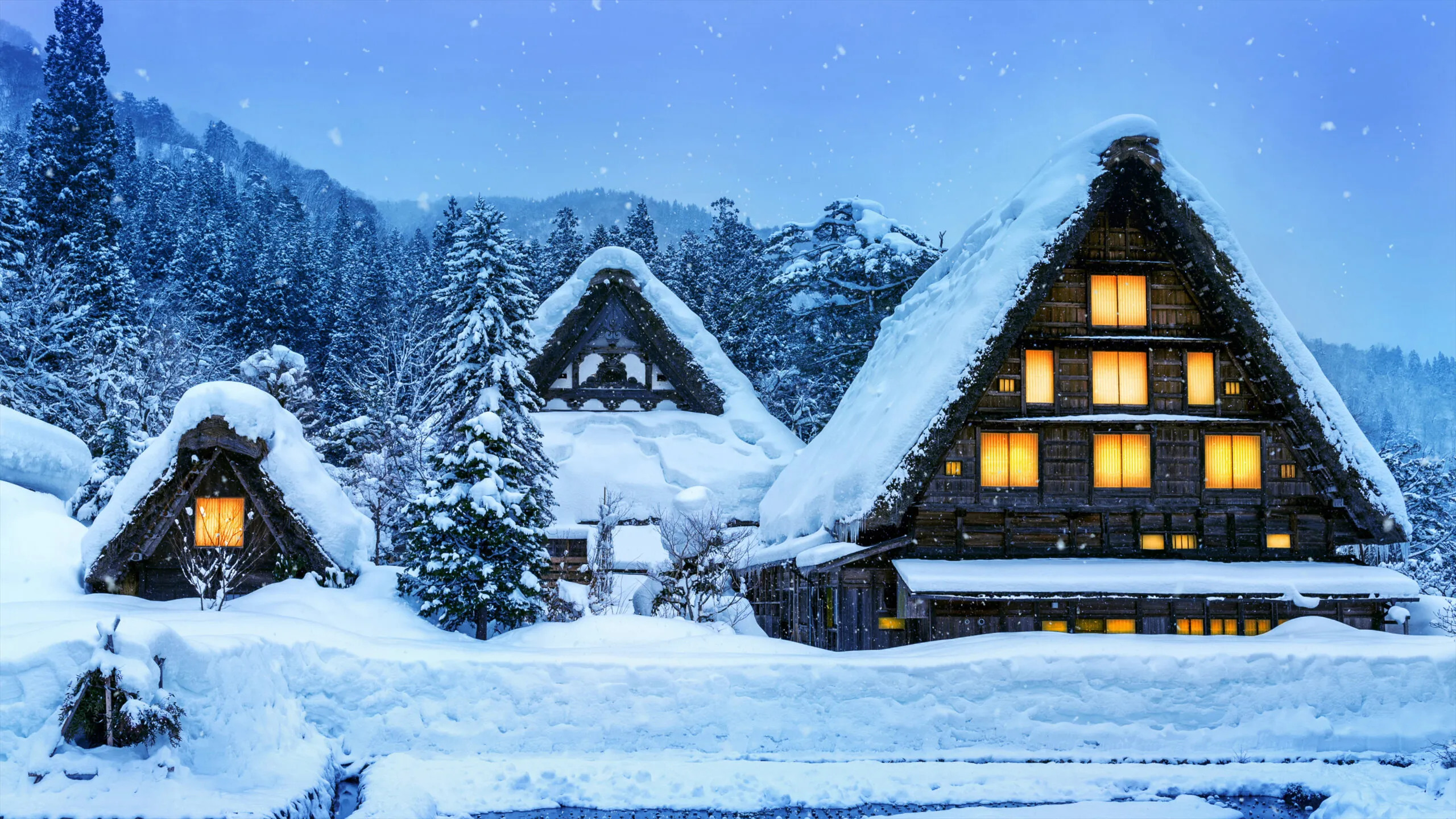
What those lists do not always make clear is the transport.
There is no railway station in Shirakawa-go. The village is reached by bus, including routes of roughly 50 minutes from Takayama and around 80 minutes from Kanazawa.
That makes Shirakawa-go much more natural as part of a Takayama, Shirakawa-go and Kanazawa route than as an extra excursion from Tokyo, Kyoto or Osaka.
If you have two weeks and want to see more regional Japan, it can be an excellent addition. On a short Golden Route trip, save it for another time.
Read more: Off the Beaten Path in Japan
First Trip to Japan With Children or Older Family Members
For family or multigenerational travel, the number of hotel changes matters as much as the destination list.
A route with Tokyo, Hakone, Kyoto, Nara, Osaka and Hiroshima may look reasonable on a map. It can feel very different when several people are packing bags, navigating large stations and walking all day.
A few adjustments make a big difference:
- Stay longer in each base.
- Use day trips when they save an unnecessary hotel change.
- Leave part of some days unplanned.
- Do not put several walking-heavy days back to back.
- Reserve the few attractions that really matter to the family before filling the rest of the schedule.
Tokyo and Osaka have plenty of indoor options if the weather or everyone’s energy changes. Hakone can also work well as a slower break between cities.
Read more: Traveling Japan With Toddlers
Sample Routes for 7, 10 and 14 Days
These are examples, not schedules you need to copy exactly.
7 Days: Tokyo and Kyoto
Days 1–3: Tokyo
Explore two or three areas each day rather than crossing the city repeatedly. Include Asakusa, one of Tokyo’s modern neighborhoods and any booked attraction that is important to you.
Day 4: Tokyo to Kyoto
Use the rest of the day for your hotel area, an evening walk or a smaller sight rather than trying to fit in a full sightseeing schedule.
Days 5–7: Kyoto
Divide your time between areas such as Higashiyama, Fushimi Inari and Arashiyama.
If Osaka matters more to you than a third full Kyoto day, visit Osaka for an afternoon and evening.
10 Days: Add One Meaningful Extension
A comfortable first route could look like this:
Days 1–4: Tokyo
Day 5: Hakone or Kawaguchiko
Days 6–8: Kyoto
Day 9: Nara or Osaka
Day 10: Osaka or departure
You do not need both Hakone and Kawaguchiko. Choose according to whether the onsen experience or Mt. Fuji views matter more.
14 Days: Add a Different Region
With two weeks, you can slow the Golden Route down and still have room for somewhere farther away.
One option is:
Days 1–4: Tokyo
Day 5: Hakone or Kawaguchiko
Days 6–9: Kyoto
Day 10: Nara
Days 11–12: Osaka
Days 13–14: Hiroshima and Miyajima
Another is to replace Hiroshima with several days through Takayama, Shirakawa-go and Kanazawa.
The better choice depends on whether you want more modern history and western Japan, or mountain towns and a more regional route.
A Few Things Worth Booking Before the Trip
Most of this article is about choosing places, not filling every hour with reservations. Still, a few attractions are difficult to improvise.
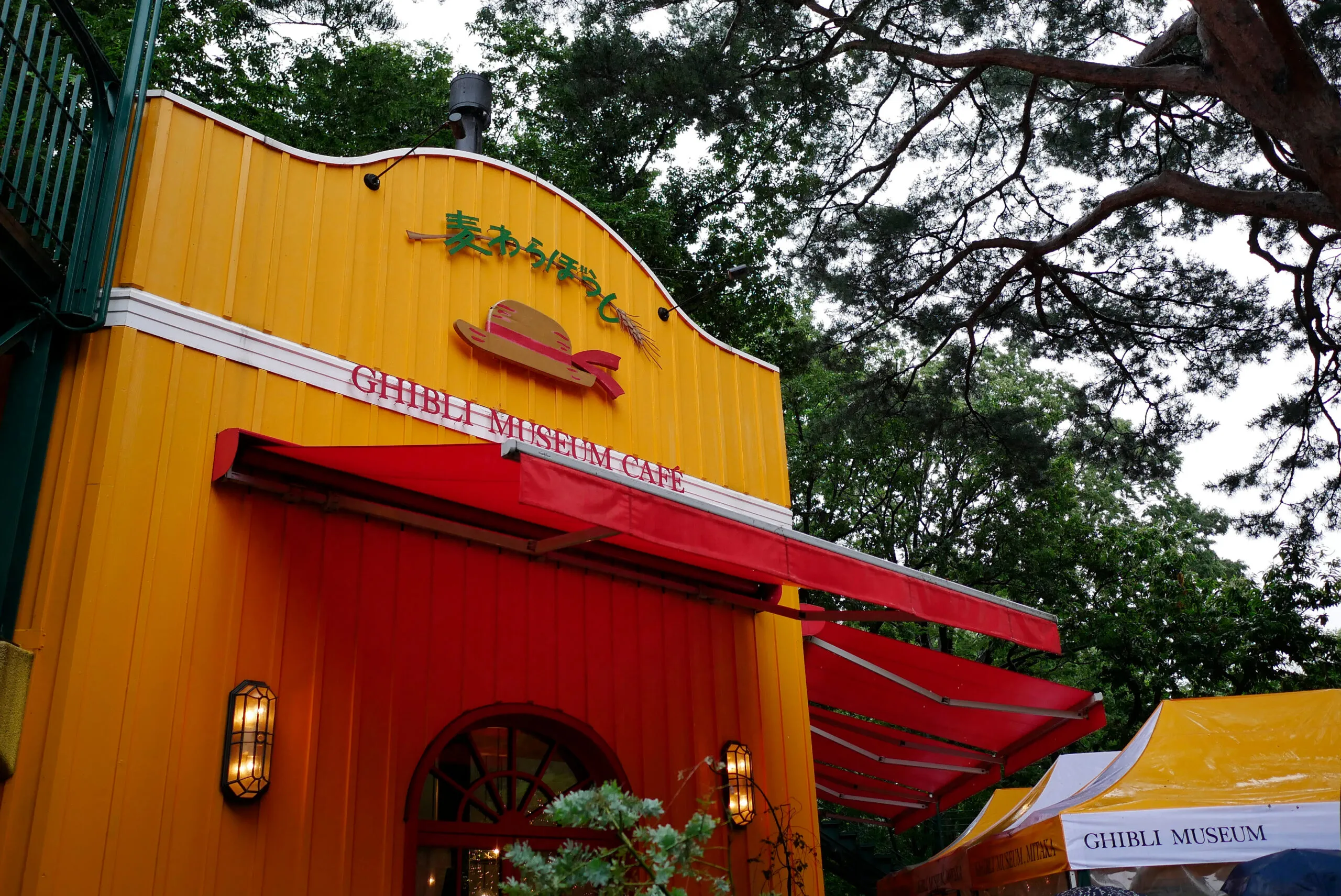
Ghibli Museum
If the Ghibli Museum in Mitaka is important to you, note the ticket release date.
Tickets go on sale at 10:00 a.m. Japan time on the 10th of each month for the following month. You cannot simply buy them whenever you book your flights.
Put the release date in your calendar once your travel dates are fixed.
teamLab
Both teamLab Planets and Borderless use timed admission. Choose the venue you actually want before booking rather than assuming the names refer to similar experiences.
Trains and Passes
Do not buy a nationwide Japan Rail Pass simply because your route includes Tokyo, Kyoto and Osaka.
The pass price and the routes it covers have changed over time, and it is not automatically the cheapest option for a standard Golden Route trip.
Plan your route first, then compare the current cost of individual tickets and any regional passes against the nationwide pass.
For transport cards, payments, connectivity and other practical preparation, it is better to keep that information in one place rather than repeating it here.
Read more: Things to Know Before Going to Japan
Frequently Asked Questions
Should I Fly Into Tokyo and Out of Osaka?
It can make sense.
If your trip naturally moves from Tokyo through Kyoto to Osaka, departing from Kansai can save you from returning to Tokyo at the end.
That does not mean an open-jaw flight is always better. Compare the airfare, flight times and your final few days before choosing.
Do I Need to Reserve Shinkansen Seats?
Not for every journey.
Seat reservations become more useful when you are traveling during a busy holiday period, want a group to sit together, or have luggage that requires specific arrangements.
Check the rules for your journey when you book rather than assuming every Shinkansen trip works in exactly the same way.
How Can I Avoid Carrying Suitcases Between Cities?
Luggage delivery is widely used in Japan and can make a multi-city trip much easier.
Hotels can often help send a suitcase to your next accommodation, while you travel with a smaller bag.
Delivery is not necessarily same-day, so check the timing with your accommodation before sending anything you need that evening.
Do I Need to Speak Japanese?
No.
Major stations and popular tourist areas have enough English information for most first-time visitors to travel independently.
A few basic Japanese phrases are useful and appreciated, and translation apps help when you run into a menu, notice or conversation that is only in Japanese.
Do I Still Need Cash?
It is sensible to carry some.
Card and mobile payments are common in cities, but smaller restaurants, temples, local shops and some ticket machines may still be easier with cash.
There is no need to carry your whole travel budget. Keep enough for small purchases and places where cards are not accepted.
What If I Have Tattoos and Want to Visit an Onsen?
Policies vary.
Some hot-spring facilities accept tattoos, some allow them if they are covered, and others still restrict entry.
If visiting an onsen is important to you, check the policy of the specific property before booking. A room with a private bath is another option if you would rather avoid the uncertainty.
How Much Walking Should I Expect?
More than the number of attractions on your itinerary may suggest.
Large stations, temple grounds, shopping districts and transfers all add distance. Kyoto in particular can involve long stretches on foot between sightseeing areas.
Good shoes and a little empty space in the schedule matter more than squeezing in one final attraction.
So, Where Should You Go?
For most first-time visitors, Tokyo and Kyoto are enough to build the trip around.
Add Osaka if its food and evening atmosphere appeal to you. Choose Nara when you want an easy cultural day trip. Choose Hakone for an onsen stay, or Kawaguchiko when Mt. Fuji views are the priority. Himeji makes sense for castle lovers. Hiroshima and Shirakawa-go become easier to include when you have more time.
The useful question is not, “Can I fit this place in?”
It is, “Will adding it make my trip better?”
If you are struggling to choose between several routes, ENJYU JAPAN’s tailor-made tours are built around your interests, pace and available days. The planning team can also handle the logistics, guides and arrangements that become more complicated once you start combining several regions.