Some craft workshops in Japan will give you a finished souvenir in under an hour. Others end with your piece going into a kiln, followed by a wait of several days or weeks before you see it again. That difference matters when you are trying to fit an activity into a real sightseeing day.
Start with your route and available time. Then check when the object will be ready, whether you need to reserve ahead, and whether the craft interests you enough to justify traveling somewhere specifically for it.
Quick Comparison: Which Craft Fits Your Trip?
| Craft | Strong route fit | Time to allow | Finished object | Best for |
|---|---|---|---|---|
| Food-sample making | Takayama / Gujo Hachiman | About 30–60 min | Often same day | A playful sightseeing add-on |
| Gold-leaf craft | Kanazawa | About 1 hr | Same-day options available | A short regional craft experience |
| Nishijin weaving | Kyoto | About 40 min | Same day | Traditional textiles without losing half a day |
| Indigo dyeing | Aizumi, Tokushima | About 30 min | Same day at Ai no Yakata | Hands-on textile work |
| Pottery / ceramics | Seto / Kutani regions | About 1–2 hr | Often later after firing | Making something more substantial |
| Washi papermaking | Mino | 30 min to full day | Depends on course | A quick try or deeper craft session |
Exact prices, English support, age limits, and booking conditions depend on the individual workshop. Check the latest information before making plans.
Food-Sample Making: A Playful Craft Experience in Gifu
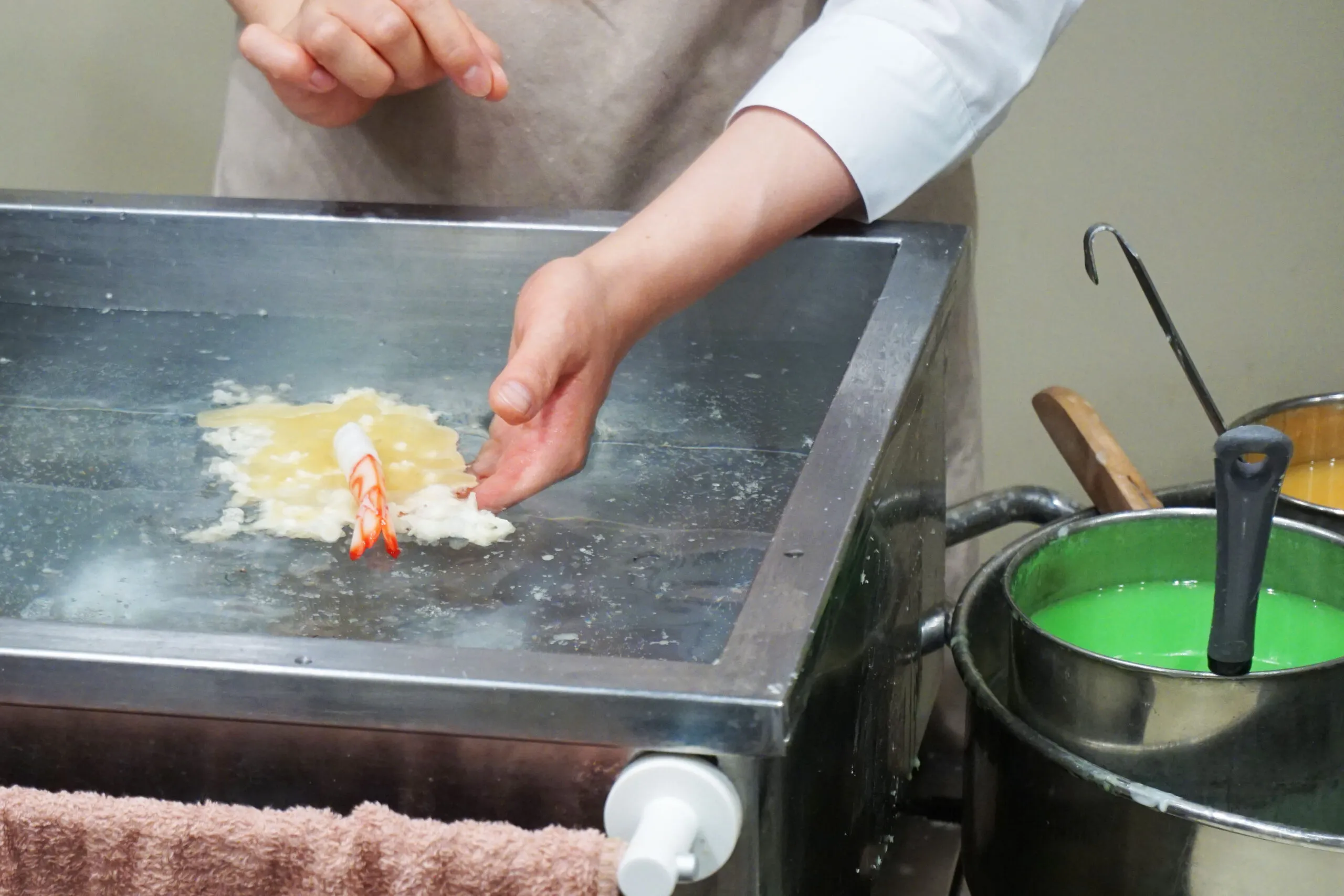
Food-sample making is a playful modern craft rather than a traditional handicraft, but it is one of the easiest hands-on experiences to add to a sightseeing day.
Workshops can be found in places such as Takayama and Gujo Hachiman in Gifu. The experience is usually approachable for beginners and gives you a surprisingly realistic replica to take home, making it a fun contrast to Japan’s older craft traditions.
Gujo Hachiman has a particularly strong connection with Japan’s food-replica industry, so it is worth considering if the craft itself interests you. Takayama can be a convenient place to add a hands-on activity while exploring the wider Hida region.
Read more: What to Do in Gifu
Gold Leaf: An Easy Craft Add-On in Kanazawa
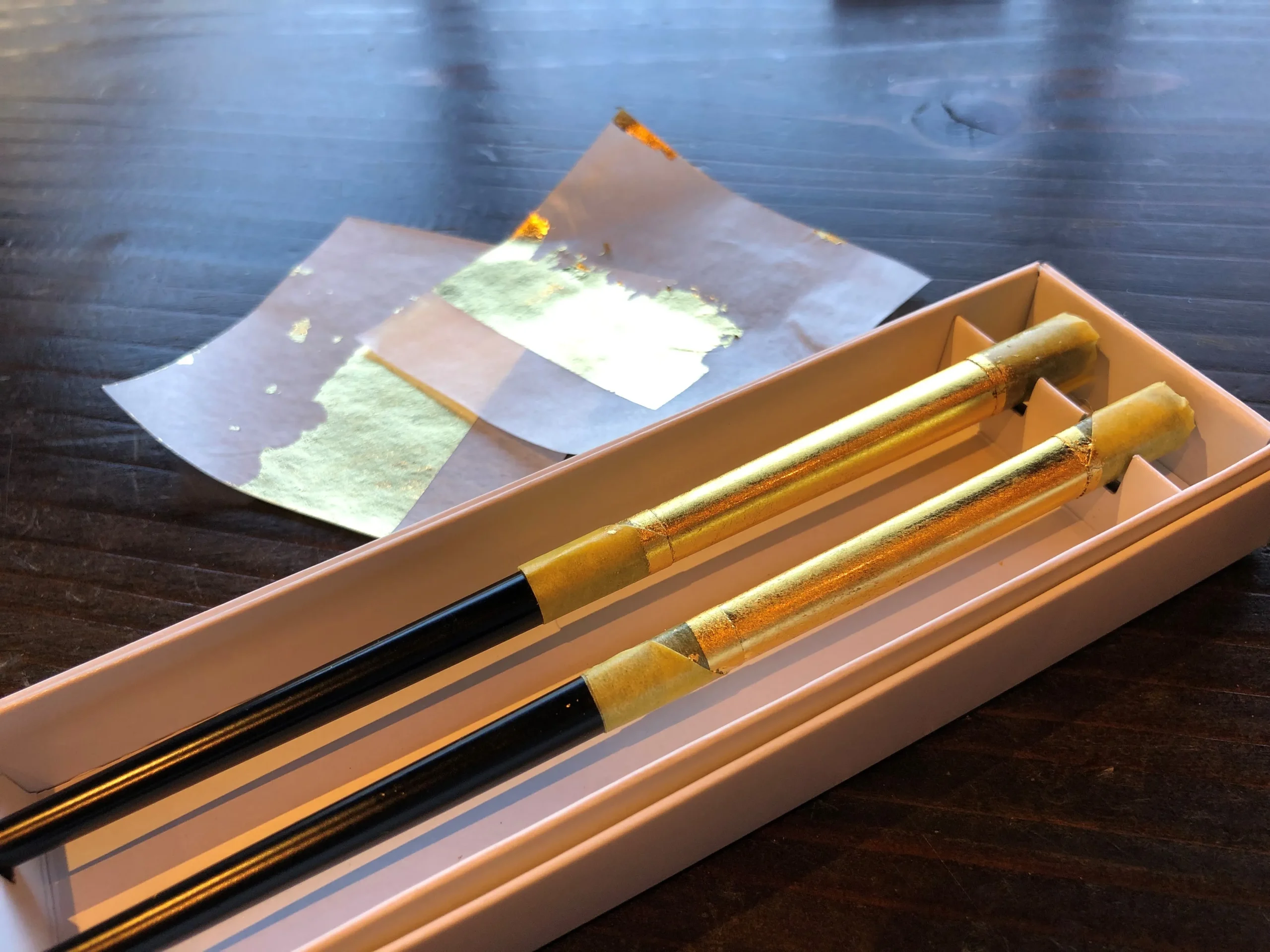
Kanazawa is particularly good for travelers who want a regional craft experience without giving up most of a day.
The city has a long-standing connection with gold-leaf production, and several workshops let visitors decorate small objects using gold leaf. Many experiences take around an hour, with finished pieces that can be taken away immediately.
That makes gold leaf easy to combine with other Kanazawa sights. You could visit a historic district or garden, spend an hour making something, and still have plenty of time for the rest of the city.
Kanazawa also has an unusually high concentration of other craft traditions, so travelers with a broader interest in Japanese crafts can combine a workshop with museums and exhibitions rather than treating it as an isolated activity.
Nishijin Weaving: A Compact Kyoto Craft Experience
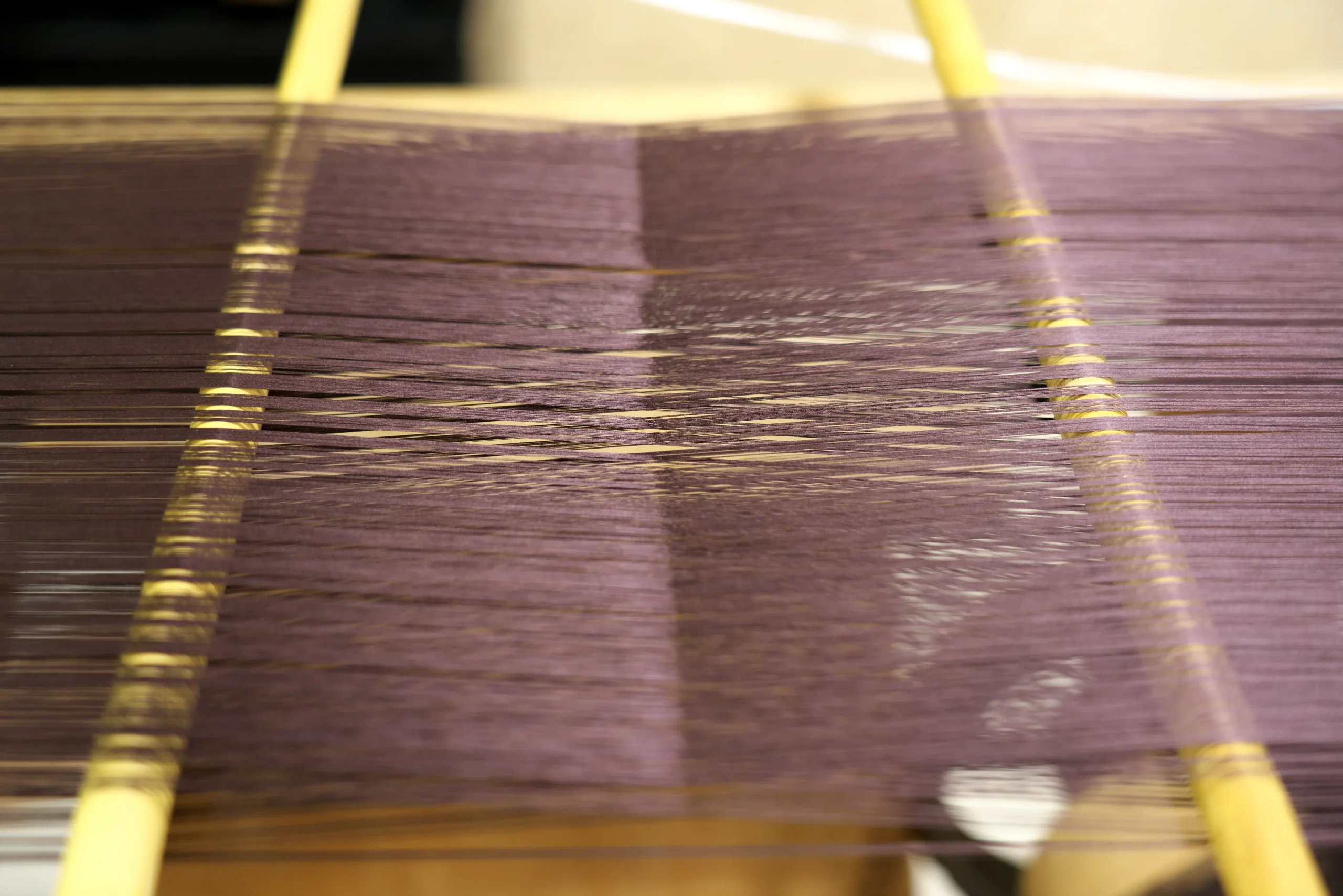
Kyoto offers many traditional cultural activities, and Nishijin weaving is one of the easier textile experiences to fit into an already busy itinerary.
Several places in Kyoto offer visitors a chance to experience the weaving process for themselves. One well-known option is the Nishijin Textile Center, where a short introductory hand-weaving program allows participants to make a small textile to take home. Smaller studios and workshops around Kyoto offer other formats, so the experience can range from a compact sightseeing activity to a more focused introduction to textile craftsmanship.
This makes Nishijin weaving a good choice if you want something hands-on without necessarily dedicating half a day to it. At the Nishijin Textile Center, the current program is available from around fifth-grade age upward, so families with older children may also be able to join.
Reference: Experience Programs – Nishijin Textile Industrial Association
Read more: Nishijin-ori in Kyoto
Indigo Dyeing: A Good Reason to Look Beyond the Golden Route
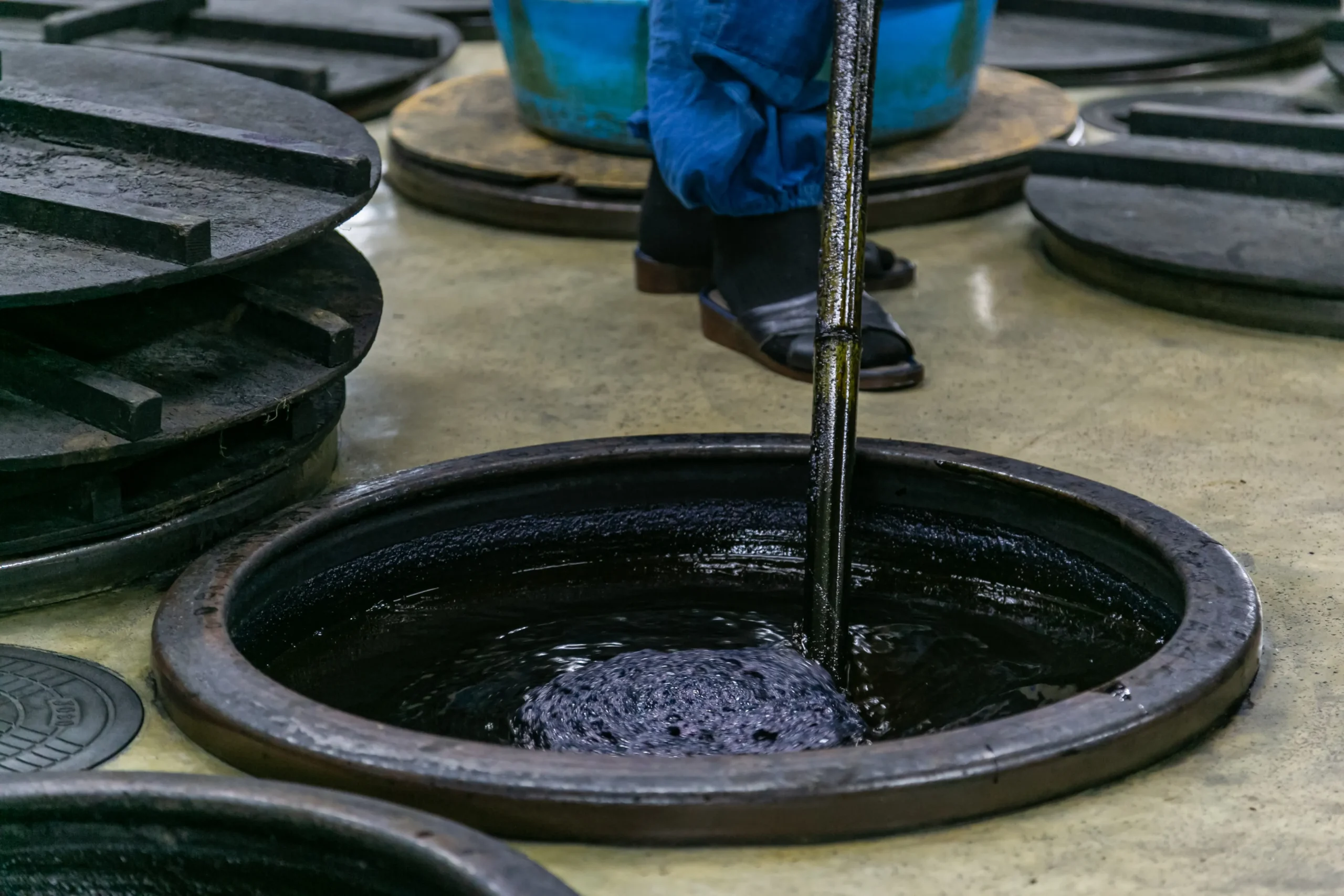
Indigo dyeing, or aizome, can be experienced in different parts of Japan, but Tokushima has an especially deep connection with the craft. The region historically became one of Japan’s important centers of indigo cultivation and dye production, and workshops can still be found at museums, cultural facilities, and independent studios around the prefecture.
For visitors, the appeal is partly in seeing how repeated dyeing transforms plain fabric into increasingly deep shades of blue. Many introductory workshops use small items such as handkerchiefs or scarves, making the experience accessible even if you have never tried textile work before.
If you are already visiting Shikoku, an aizome workshop adds something distinctly regional to the trip. Traveling to Tokushima solely for a short workshop makes more sense when indigo, textiles, or traditional crafts are already one of your main interests.
Read more: Aizome Indigo Dyeing
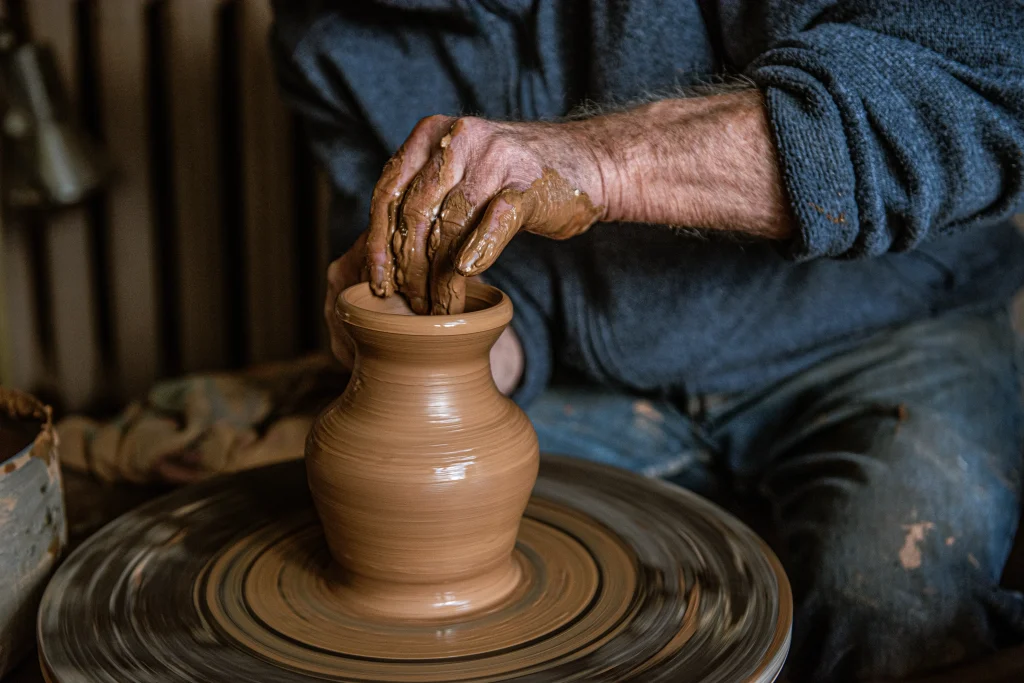
Pottery: More Time After the Workshop Than You Might Expect
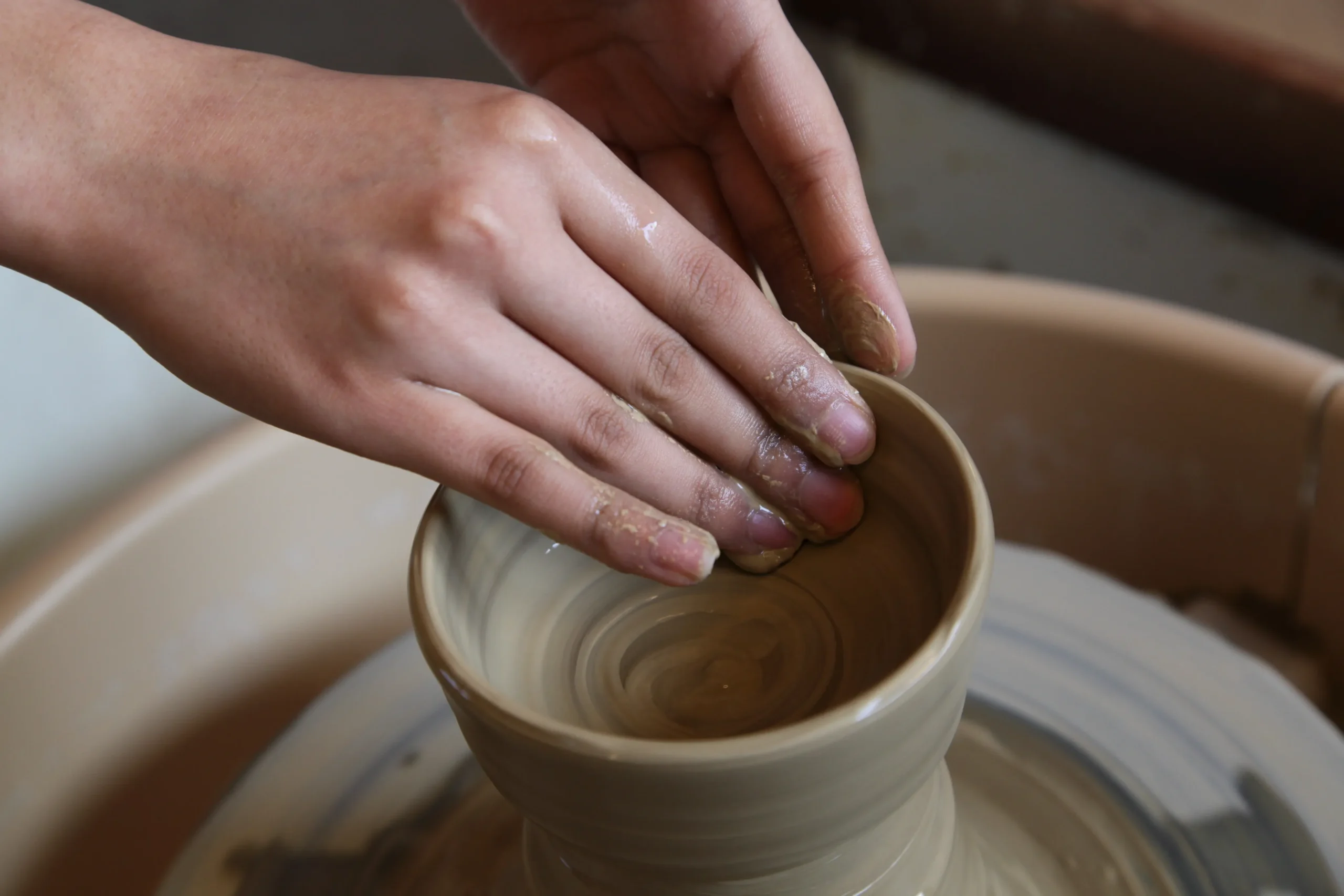
Pottery is one of the more satisfying choices if you want to make something that can actually become part of daily life at home. Even as a beginner, simple plates and cups can turn out much better than you might expect, and shaping the clay is approachable enough that the experience does not need to feel like a serious art class.
Seto, near Nagoya, is particularly well suited to this. The city has a long connection with ceramics and offers wheel throwing, hand-building, and painting experiences for different skill levels.
The main thing to plan around is what happens after you finish shaping the piece. Pottery normally still needs to be dried, glazed, and fired, so the object you make may not be ready before you leave the area. In some cases, the finished piece is sent several weeks later.
That makes pottery slightly less convenient on a short Japan trip than an activity where you can immediately put the finished object in your bag. On the other hand, receiving the plates or cups later also means the experience does not really end when the workshop does.
The exact process depends on the workshop. At some pottery studios, the hands-on part may take only one or two hours, while drying, glazing, and firing happen afterward. The finished piece may therefore need to be collected later or sent to you after the workshop.
Washi Papermaking: From a Quick Try to a Deeper Session
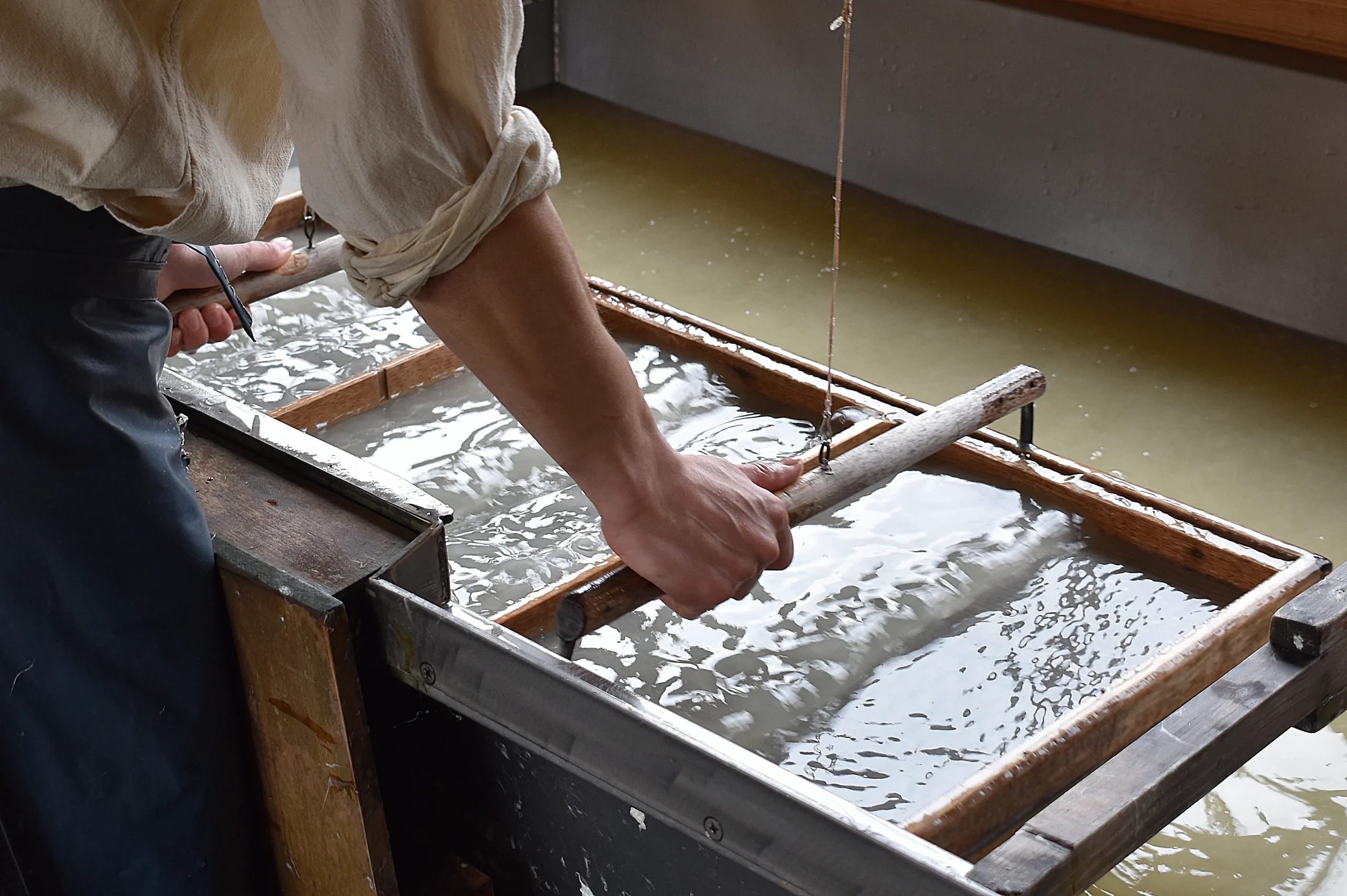
Mino has several opportunities to experience traditional papermaking, ranging from short introductory activities to more detailed sessions with local craft specialists.
One accessible example is the Mino Washi Museum, which offers both shorter papermaking experiences and longer programs for visitors who want to spend more time learning about the material and technique.
Other workshops and craft facilities in the area offer their own formats, so it is worth deciding whether you mainly want a short hands-on addition to your sightseeing or want papermaking to be one of the main reasons for visiting Mino.
Some longer programs, including certain museum and workshop experiences, require advance reservations, so it is worth checking current schedules before building the visit into your route.
Reference: Papermaking Experiences at the Mino Washi Museum – Mino City (Official Website, Japanese)
Staying in Tokyo? You Still Have Plenty of Options
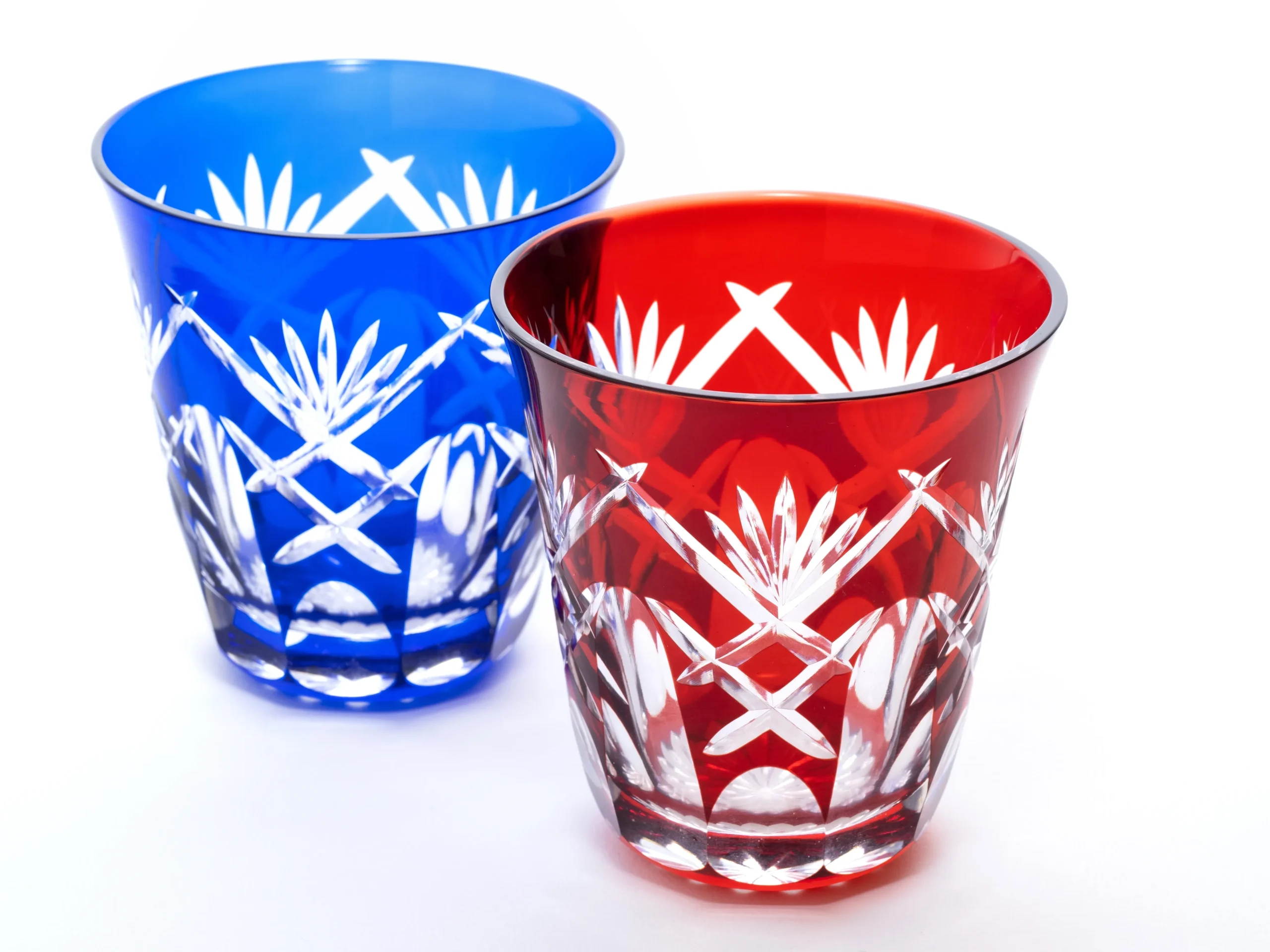
You do not need to travel somewhere specifically known for crafts just to add a hands-on activity to your trip. Tokyo has options ranging from Edo Kiriko cut glass to dyeing, woodwork, and other traditional crafts.
For a short first visit, convenience may matter more than choosing the most famous production area. The Tokyo Metropolitan Government maintains a craft directory that is useful for checking what is currently available around the parts of the city already in your itinerary.
If a particular craft becomes one of the main interests of your trip, that is when traveling to places such as Seto, Mino, Kanazawa, or Tokushima starts to make more sense.
Reference: Traditional Crafts of Tokyo – Tokyo Metropolitan Government
Read more: Edo Kiriko
Three Things to Check Before Booking
1. When will the object actually be ready?
A one-hour workshop does not always mean you leave with a finished object one hour later.
Ceramics and some glasswork may not be ready when the workshop ends, so check whether later collection or shipping is required. If you need shipping, also confirm whether the facility can send the finished piece overseas rather than assuming international delivery is available.
2. How far ahead do you need to reserve?
Reservation rules vary widely. Some introductory craft workshops accept same-day participation when space is available, while longer or more specialized sessions may need to be booked several days ahead.
Busy periods can also change normal procedures. Golden Week, Obon, and other Japanese holiday periods are particularly worth checking before you arrive.
3. Are there language or age requirements?
An English website does not necessarily mean that every workshop is conducted fully in English. Many hands-on processes can be demonstrated visually, but more detailed instruction may still depend on the staff working that day.
Families should also check current minimum ages, school-grade requirements, or height limits. These conditions belong to individual workshops rather than to the craft as a whole.
Choose the Craft That Fits the Trip You Already Want
There is no single craft experience that is best for every trip to Japan.
If you are spending a short first visit in Tokyo and Kyoto, choosing a convenient workshop there may make more sense than traveling several hours for a more famous regional craft. If Kanazawa, Takayama, Seto, or Shikoku is already on your route, choosing something connected with that place can add another layer to the visit without taking over the itinerary.
Sometimes the craft itself is worth traveling for. Mino for washi, Gujo for food samples, or Tokushima for indigo can make sense when making and learning about the craft is one of your main interests.
The challenge is fitting these regional experiences around transport, sightseeing, and workshops with fixed reservation or collection conditions. ENJYU JAPAN’s Tailor-Made Tour can help build those interests into a realistic route, so the craft experience becomes part of the journey rather than a logistical problem squeezed into it.