Fussa lies about an hour west of Shinjuku by train. Around Fussa Station, you can explore old family homes, sake breweries and a historic waterway. Across town, Route 16 has shops and buildings shaped by decades of life beside Yokota Air Base. Riverside parks offer a quieter option.
With half a day, choose one neighborhood. A full day gives you time to combine two, provided you allow for the journey between them. Check opening days before visiting.
Is Fussa Worth Visiting?
Fussa suits travelers who enjoy looking around local streets. Old storehouses, independent shops and narrow waterways sit among homes and ordinary businesses.
If your main reason for leaving central Tokyo is to see forested mountains or a rocky river gorge, Sawai or Okutama would be a better fit. Fussa is the closer outing.
There are three recommended walking courses. Each can fill a half-day once you include the stops along the way.
| Area | Distance | Time with stops | Best for |
|---|---|---|---|
| Historic Fussa | Approx. 3 km | Approx. 2 hr 50 min | Tamura Brewery, waterway and old streets |
| Old Kumagawa | Approx. 4.2 km | Approx. 3 hr 45 min | Ishikawa Brewery and shrines |
| Base Side Street | Approx. 4 km | Approx. 2 hr 40 min | Route 16, shops and postwar history |
What Makes Fussa Different from Central Tokyo?
Water has shaped the western side of Fussa for centuries. The Tamagawa Josui was constructed in 1653–1654 to carry water toward Edo, and its Tamura and Kumagawa branch channels served the surrounding settlements. Fussa City also connects the channels with the development of local sake brewing.
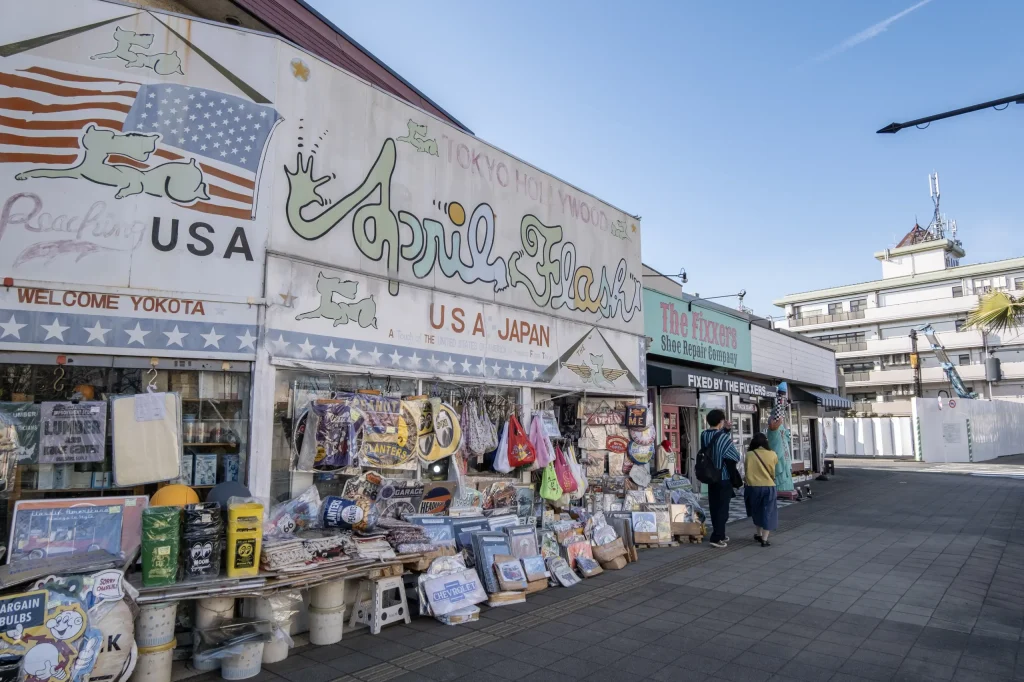
Route 16 tells a more recent story. After the Second World War, Yokota Air Base influenced the housing and businesses nearby. American-style houses and vintage shops became part of the neighborhood. A morning among the old breweries and an afternoon on Route 16 can feel like two very different trips.
Things to Do in Fussa, Tokyo
Explore Base Side Street and Fussa American House
Base Side Street follows Route 16 beside Yokota Air Base. The shops range from vintage clothing and imported goods to retro furniture and casual restaurants. Opening hours vary, so check the shops you most want to visit.
For a closer look at the area’s postwar housing, stop at Fussa American House. Built in 1958 for US military personnel, the house now displays photographs and other material about the neighborhood. It is generally open Fridays, weekends and public holidays, from 11 a.m. to 5 p.m., according to the city’s published information. Check before visiting.
Yokota remains a working military base. Access is normally restricted, with separate admission requirements for occasional public events.
Read more: Thrift Shops in Japan
Discover Tamura Brewery’s Brewing Heritage
Tamura Brewery has made Kasen sake since 1822. The family brewery stands near the Tamagawa Josui, and its history is closely tied to the local water supply. You can pair the brewery district with a short walk along the channel and the older streets nearby.
In July 2026, Tamura opened &KASEN, bringing a shop, sake bar and restaurant to its grounds. Guided brewery visits are currently advertised from ¥2,700 and last roughly 60–90 minutes. They require reservations, and the official tour information does not confirm whether guidance is available in English. Ask about language when booking.
Look for the brick chimney and the stone wall facing the aqueduct, details that link today’s visitor facilities with the older brewery buildings.
Visit Ishikawa Brewery’s Historic Storehouses
Ishikawa Brewery is in Kumagawa, farther south and closer to Haijima Station. Founded in 1863, it built new facilities here in 1881 and completed its move in 1883. The grounds retain historic kura storehouses, and the brewery produces Tamajiman sake and craft beer. It also brewed beer in the late nineteenth century, reviving production in 1998.
There is a short, free self-guided walk through designated parts of the grounds, with no reservation required. For a more detailed visit, the brewery offers a separate English-language guided tour. It currently costs ¥3,000, lasts about 90 minutes and requires contacting the brewery at least five days ahead. Tours are generally unavailable on Tuesdays; the shop and restaurants follow their own schedules.
Afterward, the older streets toward Kumagawa Shrine make a natural extension to the walk.
Read more: Japanese Sake
Walk Through Fussa’s Older Neighborhoods
The Former Yamaju Tamura Family House dates from 1902 and gives you an idea of what a well-established local home looked like around the turn of the twentieth century. Entry is free, according to Fussa City, but it is normally closed on Mondays and some holidays.
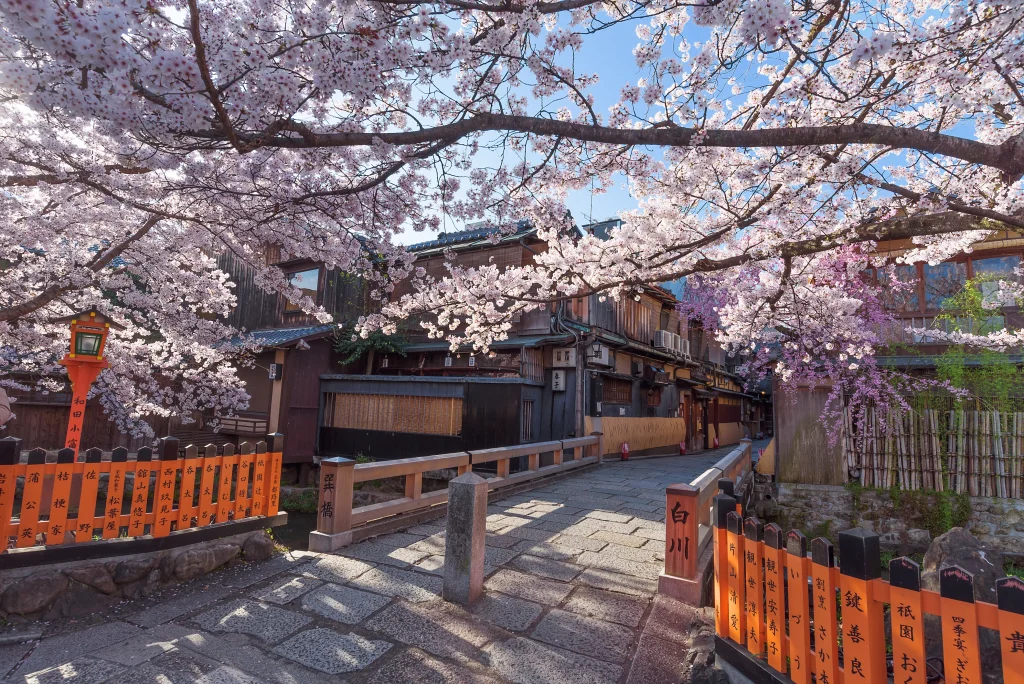
From there, follow the streets toward the Tamagawa Josui and Shinbori Bridge. The channel runs past homes and shrines, linking several historic sites on a short walk.
Take a Break by the Tama River
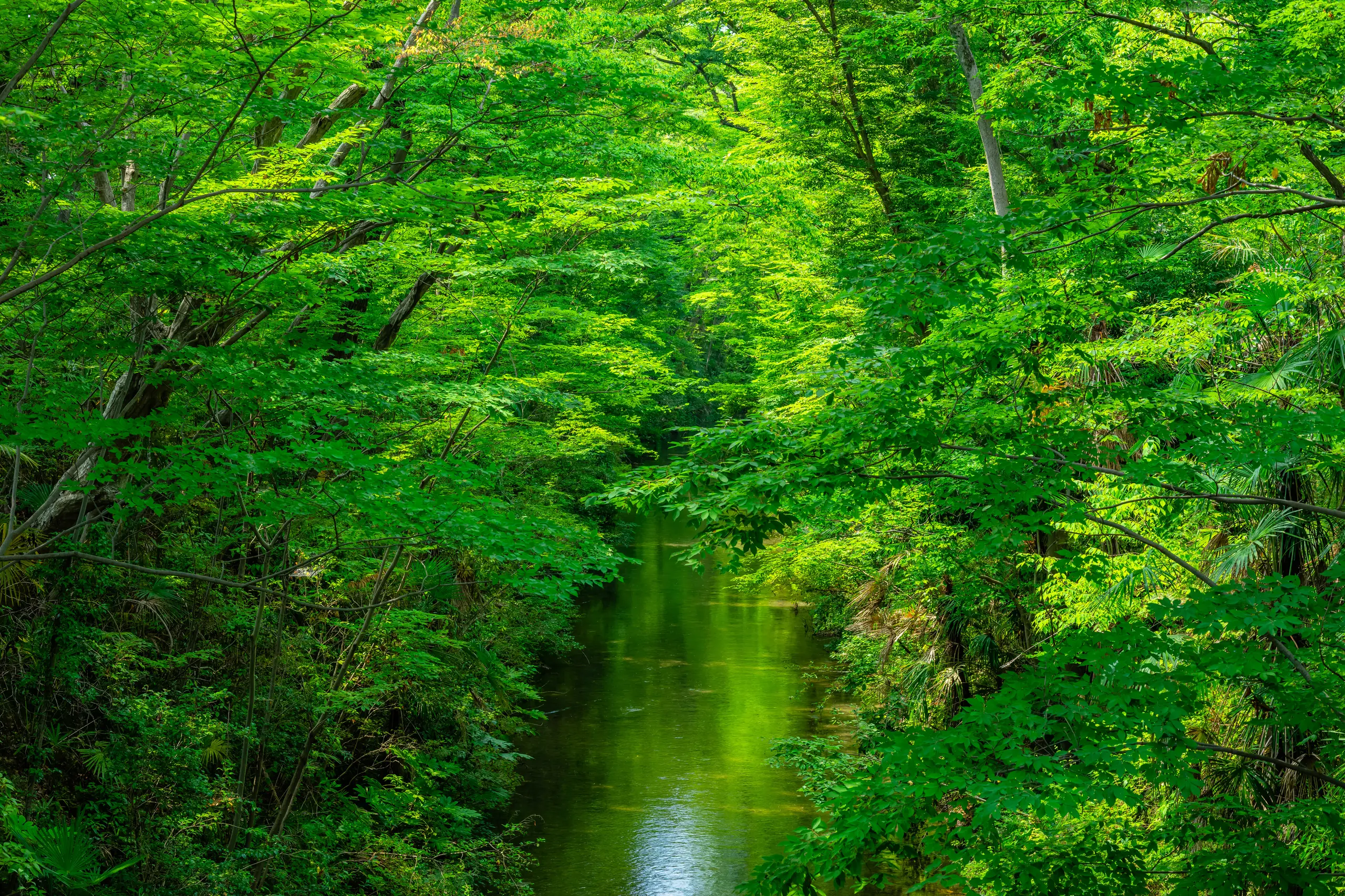
Along the Tama River, Tamagawa Chuo Park (sometimes called Tama River Central Park in English) has lawns, walking paths and seasonal planting. Its gates have seasonal opening hours. The Tama River is separate from the Tamagawa Josui: the first is the natural river, while the second is a constructed waterway.
What to Eat in Fussa
Look out for the Fussa Dog, a local hot dog made with sausage from a Fussa ham producer. Shops prepare their own versions, so it is an easy lunch option if you see one along your route. Route 16 has American-influenced casual food, while the streets west of Fussa Station have everyday Japanese dining choices as well.
Eat near whichever area you are exploring. That leaves more time for walking and avoids a journey across town for lunch.
How to Spend Half a Day or a Full Day in Fussa
A Half-Day in Historic Fussa
Allow about three to four hours around the western side of Fussa Station. Start with the Former Yamaju Tamura Family House, walk through the streets near Tamura Brewery and continue to a section of the Tamagawa Josui around Shinbori Bridge. Adjust the order if you’ve reserved a brewery tour.
A Full Day Exploring Fussa’s Contrasts
With five to seven hours in town, visit the traditional western side in the morning, have lunch, then head for Base Side Street. If Fussa American House is open, its photographs make a good stop before browsing the nearby shops. The areas are separated by a fair walk, so check the city’s map and consider local transport if you prefer a slower pace.
Choose the stops you most want to see. Completing two full official walking courses would take considerably longer.
An Alternative for Sake Enthusiasts
If Ishikawa Brewery interests you most, arrive at Haijima Station instead. It is about a 15–20-minute walk to the brewery, and the older Kumagawa neighborhood makes a sensible companion to the visit. You can combine both breweries and Route 16 in one day by keeping stops short, but it is not a relaxing plan if you also want guided tours.
How to Get to Fussa from Central Tokyo
Fussa Station is on the JR Ome Line, west of Tachikawa. From Shinjuku, use the JR Chuo Line toward Tachikawa and continue on the Ome Line. Some services run through, while others require a change. Allow roughly an hour and check the timetable for the train you plan to take.
Choose the station that suits your route. Use Fussa Station’s west exit for Tamura Brewery and the historic quarter, Haijima for Ishikawa Brewery, or Ushihama for parts of Base Side Street.
Fussa or Ome and Sawai: Which Should You Choose?
There are several quite different day trips along the western side of Tokyo. Ome has older shopping streets, while Sawai and the Mitake area have wooded hills, a rocky river valley and the Sawanoi sake brewery. Choose those places for scenery and longer nature walks.
From Shinjuku, Fussa is the shorter trip. Its breweries, aqueduct and Route 16 make it a good choice for an afternoon of local history and neighborhood wandering, perhaps after several days in central Tokyo.
Practical Tips Before You Visit
Friday through Sunday usually gives you the most choice of facilities. Several places, including &KASEN, close on Mondays, while Ishikawa generally closes its shop and suspends tours on Tuesdays. Check individual calendars before setting out, particularly if you are traveling on a weekday.
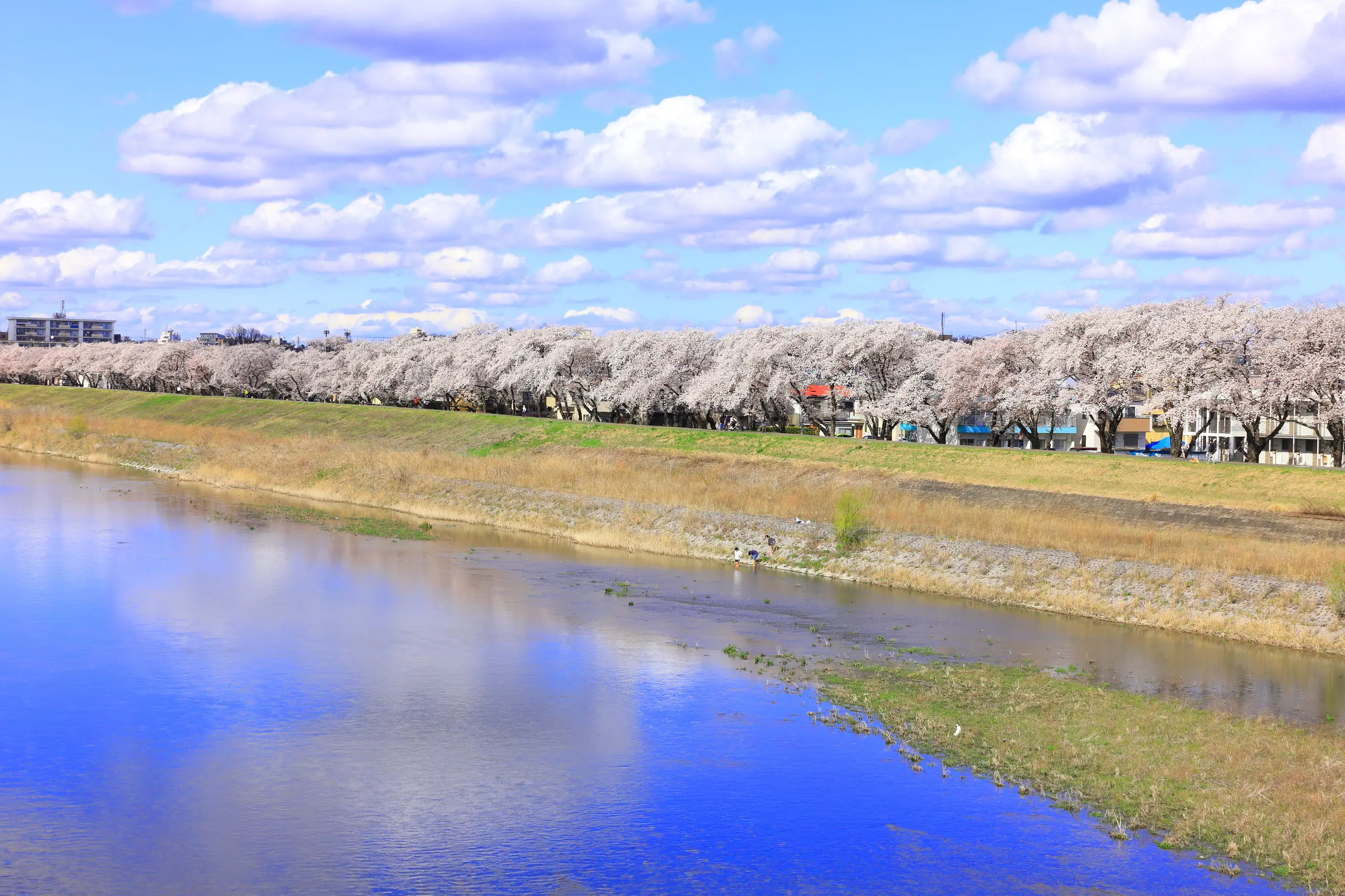
Spring brings cherry blossoms along the Tama River, while summer sees the streets near Fussa Station come alive for the Fussa Tanabata Festival. Autumn is the new-sake season. Since 2022, Tamura Shuzojo and Ishikawa Brewery have held Fussa Kurabiraki, a joint brewery festival in early November featuring seasonal sake, local food, and special brewery activities. Ishikawa Brewery also hosts monthly Kansha Day events throughout the year, although its special guided tours are conducted in Japanese and require advance booking. Check the organizers’ websites for upcoming dates and details.
A Different Side of Tokyo, at Your Own Pace
A first visit doesn’t need to cover every part of town. Spend a few hours around the old breweries and waterways, or browse the shops along Route 16.
If you would like to connect Fussa with other places in western Tokyo, ENJYU JAPAN can help plan a Tailor-Made Tour around your interests. Any particular brewery visit would depend on the operator’s availability and booking conditions.