Yes, Tokyo has real countryside inside its administrative borders. Western Tama includes mountain towns and villages such as Okutama and Hinohara, while Tokyo’s territory also extends far south across its inhabited islands.
For a realistic day away from central Tokyo, though, the most useful choices are closer to home. Okutama, Hinohara, Mt. Mitake, and the Akigawa Valley offer forests, rivers, small communities, and a much slower pace without leaving Tokyo Metropolis. The main thing to plan is not always the train ride. Once you reach the end of the railway, another bus or walk can add considerably more time.
Rural Tokyo at a Glance: Which Area Fits Your Day?
Tokyo Metropolis includes the 23 central wards as well as cities, towns, villages, and islands. There is no official line where “rural Tokyo” begins, but for travelers, western Tama is the most practical place to draw the distinction.
| Area | Best for | Main gateway | Last-mile effort | Best trip shape |
|---|---|---|---|---|
| Akigawa Valley | River walks, easy nature, onsen | Musashi-Itsukaichi | Low to medium | Half or full day |
| Mt. Mitake | Forest, shrine history, mountain community | Mitake | Medium | Full day or overnight |
| Okutama | Forest time, valleys, deeper nature | Okutama and nearby stations | Medium to high | Full day or overnight |
| Hinohara | Village scenery, waterfalls, deep forest | Musashi-Itsukaichi | High | Full day |
| Tokyo Islands | A separate nature-focused trip | Ferry or flight | Separate journey | Usually 2+ days |
Hinohara is especially notable because it is the only village in the Tama region. Tokyo has other villages, but they are on its islands rather than the mainland.
Four Ways to Experience Rural Tokyo
Okutama: Best for Forest Time and a Full Day Out
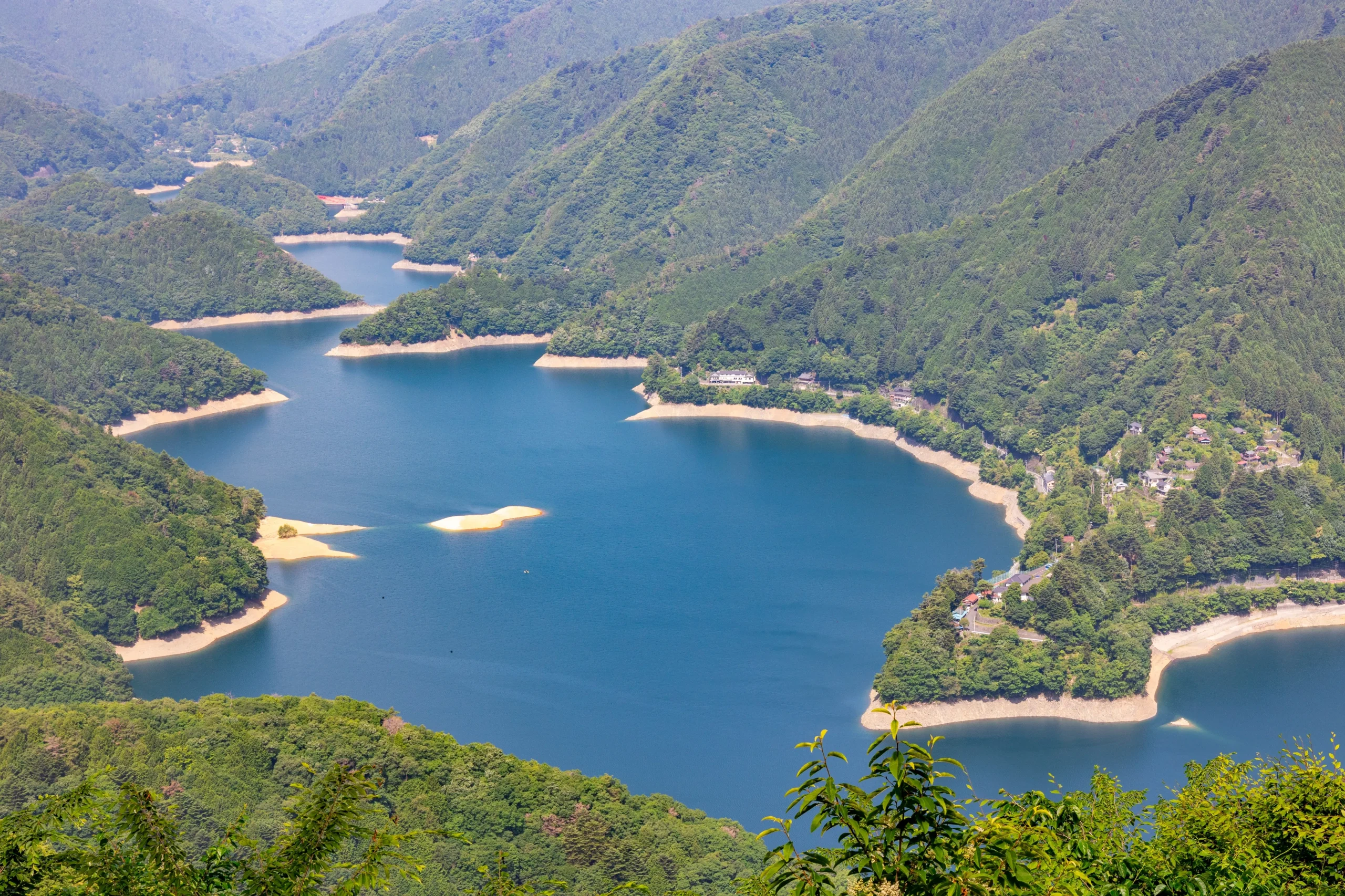
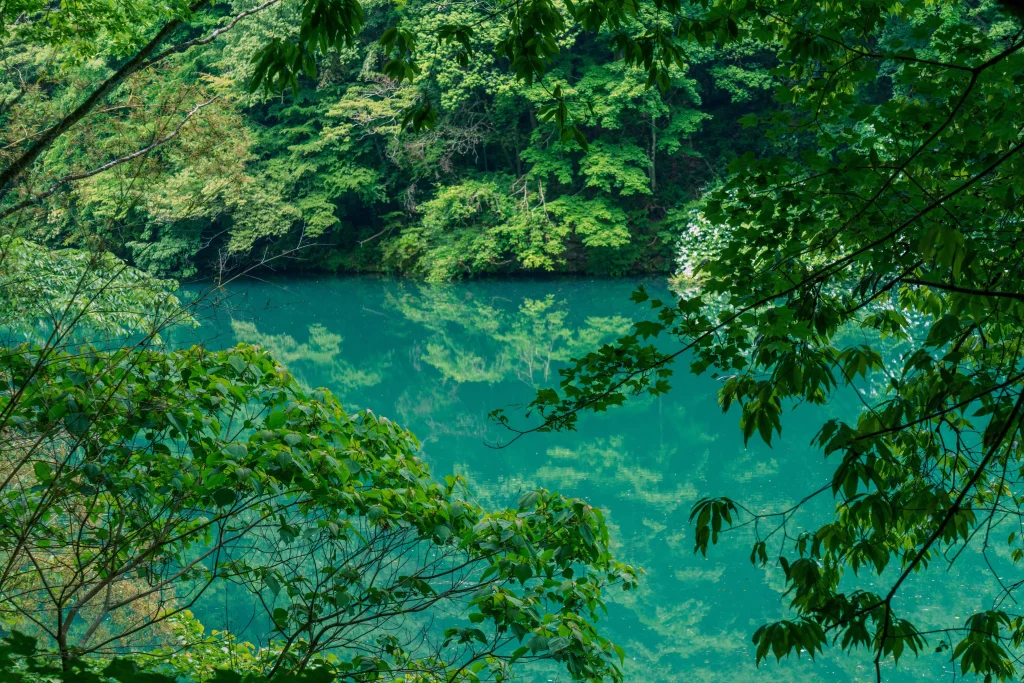
Okutama is probably the strongest all-round choice if you want to feel far from central Tokyo without actually leaving the metropolis. Around 94 percent of the town is forest, and the whole municipality lies within Chichibu-Tama-Kai National Park.
There is plenty to do, including river walks, hiking, Lake Okutama, and the Nippara Limestone Cave, but an Okutama day does not need to become an outdoor challenge. The town has five designated forest-therapy routes, with options ranging from relatively gentle walks to longer routes through the surrounding landscape.
This makes Okutama particularly appealing after several busy days in the city. A few quiet hours among trees or beside a river can be enough. You do not need to turn every hour into sightseeing.
Some areas are fairly easy to reach from the railway, while destinations such as Nippara require another bus journey and closer attention to the return schedule.
Read more: Japan Nature Travel
Hinohara: Best for the Strongest Village Feel
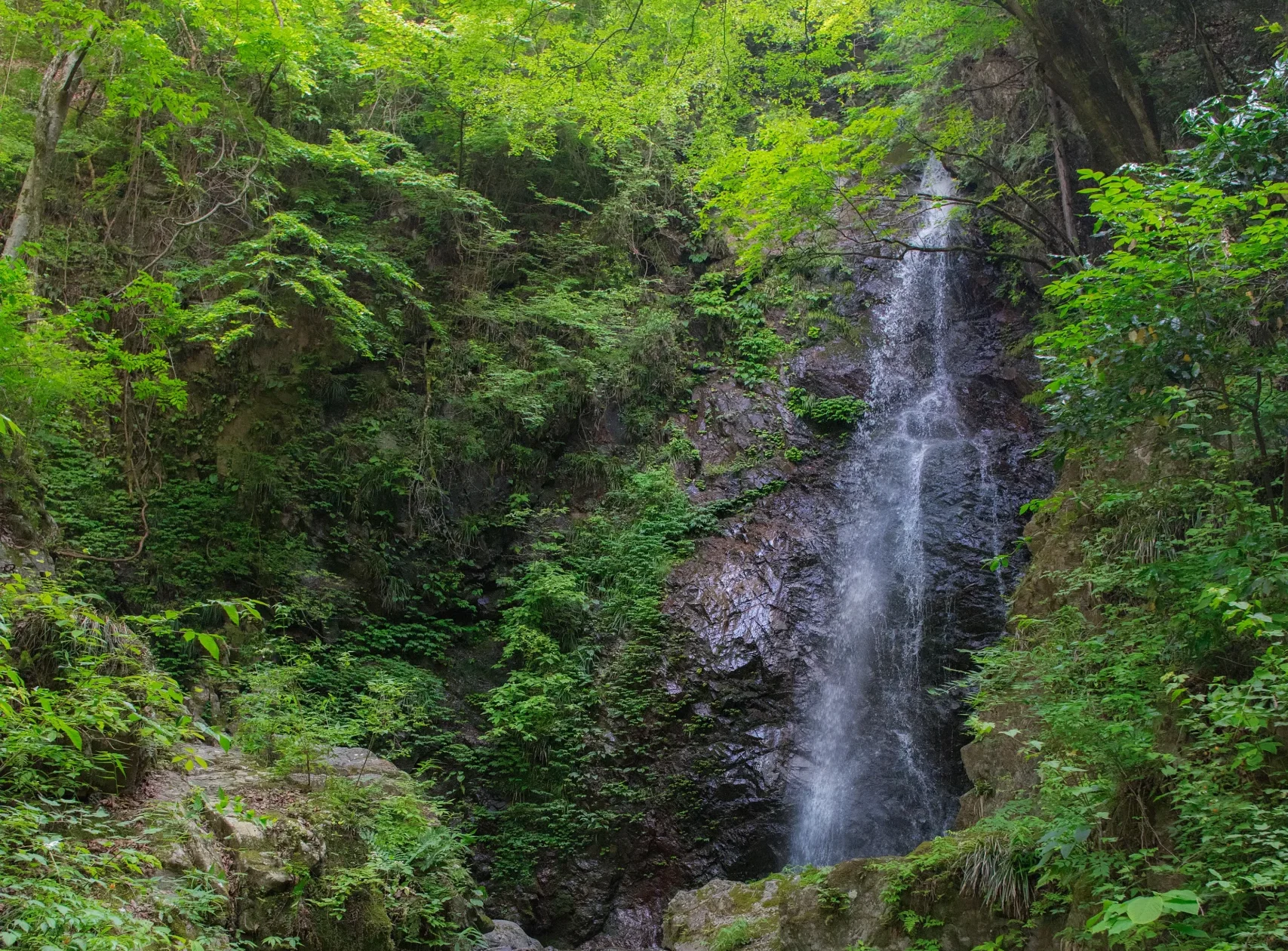
If your idea of rural Tokyo is a small community surrounded by mountains rather than simply a hiking destination, Hinohara is the clearest choice.
The village has around 1,900 residents, and roughly 93 percent of its land is forest. Hossawa Falls is one of the easier nature stops, while Hinohara Tomin-no-Mori offers much deeper forest walks around Mt. Mito.
Hinohara also feels more remote because the railway stops before you reach the village. You first travel to Musashi-Itsukaichi Station and then continue by bus. Reaching Tomin-no-Mori takes about another 75 minutes, and the bus connection does not operate from December through February.
For a quick green break, Akigawa is easier. Hinohara is more rewarding when the village setting itself is part of what you want to experience.
Mt. Mitake: Best for a Mountain Community with History
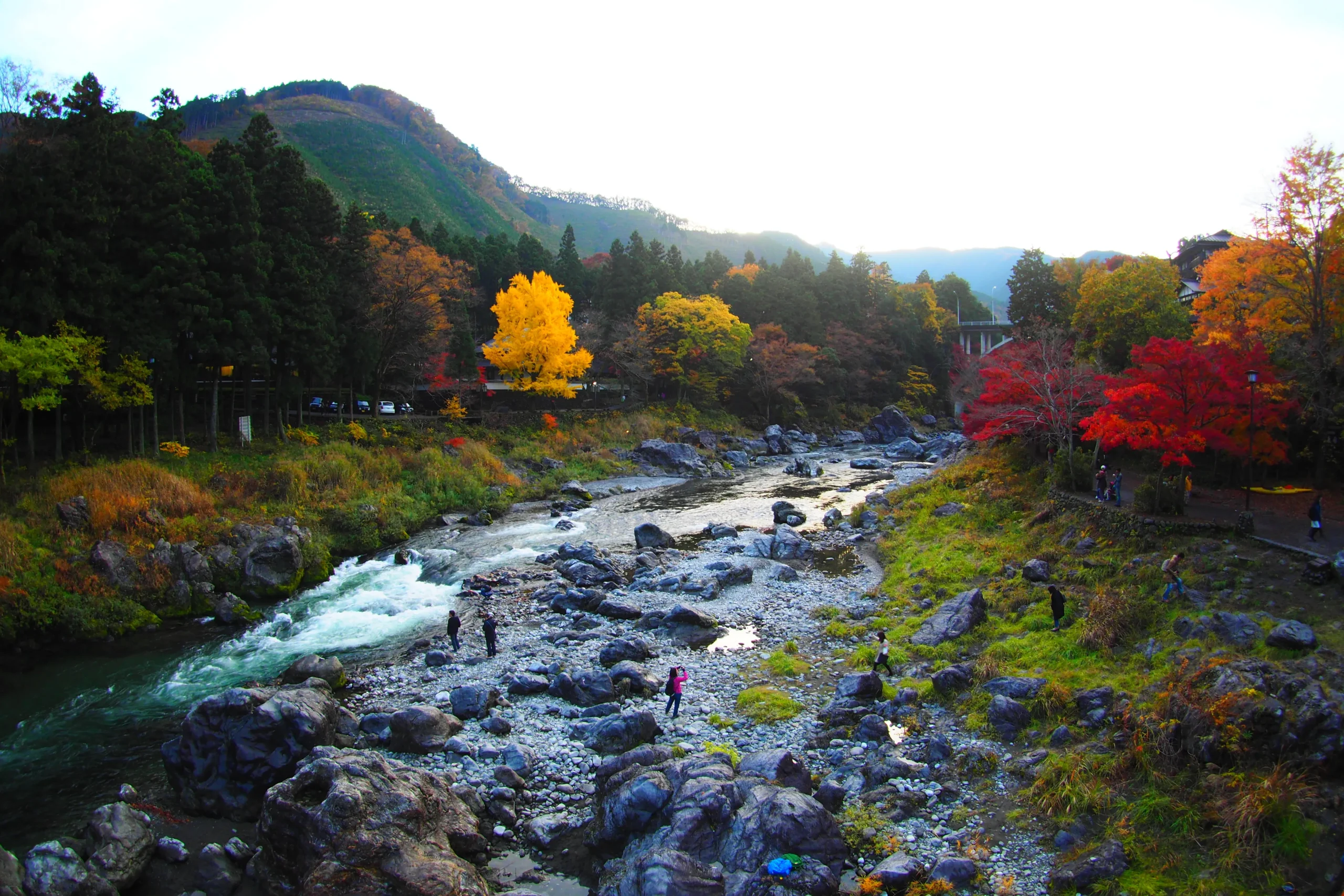
Mt. Mitake works well for travelers who want forest walking with some cultural context.
From Mitake Station, a local bus connects with the lower cable-car station. The cable car takes about six minutes to reach its upper station at 831 meters, after which the approach to Musashi Mitake Shrine continues on foot through a small mountain settlement.
Families associated with the shrine have lived here for generations. Some continue the tradition of oshi, shrine-associated religious guides who historically supported groups traveling to Mt. Mitake. The tradition remains part of life around the shrine today.
The cable railway itself is also more than a sightseeing ride. Its operator describes it as part of everyday transportation for people living in the mountain settlement as well as a route for hikers and shrine visitors.
That everyday function is part of what makes Mitake interesting. You are visiting a mountain destination, but also a place where people still live and work.
Akigawa Valley: Best for an Easier, Slower Day
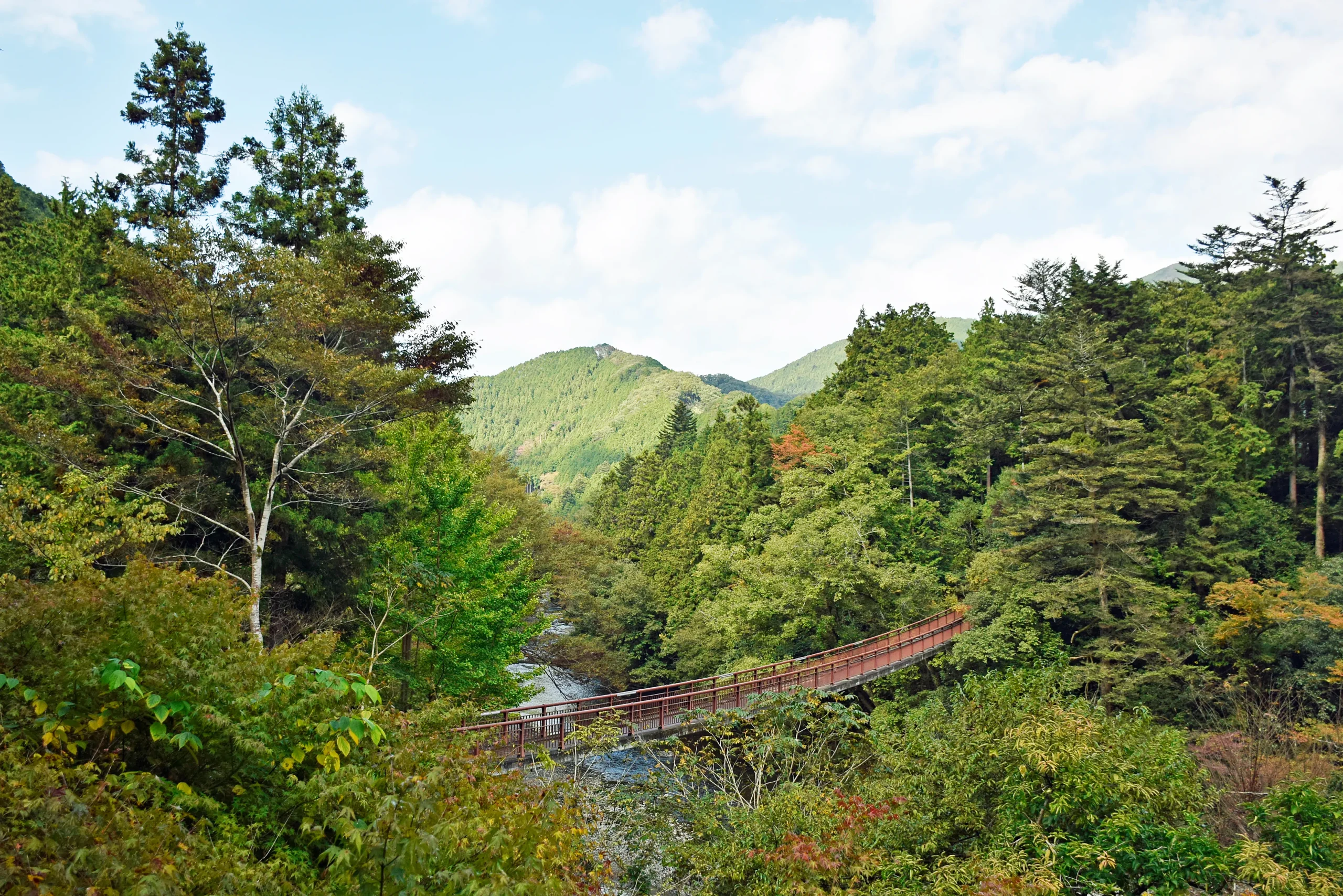
Akigawa Valley is the gentlest choice for travelers who mainly want some space after several days in central Tokyo.
Musashi-Itsukaichi can usually be reached from Shinjuku in roughly an hour to an hour and a half, depending on the connection. From there, parts of the river valley are much easier to reach than the deeper mountain areas of Hinohara or Okutama.
The day can stay very simple: walk beside the river, spend some time outdoors, and finish at Akigawa Keikoku Seoto-no-Yu. The municipal hot spring facility can be reached by local bus followed by a short walk.
Akigawa does not offer the same sense of remoteness as Hinohara. That is also its advantage. You can slow the day down without turning transport into the main event.
The Last Mile Is the Part to Plan
The train is rarely the hardest part of visiting rural Tokyo. The final bus, walk, or seasonal connection is what determines whether the day feels relaxed or rushed.
A useful habit is to check your return journey first. If the destination depends on a local bus, find the service you want to take back before deciding how much to fit into the day.
Hinohara Tomin-no-Mori is a good example. The bus journey from Musashi-Itsukaichi takes around 75 minutes, and public bus access does not operate during winter. Nippara in Okutama is another place where the bus stop and service pattern can change according to the season. The Nippara Limestone Cave also currently accepts cash only.
Mt. Mitake involves several stages too: railway, local bus, cable car, and walking. None is especially difficult, but simply describing the destination as “about two hours from Tokyo” hides the part that matters when building a realistic itinerary.
These are also mountain and forest environments, so check current local notices before setting out, especially if you plan to walk longer trails.
Rural Tokyo Is Still Somewhere People Live
It is easy to see western Tokyo simply as an escape from crowded stations and dense city neighborhoods. The slower pace is genuinely part of its appeal, but these are also communities dealing with the realities of rural life.
Hinohara had 6,642 residents in 1947. Today, the population is around 1,900. Okutama has roughly 4,300 residents. Both municipalities run programs intended to encourage people to settle locally, including housing and vacant-home initiatives.
These are not landscapes preserved mainly for visitors. The houses, forests, shrines, roads, and rivers are part of ordinary local life, and the transport network is very different from central Tokyo, with some routes running less frequently or only seasonally.
For travelers, that change of pace can be valuable in itself. You do not necessarily need a list of major attractions. Walking through the forest, sitting beside a river, or simply spending an hour without thinking about the next famous sight can be the point of the day.
Okutama’s forest-therapy routes also give shinrin-yoku, or slow time spent walking in a forest environment, a practical place in the trip without needing to treat it as something mystical.
Read more: Rural Japan
Tokyo’s Other Countryside: The Islands
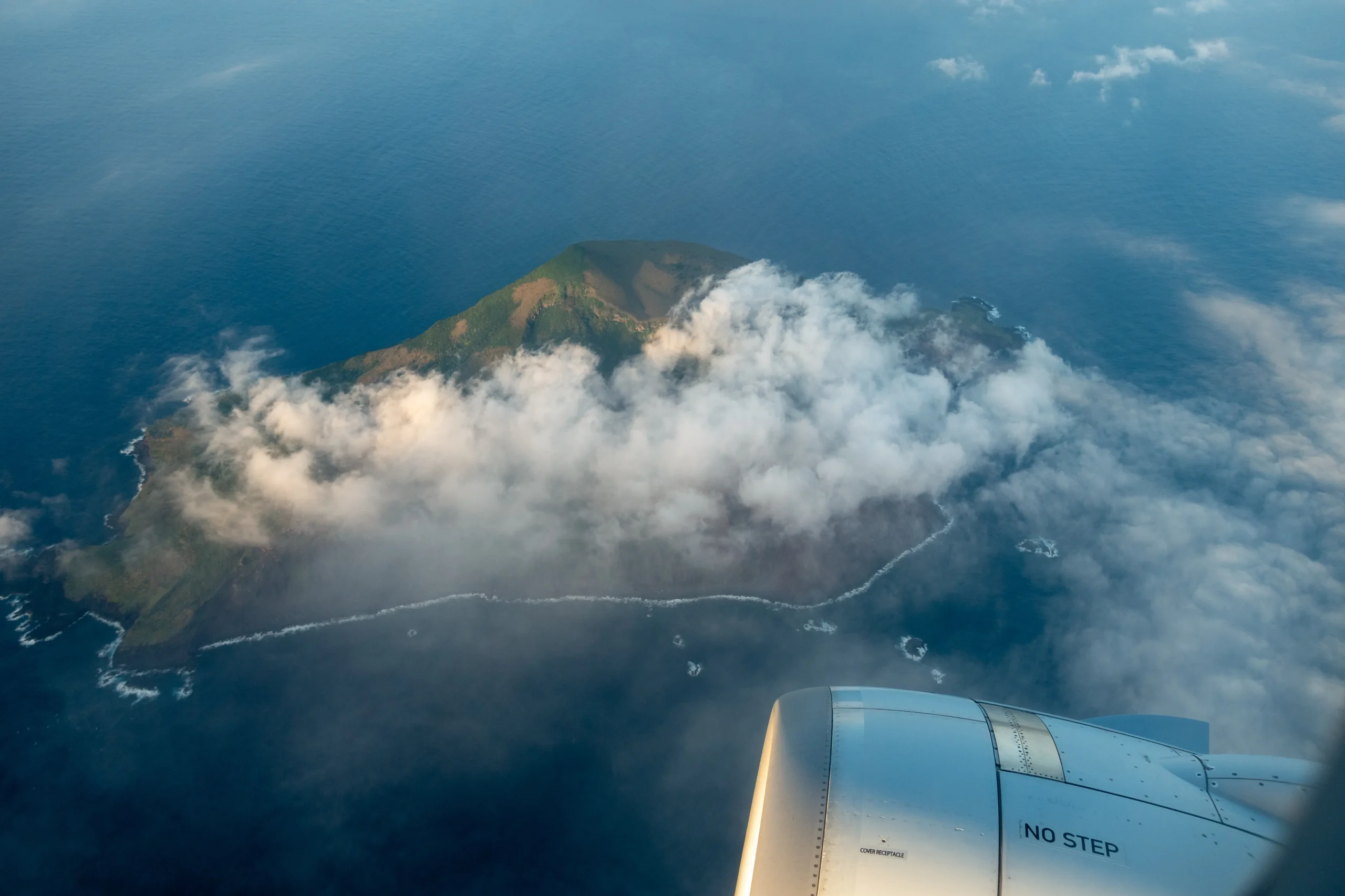
Western Tama is only one side of rural Tokyo. Tokyo also has 11 inhabited islands: nine in the Izu chain, plus Chichijima and Hahajima in the Ogasawara Islands.
Administratively, they belong in the same discussion. Practically, they belong to a different itinerary.
Izu Oshima can be reached from central Tokyo by high-speed ferry in as little as around one hour and 45 minutes. Hachijojima is roughly 55 minutes from Haneda Airport by air, while more remote Aogashima requires an onward connection through Hachijojima.
Ogasawara shows just how misleading the word “Tokyo” can be when estimating distance. There is no airport, and the ferry journey from Tokyo takes about 24 hours. Under the regular ferry schedule, a typical visit usually requires around five nights and six days.
The islands reveal how geographically varied Tokyo really is, but they are not the answer if all you want is a quiet day away from the city.
Read more: Tokyo’s Island Escapes
Is Rural Tokyo Worth a Day of Your Trip?
For a very short first trip to Japan, probably not, unless nature is already one of your priorities. Tokyo itself offers more than enough to fill several days.
But if you have several nights in the city, a rural Tokyo day can change the rhythm of the trip without requiring a completely different region.
Choose Akigawa Valley if you want the easiest, lowest-commitment nature break. Okutama offers the strongest overall mix of forests, rivers, and outdoor options. Hinohara makes the most sense if the village setting itself interests you, while Mt. Mitake is a particularly good match for travelers who want nature together with a living mountain community and shrine history.
The challenge is not deciding whether rural Tokyo exists. It is fitting trains, buses, walking time, and seasonal transport into a day that still feels relaxing.
For travelers who would rather not build those connections themselves, ENJYU JAPAN can incorporate a rural Tokyo day into a Tailor-Made Tour, taking your preferred pace and the rest of your Tokyo itinerary into account. Sometimes the better choice is a full day out, sometimes an overnight stay, and sometimes simply leaving more empty space in the schedule.