Not every sake brewery tour in Japan takes you into a room where sake is being made. Some breweries offer guided visits to selected production areas; others have museums in old brewing buildings or shops where you can try different varieties. It helps to know which kind you’re booking.
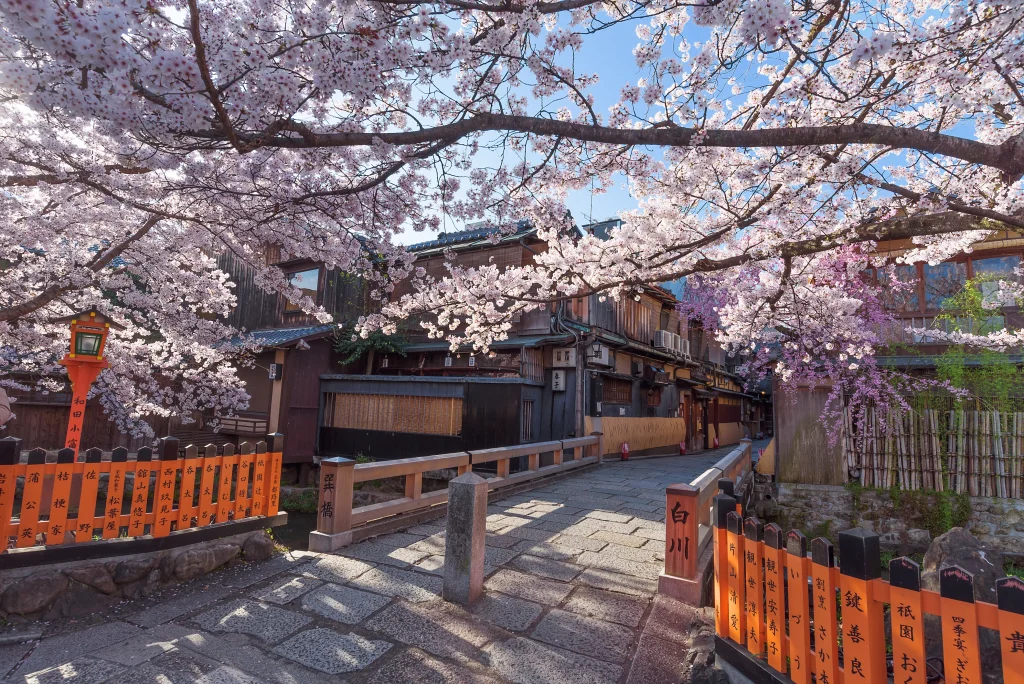
A brewery visit can fit into a bigger day out. In Kyoto’s Fushimi district, that could mean a walk beside the canals after a museum visit. In Saijo, Hiroshima, the brewery buildings themselves line the streets. Even a short tour leaves time to explore the neighborhood.
What Kind of Sake Brewery Tour Can You Take?
On a guided tour, someone explains the brewing process as you walk through parts of the brewery. You may see storage tanks, equipment, or the water source. Access to active production varies, and even a working brewery may keep certain rooms closed.
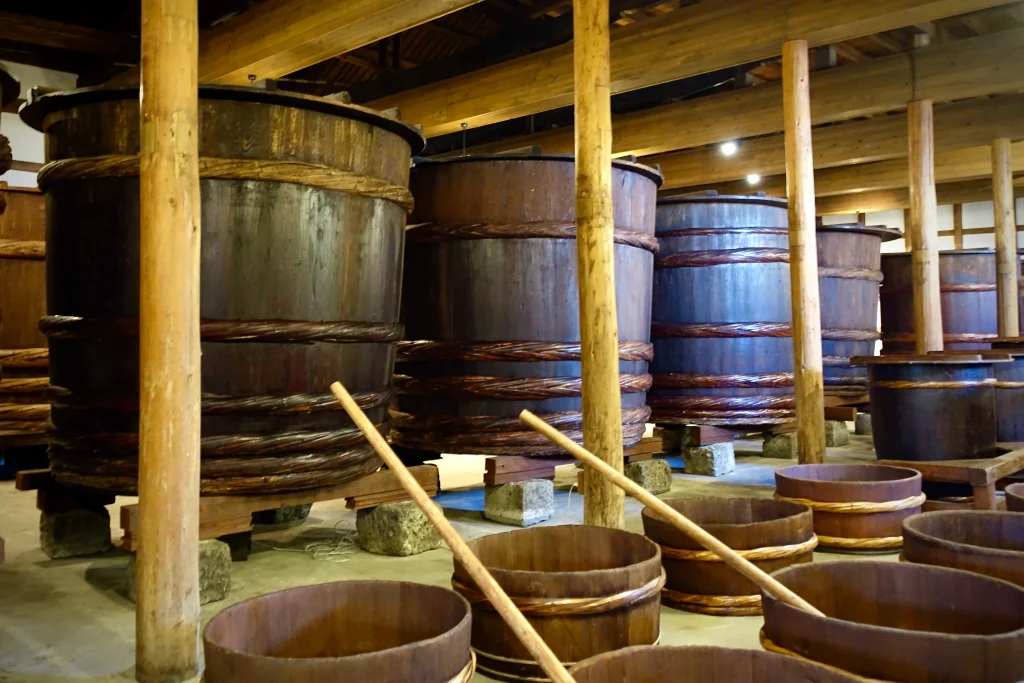
Brewery museums usually focus on older methods. Large wooden vats, old tools, and photographs can give you a clearer sense of the work involved than a brief glimpse into a modern production room.
Tasting counters and brewery shops offer a different experience. They’re useful if you want to compare varieties, but don’t assume you’ll get a tour of the building.
Where Should You Go?
| Region | What to expect | What to check | Fits well with |
| West Tokyo | Guided visits and riverside scenery | Advance bookings and language | A day out from Tokyo |
| Fushimi, Kyoto | Historic brewery museum and tastings | Museum reservations and capacity | Southern Kyoto sightseeing |
| Nada, Kobe | Museums and traditional brewing tools | Individual opening days | Osaka or Kobe |
| Saijo, Hiroshima | A walk between brewery shops | Which facilities welcome visitors | A Hiroshima-area excursion |
| Niigata City | Brewery tours with English guidance | Advance reservations | A wider Niigata itinerary |
Where to Visit a Sake Brewery in Japan
West Tokyo: Nature and Traditional Sake Brewing
In Ome’s Sawai area, Ozawa Shuzo has been making Sawanoi sake since 1702. The Tama River runs nearby, and the brewery’s riverside garden makes a welcome stop on a walk through the valley.
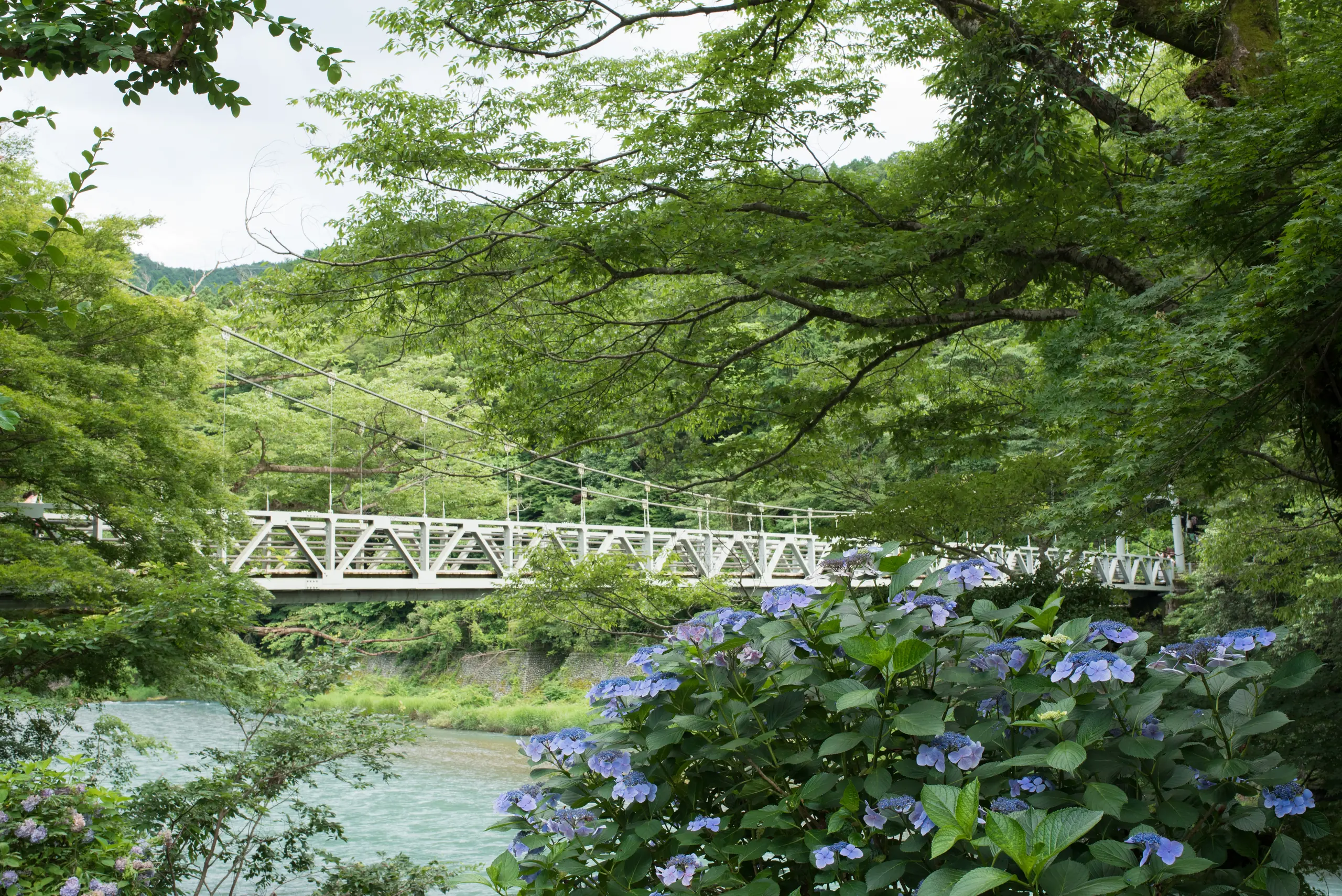
There’s more to the outing than the formal tour. A riverside walk, old buildings and a meal nearby make it worth spending time in the area. Inside the brewery, explanations of rice polishing and koji give visitors something to think about when they later compare different varieties of sake.
For today’s visitors, Sawanoi’s brewery tour lasts about 40 minutes. As of October 2026, the standard tour costs ¥700 and includes tasting for adults aged 20 and over. Spoken guidance is in Japanese, with an English brochure available; reservations are generally needed by the previous day.
Ishikawa Brewery in Fussa is another possibility, particularly if you’d prefer an English-speaking guide. Its 90-minute English tour costs ¥3,000 and must be booked at least five days ahead. Sawanoi and Ishikawa are separate outings, so choose one based on the route you’d like to take.
Fushimi, Kyoto: A Brewery Visit Among Canals and Historic Streets
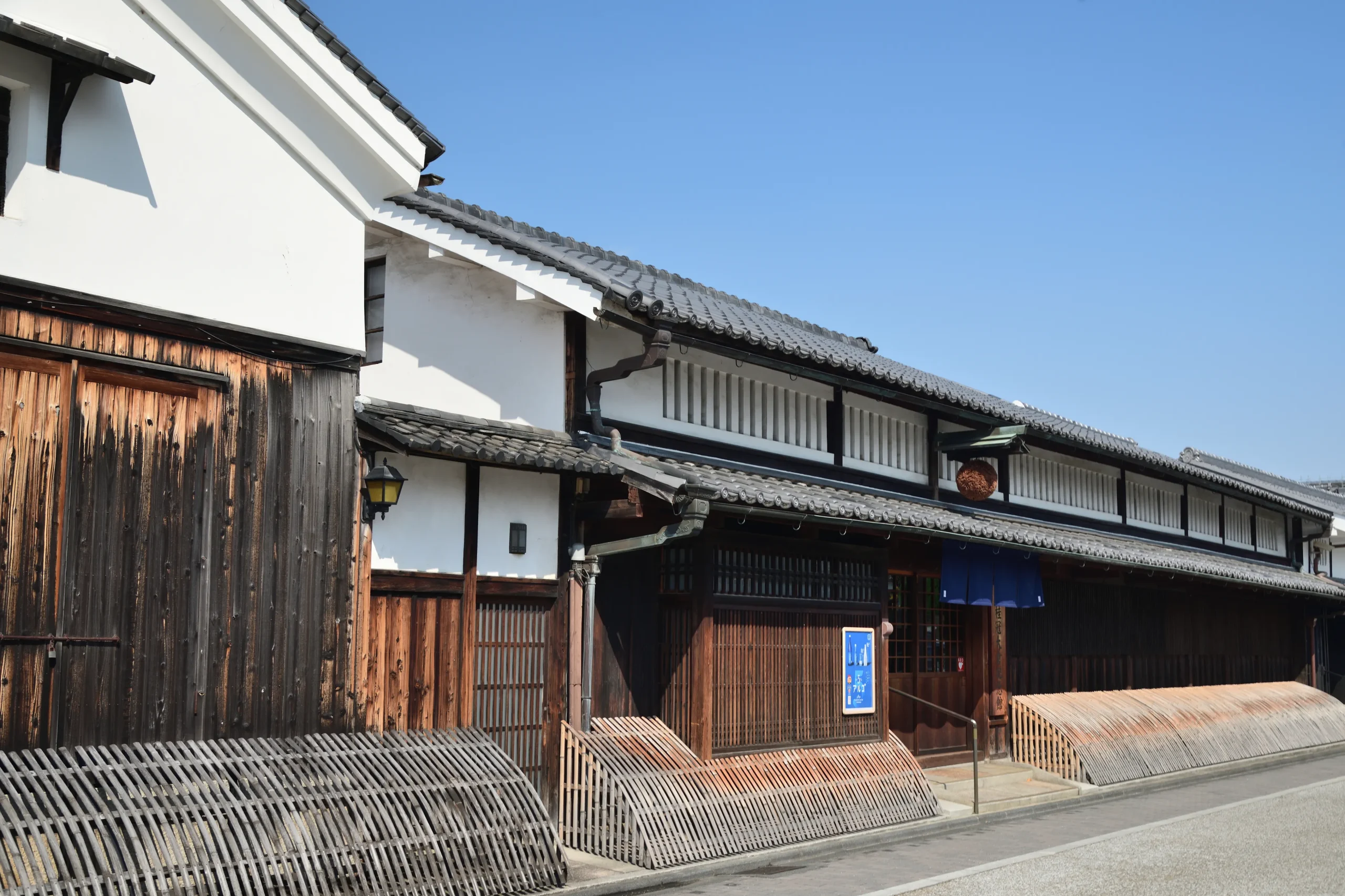
Fushimi’s sake history is closely tied to its groundwater. Canal-side streets and old brewery buildings give you plenty to see before or after a museum visit.
The Gekkeikan Okura Sake Museum occupies a former brewery building, with tools and exhibits about sake-making and opportunities to taste. The standard visit is self-guided; it isn’t a tour through active production.
Admission is ¥600 for visitors aged 20 and over as of October 2026. Online reservations take priority, although walk-ins may be accepted if there’s room. Leave enough time for a walk along the canals rather than treating the museum as your only stop.
Nada, Kobe: Exploring the Tools of Traditional Brewing
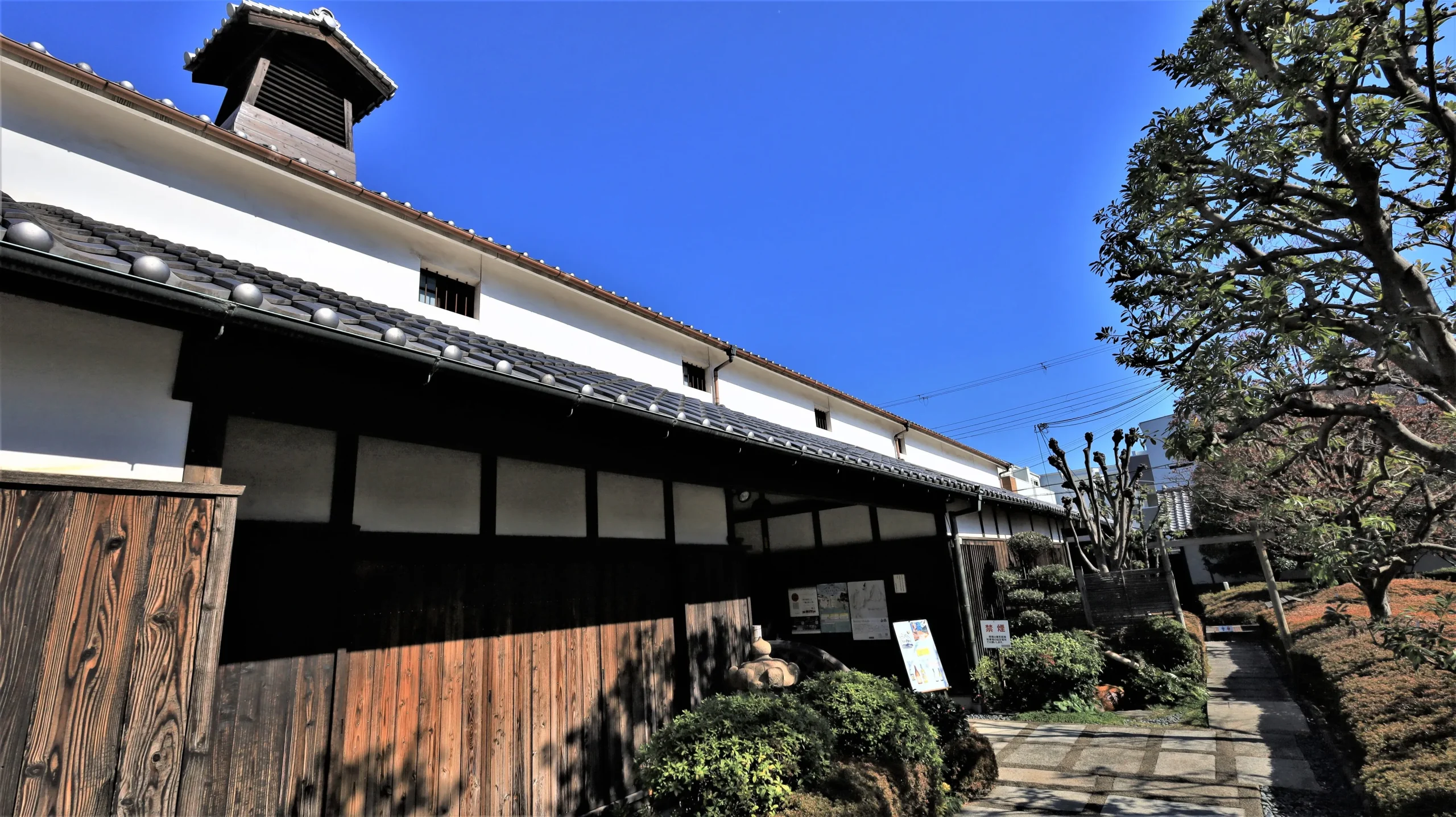
The Hakutsuru Sake Brewery Museum is housed in a former brewhouse in Kobe’s Nada area. Wooden vats, tools, and exhibits explain how sake was made before today’s equipment became common. It is particularly good for understanding the physical work behind brewing.
Admission is free, and individual visitors generally don’t need to book. There are other sake museums in the wider Nada area, although their opening days differ. If you’re staying in Osaka or Kobe, you can build a half-day around one or more of them.
Saijo, Hiroshima: Walking Through a Town of Breweries
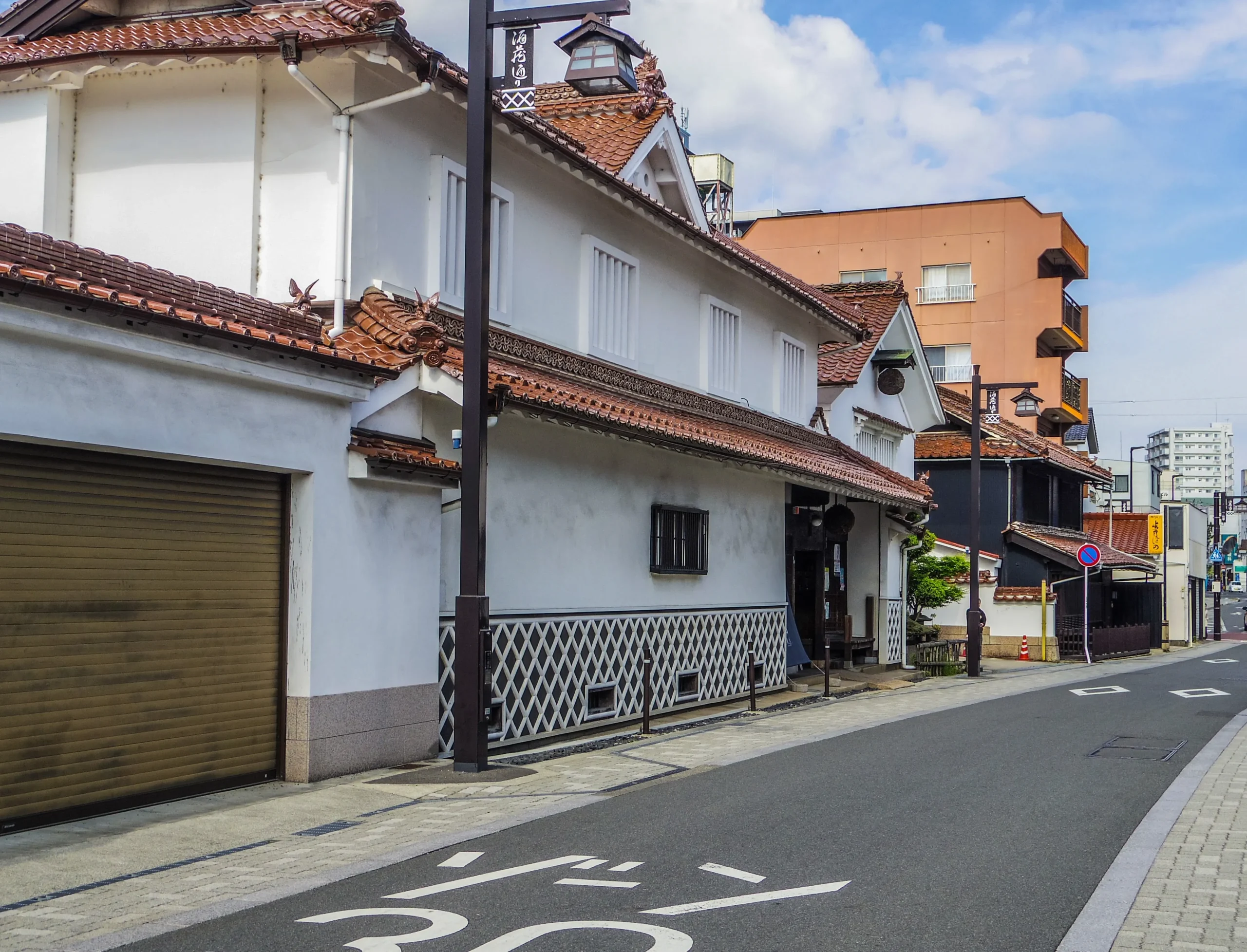
A short walk from JR Saijo Station brings you to brewery buildings with white walls and red-brick chimneys. Seven breweries are associated with the district, though they don’t all admit visitors in the same way.
You can walk through the streets and stop at brewery shops that are open. At Kamotsuru, for example, the museum shop is separate from occasional guided tours of the production brewery. Those tours require a reservation and don’t include tasting.
Saijo is a good choice if you’d rather walk through a brewing neighborhood than spend the entire visit inside one building. Check current opening information through VISIT Higashihiroshima before setting out.
Niigata: A Guided Introduction to Sake Production
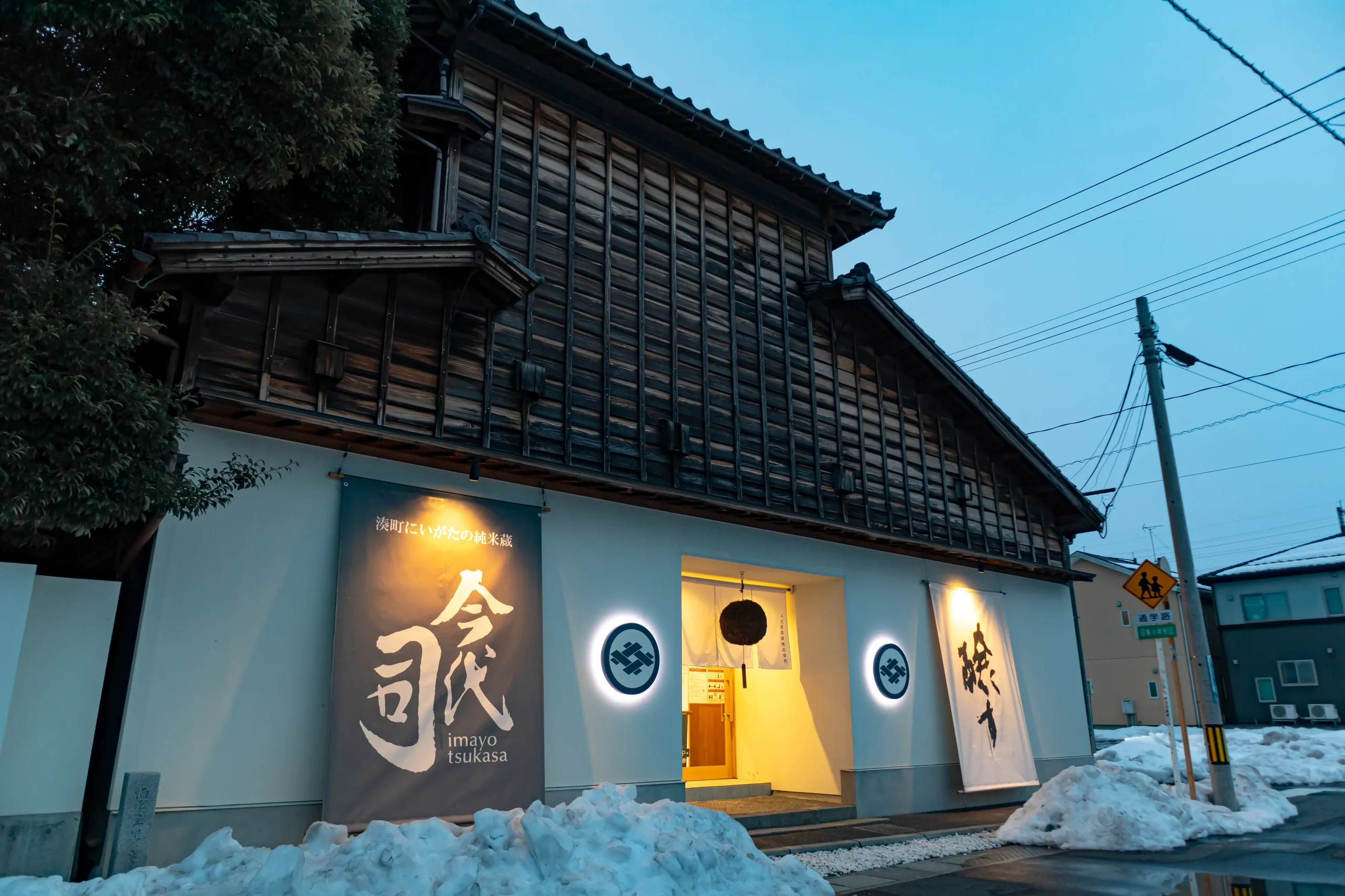
About a 15-minute walk from Niigata Station, Imayo Tsukasa offers guided visits to its working brewery. Guides explain the sake-making process alongside the brewery’s history and its connection to Niigata. Old signs and brewing tools are also on display, offering a glimpse of how methods have changed over time.
For travelers who prefer an explanation in English, the brewery offers a separate guided tour on weekday afternoons. It lasts about 30 minutes and costs ¥550 per adult as of October 2026. Advance reservations are required; check the current timetable before going.
Read more: Guide to Niigata’s sake.
What Will You Actually Learn Inside a Sake Brewery?
You might see the tools rather than the work itself, but the explanations can make a tasting far more interesting.
Brewers polish, wash, soak, and steam the rice before fermentation. The polishing ratio tells you how much of the grain remains: 60% means 40% has been removed. It influences the style of sake, although a lower ratio doesn’t automatically mean better sake.
Koji is steamed rice cultivated with Aspergillus oryzae, a mold that produces enzymes needed to turn rice starch into sugars. Yeast then ferments those sugars into alcohol. In sake brewing, the conversion of starch and the fermentation happen alongside each other.
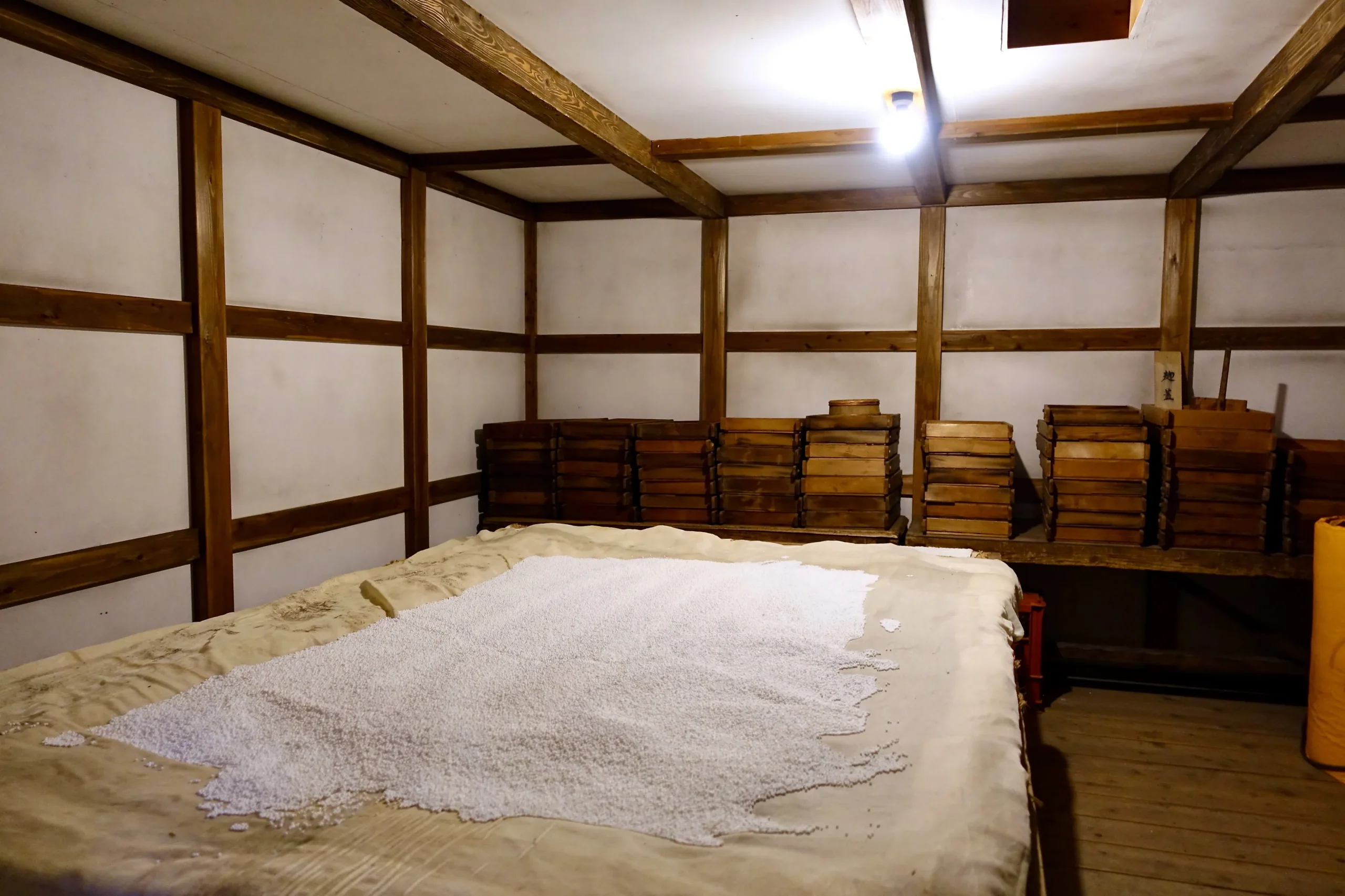
Koji rooms need careful temperature and hygiene control, so they may be closed to visitors. A guide might instead point out tanks, show equipment behind glass, or use old tools to explain each step.
Read more: Introduction to Japanese sake.
Making a Brewery Visit Part of a Bigger Day Out
A brewery can be the starting point for exploring its neighborhood. In Fushimi, leave time for the canals and nearby shops. In Saijo, walking past the old brewery buildings is part of the experience. Neither outing needs to revolve entirely around sake.
Not every sake stop needs to be a formal tour. In Takayama, tasting counters in the old town offer a chance to compare different varieties while exploring the streets. It’s a way to enjoy local sake without visiting a production facility.
And you don’t have to drink to find a brewery interesting. The old buildings, the work of the brewers, and the way a business fits into its town may be reason enough to go.
A Craft Passed Down Through Generations
Some Japanese breweries have operated for centuries, although owners, buildings, and methods have changed over time. Brewing knowledge can survive those changes, passed on and adapted by successive generations.
Licensing has also shaped the industry. Producers need permission to manufacture sake, and restrictions related to domestic supply and demand have made it difficult for newcomers to enter the market. A separate export-only license became available in 2021. These rules help explain barriers to entry, not why any individual brewery has survived.
In 2024, UNESCO recognized the traditional knowledge and skills of sake-making with koji mold in Japan as Intangible Cultural Heritage.
How to Plan and Book a Sake Brewery Tour
Before booking, check whether you’re reserving a production tour, a museum visit, or a tasting. Also look for the details that can make or break the outing.
Reservations: Guided visits may have fixed times or require booking several days ahead. Museums sometimes allow walk-ins, but popular ones may give priority to reservations.
Language: An English leaflet is not the same as an English-speaking guide. If you want to ask questions about brewing, check who’s conducting the tour.
Season: Brewing often takes place in the colder months. That doesn’t guarantee you’ll see it happening. Some breweries limit access during busy periods; others welcome visitors throughout the year.
Hygiene: A working brewery may ask you to avoid foods such as natto before the tour or to skip strong fragrances. Check its instructions on food, photography, and access to production areas.
Tasting and transport: Tastings may be included, charged separately, or unavailable. The legal drinking age in Japan is 20. If you plan to drink, don’t drive.
Choose the Experience, Not Just the Sake
To see how sake is produced, check which areas a guided tour actually covers. If you’re interested in older methods and buildings, a museum may be a better choice. For a brief introduction to different flavors, a tasting counter could be enough.
Leave time for the streets, food, and scenery nearby, too. The setting is part of the story.
For a rural brewery, arranging the route may take more work than booking the visit itself. ENJYU JAPAN can help you explore how a suitable brewery experience might fit into a Tailor-Made Tour, alongside food, walking, and other stops.