A night in a Japanese temple can be one of the most interesting accommodation experiences of a trip, but it is quite different from simply booking an unusual hotel. A temple stay, called shukubo in Japanese, may include a tatami room, Buddhist vegetarian meals, an early morning service and a much quieter evening than you would have in a city hotel.
You do not need to be Buddhist, and staying at a temple does not usually mean entering a strict religious retreat. What guests can join, how simple the rooms are and how much privacy you have all depend on the property.
The useful question is therefore not which temple is “best.” It is what kind of experience you want and how much of your itinerary you want to build around it.

Temple Stays at a Glance
- Typical stay: One night is a good starting point. Two can make sense at mountain or pilgrimage destinations.
- Rooms: Tatami and futon bedding are common, but some temples have beds and private bathrooms.
- Meals: Dinner and breakfast are often included. Many Buddhist lodgings serve vegetarian temple cuisine, but menus vary.
- Religious activities: Morning prayers, meditation or other practices may be available. Expectations differ by temple.
- Privacy: Shared toilets and bathing facilities are still common, so check before booking.
- Booking: English booking is relatively straightforward at Koyasan and a limited number of other properties.
- Best reason to stay: The accommodation itself becomes part of the cultural experience rather than simply somewhere to sleep.
What Does a Full Day at a Temple Stay Actually Feel Like?
The easiest way to understand a temple stay is to picture the day rather than look at a list of facilities.
Afternoon: Arrive Earlier Than You Would at a Hotel
Temple stays generally work best when you arrive with plenty of time before dinner.
After checking in, you may be shown your room and told about meal times, bathing hours, the morning service and any rules about returning to the building in the evening.
A traditional room may have tatami flooring, a low table and futon bedding. Toilets and bathing areas are often shared, although some properties now offer rooms with private facilities.
Some temples offer meditation, sutra copying or other activities in the afternoon. At others, the time is simply yours. After several busy days of sightseeing, having nothing scheduled for an hour can be part of the attraction.
Evening: Dinner and a Quieter Night
At many Buddhist temple stays, dinner is based on shojin ryori, traditional Buddhist vegetarian cuisine.
Rather than one large main dish, the meal usually consists of several smaller dishes using ingredients such as vegetables, tofu, sesame, seaweed and seasonal produce.
Not every religious lodging serves the same type of food, however. Some properties offer other menus, so vegetarians, vegans and travelers with allergies should confirm what will actually be served before booking.

Evenings tend to be much quieter than at a hotel. Some lodgings have a curfew, and dinner and bathing may take place at fixed times.
That can feel restrictive if you want to stay out late or choose dinner whenever you like. If you are looking for a night away from restaurant reservations, shopping and sightseeing schedules, the same structure can be refreshing.
Early Morning: The Part You Cannot Get at a Hotel
Morning services are often the experience that makes staying overnight worthwhile.
Depending on the temple, guests may sit quietly while monks chant, listen to prayers or observe another form of worship. Some properties also offer meditation or a fire ritual.
You normally do not need to be Buddhist. Exactly how guests participate varies, so it is better to think of the service as a chance to observe or join part of the temple’s normal routine rather than as a performance arranged for visitors.

Breakfast follows, often early. By the time you leave, you have experienced a very different rhythm from waking up in a hotel and heading downstairs for a buffet.
Temple Stay, Ryokan or Hotel?
These accommodation styles can look surprisingly similar in photographs, particularly when both a temple and a traditional ryokan inn have tatami rooms and futon bedding. What they are designed to provide is different.
| Temple stay | Ryokan | Hotel | |
|---|---|---|---|
| Main reason to stay | Religious setting and daily rhythm | Hospitality, cuisine and often bathing | Convenience and flexibility |
| Rooms | Often traditional; facilities vary | Traditional rooms common | Usually Western-style |
| Bathroom | Shared facilities remain common | Communal baths common; private options vary | Usually private |
| Meals | Dinner and breakfast often included | Dinner and breakfast common at full-service ryokan | Usually optional |
| Schedule | Often structured around meals, bathing and morning activities | Some fixed meal times | Usually flexible |
| Evening | Generally quiet | Relaxed, often centered on dinner and bathing | Come and go freely |
A temple stay is not automatically cheaper than a ryokan. At popular destinations, rooms with better facilities can be priced similarly to comfortable traditional accommodation.
If your priority is physical comfort for the money, a good ryokan may suit you better. A temple stay makes sense when the religious setting and the way the day is structured are part of what you want from the night.
A Short History of Temple Lodging in Japan
Religious lodging originally developed to accommodate monks and pilgrims travelling between sacred sites.
During the Heian period (794–1185), important mountain religious communities expanded. Koyasan, for example, was established as a center of Shingon Buddhism after the monk Kukai received imperial permission to develop the site in 816.
Pilgrimage became increasingly accessible to ordinary people over the following centuries. By the Edo period (1603–1868), religious journeys were also an important form of travel, and accommodation around temples, shrines and sacred mountains served far more than monks alone.
That history helps explain why many of Japan’s most interesting religious stays are still found around pilgrimage destinations rather than in major city centers.
Read more: Japan’s Pilgrimage Trails
Where Should You Stay?
The destination changes the experience considerably.
| Area | Good choice if you want | How it fits a trip | Main thing to know |
|---|---|---|---|
| Koyasan, Wakayama | The fullest Buddhist temple-town experience | Overnight extension from Osaka or Kansai | Worth giving proper time rather than rushing |
| Kyoto | Temple accommodation without leaving a major city | Easy to include during a Kyoto stay | Comfort and religious activities vary greatly |
| Nara Prefecture | Temple history and mountain religious culture | Better as a regional extension | Many stays are outside central Nara |
| Mt. Mitake, Tokyo | Religious mountain lodging and nature near Tokyo | Short overnight escape | Shinto/shugendo rather than a Buddhist temple stay |
| Mt. Minobu, Yamanashi | A quieter Buddhist alternative | Works with a slower Yamanashi or Fuji-area route | Requires more deliberate transport planning |
Koyasan: Make the Temple Stay the Main Event
Koyasan in Wakayama is the clearest place to start if the overnight experience itself is one of the reasons for your trip.
The mountain community has around 50 temple lodgings, and its official association provides English-language booking support. Accommodation ranges from simple traditional rooms with shared facilities to more comfortable options.
Koyasan is also a destination in its own right. Reaching it from Osaka takes a substantial part of the journey, so it makes little sense to arrive late, sleep and immediately return the next morning.
With one night, you can experience dinner, the quiet evening, morning prayers and some sightseeing. Two nights are worth considering if Koyasan is one of the priorities of the trip and you want time to explore without arranging everything around check-in and meals.

If you want to extend the religious journey into a walking route, Koyasan can also connect naturally with walking the Kumano Kodo.
Kyoto: The Easiest to Fit Into an Existing Itinerary
Kyoto works for a different reason.
You can add a temple stay without creating a separate mountain detour, and the accommodation itself can range from simple traditional lodging to rooms with modern bathrooms and other hotel-like comforts.
That convenience also means the experience varies considerably between properties. It would be misleading to assume that every Kyoto temple stay revolves around Zen meditation or follows the same strict routine.
For someone already spending several nights in Kyoto, replacing one hotel night with temple accommodation is one of the easier ways to try the experience without restructuring the trip.
Nara Prefecture: Look Beyond Nara City
Nara was Japan’s first permanent capital from 710 to 784 and remains closely associated with the early development of Buddhism in the country.
But temple accommodation in Nara Prefecture should not be confused with staying beside Todai-ji or Kofuku-ji in the center of Nara city.
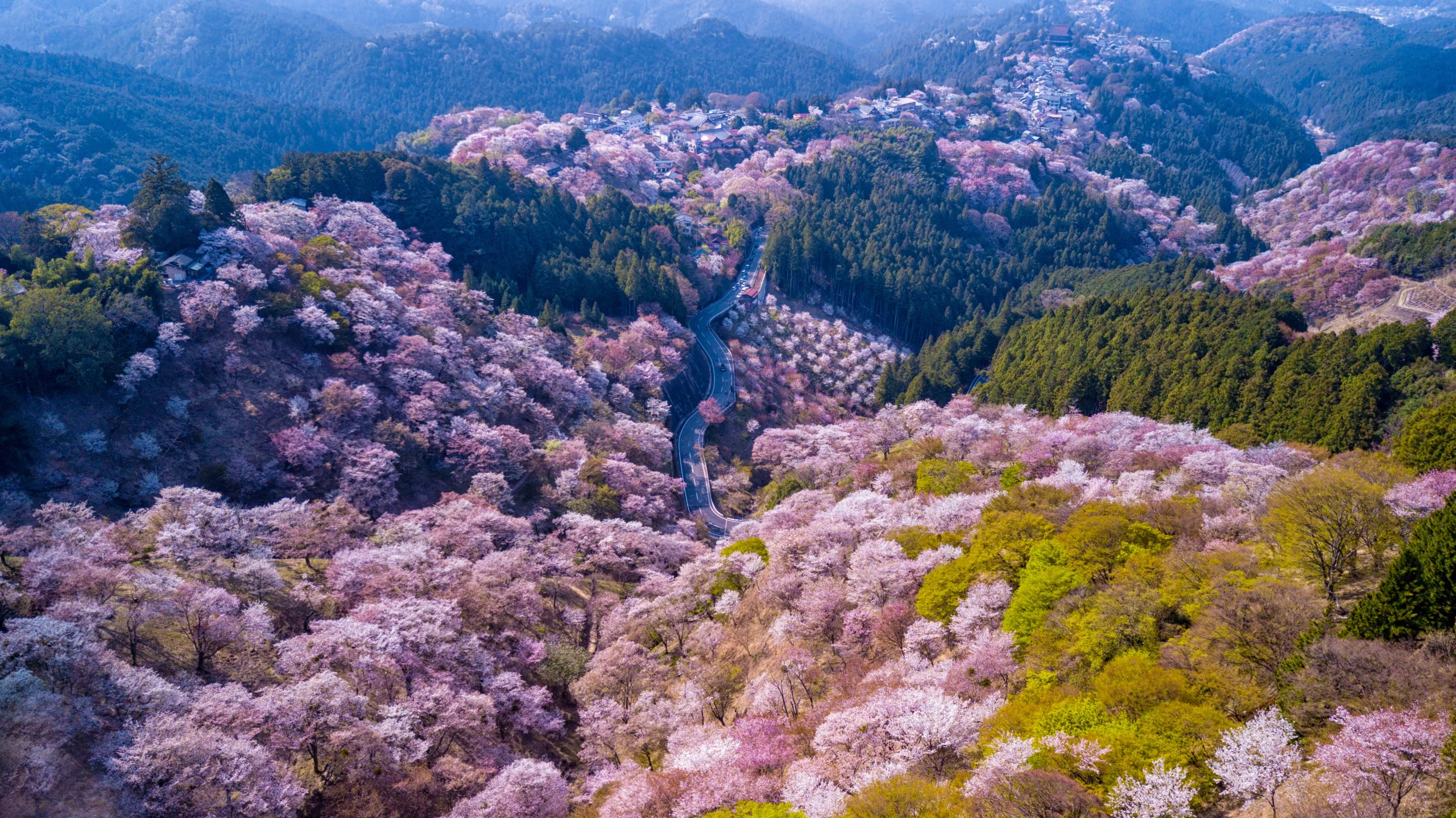
Some of the more interesting religious stays are around Mt. Shigi and Yoshino. These areas take more effort to reach, but they also connect the overnight experience with mountain pilgrimage traditions and a quieter side of the prefecture.
Nara is therefore better suited to travelers willing to make the religious setting part of the trip rather than those simply looking for unusual accommodation near the deer park.
Mt. Mitake: A Related Religious Stay Near Tokyo
Mt. Mitake in western Tokyo is worth considering if you like the idea of staying within a religious mountain community but do not want to travel as far as Koyasan.
The village around Musashi-Mitake Shrine has long accommodated pilgrims, and traditional lodgings remain part of the mountain community.
There is an important difference: these lodgings are connected to Shinto mountain worship and shugendo traditions rather than being Buddhist temple accommodation.
Some properties can arrange practices such as waterfall training, where participants stand beneath cold running water as part of mountain ascetic practice.
For travelers based in Tokyo, one night is usually enough to experience the mountain in the evening and morning without turning it into a major detour.
Mt. Minobu: A Quieter Buddhist Alternative
Mt. Minobu in Yamanashi is another option if you want Buddhist temple lodging but Koyasan does not fit your route.
The area centers on Kuon-ji, the head temple of Nichiren Buddhism. Kakurinbo is one of the better-known lodgings for international visitors and sits close enough for guests to attend morning prayers at Kuon-ji.
Minobu is less convenient as a quick side trip than Mt. Mitake, but it can work well in a slower Yamanashi or Mt. Fuji-area itinerary. Travelers who want additional cultural activities may find that two nights are more worthwhile than arriving for a single evening and leaving directly after breakfast.
How Much Does a Temple Stay Cost?
There is no useful nationwide price that applies to every temple stay.
A simple room with shared facilities in a regional destination may cost much less than a premium room at Koyasan or Kyoto. Private bathrooms, room quality, location, meals and season can all change the price considerably.
Dinner and breakfast are often included, so compare the total stay rather than the room price alone. Most importantly, do not assume that temple accommodation is a budget alternative to a hotel or ryokan.
For current prices, check the individual property for your travel dates.
What Should You Check Before Booking?
Temple stays vary enough that a few checks before reserving can make a large difference.
Bathroom and Bedding
Do not assume that your room has its own bathroom.
Shared toilets and gender-separated communal bathing remain common. Private facilities exist at some properties but may be limited to certain room categories.
Futon bedding is also common. If sleeping close to floor level is difficult, look for a property offering raised beds or a more modern room.
If you have visible tattoos and plan to use a communal bath, confirm the bathing policy in advance rather than assuming one rule applies everywhere.
Meals and Dietary Requirements
Dinner and breakfast are commonly included, but not every property serves traditional Buddhist vegetarian cuisine.
Tell the property about allergies or dietary requirements when booking. Meals may be prepared for many guests at once, so requesting a change at dinner is much harder than arranging it beforehand.
Religious Activities
Morning prayers are common, but other activities vary.
If meditation, sutra copying or a particular practice is one of your main reasons for choosing the stay, confirm that it is actually available on your dates.
Arrival Time and Curfew
Religious lodging generally follows an earlier rhythm than a city hotel.
Check the latest check-in time, dinner time and any evening curfew before planning the rest of the day. Arriving too late can mean missing dinner or another part of the experience.
Payment and English Support
Payment arrangements vary. Some properties accept online payment or cards, while others may require cash.
Koyasan has an established English reservation system. Elsewhere, international booking sites sometimes make the process easier, but direct communication may still be necessary.
Is a Temple Stay Right for You?

A temple stay works especially well when you want the accommodation itself to become part of what you are doing in Japan.
You are usually accepting a little less flexibility in exchange for the experience:
- a quieter evening instead of nightlife;
- simpler rooms instead of a long list of amenities;
- fixed meal or bathing times instead of a completely open schedule;
- an early morning service instead of sleeping late.
That exchange can be worthwhile when those differences are exactly why you booked.
It deserves more thought if private bathrooms are essential, you need confirmed step-free access, you are travelling with very young children, or your itinerary is so full that an early arrival and morning schedule become stressful.
None of those automatically rules out a temple stay. They simply make choosing the right property more important.
If you like the slower side of Japan but are not sure about the religious schedule, compare it with wellness retreats in Japan, including onsen, forest-based stays and other quieter travel styles.
One Night or Two?
For a first temple stay, one night is a sensible starting point.
It includes the parts that most clearly separate the experience from an ordinary hotel: dinner, the quiet evening, sleeping on religious grounds, morning service and breakfast.
The destination makes a difference.
In Kyoto or on Mt. Mitake, one night fits easily into a larger itinerary. At Koyasan, one night works, but the journey means that arrival and departure need to be planned carefully. A second night gives you more room to explore.
At Mt. Minobu or another destination where you want to join additional cultural or religious activities, staying longer can also make sense.
There is no need to add several nights simply because the accommodation is unusual. Stay longer only when there is something you actually want to do with that time.
Fitting a Temple Stay Into Your Japan Trip
A temple stay works best when it has some space around it.
Putting Koyasan between a late sightseeing day in Osaka and an early reservation somewhere else the following morning turns what should be a change of pace into another transport problem.
Instead, think about what role the night should have.
It might be a quieter break after several busy city days, part of a pilgrimage route, a mountain overnight outside Tokyo, or simply one night where the accommodation itself is the main cultural experience.
If you want to include a temple stay but are unsure which location fits your route or comfort level, ENJYU JAPAN’s tailor-made travel planners can help combine accommodation, transportation and the wider itinerary around your interests and pace.
A temple stay does not need to take over the trip. For many travelers, one carefully chosen night is enough to experience a side of Japan that a normal hotel cannot provide.