“Wellness retreat in Japan” can mean a hot-spring ryokan, a temple stay in Koyasan, a slow walk through a certified forest, or a full-service spa resort. The useful question is not which one is “best,” but which kind of rest fits your trip. This guide compares the main types by atmosphere, budget, comfort, season, and practical concerns.
What “Wellness Retreat” Means in Japan
Elsewhere in Asia, wellness retreats are often built around yoga schedules, detox menus, and spa treatments. Japan has some of that too, but many of its strongest wellness experiences come from the setting and pace. A ryokan shapes the evening around bathing and dinner, while a temple stay or forest walk strips the day down to something quieter.
Rather than hunting for one perfect retreat, consider where a slower day belongs in your itinerary and which of the four main styles suits it.
Quick Comparison: Which Type Fits You?
| Type | Best for | Comfort level | Budget tendency | Watch out for |
| Onsen ryokan | Rest, bathing, slow meals, quiet town atmosphere | Mid to high | Mid to luxury | Bathing etiquette, tattoo policies |
| Temple stay | Reflection, simplicity, digital detox | Simple to moderate | Lower to mid | Early mornings, shared spaces, plain rooms |
| Forest therapy | Nature, light movement, a calm break between cities | Day experience | Low as an add-on | English availability varies |
| Luxury wellness resort | Spa programs, privacy, English support | High | High to very high | Cost; can feel more resort-like than local |
Onsen Ryokan: The Bath-and-Rest Retreat
If Japan has a native form of the wellness retreat, this may be it. An onsen ryokan, a traditional inn built around natural hot-spring baths, is not a retreat center with a packed schedule. It is a day designed around bathing and rest. You check in mid-afternoon, soak, eat a long dinner, sleep, and soak again before breakfast. Nothing else is expected of you.
Having done this in onsen towns across Nagano, Gifu, and Aichi, I can say the effect is real even without activities attached. A full day of bathing, eating, resting, and bathing again can leave you more restored than a carefully planned “relaxation” program. The setting matters too: a bath facing mountains, a river below the window, or a small town to wander in a yukata gives your eyes something quiet to rest on.
Some smaller onsen towns can feel almost Ghibli-like, with narrow streets, wooden inns, steam rising from drains, lanterns, and people strolling between bathhouses in yukata. Kinosaki, on the Sea of Japan coast, is a classic example: the town is known for public bathhouse hopping in yukata, and its public bathhouses are unusually tattoo-friendly. Check the latest bathhouse status before planning an evening around all seven.
Reference: Tattoo Friendly Onsen of Kinosaki – Kinosaki Onsen Tourism Association
Different towns create very different moods: coastal, alpine, forested, old-fashioned, or more resort-like. The choice of town shapes the retreat as much as the inn does.
Read more: Choosing an Onsen Town
Temple Stays: Simple, Quiet, and Mindful
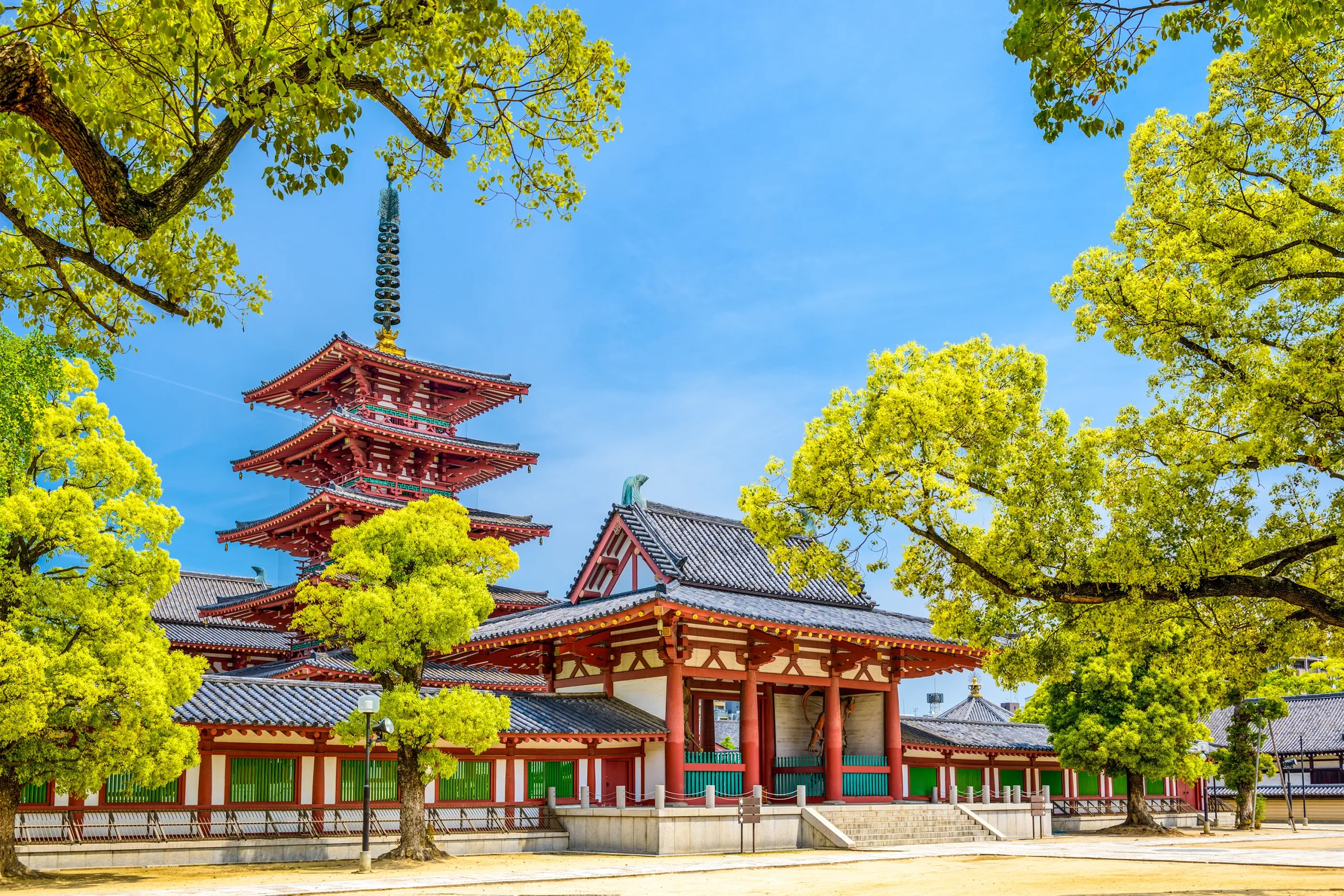
A shukubo, lodging inside a working Buddhist temple, is restorative for almost the opposite reason. Its value is in the plainness: fewer distractions, simple routines, and a stronger sense of being in the present. Koyasan, the monastic mountain town in Wakayama, is where many visitors from abroad first encounter this style of stay. Depending on the temple, a stay may include simple rooms, shojin ryori meals, and the chance to join morning prayers.
A night in a temple may not be comfortable, but that is also the point of the experience. The rooms are simple, the schedule early, and the phones are mostly untouched. With so little to manage, your head stops running through tomorrow’s errands and settles into where the here and now. Especially nowadays it works as a digital detox and a period of quietness and reflection.
Be honest with yourself before booking, though. If you want hotel-level comfort, a late start, private facilities, and flexible mealtimes, a temple stay may frustrate more than it restores. Routines also differ from temple to temple, so read the individual listing rather than assuming.
Read more: Temple Stays in Japan
Forest Therapy: Nature as a Gentle Add-On
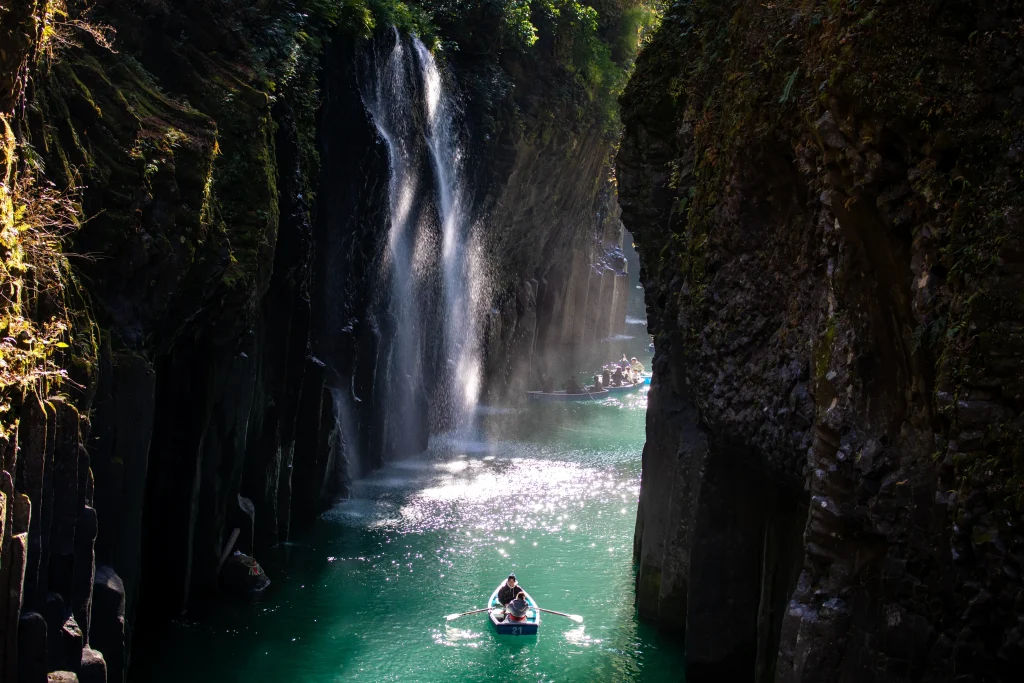
Shinrin-yoku, usually translated as “forest bathing,” means spending unhurried time in the forest, walking slowly and paying attention. Field experiments across Japan have reported physiological relaxation markers, such as lower cortisol and heart rate, in forest settings compared with city environments.
Reference: The physiological effects of Shinrin-yoku – Environmental Health and Preventive Medicine
Japan has certified forest therapy bases and roads across the country, some with guided programs. English support varies, so check the individual location before building plans around it.
Reference: Forest Therapy Base – Forest Therapy Society
The practical way to use forest therapy is often not as a standalone retreat, but as a calm half-day or day inside a wider trip: a slow forest morning between two busy city stretches, or a walk added to a mountain onsen stay. It suits nature lovers, repeat visitors, and travelers who want quiet without committing to a temple schedule.
Luxury Wellness Resorts: Comfort and Refinement
Luxury wellness resorts are the comfort-first option: spa programs, treatment menus, private rooms, refined food, and often staff who can smooth out logistics in English. They suit honeymoons, older travelers, and anyone who wants privacy or structure without managing rural details alone.
The trade-off is price and atmosphere. A high-end resort can be relaxing, but it may feel less rooted in local rhythm than an onsen town or shukubo. If your goal is comfort, this type makes sense. If your goal is to feel Japan more quietly and locally, a smaller ryokan or temple stay may stay with you longer.
Read more: Luxury Hotels in Japan
Budget Planning: What You’ll Actually Spend
Exact prices shift with season, room type, meals, and availability, so treat these as tendencies rather than quotes. Temple stays generally sit at the lower to middle of the range, though plans vary by temple. Onsen ryokan run from mid-range to genuinely expensive, especially with dinner, breakfast, and a private bath. Forest therapy is often a day cost added to lodging you were paying for anyway. Luxury wellness resorts are high to very high.
Compared with Bali or Thailand, Japan can feel expensive for “a retreat,” but the value sits in different places: seasonal food, hospitality, setting, privacy, and how the stay functions inside the trip. For temple stays and ryokan, check whether dinner and breakfast are included, whether baths are shared or private, and whether arrival time affects meal service. Official booking pages are the safest place to confirm current details close to your travel dates.
Practical Matters: Language, Tattoos, and Travel
These concerns are real, but most of them shrink once you match the retreat type to your situation.
Language: major temple-stay hubs like Koyasan and larger ryokan have official English booking, while small rural inns and forest therapy bases may be Japanese-only. Build around places with clear English information if that friction worries you.
Tattoos: policies vary by property. Kinosaki’s public bathhouses openly welcome tattooed guests, but individual inns’ own baths may differ, so confirm before booking. A room with a private bath, or a reservable kashikiri-buro, removes the question entirely.
Reference: Ryokan Q&A – Japan Tourism Agency
Food: shojin ryori is Buddhist vegetarian cuisine by tradition, but vegan, gluten-free, or allergy requests still need confirming in advance. Ryokan dinners are seasonal and often elaborate, and flexibility varies by kitchen. Ask when you book, not on arrival.
Solo travel: nothing about these stays requires a group. Solo travelers tend to be happiest with straightforward access, clear online booking, and private-bath options.
Read more: Private Onsen Ryokan in Hakone
Timing Your Trip: Best Seasons and Regions
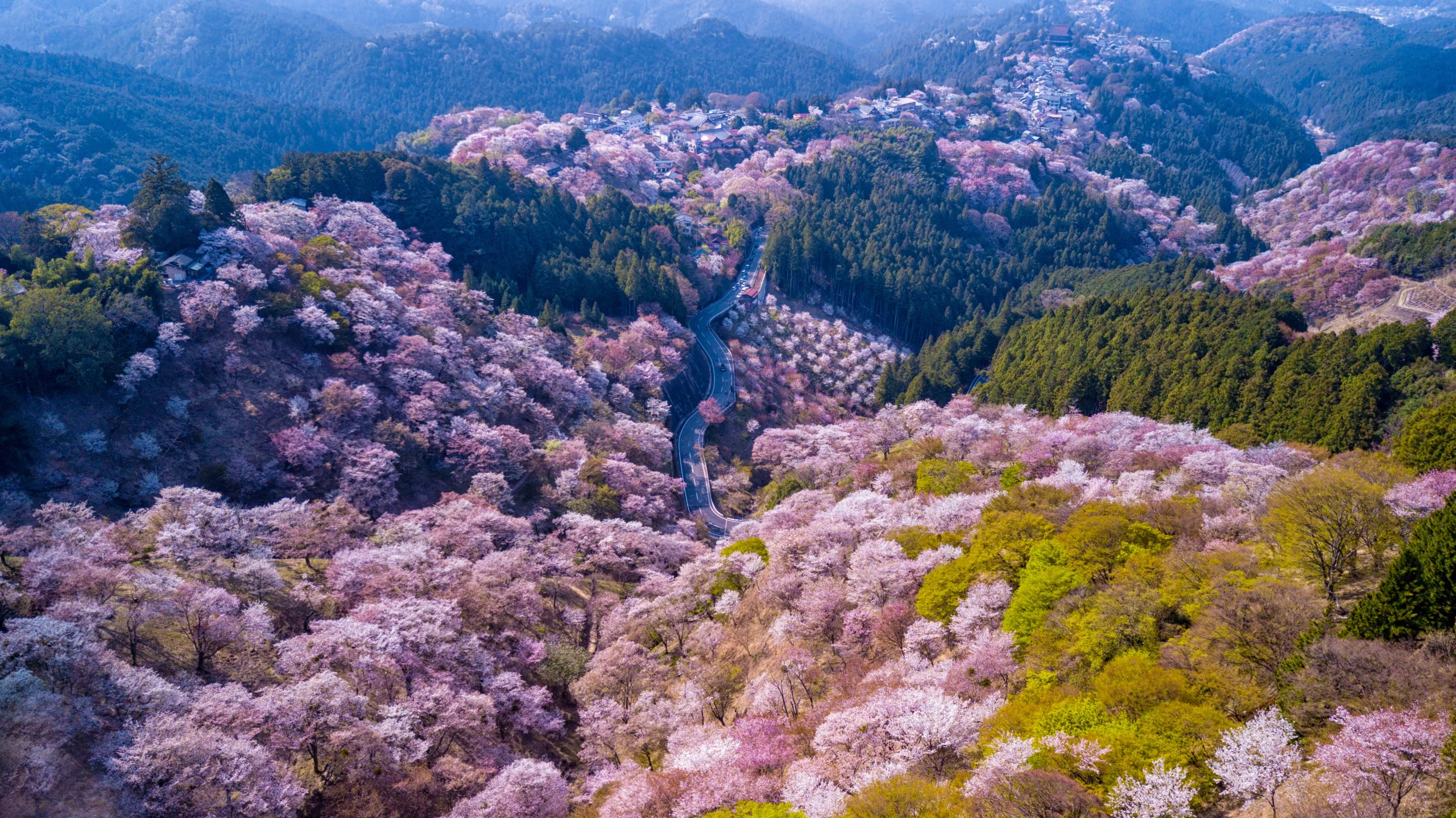
Season shapes the choice more than rankings do. Winter is one of the most satisfying seasons for onsen, especially if your route includes colder mountain or snow-country regions. Spring and autumn favor forest walks, temple towns, and garden-and-ryokan country, when walking is comfortable and the scenery supports the slower pace. In summer, mountains, forests, and higher elevations are often easier than lowland city heat.
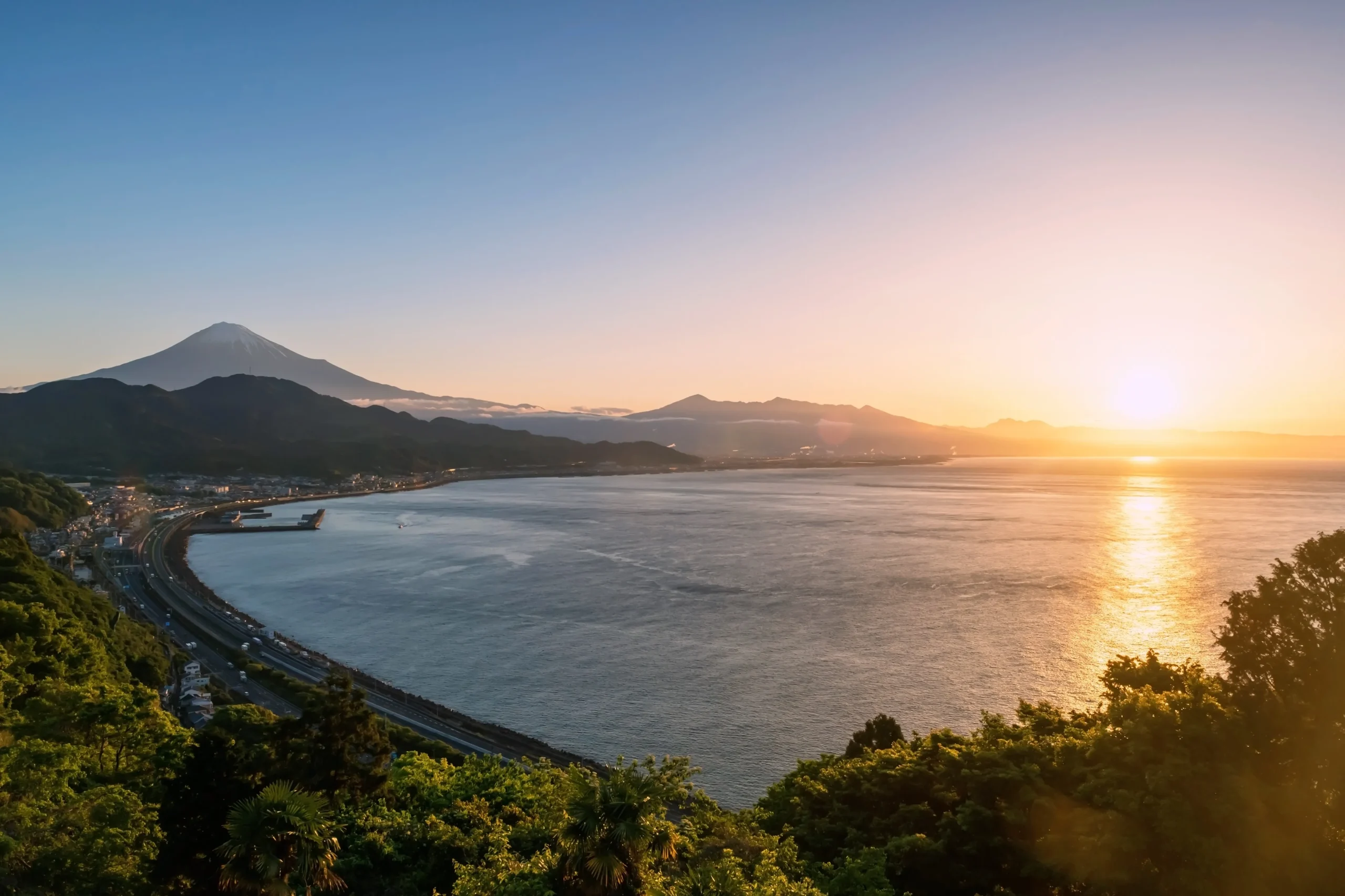
The region follows the route. A Kansai itinerary pairs naturally with Koyasan and a Kinosaki-style onsen town. The Tokyo, Fuji, and Hakone corridor suits onsen ryokan and private baths. Central Japan, including Nagano, Gifu, and Aichi, rewards travelers with time: mountain onsen, quiet towns, and forested routes that rarely appear on first-trip plans.
How to Choose the Right Retreat for Your Trip
Just as useful is knowing what to skip. A shukubo will disappoint anyone needing hotel comfort. Remote forest bases can frustrate travelers who dislike logistics. A luxury resort is not necessary if local rhythm is the goal. On a trip of ten nights or more, combinations often work best: one onsen night after heavy sightseeing, a temple stay while in Kansai, or a forest morning between cities.
Getting Started: A Thoughtful Next Step
Rest points to onsen, reflection to temples, nature to forests, and comfort to resorts. The real value is knowing where that slower moment belongs in the journey. ENJYU JAPAN can shape a Tailor-Made Tour around pace, comfort, dietary needs, tattoo-friendly bathing, and the regions that fit your route, so restful days support the whole trip rather than sitting apart from it.