9 Best Luxury Hotels in Japan for Different Kinds of Trips
You can travel very comfortably in Japan without booking a luxury hotel. There are plenty of options to stay, which raises a fair question: when is it actually worth spending more for a luxury hotel?
For some travelers, the answer is space. For others, it is a private onsen, a quiet place to reset after a long sightseeing day, or a hotel so enjoyable that staying in for an afternoon does not feel like wasted time.
That last point can matter more than expected in Japan. A normal travel day may involve figuring out train changes, reading unfamiliar signs, walking farther than planned and taking in a lot of new information. None of this has to be unpleasant, but returning somewhere calm and comfortable can make the next day easier.
The hotels and ryokan below were chosen with that in mind. They are not ranked from one to nine. Each makes sense for a different kind of trip.
Quick Comparison: Which Stay Suits You?
| Hotel | Where | A good choice when… | Main catch |
|---|---|---|---|
| Aman Tokyo | Tokyo | You want real space and quiet without leaving central Tokyo | Hard to justify if you only use the room for sleeping |
| The Peninsula Tokyo | Tokyo | You want a spacious, easy base for a first Tokyo stay | Less of an experience in itself than a ryokan or resort |
| HOSHINOYA Kyoto | Kyoto | You want the hotel to become part of your Kyoto experience | Its seclusion is inconvenient for going in and out of central Kyoto |
| ROKU KYOTO | Kyoto | You want sightseeing and resort-style recovery in the same stay | Northern Kyoto is less convenient than downtown |
| Gora Kadan | Hakone | You want to try a luxury ryokan and onsen stay | Arriving late means missing much of what you paid for |
| Zaborin | Hokkaido | You want privacy, nature and your own onsen | It requires a proper Niseko/Hokkaido itinerary |
| Amanemu | Ise-Shima | You want to deliberately slow the trip down for a couple of days | It takes time to reach and is not a casual side trip |
| Patina Osaka | Osaka | Wellness and hotel time matter as much as city access | Less suited to a nightlife-first Osaka stay |
| Rosewood Miyakojima | Okinawa | You want a honeymoon, beach break or slow end to the trip | Miyakojima needs to be built into the route |
When Is a Luxury Hotel in Japan Worth It?
A more expensive hotel makes the most sense when the extra cost fixes something that matters to you.
Maybe you want enough room to properly unpack for several nights. Perhaps you know that after eight hours of sightseeing, having a bath and an hour of quiet before dinner will make the evening much more enjoyable. Or you may want one night where the accommodation, meal and hot spring are the experience, rather than another base for sightseeing.
Room size is one of the easiest differences to measure. Aman Tokyo’s Deluxe Suites are 71 square metres, while a Deluxe Room at The Peninsula Tokyo is 54 square metres. That is enough space to change how you use the room, especially during a longer stay with large luggage.
But space is only one reason to spend more. At a ryokan, the premium may be going toward hot-spring bathing and a kaiseki dinner. At a resort, it may buy enough privacy and facilities to make a slow afternoon worthwhile.
If you expect to leave at breakfast and return just before bed every day, a good mid-range hotel may make far more sense. There is little point in paying for a spa, private bath or large living area that you never use.
1. Aman Tokyo: A Quiet Place Above the City
Tokyo is at its best when you are out exploring it. That does not necessarily mean you want to feel surrounded by the city every minute of the day.
Aman Tokyo occupies the upper floors of Otemachi Tower. Its design uses wood, stone and washi paper, but the feature that is likely to matter most after several days in Tokyo is simply the amount of space. Deluxe Suites measure 71 square metres. The spa covers 2,500 square metres and includes onsen-style baths, steam rooms and a 30-metre swimming pool overlooking the skyline.
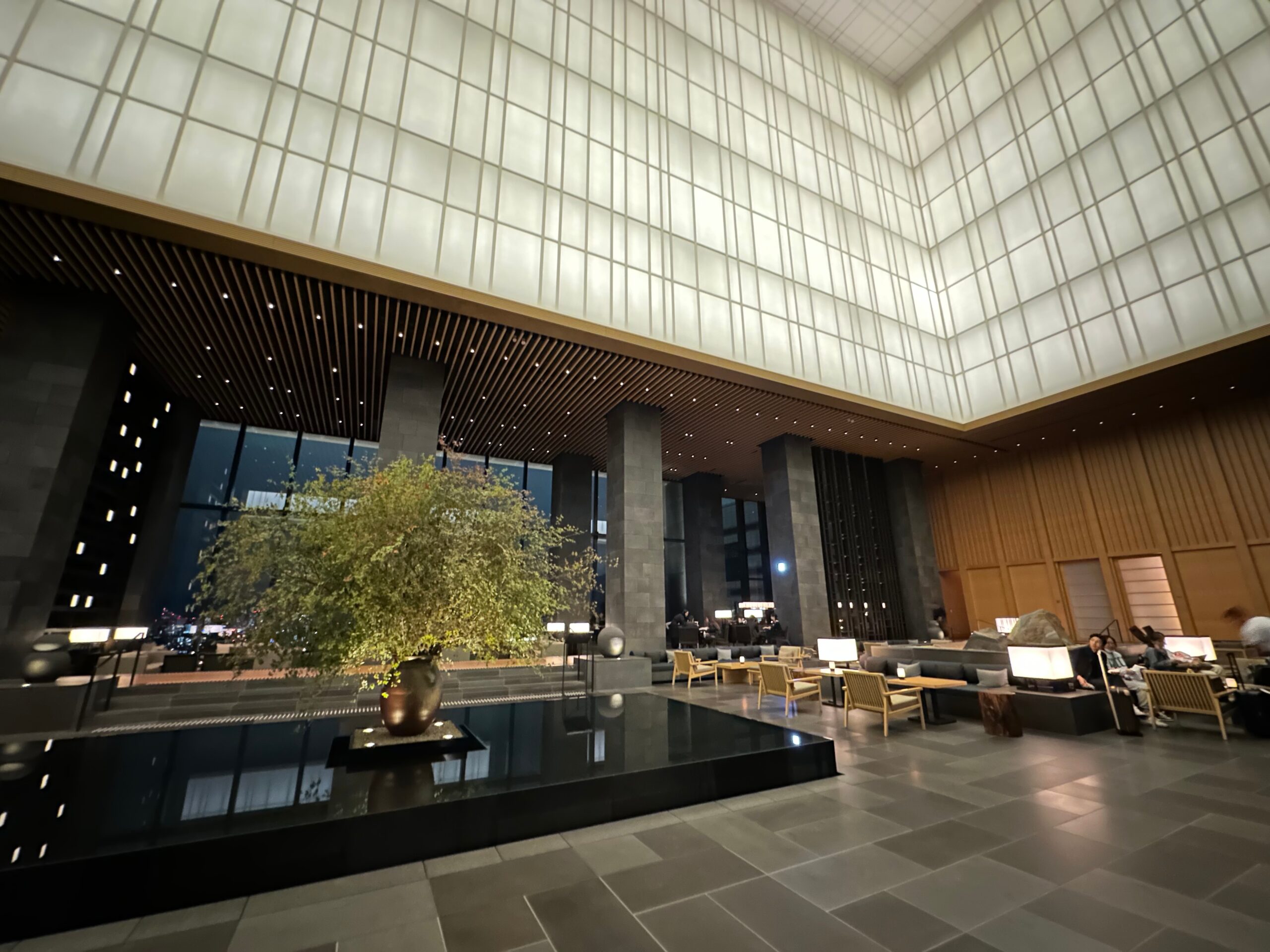
This is a hotel that makes sense if you plan to use it. Come back in the afternoon, have a swim or bath, sit down for a while and then go out again.
If your Tokyo schedule starts early and ends late every day, the calculation changes. You can find a far cheaper room in a convenient location and spend the difference elsewhere.
Aman is therefore less about having the fanciest address and more about creating a genuine break from the city while remaining in the middle of it.
Read more: Luxury Hotels in Tokyo
2. The Peninsula Tokyo: Space Without Complicating the Itinerary
The Peninsula Tokyo is easier to recommend to someone who wants luxury but does not want the hotel to dictate the trip.
It sits by Hibiya Park and the Imperial Palace area, with Ginza nearby. Its Deluxe Rooms are 54 square metres, and some higher room categories are larger still.
That combination of location and room size is useful on a first visit. You can spend most of the day sightseeing, come back with shopping bags or luggage spread across the room, rest for a while and head out again without feeling that you have chosen a remote retreat.
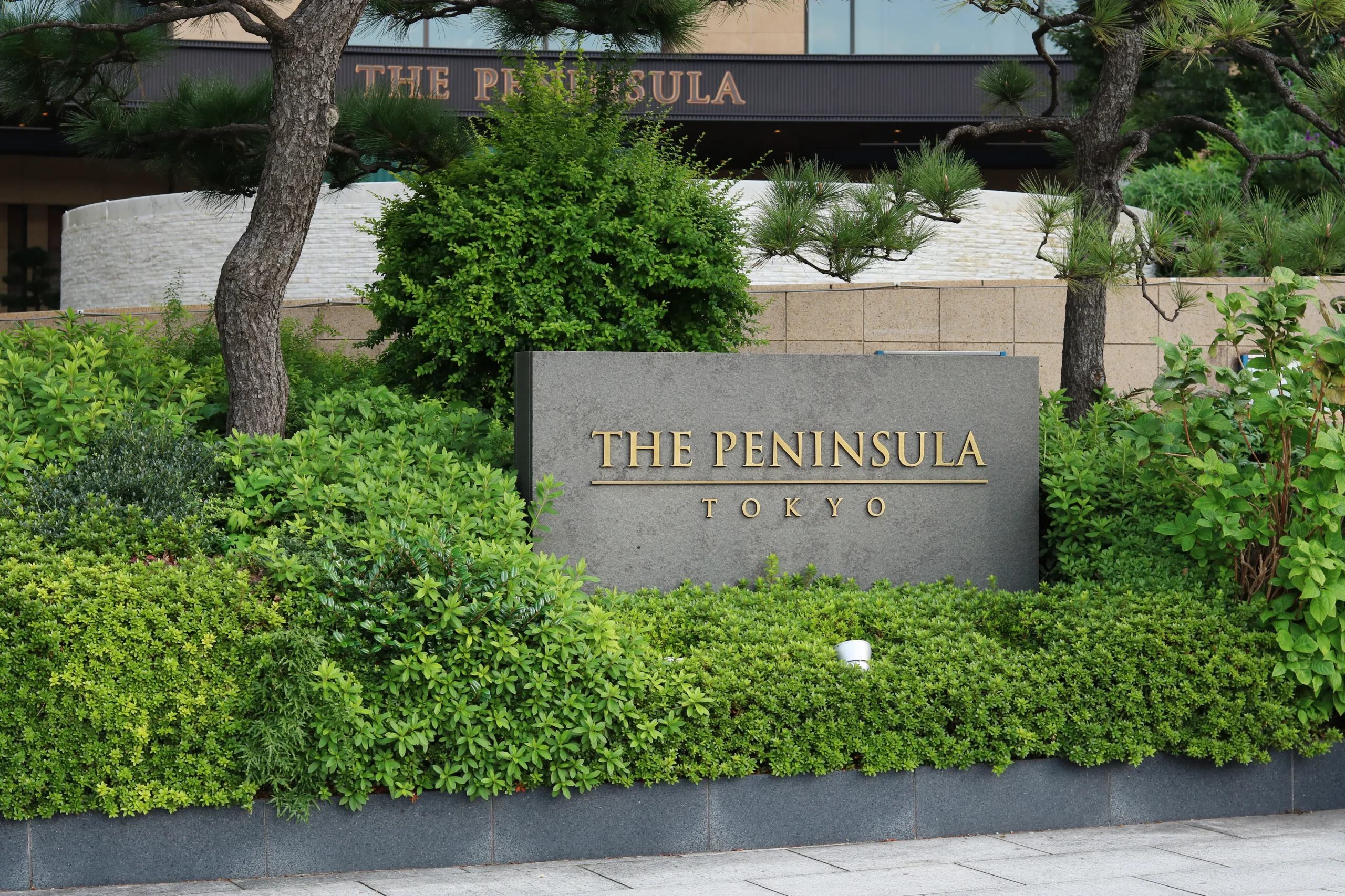
It does not offer the same sense of separation as Aman, and travelers looking specifically for an onsen or ryokan experience will find more distinctive choices elsewhere. But that is also part of its appeal. The Peninsula works as a very comfortable Tokyo base rather than a destination that needs extra time set aside for it.
For a first-time visitor who wants to keep the itinerary simple, that can be exactly the right kind of luxury.
3. HOSHINOYA Kyoto: When Staying In Becomes Part of Kyoto
HOSHINOYA Kyoto makes a very different proposition.
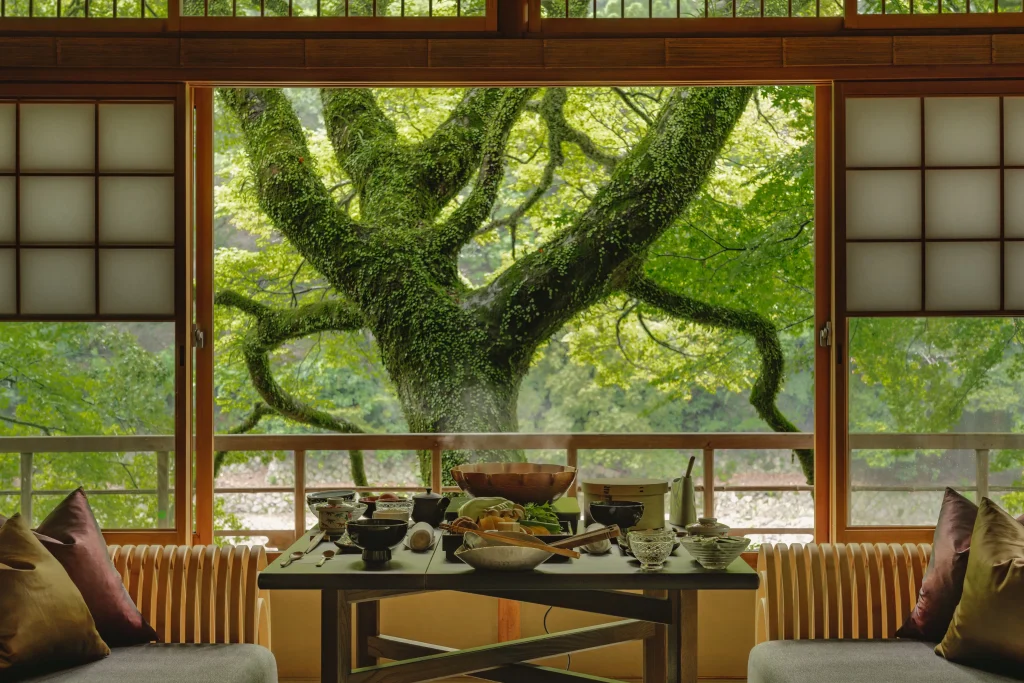
It has 25 rooms in Arashiyama, all facing the river and surrounding landscape. Guests normally reach the property by private boat from the area around Togetsukyo Bridge.
The boat ride is not just a decorative extra. It creates a physical break between busy Arashiyama and the quieter part of the valley where the ryokan sits.
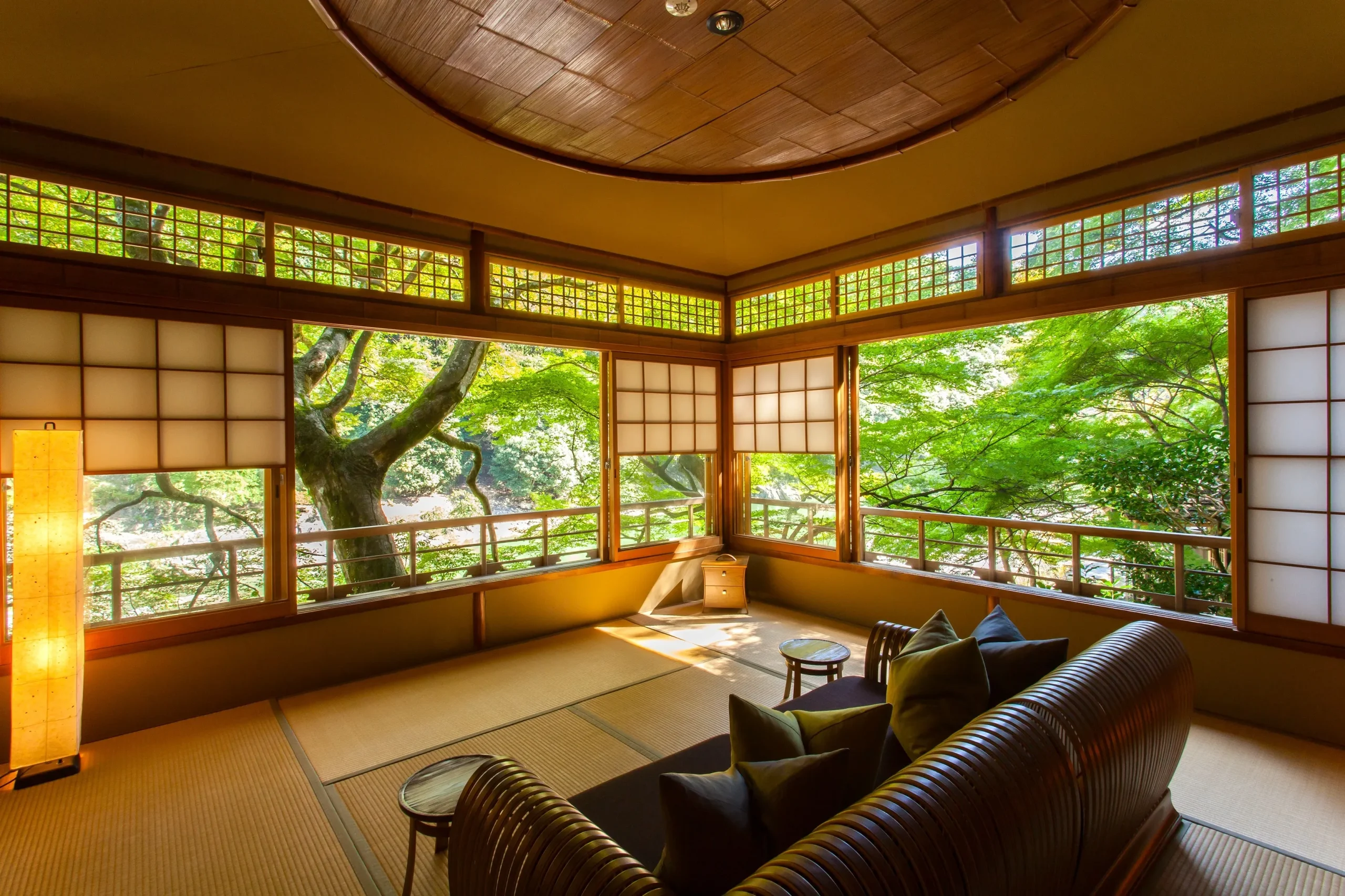
This is one of those places where phrases such as traditional charm or Japanese atmosphere can fit naturally, but they should not have to do all the work. The river, wooded slopes, quiet guest rooms and slower arrival already explain why the setting feels different from a conventional Kyoto hotel.
There is a practical downside. HOSHINOYA is not a convenient base if you want to pop back to the room between sightseeing spots or spend every night around Gion and central Kyoto. The boat transfer also depends on river and weather conditions. When it cannot operate, the property switches to private-car transfers.
For that reason, I would think of HOSHINOYA as one or two special nights rather than automatically using it for an entire Kyoto stay.
Read more: Luxury Hotels and Ryokan in Kyoto
4. ROKU KYOTO: A Softer Retreat From the City
ROKU KYOTO suits someone who likes the idea of a quieter Kyoto stay but does not want to retreat as completely as they would at HOSHINOYA.
The hotel is in Takagamine in northern Kyoto. One of its main advantages is the spa area, especially its outdoor thermal pool, which uses natural hot-spring water and is open throughout the year. Current access is by reservation in 60-minute sessions.
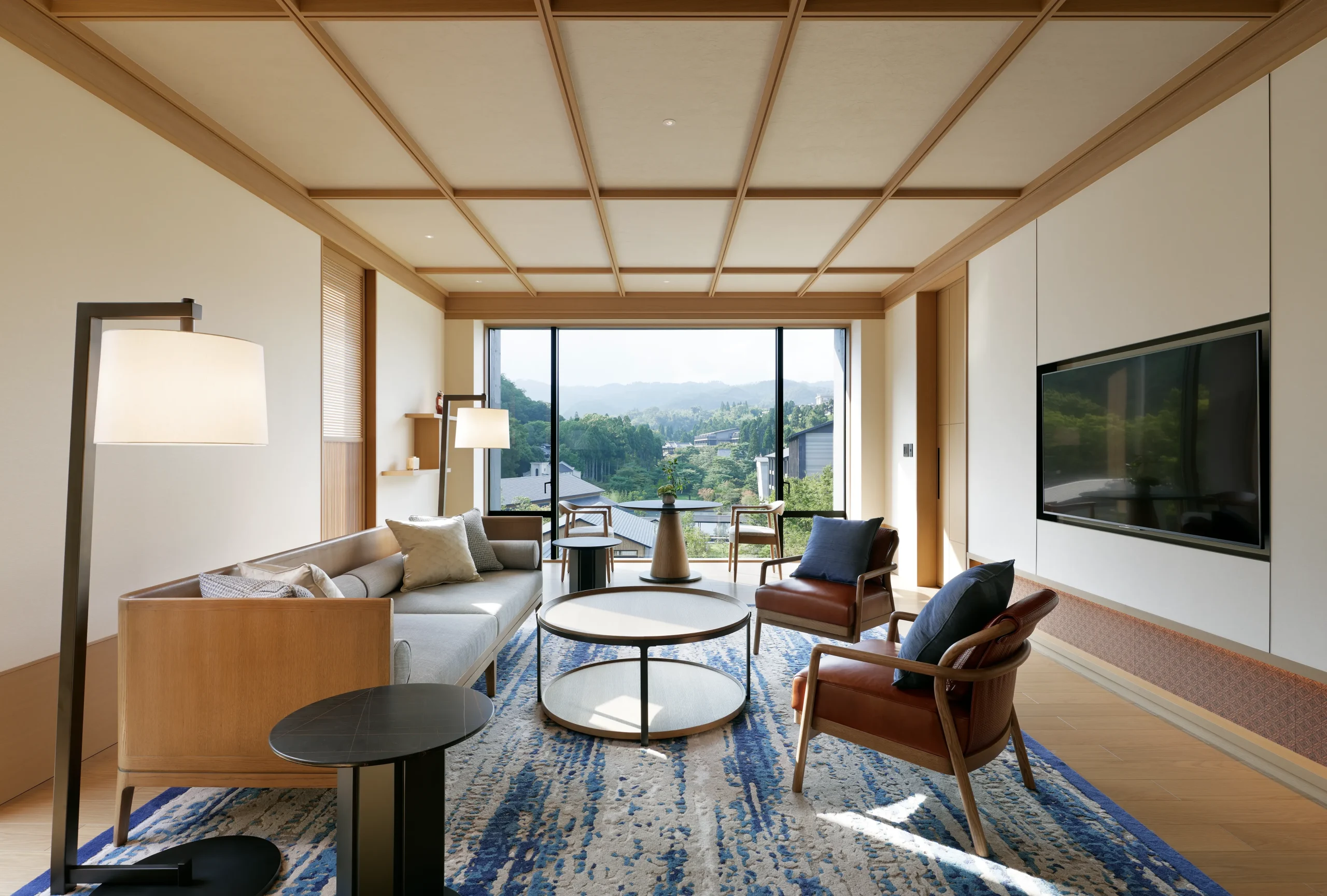
After a full day of temples, gardens and walking, having hot-spring bathing at the hotel can be enough of a change of pace without adding another onsen town to the route.
The compromise is location. You are not staying in the middle of downtown Kyoto, so anyone who wants to step outside the hotel and immediately have a large choice of restaurants, shops and nightlife may prefer a more central address.
ROKU makes more sense when the hotel is somewhere you are happy to return to early.
5. Gora Kadan, Hakone: A Luxury Ryokan Night That Feels Different
If your trip already includes several Western-style hotels, one or two nights in a ryokan can provide more contrast than simply upgrading to another five-star room.
Gora Kadan sits on the grounds of the former Kan’in-no-miya Villa, once a summer residence of a member of Japan’s Imperial Family. The ryokan uses hot-spring water flowing from the source and serves seasonal kaiseki cuisine. Some accommodation categories also have their own open-air baths.
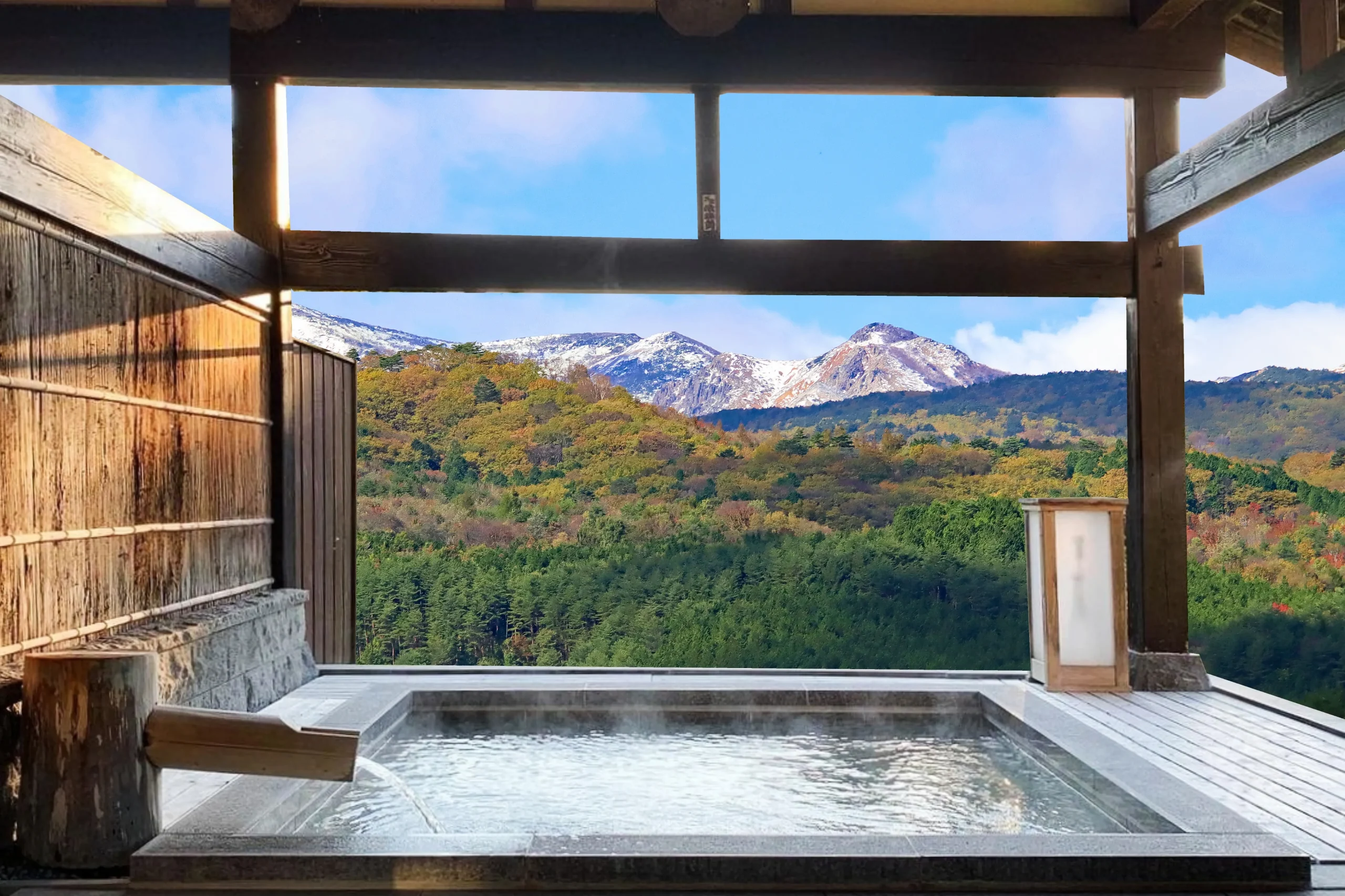
The important difference is how you use the evening.
At a normal city hotel, you may check in, leave again for dinner and come back late. At a ryokan, it makes more sense to arrive with enough time to bathe, settle into the room and enjoy dinner without rushing off somewhere else.
That also explains when Gora Kadan is poor value. If you arrive very late and leave first thing the next morning, you are paying for an experience you have barely had time to use.
Hakone is useful because it can fit between Tokyo and western Japan without turning the whole itinerary into a detour.
Read more: Private Onsen Ryokan in Hakone
6. Zaborin, Hokkaido: Private Onsen With No Need to Share
Zaborin gives Hokkaido a much stronger reason to appear in a luxury-hotel article than simply choosing another expensive city hotel in Sapporo.
There are only 15 villa suites. Each has two private hot-spring baths: one indoors and one open-air. Both use natural spring water from the property.
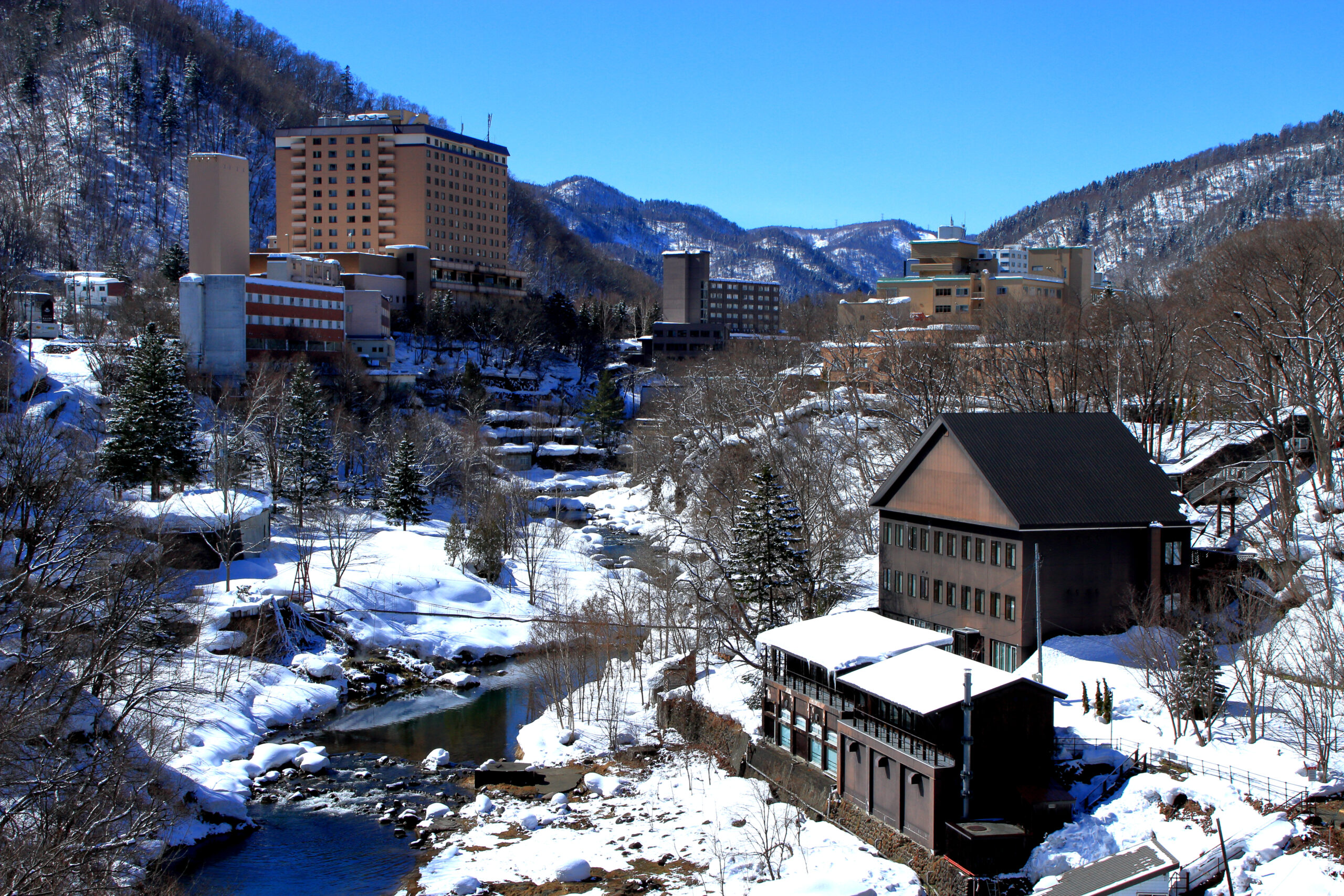
That privacy is especially appealing on a winter trip. You can return from the snow and use your own bath without booking a spa treatment or going to a communal bathing area.
Zaborin also serves what it calls kita kaiseki, a northern interpretation of kaiseki built around Hokkaido ingredients and the seasons.
This is not somewhere to use as a substitute for a Sapporo hotel. It belongs in a Niseko or broader Hokkaido itinerary, and it deserves enough time at the property to justify going there.
For someone who wants nightlife and convenience, that is a drawback. For someone who wants privacy and a quiet winter stay, it is the reason to choose it.
7. Amanemu, Ise-Shima: Give the Trip a Pause
Amanemu is one of the harder hotels on this list to fit casually into a first Japan trip.
That is also part of what makes it interesting.
The resort overlooks Ago Bay in Ise-Shima. Every suite has a private onsen bath, while the main spa covers 2,000 square metres with a thermal-spring garden, treatment rooms and private onsen bathing pavilions.
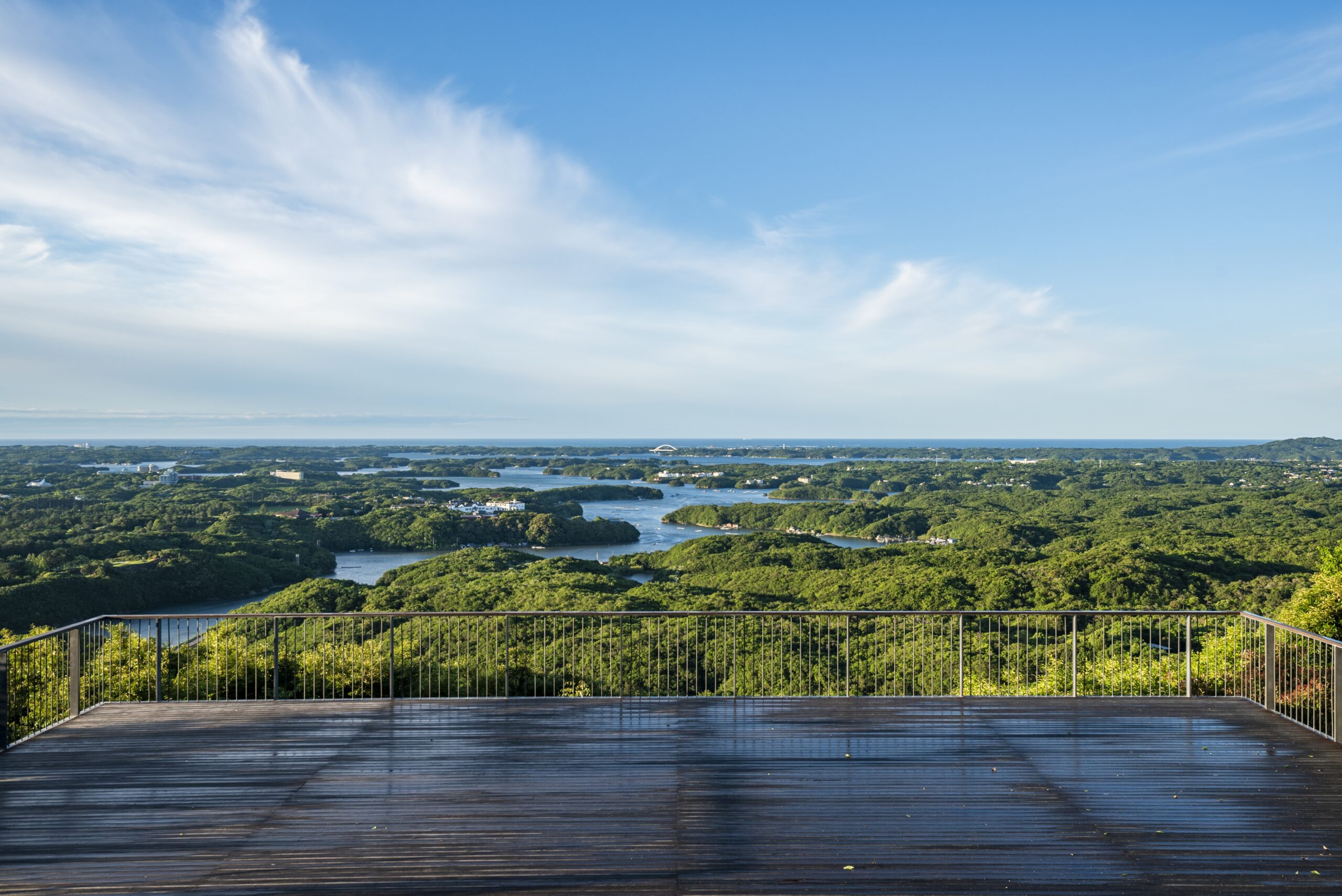
This is a place to stay because you want to slow down, not because it happens to sit beside a long list of famous sights. A bath, a slow meal and an afternoon around the resort are not gaps between activities. They are the activities.
That makes Amanemu easier to justify on a longer trip, particularly if Tokyo and Kyoto already fill the itinerary with busy days.
On a short visit, however, the travel time needed to reach Ise-Shima may outweigh the benefit. A hotel can be excellent and still be the wrong choice for the route.
8. Patina Osaka: Luxury for Travelers Who Will Use the Hotel
Osaka often rewards a different travel style from Kyoto. Many visitors spend their days and evenings out eating, shopping and exploring, which can make a high-end hotel difficult to justify.
Patina Osaka makes more sense when you actually want some hotel time.
The property sits opposite Osaka Castle and has 221 rooms and suites. Its wellness facilities cover about 1,400 square metres and include a pool, spa, gym and health-focused treatments, with views toward Osaka Castle.
If a slow morning, a swim or an afternoon break sounds like part of the trip you want, those facilities have real value.
If your Osaka plan is mainly to leave early, eat your way through the city and return late, a simpler hotel in the area where you want to spend the evening may serve you better.
Patina is a strong choice precisely because it gives you a reason to spend part of the day inside. That does not mean every Osaka traveler needs that.
Read more: Luxury Hotels in Osaka
9. Rosewood Miyakojima: Save the Slowest Stay for the End
Rosewood Miyakojima is the least practical choice here for a standard Tokyo-Kyoto trip. For the right itinerary, that is not a problem.
The resort overlooks Oura Bay and has 55 villas and houses with direct access to the beach. A Deluxe Beachfront Villa, for example, measures 90 square metres and opens directly toward the beach.
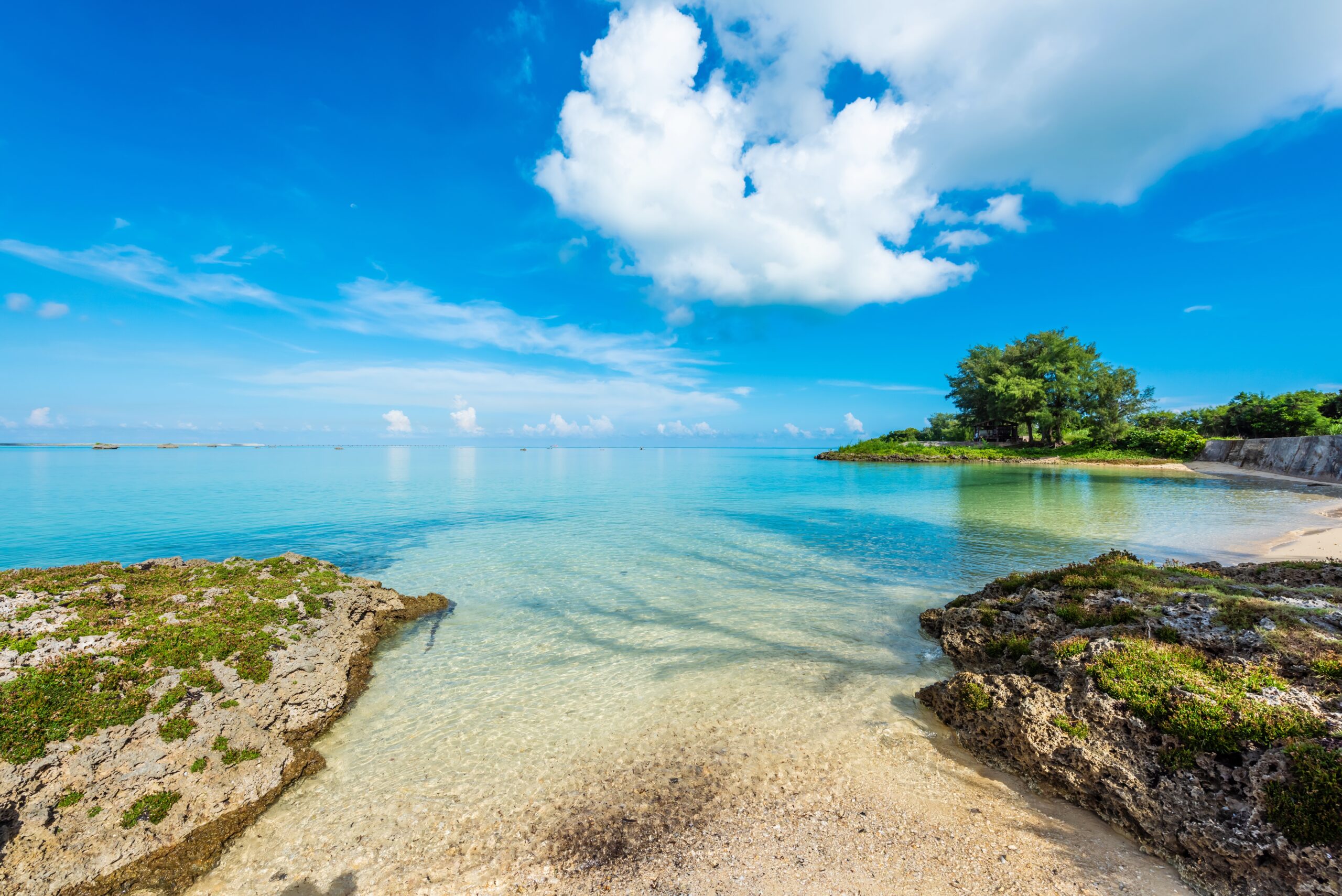
A stay here works best when Miyakojima is already part of the holiday. It can be especially appealing for a honeymoon or for travelers who want the last part of a busy Japan trip to move at a much slower pace.
This is not a hotel you add simply because it appears on a list of the country’s best. Flights, extra travel time and the island stay itself need to make sense for the trip.
But if you do want a few days where the beach, villa and resort are the plan, Rosewood offers something none of the city hotels on this list can.
Read more: Honeymoon Trip to Japan
Luxury Hotel or Ryokan?
A luxury hotel and a luxury ryokan solve different problems.
A city hotel usually works better when you want flexible meal times, convenient sightseeing, more familiar services and the freedom to return whenever you like.
A ryokan is more suited to a night where the accommodation itself is part of the plan. Hot-spring bathing, dinner and time in the room may take up much of the evening.
There is no need to choose one style for the whole trip.
In fact, a comfortable hotel for several nights followed by one or two nights in a ryokan or resort can create much more variety. You get the convenience of a city base when you need it, then a deliberate change of pace later.
Where Should You Spend More on Accommodation?
You also do not need the same hotel budget every night.
Spending more can make sense at the points in the itinerary where comfort or location will have the biggest effect.
At the beginning of the trip, extra space in Tokyo may be useful while you are settling into a new time zone and getting used to the transport system.
In the middle, a Hakone ryokan or resort stay can break up several days of city sightseeing.
In Kyoto, paying more for HOSHINOYA or ROKU only makes sense if you actually want to spend time at the property. If your priority is squeezing as much sightseeing as possible into every day, a more central hotel may be the better choice.
At the end, somewhere like Miyakojima can turn the final part of the trip into a slower holiday rather than another round of sightseeing.
The useful question is not simply, “What is the most luxurious hotel in Japan?”
It is: “Where in my itinerary would a better hotel actually change the experience?”
If you are deciding between a city hotel, ryokan, onsen stay or resort, ENJYU can help fit the accommodation into the route rather than treating each booking separately. The right answer often depends as much on where the stay falls in the trip as on the hotel itself.