October is one of the easiest months to enjoy Japan, but it is also one of the easiest to misread. Travelers arrive expecting peak red maples in every famous garden and leave quietly disappointed when Kyoto’s hillsides are still mostly green. The confusion is understandable: Japan’s autumn is real and beautiful, but it does not happen everywhere at once.
This is the month to understand region, elevation, and mood. Japan in October can mean early foliage in the north, warm weather in the south, chestnut rice and harvest moon-viewing traditions in Kyoto, or festival crowds in old castle towns. If you plan around the right version of October, it can be one of the most rewarding times to visit.
October in Japan is not One Season
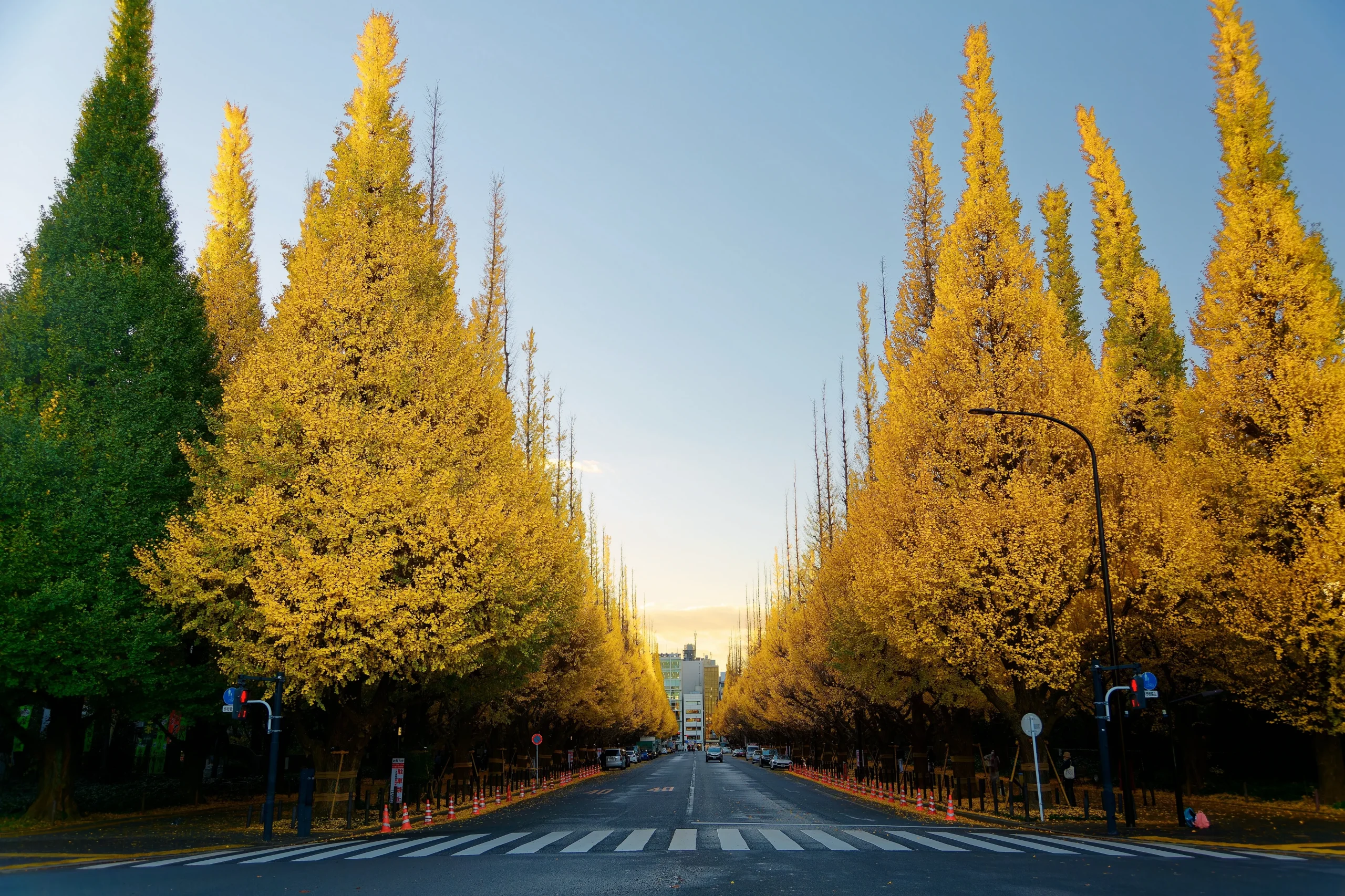
One thing to keep in mind is that Japan stretches across roughly 3,000 kilometers from north to south, and autumn moves through it slowly, top to bottom. Hokkaido, the northernmost main island, sees its maples and birches peak in early to mid-October. The central mountain ranges follow next. Cities such as Tokyo and Osaka are still weeks away from their color. And in Okinawa, October barely feels like autumn at all.
This matters because the dominant image of Japan in autumn, narrow temple lanes under a canopy of crimson maple leaves, is mostly a November picture for the destinations most associated with that image. Arriving in October expecting that scene in Kyoto is one of the most common expectation gaps.
That does not mean October is the wrong choice. October rewards a different kind of trip: one organized around autumn leaf viewing in the north or at altitude, around seasonal food and harvest culture, around festivals with fixed dates, and around the pleasures of walking in genuinely comfortable weather.
Weather in Japan in October
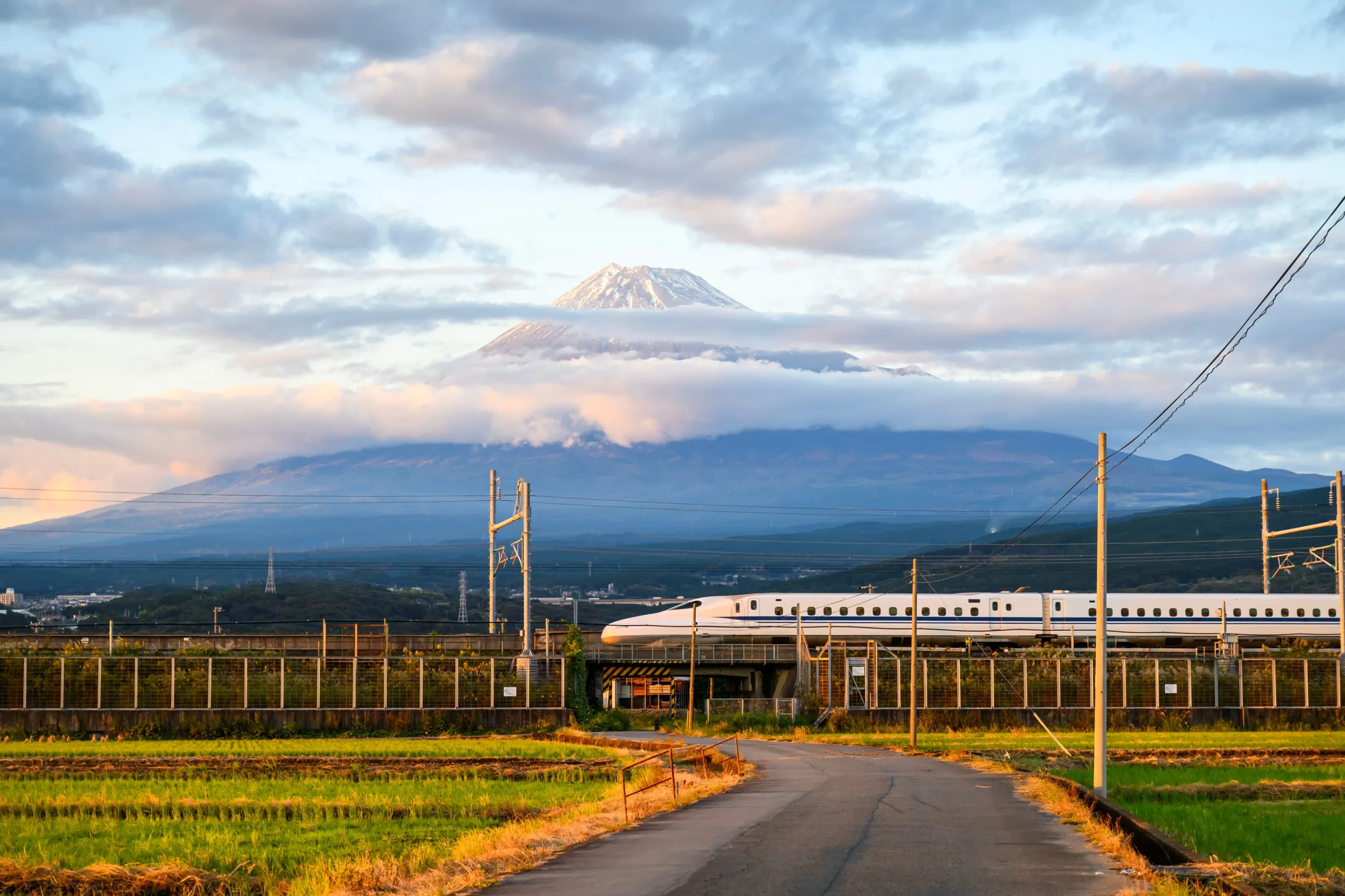
Across most of Honshu (the main island), October brings the most walkable weather of the year. For example, Tokyo has an average temperature of 22.0°C and a low of 14.8°C in October. The gap between daytime warmth and evening cool means layering is the most practical approach: a light jacket in the morning, a t-shirt by midday, something warmer again after dark.
Temperature Differences Across Regions in October, Japan
The contrast becomes dramatic at the geographic extremes. Sapporo averages around 12.1°C for the month, while Naha in Okinawa sits near 25.5°C, still firmly in summer territory. If you are planning a beach segment and a mountain segment in the same trip, October requires different packing for each.
Rainfall Patterns in October, Japan
Rainfall is worth factoring in. Tokyo’s October average of around 234.8mm is not negligible, and rain tends to arrive in concentrated spells rather than constant drizzle. October often brings sunny conditions and refreshing air, although rainfall and travel disruptions are still possible.
Typhoon in October, Japan
Typhoon risk, the anxiety that keeps some travelers away in August and September, is much lower in October but not zero. The Japanese Meteorological Agency’s tropical cyclone normals record an average of 3.4 tropical cyclones forming in October across the 1991-2020 period. Most years, any October typhoon influence is brief, but the practical response is the same regardless: build at least one flexible travel day into any itinerary involving island visits or mountain passes, and avoid booking non-refundable internal transportation for the same date as a key arrival or departure.
Autumn leaves in October: Where it Works
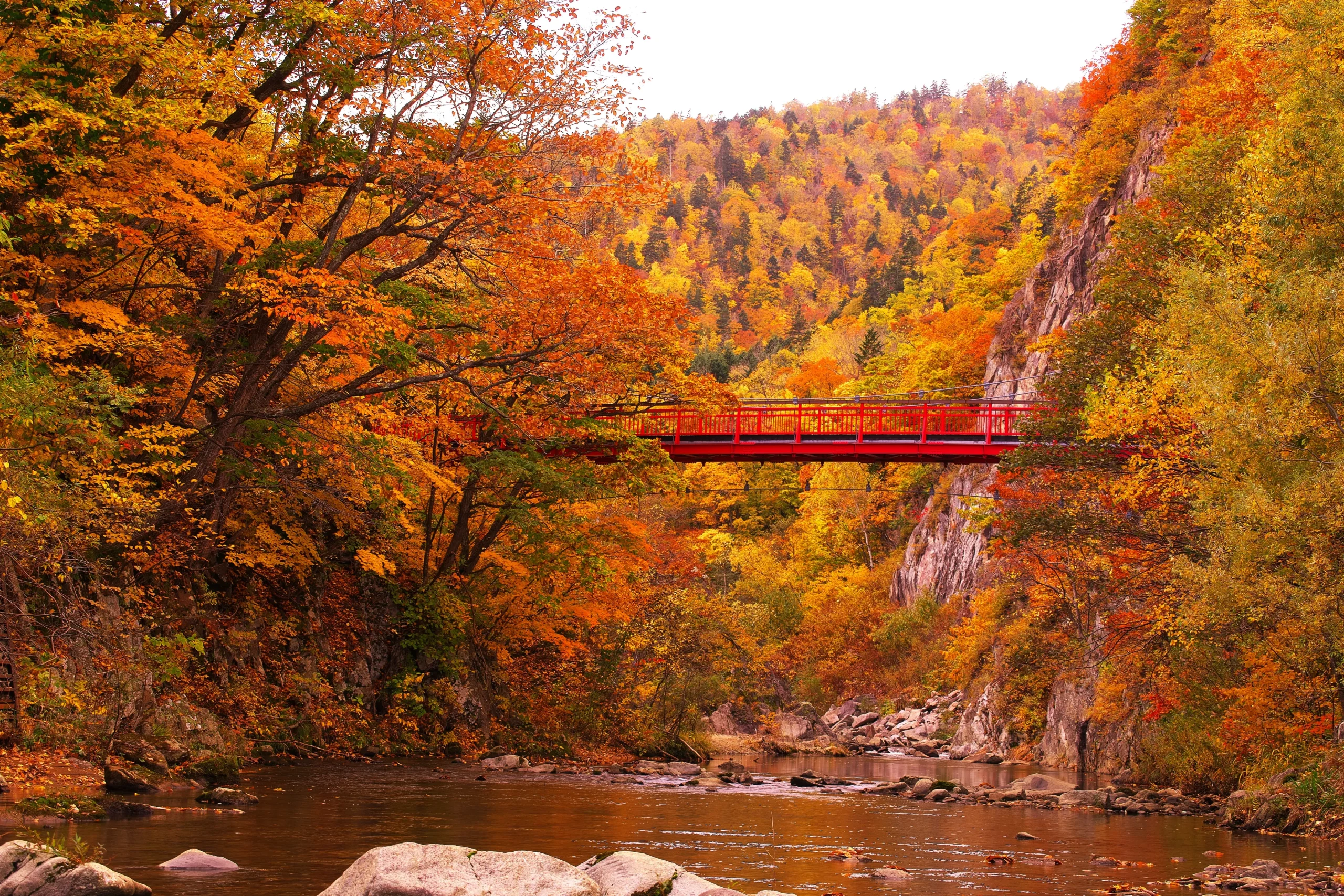
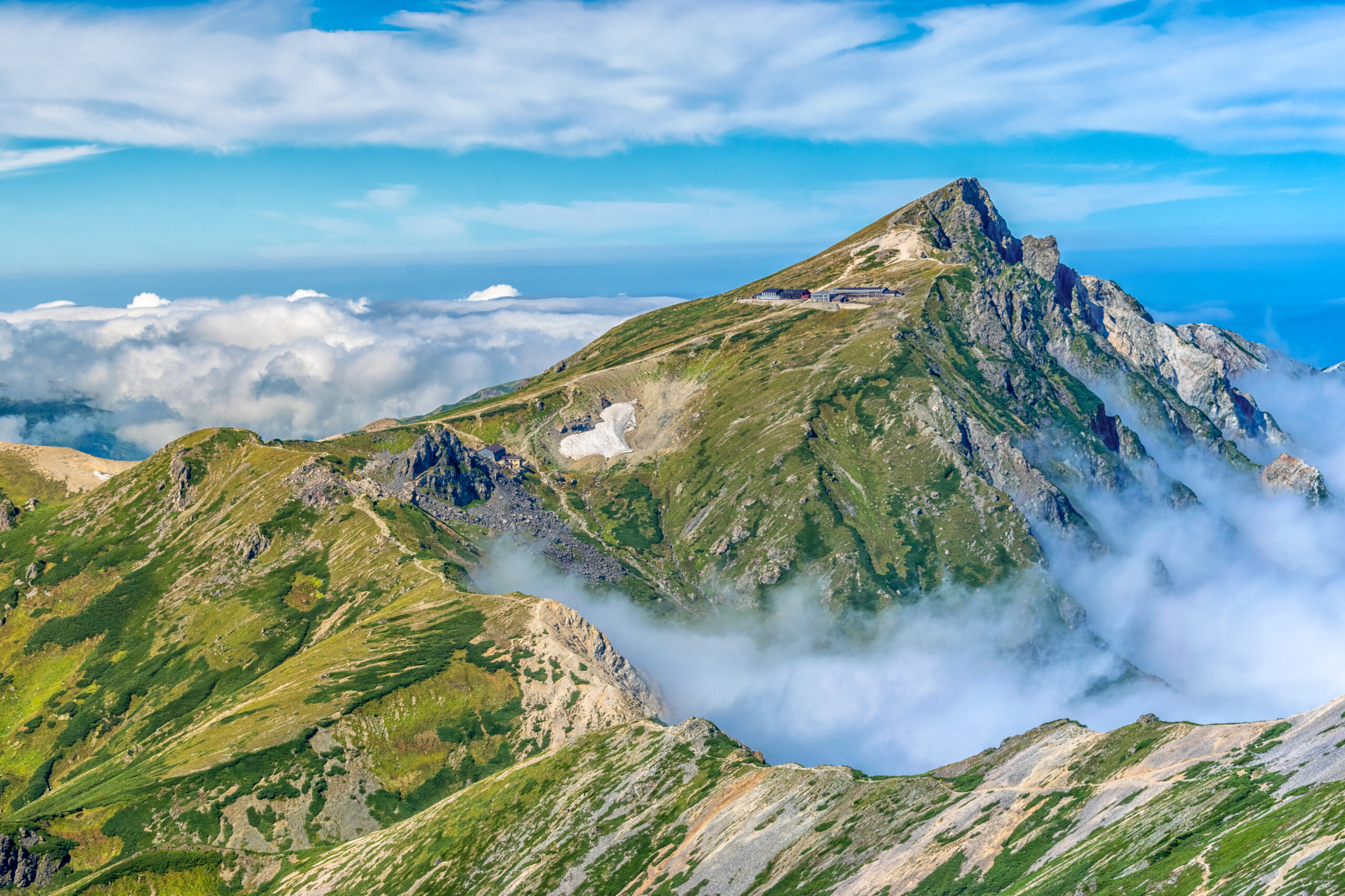
If autumn leaves are your main goal, October can work very well, but usually not in the places first-time visitors imagine. Hokkaido’s main valleys and national parks, including Daisetsuzan and Shiretoko, typically reach peak color in early to mid-October. The Tateyama Kurobe Alpine Route, a dramatic mountain crossing in Toyama and Nagano prefectures at elevations above 2,000 meters, shows strong autumn color through October as well.
The Shinhotaka Ropeway, climbing past 2,150 meters into the Northern Alps, is another dependable spot for early-autumn color in October. It anchors ENJYU JAPAN’s 8-Day Japan October Alps & Festival Tour 2026, which pairs the alpine ride with a hot spring ryokan night in Okuhida.
What about Kyoto in October?
Kyoto is a different story. Kyoto’s autumn color season typically begins in late October and peaks sometime in November, with the exact timing varying by year. In a warm autumn, even late October may show only early hints of color at the most exposed hilltop temples.
This does not mean Kyoto is not worth it in October. The weather is pleasant, the crowds are smaller than November, and there is genuine charm in watching autumn begin.
For travelers with mountain access, the rule of thumb is reliable: elevation of 1,000 meters or higher generally puts October color within reach across central Honshu.
What to do in Japan in October
October’s strongest experiences are not about waiting for leaves. They are about food, culture, and the particular freedom of mild weather.
Seasonal Food: Autumn on the Plate
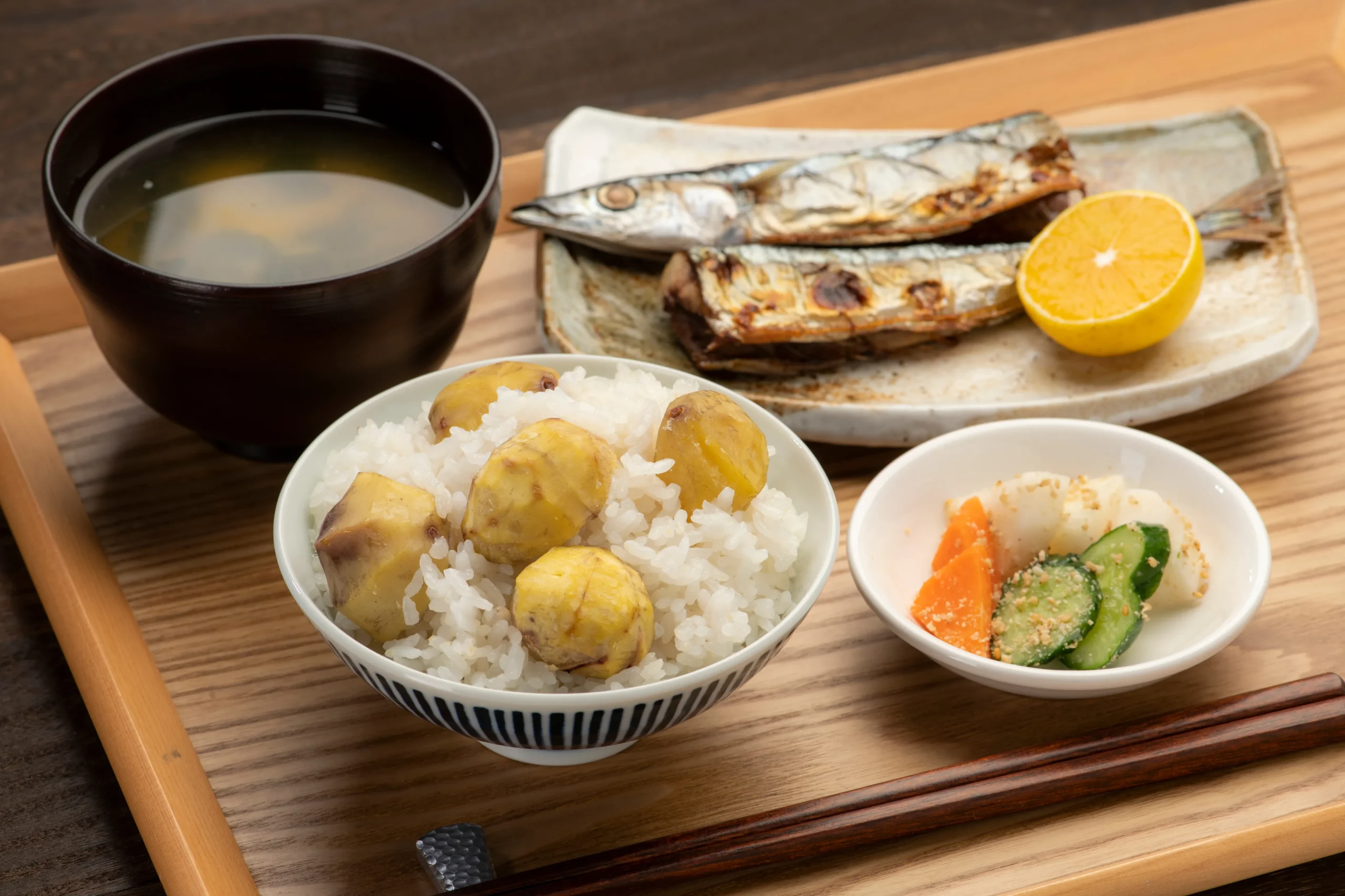
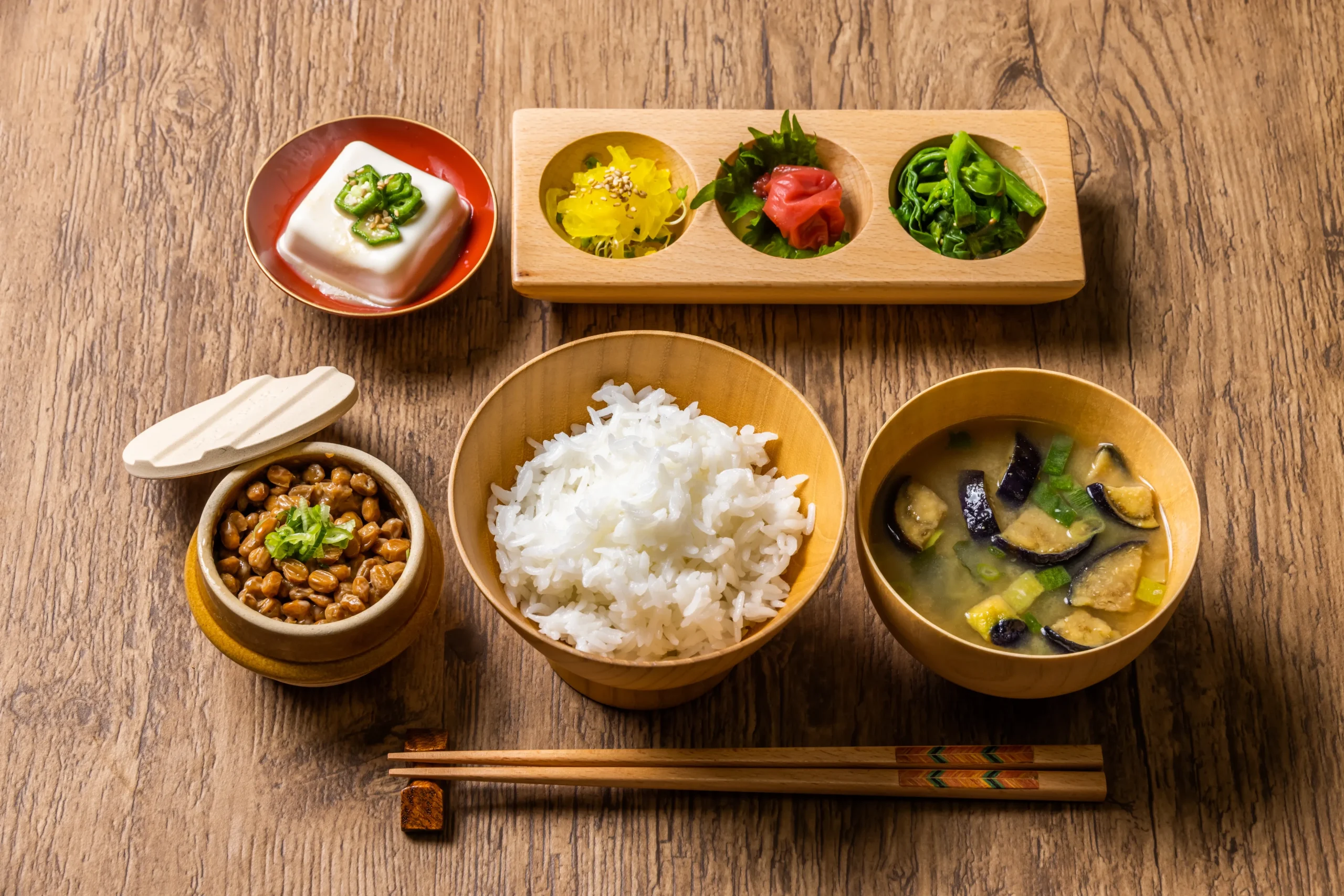
October is one of the best months to eat in Japan, full stop. One of the clearest autumn dishes is kuri gohan, or chestnut rice. It is an essential autumn specialty, especially in the Tamba region, where chestnuts have long been prized. Because fresh chestnuts lose quality quickly, the dish stays closely tied to autumn’s short window of freshness. Sweet potatoes, mushrooms, Pacific saury, and new-crop rice all arrive around the same time on menus and even in convenience stores. This is one of the quiet pleasures of October in Japan: experiencing the seasons through ordinary local meals.
A Slower Escape: Small Islands and Local Detours
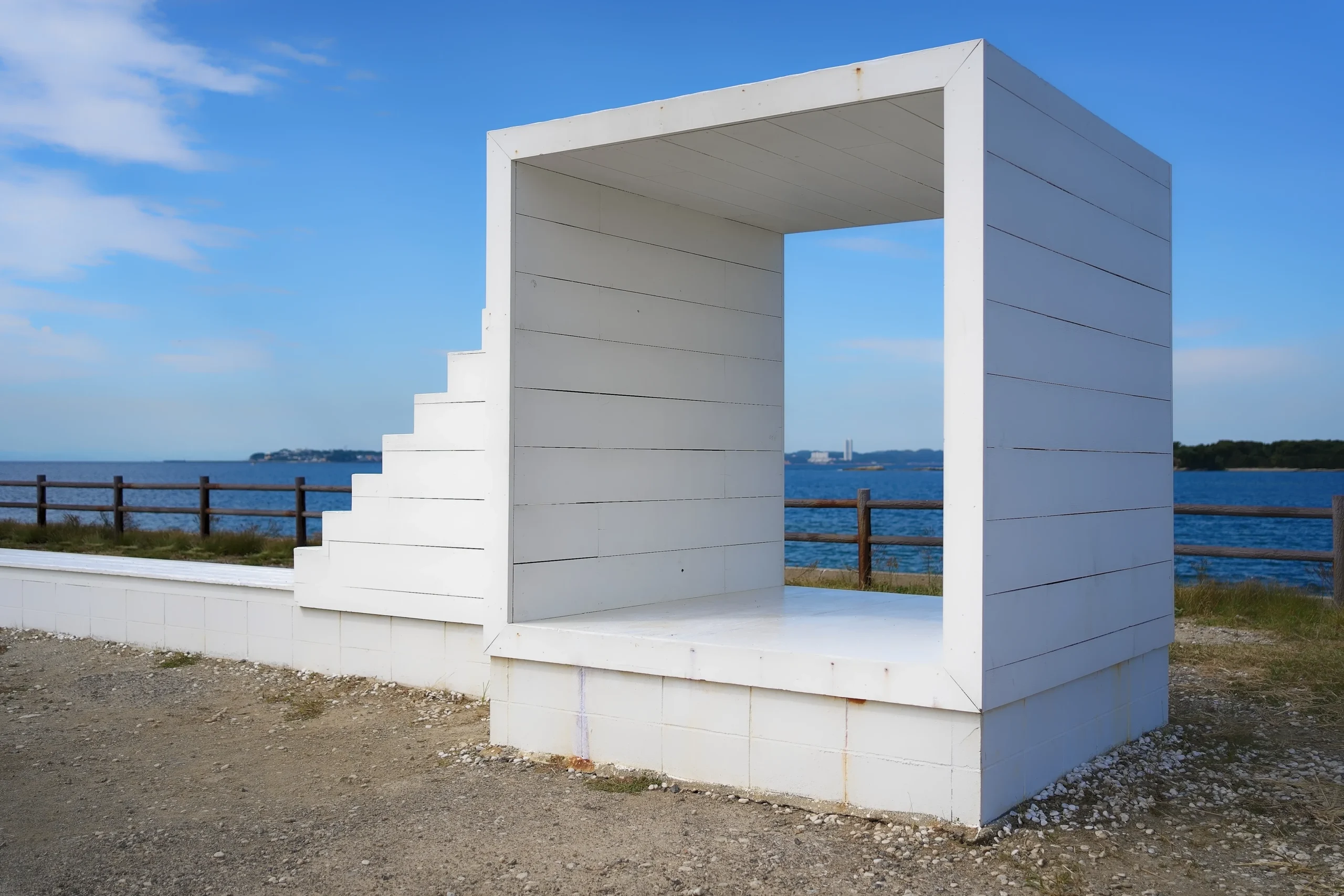
October also suits quieter detours from the big-city circuit. For example Sakushima, a small island in Aichi, is described as an “Island of Art,” reachable by ferry and free to walk around. For travelers staying in Nagoya or moving through central Japan, a day like this can reset the rhythm of a trip. October’s mild weather makes the island walk genuinely enjoyable.
Seasonal Culture: Tsukimi
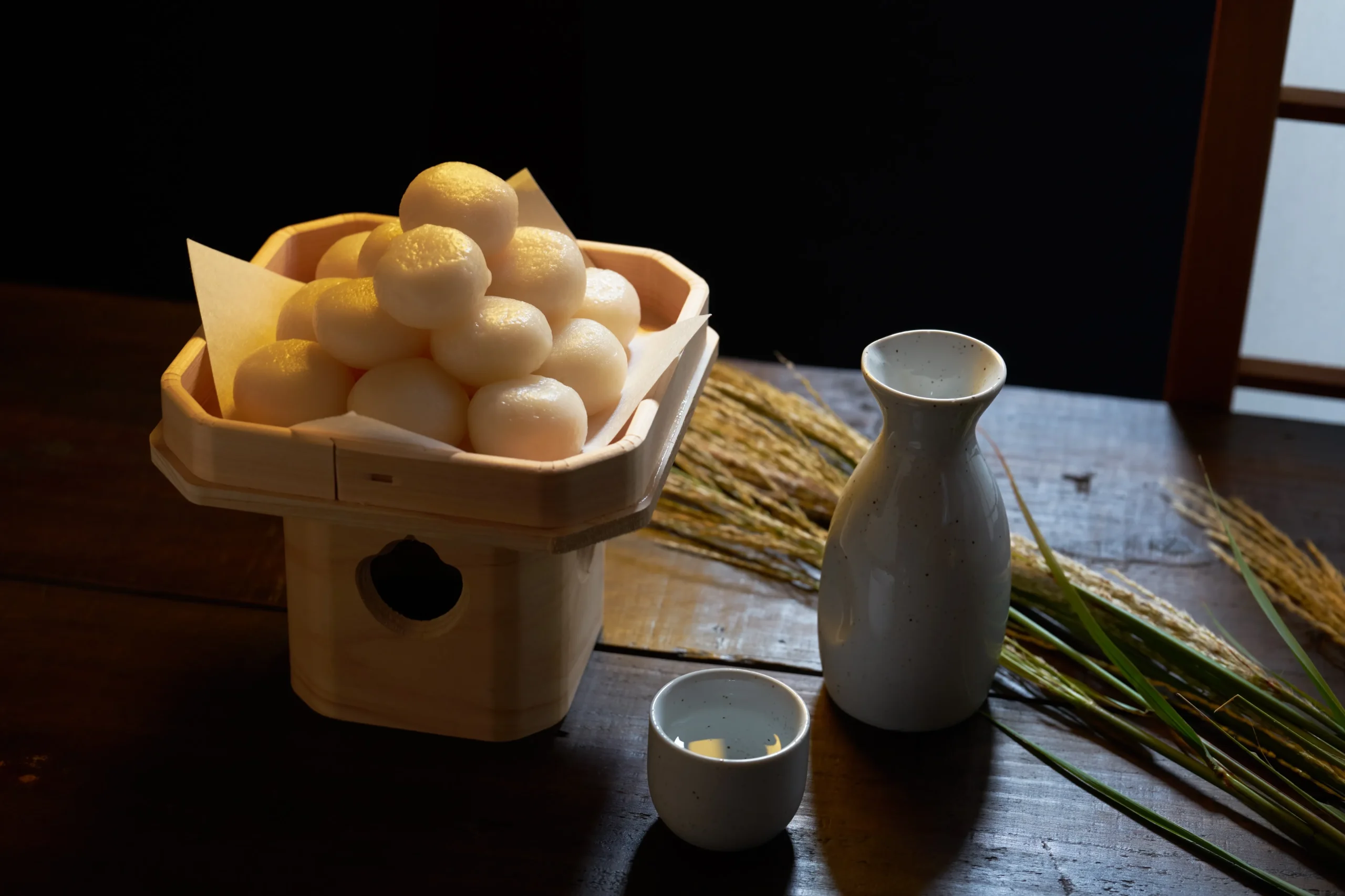
Then there is tsukimi (moon viewing). The lunar calendar’s mid-autumn full moon, traditionally a time for offering rice dumplings and autumn grasses and reflecting on the harvest, falls in September or October depending on the year. Kyoto takes this seriously: Daikaku-ji Temple holds a celebrated moon-viewing event on its large pond, and Kodai-ji Temple offers a moon-viewing tea ceremony with advance reservation. These events are small, calm, and memorable in a way that busy sightseeing rarely is.
Traditional Experience: Ukai
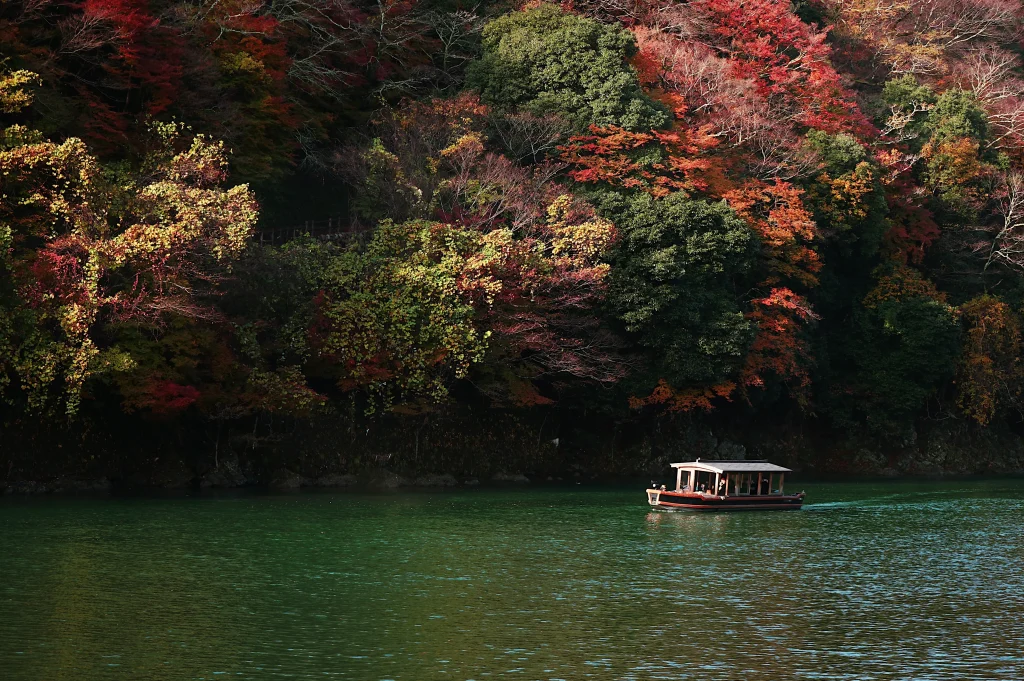
Another October tradition is ukai (cormorant fishing), a practice that dates back for over 1,300 years, on the Nagara River in Gifu through October 15. This ancient fishing method, in which trained cormorants catch ayu (sweetfish) under torchlight from wooden boats, makes for a very special experience.
Festivals and events in Japan in October
October has several festivals worth organizing a trip around, not just catching on a walk by.
Nagasaki Kunchi
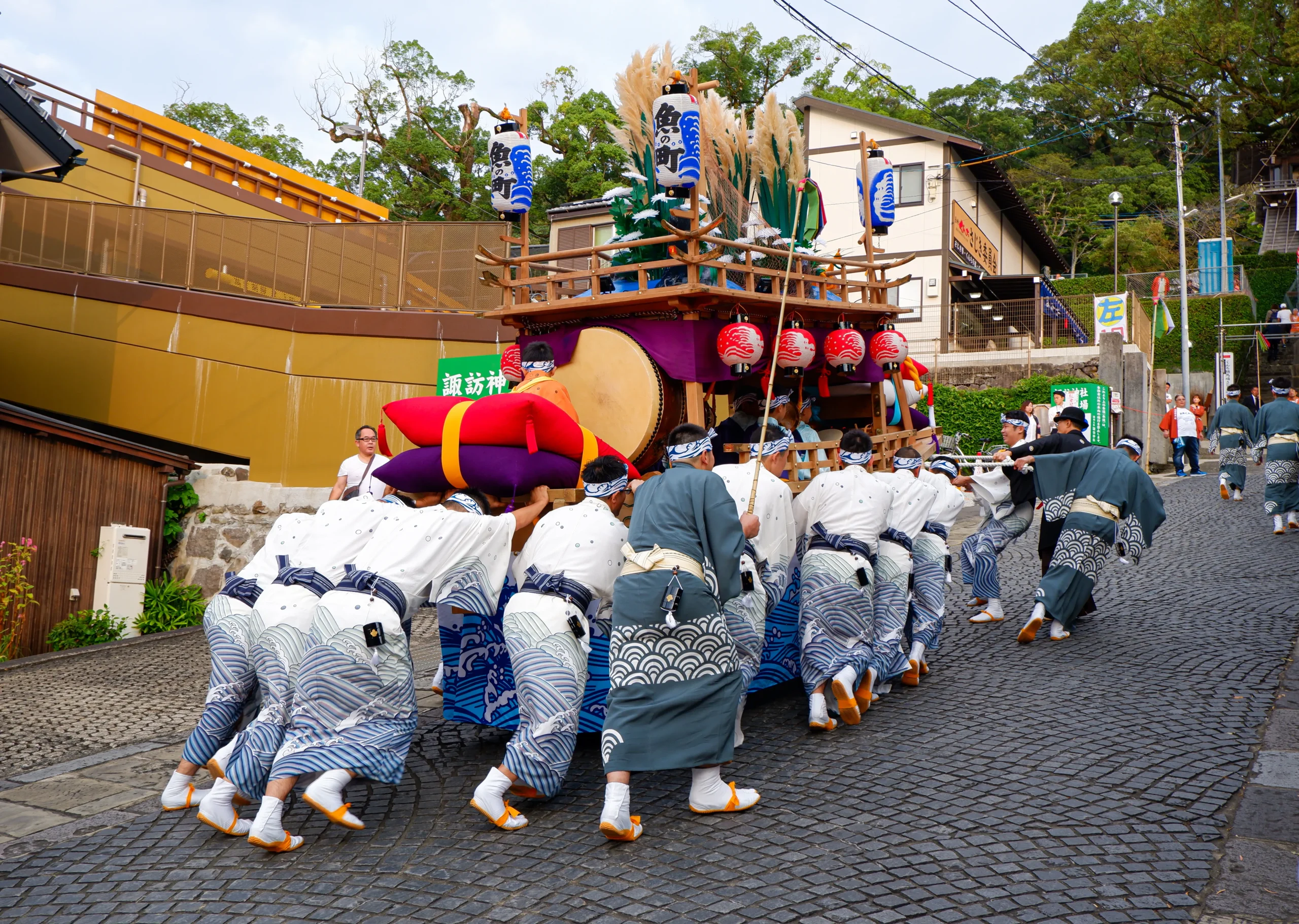
Nagasaki Kunchi (Nagasaki, October 7 to 9) is one of Japan’s most visually distinctive festivals, featuring large dragon dances and performance floats at Suwa Shrine. It draws large local crowds and rewards early ticket planning.
Takayama Autumn Festival
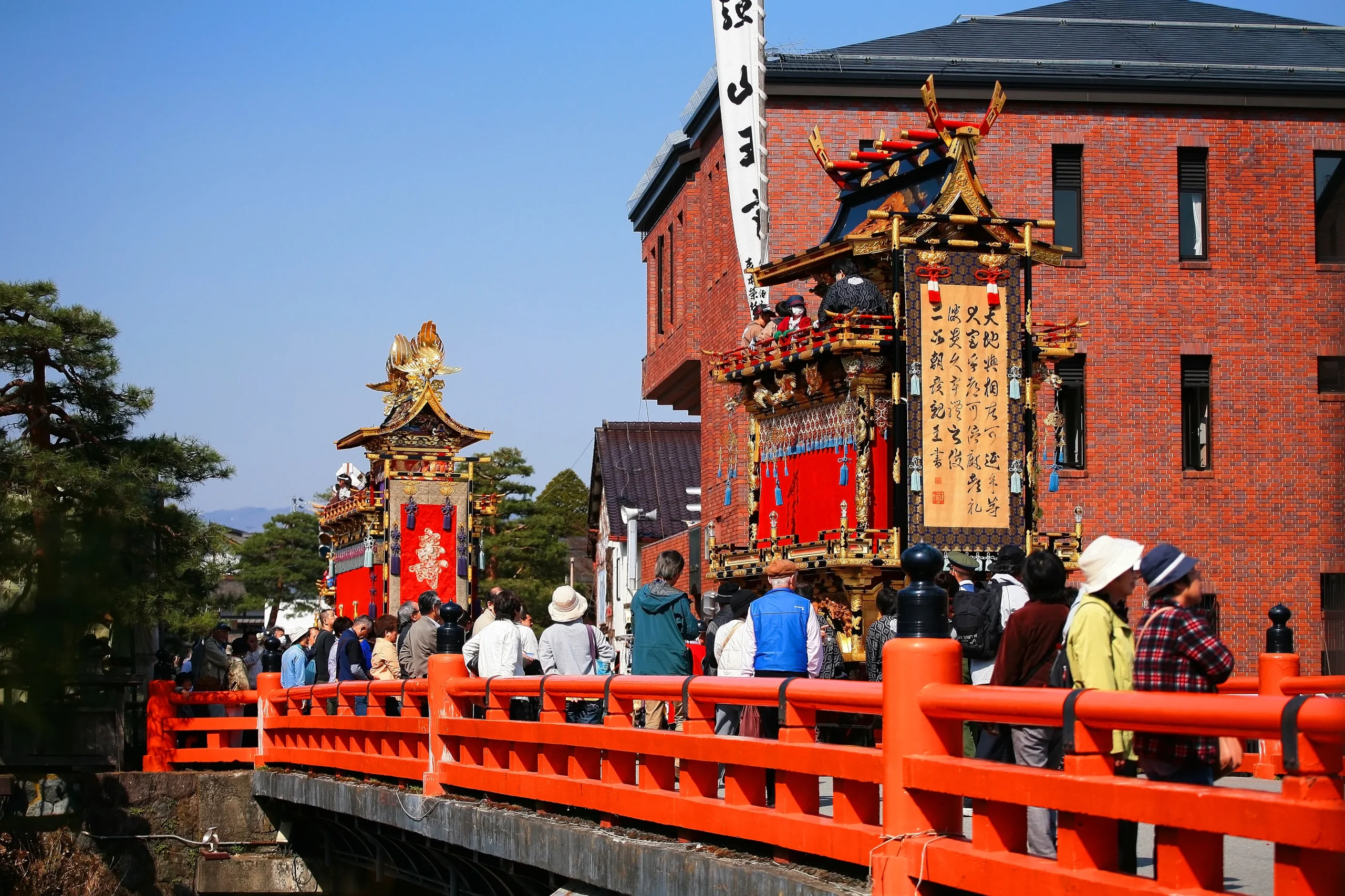
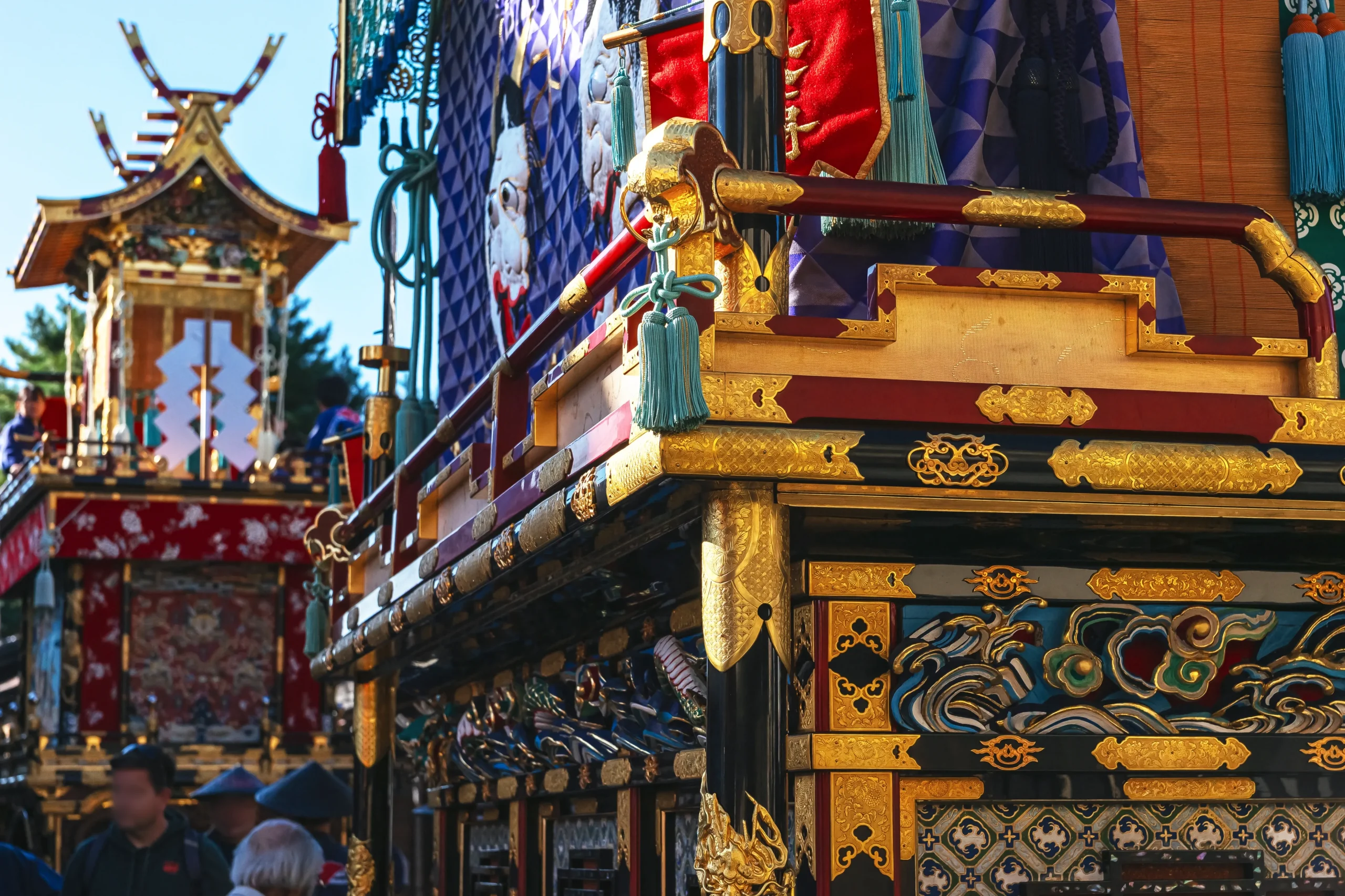
Takayama Autumn Festival (Hida-Takayama, October 9 to 10), known locally as Hachiman Matsuri, is part of the broader float-festival tradition inscribed on UNESCO’s Intangible Cultural Heritage list. The combination of elaborately decorated festival floats and Takayama’s preserved Edo-era merchant townscape makes this one of the country’s most compelling autumn festivals.
Jidai Matsuri
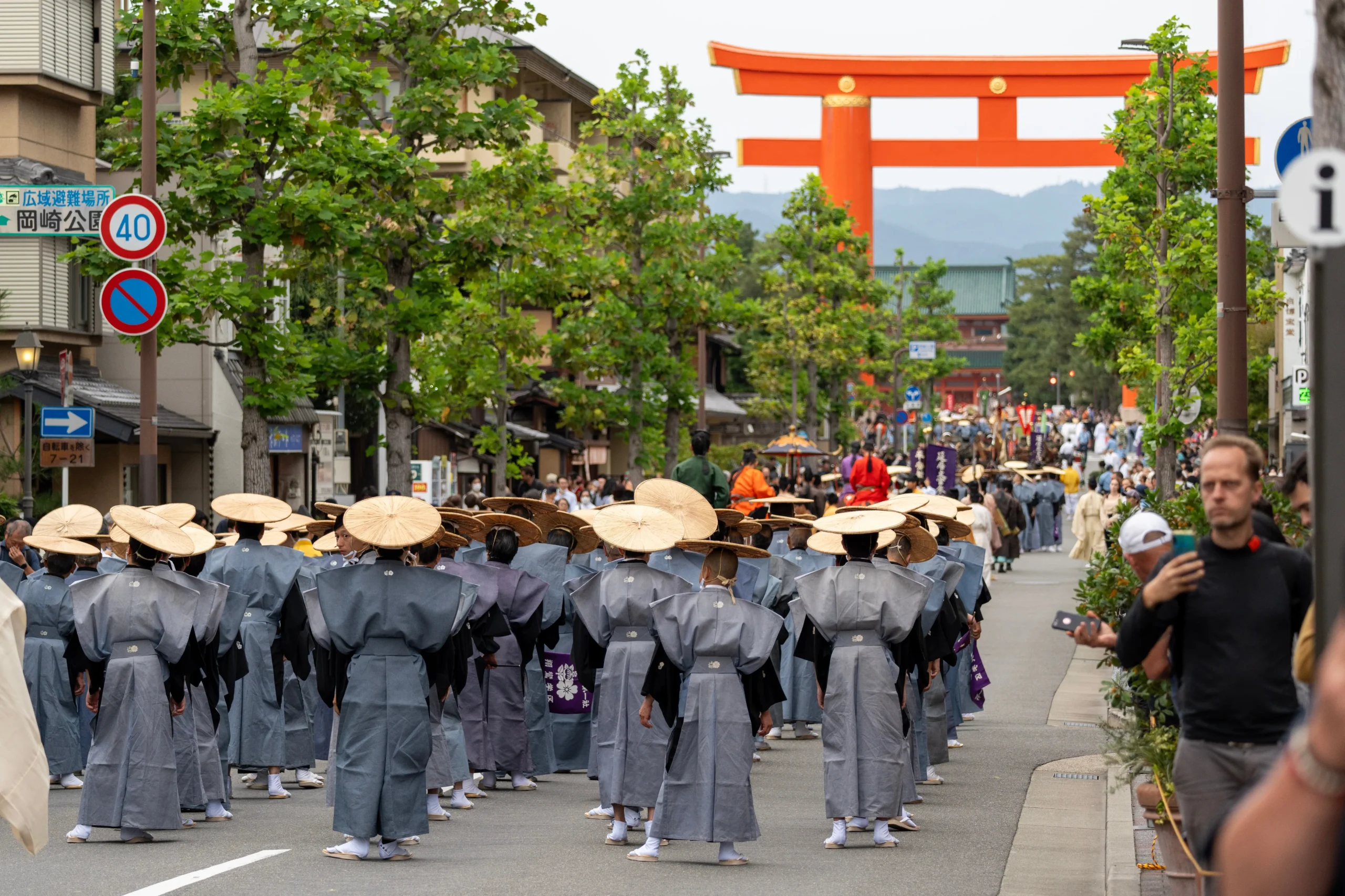
Jidai Matsuri (Kyoto, October 22) is a procession of around 2,000 participants in historical costumes representing different periods of Kyoto’s history, organized by Heian Shrine. It is a civic event as much as a tourist one, and the scale is genuinely impressive.
For travelers who want to build a trip around it, ENJYU JAPAN’s 8-Day Japan October Alps & Festival Tour 2026 is timed to finish in Kyoto in time for the procession.
Kawagoe Matsuri
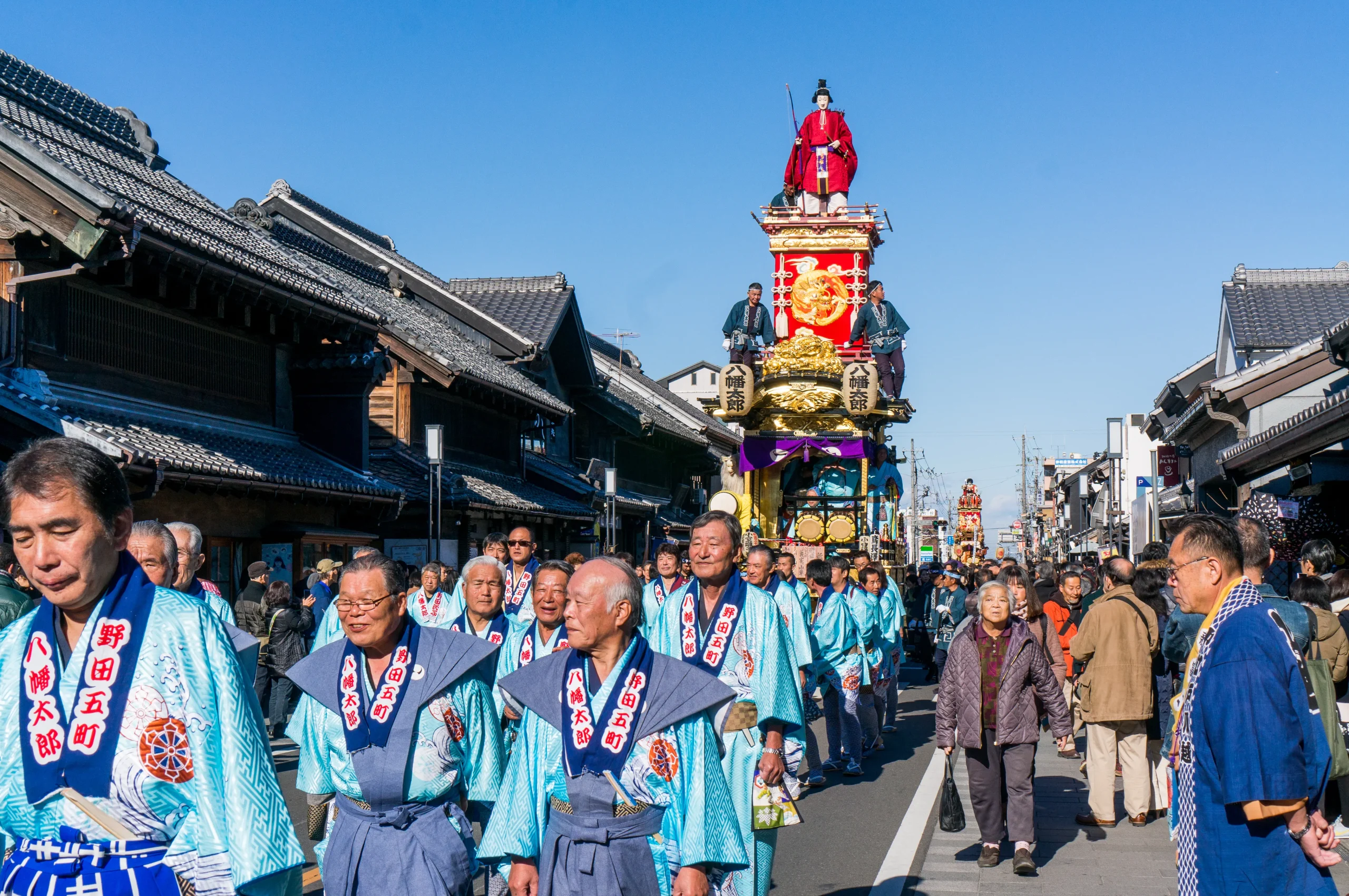
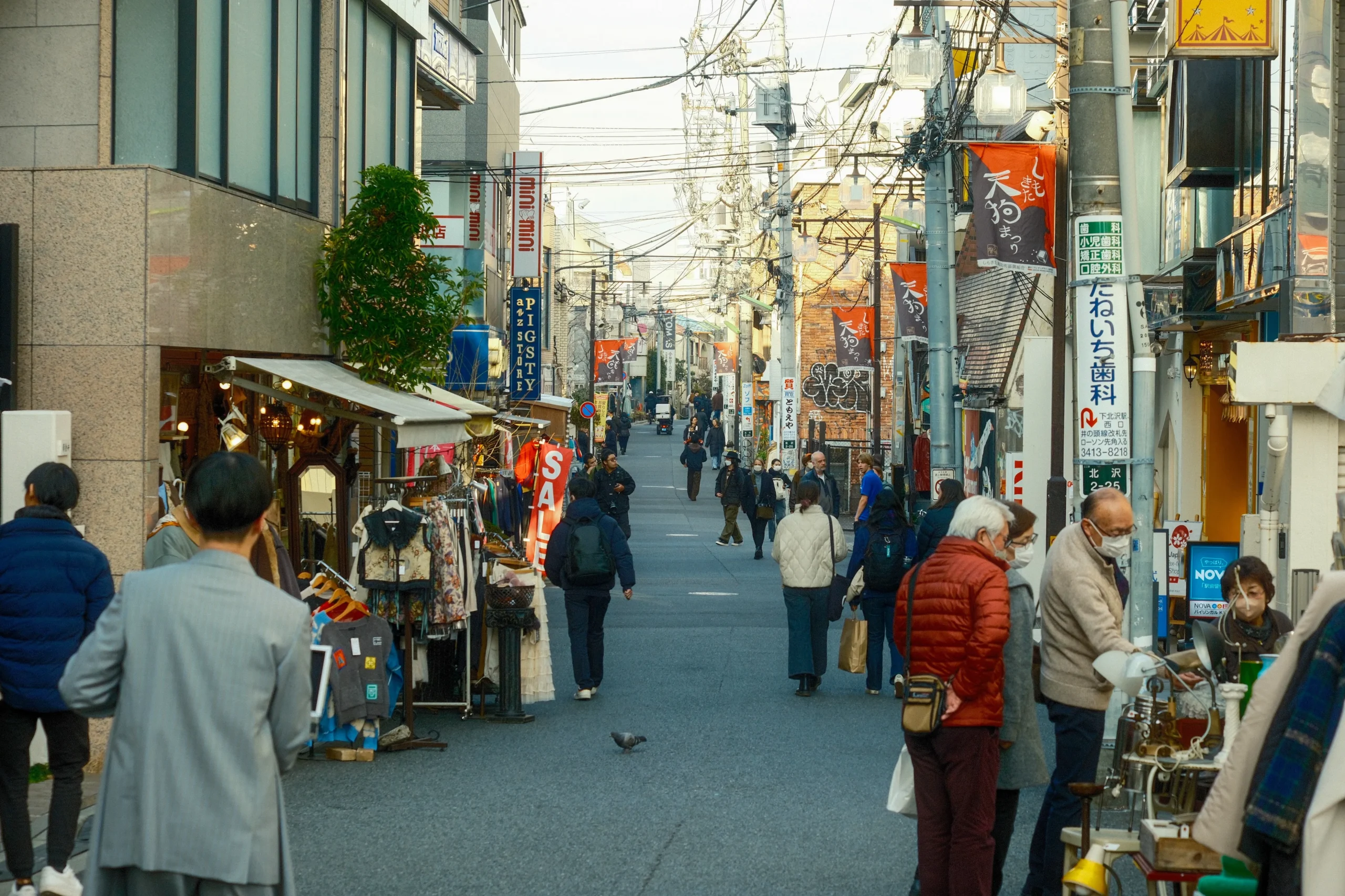
Kawagoe Matsuri (Saitama, third Saturday and Sunday of October) features large floats pulled through the old clay-warehouse district of Kawagoe, a town often called “Little Edo” for its preserved Meiji-era streetscape.
Practical Information
| Festival | Location | Dates |
| Nagasaki Kunchi | Nagasaki | October 7–9 |
| Takayama Autumn Festival | Takayama | October 9–10 |
| Jidai Matsuri | Kyoto | October 22 |
| Kawagoe Matsuri | Kawagoe | Third weekend of October |
One practical note: the second Monday of October is Sports Day, a national holiday. The long weekend can make transport and accommodation busier, so earlier booking helps.
Japan in October or November: which is better?
The choice is simpler than it often seems. October wins on weather comfort, seasonal food, festivals with fixed dates, and smaller crowds. November wins on foliage, particularly in Kyoto, Nara, and Tokyo’s parks.
If you are visiting Japan for the first time and red maple leaves in famous gardens are the image you most want, consider arriving in mid-to-late November for central Honshu. If you have already seen Japan in good weather and want to go deeper into harvest culture, rural experiences, or specific festivals, October gives you more room to move.
Temperature also matters for comfort at night. October evenings are cool but manageable with a mid-weight layer. November evenings, particularly by the third week, require a proper coat in Tokyo and points north.
Plan the Right October in Japan
The best way to think about Japan in October is as its own season with its own rewards. It is the month of clear air, harvest food, old festivals, moon-viewing nights, and foliage that appears first in the north and in the mountains before the big city maples catch up.
If that sounds like your kind of trip, the smartest plan is to match the region and pace to the version of October you actually want. ENJYU JAPAN’s 8-Day Japan October Alps & Festival Tour 2026 is one ready-made take on it, and its Tailor-Made Tour planning can reshape any of it around your own interests.