Hokkaido in winter is famous for skiing and the Sapporo Snow Festival, but the season has far more range than that. Outdoor onsen, snowy canal towns, drift ice, winter wildlife, and wakasagi fishing on frozen lakes can all become part of the trip. The key is not to treat Hokkaido as one compact destination. Winter travel here works best when you choose your region, timing, and pace carefully.
Why Hokkaido Is Worth Visiting in Winter
Snow is not just scenery in Hokkaido; it changes what the journey can be. Festivals are built from it, ski resorts depend on it, hot springs feel better because of it, and lakes become places for seasonal activities. For non-skiers, that is the reassuring part. A winter Hokkaido trip can be rich even without a single day on the slopes.
It is also genuinely cold. The Japan Meteorological Agency notes that inland Hokkaido can frequently see winter temperatures as low as -20°C. That does not make Hokkaido only for extreme travelers, but it does mean warmer clothing, fewer tight transfers, and more respect for weather.
Reference: Climate of Hokkaido District – Japan Meteorological Agency
The Best Things to Do in Hokkaido in Winter
See the Sapporo Snow Festival
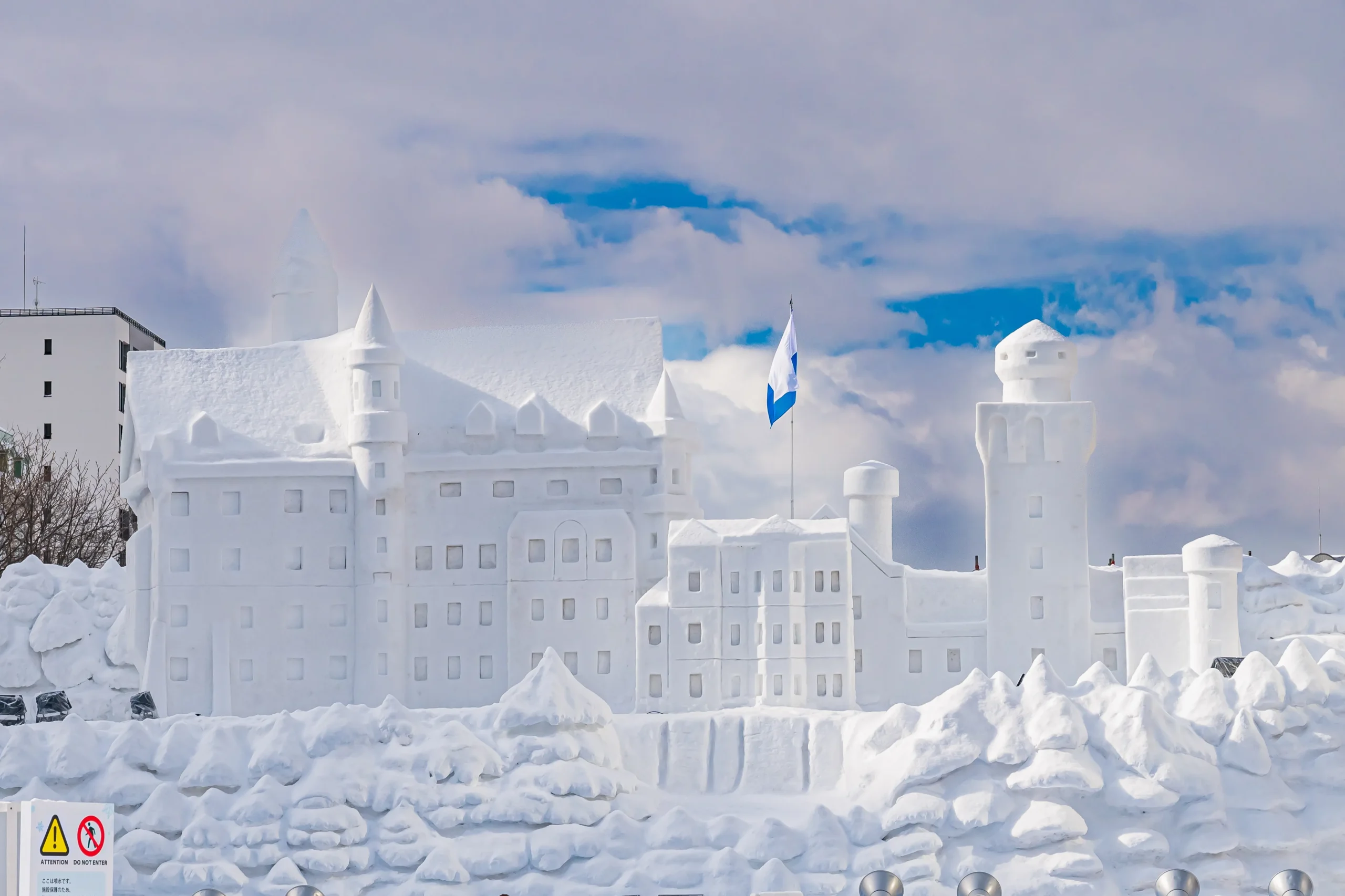
For many visitors, the Sapporo Snow Festival is the first image that comes to mind. The official site states that the 2026 festival has ended and that the next edition is scheduled for February 4–11, 2027. Recent editions have used Odori, Tsudome, and Susukino as major venues, with Odori known for large snow sculptures, Susukino for ice displays, and Tsudome for snow-play attractions. Because venue details can change by year, check the official site before fixing dates.
Reference: Sapporo Snow Festival – Official Site
Sapporo is also the easiest winter base for a first Hokkaido trip. You can visit the festival in the evening, add Otaru as a short side trip, and keep transport fairly simple. Around festival dates, hotels fill quickly, so book early.
Go Skiing or Snowboarding
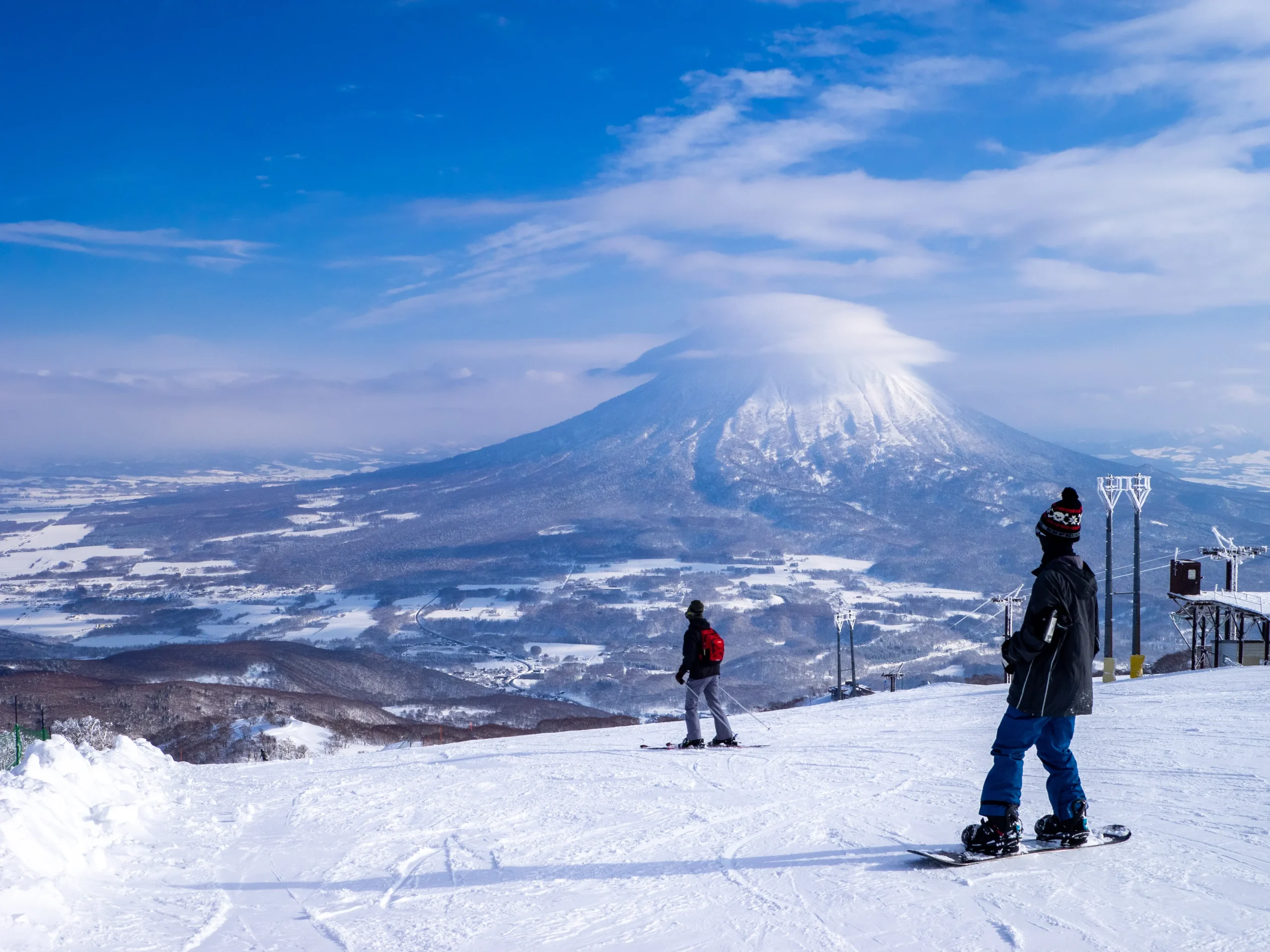
Hokkaido’s ski reputation is one reason winter travelers come north. Areas such as Niseko, Rusutsu, and Furano are well-known among skiers and snowboarders. If skiing is the purpose, build the itinerary around the resort first rather than squeezing in every famous winter sight.
For everyone else, skiing does not need to dominate the trip. You can skip resort towns and focus on festivals, onsen, food, winter walks, and frozen-lake activities.
Warm Up in an Onsen After a Snowy Day
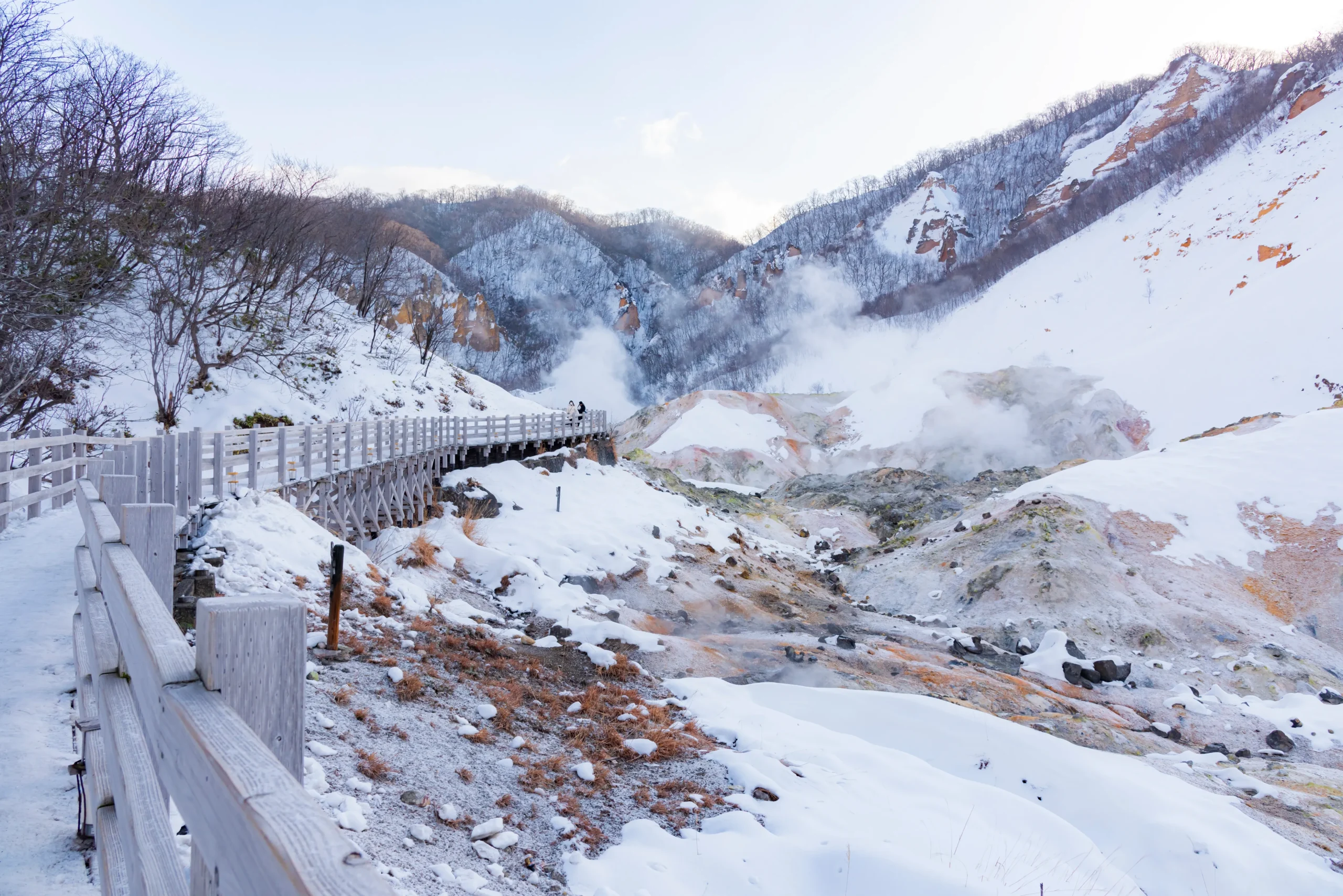
Onsen are appealing in any season, but winter gives them a clearer role in the day. After walking on icy streets or standing outside at a night festival, the shift into hot spring water feels practical as much as luxurious.
Noboribetsu is one of the strongest onsen choices for a winter route. Jigokudani, the volcanic valley above the hot spring town, is a crater area with fumaroles, boiling water, and hot spring water supplied to local hotels and inns. Noboribetsu works best as an overnight stay rather than a rushed stop.
Try Wakasagi Ice Fishing on a Frozen Lake
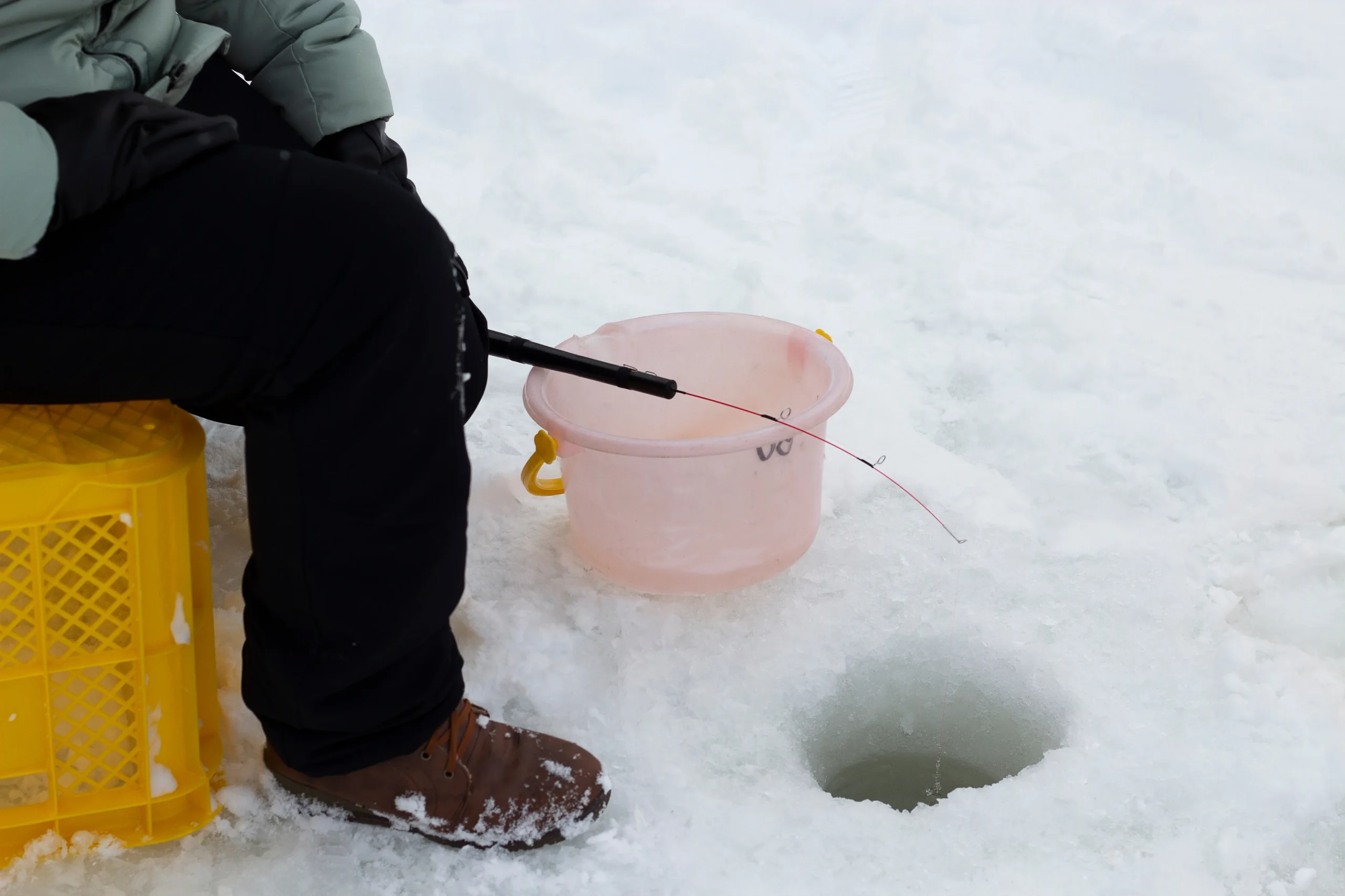
Wakasagi, or Japanese smelt, are small fish caught through holes made in frozen lakes. It sounds simple but memorable: sit over the ice, drop a line, wait, and later eat the catch as crisp tempura if the local setup allows it. It is a nice hands-on counterpoint to sightseeing.
Lake Abashiri is one official example where winter wakasagi fishing is introduced as a local experience. The lake surface freezes, visitors can drill a hole in the ice and fish, and the freshly caught wakasagi may be prepared as tempura. It can suit families and non-skiers, but the frozen-lake setting is weather-dependent, so follow local instructions.
See Drift Ice in Abashiri or Shiretoko
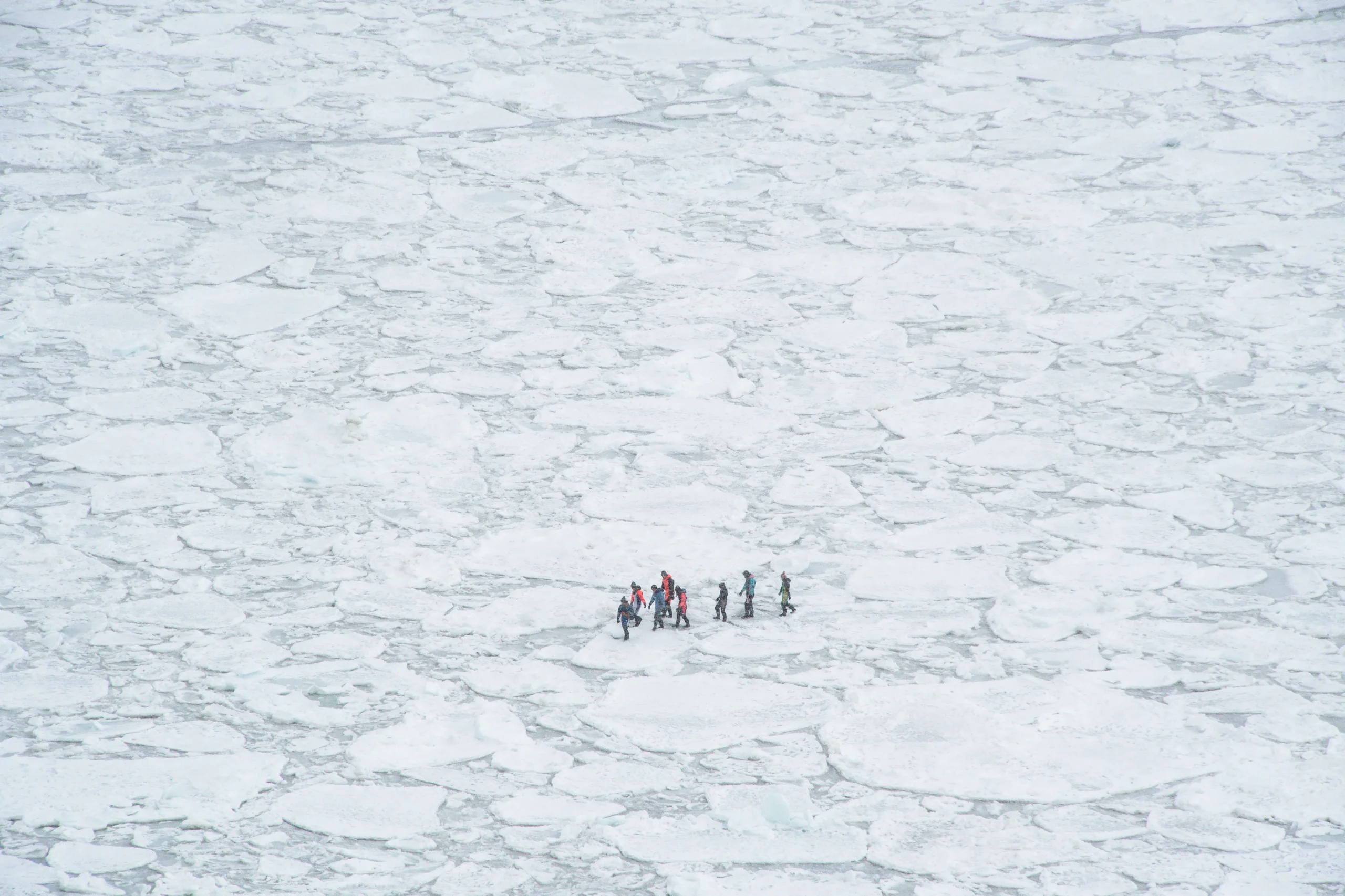
Eastern Hokkaido offers one of Japan’s most unusual winter sights: drift ice on the Sea of Okhotsk. Abashiri is known for the Aurora icebreaker, while Shiretoko has nature-focused options such as guided drift-ice walks around Utoro. These are not casual add-ons from Sapporo; they need extra travel time.
Drift ice is never guaranteed. The Aurora operator notes that drift ice is moved by wind and tide and cannot be seen every day. If drift ice is the main reason for your Hokkaido winter trip, consider adding an extra night rather than betting everything on one narrow window.
Reference: Aurora Icebreaker – Official Site
Visit Smaller Winter Festivals and Asahiyama Zoo
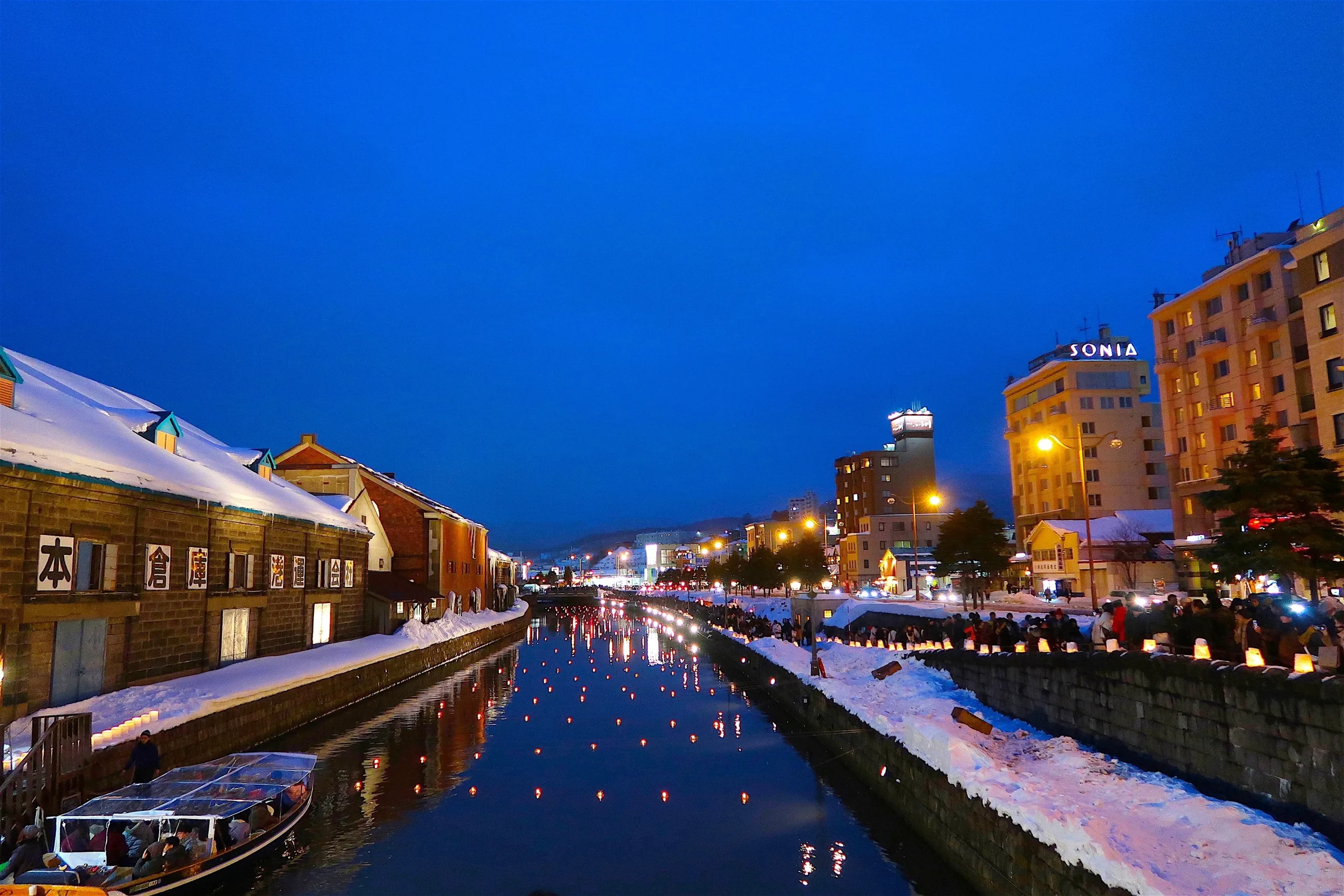
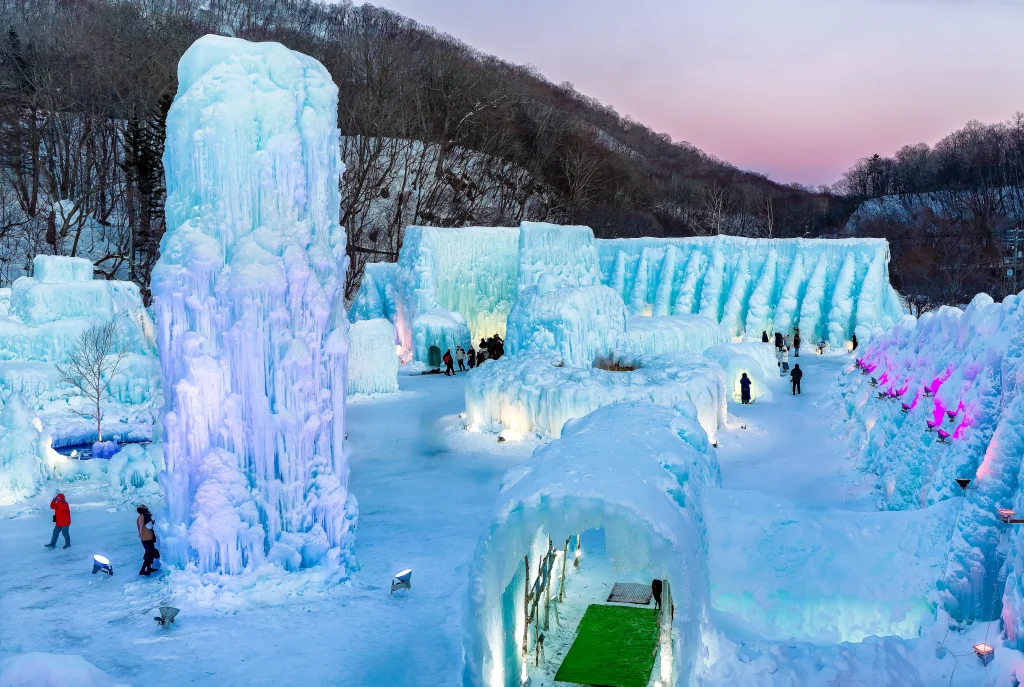
Sapporo is the headline, but it is not the only winter event worth considering. Otaru Snow Light Path fills the canal area and former Temiya railway line with snow candles. Asahikawa Winter Festival gives a different city base, while the Lake Shikotsu Ice Festival uses lake water to create ice objects that look different by daylight and after illumination.
Asahikawa can also pair well with Asahiyama Zoo. The zoo is known for its Penguin Walk in the snowy season, though schedules and conditions should always be checked before visiting.
When to Visit Hokkaido in Winter
February is the classic month if you want snow festivals, drift ice possibilities, and deep winter atmosphere. It is also the most competitive period for hotels and transport around major events. December can be easier for early skiing or a winter city mood. January brings colder conditions and the beginning of some ice events. March can still feel wintry in parts of Hokkaido, especially for skiing, but the festival peak is mostly over.
| Month | Best for | Watch out for |
| December | Early skiing, winter lights | Some ice activities may not be ready |
| January | Skiing, colder scenery | Short days, possible delays |
| February | Snow festivals, drift ice | Peak demand and crowded dates |
| March | Softer pacing, late ski options | Conditions vary |
Read more:Best Time to Visit Hokkaido: Monthly Weather Guide & Top Activities
Where to Base Yourself
For a first winter trip, Sapporo is the easiest base. It gives access to the Snow Festival, Otaru, food, and transport links without making every day feel like an expedition.
Choose Noboribetsu if the trip needs a proper onsen night. Choose Niseko, Rusutsu, or Furano if skiing is the priority. Choose Asahikawa if you want the zoo, Asahikawa Winter Festival, or a route toward central Hokkaido. Choose Abashiri or Shiretoko only if drift ice or eastern Hokkaido nature is important enough to justify the travel time.
| Base | Best for | Planning note |
| Sapporo | First-timers, Snow Festival, Otaru | Easiest winter base |
| Noboribetsu | Onsen and volcanic scenery | Better as an overnight |
| Niseko / Rusutsu / Furano | Skiing and snowboarding | Book early in peak season |
| Asahikawa | Zoo, winter festival | Good after Sapporo |
| Abashiri / Shiretoko | Drift ice | Needs extra travel days |
How Many Days Do You Need?
Three days is enough for a compact Sapporo and Otaru winter stay, especially around the Snow Festival, but it will feel like a city break rather than a full Hokkaido trip. Four to five days allows Sapporo, Otaru, winter food, and perhaps Noboribetsu or Lake Shikotsu.
With six to seven days, you can add Asahikawa, a ski resort, or an onsen stay without rushing quite as much. If eastern Hokkaido is the goal, think closer to nine or ten days. Sapporo, Asahikawa, Abashiri, and Shiretoko may look manageable on a map, but winter transfers and weather make slower pacing more comfortable.
Winter Logistics: Clothing, Transport, and Booking
Pack for cold streets, not just cold air. Sapporo’s official winter advice recommends snow boots or shoes with non-slip soles because sidewalks can become uneven, compacted, and slippery. A warm coat, gloves, scarf, hat, warm inner layer, and windproof or fleece-lined pants will make outdoor evenings much easier.
Transport is usually workable by train and bus on major routes, but winter disruptions do happen. JR Hokkaido provides operation information for suspended services, cancellations, delays of 30 minutes or more, and replacement bus service. Before long transfers, check the latest status and avoid plans that collapse if one connection is delayed. Winter driving is possible for people used to snowy roads, but it should not be treated casually.
Reference: Train Operation Information – JR Hokkaido
Suggested Winter Routes by Travel Style
If this is your first Hokkaido winter trip, choose Sapporo, Otaru, and one onsen or lake side trip. If festivals are the priority, start with Sapporo and add Otaru, Asahikawa, or Lake Shikotsu only if the dates align. If you are not skiing, build around snow festivals, Noboribetsu, wakasagi fishing, Asahiyama Zoo, and winter food.
If skiing is the main goal, stay near the resort and add Sapporo or Otaru before or after. If drift ice is the dream, give eastern Hokkaido enough time to breathe. Weather-dependent experiences are more enjoyable when the itinerary has some margin.
Final Thoughts
Hokkaido in winter can be one of Japan’s most rewarding seasonal trips, but it asks for a different kind of planning. The best route is the one that respects the cold, the distances, and the experiences you care about most.
If you want to combine snow festivals, onsen, skiing, wakasagi fishing, or drift ice without making the itinerary feel too hard, ENJYU JAPAN can shape a Tailor-Made Tour around your pace and interests.