Japan is one of the most rewarding countries for secondhand shopping, though not always in the way travelers expect. A thrift shop in Japan might mean a tidy reuse chain, a vintage clothing store, a book-and-anime goods shop, a designer resale counter, or a monthly temple market. The appeal is not only finding something cheap. It is seeing how wide the secondhand world is here, and how carefully many used items are kept.
Is Japan Good for Thrift Shopping?
Yes, Japan is genuinely good for thrifting, especially if you care about condition, variety, and browsing. Clothing is the obvious draw, but secondhand shopping in Japan goes much further: books, manga, games, anime figures, watches, cameras, kitchenware, furniture, and appliances all have their own lanes.
The quality can be surprisingly reassuring. Many larger reuse shops feel closer to normal retail than rummaging, with goods sorted by category and priced according to brand, condition, and demand. Long-term residents often furnish their first apartment with secondhand refrigerators, washing machines, tables, and shelves, then use them for years. That everyday trust in reuse culture is part of what makes Japan feel like a thrift paradise, though not every item is perfect.
The caveat is price. Some vintage items are cheap. Some are expensive because they are rare, branded, imported, or carefully curated. In Japan, “used” does not automatically mean “low-cost.”
What “Thrift Shop” Means in Japan
The English word “thrift” covers several Japanese categories. A furugiya, or old-clothes shop, usually means used or vintage fashion. A recycle shop or reuse shop is broader, selling clothing, bags, furniture, electronics, toys, and tableware.
Large chains make the system clearer. 2nd STREET sells used clothing, bags, shoes, furniture, appliances, and daily goods. BOOKOFF is useful for books, manga, games, figures, watches, and small electronics. HARD OFF is stronger for instruments, audio equipment, appliances, furniture, toys, and practical goods.
Then there are curated vintage districts, where buyers select American vintage, streetwear, denim, military wear, designer pieces, or old band T-shirts. These shops are fun, but they are not always bargain bins. Kyoto temple markets offer another route, with antiques, kimono, textiles, tools, and used clothing. The better question is not “Where is the best thrift shop?” but “What kind of secondhand shopping do I actually want?”
Quality: Why Secondhand Goods Often Feel Almost New
One reason thrifting in Japan feels so satisfying is the condition of many items. In bigger chains, products are usually assessed before resale, and condition often affects the price. Treasure Factory, for example, offers warranty coverage on eligible used home appliances, which helps explain why secondhand appliances can feel like a normal choice for people setting up a home in Japan.
You may walk in expecting dusty shelves and instead find tidy racks, clean appliances, labeled accessories, and small defects clearly marked. Still, check carefully. Look for stains, odors, loose seams, weak zippers, battery corrosion, or missing accessories. For branded goods, use shops that clearly explain their checking process. BOOKOFF, for example, states that experienced staff examine branded items and that purchased goods are checked and cleaned before sale.
Price Reality: Cheap Finds and Expensive Vintage
Japan can feel like a thrift paradise, but not because everything is cheap. The value is in the range. One rack might hold low-priced casual clothes, while another shop nearby sells vintage denim or designer bags at prices that reflect demand, condition, and rarity.
The biggest price difference is between general reuse and curated vintage. A suburban recycle shop or a large chain outside the most tourist-heavy areas may be better for bargain hunting. A vintage store in Shimokitazawa, Koenji, Harajuku, or Osaka’s Amerikamura may have already done the digging for you. That curation is convenient, but it is also part of the price.
Designer resale works differently again. A used luxury bag or watch is rarely “cheap” in the usual thrift sense. The appeal is condition, selection, authentication practices, and sometimes tax-free shopping.
Where to Go: Tokyo, Osaka, Kyoto, Nagoya, and Beyond
Tokyo
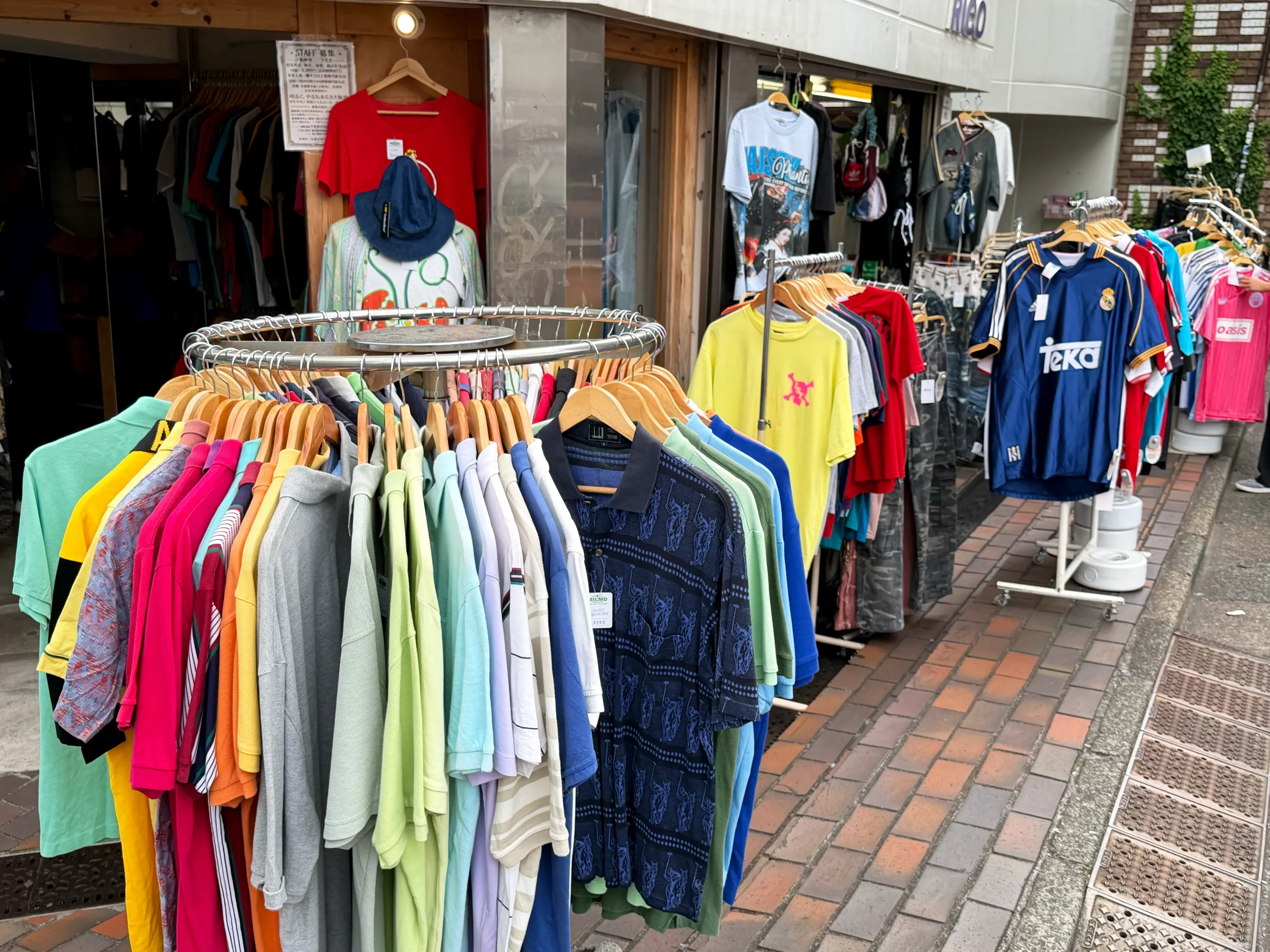
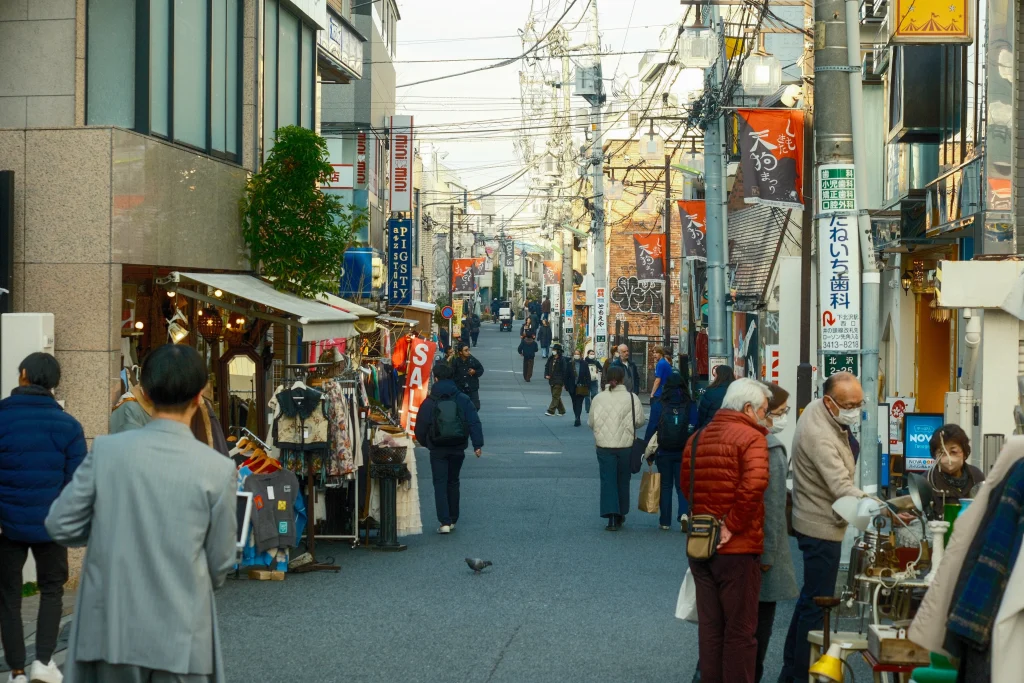
Tokyo is the easiest starting point for vintage clothing. Shimokitazawa is relaxed and walkable, with vintage clothing stores, select bookstores, music shops, cafés, and bars. It works well as an afternoon neighborhood.Koenji has a slightly more local, alternative feel, with vintage clothing, discount stores, music culture, and small nightlife streets. Harajuku is better for fashion energy, streetwear, and youth culture. It is exciting if you enjoy trend-watching, but not the place to expect guaranteed bargains.
Osaka
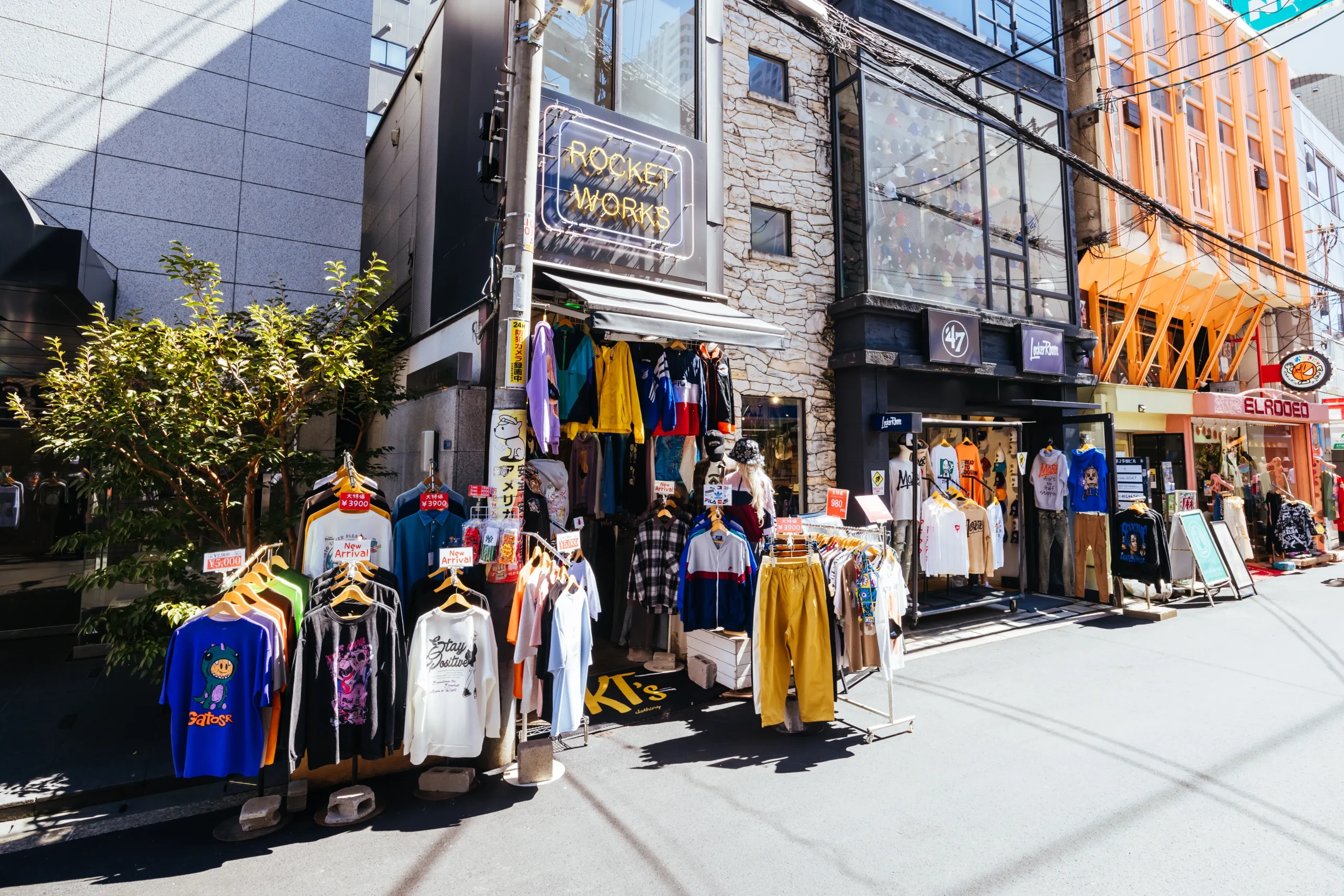
One of Osaka’s most visible secondhand fashion areas is Amerikamura, often shortened to Amemura. The district grew around imported goods, used clothing, jeans, records, and youth culture from the 1970s onward.
Kyoto
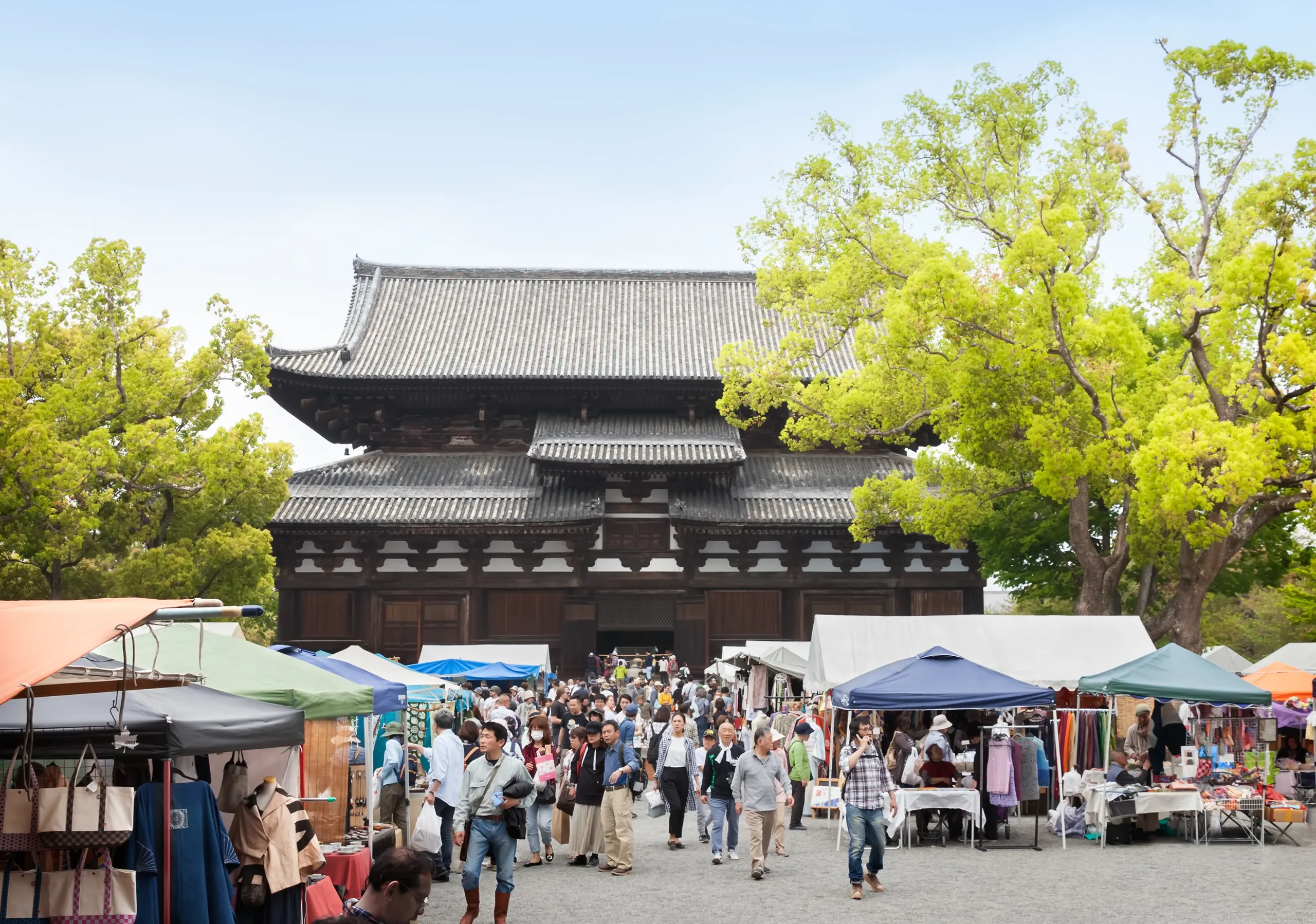
Kyoto is less about dense vintage-store hopping and more interesting when markets match your dates. Toji’s Kobo Market is held on the 21st of each month, while Kitano Tenmangu’s Tenjin Market is held on the 25th. Both can include antiques, old tools, used clothing, textiles, and food stalls.
Nagoya
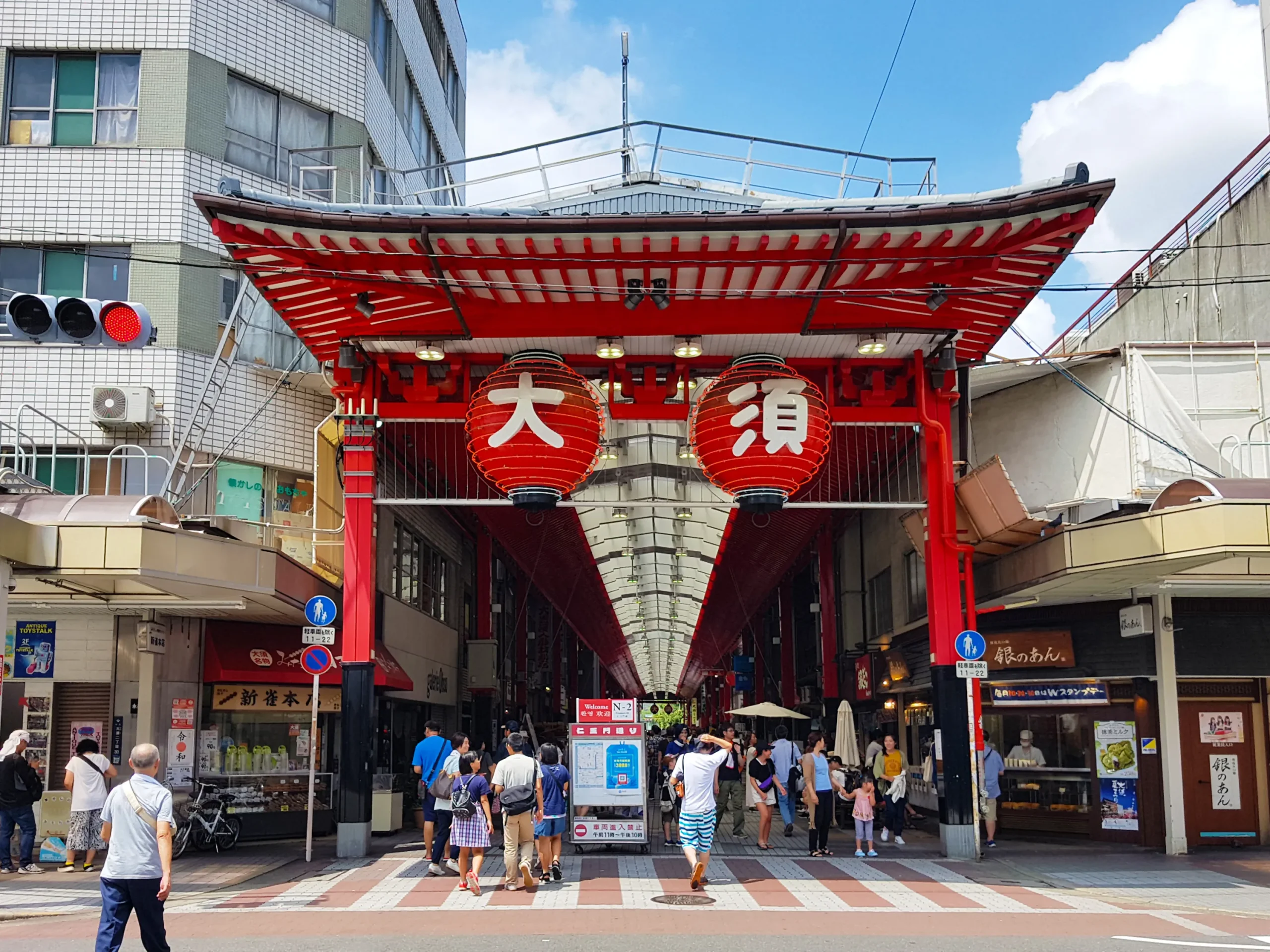
Nagoya is often skipped in Tokyo-heavy thrift guides. Osu Shopping District mixes electronics, secondhand clothing, subculture shops, food stalls, and everyday shopping streets in one compact area. It is easy to enjoy if Nagoya is already part of your route.
What to Buy in Japan’s Secondhand Shops
Clothes get most of the attention, and for good reason. Japan is strong for streetwear, denim, workwear, military-style jackets, outdoor brands, designer resale, and neatly kept casual basics. The main thing is to shop by measurement and condition rather than by size label alone.
Anime, manga, games, and character goods are another major reason to visit secondhand shops. BOOKOFF-style stores can be good for manga, art books, language-learning books, games, CDs, figures, trading cards, and small electronics. For collectors, rarity changes everything: an older boxed item or limited-edition release can cost far more than expected.
Homeware is quieter but often more rewarding than travelers expect. Ceramics, glassware, trays, baskets, lacquer-style bowls, kitchen tools, and old decorative items appear in reuse shops and markets. These finds can feel more personal than a new souvenir, but books are heavy, ceramics break, and figures need protection in your suitcase.
Furniture and appliances are less relevant for short-term travelers, but they reveal how deep Japan’s reuse culture goes. For people living in Japan, a secondhand washing machine, refrigerator, shelf, or table can be a practical, long-lasting purchase.
Practical Tips Before You Buy
Try clothing on when you can, and do not trust letter sizes alone. Check shoulder width, sleeve length, waist, rise, and fabric stretch. If fitting rooms are busy or unavailable, compare the garment to something you are wearing, or bring a small measuring tape if you plan to shop seriously.
Tax-free shopping is available at some larger stores, but never assume every thrift shop offers it. The Japan Tourism Agency’s current tax-free guidance sets general purchase conditions, and the system is scheduled to change from November 1, 2026. Check the store’s own tax-free signs before buying.
Reference: Japan Tax-free Shop – Japan Tourism Agency
Reference: Japan Tax-free Shop: Effective from November 1, 2026 – Japan Tourism Agency
Smaller market stalls may prefer cash, while big chains are often easier for cards and digital payments. Returns can be limited on used goods. For electronics, check voltage, plug type, battery condition, language settings, and included cables. A good find is only good if you can use it, carry it, and get it home safely.
Read more: Things to Know Before Japan
How Much Time Should You Spend Thrifting in Japan?
If you are only mildly curious, one or two hours in a chain store or a vintage neighborhood is enough to get a feel for it. Add it after lunch in Shimokitazawa, before dinner in Koenji, or during a free afternoon in Osaka or Nagoya.
If you love fashion, anime goods, books, or design objects, thrift shopping can easily become a half-day or full-day plan. Serious shoppers sometimes build whole days around different neighborhoods, but that is not necessary for everyone. Some travelers want racks and racks. Others want one good browse, a coffee, and a lighter suitcase.
The easiest way to include thrifting is to pair it with a neighborhood that already has food, cafés, music, or local shopping nearby. That way, the stop still feels like part of the trip even if you do not find the perfect jacket or figure.
Final Thoughts: Thrift Shopping as a Window into Everyday Japan
Secondhand shopping in Japan is not just a cheaper version of normal shopping. At its best, it shows how carefully many goods are kept, how broad reuse culture has become, and how different neighborhoods express style through resale.
For travelers who love browsing, Japan can absolutely feel like a thrift paradise. For everyone else, it is still worth trying once: a BOOKOFF between train rides, a Kyoto market if the date lines up, or an afternoon in Shimokitazawa or Amerikamura. If you want secondhand shopping to become part of a wider Japan trip rather than a random detour, ENJYU JAPAN can help shape it into a Tailor-Made Tour that fits your interests, pace, and route.