Most guides put Tokyo’s autumn colors in late November and leave it there. The Japan Meteorological Agency’s own observation records point somewhere slightly later, and the gap is wide enough to change which week you book. The 2026 forecast doesn’t exist yet — it usually appears around September — so anyone quoting you an exact date today is reading last year’s numbers back to you. What can be said now is how November actually unfolds here, how far the dates have swung recently, and which events are already fixed to the calendar.
When Tokyo’s Autumn Colors Actually Peak
The Japan Meteorological Agency has tracked this for decades using designated sample trees and one consistent standard: the date goes in the record when most of the leaves have changed and green is barely visible. It’s a narrow definition. It’s also the same definition every year, which is what makes it worth something.
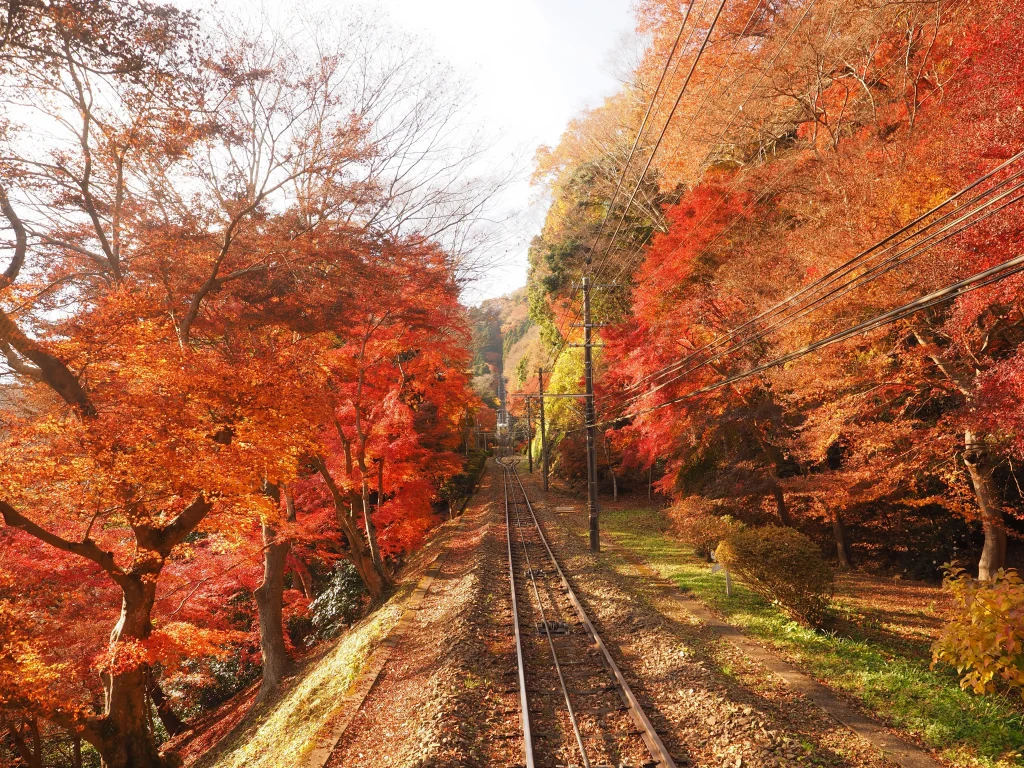
Tokyo’s ginkgo turned on November 22 in 2025, one day ahead of average. In 2024 it turned on December 3, ten days behind. Both point to a normal date around November 23. The maples run later: November 23 in 2025 (five days early), December 3 in 2024 (five days late), which puts the average near November 28.
Two things follow from that. First, gold and red are not the same trip. The ginkgo avenues turn roughly five days before the maples, so with one free afternoon in the city you are usually choosing between them rather than getting both. Second, look at the swing — eleven days separated the 2024 and 2025 ginkgo dates. That isn’t a rounding error. It’s the difference between a full avenue and a bare one.
Why the movement? Color arrives later when September through November run warm, and earlier when they run cool. The 2024–2025 gap is a temperature story more than a botanical one, which is also why a forecast issued in September can only tell you so much.
What the 2026 Forecast Will Tell You, and When
The forecast that Japanese media repeats all autumn comes from the Japan Weather Association. Its 2025 information closed at the end of last season, and its own site says the 2026 information is due to start around September. Anything presented as a “2026 peak date” before then is a normal-year average wearing a costume.
When it does arrive, it comes in rounds, revised through the autumn as the actual temperature record fills in. The September round is the loosest of the set — it is forecasting a phenomenon driven by weather that hasn’t happened yet. By late October the picture is firmer, and by early November it’s close to reportage.
If you’re following along in English, the association publishes English summaries of each round on its corporate news page. Its detailed spot-by-spot version stays in Japanese, but you don’t really need it. The question you have is directional — is this year early, normal, or late — and the summary answers it.
One more tool worth bookmarking: the Meteorological Agency updates its observation page daily through the season. That’s not a prediction. That’s a record of what has already happened, which is more useful than a forecast once you’re three weeks out.
How November Unfolds in Tokyo
The season moves in a fairly consistent order: festivals first, then the mountains, then the city gardens. Here’s the shape of it.
November 1–13: The Festivals Arrive Before the Color
Street trees are still green. What’s happening in this window is the calendar, not the canopy.
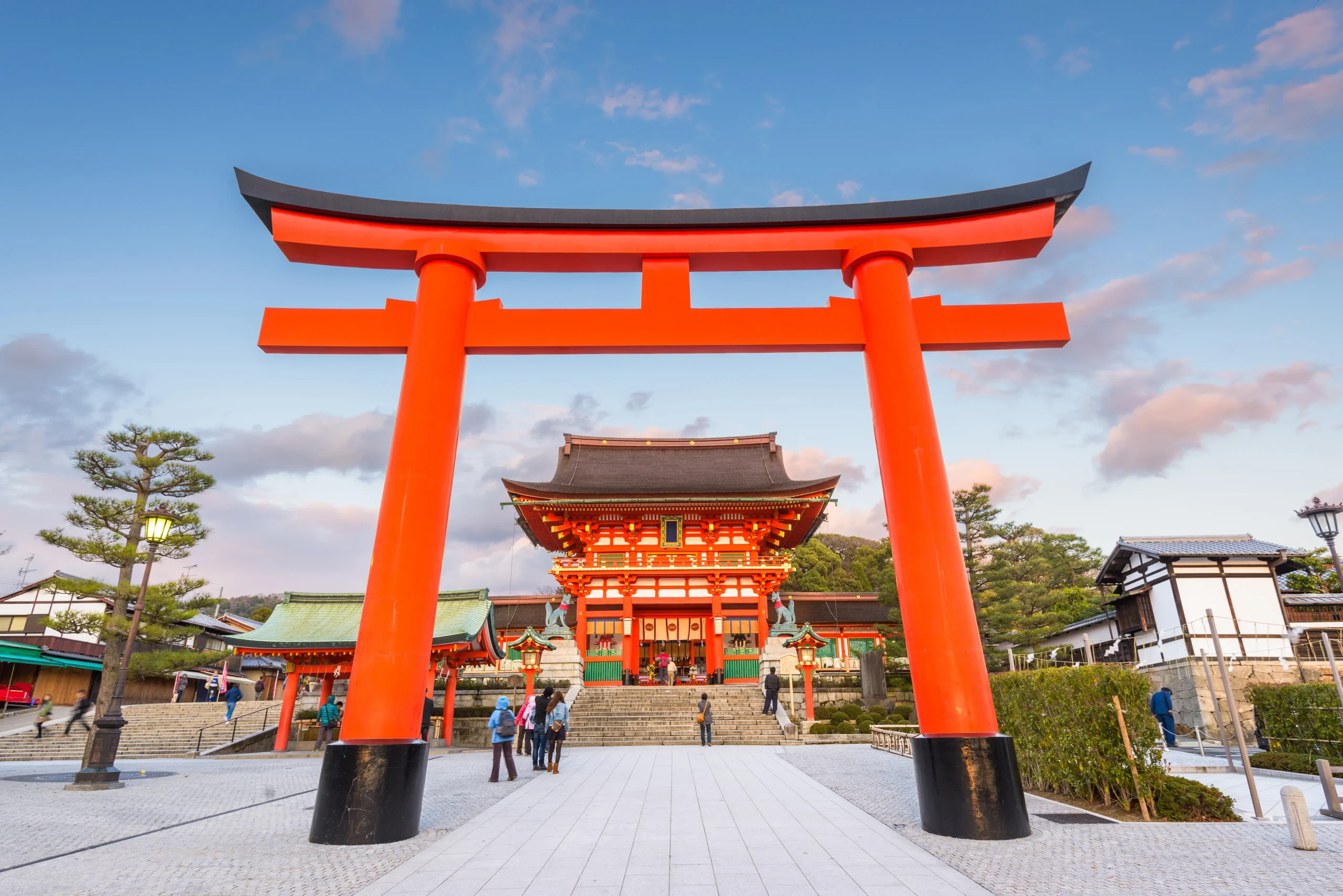
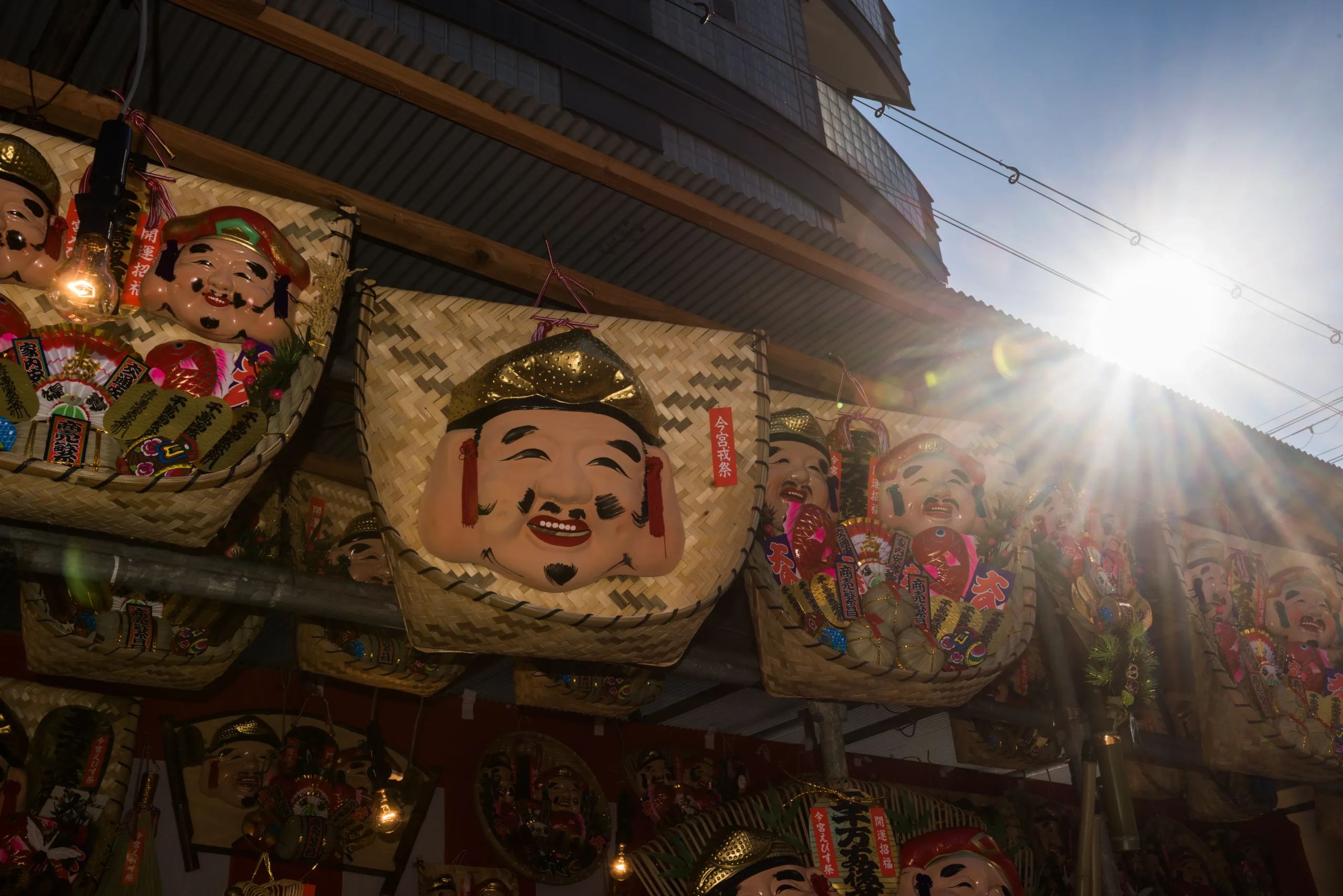
Meiji Jingu holds its autumn grand festival across the first three days, built around November 3 — Emperor Meiji’s birthday, and a national holiday. That’s the day with yabusame, the horseback archery run, at one in the afternoon, plus old martial arts demonstrations from nine in the morning. Shinjuku Gyoen opens its chrysanthemum display on the 1st. The first Tori-no-Ichi falls on November 7 in 2026.
Higher ground has already started to move — the Okutama valleys and Mount Mitake run ahead of the city — but in central Tokyo, plan this stretch around events and treat any color you find as a bonus.
November 14–22: Ginkgo First, and the Mountains Peak
Mount Takao’s maples usually come good from mid-month, and the city’s ginkgo begins turning at the end of this window. The second Tori-no-Ichi is November 19 in 2026, and the Hachioji Ginkgo Festival takes place on the weekend of the 21st and 22nd.
This is the week people most often misjudge. It reads like peak season, and the mountains genuinely deliver. But central Tokyo’s maples are still a week or more out. When a guide tells you November 18, this is usually what it’s describing — Takao, not Rikugien. Booking a garden-heavy itinerary into this window is how travelers end up photographing green trees.
November 23 – December 7: The City’s Real Peak
Here’s what most English-language guides skip: the first week of December isn’t a consolation prize in Tokyo. It’s the middle of the season.
You don’t have to take the averages on faith, either — the people who run these places have already voted with their calendars. Koishikawa Korakuen’s autumn programme ran to December 7 last year. Rikugien’s night viewing ran to December 9. The Imperial Palace opened its Inui-dori through December 7. Mount Takao’s festival ran to December 14. Nobody schedules a foliage event to finish a week after the leaves are gone.
If your dates are flexible and you want the gardens rather than the mountains, this is the fortnight.
Tokyo’s Autumn Event Calendar for 2026
Two of the events below have confirmed 2026 dates. The rest are listed with their 2025 dates, which are the best available guide until organizers announce — most do so between September and early November.
| Event | Dates | Area | Status |
| Meiji Jingu Autumn Grand Festival | Nov 1–3 | Yoyogi | Fixed annually |
| Shinjuku Gyoen Chrysanthemum Exhibition | Nov 1–15 | Shinjuku | Fixed annually |
| Tori-no-Ichi | Nov 7 and Nov 19 | Asakusa and citywide | Confirmed for 2026 |
| Hachioji Ginkgo Festival | Nov 21–22 | Koshu Kaido, Hachioji | Confirmed for 2026 |
| Mount Takao Autumn Leaves Festival | 2025: Oct 25 – Dec 14 | Takao | – |
| Showa Kinen Park Autumn Colors Festival & Night Walk | 2025: Oct 30 – Nov 30 | Tachikawa | To Be Confirmed2 |
| Kyu-Furukawa Gardens: Roses and Maples | 2025: Nov 8 – Dec 7 | Kita | – |
| Jingu Gaien Ginkgo Avenue Light-Up | 2025: Nov 22–30 | Aoyama | To Be Confirmed |
| Koishikawa Korakuen: Deep Mountain Foliage | 2025: Nov 22 – Dec 7 | Bunkyo | – |
| Rikugien Special Night Viewing | 2025: Nov 28 – Dec 9 | Komagome | To Be Confirmed |
| Imperial Palace Inui-dori Autumn Opening | 2025: Nov 29 – Dec 7 | Chiyoda | – |
Meiji Jingu Autumn Grand Festival | Yoyogi
Three days of ceremony at the shrine, with an imperial envoy attending the November 3 rites. The public draw is the supporting programme: bugaku court dance and noh on the 1st and 2nd, and on the 3rd a full day of martial arts on the lawns — aikido at nine, old-school weapons at ten, ceremonial archery at eleven, and yabusame at one. All free, all outdoors, and none of it depends on the leaves.
Reference:Meiji Jingu Autumn Grand Festival
Shinjuku Gyoen Chrysanthemum Exhibition | Shinjuku
Fifteen days, November 1 to 15, in the Japanese garden. Nine flowerbeds sit under purpose-built open pavilions arranged along a set route, so it reads as a designed walk rather than a flower show. The tradition traces back to an 1878 viewing at the temporary imperial palace in Akasaka, moved to Shinjuku Gyoen in 1929, and kept going after the garden opened to the public in 1949. Park admission covers it.
Reference:Shinjuku Gyoen Chrysanthemum Exhibition
Tori-no-Ichi | Asakusa and citywide
November 7 and 19 in 2026, running the full twenty-four hours of each day. The dates move annually because they follow the zodiac calendar, which is why some years get a third market and 2026 doesn’t. Stalls sell ornamental bamboo rakes meant to rake in good fortune for the coming year. The Asakusa shrine’s own records place the market as a substantial event by the 1750s and 60s. It has nothing to do with foliage, and it’s one of the better reasons to be in Tokyo in early November.
Reference:Tori-no-Ichi
Hachioji Ginkgo Festival | Koshu Kaido
November 21–22, 2026, along four kilometers of the old Koshu Highway, where roughly 770 ginkgo trees line both sides of the road. The festival is genuinely resident-run — organized by volunteers, staffed by locals, with an orienteering course built around wooden Edo-style travel permits stamped at checkpoints along the route. The 2026 edition marks the avenue’s centenary, which the organizers have made the year’s theme.
Reference:Hachioji Ginkgo Festival
Mount Takao Autumn Leaves Festival | Takao
Roughly seven weeks, late October to mid-December, though the leaves themselves run mid-November to early December. Events cluster on weekends at the plaza in front of the cable car’s Kiyotaki Station — student brass bands, local performing arts, safety prayers from the mountain’s temple. It’s organized by the city’s tourism association with the temple and both railway operators, which tells you something about how central the mountain is to the local economy.
Showa Kinen Park Autumn Colors Festival & Night Walk | Tachikawa
A month-long run in Tachikawa, roughly late October to the end of November, with evening illumination across two ginkgo avenues, the Japanese garden, and — added in 2025 — the canal. Useful detail from the park itself: the color doesn’t stop when the event does. Komorebi Hill, the last part of the park to turn, peaks around mid-December, well after the crowds have moved on.
Reference:Showa Kinen Park Autumn Colors Festival & Night Walk
Kyu-Furukawa Gardens: Roses and Maples | Kita
Around a month from early November, and the only place on this list where autumn roses and maples overlap. The garden stacks three ideas on one slope: a 1917 Western house by Josiah Conder at the top, a rose terrace on the incline, and at the bottom a Japanese garden by Ogawa Jihei VII — the Kyoto gardener who also built the grounds at Heian Jingu. The maples turn from mid-November into early December, by which point the autumn roses above them are still going. Smaller than the others here, and correspondingly quieter.
Reference:Kyu-Furukawa Gardens: Roses and Maples
Jingu Gaien Ginkgo Avenue Light-Up | Aoyama
The avenue running from Aoyama-dori toward the Meiji Memorial Picture Gallery, lit in the evenings for roughly nine days at the end of November — 2025 ran the 22nd to the 30th, from 16:30 to around 19:30. Worth knowing that this is run by the Tokyo Metropolitan Government’s construction bureau as a road event, not by a garden or a shrine, and that pedestrian routing here has been subject to change. Check before you commit an evening to it.
Reference:Jingu Gaien Ginkgo Avenue Light-Up
Koishikawa Korakuen: Deep Mountain Foliage | Bunkyo
The oldest surviving daimyo garden in the city, built for the Mito branch of the Tokugawa family. Around 900 of its trees change color, and roughly 500 of those are Japanese maples — more than any other of the metropolitan gardens, by the operator’s own count. The autumn programme ran November 22 to December 7 last year, with noh, Edo street conjuring and marionette performances staged among the pines. No evening illumination during foliage season, which makes this the serious daytime choice.
Reference:Koishikawa Korakuen: Deep Mountain Foliage
Rikugien Special Night Viewing | Komagome
Twelve evenings from late November — the 2025 run was the 28th to December 9, 18:00 to 20:30, with last entry at 19:30. The garden closes at five and reopens at six for ticket holders only, so this is a separate event rather than extended hours. Advance online tickets cost less than same-day tickets and come with a priority entry lane, and both are capped. Buy ahead.
Imperial Palace Inui-dori Autumn Opening | Chiyoda
Nine days, no reservation, no fee. You enter at Sakashita-mon near Tokyo Station, walk 750 meters past the Imperial Household Agency building, and exit at Inui-mon. The route opens twice a year — once for cherry blossom, once for foliage — a practice started in 2014 to mark the Emperor Emeritus’s eightieth birthday. Entry closes at three in the afternoon, and the dates are only announced in early November, so this one goes in your itinerary late.
Reference:Imperial Palace Inui-dori Autumn Opening
Tokyo, a Day Trip, or Kyoto?
The quiet worry behind most searches like this one is whether Tokyo deserves the foliage days at all, or whether they should be spent in Kyoto.
The averages complicate the assumption. Kyoto’s maples come in around December 5 on the Meteorological Agency’s records — a week later than Tokyo’s November 28, not earlier. So the common instinct to do Kyoto first and Tokyo second is backwards. If you’re doing both, Tokyo’s gardens want the last days of November and Kyoto wants the first week or two of December.
Within Tokyo the split is simpler. The city does gardens and avenues: enclosed, designed, walkable, and lit at night. It does not do mountainsides. For that you take a day trip — Takao is under an hour from Shinjuku and tops out at 599 meters, Mount Mitake sits at 929 meters with a cable car to the summit and colors that arrive earlier than the city’s. Neither requires an overnight, and both peak while central Tokyo is still coming along.
Timing Around the Crowds
The lever most people reach for is the date. The more effective levers are the hour and the ticket.
Rikugien’s advance tickets are the clearest example — cheaper, and they come with a separate entry lane, which matters more than the discount on a cold night with a capped queue. For Inui-dori, the constraint is the three o’clock cutoff combined with a walk from the station to the gate that can run close to thirty minutes; arriving at 2:45 is arriving too late. Weekday mornings do most of the rest of the work.
The subtler move is to let the calendar do it for you. Showa Kinen Park’s Komorebi Hill turns in mid-December, after the festival has ended. Mount Takao’s festival runs to the middle of December. If your dates land after the headline events, you haven’t missed the season — you’ve missed the queue.
Before You Book
What to Commit To, and When
The honest planning advice for 2026 is to fix your dates and keep your destinations loose.
Book flights and your main accommodation on whatever schedule suits the rest of your trip. Don’t try to reverse-engineer them from a September forecast that will be revised twice before you travel. Then, once the picture firms up in late October, slot in the things that need committing to — garden night tickets, and any day trip you want to anchor a specific morning around.
As Your Trip Gets Closer
For live conditions in the final fortnight, the Meteorological Agency’s daily observations are the most reliable read, and several event organizers post their own color updates. Hachioji’s festival committee runs a page for exactly this.
On clothes: November in Tokyo averages around 13.7°C, with highs near 17.8°C and lows near 10.2°C. Sunny afternoons feel mild. Standing still in a garden after dark in early December does not — a jacket and a scarf, not a sweater.
Planning a Trip Around the Color
The awkward fact running through all of this is the eleven-day swing between 2024 and 2025. A fixed itinerary built in July can’t answer that. A trip that can move — gardens if the season is running late, mountains if it’s early, a light-up swapped for a daytime garden if the tickets sell out — can.
That flexibility is most of what we do at ENJYU JAPAN. A Tailor-Made Tour is built around your dates, then adjusted as the forecast and the conditions come in, using a network of local guides who are actually looking at the trees. If you’re weighing late November against early December for 2026, that’s a conversation worth having early — not because the trip needs booking now, but because knowing which parts to leave open is the whole skill.