Yame, in southern Fukuoka Prefecture, is known for green tea, particularly its prized gyokuro. But the tea is only one reason to visit. In the old merchant district of Yame Fukushima, white-walled houses stand alongside shops and workshops associated with the area’s traditional crafts. Farther into the countryside, tea fields cover rolling hills and mountain slopes.
These places are spread across a large area. Fukushima makes a manageable day trip from Fukuoka City, while visiting the tea plantations and mountain villages takes more planning, especially without a car.
What to Do in Yame: Choose Your Kind of Visit
| Area | What to experience | How to plan |
|---|---|---|
| Yame Fukushima | Historic streets, traditional crafts, tea shops | Public transport and walking; good for a day trip |
| Yame Central Tea Plantation | Wide views across working tea fields | Taxi or car; primarily a scenic stop |
| Hoshino and Oku-Yame | Gyokuro tasting, tea-making experiences, mountain scenery | Car or carefully planned buses; allow at least half a day |
What Makes Yame Tea Different?
The Tradition of Yame Gyokuro
Yame-cha refers to teas produced in the Chikugo area, with gyokuro especially important to Yame’s reputation.
Before harvest, gyokuro plants are shaded to reduce the sunlight reaching their leaves. This affects how the leaves develop, contributing to the rich umami and gentle sweetness that distinguish the finished tea.
Yame Dentō Hon Gyokuro, or Traditional Authentic Yame Gyokuro, follows particularly strict production methods. Growers allow the plants to develop in their natural shape, shade them using raised structures and natural materials such as rice straw, and pick the leaves by hand. The tea received Japan’s geographical indication (GI) registration in 2015. These methods apply specifically to traditional authentic gyokuro, rather than every tea grown in Yame.
Yame’s gyokuro has also earned recognition at Japan’s National Tea Competition. In 2026, Yame City received the gyokuro production-area award for the 26th consecutive year.
Besides gyokuro, Yame produces sencha, kabusecha and tencha, the type of leaf used to make matcha.
Each tea is grown and processed differently, giving it its own balance of sweetness, bitterness and umami. A side-by-side tasting makes those differences easier to notice.
Experience Yame Tea, From Fresh Leaves to Your Cup
Tea Picking and the First Harvest
Tea picking is a seasonal activity in Yame, generally offered around late April and early May when fresh shoots appear. Local farms and facilities sometimes welcome visitors to designated fields.
Programs range from simple picking sessions to experiences that include tea-processing demonstrations. Kurogi’s Kasahara area offers sencha-picking dates and a separate gyokuro-picking session during Golden Week in May.
At Hoshino’s Cha no Bunkakan, a tea-picking event offered optional hand-processing. Visitors could take the remaining fresh leaves home to cook as tempura. The official program did not advertise cooking or serving tempura at the museum.
Hoshino’s Shincha Festival offers other ways to enjoy the first tea of the season. Its 2026 program included pan-roasted tea-making and a tasting challenge involving five varieties. Festival dates and individual picking sessions should be checked each year, since activities and availability can change.
Grinding, Preparing and Tasting Tea
In Hoshino Village, Cha no Bunkakan, also known as the Hoshino Tea Museum, introduces local tea cultivation and processing. Beyond the spring festival season, the museum lists regular hands-on activities including stone-mill matcha grinding, hojicha roasting and hand-rolling green tea.
Admission is free, while individual activities have separate fees; some require booking or have limited places. Regularly listed workshops are not necessarily offered at every hour or on every date. The museum generally closes on Tuesdays, with exceptions during certain holiday periods.
Stone-mill grinding, roasting and hand-rolling offer different ways to work with tea leaves. The change in texture and aroma during processing can be as memorable as tasting the finished tea.
The museum also serves shizuku-cha, a way of drinking high-grade gyokuro from a small lidded cup with a little water cooled well below boiling. The concentrated tea is sipped through the gap beneath the lid.
After several infusions, the softened gyokuro leaves can be eaten with a little ponzu, as suggested in Fukuoka Prefecture’s tea guidance.
Walk Through Yame Fukushima’s Historic Streets and Crafts
White-Walled Merchant Houses
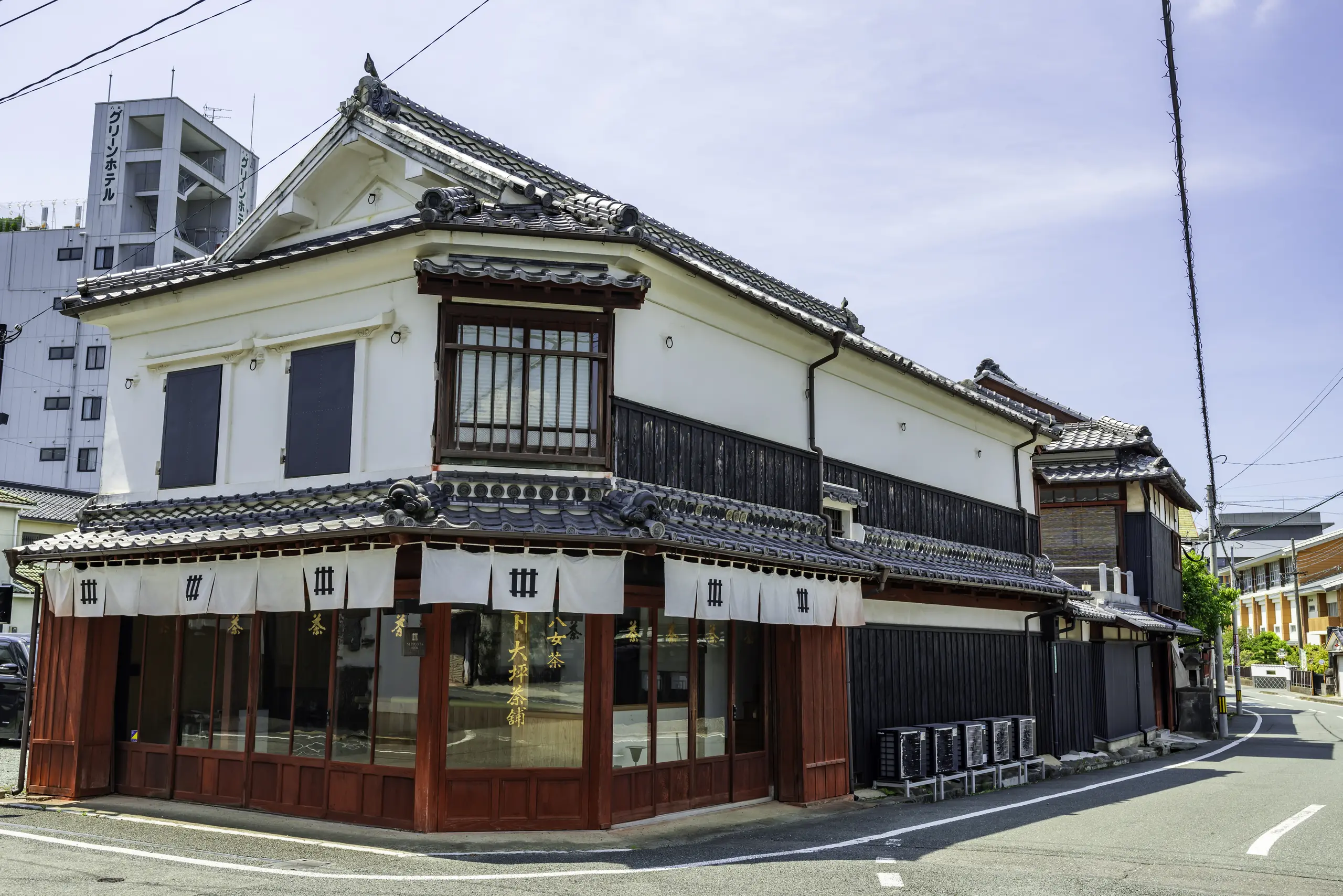
Yame Fukushima developed as a commercial town, and many of its former merchant houses still line the old streets. Their white plaster walls, tiled roofs and wooden shopfronts give the district a distinctive appearance. In 2002, it was designated an Important Preservation District for Groups of Traditional Buildings.
Fukushima’s old streets are easy to explore on foot, with shops and tea stops along the way.
The district is still part of an inhabited town, rather than a collection of buildings preserved solely for tourism.
Lanterns, Washi and Traditional Craftsmanship
Yame has a long history of making lanterns, handmade washi paper and Buddhist altars.
A distinguishing feature of traditional Yame lanterns is their bamboo frame, formed from a continuous spiral rather than separate rings. Paper or silk is stretched over the frame, and the lantern may be finished with painted designs.
The Yame Traditional Crafts Center introduces the area’s different industries through exhibits and occasional demonstrations.
On the same site, the Yame Handmade Washi Museum offers papermaking experiences, such as making postcards. Activity dates and group arrangements should be checked in advance. Both facilities generally close on Mondays, subject to their published schedules.
Read more: Traditional Old Towns in Japan
Discover Yame’s Tea Fields and Mountain Landscape
Yame Central Tea Plantation
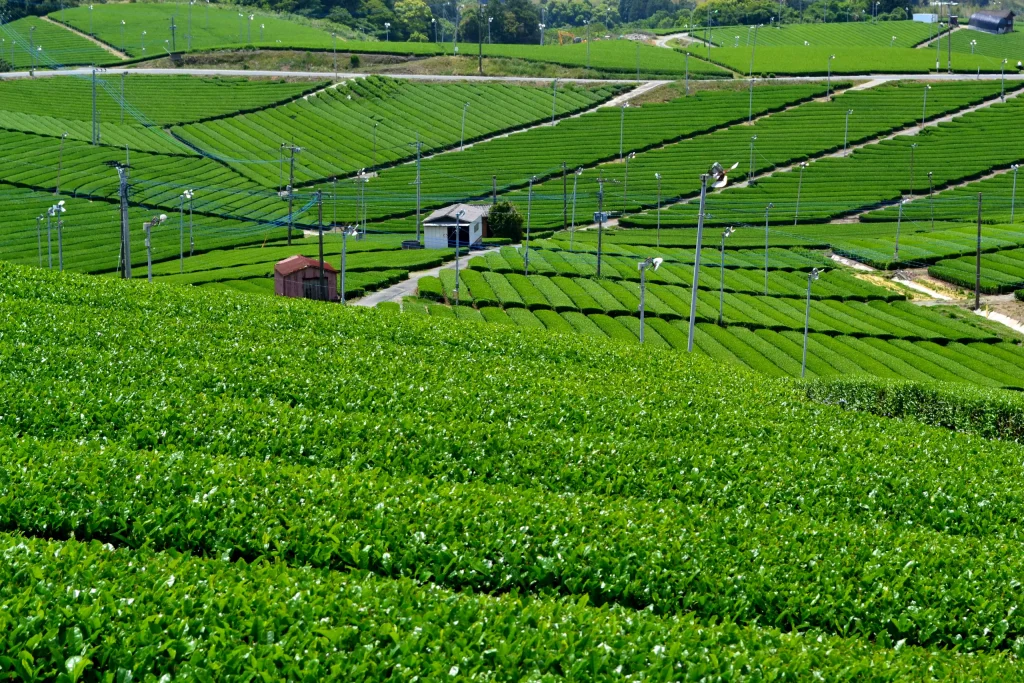
At Yame Central Tea Plantation, rows of tea bushes follow the contours of the hills. A viewpoint overlooks approximately 70 hectares of tea fields, with views extending toward the Ariake Sea on clear days.
The landscape is especially green when new tea leaves appear around April and early May, although the viewpoint can be visited at other times of year.
These are working tea fields, so visitors should use designated viewpoints rather than enter cultivated areas. The plantation is primarily a scenic stop, not a public tea-picking site.
A car is the most convenient way to get there. Without one, arranging a taxi is more practical than relying on public transport.
Hoshino Village and Oku-Yame
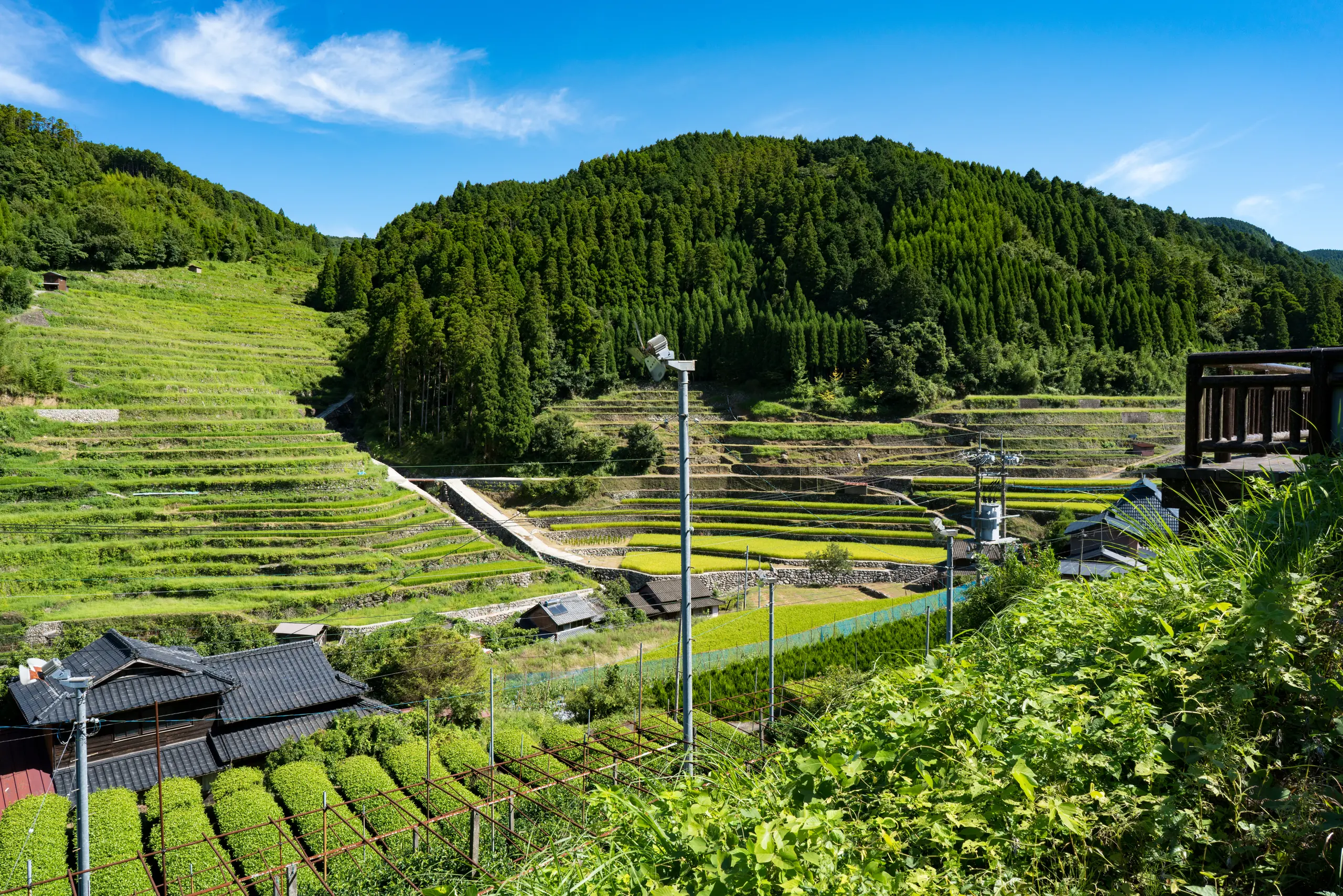
Farther east, Oku-Yame becomes more mountainous. Tea plots sit between wooded slopes, valleys and small communities, with farming adapted to the uneven terrain.
Near Hoshino, the Hirouchi-Uehara rice terraces add another element to the scenery. Hundreds of small paddies, supported by stone walls, follow the hillside.
Read more: Terraced Rice Fields in Japan
Hoshino’s Tea Museum makes a useful destination for visitors interested in gyokuro and tea processing. However, the surrounding countryside is spread out, so allow enough time to travel between places.
Yame Day Trip or Overnight Stay?
A Relaxed Day Trip From Fukuoka
A public-transport day trip can focus on Fukushima’s merchant streets, craft exhibits when open, and tea shops. These are all in the same general area, so there is no need to travel into the hills for a worthwhile visit.
With a car, Yame Central Tea Plantation can be added to the day. Visit Yame’s suggested tea-focused driving itinerary takes approximately eight hours, so exploring the wider countryside deserves more time than a quick stop at the viewpoint.
Spending More Time in the Countryside
An overnight stay leaves more time to explore Hoshino as well as Fukushima’s historic district.
One option is to spend the first day in Fukushima and the following day among the tea fields or at a tea-related activity. This also leaves more flexibility around opening hours and seasonal events.
Accommodation is available in the historic town and farther into the countryside. The best base depends partly on whether visitors are driving.
Read more: Rural Japan
Getting to Yame and the Best Time to Visit
From Fukuoka City and Around Yame
Yame Fukushima does not have its own railway station, but there are two main ways to reach it from Fukuoka City.
From Hakata, take a JR train to Hainuzuka Station, then continue by Horikawa Bus toward Fukushima. From Tenjin, take the Nishitetsu train to Kurume and transfer to a bus bound for Yame.
Allow roughly an hour and a half from central Fukuoka, depending on your starting point and connections.
Horikawa Bus also operates services toward Hoshino, although buses are less frequent than those serving the town. As of October 2026, the company offers a ¥1,000 adult day pass on weekends and public holidays, valid on its regular routes.
Check current timetables, fares and the last return service before travelling. If you want to combine several countryside stops, a rental car or arranged transport will give you more flexibility.
Spring Tea and Other Seasons
From late April through May, new tea growth and seasonal events bring visitors closer to harvesting and processing. Spring activities depend on the year’s growing conditions, so plan around confirmed dates rather than assuming the same program will return each year.
Tea tasting and some of the museum’s listed processing activities offer options outside the spring harvest season, too. Check workshop schedules before planning a visit.
Around the autumn equinox, Yame Fukushima hosts the Tōrō Ningyō performances, a traditional form of mechanical puppet theater recognized as an Important Intangible Folk Cultural Property.
From around February to March, the Yame Bonbori Festival brings hina doll displays to shops and historic buildings in the old town.
Yame’s tea-growing hills and Fukushima’s merchant streets show different sides of the same region. The town offers an introduction to its craft traditions, while Hoshino brings visitors closer to how the local teas are produced.
Combining both areas takes some planning, especially without a car. ENJYU JAPAN can help shape a Tailor-Made Tour around the places and seasonal activities that matter most.