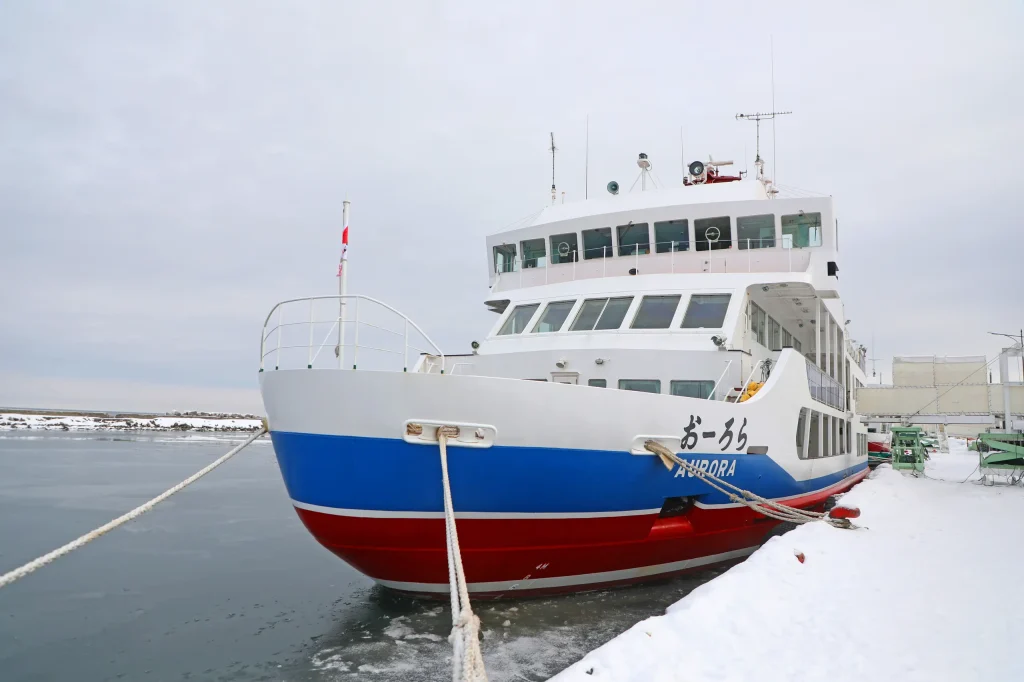
On a good winter day in Abashiri, the Sea of Okhotsk looks almost solid. White plates of drift ice stretch toward the horizon, and the Aurora sightseeing ship pushes between them with a low crunch. On another day, the same coast may be open water. That uncertainty is part of visiting eastern Hokkaido.
Abashiri is worth two nights for travelers who enjoy quiet coastal scenery, unusual museums, and the freedom to slow down. The ice is the headline attraction, but an afternoon among wooden prison buildings, a room cold enough to freeze a wet towel, and a train station filled with travelers’ notes can be just as memorable.
Is Abashiri Worth Staying Overnight?
Abashiri feels different from the busier cities of western Hokkaido. Its harbor and low streets have a working-town character; attractions spread between the waterfront, Mount Tento and the coast.
After a day outside, an evening can mean warming up over grilled fish or scallops in a downtown restaurant. For a car-free visit, a hotel near Abashiri Station or the central bus terminal makes early departures and dinners easier. In the evening, the harbor is quieter than the sightseeing areas, and there is time to sit down over a proper meal instead of catching the next bus. Lake Abashiri has hot-spring inns with a more secluded setting, but reaching the port and museums from them takes more planning.
The direct train journey to Abashiri takes over five hours; Sounkyo is another separate stop, reached by road from the Asahikawa area. This is no Sapporo day trip.
Read more: Things to Do in Hokkaido in Winter
When to Visit Abashiri, With or Without Ice
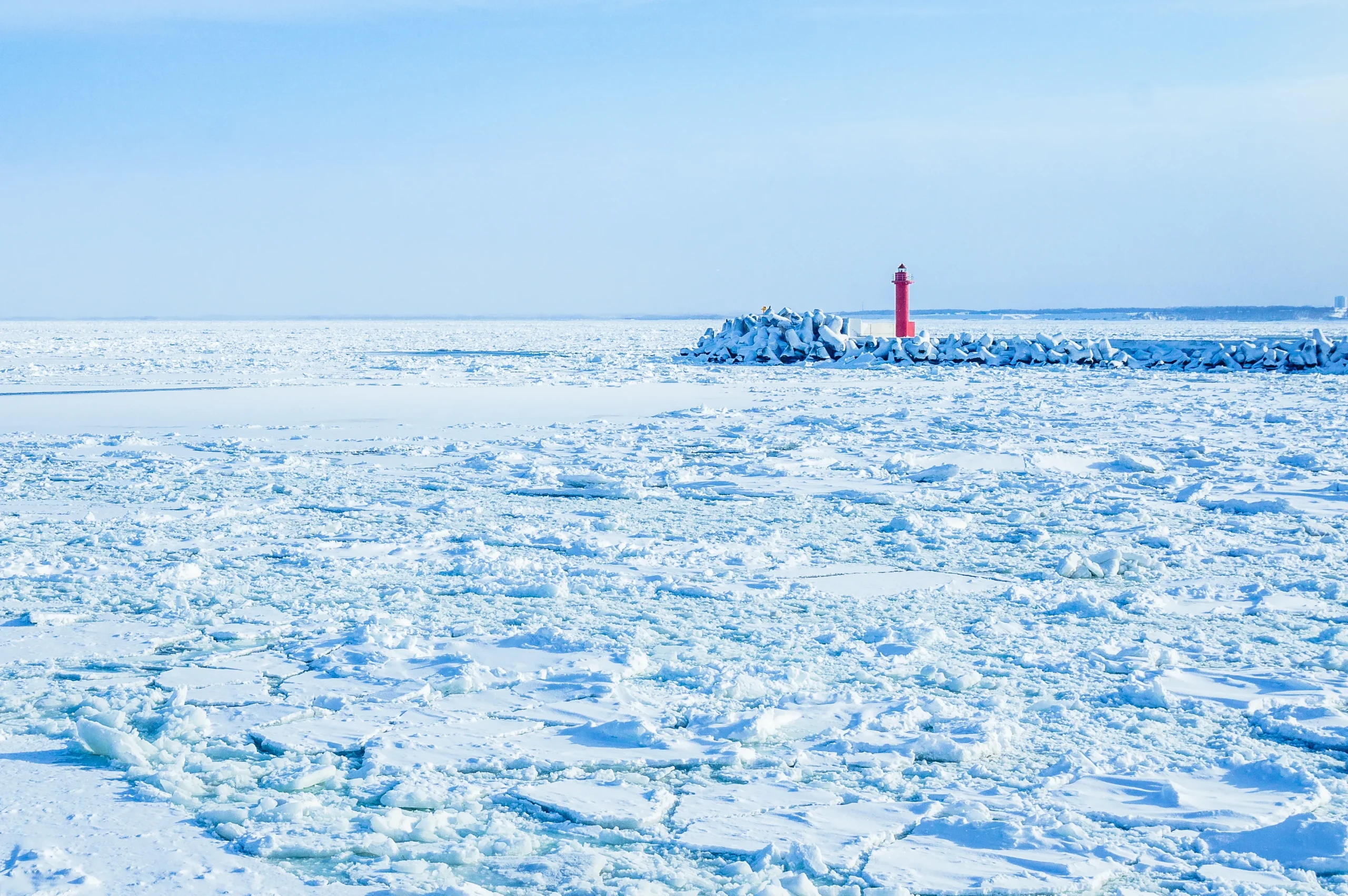
Drift ice forms farther north and travels south on winds and currents. Even in the heart of winter, the view can change overnight. In 2026, ice was first seen from Abashiri on January 22 and reached shore on February 1. In 2025, the first sighting did not come until February 15, the latest since observations began in 1946. A first sighting means ice is visible from land, not that a ship can reach it.
Mid-February to early March is generally the best window to try, although nothing is guaranteed. Late January can bring snow-covered scenery without much sea ice; by late March, conditions may already be changing. From spring through summer, coastal walks and museums replace ice watching. Around September, low glasswort plants beside Lake Notoro turn coral red, and visitors can follow a boardwalk through the salt marsh. November and December are quieter, but usually too early for natural drift ice.
Read more: Best Time to Visit Hokkaido
How Many Nights Do You Need?
One night works, but a canceled cruise could remove the main event. Two nights are the most comfortable choice for a first visit: one or two chances at the Aurora, time on Mount Tento and an unhurried prison museum visit. Three nights make room for the coastal railway or an onward trip toward Shiretoko without squeezing every activity into a single winter day.
Keep museums in the plan rather than reserving a whole day for the boat.
Getting to Abashiri Without a Car
From the airport: Memanbetsu Airport connects with Tokyo Haneda and New Chitose. The bus into Abashiri takes about 35 minutes and is listed at ¥1,050 to the bus terminal; it also serves Abashiri Station. Transfer for the prison museum.
By train: The Limited Express Okhotsk runs from Sapporo to Abashiri with reserved seating; the Special Rapid Taisetsu connects Asahikawa with non-reserved seats. Snow delays can affect tight connections.
Around town: The winter sightseeing bus links the Aurora terminal, Abashiri Station and the three museums on Mount Tento. The published 2027 operating period is January 20–March 31, but departures are limited. Check the current timetable in advance and consider a taxi if the next bus would cost an hour.
What Does a Visit to Abashiri Actually Feel Like?
Hear the Ice Break on the Aurora
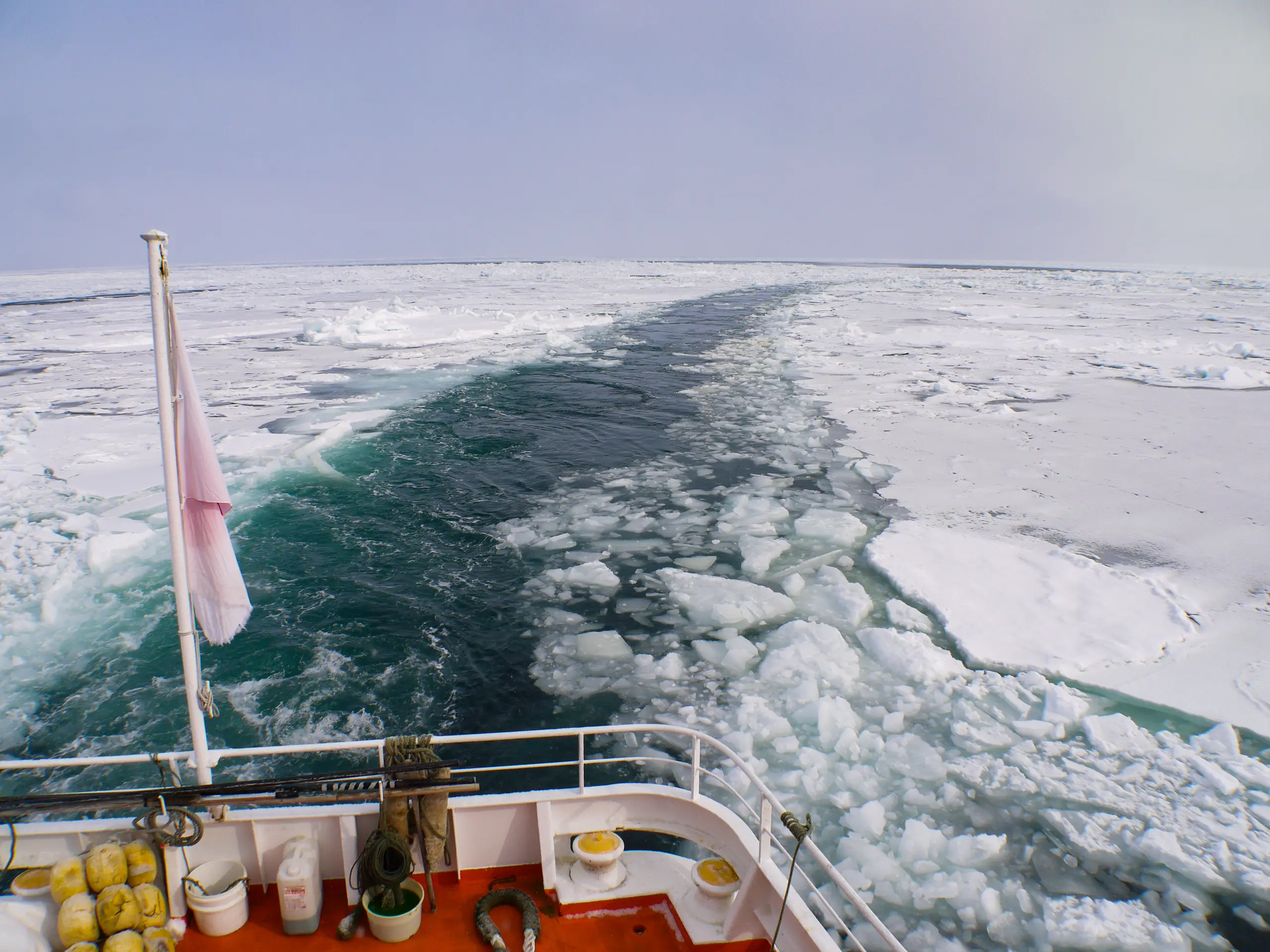
The most memorable moment is often the sound. From the open deck, you can watch the bow press into white floes, which split and slide past the hull. Ice piles into ridges around narrow strips of dark water. Heated cabins offer relief from the wind. If the ship finds thick ice, the contrast between the sheltered cabin and the exposed deck becomes part of the experience. Sea eagles or seals may appear, though wildlife is never guaranteed.
The large Aurora usually sails for around an hour. Its listed adult fare for the drift-ice route is ¥7,000. When ice is beyond reach, the operator generally substitutes a coastal cruise toward Cape Notoro. That can be pleasant, but visitors hoping to hear ice breaking may find it disappointing. Reserve one departure; check operating status about an hour before, and arrive 20 minutes early.
Reference: Abashiri Drift Ice Sightseeing Icebreaker Ship Aurora
Step Inside the Wooden Cells of Abashiri Prison Museum
Abashiri Prison Museum is a walk through a large outdoor complex, not a single exhibition hall. Snow lies between old wooden buildings, and a remarkable five-wing cellblock spreads out from a central guard station. Inside, narrow corridors, barred windows and heavy doors make the prison’s architecture immediately understandable. Some wings are closed for conservation work.
More affecting are the reconstructed temporary quarters used during road construction. Prisoners slept in cramped log shelters while building the route toward Sapporo in 1891. A short film connects the buildings to that history. Allow two hours, or longer if you enjoy reading exhibits; some visitors spend much of an afternoon here.
The cafeteria serves recreated modern prison meals of barley rice, grilled fish and side dishes. The meals reflect the modern working prison rather than the Meiji-era diet. Adult admission is ¥1,500, with hours normally 9:00 a.m.–5:00 p.m. Wear shoes with grip.
Reference: Abashiri Prison Museum – Basic Information
Freeze a Towel at the Okhotsk Ryu-hyo Museum
At the Okhotsk Ryu-hyo Museum on Mount Tento, a door opens into a room kept at minus 15°C (5°F). Real drift ice is stored there all year. Visitors can try the popular wet-towel experiment: in the intense cold, the towel stiffens. Other galleries feature delicate clione and films of life beneath the ice.
The rooftop observatory offers a broad view of the Sea of Okhotsk, surrounding lakes and, on a clear day, the Shiretoko mountains. The viewpoint is free; the exhibits require admission. An excellent indoor fallback, it still cannot replace a real frozen sea.
Reference: Okhotsk Ryu-hyo Museum English Guide
Explore Northern Cultures Through Everyday Objects
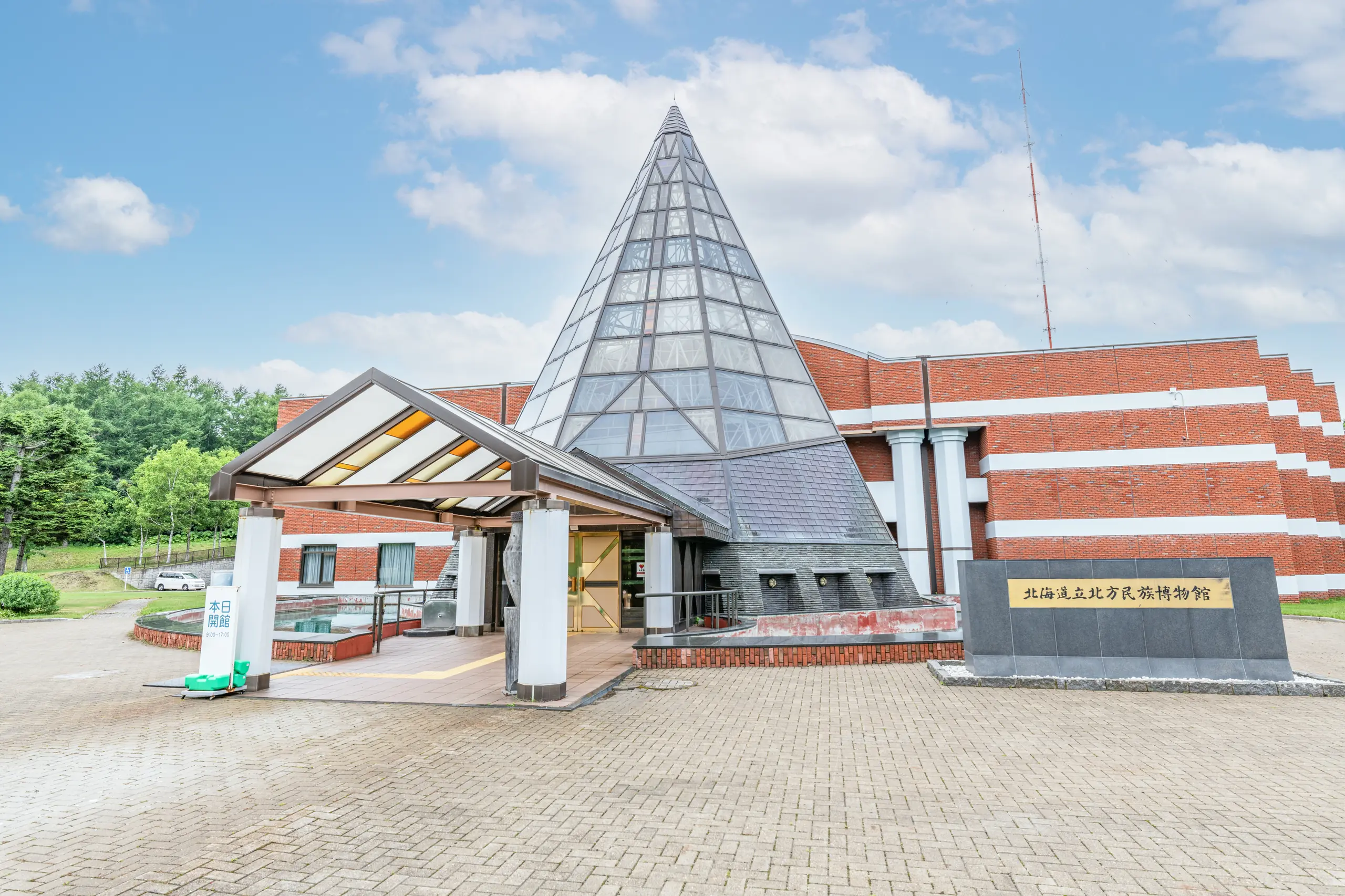
A short distance away, the Hokkaido Museum of Northern Peoples has an entirely different mood: quiet rooms filled with boats, clothing, hunting tools and household objects from communities across the Arctic and subarctic. Details make the displays absorbing, from the materials used to keep clothing waterproof to the ingenious construction of small boats. The exhibits also explore the Okhotsk culture once associated with this coastline.
Visitors praise its organization and English-language explanations, including smartphone guidance that follows the displays. Pause at the clothing cases to see how carefully each material was chosen for weather, travel or work. Allow at least an hour, more if you like cultural museums. It suits a windy afternoon and reveals the region’s diverse histories.
Read more: Ainu History in Japan
Take the Coastal Train to Kitahama and Lake Tofutsu
The railway east of Abashiri runs close enough to the shore that the Sea of Okhotsk fills the windows. At Kitahama Station, the little waiting room is almost wallpapered with tickets, business cards and handwritten messages left by travelers. Step onto the platform and the beach and sea are startlingly close. The former observation deck was removed in 2026, so older travel photographs show something visitors can no longer climb. There is no need for a tower to appreciate how close the railway runs to the sea.
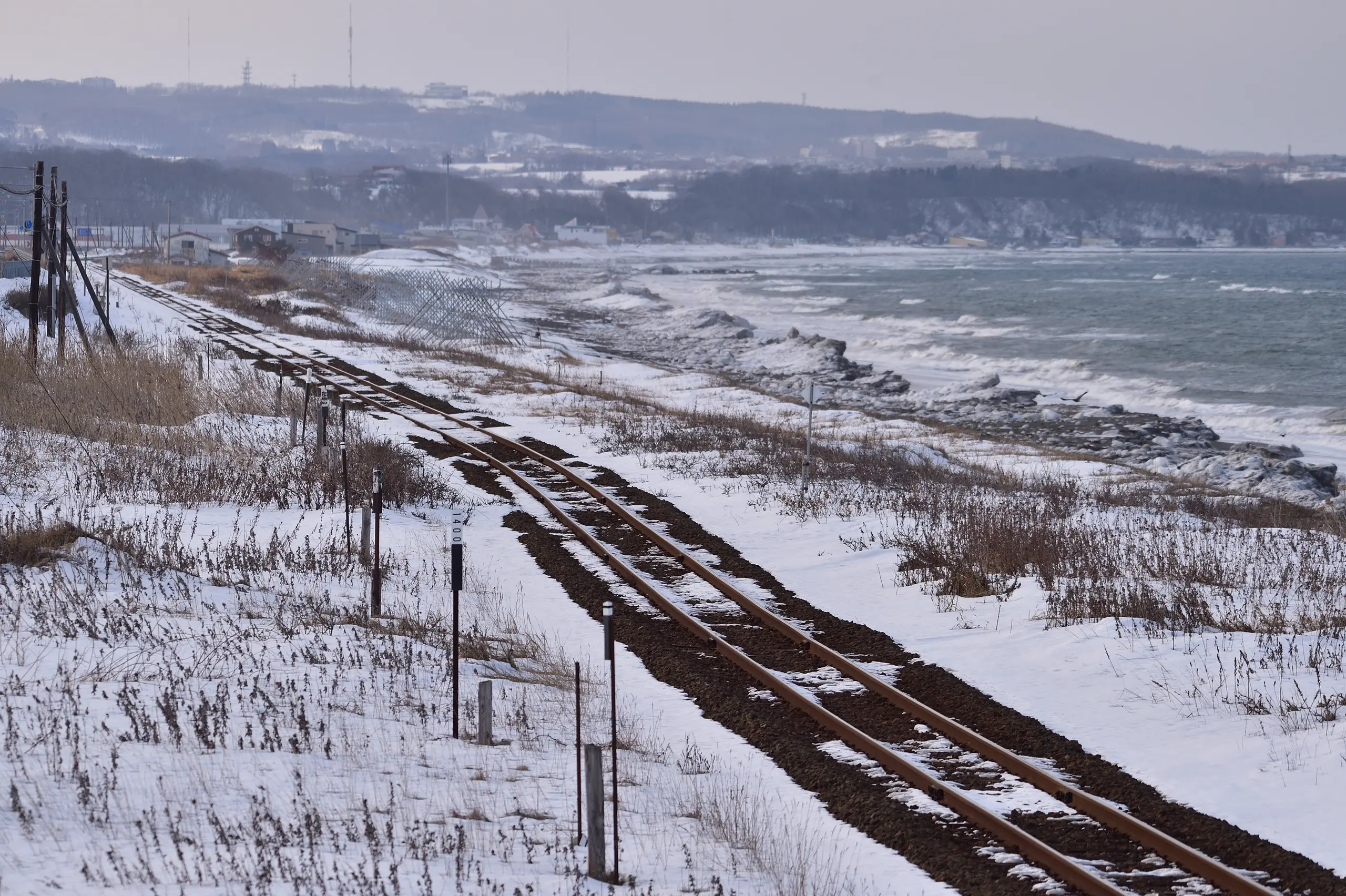
Ryuhyo Monogatari sightseeing trains are announced for January 30–February 28, 2027; check seats and times. Nearby Lake Tofutsu attracts whooper swans in the colder months. The wetland center is about ten minutes on foot from Kitahama, but check the return train. Do not risk a flight connection for it.
A Two-Night Abashiri Itinerary That Leaves Room for Weather
This is a recommendation of what you could do.
Day 1: Arrive at Memanbetsu around midday, settle into town and try an afternoon Aurora sailing if operating. If canceled, enjoy the waterfront or dinner.
Day 2: Ride the sightseeing bus to Mount Tento. Try the cold room and observatory, then visit the Northern Peoples Museum or spend longer at the prison museum. Give the prison two hours instead of rushing all three museums. If a cruise opportunity returns, drop one museum. A taxi can save time.
Day 3: Spend a relaxed morning in town. Add Kitahama and Lake Tofutsu only when return train times leave a comfortable margin. The planned February 6–7, 2027 drift-ice festival is another possible addition, subject to final event details.
Fitting Abashiri Into a Wider Hokkaido Trip
Abashiri suits a traveler willing to let the landscape set part of the schedule. Even without ice, the old prison rooms and winter wetlands leave lasting impressions.
ENJYU JAPAN can help plan a Tailor-Made Tour around Abashiri, Asahikawa and Shiretoko at a sensible winter pace, with room for the coast’s changing conditions.