Yakushima is famous for the long hike to Jomon Sugi, but shorter routes through Shiratani Unsuikyo and Yakusugi Land may suit your time and fitness better. This guide helps you choose the right hike for your schedule and appetite for rain.
Shiratani Unsuikyo offers a half-day forest hike, while Yakusugi Land has routes from 30 to 210 minutes. Jomon Sugi takes roughly 9 to 10 hours over 22 km, and Mt. Miyanoura is for experienced hikers.
Part of Yakushima has been protected as a World Natural Heritage site since 1993, but the best way to experience that landscape still depends on a practical question: how much time and energy do you have? Official route times are averages for typical fitness and conditions, so check current information locally before you commit.
Shiratani Unsuikyo: An Ideal Forest Hike for Many
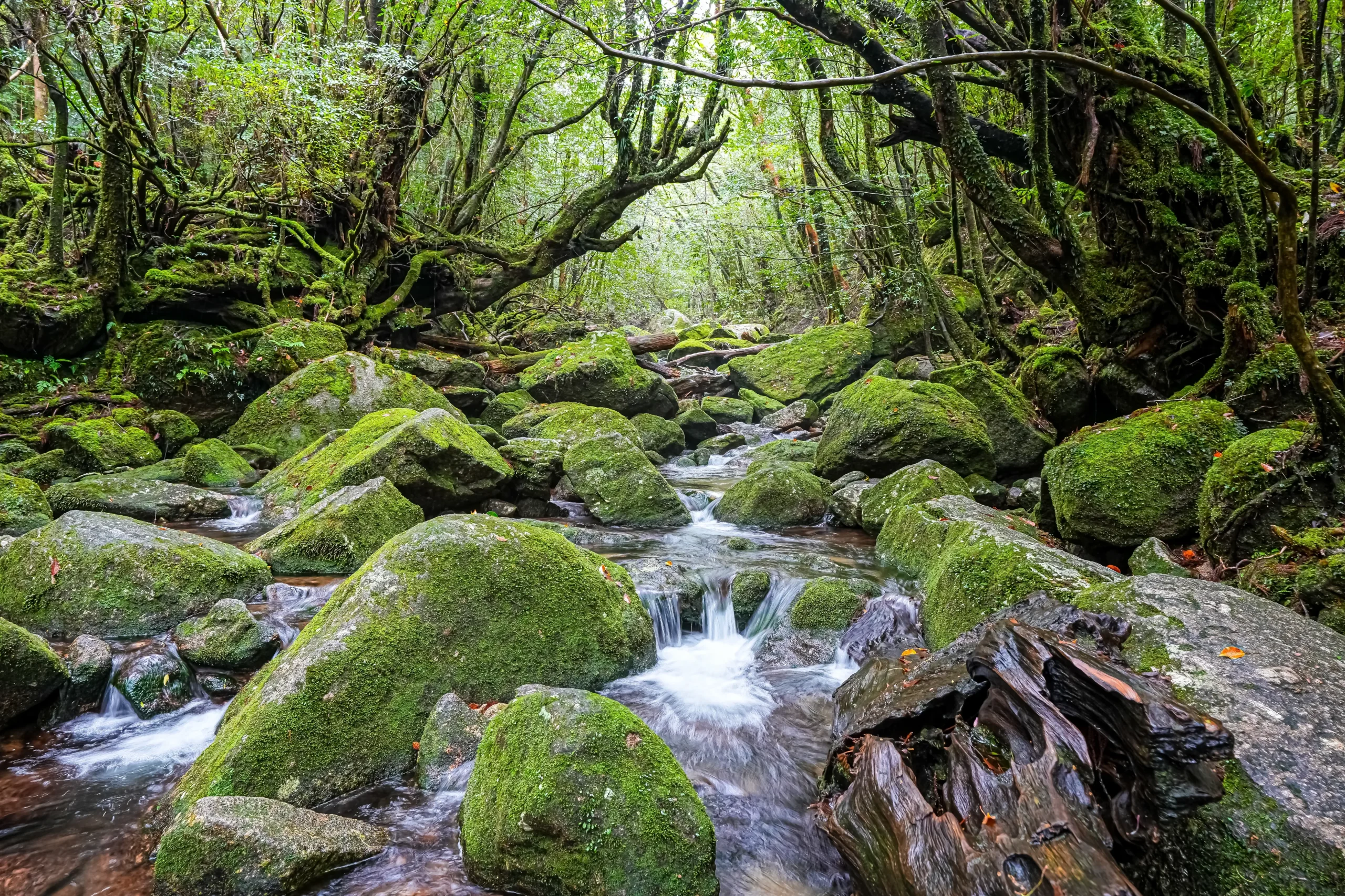
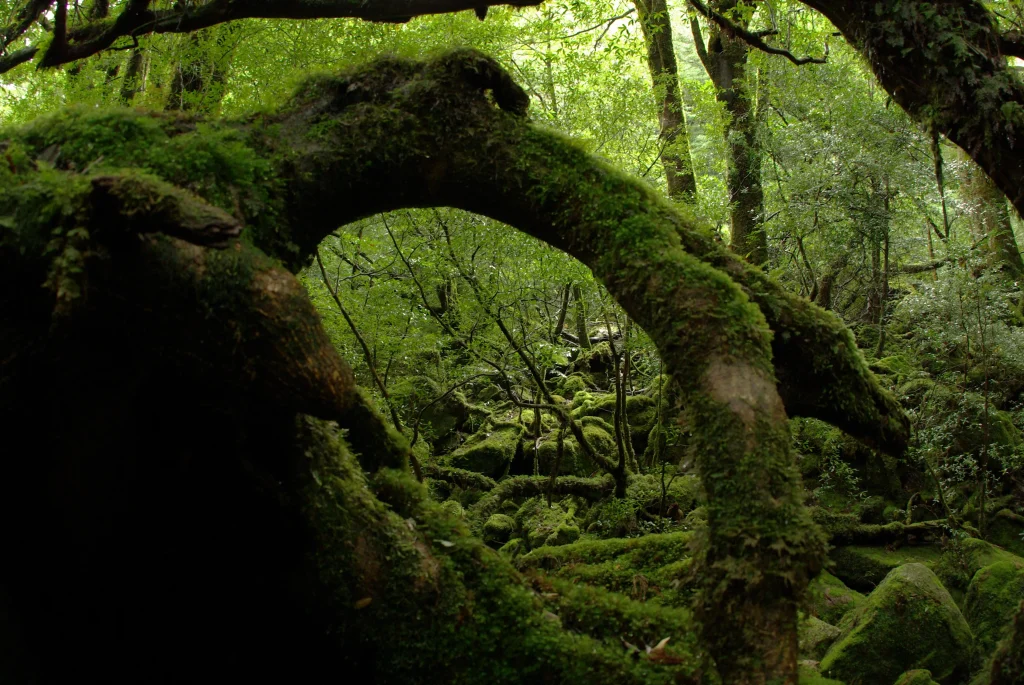
For a half-day hike, Shiratani Unsuikyo is not a consolation prize. Set between roughly 600 and 1,050 meters, it offers granite streams, old cedars, and the koke-musu mori, the “moss-covered forest” often associated with a famous animated film. The moss is especially striking after rain.
Several courses branch through the ravine, from short loops past the Yayoisugi cedar to the longer trek up to Taiko Iwa, a bare rock outcrop with a wide view over the interior mountains. The Taiko Iwa route runs about 5.5 km and takes 4 to 5 hours, which turns a “short hike” into a proper half-day-plus outing. Entry requires a forest environment maintenance contribution of 800 yen for high school age and up, and the area closes or restricts courses when weather warnings are issued or streams rise. On Yakushima, that is not a small detail.
Jomon Sugi: Worth It, But Not for Every Trip
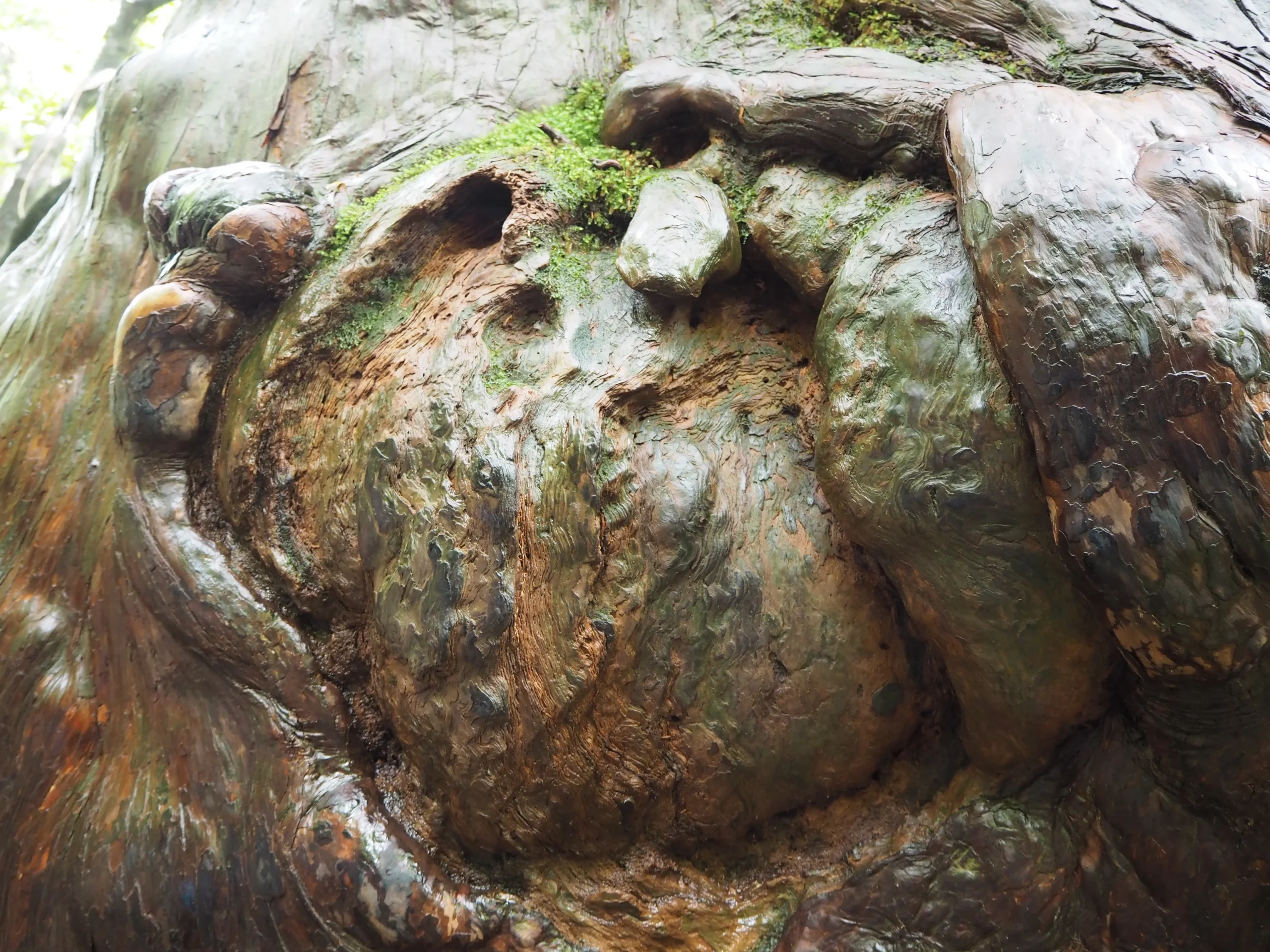
Now for the question most people arrive with: should you do the Jomon Sugi hike? Honest answer: it is worth it, but it is not obligatory, and it is not for every itinerary.
Here is what the day actually looks like. The round trip from the Arakawa trailhead is about 22 km with roughly 610 meters of elevation gain, and most hikers need 9 to 10 hours. The first 8.5 km follow an old trolley track, a former forest railway once used to haul timber out of the mountains. The final 2.5 km climb is a proper mountain trail with stairs and roots. The difficulty is less about dramatic elevation gain and more about distance, time, and staying comfortable for a full day on your feet.
Toilets are limited along the route, with designated booths for portable toilets, so this is a hike you prepare for rather than wander into. From March through November, private vehicles cannot drive to the trailhead, so the day starts with the Arakawa mountain bus and an alarm set well before dawn.
As for the tree itself, its age is genuinely uncertain, with estimates often ranging from roughly 2,000 to 7,000 years old. Standing in front of something that is ancient can make the long walk feel meaningful. But if what you want is to feel Yakushima’s forest, Shiratani Unsuikyo delivers much of that in half the time. Choose based on what the day costs you, not on what other people expect.
Yakusugi Land & Miyanoura: Easy Hikes and Summits
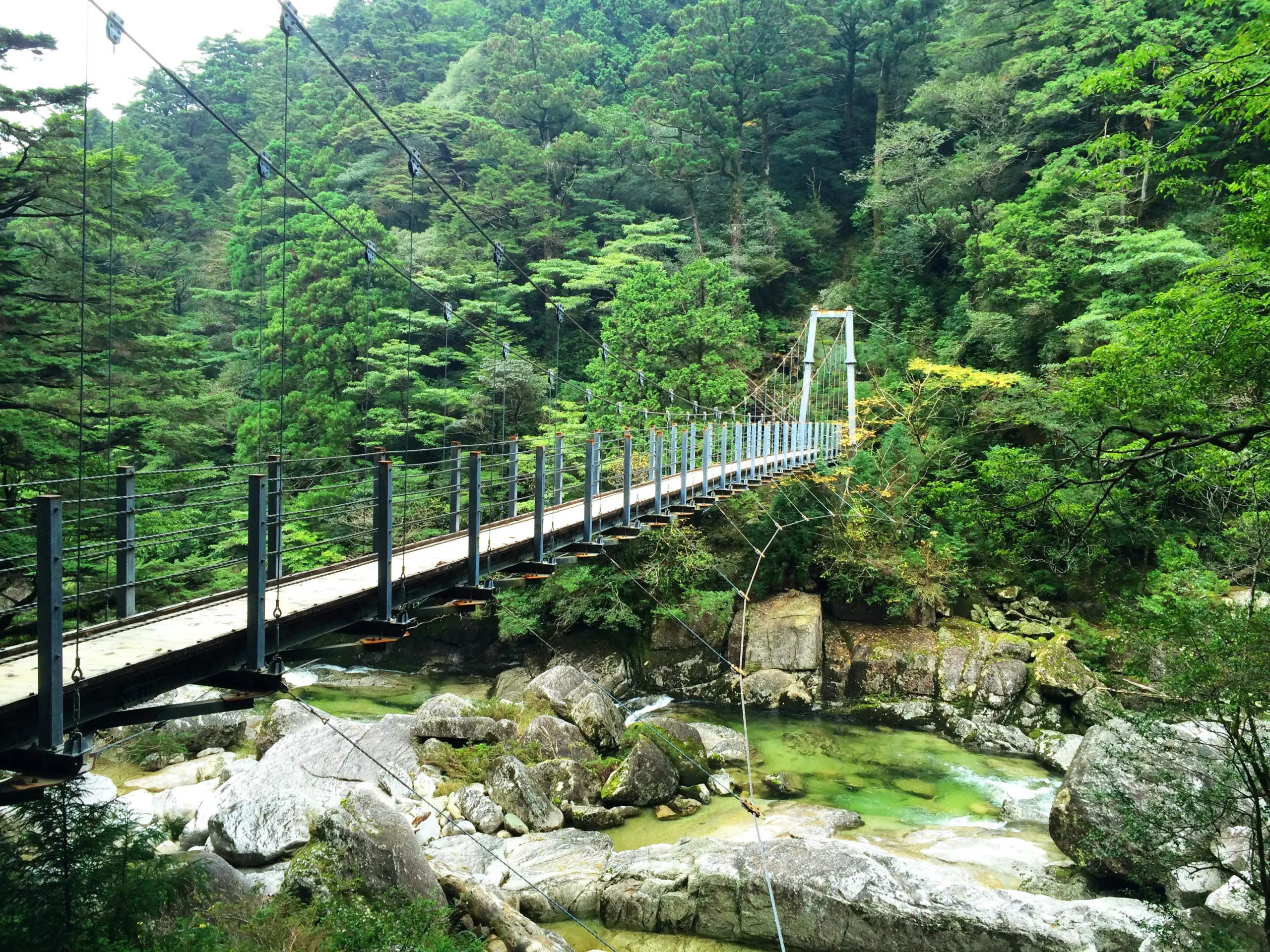
Two more options help round out the choice. Yakusugi Land, despite the theme-park name, is a quiet recreation forest of about 270 hectares at around 1,000 meters, with five marked courses running from 30 to 210 minutes. The shorter routes are easier to approach and include maintained paths, while the longer courses become more like real mountain trails and still need proper footwear, rain gear, and attention to conditions.
Even the shorter loops put you among yakusugi, the term for Yakushima cedars over a thousand years old. That makes Yakusugi Land a good choice for a first afternoon, a rainy day, or a group with mixed fitness levels.
Mt. Miyanoura is different. At 1,936 meters it is the highest peak in Kyushu, and reaching it is a long, weather-exposed day that demands hiking experience, proper gear, and the judgment to turn back. It should not be treated as something to add if you have spare time. If that summit is your goal, plan the trip around it. If not, the lower forests will not leave you feeling short-changed.
How Many Nights? A Simple First-Timer’s Plan
For a first visit, two nights and three days is the realistic minimum, and three nights gives you much more breathing room. A one-night trip can easily dissolve into ferry schedules, bus timing, and packing.
A simple shape works well: arrive on day one and take a short walk or simply settle in; use day two for your main hike, either Jomon Sugi or the Taiko Iwa route; keep day three for Yakusugi Land or an easy morning before departure. If Jomon Sugi is the goal, leave slack on either side of it, because a 10-hour hiking day followed immediately by travel is a rough combination. If you would rather combine Shiratani Unsuikyo with Yakusugi Land, you can get a full forest experience with far less strain. Serious hikers considering Mt. Miyanoura should plan three nights or more, with a spare day for weather.
Getting to Yakushima and Reaching the Trailheads
Access is part of the hiking plan, not a separate errand. Direct flights reach Yakushima from Itami, Fukuoka, and Kagoshima. By sea from Kagoshima, Ferry Yakushima 2 usually connects Kagoshima and Miyanoura once daily, with the current timetable listed on the operator’s official site. Jetfoils run on seasonal timetables to Miyanoura and Anbo, taking roughly 2 to 3 hours depending on the route. Schedules change, so confirm before booking anything nonrefundable.
On the island, the Jomon Sugi hike depends on the Arakawa mountain bus during the vehicle-restriction months, and its early departures shape where you should stay the night before. In other words, on Yakushima the transport planning and the trail choice are part of the same decision.
Weather, Seasons, and What to Pack
There is a joke among locals that it rains 35 days a month on Yakushima. And the real numbers are striking enough: annual precipitation averages 4,651.7 mm at the Yakushima observation station, with June alone averaging 860.3 mm. The coast and mountains can also feel very different, so do not pack only for the weather at sea level.
None of this should scare you off. The rain is part of why moss, streams, and deep green forest are such a strong part of the scenery. But it should shape your packing. Bring a proper two-piece rain jacket and pants, shoes with real grip, warm layers even in summer, a headlamp, snacks and water, and a portable toilet kit for longer routes. File a hiking registration form for mountain trails, and build a weather buffer into the itinerary instead of hoping for one dry window.
Read more: Best Season to Visit Japan
Guide or Solo? Fees, Registration, and Budgeting
Plenty of people walk the shorter, well-maintained routes on their own. A guide becomes more valuable when the variables stack up: Jomon Sugi’s long day, Mt. Miyanoura, stream crossings, poor weather, or simply a route you do not feel confident judging alone. Think of a guide as a response to conditions and experience, not a purchase for the nervous.
The fixed costs are easier to pin down. The mountain environment conservation donation is 1,000 yen for a day hike and 2,000 yen for an overnight hike in the mountains, for junior high school age and up. Shiratani Unsuikyo charges 800 yen. As of 2026, the Arakawa mountain bus adult round-trip ticket is 3,000 yen, including the 2,000 yen fare and the 1,000 yen day-hike donation, but check the latest official details before you go. Beyond that, budget for island access, a rental car or local transport, gear rental if you are traveling light, and a guide if you choose one.
Reference: Yakushima mountain environment conservation donation – Ministry of the Environment
Planning Your Nature Trip Beyond the Golden Route
Yakushima rewards travelers who give it room. Two nights is the floor, three is more comfortable, and if Jomon Sugi is on the list, the days around it should not feel rushed. The island fits naturally into a Kyushu route or any Japan trip built around nature rather than only the Golden Route cities of Tokyo, Kyoto, and Osaka.
If that is the kind of trip you are sketching, with forests, mountains, and enough flexibility to let the weather have its say, ENJYU JAPAN builds Tailor-Made Tour itineraries around exactly these trade-offs: which trail fits your group, where to stay for the early bus, and where a spare day does the most good. On Yakushima, good planning is not only about choosing what to do, but also knowing what to leave out.