You need not know every convention of kabuki to choose well; let us begin with your dates, then find a performance that deserves your time.
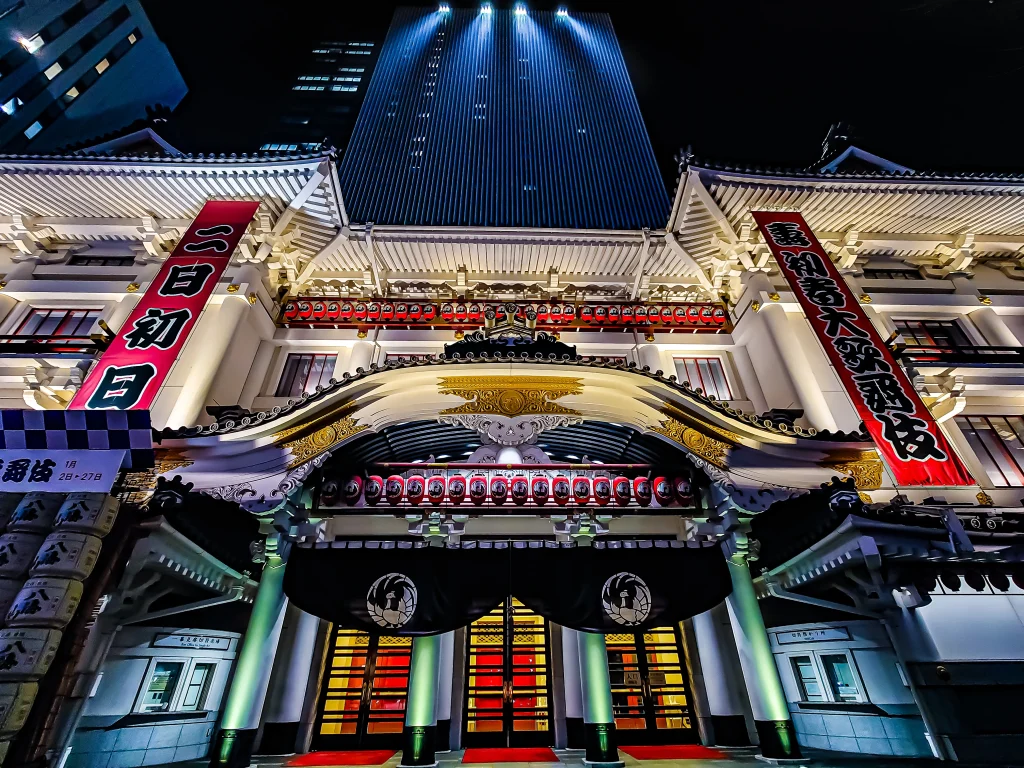
Tokyo offers three principal January 2027 choices: Kabukiza in Ginza, New Year Asakusa Kabuki, and a National Theatre production in Hatsudai. Their works, running times, prices and English assistance differ. First identify a public performance during your stay, then compare the experience each programme offers.
Asakusa combines New Year greetings with drama and dance. Hatsudai presents a connected production in four acts and five scenes. Kabukiza’s dates are confirmed, while its January works and booking details remain to follow.
Information checked on 10 October 2026. The schedules concern January 2027; current general ticket and captioning arrangements are identified separately.
Where to See Kabuki in January 2027
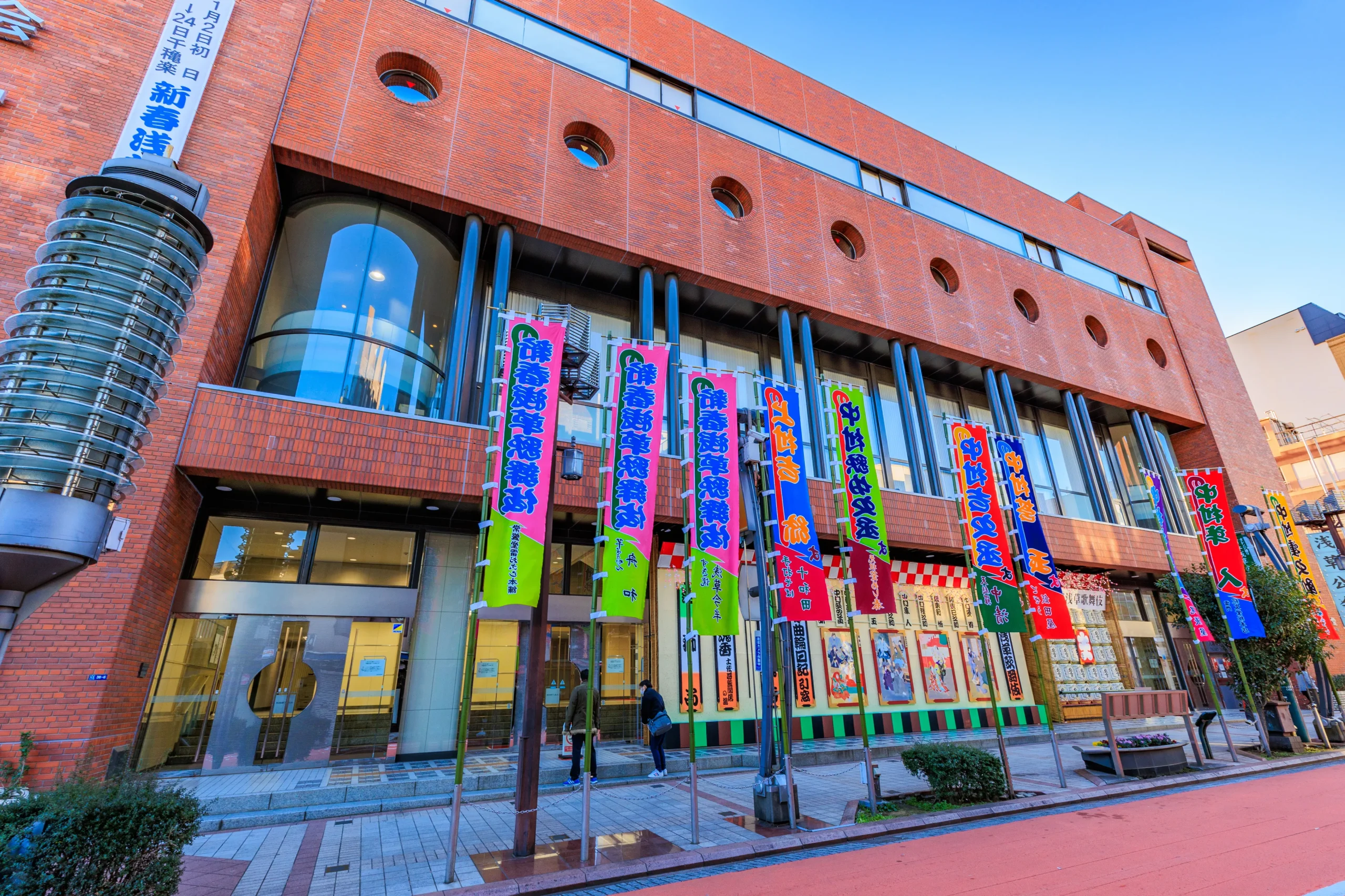
Start with the calendar rather than the theatre’s reputation. A season lasting several weeks includes days without performances, and some dates are privately booked.
Tokyo’s Main January Performances
| Theatre and production | Performance dates | Dates to exclude | Start and finish |
| Kabukiza Theatre, Ginza — New Year Grand Kabuki | 2–26 January | 8 and 18 January: no performances | January times not yet published in the information checked.kabuki-bito |
| Asakusa Public Hall — New Year Asakusa Kabuki | 2–26 January | 11 and 18 January: no performances; 22 January: both parts privately booked | Part 1: 11:00; Part 2: 15:00. Finish times have not yet been announced.kabuki-bito |
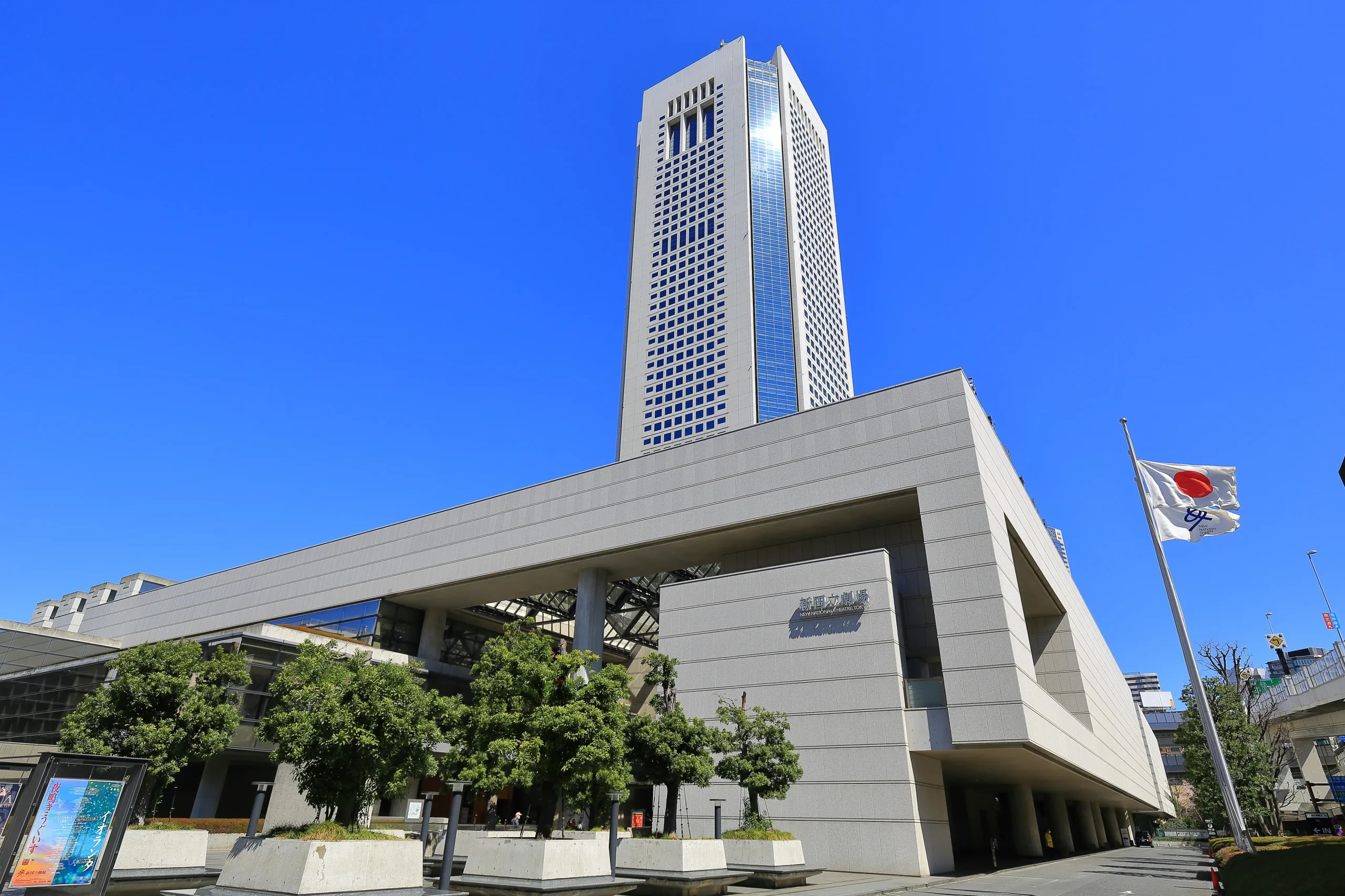
| New National Theatre, Tokyo — Playhouse, Hatsudai — National Theatre production | 8–26 January | 15 January: no performance | 12:00–approximately 16:30; the finish time is an estimate.ntj.jac.go |
The Hatsudai production is presented by the Japan Arts Council, but the venue is the New National Theatre’s Playhouse. Use that building and auditorium name when planning your journey; the organiser and venue are distinct.
Kabukiza’s January announcement lets you identify possible dates now. Choose the works and seats once programme details appear, rather than borrowing a previous January’s prices or timetable.
Other Stages to Check
Shinbashi Enbujo has announced a January production, with detailed dates and booking conditions still to follow.
For a journey already based in Kansai, Osaka Shinkabukiza presents New Year kabuki from 9–24 January, excluding 15 January. Check its language assistance and purchasing conditions before choosing it; Osaka is a regional option, not an immediate substitute for a Tokyo booking.
Choose Your Programme, Seat and English Support
With your dates in mind, consider what you would most like to see and how long you wish to spend at the theatre. Let those preferences guide your choice of programme, then look at seating and language support.
Choose the Works You Want to See
Asakusa presents two different programmes, booked separately.
| Programme | Announced works | What you are choosing |
| Part 1, 11:00 | New Year greeting; Yoshinoyama; Sakanaya Sōgorō | Dance followed by a domestic drama.kabuki-bito |
| Part 2, 15:00 | New Year greeting; Sayaate; Hikimado; Sagi Musume | Contrasting dramatic scenes followed by dance.kabuki-bito |
These are not earlier and later showings of the same performance. Compare the works rather than simply selecting a convenient start. The number of pieces does not establish the running time, so keep later reservations adjustable until finish times are available.
Hatsudai’s Kiichi Hōgen Sanryaku no Maki is a connected production in four acts and five scenes. Its settings include a chrysanthemum garden, a teahouse, a mansion and a concluding banquet. Allow a substantial part of the afternoon to this one unfolding work, rather than expecting a short selection of unrelated pieces.
Compare Language Support
An English booking service helps you buy a ticket. Captions, audio commentary and written synopses help you understand the stage. Treat them as separate services.
| Venue | Assistance confirmed when checked | What to establish before booking |
| Kabukiza | Current English or Simplified Chinese captioning; English synopses in the Japanese programmes sold at the theatre.kabukiweb | Coverage for your January programme or selected act. |
| Asakusa | January 2027 live captioning and audio assistance are not specified on the English page checked.kabukiweb | Whether this season will offer live language assistance. |
| Hatsudai | Paid English audio guide; no subtitles. A bilingual programme costs ¥1,000.ntj.jac.go+1 | The audio rental fee and collection arrangements. |
Kabukiza’s current caption rental costs ¥1,500 for a full show or ¥1,000 for a single act, payable in cash. It translates essential dialogue and lyrics and adds explanations, rather than reproducing every spoken word. Very short acts may have no captions. Select the performance and its assistance together.
Choose a Seat for Comfort, Not Only Price
Asakusa’s standard prices are ¥10,000, ¥6,500 and ¥3,500, including tax. First-class seats occupy the ground floor and the first seven rows of the second floor; third-class seats are on the third floor. Compare the official seating plan with your preferred distance from the stage.
Hatsudai’s adult prices range from ¥4,000 to ¥20,000. The highest category consists of four special seats facing a specially installed hanamichi, the walkway used by performers through the auditorium. Its January production page links to the seating plan.
If you need wheelchair seating at Hatsudai, telephone the production’s ticket centre before buying. An ordinary reservation cannot later be converted into a wheelchair space.
If you prefer a shorter theatre visit, Kabukiza’s single-act seats offer another option. Current arrangements include second-floor Upgrade seats and fourth-floor seats, with advance reserved tickets online and same-day unreserved tickets on the fourth floor. Uppermost views may exclude part of the stage or hanamichi, so consider visibility as well as duration.
New Year Greetings and the Works on Stage
January’s cultural character becomes clearer through the announced works. At Asakusa, a seasonal welcome introduces stories about family, authority and conflicting responsibilities.
A New Year Greeting at Asakusa
Both Asakusa programmes include otoshidama, a New Year greeting from the actors. In everyday Japanese life, otoshidama means money given to children in small envelopes at New Year. Here, it names the stage greeting rather than a gift for spectators.
The greeting does not make every following work cheerful. Part 1 includes a fishmonger’s confrontation with authority; Part 2 includes a family’s struggle between affection and duty. New Year kabuki can welcome its audience and still ask difficult questions.
Look Beyond the Plot
Sakanaya Sōgorō provides a useful starting point: a fishmonger learns that his sister has been unjustly killed by a powerful lord. Breaking his vow not to drink, he becomes drunk and goes to the lord’s mansion to demand an apology. Shochiku’s official synopsis describes ordinary people’s pride and frustration with samurai privilege.
Knowing that relationship gives you something specific to watch: how a man outside the ruling class enters a place of authority. His conduct becomes meaningful even when individual lines are unfamiliar.
In Hikimado, a fugitive sumo wrestler seeks refuge with his mother. Her stepson is the magistrate charged with arresting him. The skylight’s wooden shutter opens and closes by a rope, changing the light as family love and official duty collide. Follow that practical object as part of the scene’s moral tension.
These story descriptions draw on official explanations of earlier productions of the same works. They prepare you for the drama without predicting every detail of the 2027 staging.
At Hatsudai, the cast list identifies Torazō as Ushiwakamaru, the childhood name of Minamoto no Yoshitsune. Yoshitsune was a warrior whose life inspired Japanese stories and theatre. In this play, he uses the name Torazō to conceal his identity. Note the assumed name and true identity before watching.
Special Performances for Kimono
Asakusa’s Part 2 on 17 January is “Kabuki in Kimono”. The English page recommends kimono, while the Japanese announcement asks audiences to attend in kimono. If you prefer your usual travel clothes, another date or Part 1 is the simpler choice.
Kabukiza also encourages kimono for its daytime and evening performances on 24 January. Its general visitor guidance otherwise specifies no dress code. For an ordinary visit, wear comfortable layers and remove hats or other items that could obstruct the person behind you.
Book Your January Performance
Once your date, programme and seating needs are clear, booking becomes more straightforward. Keep the selected performance and its official purchase route together.
Know Your On-sale Date
| Performance | General ticket sales |
| New Year Asakusa Kabuki | 21 November 2026, 10:00 JST, announced as the planned release.kabuki-bito |
| National Theatre production at Hatsudai | 13 December 2026, 10:00 JST.ntj.jac.go |
| Kabukiza January programme | Not yet announced in the information checked.kabuki-bito |
| Shinbashi Enbujo January programme | Not yet announced in the information checked.kabuki-bito |
JST is Japan Standard Time, UTC+9. Convert the release time to your location when booking abroad. Establish your travel date before paying, and include adjacent seats or a particular view among your requirements.
Use the Official Booking Route
For Shochiku productions, start with the official performance page and follow its booking link. The multilingual online service sells an allocation of seats. It stops operating one day before Kabukiza performances and two days before other theatres, when “Sold Out” appears; the promoter may still have tickets.
Shochiku’s English-speaking telephone service is +81 3 6745 0888, operating 10:00–17:00 JST. It can check other availability, but same-day tickets cannot be reserved by telephone.
For Hatsudai, use the Japan Arts Council’s January production page. From 1 November, its English- and Japanese-speaking ticket centre is +81 50 3641 2810, operating 10:00–18:00. Follow this production’s instructions rather than the venue’s general booking service.
Read collection, identification and change conditions before payment, then save your confirmation for offline access. ENJYU JAPAN’s Kabuki Schedule in Tokyo explains the general distinction between full programmes and single acts; January-specific arrangements come from the official monthly notice.
Prepare for Entry and the Interval
Kabukiza’s multilingual ticket collection counter is on Basement Level 2. Doors generally open about 30 minutes before a full show; allow extra time for collection and captions.
Eat before a selected single act. Entry routes and access to theatre facilities differ between fourth-floor seats and second-floor Upgrade seats, so follow your ticket type’s instructions rather than assuming full-show arrangements apply.
Hatsudai plans to open 45 minutes before noon. Food and drink are prohibited in the auditorium, and lobby dining space is limited, making a meal beforehand the simpler choice. If seats remain, same-day tickets are sold at the venue from 11:00–12:00.
At Kabukiza, full-show visitors may eat during intervals at their seat or in the lobby. During the play, switch off phones and smartwatches, avoid noisy packaging, and keep your back against the seat. Stage photography and filming are prohibited. These preparations preserve everyone’s view and concentration.
Plan Your Theatre Day—and Your Back-up Route
Make the performance the fixed point and adjust the surrounding activities. Rain, fatigue and unavailable tickets call for different changes.
Ginza: Keep the Theatre at the Centre
Plan A: Have a meal or take a short Ginza walk, attend Kabukiza, then keep the next activity flexible until January’s finish time is known.
Plan B — rain or cold: Reduce outdoor walking and approach through Higashi-ginza Station, using the theatre’s official access directions. Establish the step-free route separately if needed.
Plan C — unavailable seats: Compare another programme, category or date, then eligible single acts. Secure the replacement before travelling to a different venue.
Asakusa: A Short Walk and a New Year Performance
Plan A: For Part 1, make the 11:00 performance the morning’s priority. For Part 2, allow a short neighbourhood walk and lunch before 15:00. Do not assume shops will remain open after the unannounced finish time.
The hall is five minutes from Ginza Line Asakusa Station Exits 1 and 3, seven minutes from Toei Asakusa Line Exit A4, or three minutes from Tsukuba Express Exit A1. These stations share a name but are not in the same place.
Plan B — rain, cold or fatigue: Use the Asakusa Culture Tourist Information Center for orientation. Its information counter normally offers English assistance from 09:00–20:00. The sixth floor has seating for rest, although events can restrict use. Admission is free; maintenance closures are possible.
Plan C — no suitable performance: Try another part or date, then another venue after checking seats, time and assistance. Remember that Asakusa and Kabukiza are both closed on 18 January.
Hatsudai: Leave Room Around a Longer Performance
Plan A: Eat beforehand, attend the noon production, and avoid a tight transfer or prepaid reservation immediately after the estimated 16:30 finish.
Follow the theatre’s directions from Hatsudai Station towards the Playhouse. The venue is about one minute from the Keio New Line station, and its access guide explains lifts and other facilities. Seating assistance follows the production’s separate reservation rules.
Plan B — poor weather: Remove extra outdoor sightseeing and concentrate on the meal, journey and theatre.
Plan C — unavailable seats or a closed day: Compare another date first, then the other Tokyo candidates. On Hatsudai’s closed day, 15 January, both remain within their public schedules, subject to availability.
When No Performance Fits
An indoor cultural visit can give the day a different focus. Tokyo National Museum, in Ueno, currently charges ¥1,000 for adult collection admission. Normal daytime hours are 09:30–17:00, with last admission 30 minutes before closing. Mondays are generally closed, with holiday exceptions.
Check the calendar for your date, allow about ten minutes from JR Ueno Station, and leave suitcases elsewhere because the museum prohibits them. If illness or transport disruption makes another journey difficult, stay near your accommodation and rearrange. A back-up should reduce the strain, not add to it.
Make Space for a New Year Performance
The right January performance is one you can give your attention to. Choose works that interest you, a suitable seat and assistance, and enough time to arrive without rushing.
For help connecting theatre with the wider journey, ENJYU JAPAN offers Tailor-Made travel planning around your dates and interests. Discuss specific ticket arrangements as part of that planning rather than assuming availability.
Choose your performance with care, then leave a little time unclaimed; the best souvenir may be the one you never thought to seek.
References
- Shochiku / Kabuki-bito – January 2027 at Kabukiza: Performance Dates, Closed Days and Kimono Day
- Shochiku / Kabuki-bito – New Year Asakusa Kabuki 2027: Works, Performance Calendar, Seat Prices and Ticket Sales
- Japan Arts Council – January 2027 Kabuki at Hatsudai: Programme, Seating, Booking and Auditorium Rules
- Shochiku / KABUKI WEB – How to Buy Tickets: Multilingual Booking, English Telephone Service and Single-Act Options
- Shochiku / KABUKI WEB – Service for International Visitors: English Captions, Rental Fees and Programme Synopses
- Shochiku / KABUKI WEB – Enjoy Your Theatregoing: Ticket Collection, Intervals, Dress and Theatre Etiquette
- Shochiku / KABUKI WEB – Asakusa January 2024 Programme: Sakanaya Sōgorō Story Synopsis
- Shochiku / KABUKI WEB – Asakusa January 2023 Programme: Hikimado Story Synopsis
- Asakusa Public Hall – Official English Guide: Facilities, Seating and Station Access
- New National Theatre, Tokyo – Access: Directions from Hatsudai Station and Accessibility Facilities
- Taito City – Asakusa Culture Tourist Information Center: Multilingual Assistance, Opening Hours and Rest Areas
- Tokyo National Museum – Visitor Information: Admission, Opening Hours, Closed Days and Access