If watching sumo appeals to you but the arrangements seem uncertain, let us begin with the facts and find a day that suits you.
The official sumo schedule for 2027 includes six tournaments across four cities, each lasting 15 days. Tokyo hosts tournaments in January, May and September; Osaka in March; Nagoya in July; and Fukuoka in November. Their dates, venues and general ticket sale dates are published, giving you a clear starting point for your journey.
First match the calendar to your Japan route, then choose a viewing day and a comfortable seat. With those decisions made, you can prepare for the sale and leave some breathing room around the visit.
The Official Sumo Schedule for 2027
These six events are honbasho: official Grand Sumo tournaments whose results contribute to wrestlers’ rankings. Each runs for 15 consecutive days, beginning and ending on a Sunday. Use the table to find where your travel dates overlap with a tournament.
| Tournament | Dates | City | Venue | General ticket sale |
| January | 10–24 January 2027 | Tokyo | Ryogoku Kokugikan | 5 December 2026 |
| March | 14–28 March 2027 | Osaka | EDION Arena Osaka | 6 February 2027 |
| May | 9–23 May 2027 | Tokyo | Ryogoku Kokugikan | 10 April 2027 |
| July | 11–25 July 2027 | Nagoya | IG Arena | 15 May 2027 |
| September | 12–26 September 2027 | Tokyo | Ryogoku Kokugikan | 7 August 2027 |
| November | 14–28 November 2027 | Fukuoka | Fukuoka Kokusai Center | 18 September 2027 |
January tickets go on sale in December 2026, before the year of your visit. Add that earlier date to your calendar if you are planning a January trip.
What Is Confirmed—and What Comes Later
The Japan Sumo Association has published tournament dates, venues, general sale dates and ranking announcement dates. Its admission tariff applicable from January 2027 is also available. Individual sales notices provide the next layer: available ticket products, sale starting times, service fees, payment methods and collection instructions.
Entry and re-entry conditions belong to the individual notice too. Use the annual calendar to plan the journey, then the tournament’s instructions to complete your booking.
If sumo is a priority, keeping two possible viewing dates can help before you commit to accommodation that cannot be changed.
Choose the Tournament That Fits Your Japan Route
Begin with the cities you already intend to visit. A tournament that fits your route usually leaves more time for the experience than an extra journey made solely to reach an available seat.
Tokyo in January, May or September
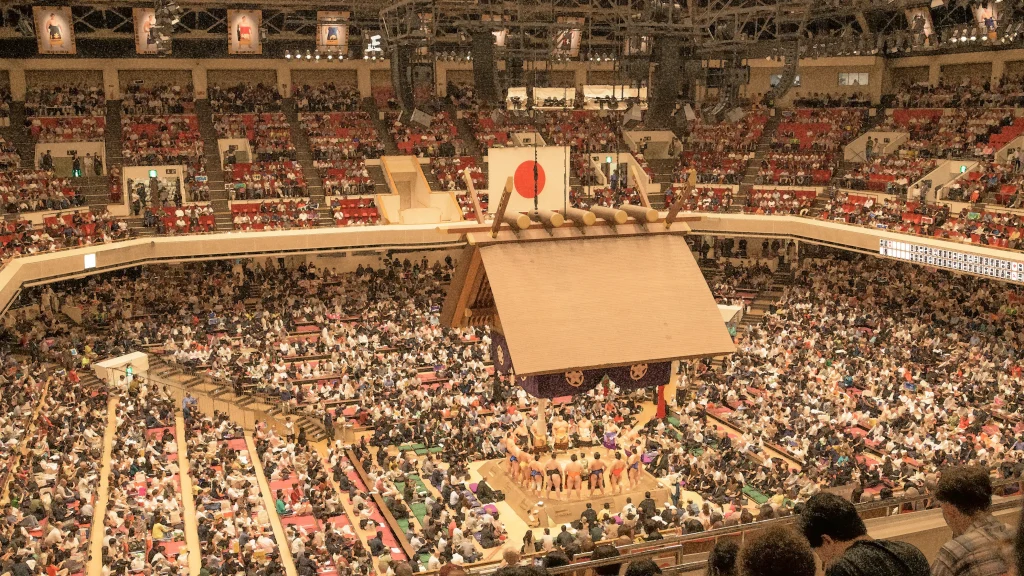
Tokyo offers three tournament periods, all at Ryogoku Kokugikan. If one overlaps your stay, you can retain your hotel base and reserve a day for Ryogoku.
For arrival, distinguish JR Ryogoku Station from the Toei Oedo Line’s Ryogoku Station. They share a name but have different approaches. The Association’s visitor guide lists approximately one minute on foot from the JR station and five minutes from the subway’s Exit A4. Save the route from your hotel, not just the station name.
Tokyo works particularly well when your dates already coincide with one of these three periods. In other months, the city’s sumo-related activities should not be confused with a Grand Sumo tournament.
Osaka in March
The March tournament suits a Kansai journey that includes Osaka, Kyoto or Nara. EDION Arena Osaka is in Namba, rather than beside Osaka Castle. Its official access guide places the venue 350 metres from Osaka Metro Namba Station’s Exit 5.
If arriving from Kyoto or Nara, allow for the complete journey through Osaka, including the station exit and arena entrance. Check the venue’s latest notices and the tournament’s entrance instructions before your March visit.
Our Osaka Grand Sumo guide covers the local details. Choose this tournament for its fit with your route; cherry blossom viewing remains a separate seasonal possibility.
Nagoya in July
Nagoya is a natural option for a central Japan stay or a planned stop between other destinations. The tournament takes place at IG Arena, which opened in 2025. Older directions to Nagoya’s previous sumo venue may therefore send you to the wrong place.
Meijo Koen is the closest station. The arena also lists Joshin as an alternative, approximately 18 minutes away on foot. Choose the approach that suits your route and walking needs.
July can bring hot conditions, so shorter outdoor visits and an unhurried transfer may serve you better than a crowded sightseeing morning. Keep your energy for the event.
Fukuoka in November
Fukuoka works well when Kyushu is already part of your itinerary. The November tournament is held at Fukuoka Kokusai Center, a separate venue from the nearby International Congress Center and Marine Messe buildings.
The centre’s official English information describes an approach via Hakata Station and an onward bus journey. Save the precise venue name and calculate the whole hotel-to-arena trip, including waiting and walking time.
For a Kyushu-based journey, this keeps your sumo visit within the region rather than adding a separate trip to another tournament city.
Pick Your Day, Seat and Length of Visit
Once you have a city, three choices shape the experience: when to attend, how to sit and how much of the programme to watch.
Early, Middle or Final Days?
Early days let you follow the competition from its beginning. In the middle, accumulated results make performances easier to compare. Later days focus attention on final records and the championship race, although the title may be decided before the last day.
If your dates are fixed, choose the day that leaves you rested and unhurried rather than pursuing a particular stage of the competition. If you have flexibility, keep a second option within the same stay. A weekday may fit your plans well, but it is not a promise of availability.
Chair Seats or Traditional Box Seats?
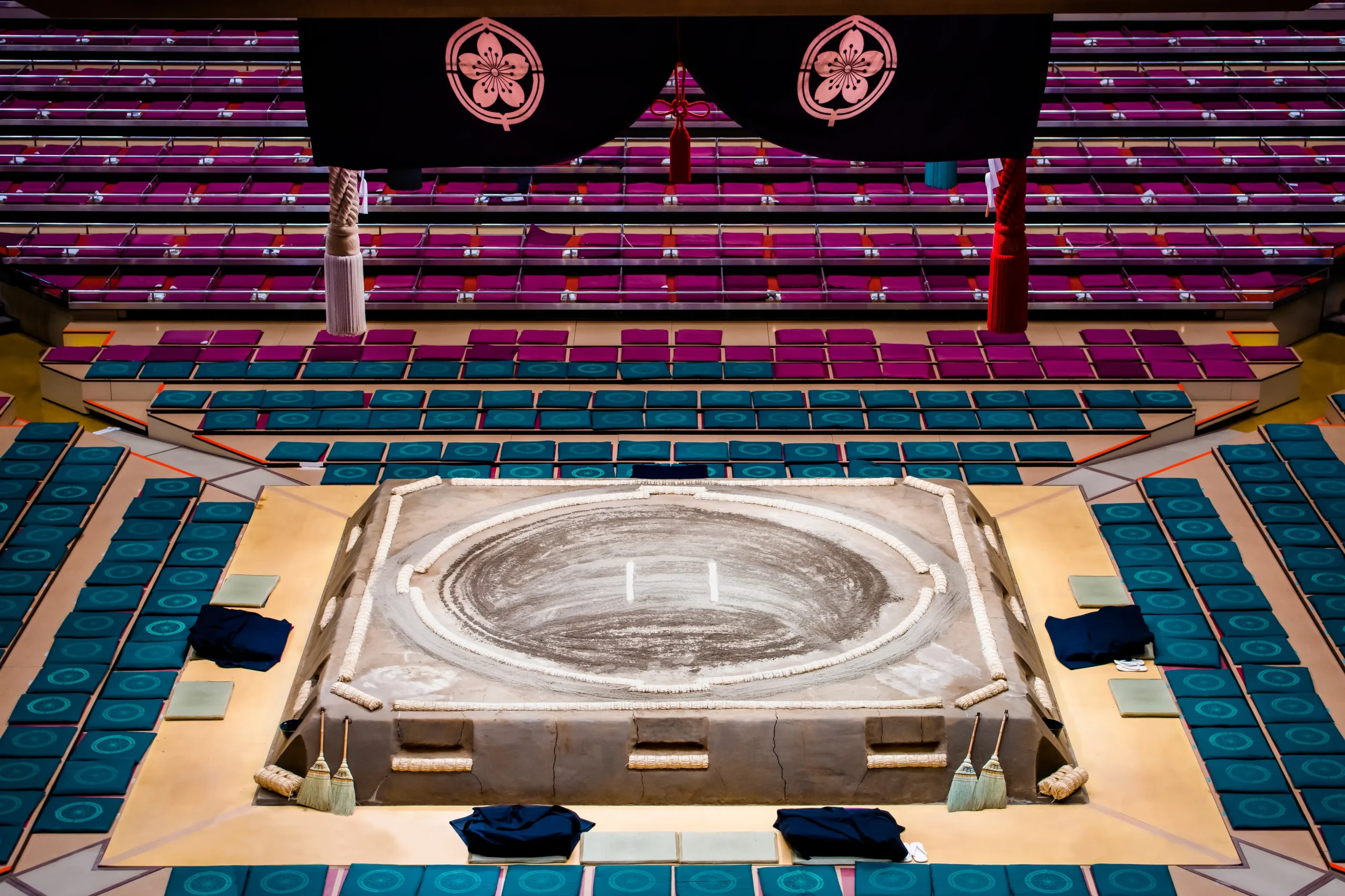
Chair seats resemble conventional stadium seating. Masu-seki are traditional box areas where spectators remove their shoes and sit on floor cushions. The sitting position, not simply the distance from the ring, should guide your choice.
If prolonged floor sitting strains your knees or back, prioritise a chair. For a box, check capacity and purchase unit: do not assume every product is a four-person box. Compare the total payable amount for your party, not just a per-person figure.
Wheelchair spaces require a separate check. An ordinary chair seat does not establish step-free access, an appropriate viewing position or suitable companion arrangements. Look for the event’s dedicated booking instructions.
An Afternoon Visit or a Longer Day?
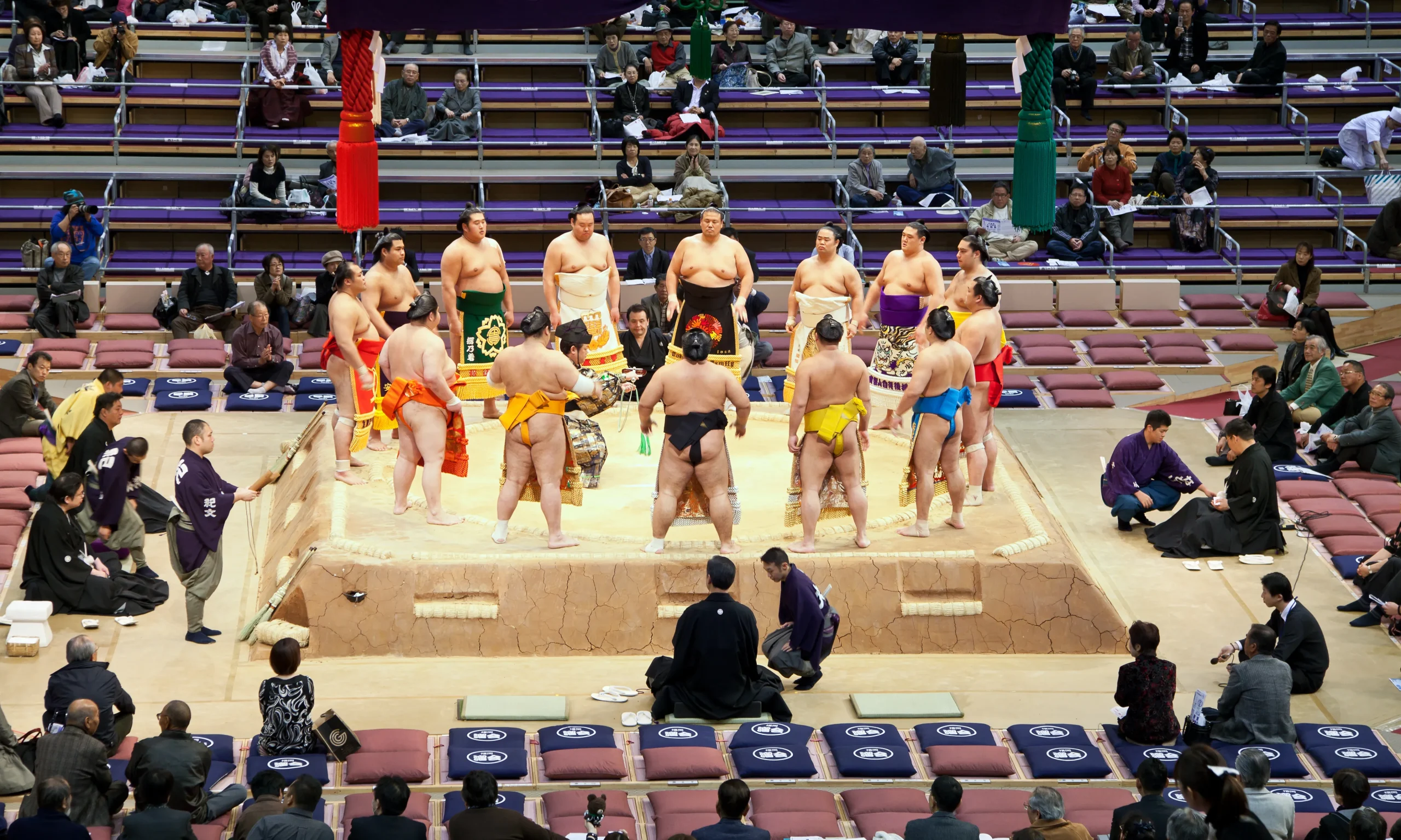
A longer visit lets you watch lower divisions before higher-ranked wrestlers appear. An afternoon-focused visit can concentrate on juryo and makuuchi, the two highest divisions, and their dohyo-iri, or ring-entering ceremonies.
These entrances provide a clear moment to observe the wrestlers together before their bouts. Ceremonial aprons and the organised procession make the programme’s structure visible, even before you recognise individual competitors.
If these ceremonies are a priority, use the specific timetable to select your arrival. Opening hours and the final day’s programme can differ, so avoid arranging a tightly timed dinner immediately afterwards.
Buy Tickets and Prepare to Enter the Arena
Booking connects your chosen date to three practical tasks: purchasing admission, obtaining the correct ticket and arriving ready to enter. Prepare your preferences first, then follow the instructions for that tournament.
Prepare for the Official English-Language Sale
Start with Ticket Oosumo’s official English-language website. It lists announced general sales and links to event-specific purchase information as it becomes available.
Before the sale:
- List your first and second choices of date and seat category.
- Convert the published starting time from Japan Standard Time, UTC+9, to your local time.
- Read payment, collection, purchase-limit and change or cancellation conditions.
- Check the number of people covered by each item you intend to buy.
- After purchase, save your confirmation and collection instructions offline. Previous account requirements, convenience-store collection arrangements or ticket formats should not be assumed to apply unchanged in 2027.
Understand the 2027 Price and Your Total Cost
The selected C-category prices below provide a starting comparison. These admission prices apply from January 2027 and are shown per person, in yen, including tax. Booking fees are additional, and not every category is necessarily offered through the English-language sale.
| City | Chair C: weekday, per person | Chair C: weekend/holiday, per person | Box C: weekday, per person | Box C: weekend/holiday, per person |
| Tokyo | ¥5,000 | ¥6,000 | ¥9,500 | ¥10,500 |
| Osaka | ¥5,000 | ¥5,500 | ¥9,500 | ¥10,500 |
| Nagoya | ¥4,500 | ¥5,000 | ¥9,000 | ¥10,000 |
| Fukuoka | ¥2,000 | ¥2,500 | ¥8,000 | ¥8,500 |
Tokyo’s final two days have separate rates: Chair C is ¥7,000 and Box C is ¥11,500 per person. C is a seat-category label; positions and views differ between venues.
For boxes, checkout may charge for the complete purchase unit. A four-person Tokyo Box C at the weekday rate would total ¥38,000 before additional fees. Confirm the actual capacity, sale product and checkout total rather than assuming you can buy one place at the per-person rate.
Add any service and collection fees shown at checkout, plus local transport, to your budget. Use the final payable total when comparing ticket options.
Rankings, Ticket Collection and Arrival
The banzuke is the official ranking list. General sales precede the ranking announcements: for January 2027, tickets go on sale on 5 December 2026, while the rankings follow on 21 December.
You can therefore book before the new list appears. Neither a ranking nor a ticket guarantees a particular wrestler’s appearance or pairing, so choose the day for your travel plans and viewing preferences.
Before the visit, confirm the collection deadline, ticket format and entry requirements. Save the venue’s English and Japanese names, address and station exit. Check the event rules for large bags, photography, food and re-entry; leaving luggage at your hotel can simplify arrival.
Keep a Plan B and C for Sold-Out Days or Weather
A useful backup preserves what you wanted from the day: live sumo where possible, or time with Japanese culture when admission is unavailable. The options below assume local travel is safe; severe-weather warnings and transport suspensions take priority.
Change the Morning Plan, Not the Sumo Day
Ordinary rain or heat calls for a shorter outdoor programme and extra transfer time. In July, keep outdoor visits short; in September, check weather and transport updates before setting out.
If you hold a ticket and transport is operating safely, consider dropping a long walk rather than adding another journey. A relaxed lunch along your route may be the most comfortable adjustment before the indoor event.
Backup Options for Each Route
Use these as flexible choices, not fixed timed circuits. Museum calendars, admission arrangements and the onward journey need to fit your day.
| Route | Plan A | Plan B: ticket held, ordinary rain or heat | Plan C: sold out or dates do not fit |
| Tokyo | Short Ryogoku walk, then sumo | Sumo Museum if open; a tournament ticket is required during the Tokyo tournament | Check another date or seat; visit the museum on an open non-tournament day |
| Osaka | Namba meal, then sumo | A short Osaka Museum of History visit, then the arena | Make the museum the focus of a city-history day |
| Nagoya | City stay with time reserved for IG Arena | A short science museum visit, then sumo | Spend more time at FUJI NAGOYA SCIENCE MUSEUM |
| Fukuoka | Short city culture visit, then sumo | Fukuoka Asian Art Museum, then the arena | Build a local cultural day around the museum |
Tokyo’s Sumo Museum preserves woodblock prints, ranking lists and ceremonial aprons. Its changing displays offer a closer look at the sport’s material history. During a Tokyo tournament, admission requires a tournament ticket; it is not a ticket-free substitute for a sold-out day.
For the other routes, regular opening patterns help you rule out unsuitable dates:
- Osaka Museum of History normally closes Tuesdays, or Wednesdays when Tuesday is a public holiday. Allow for travel between its Tanimachi area and Namba.
- FUJI NAGOYA SCIENCE MUSEUM normally closes Mondays and the third Friday, with holiday adjustments. Planetarium explanations are in Japanese without translation devices, making exhibitions the simpler choice for a short visit.
- Fukuoka Asian Art Museum is above Nakasu-Kawabata Station, Exit 6. Wednesday is its usual closure day, shifting to the following day when Wednesday is a national holiday.
- Allow for separate admission costs and special exhibition arrangements. An English website supports planning but does not mean every display or programme is in English. If the visit would make you rush, save it for another day.
When Staying Local Is the Safer Choice
Severe weather requires a different response. Follow official warnings, transport updates and organiser notices. If your accommodation is safe and no evacuation instruction applies, remaining there may be preferable to attempting another journey.
An indoor attraction or another city is not automatically a safe alternative when transport is disrupted. Check refund conditions separately for organiser cancellation and your inability to reach an event that proceeds.
Changing tournaments works only if you can alter the wider itinerary. Regional tours, called jungyo, also have separate dates and ticket arrangements. Our jungyo guide explains the format, but its 2026 calendar should not be used to plan a 2027 visit.
Frequently Asked Questions About Sumo in 2027
These answers resolve the main booking questions without requiring you to learn the full tournament system.
Are the 2027 Tournament Dates Confirmed?
Yes. The Japan Sumo Association has published all six tournament periods, venues and general sale dates. Consult the individual event notice for purchase and entry conditions.
Is Sumo Held in Tokyo Every Month?
No. Tokyo’s official Grand Sumo tournaments take place in January, May and September. Other sumo-related activities have separate calendars and are not these ranking tournaments.
Can I Buy Tickets at the Venue on the Day?
Only if the event’s sales notice confirms that option and tickets remain. Do not rely on same-day admission after advance tickets sell out. Secure a ticket before building your day around the arena.
Can I Book Before the Rankings Are Announced?
Yes. General sales precede the ranking announcements. Book for your preferred date and seating experience, remembering that individual appearances and bouts are not guaranteed.
Make Space for Sumo in Your 2027 Journey
Start with the tournament that fits your route, choose a comfortable seating style and keep a second viewing date if your schedule allows. Add the sale date to your calendar, then leave enough time around the visit to arrive without rushing.
For help balancing accommodation, transport and cultural experiences, ENJYU JAPAN’s Tailor-Made Tour service offers a starting point for discussing the wider journey. Specific ticket arrangements remain part of individual planning.
Keep the afternoon for sumo, leave the evening a little unclaimed, and let the city persuade you of the rest.
References
- Japan Sumo Association – Grand Tournament Schedule: Dates, Venues, Ticket Sale Dates and Ranking Announcements
- Japan Sumo Association – Admission Prices from January 2027: Seat Categories and Weekday, Weekend and Final-Day Rates
- Ticket Oosumo – Official English-Language Ticket Sales: Tournament Notices and Booking Information
- Japan Sumo Association – Ticket Information: Chair Seats and Traditional Box Seats
- Japan Sumo Association – Sumo Museum: Exhibitions, Opening Hours, Admission Conditions and Access
- Japan Meteorological Agency – Overview of Japan’s Climate: Seasonal Heat, Rain and Tropical Cyclones
- Osaka Museum of History – Hours and Admission: Opening Times, Closure Days and Ticket Prices
- FUJI NAGOYA SCIENCE MUSEUM – Visitor Information: Admission Fees, Opening Hours and Closure Days
- FUJI NAGOYA SCIENCE MUSEUM – Planetarium Language FAQ: Japanese Commentary and Translation Availability
- Fukuoka Asian Art Museum – Visitor Information: Gallery Hours and Closure Days
- Fukuoka Asian Art Museum – Access: Nakasu-Kawabata Station Exit 6 and Museum Location