Most winter festival guides send you to Sapporo and stop there. But Japan’s best winter festivals cluster tightly in early-to-mid February, and several of them overlap closely enough to see on a single trip — if you know the confirmed 2027 dates and a handful of catches that trip people up. This guide lays out when and where the main festivals happen next winter, what each one actually offers beyond snow sculptures, and which ones realistically combine into one February route.
Japan’s Winter Festival Calendar 2026–27
Here’s the whole season in one view. Access is measured from the natural gateway for each region: Sapporo or New Chitose Airport for the Hokkaido events, and Tokyo for the three on Honshu.
| Festival | Dates | Where & access | Type | Admission |
| Sapporo Snow Festival | Feb 4–11, 2027 | Central Sapporo (~40 min by JR from New Chitose Airport) | Snow & ice sculptures | Free |
| Asahikawa Winter Festival | Feb 6–11, 2027 | ~1 hr 30 min by limited express from Sapporo | Snow sculptures, ice carving | Free (some paid activities) |
| Otaru Snow Light Path | Feb 6–13, 2027 | ~40 min by JR from Sapporo | Candle illumination | Free |
| Lake Shikotsu Ice Festival | Jan 30–Feb 23, 2027 | ~55–60 min by bus from New Chitose Airport / Chitose Station | Ice sculptures | ¥1,000 weekdays / ¥3,000 weekends & holidays |
| Yokote Kamakura Festival | Feb 12–13, 2027 | ~5 hrs from Tokyo (shinkansen + local line) | Snow huts | Free |
| Chichibu Night Festival | Dec 2–3, 2026 | 2 hrs by limited express from Tokyo (Ikebukuro) | Floats & winter fireworks | Free to watch (paid seats) |
| Nozawa Onsen Fire Festival | Jan 15, 2027 | ~3 hrs from Tokyo (shinkansen to Iiyama + bus) | Fire festival | Village guests only (ticketed) |
Two things stand out. Most of these run inside the same February fortnight, and most cost nothing to walk into. Lake Shikotsu is the exception, and its weekend admission is worth planning around.
Hokkaido Winter Festivals: A Week of Snow and Ice
If you base yourself in Sapporo, three festivals fall into easy day-trip range, and their dates overlap. The Sapporo Snow Festival runs February 4–11, Asahikawa February 6–11, and Otaru February 6–13 — so the window when all three are on at once is roughly February 6–11. The Lake Shikotsu Ice Festival stretches from January 30 to February 23, which makes it the flexible piece you can slot in on almost any day.
Sapporo Snow Festival
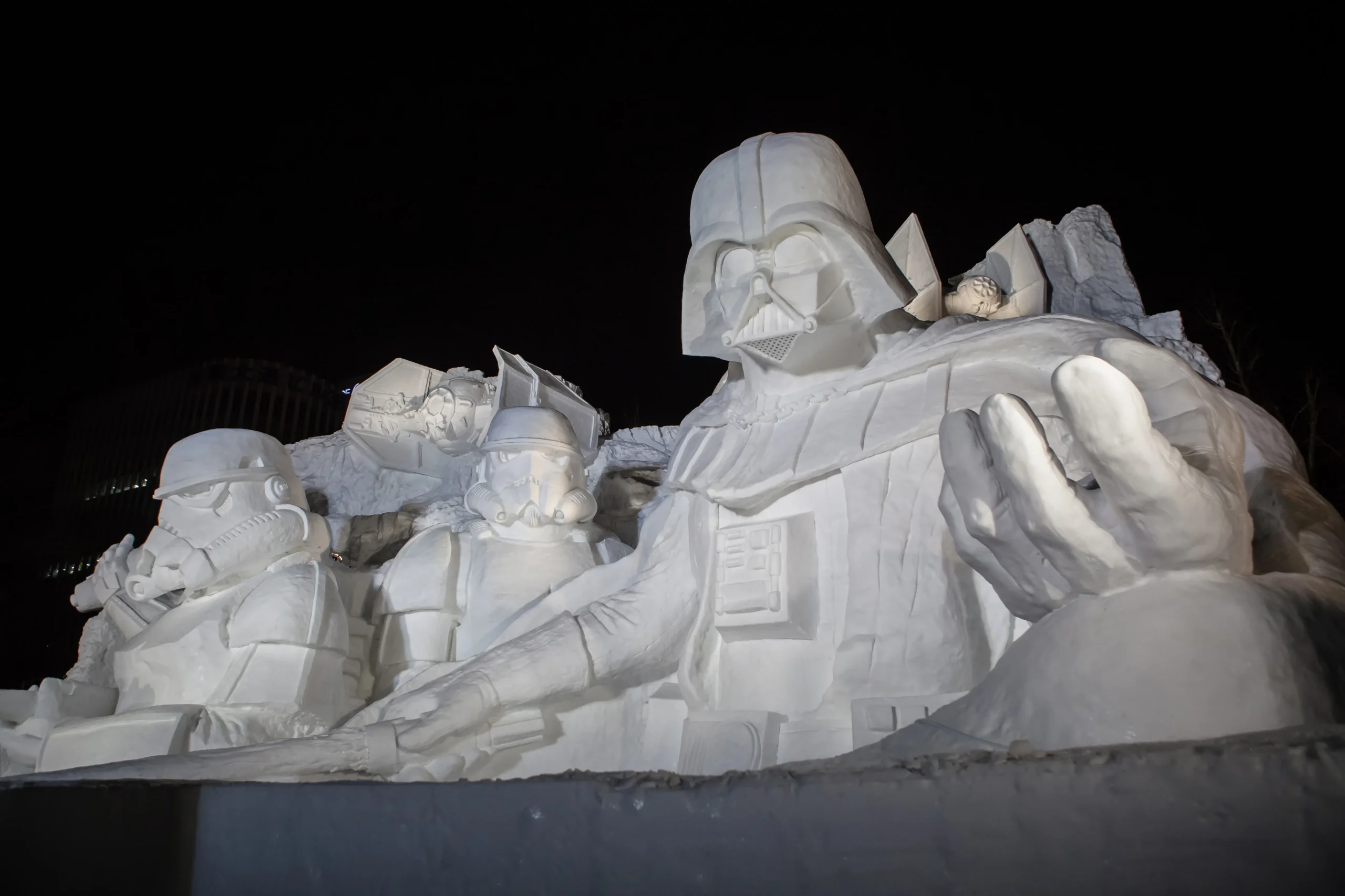
Sapporo is the anchor, and the one most people picture. Odori Park runs about 1.5 km through the center of the city, and during the festival it fills with building-sized snow sculptures, alongside an ice-carving display in the Susukino nightlife district and a family-oriented snow-play site out at Tsudome. It’s free, and the sculptures are lit until around 10 p.m. Rooms in central Sapporo fill up and rates climb during the festival, so this is the booking you want to lock in first.
Reference: Sapporo Snow Festival – City of Sapporo
Asahikawa Winter Festival

Asahikawa, about an hour and a half away by limited express, trades some of Sapporo’s scale for a different draw: a world ice-carving contest and a single, enormous main snow sculpture.
Otaru Snow Light Path
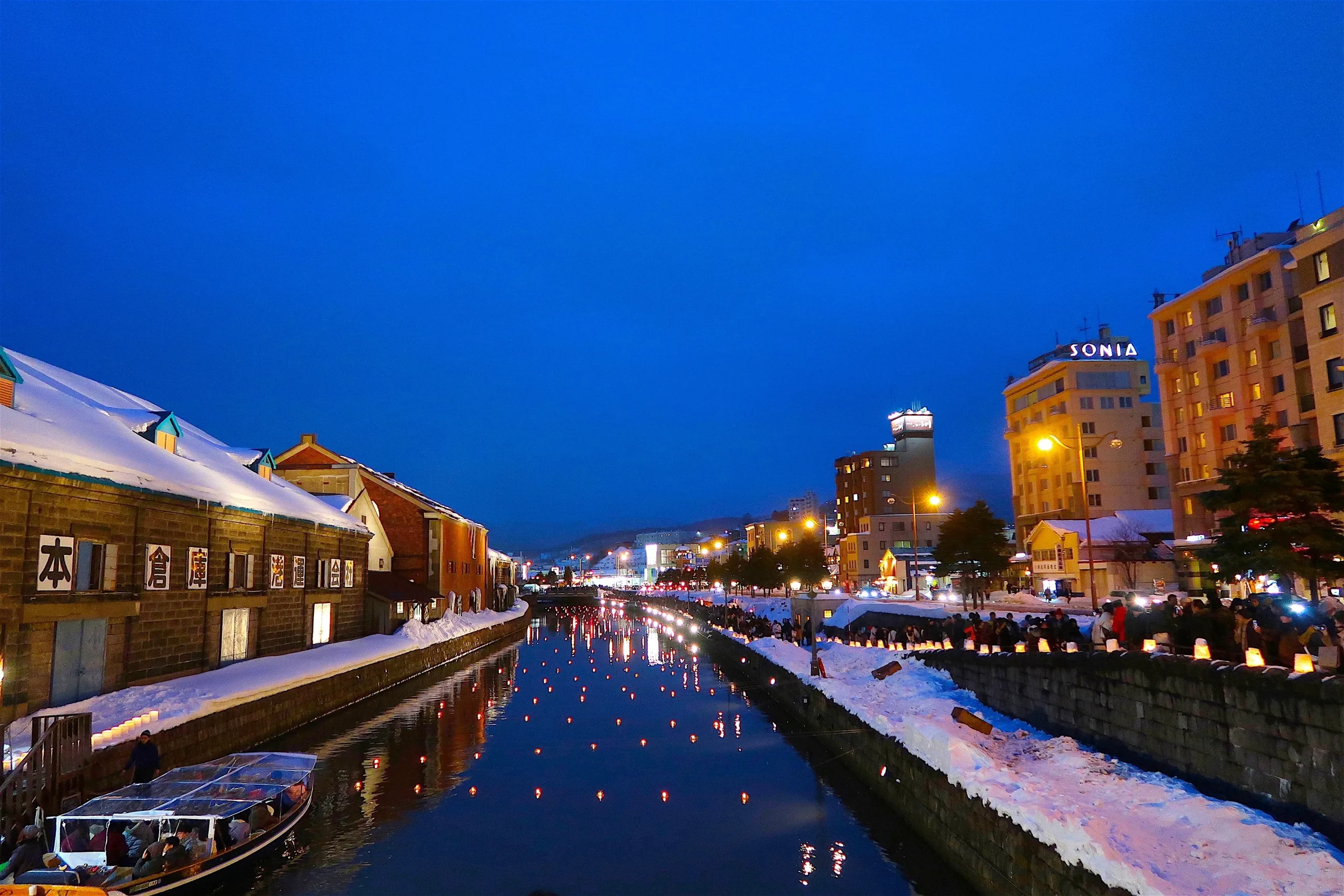
Otaru pulls in the opposite direction — quieter, and lit by hand. Its Snow Light Path lines the old canal and a former railway cutting with candles from 5 to 9 p.m. One change to expect: from 2027 the canal’s floating glass-float candles are being switched to electric lights, so the effect may differ from older photos you’ve seen.
Lake Shikotsu Ice Festival
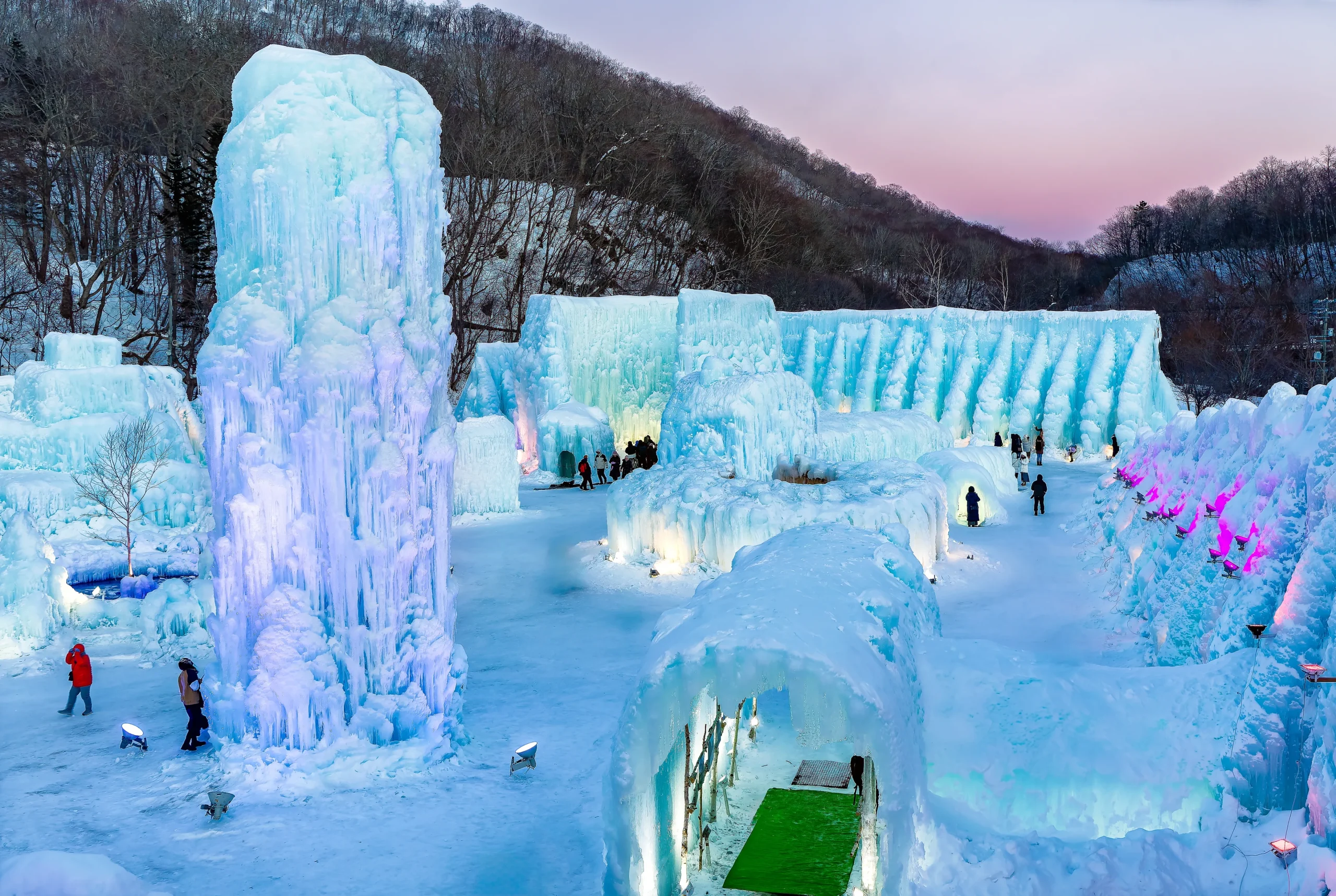
Lake Shikotsu is the outlier in two ways. It charges admission, and for 2027 the price splits sharply — ¥1,000 on weekdays but ¥3,000 on weekends and holidays. If your schedule is flexible, a weekday visit saves real money and spares you the heavier weekend crowds. The reward is ice sculptures built from the lake’s famously clear water, pale blue by day and color-lit after dark, with hot springs right beside the site.
Three More Festivals Within Reach of Tokyo
Yokote’s Snow Huts | Akita

Yokote, in Akita Prefecture, does winter differently again. Its festival centers on kamakura — dome-shaped snow huts built around a small altar to the water deity — where local children invite you in and hand out cups of sweet amazake. Along the riverbank, thousands of miniature snow huts, each holding a single candle, turn the snow into a field of small flames. It’s a warmer, more neighborly scene than the big sculpture parks.
Yokote’s kamakura long ran on February 15–16, but the dates shifted from 2026, and for 2027 they fall on February 12–13. Older guides may still list the old slot, so it’s worth a double-check. The separate Bonden festival keeps its mid-month dates.
Reference: Yokote Snow Festival date change – Yokote City (Official Website, Japanese)
Those new dates sit right after the Hokkaido cluster ends on February 11, which makes Yokote a natural add-on. The table above measures it from Tokyo, but if you’re already in Hokkaido, you can carry on south by shinkansen rather than backtracking.
Nozawa Onsen Fire Festival | Nagano

Not every winter festival is about snow, and if you’re traveling in December or mid-January, two of Japan’s most striking ones are within easy reach of Tokyo.
The Nozawa Onsen Fire Festival, held on January 15 in a Nagano hot-spring village, is one of the country’s fiercest. Villagers spend days building a tall wooden shrine, then defend it through the night as others try to set it alight — a genuine, sparks-flying contest rather than a staged performance. It’s a designated Important Intangible Folk Cultural Property, and the atmosphere is nothing like the sculpture festivals. One important practical note: in recent years, entry to the festival ground has been limited to village residents and people staying overnight in Nozawa, with tickets issued through accommodations. In other words, seeing it usually means booking a room in the village, so check the current rules before you build a trip around it.
Reference: Nozawa Onsen Fire Festival – Nozawa Onsen Tourism Association (Official Website, Japanese)
Chichibu Night Festival | Saitama

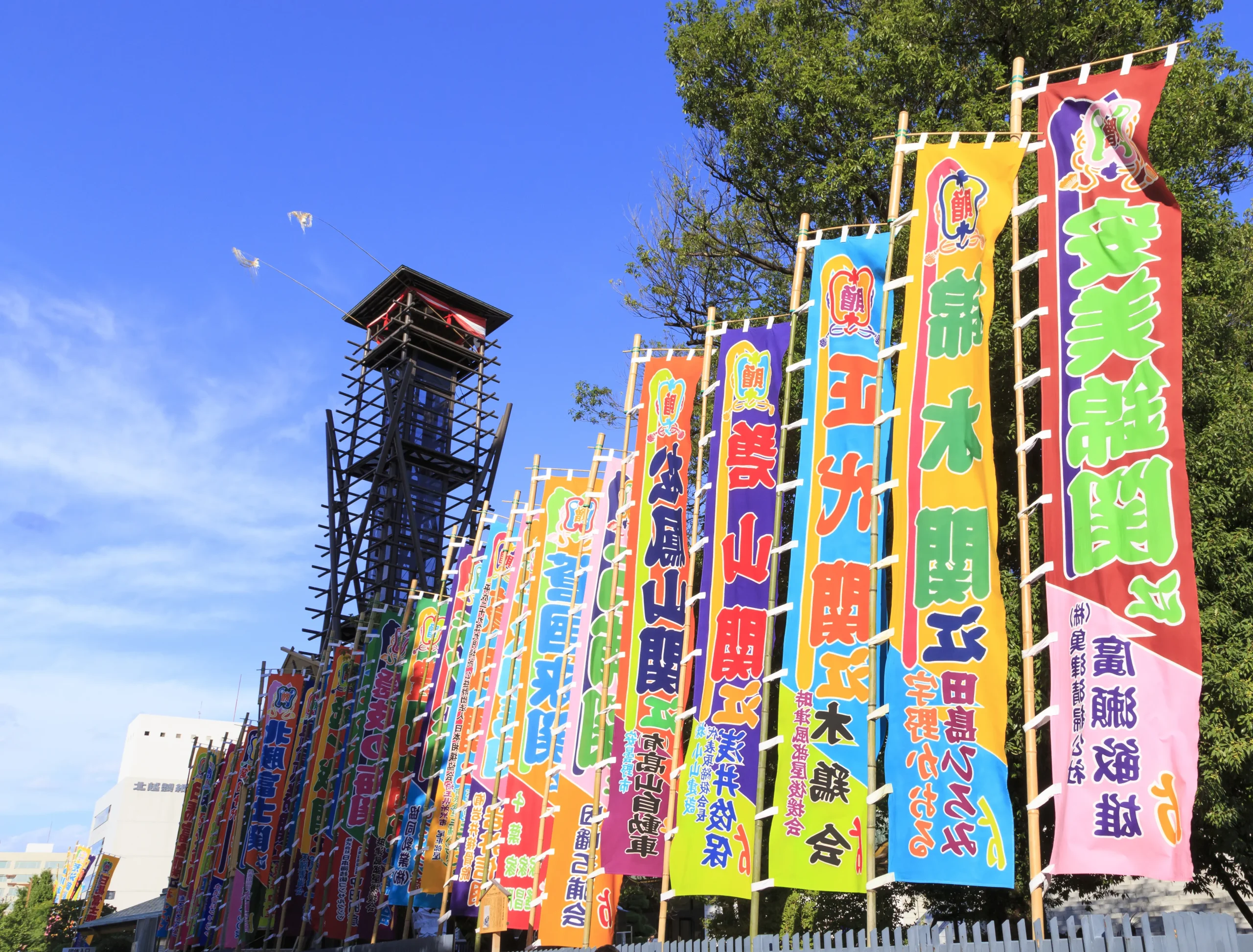
The Chichibu Night Festival, about 2 hours by limited express from central Tokyo, is the December option. Held on the 2nd and 3rd, it’s one of Japan’s three great float festivals and a UNESCO-listed event: enormous, lantern-hung wooden floats hauled through the streets, a steep final climb that draws the biggest crowds, and winter fireworks overhead on the 3rd. Watching is free, though paid grandstand seats go for the best spots near the climb.
Reference: Chichibu Night Festival – Chichibu City (Official Website, Japanese)
Between them, the rule of thumb is simple: Chichibu if your trip lands in early December, Nozawa if it falls around mid-January.
Building a February Trip Around the Festivals
For most travelers, the cleanest plan uses that early-February overlap. Base in Sapporo for roughly February 6–11 and pick off the Hokkaido events as day trips: Sapporo itself, Asahikawa and Otaru by train, and Lake Shikotsu by bus on whichever day suits. Then, if you want more, ride south to Yokote for its February 12–13 kamakura before heading home. The December and January festivals — Chichibu and Nozawa — sit far enough outside that window that they make more sense as separate trips than as one grand loop.
A few catches are worth keeping on a checklist. Sapporo accommodation books out early and prices rise, so reserve well ahead. Yokote’s dates have shifted, so double-check them against anything older you read. Nozawa’s fire festival effectively requires a village stay. Lake Shikotsu costs three times as much on a weekend as on a weekday. And weather can force cancellations or delays, especially for outdoor fireworks, so build in a little slack. Dress for it, too: February in this part of Japan means sub-zero days and icy pavements, and warm layers plus grippy, non-slip footwear matter more than they sound.
Planning a Winter Festival Trip with ENJYU JAPAN
The reason a little planning pays off here is that the pieces keep shifting. Dates move by a day or two each year, festivals overlap in ways that reward good timing, and a few of them come with rules that aren’t obvious until you’re deep in the details. If you’d rather have someone map the route around confirmed dates and your own pace, a Tailor-Made Tour from ENJYU JAPAN can do exactly that, drawing on local guides in each region to turn a scattered festival calendar into one trip that flows. When you’re ready, we’re glad to help you shape it.