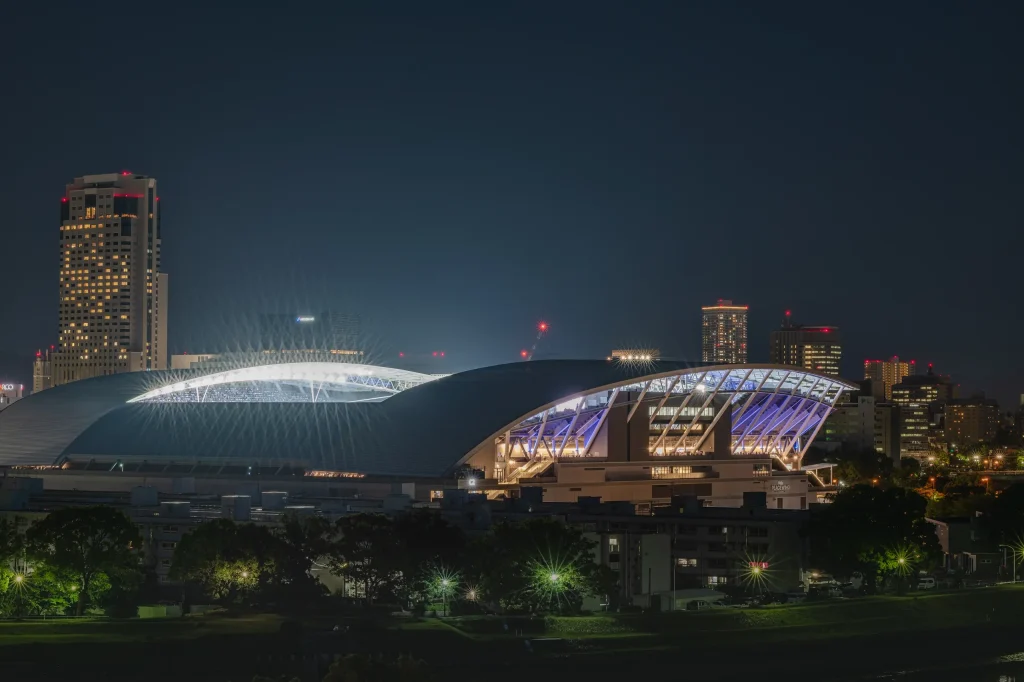
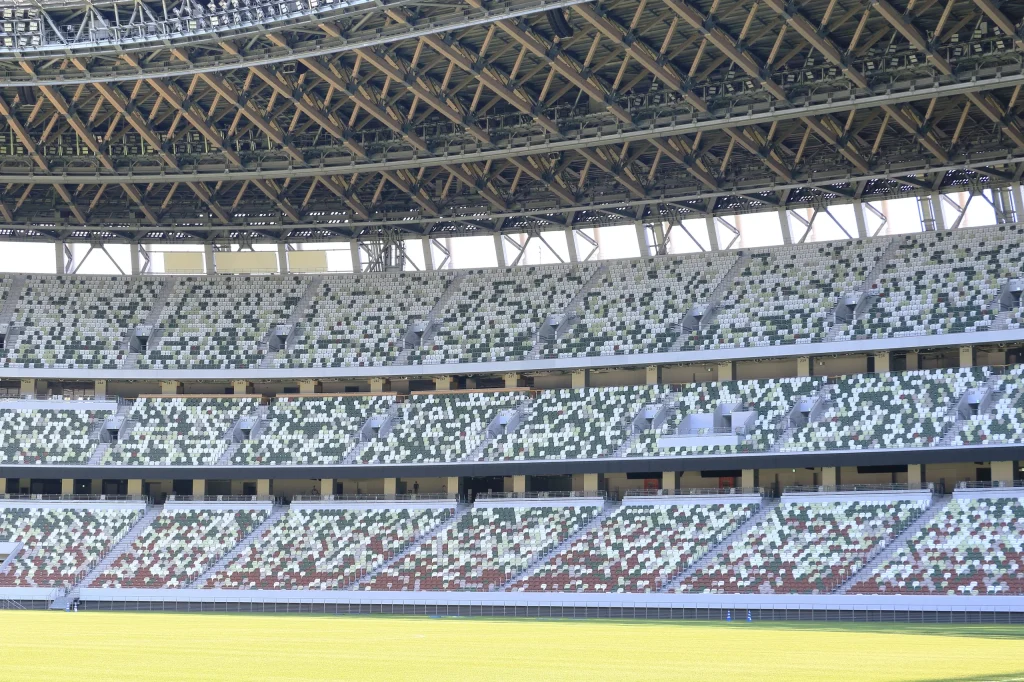
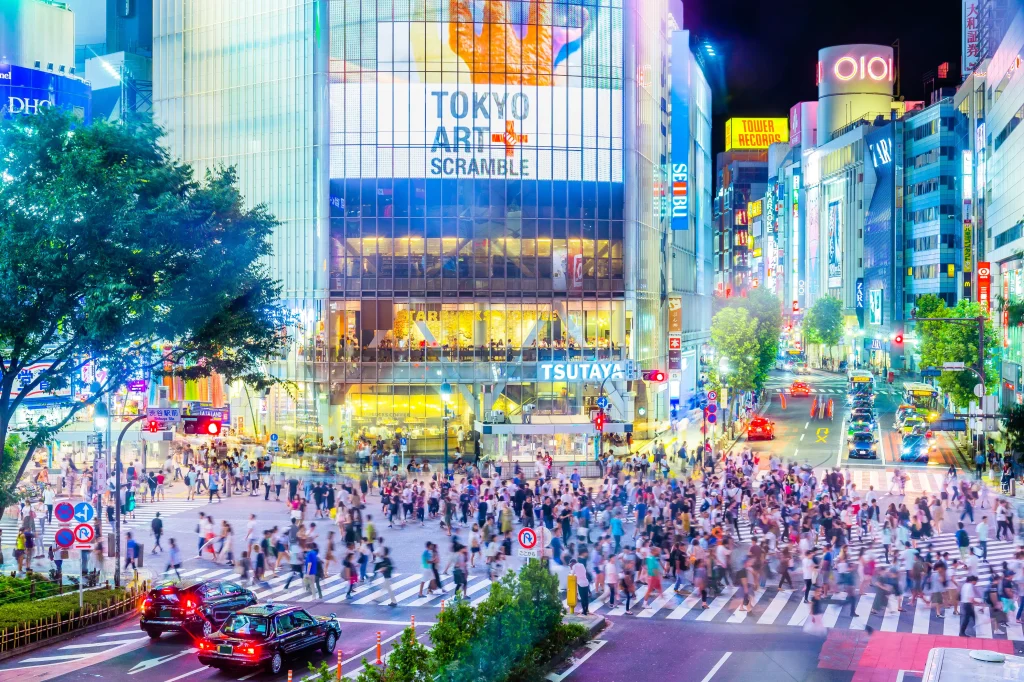
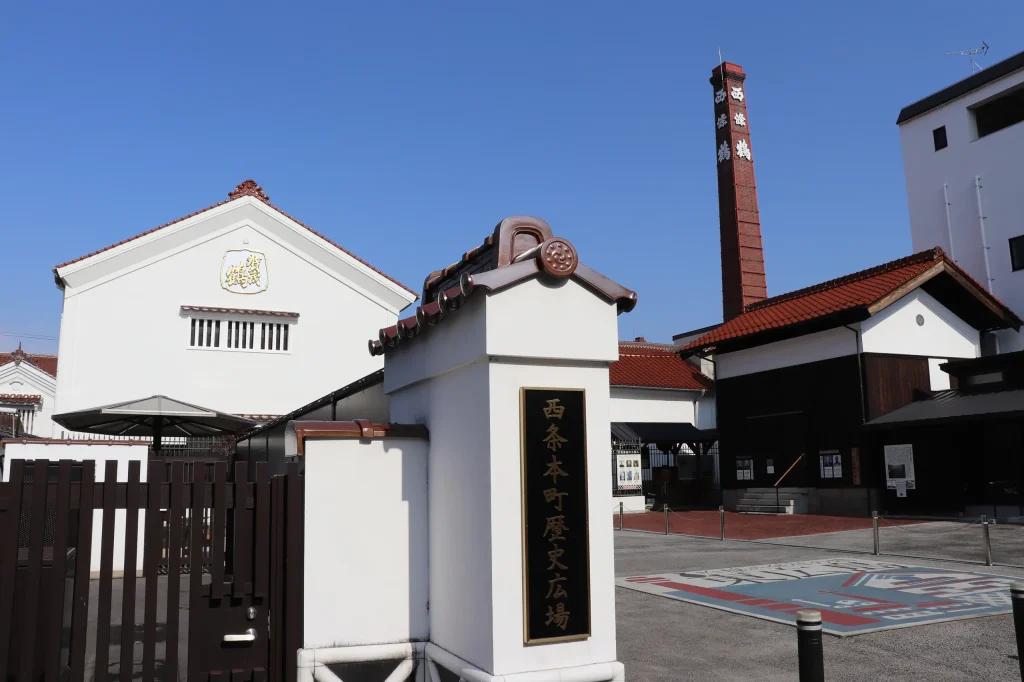
Even if you do not follow Japanese soccer you can still enjoy a J.League match. The experience can start well before kickoff, with supporters gathering in club colors, food stalls opening and groups preparing to sing. Some stadiums fit easily into a city visit; others are worth a dedicated trip.
The right choice depends less on capacity than on the afternoon or evening you want: lively chanting, a relaxed seat with a good view, or time to try local food. These six grounds offer different ways to enjoy a match, including for travelers who aren’t particularly interested in soccer.
How to Choose a J.League Stadium for Your Japan Trip
First check whether there’s a home game near your planned destinations. Then decide how close to the action you want to be, both on the pitch and in the stands. You can enjoy the chants without standing in the loudest section.
| Stadium | Location | Best for | Walk from nearest station |
|---|---|---|---|
| Saitama Stadium 2002 | Near Tokyo | Supporter atmosphere | Urawa-Misono: approx. 20 min |
| Sanga Stadium by Kyocera | Kameoka, near Kyoto | First-timers and food | JR Kameoka: approx. 3 min |
| Panasonic Stadium Suita | Osaka area | Atmosphere and food | Banpaku-Kinen-Koen: approx. 15 min |
| Edion Peace Wing Hiroshima | Hiroshima | Soccer paired with sightseeing | Central tram stops: approx. 10 min |
| Peace Stadium Connected by SoftBank | Nagasaki | Dining and entertainment | Nagasaki Station: approx. 10 min |
| Mikuni World Stadium Kitakyushu | Kokura | Waterfront setting and J3 soccer | Kokura Station: approx. 7 min |
They’re not ranked. A convenient stadium often makes more sense than a famous one requiring a long detour. The times above are walking times from the station, not total travel times from central Tokyo, Kyoto or Osaka.
Six J.League Stadiums, Six Different Matchdays
Saitama Stadium 2002: Feel the Power of Urawa’s Supporters
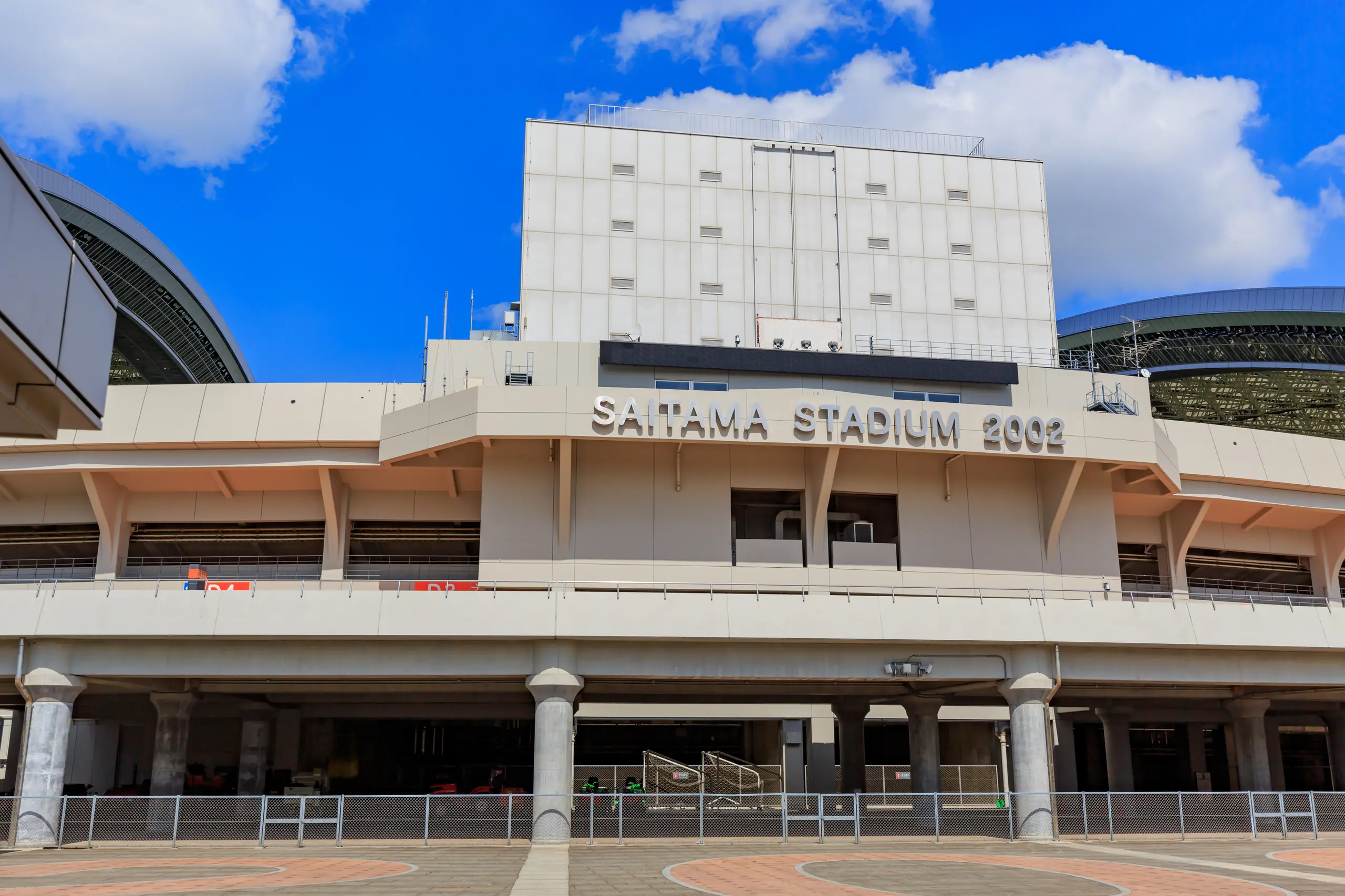
If you’re interested in chanting supporters and coordinated flags, Urawa Reds are a good place to start. Singing, clapping and red flags are part of the club’s matchday atmosphere. The liveliest sections can be intense, so a main- or back-stand seat may suit you better if you’d rather watch than sing and stand throughout.
The stadium is outside central Tokyo. From Urawa-Misono Station, it’s roughly 20 minutes on foot along a pedestrian route. Matchday shuttle buses from Urawa-Misono run towards the stadium only, not back to the station. Allow time for the walk home with the crowd, especially after an evening fixture.
Sanga Stadium by Kyocera: Soccer and Food Near Kyoto
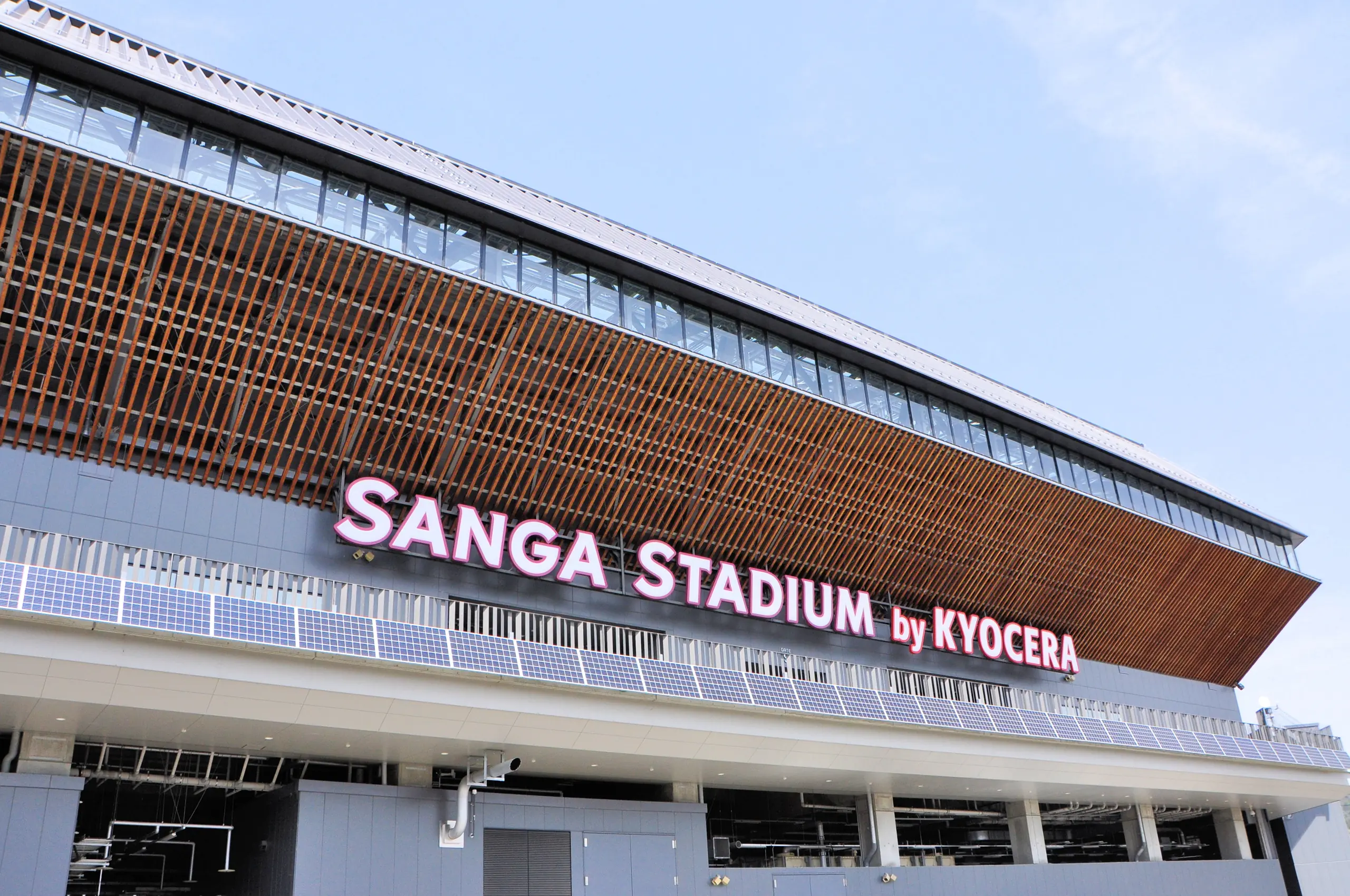
Kyoto Sanga’s home ground is only about three minutes’ walk from JR Kameoka Station. Kameoka is outside central Kyoto, however, so include the train journey in your plans. JR Kyoto Station to Kameoka takes around 20 minutes by rapid train or 30 minutes by local service.
The club’s Sanga Gourmet Road makes arriving early worthwhile. Outdoor concourses host food vendors, including player-collaboration menus and sweets such as matcha and purple sweet potato crêpes. The food area expanded for 2026/27, and sections outside the ticket gates are accessible without a match ticket. Specific stalls and menus may change.
Panasonic Stadium Suita: Close to the Action in Osaka
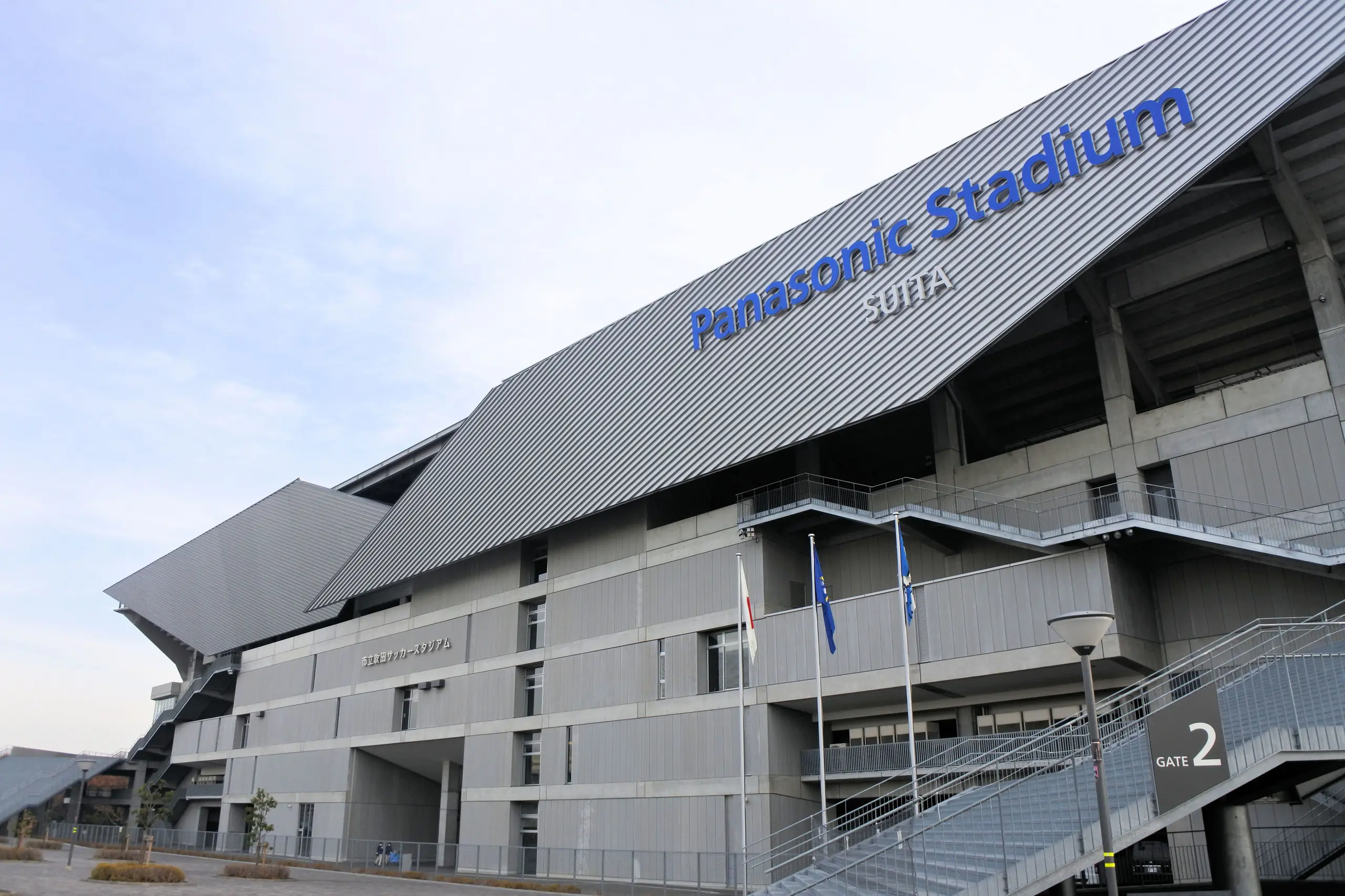
At Panasonic Stadium Suita, there’s no running track between the stands and the pitch. Before kickoff, fans can browse food stalls for takoyaki, player-collaboration dishes or treats featuring Moflem, Gamba Osaka’s mascot.
Nearby Expo ’70 Commemorative Park and EXPOCITY could make this a longer outing. The stadium is about 15 minutes on foot from Osaka Monorail’s Banpaku-Kinen-Koen Station. Gamba publishes recommended walking routes to manage matchday crowds; follow them, particularly when leaving.
Edion Peace Wing Hiroshima: A Stadium in the Heart of the City
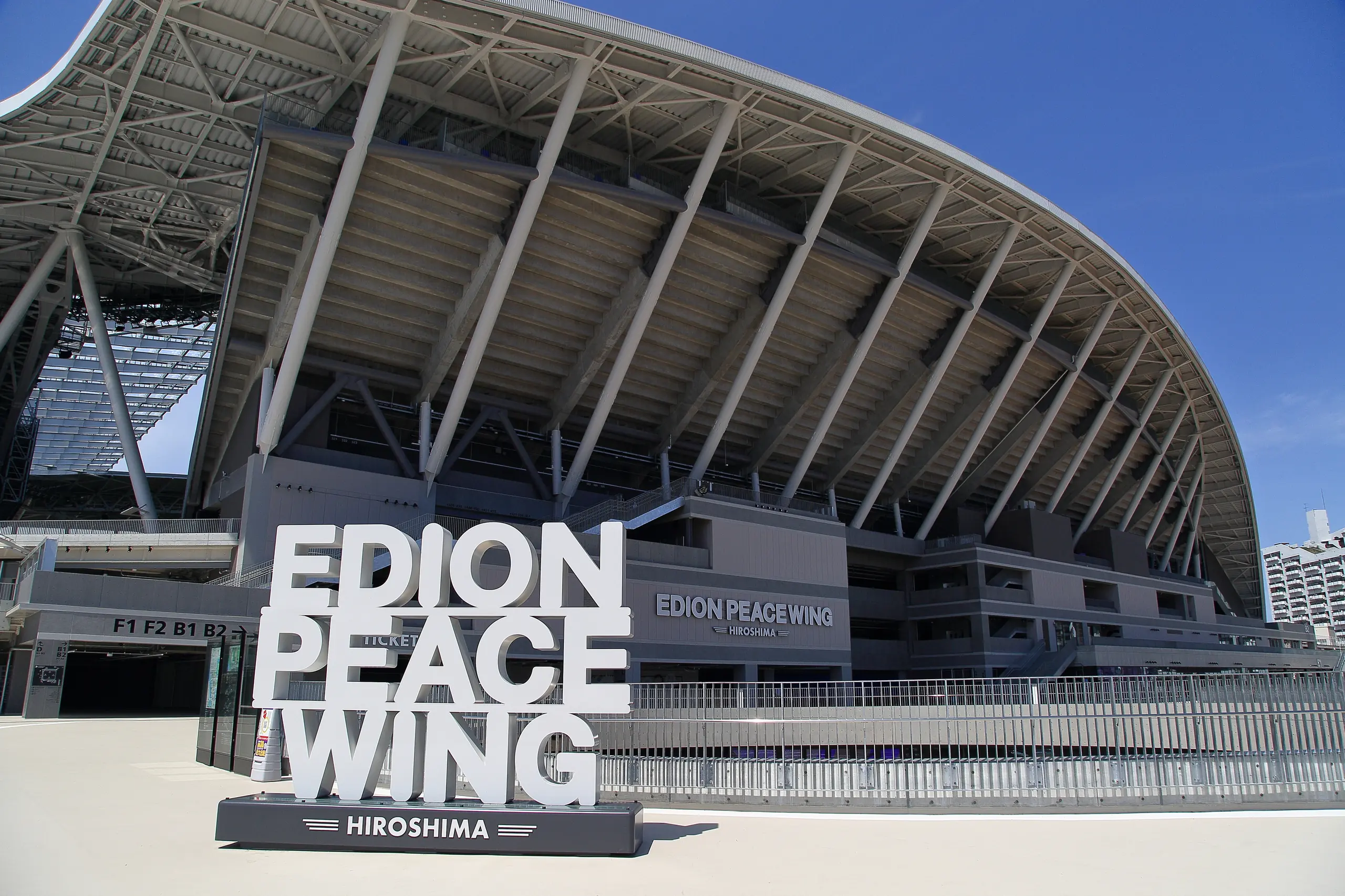
Sanfrecce Hiroshima’s stadium is an unusually convenient choice for city sightseeing. It’s around ten minutes’ walk from Genbaku Dome-mae tram stop or Hiroshima Bus Center, so attending a match doesn’t necessarily mean abandoning the rest of your itinerary.
The club refreshed its food offerings for 2026/27, adding player- and mascot-inspired dishes and an outdoor festival-style food area. The outdoor festival area excludes weekday night games, so check your fixture. The official shop is another place to explore before kickoff. Even here, leave extra time for public transport after the final whistle.
Peace Stadium Nagasaki: More Than a Soccer Ground
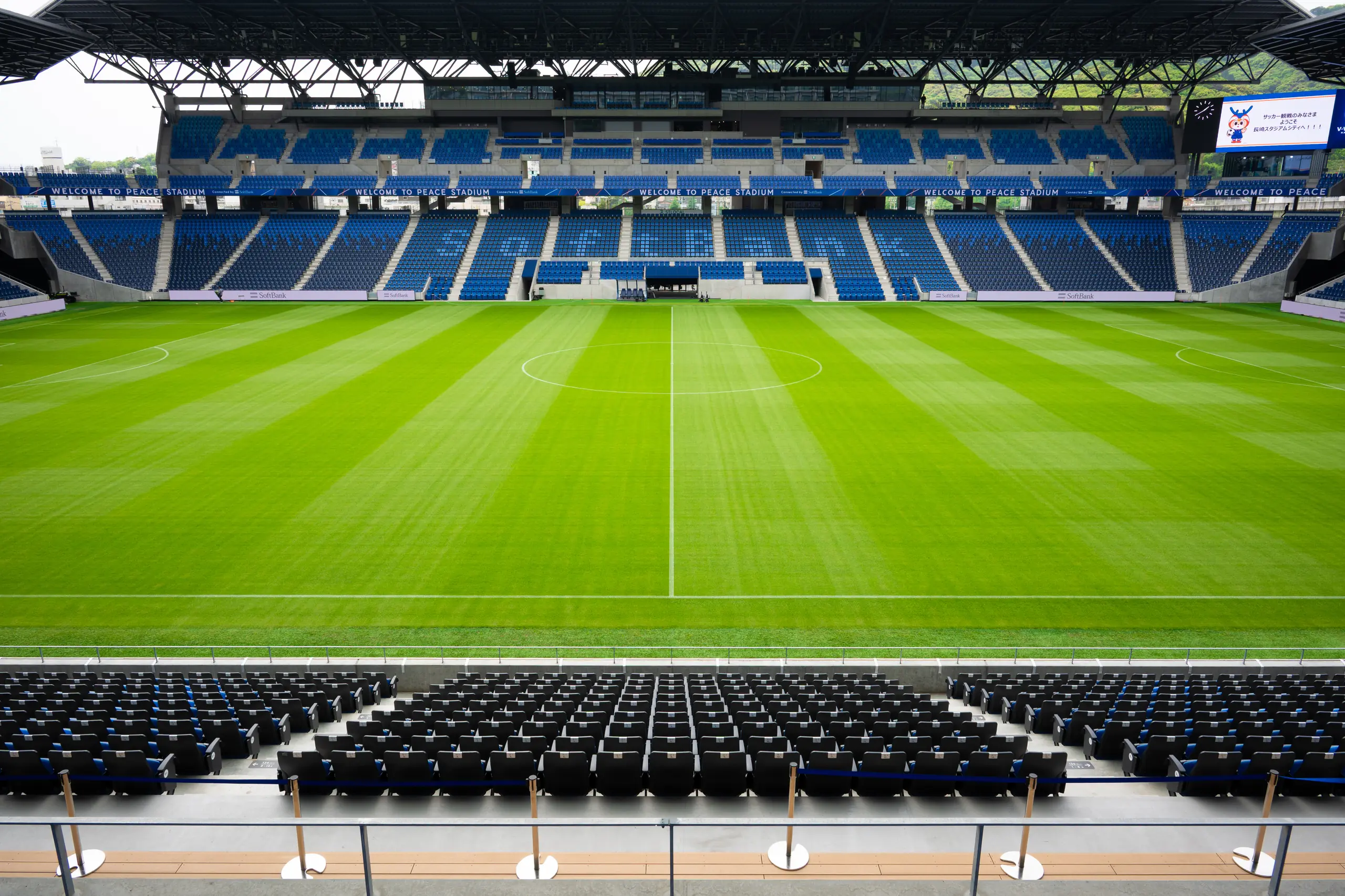
V-Varen Nagasaki play inside Nagasaki Stadium City, a development with restaurants, shops and activities beyond soccer, around ten minutes on foot from Nagasaki Station.
The club suggests arriving two hours early. You can explore the food options, browse merchandise featuring its mascot Vivi-kun, or spend time elsewhere in the complex. Some activities need separate arrangements. One important rule: the stadium restricts food and drinks brought from outside Stadium City, so check the visitor guide before arriving with a packed meal. Ticketing also differs here: many seats are sold through the Stadium City app, while certain away sections may use J.League Ticket.
Mikuni World Stadium Kitakyushu: A Closer, More Local Experience
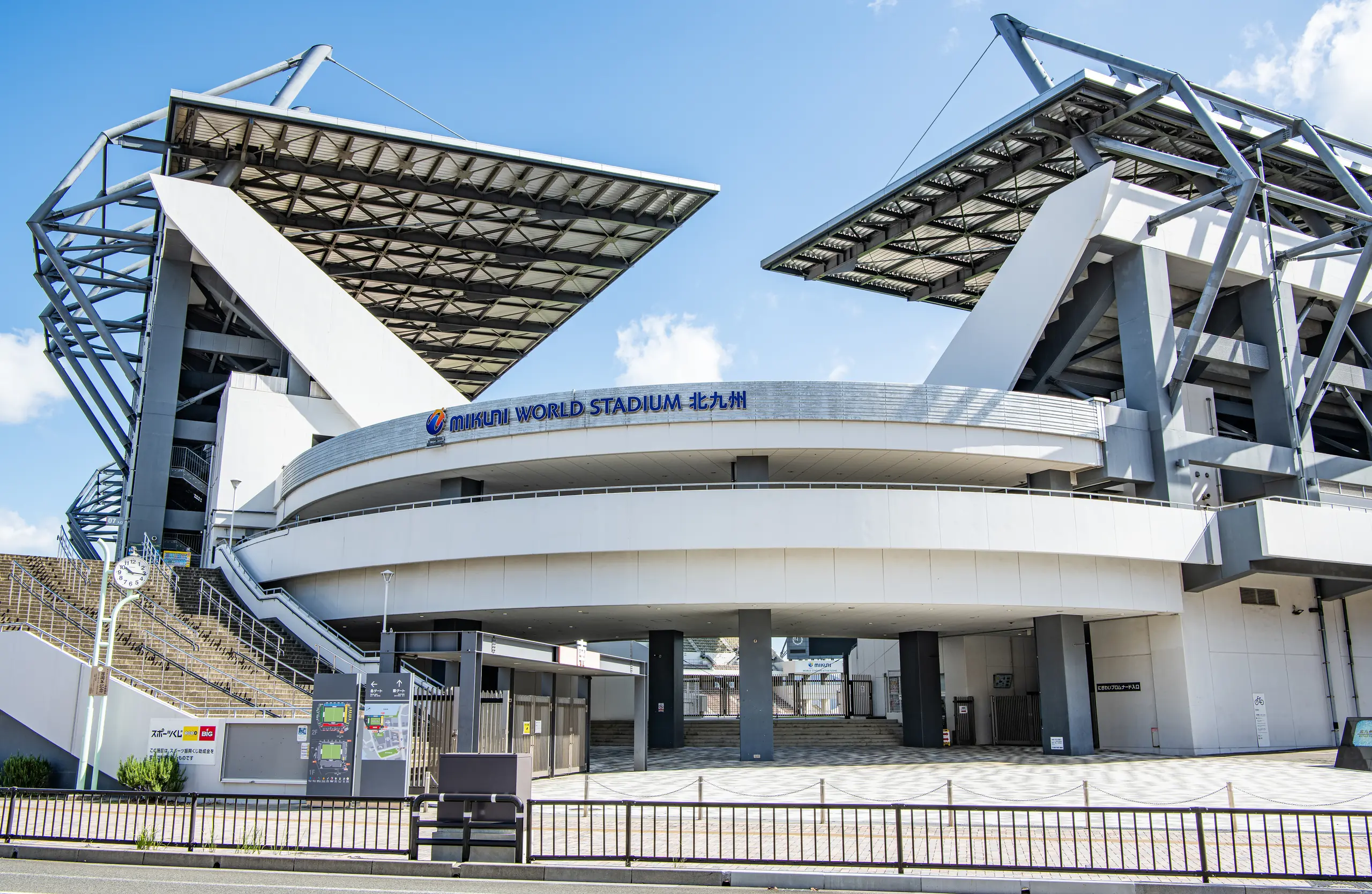
A good J.League outing doesn’t have to involve a J1 club. Giravanz Kitakyushu play in J3 at this waterfront stadium, where the front row is approximately eight meters from the touchline or goal line. Its waterfront setting distinguishes it from larger grounds.
It’s also about seven minutes’ walk from Kokura Station, an important stop on the shinkansen network. If you’re passing through northern Kyushu, that convenience may outweigh the appeal of a more famous club elsewhere. Check match-specific food and event arrangements, and expect less English-language information than at some larger clubs.
Stadium Gourmet: Come Hungry
Stadium food is known as sutaguru in Japan, short for stadium gourmet. Depending on the venue, you might find fried chicken, noodles or rice bowls alongside dishes created with players or local businesses. The food is part of the outing, but there’s no single menu shared by every J.League club.
Not every stadium dish is a regional specialty. Some are simply popular snacks; others are inspired by the club or its players. You may find food trucks outside the ticket gates and other stalls inside the stadium. Menus, opening hours and vendors can change from match to match.
Allow roughly 60–120 minutes before kickoff if you want time to eat and browse merchandise. That’s a planning suggestion, not a standard gate-opening time. Check the latest club information and bring a payment method the vendors accept.
Where to Sit for the Best Matchday Experience
At many grounds, the stands behind the goals draw supporters who sing, clap, wave flags and stand for much of the match. If that’s exactly what you want, look into the designated home supporters’ area. If you’d rather absorb the atmosphere without constantly joining in, the main stand or back stand is usually a more comfortable starting point.
A side-on seat gives you a view of the whole pitch and lets you watch the chanting sections too. The J.League’s beginner guide notes that back-stand seats can offer better value. Reserved seating is worth considering for families and anyone who prefers to sit.
Before buying, check the club’s actual seating map. Home and away areas, rules about team colors, family sections, roof coverage and accessible seating differ between stadiums. For example, Kyoto Sanga restricts away colors and merchandise in certain home sections.
Joining the Crowd: Chants, Mascots, and Local Traditions
You don’t need to understand every chant to enjoy it. Follow the rhythm with a clap, recognize a repeating tune, or simply listen. Supporter songs and loyalty to local clubs may feel familiar to European soccer fans, but each Japanese club develops its own traditions.
Club colors, merchandise, mascots and pre-match entertainment add another layer of personality. Their availability varies by fixture, and friendly conversations with supporters are possible rather than guaranteed.
You may have heard stories about Japanese soccer fans cleaning up after matches. Practices vary, so follow the stadium’s instructions for sorting or disposing of rubbish, keep the walkways clear, and be considerate of other spectators.
Planning Your First J.League Matchday
Before choosing a stadium, check whether the league is playing during your trip. The 2026/27 J1 season runs from August 7, 2026, to June 6, 2027, but takes a winter break after December 19 and resumes on February 13. J2 and J3 finish on May 23, 2027, and resume after winter on February 20. Many 2027 kickoff times and venues were still awaiting detailed confirmation in October 2026, so use the current official fixtures.
Start with the official J.League fixtures, and confirm that your chosen club is playing at home, at the advertised venue, on your travel dates. Clubs sometimes use alternative grounds. The league’s English ticket directory links to club sales pages, but checkout methods vary: some use J.League Ticket and a free J.League ID; Nagasaki uses its own app for many seats. Check registration, payment and ticket-delivery requirements before relying on a last-minute purchase.
Choose your seat, then check entry times, bag rules, food policies and the trip home. Fireworks are prohibited; restrictions on bottles, cans, photography and re-entry must be confirmed with the individual club. Bring weather protection as needed; a roof doesn’t guarantee protection from wind-driven rain.
You might remember the food you tried before kickoff or the chants you heard as clearly as the score. Pick a match that fits the places you’re already visiting, and give yourself time to enjoy what happens around it.
If you’d like to include a J.League match in a wider Japan itinerary, ENJYU JAPAN can help plan a Tailor-Made Tour around the fixture, including travel to and from the stadium and time for sightseeing. Match dates and ticket availability should be confirmed before finalizing your plans.