Japan is fairly easy to travel once you are there, but a little preparation makes the first few days much smoother. Entry procedures, medication, mobile data and payment are worth checking before you fly. It also helps to know that an efficient train system does not automatically mean an effortless itinerary: large stations, luggage, hotel changes and a lot of walking all take time.
You do not need to memorize dozens of rules. Focus on the things that are difficult to fix later and leave some flexibility for the rest.
Your Japan Pre-Trip Checklist
If you are planning later than this, don’t worry. Simply work through the list in order.
A few months before
- Check visa and passport requirements for your nationality.
- Check Japan’s rules if you are bringing prescription medication.
- Confirm your travel insurance coverage.
- Check whether your dates overlap New Year, Golden Week or Obon.
- Reserve accommodation and any limited-entry experiences that matter to your trip.
- Keep the itinerary realistic rather than trying to fit in every possible city.
A few weeks before
- Arrange an eSIM, SIM card or other reliable mobile internet.
- Decide which IC-card option suits your phone and arrival point.
- Compare the JR Pass with the individual journeys you actually plan to take.
- Check luggage rules if you are bringing a very large suitcase.
- Look at the weather for each destination, not just “Japan.”
The week before
- Set up Visit Japan Web if you plan to use it.
- Save hotel addresses and important reservations offline.
- Make sure your cards are enabled for overseas use.
- Install Japan’s Safety tips app or bookmark official emergency information.
- Pack comfortable shoes and avoid bringing more luggage than you need.
Check Entry Requirements Before You Fly
Visa requirements depend on your nationality, so check Japan’s current official information rather than relying on an old travel guide.
The same applies to passport requirements. Avoid assuming that every traveler needs six months of validity remaining; check the rule that applies to you.
If you have seen references to JESTA, Japan’s planned electronic travel authorization system, it is not required for trips yet. The system is currently planned for introduction in fiscal 2028.
Visit Japan Web Is Useful, but It Is Not a Visa
Visit Japan Web allows travelers to prepare immigration and customs information online before arriving.
It can make arrival easier, but it does not replace checking whether you need a visa. Paper procedures are still available, so not using Visit Japan Web does not by itself prevent you from entering Japan.
Once you are in Japan, carry your actual passport rather than leaving it in the hotel.
Check Your Medication
This is an easy thing to overlook.
Japan has its own rules about bringing medicine into the country. Some medications that are routinely prescribed elsewhere are controlled differently, and certain substances require advance permission.
If you regularly take prescription medicine, check the official import rules before traveling rather than assuming your prescription is enough.
Check the Calendar, Not Just the Season
Spring and autumn are popular for good reason, but seasonal scenery also brings higher demand.
Three domestic travel periods deserve particular attention:
- New Year: late December to early January
- Golden Week: late April to early May
- Obon: around mid-August
Transport and accommodation can be much busier at these times, while New Year can also affect business opening hours.
Summer deserves realistic planning too. Heat and humidity combined with hours of walking can make a sightseeing schedule considerably more tiring than it looks on paper.
Typhoons can disrupt transport during the warmer months, particularly later in summer and into early autumn. That is not a reason to avoid traveling then. Check the forecast and avoid making every day so rigid that one weather disruption ruins the itinerary.
Read more: Best Season to Visit Japan
Plan Less Than You Think You Can Fit
A common planning mistake is looking at the scheduled train journey and treating that as the total travel time.
A two-hour Shinkansen ride also involves checking out, reaching the station, finding the platform, waiting, transferring and getting from the destination station to your next hotel. Moving cities can easily take a significant part of the day.
Large stations need time too. Tokyo, Shinjuku, Kyoto and Osaka have multiple railway lines, platforms, underground passages and exits. Checking the correct exit number can save a surprising amount of walking.
Changing hotels every night or two also adds more friction than it appears to when planning. For many first trips, fewer bases with well-chosen day trips are more relaxing than constantly packing and unpacking.
And expect to walk. Stations can be enormous, while temples, parks and sightseeing areas often involve stairs, slopes or long approaches. Comfortable shoes can affect your trip far more than they seem to when packing.
Leave some unscheduled time as well. Jet lag, rain, heat, tired feet or simply finding somewhere you want to stay longer can change the day.
Read more: Best Places to Visit in Japan for First Timers
Cash, Cards and Paying in Japan
Japan is considerably more cashless than it used to be. International cards and contactless payments work in many hotels, department stores, larger restaurants and shops.
Still, carry some yen.
Smaller restaurants, temples, rural transport and older businesses may be cash-only. Seven Bank and Japan Post Bank are useful places to look for ATMs that accept many overseas cards, although availability depends on your card and the individual ATM.
You do not need to exchange a huge amount of cash before leaving home. What matters more is having a reliable way to pay and withdraw yen when necessary.
Tipping is generally unnecessary. At many registers you will also see a small payment tray; placing cash or your card there is common.
Two Current 2026 Changes Worth Knowing
Japan’s International Tourist Tax is ¥3,000 for departures from July 1, 2026. It is generally included in the price of the ticket rather than collected separately at the airport.
For purchases made from November 1, 2026, Japan’s tax-free shopping system changes to a refund system. If shopping is important to your trip, check the current procedure shortly before traveling.
Those details can change over time, so they do not need to shape the rest of your itinerary.
Get an IC Card Early
An IC card makes everyday transport much easier. You can tap through many train and subway gates, use it on numerous buses, and pay at participating convenience stores, vending machines and other businesses.
The easiest choice depends partly on your phone.
iPhone: Welcome Suica Mobile is designed for international visitors and can be prepared before or during your trip.
Android phone bought outside Japan: do not assume that mobile Suica will work simply because the phone has NFC. Compatibility is more complicated, so a physical IC card is usually the safer choice.
Prefer a physical card: TOURIST PASMO and Welcome Suica are visitor-oriented options. TOURIST PASMO is valid for 28 days and unused stored value is not refunded, so avoid loading far more money than you expect to use.
Regional cards such as ICOCA work in many of the same places, so travelers starting in Kansai do not need to go searching for a Tokyo-branded card.
Don’t Buy the JR Pass Automatically
The nationwide Japan Rail Pass is no longer something every first-time visitor should buy without checking the numbers.
For a straightforward Tokyo–Kyoto–Osaka trip, individual tickets may cost less than the nationwide pass. If you add several longer JR journeys within a short period, the calculation changes.
Compare the journeys you will actually take before buying.
Regional rail passes can sometimes be a better match too, especially when most of your travel is concentrated in one part of Japan.
The wider lesson is simple: efficient transport does not mean you need to keep adding destinations.
Make Luggage Part of Your Transport Plan
Dragging a large suitcase through a station while sightseeing is rarely useful.
Japan has extensive luggage-forwarding services, and many hotels can help send bags to your next accommodation. Coin lockers are also convenient for shorter periods, although larger lockers can fill up at busy stations.
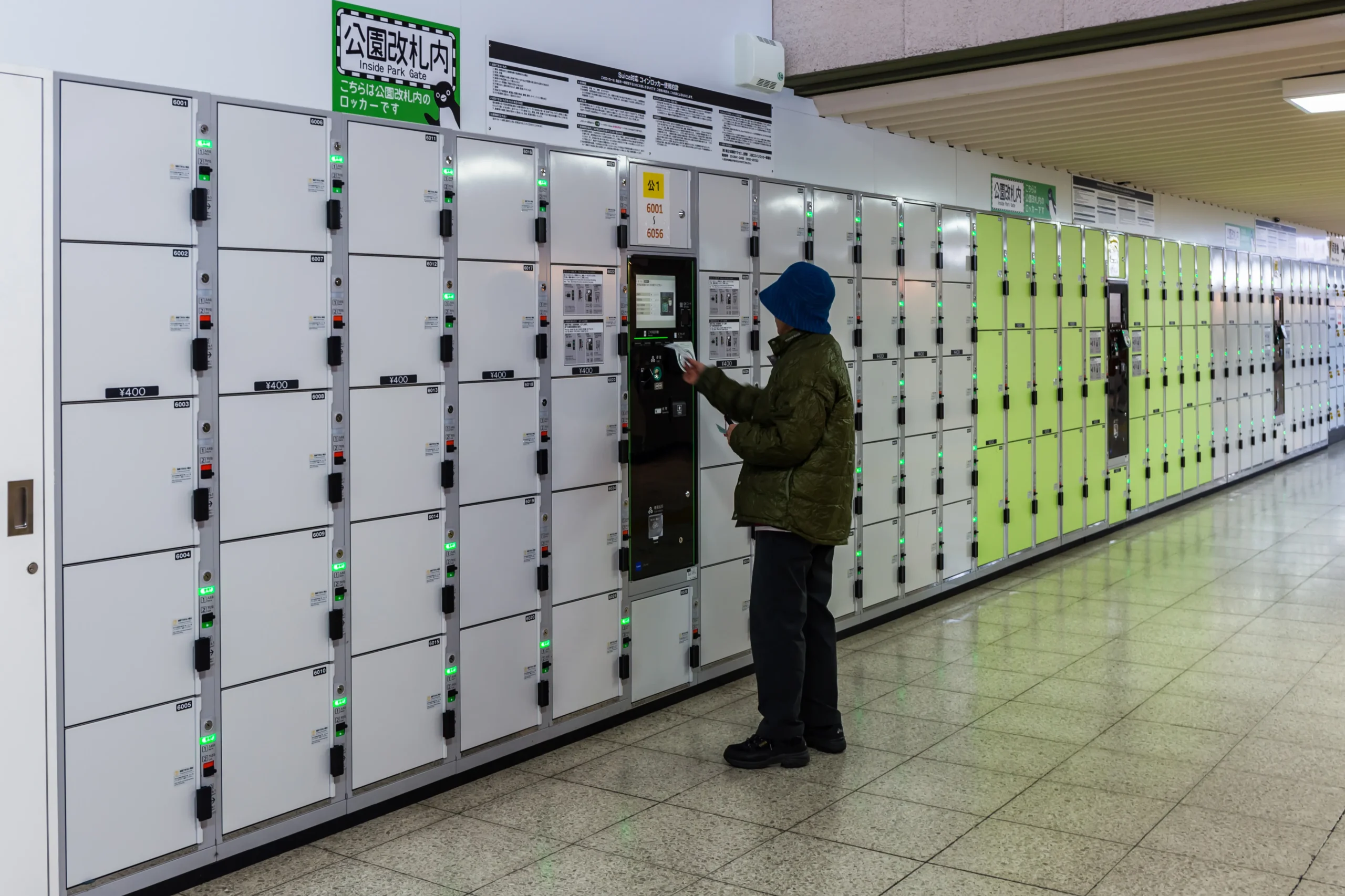
If you are bringing a very large suitcase on the Tokaido–Sanyo–Kyushu Shinkansen, check the oversized-baggage rules when reserving your train. Some baggage requires an appropriate seat reservation with luggage space.
Packing a little lighter also makes station transfers, stairs and compact hotel rooms considerably easier.
Pack for Walking and the Actual Weather
Comfortable shoes deserve more attention than fashionable ones on a sightseeing-heavy trip.
Japan’s climate also varies considerably from north to south. Check the forecast for Tokyo, Kyoto, Hokkaido or wherever you are actually visiting instead of looking at one general “Japan weather” forecast.
A smaller suitcase is usually easier to manage, especially if you plan to use trains frequently.
If you take prescription medicine, keep any necessary documentation with you and check the import rules before departure.
Reliable Internet Makes Almost Everything Easier
You do not need to speak Japanese to travel around Japan independently.
Reliable mobile data makes navigation, translation, reservations and train information much easier. An eSIM works well for many compatible phones, while physical SIM cards and pocket Wi-Fi remain alternatives.
It is also worth:
- saving your hotel name and address;
- keeping important reservations available offline;
- screenshotting essential booking information;
- learning a few simple expressions such as sumimasen (excuse me) and arigatō gozaimasu (thank you).
If someone speaks Japanese and you do not understand, short English sentences, pointing and translation apps are usually more useful than speaking louder.
Etiquette Without the Anxiety
You do not need to learn fifty etiquette rules before arriving.
Being considerate and watching what people around you do covers most situations.
A few basics are enough:
- Keep your voice relatively low on trains and buses.
- Queue and let passengers get off before boarding.
- Avoid stopping directly in front of ticket gates or busy walkways to check your phone.
- Remove your shoes when the setting clearly indicates that you should.
- Tipping is generally not expected.
- Check tattoo policies before planning an onsen visit, because rules differ between facilities.
You are not expected to perform Japanese etiquette perfectly. Ordinary consideration matters more.
A Few Small Things That Make Travel Easier
Convenience stores are useful for breakfast, snacks, drinks, ATMs and late-night food, but there is no reason to eat every meal there. Supermarkets, department-store food halls and ordinary neighborhood restaurants are also easy ways to explore everyday Japanese food.
Public trash bins can be less common than visitors expect, so carrying a small bag for wrappers until you find a bin can be useful.
Public toilets are generally easy to find at stations, department stores and major attractions. The controls may look complicated, but there is no need to learn every button before your trip.
And if you plan to stay out late, check the last train for your actual line rather than assuming everything runs until the same time.
Earthquakes and Typhoons: Be Prepared, Not Worried
Earthquakes occur in Japan, while typhoons can affect transport during the warmer months. Neither needs to dominate your travel planning.
Japan’s free Safety tips service provides earthquake, tsunami and weather information in multiple languages. Follow instructions from accommodation staff and local authorities if an alert occurs, and check official railway or airline information when severe weather is approaching.
Japan’s emergency numbers are 110 for police and 119 for fire or ambulance.
If you are near the coast and experience strong or prolonged shaking, follow local evacuation guidance and move toward higher ground rather than waiting by the shoreline.
A small amount of preparation means you can put the subject aside and enjoy the rest of the trip.
One Final Tip: Leave Room for the Trip to Change
The essential preparation is fairly simple: check entry requirements and medication, arrange internet access, understand how you will pay, and reserve the few things that are difficult to book later.
Then stop optimizing every hour.
Japan’s transport network makes it tempting to keep adding cities and attractions, but more stops do not automatically make a better trip. A slower morning, a local meal, a garden, or an afternoon you did not plan can be just as worthwhile as another famous sight.
If choosing what to cut, where to stay and how to connect everything into a realistic route is becoming the difficult part, ENJYU JAPAN’s tailor-made travel planning can help build the trip around your interests and preferred pace.
The practical checklist gets you ready for Japan. Leaving enough time to actually enjoy being there is just as important.