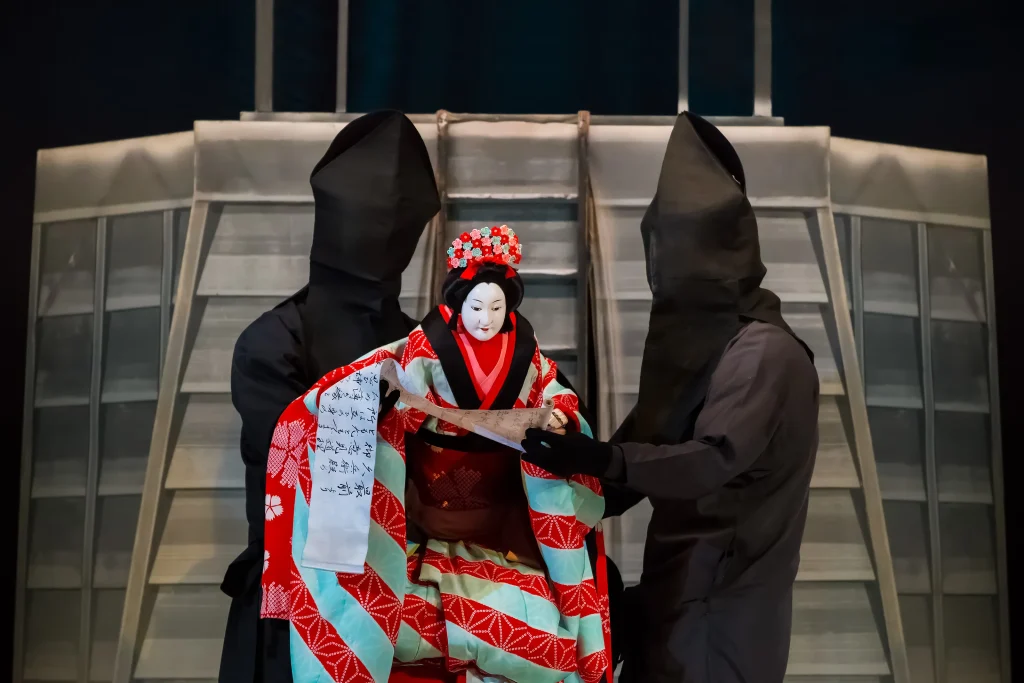
For most first-time visitors interested in anime, Tokyo is the simplest place to start. But there is no single anime district that suits every fan. Akihabara is the classic choice, while Ikebukuro, Nakano, Shibuya and Nerima each offer something different. Outside Tokyo, Osaka and Nagoya also have strong anime and subculture areas that can fit naturally into a wider Japan trip.
Anime travel can mean manga and figures, secondhand collecting, character stores, museums, production history, Ghibli, or visiting real places connected to a favorite series. Instead of trying to see everything, it helps to choose the places that match what you actually enjoy.
Which Anime Area Fits Your Trip?
| Place | Good for | Why go |
|---|---|---|
| Akihabara, Tokyo | A first anime-focused stop | Broad mix of anime, manga, games, figures and otaku culture |
| Ikebukuro, Tokyo | Character goods, events and fandom culture | Otome Road, major stores and Anime Tokyo Station |
| Nakano, Tokyo | Collectors and secondhand browsing | Older merchandise, rare finds and retro media |
| Shibuya, Tokyo | An easy pop-culture stop | Major character and game stores that fit into normal Shibuya sightseeing |
| Nerima / Oizumi, Tokyo | Anime history and production | Toei Animation Museum and the area’s animation-industry heritage |
| Nipponbashi, Osaka | Travelers staying in Kansai | Major anime, manga, game and hobby district |
| Osu, Nagoya | Central Japan itineraries | Subculture stores mixed into a broader local shopping district |
Akihabara, Tokyo: The Classic Starting Point for Anime Fans
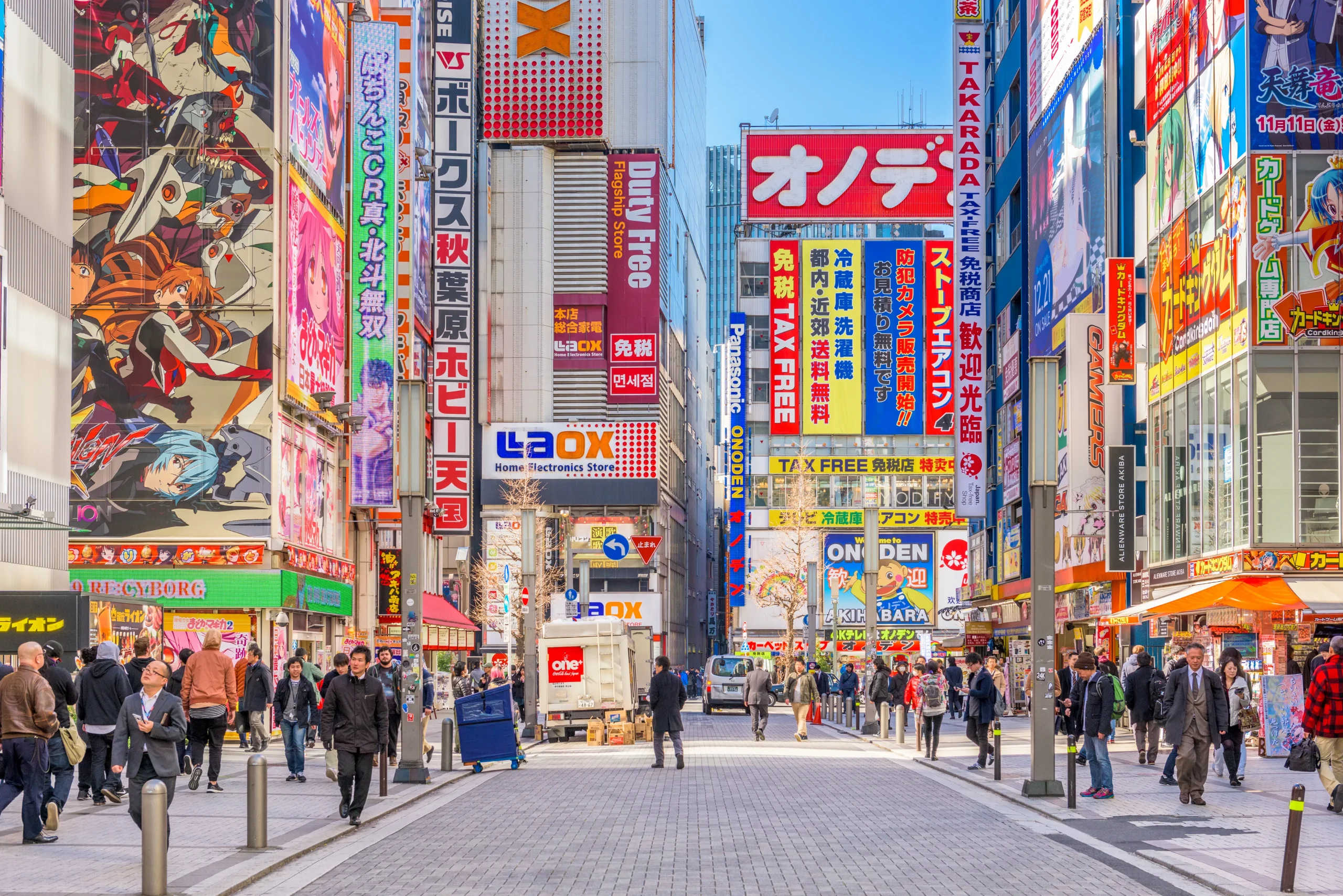
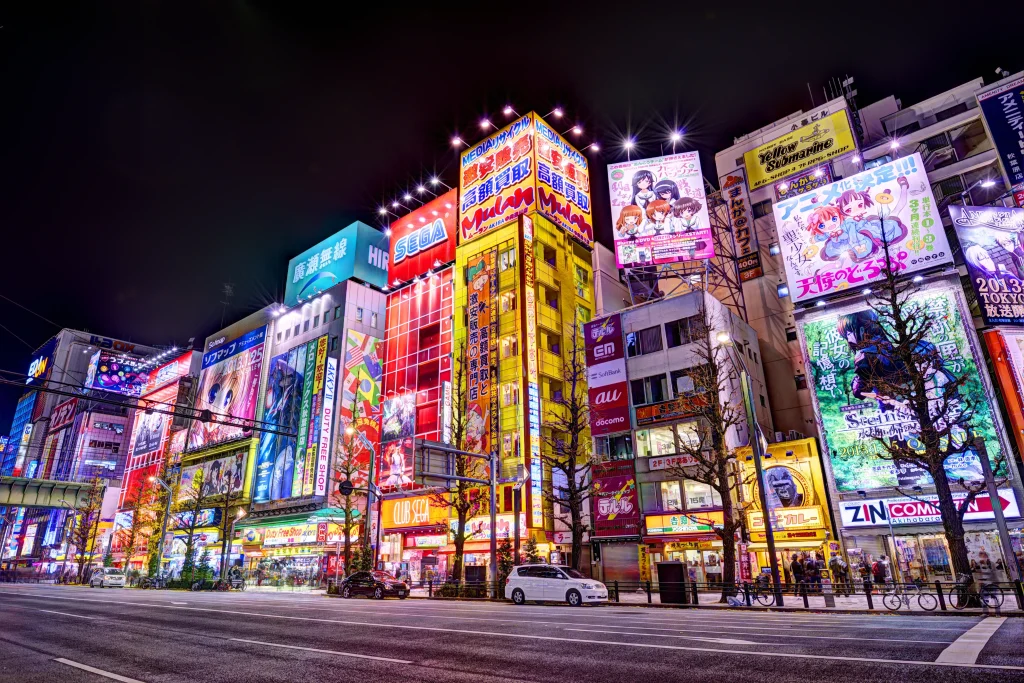
Akihabara is still the name many travelers think of first when they imagine anime in Japan. Known casually as Akiba, the area grew from an electronics district into one of Tokyo’s best-known places for games, manga, anime, figures, hobby goods and pop culture. Bright signs, game centers, electronics stores and buildings filled with character displays are packed into a relatively small area.
Reference: Akihabara Electric Town – Tokyo Convention & Visitors Bureau
If you have limited time in Tokyo and want one famous anime district, Akihabara is an easy place to begin. It can also be busy, commercial and very visitor-facing. For some travelers that energy is exactly the attraction; others may enjoy the slower browsing of Nakano or the more fandom-focused atmosphere of Ikebukuro.
Ikebukuro, Tokyo: Anime Events, Big Stores, and Otome Road
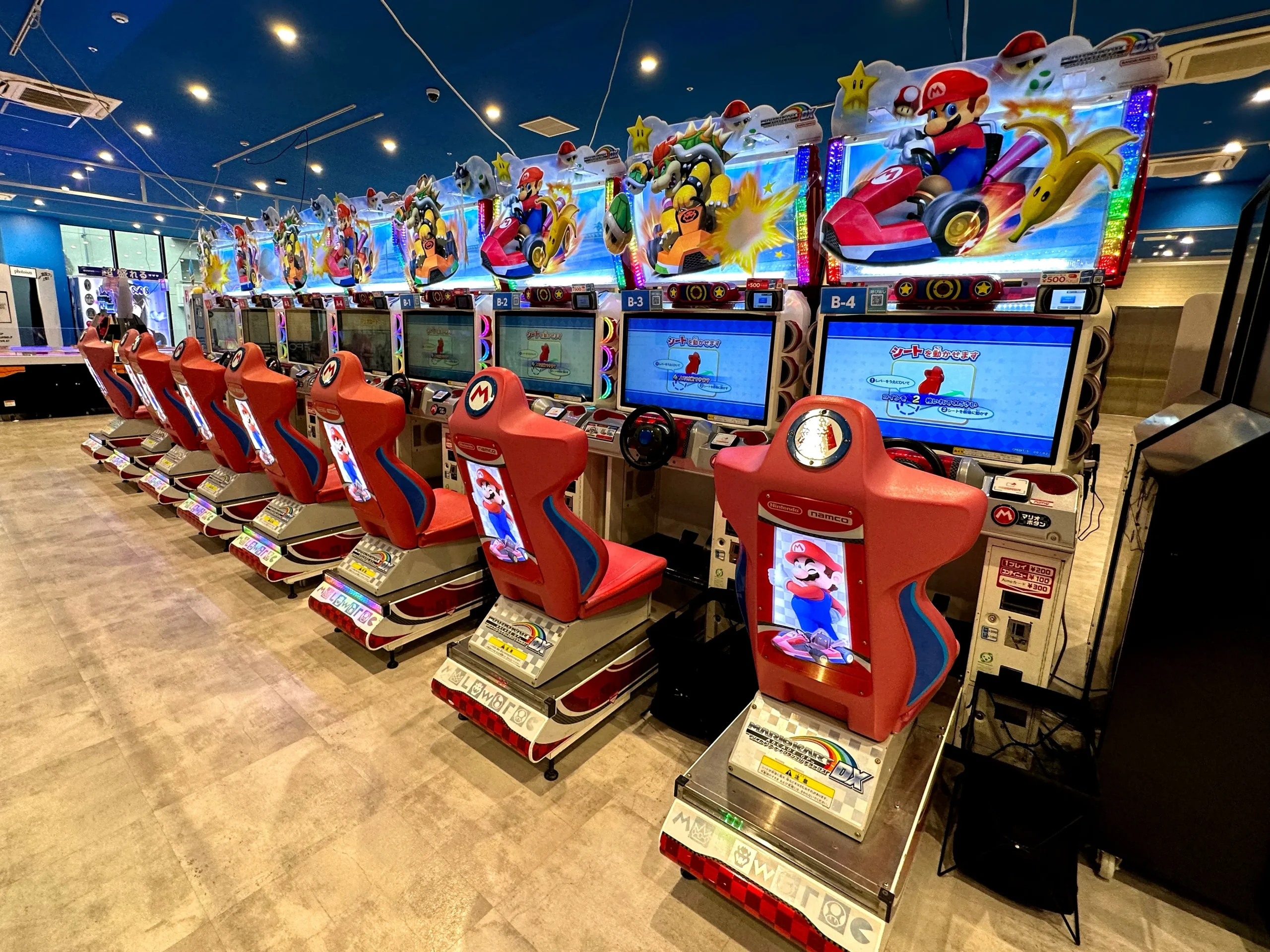
Ikebukuro offers another side of Tokyo’s anime culture. It has large anime stores, event spaces, exhibitions, cafés and a fan atmosphere that feels different from Akihabara’s mix of electronics and games. Around Sunshine City, Otome Road is particularly associated with character goods and women-oriented fandoms, although the wider area attracts many different kinds of anime fans.
Reference: Otome Road – Toshima City (Official Website, Japanese)
Anime Tokyo Station adds another reason to visit. Along with changing exhibitions, it preserves animation-production materials and has a permanent display explaining how anime is made. That makes Ikebukuro useful even if you do not want to spend the whole visit shopping.
Reference: Anime Tokyo Station – Facility Overview
Nakano, Tokyo: Secondhand Treasures and a More Relaxed Anime Hunt
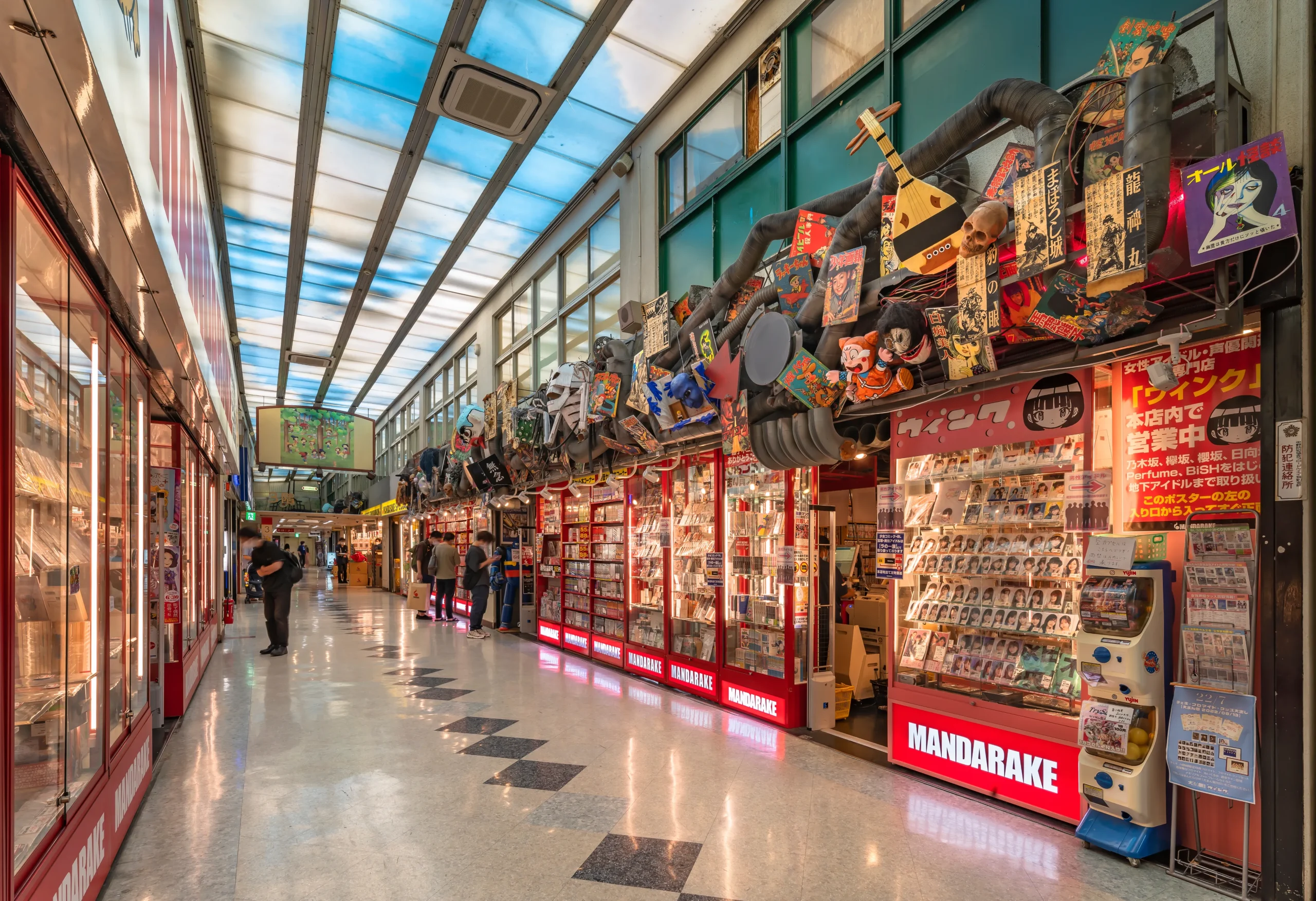
Nakano is a good choice when you enjoy browsing and collecting more than arriving at one famous landmark. Nakano Broadway is known for anime shops, hobby stores, rare collectibles, manga, older books and secondhand goods, but the atmosphere is different from Akihabara. It feels denser, older and more like somewhere you might find something unexpected if you take your time.
Reference: Nakano Broadway – Tokyo Convention & Visitors Bureau
An old art book, a figure from a series you had almost forgotten, or a shelf of retro media can be more memorable than another large character store. Nakano makes the most sense for people who enjoy the search itself.
Shibuya, Tokyo: Anime and Character Culture Without a Full Anime Day
Shibuya is useful for a different reason: you may already be going there.
The area is better known for fashion, shopping and the Scramble Crossing than as an anime district, but the sixth floor of Shibuya PARCO brings together Pokémon Center Shibuya, Nintendo TOKYO, JUMP SHOP, Capcom, JoJo, Sega and other entertainment brands.
Reference: Shibuya PARCO – 6F Floor Guide
This is not a replacement for Akihabara if you want hours of specialist browsing. It is a convenient option if you want to add some character goods, manga or games to a day you were already planning to spend in Shibuya.
Nerima and Oizumi, Tokyo: A Look at Anime Production History
If the history and production of anime interest you more than shopping, Nerima offers a different reason to leave central Tokyo.
The area played an important role in the development of Japan’s modern animation industry. Toei Animation produced Japan’s first full-length color anime film here, while other studios connected to early television anime also developed in Nerima.
Around Oizumi-gakuen, that history is still visible. Oizumi Anime Gate has statues of characters connected to the area, while the nearby Toei Animation Museum covers works from the studio’s early years through current productions.
Reference: Nerima – The Official Tokyo Travel Guide
Nerima is not the place to choose if your main goal is shopping. It makes more sense for someone with several days in Tokyo who wants to see another side of the industry behind the characters and merchandise.
Osaka’s Nipponbashi Denden Town: The Kansai Alternative to Akihabara
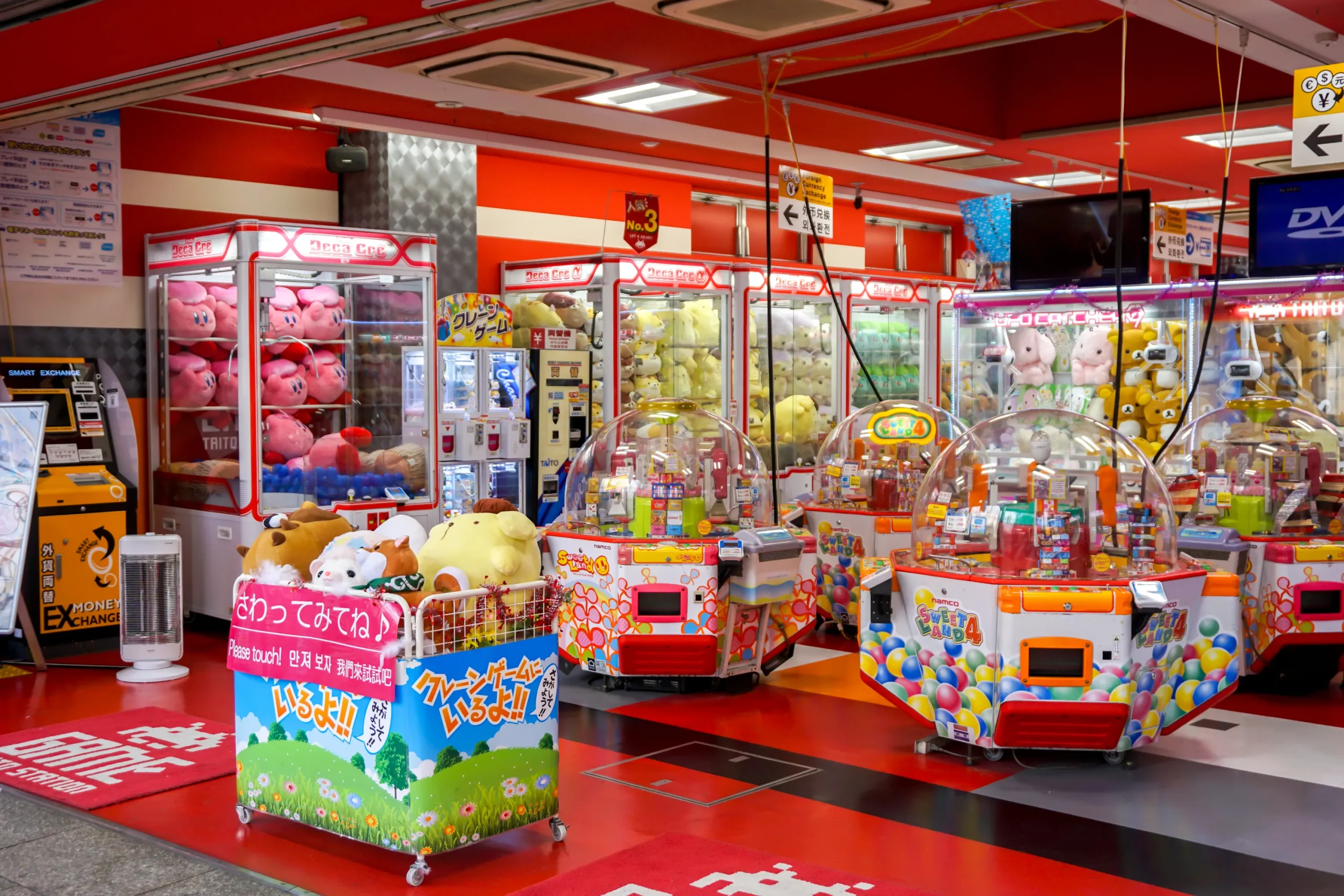
If your route includes Osaka, Nipponbashi Denden Town is one of the easiest anime and otaku culture areas to add. Osaka’s official tourism site describes it as western Japan’s largest electronics and otaku district, with stores related to anime, manga, games, figures, trading cards and hobby goods.
Reference: Nipponbashi Denden Town – Osaka Convention & Tourism Bureau
Denden Town should not be treated as simply “Osaka’s Akihabara,” even if the comparison is convenient. More importantly, travelers already moving through Kansai do not need to return to Tokyo just for another day of anime shopping. Choosing the place that fits your route is usually more useful than trying to collect every famous district.
Read more: Japan’s Golden Route: A First-Timer’s Guide to Tokyo, Kyoto, Osaka & More
Osu, Nagoya: Anime and Subculture in a Local Shopping District
Nagoya has its own option for travelers interested in anime, manga, games and other subcultures: the Osu Shopping District.
Osu is much broader than an anime area. Its covered shopping streets mix food, vintage clothing, electronics, cafés, temples and local businesses with anime, manga, game and hobby shops. Aichi’s official tourism site even describes the area around Osu’s subculture stores as the “Akihabara of Aichi Prefecture.”
Reference: Osu Shopping District – Aichi Now
That mixture is part of the appeal. Osu works particularly well if Nagoya is already on your route and you want some anime shopping without dedicating the whole day to it. It also gives Central Japan a casual subculture stop alongside bigger planned attractions such as Ghibli Park.
Read more: Things to Do in Aichi
Anime Museums, Ghibli Places, and Larger Pop-Culture Attractions
Not every anime experience is a neighborhood walk. Some places work better as planned highlights, especially when tickets or travel time are involved.
The Ghibli Museum in Mitaka can fit into a Tokyo stay, but admission is by advance reservation only. Unlike Akihabara or Nakano, it is not somewhere to decide on spontaneously after you arrive.
Reference: Tickets – Ghibli Museum, Mitaka
Ghibli Park in Aichi is a much larger commitment. For travelers including Nagoya or Central Japan, it can become one of the anchors of the trip. Tickets are sold in advance, and the Standard and Premium passes cover different areas and buildings, so check the current options before deciding how much of the park you want to see.
Reference: Tickets – Ghibli Park
Read more: Studio Ghibli in Japan
Kyoto also has a manga side that is easy to overlook among its temples and historic neighborhoods. The Kyoto International Manga Museum combines exhibitions with a large collection of manga and its well-known “Wall of Manga.” It can be a good indoor change of pace during a Kyoto stay, especially if you are as interested in manga culture as shopping.
Reference: Kyoto International Manga Museum
One important recent change concerns Odaiba. The life-sized Unicorn Gundam statue ended its display on August 31, 2026, so older travel guides that still recommend visiting the statue are now outdated. Gundam fans can still visit THE GUNDAM BASE TOKYO inside DiverCity Tokyo Plaza for Gunpla, displays and related merchandise.
Reference: Life-Sized Unicorn Gundam Statue – Official Site
Reference: THE GUNDAM BASE TOKYO – DiverCity Tokyo Plaza
Japan Is Full of Small Anime Moments and Scenes
Not every enjoyable anime-related moment needs to be an official attraction. A local bookstore, shopping street, suburban station or ordinary neighborhood can feel surprisingly familiar simply because so much anime is set in everyday Japanese places.
Some fans take this further through anime pilgrimage, or seichi junrei, by visiting real locations connected to particular series. Many are normal residential streets, stations or local businesses, so visitors should be considerate of the people who live and work there. Anime culture in Japan is not limited to the famous shopping districts.
Building Anime Stops Into a Japan Trip
Rather than trying to visit every anime spot, choose the ones that fit both your interests and the route you already have.
A short Tokyo trip might need only Akihabara plus one contrasting area: Ikebukuro for current fandom and events, Nakano for collecting, Shibuya for an easy pop-culture stop, or Nerima for production history.
If you are traveling through Kansai, Denden Town gives you a strong anime district without adding another Tokyo day. In Central Japan, Osu fits naturally into a Nagoya stay, while Ghibli Park is substantial enough to plan a day around. Kyoto’s Manga Museum can be added without changing the basic shape of a Kyoto itinerary.
If anime is one interest among many, one neighborhood and one planned museum or attraction may be enough. If it is the main reason for your trip, the different districts offer enough variety to spend considerably longer without simply repeating the same experience.
Conclusion: Anime Japan Is Bigger Than Akihabara
Akihabara remains the classic place to start, but Japan’s anime culture changes depending on where you go. Ikebukuro focuses more on fandom and events, Nakano rewards collectors, Shibuya is easy to add to a sightseeing day, Nerima introduces production history, and Osaka and Nagoya give travelers useful alternatives outside Tokyo.
Choose the places that match the part of anime culture you actually care about rather than trying to fit every famous stop into one trip.
If anime, manga, Ghibli, games or pop culture are important to your trip, ENJYU JAPAN can help choose the stops that fit your interests and build them into a Tailor-Made Tour alongside the rest of the places you want to experience in Japan.