Why Japan Is an Ideal Honeymoon Destination
Japan is an ideal honeymoon destination not because every moment has to be extraordinary, but because it gives couples space to be present with each other.
For newlyweds, travel is often one of the first major projects they undertake together. In an unfamiliar country, small stresses such as transportation, luggage and language barriers can quietly accumulate. Japan’s extensive transport network is generally reliable and punctual, and clear systems and attentive service can make moving between destinations easier.
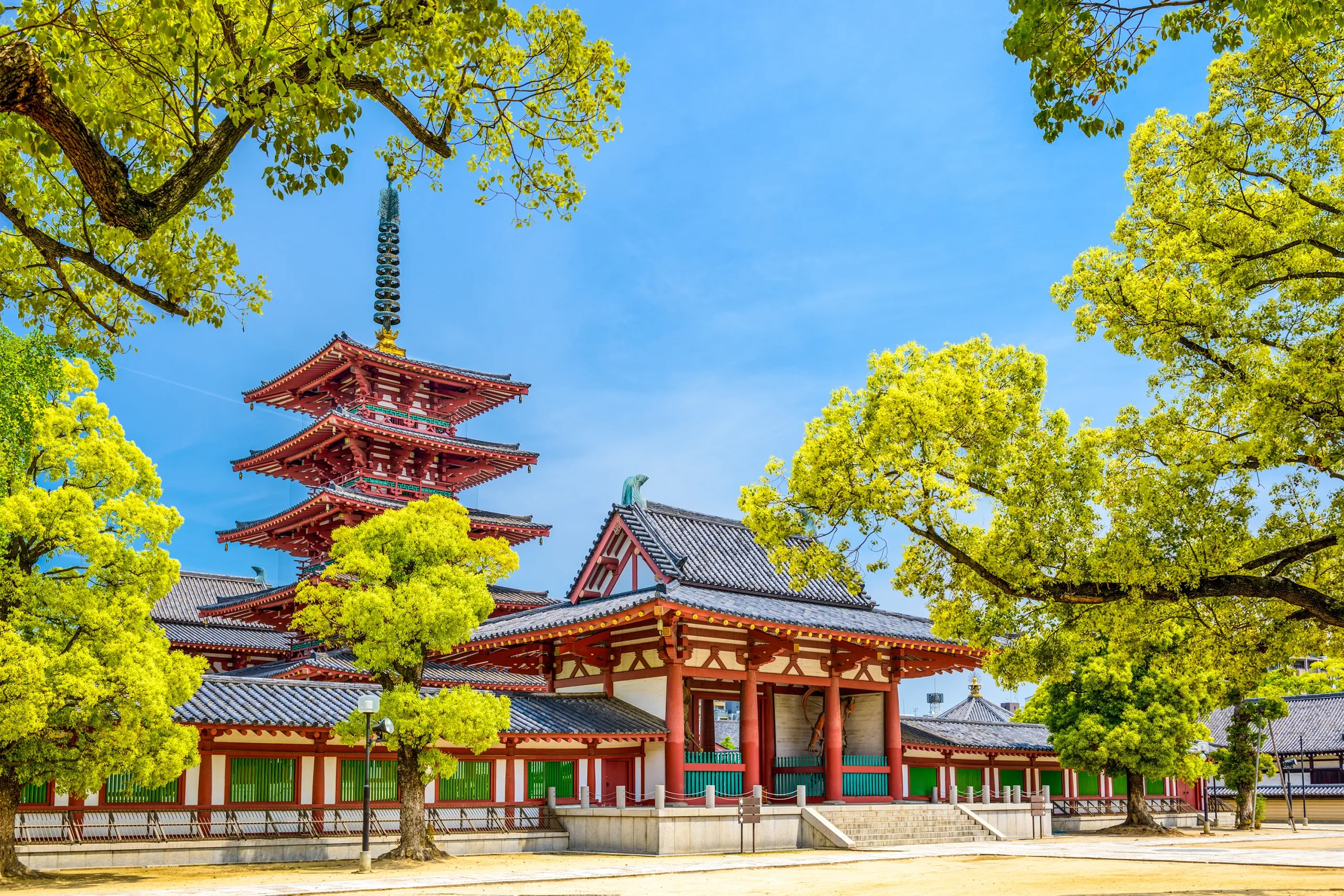
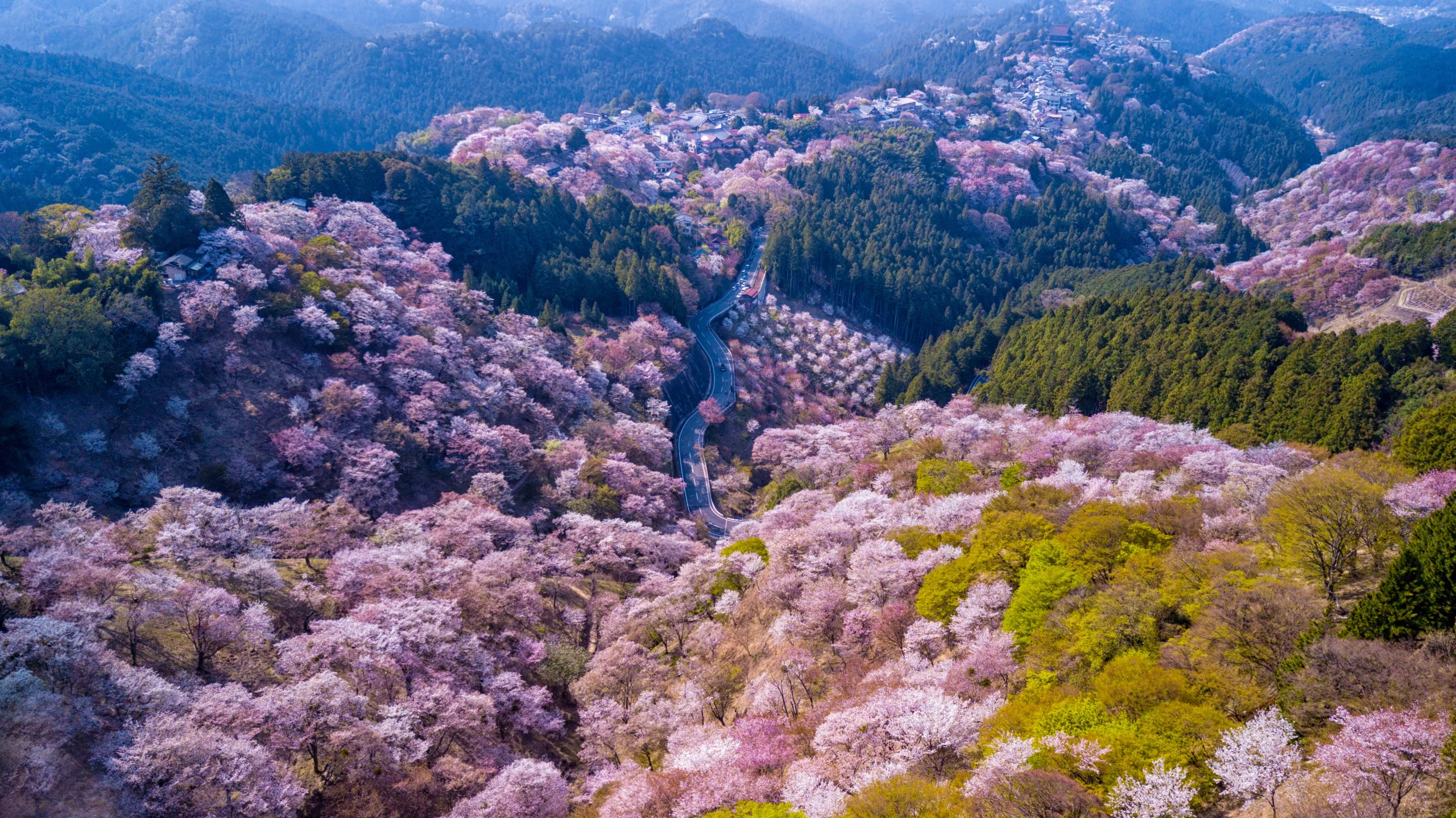
Japan’s seasons also shape the honeymoon experience. Cherry blossoms make spring especially appealing, although their exact timing varies from year to year. Autumn brings foliage to temple grounds and mountain paths, winter offers snowy landscapes and hot spring towns, and summer opens up festivals, mountains and island destinations.
The important question is not simply which season looks most romantic. It is which season fits the way you want to travel together.
Shared Experiences That Deepen Connection
Japan encourages participation rather than passive observation. Wearing kimono, taking part in a tea ceremony, or staying in a ryokan where meals and bathing become part of the experience naturally gives couples something to discover together.
Some of the memories that stay with you may be much simpler. A small sushi restaurant, karaoke after dinner, an unexpected conversation or an unplanned walk through a quieter neighborhood can matter just as much as experiences booked months in advance.
Understanding that balance between cultural experiences, everyday moments and practical comfort can help clarify whether Japan fits the kind of honeymoon you want to create.
If you are considering a honeymoon trip to Japan and want to shape it around your interests rather than a fixed route, ENJYU JAPAN can help you begin planning.
Start a Conversation with us Here.
Find Your Perfect Honeymoon Style in Japan
A successful honeymoon in Japan begins with choosing what to leave out.
The country offers an overwhelming range of places and experiences, but meaning does not come from fitting in as many as possible. Before deciding where to go, it can be more useful to ask how you want to spend your time together.
Scenic & Cultural Couples
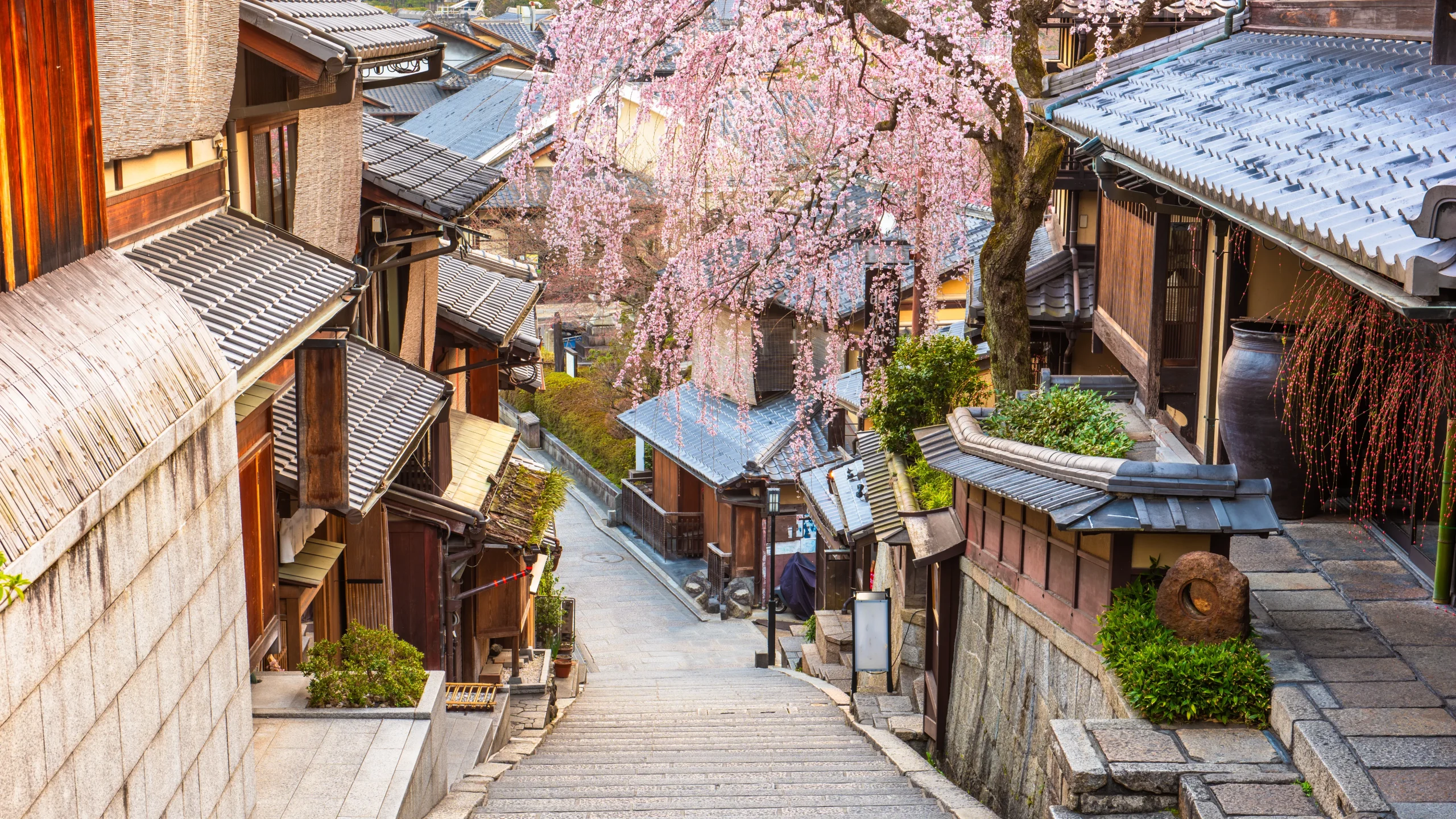
For couples who feel closest when surrounded by history and quiet beauty.
Temple grounds, shrine approaches and historic districts can encourage a slower pace. In spring, cherry blossoms soften stone paths and wooden facades; in autumn, maple leaves transform temple gardens.
Kyoto offers this atmosphere in districts such as Gion and Arashiyama, while Kanazawa’s Higashi Chaya District preserves historic teahouses associated with the city’s geisha culture. Miyajima near Hiroshima combines sacred architecture with views across the Seto Inland Sea.
Okayama and nearby Kurashiki can provide a useful change of pace for couples continuing west from Kyoto toward Hiroshima. Okayama’s Korakuen is a historic landscape garden with seasonal scenery, while Kurashiki’s Bikan Historical Quarter offers canal-side walks, traditional buildings, cafés and museums within an easily walkable area.
For one couple who spent three weeks traveling through Japan for their honeymoon, Okayama became an unexpected highlight after several busy sightseeing days in Kyoto. That does not mean every couple should add Okayama. It illustrates a useful planning point: a destination can deserve its place because it changes the rhythm of the trip, not because it has the longest list of famous attractions.
If art and architecture are something you genuinely share, Naoshima can also fit naturally into a western Japan route. The island combines contemporary museums, architecture and outdoor art with the slower atmosphere of the Seto Inland Sea. It requires more planning than Kurashiki, so checking museum closure days and ferry connections matters.
Beauty in Japan often reveals itself when enough time is allowed for it.
Active & Nature-Loving Couples
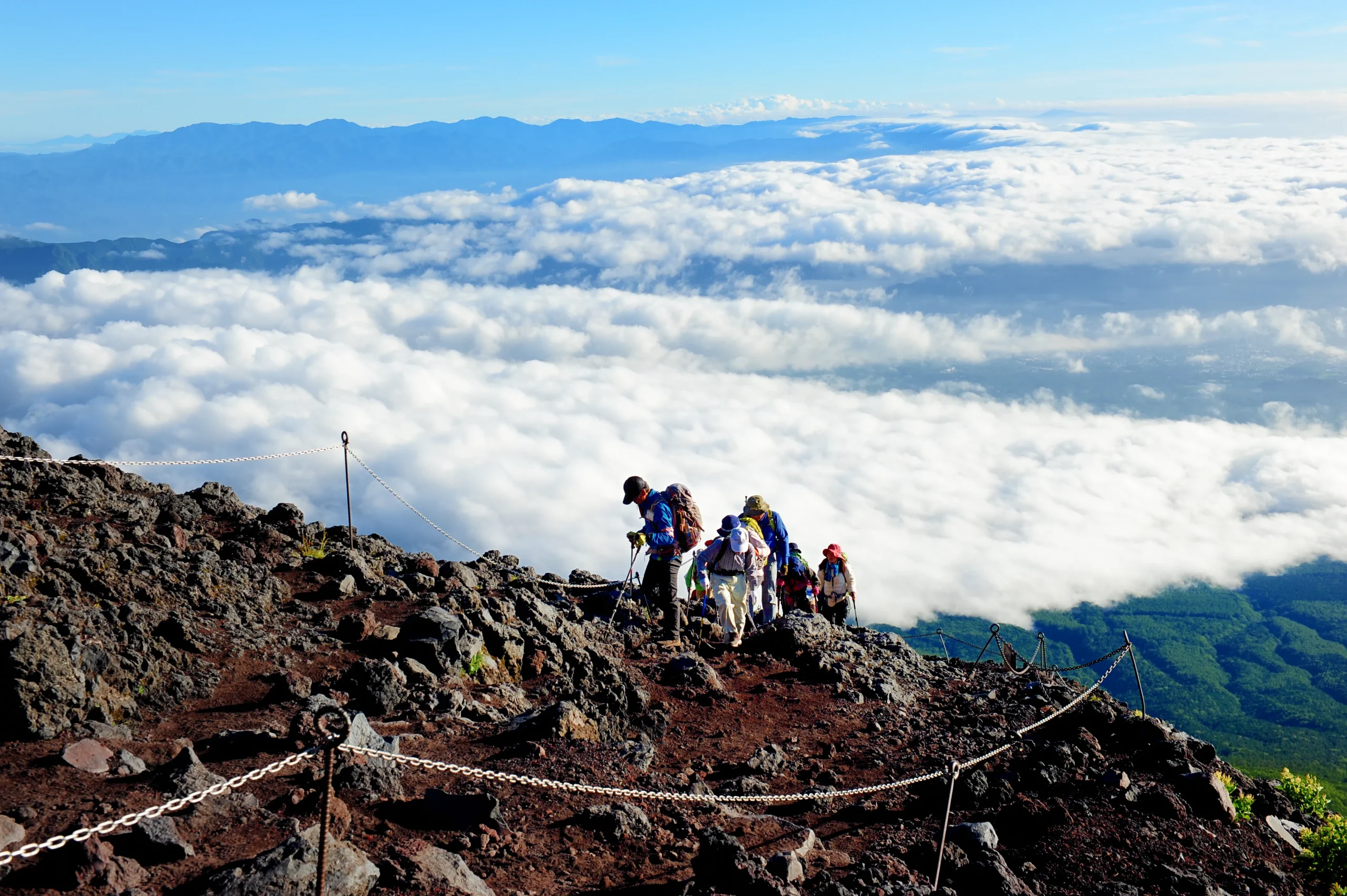
For couples who connect through shared effort and movement.
In Okinawa and its surrounding islands, snorkeling, diving and kayaking can become the focus of several days rather than an activity squeezed between city visits.
Read more: Diving in Japan
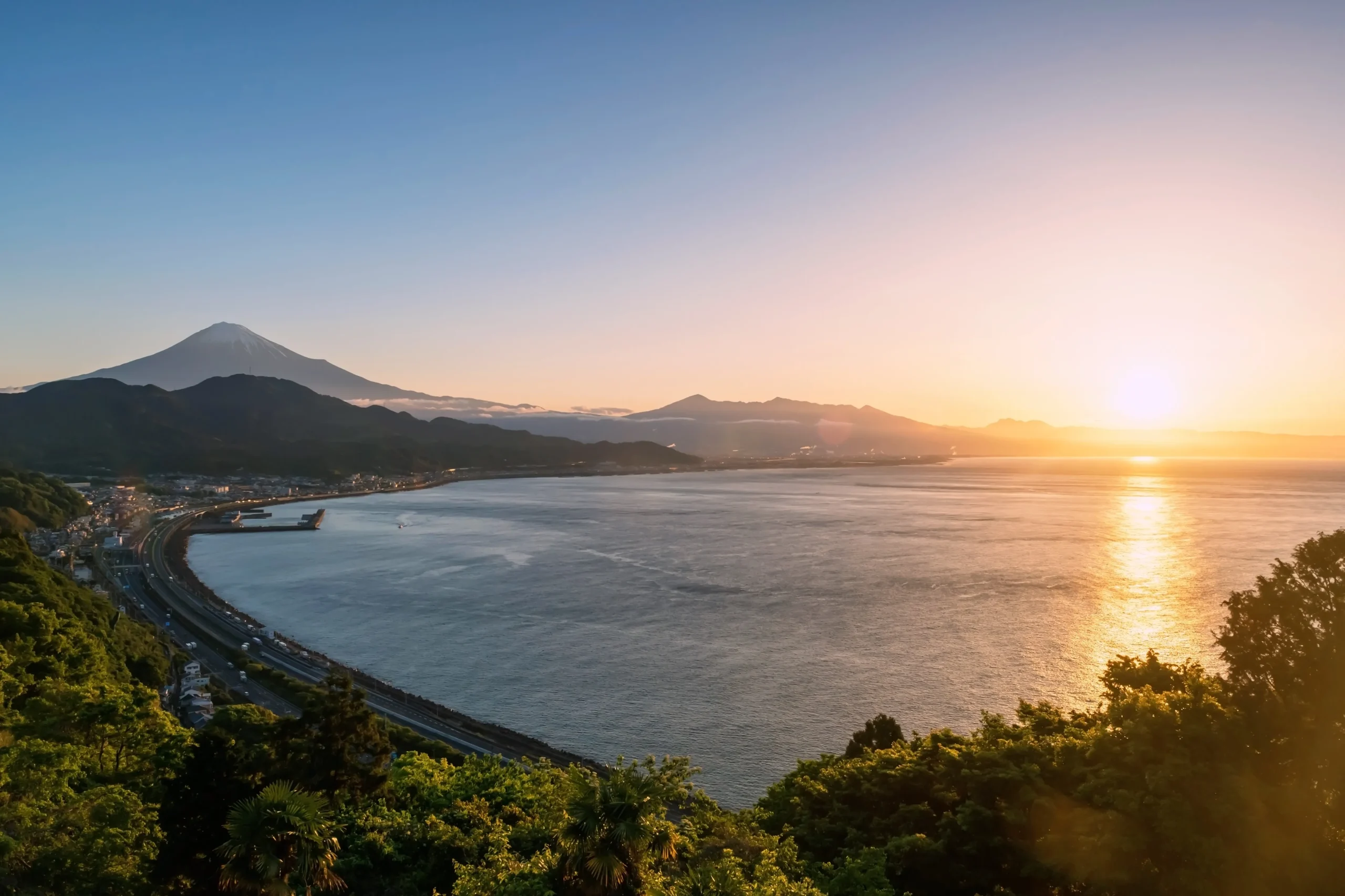
Around Mount Fuji and the Shizuoka region, hiking trails, lakes and viewpoints offer many ways to spend time outdoors without necessarily making a strenuous climb the goal.
Nature can also play a quieter role. A garden, lakeside walk, forest path or afternoon with very little planned can provide welcome recovery between busy days in Tokyo or Kyoto. These pauses are not empty time. They can be what makes the more active parts of the trip enjoyable again.
Luxury-Oriented Couples
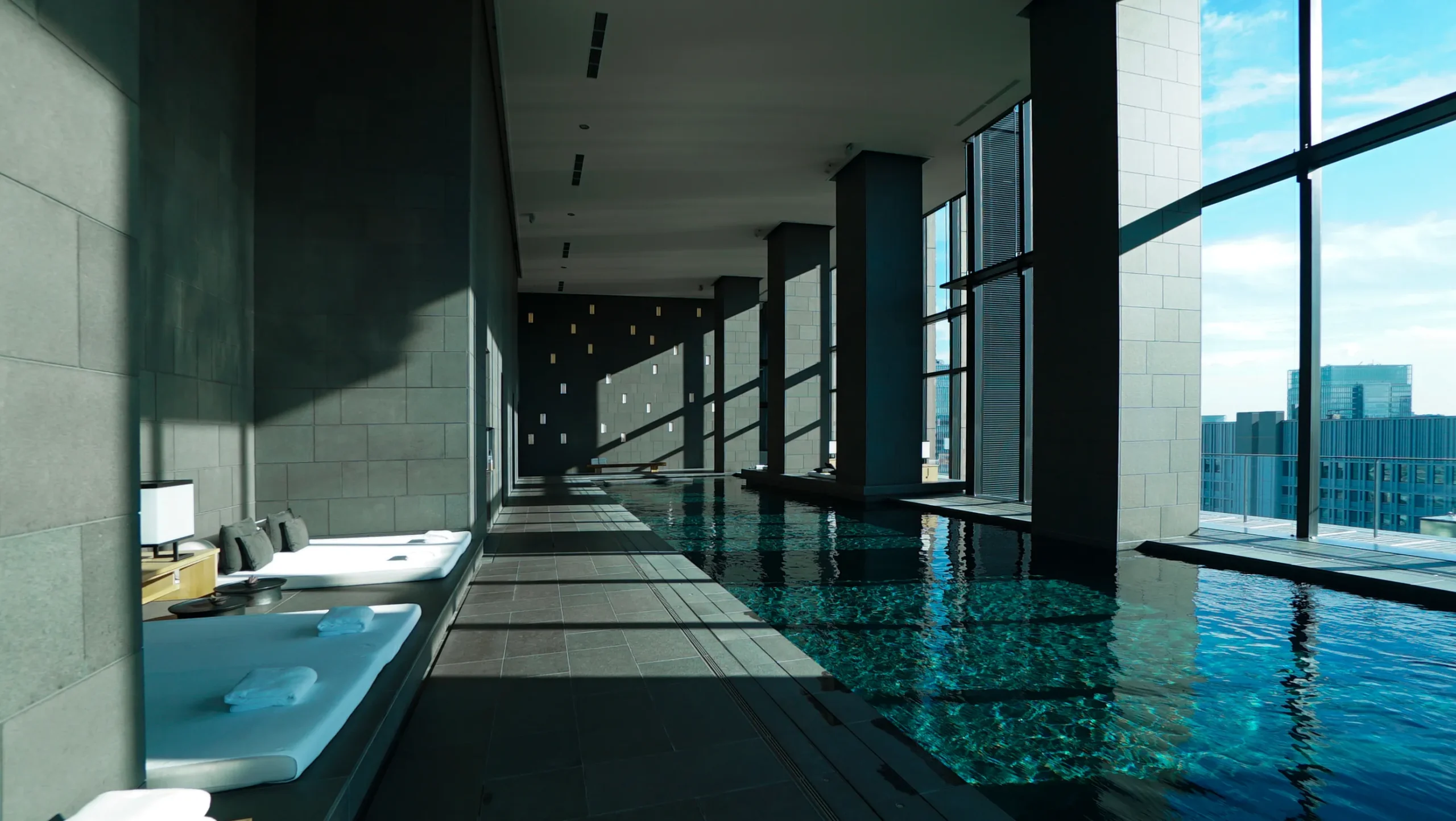
For couples who value privacy, comfort and thoughtful service, luxury in Japan can take many forms.
Many memorable stays are ryokan, where the room, bathing, meals and pace of the stay are part of the experience. Kaiseki cuisine changes with the seasons, and smaller properties can feel very different from a large international hotel.
Properties such as Zaborin in Hokkaido, Tawaraya Ryokan and Aman Kyoto show different interpretations of Japanese hospitality. The important question is not simply how expensive or exclusive a property is, but what the stay adds to the honeymoon.
Read more: Luxury Hotels in Japan
Hakone is especially useful because it can naturally break up travel between Tokyo and Kyoto. Spending a night or two at a ryokan, visiting an onsen, walking around the lake or simply leaving part of the day open can create a deliberate pause between two much busier destinations.
If privacy matters, check the bathing arrangement when choosing the property and room. A room with its own onsen and a separate bath that can be reserved for private use are different arrangements, and facilities vary between ryokan.
Read more: Private Onsen Ryokan in Hakone
Kinosaki Onsen offers another approach. Couples staying at a ryokan can change into yukata and walk through the compact hot spring town, visiting its public bathhouses before returning to their accommodation. It requires a deliberate side trip from the main Tokyo-Kyoto-Osaka route, so it makes the most sense when slowing down is the purpose of going.
Sometimes the luxury is simply having nowhere else you need to be that evening.
Couples Seeking Rare & Meaningful Experiences
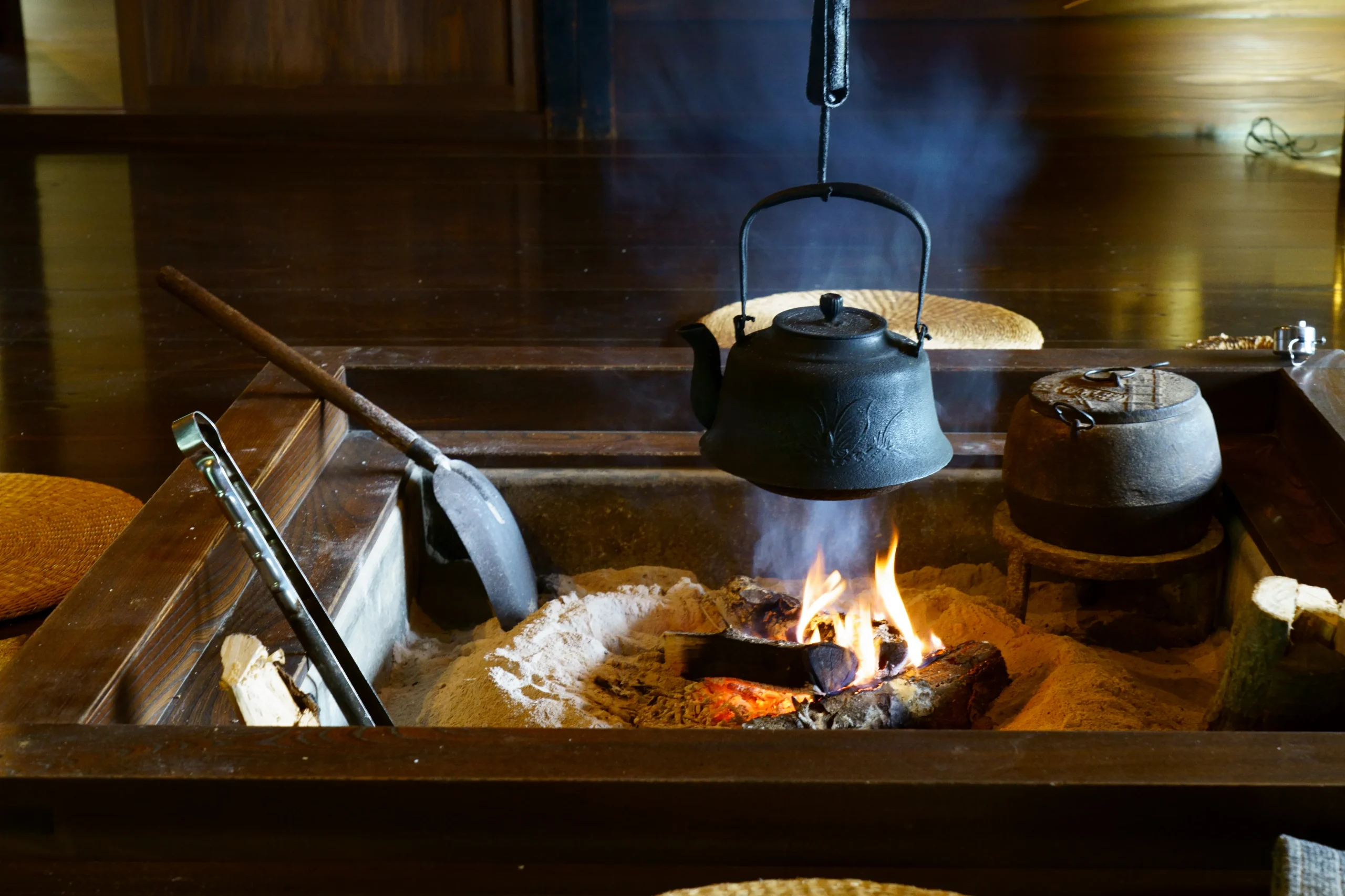
For couples who want something different from a conventional hotel stay, a traditional kominka can provide a glimpse of older forms of domestic life in Japan.
Depending on the property, a restored traditional house may include features such as an irori sunken hearth, a traditional kamado stove or an older style of bath. These details vary between accommodations, so it is better to choose a specific stay for what it actually offers rather than assume every kominka provides the same experience.
What makes this kind of stay interesting is not rarity alone. Spending an evening around a hearth, cooking, talking and staying in one place creates a different rhythm from moving through attractions all day.
The same principle applies to other unusual honeymoon experiences. If both of you genuinely care about ceramics, contemporary art, hiking, local food or karaoke, building time around that shared interest may create a stronger memory than choosing an activity simply because it is traditionally considered romantic.
Capturing the Beginning: Honeymoon Photo Experiences in Japan
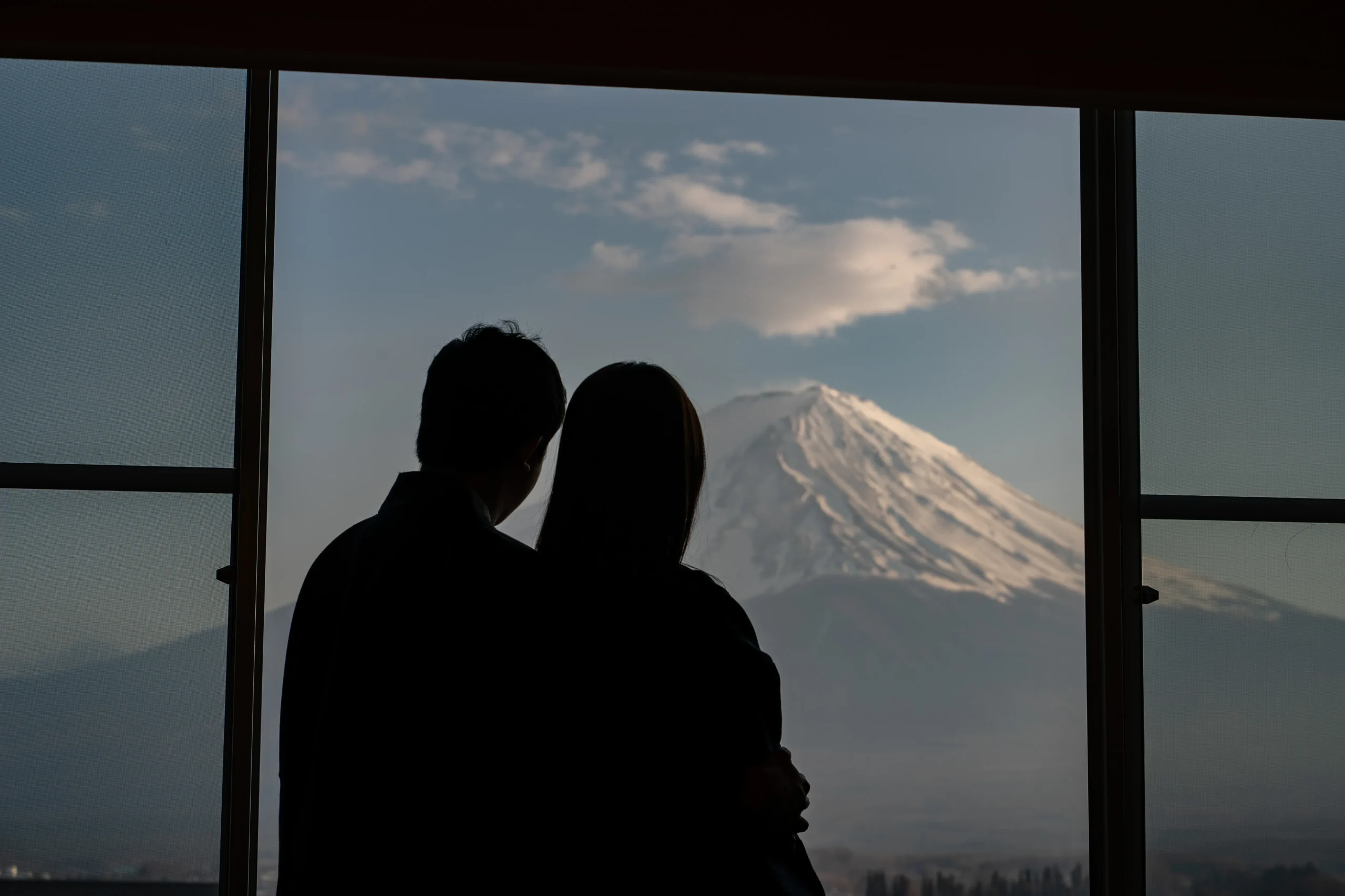
In Japan, a honeymoon photo session can become part of the journey rather than a separate event.
Instead of setting aside an entire day only for photographs, couples can combine photography with a place they already want to experience, such as a historic neighborhood, garden, shrine area or ryokan stay.
When Tradition Becomes Part of the Experience
Kimono choice depends on season, formality and occasion, and traditional conventions also distinguish certain types of kimono by marital status.
For international visitors, the practical point is simple: if you want traditional clothing to be part of a honeymoon photo session, working with people who understand kimono and the location helps the experience feel natural.
A photographer familiar with the setting can also help with timing, etiquette and locations so the couple can concentrate on enjoying the day rather than worrying about what is appropriate.
The photographs then become reminders of an experience you actually shared, not simply images created between sightseeing stops.
Your Honeymoon Is Not a Checklist
A honeymoon in Japan becomes meaningful when it is treated as a process of selection, not accumulation.
The well-known Golden Route through Tokyo, Hakone, Kyoto and Osaka offers convenience and variety, but a honeymoon can follow different priorities. Fewer destinations may leave more room for a morning in a garden, an evening in a private bath, or a meal chosen because you happened to find somewhere appealing.
A useful real-world example comes from a couple who spent three weeks honeymooning through Japan. They enjoyed their route, but repeatedly became tired from trying to see too much in major sightseeing cities. By the final part of the trip, they deliberately slowed down.
Some of their strongest memories came from gardens, local food, karaoke, nature, quieter neighborhoods and unexpected encounters. Okayama stood out partly because it offered a different rhythm after Kyoto.
That experience is not a rule for every honeymoon. Some couples genuinely enjoy moving frequently. But it is worth asking what each hotel change or extra destination actually contributes.
Every move involves packing, checking out, luggage, transport and settling in again. Japan’s luggage-forwarding services can reduce the physical burden, although luggage commonly travels separately and may arrive the following day, so a small overnight bag can still be useful.
Hotel location matters for the same reason. A spectacular hotel that adds long transfers each morning and evening may contribute less to the honeymoon than a well-located property that makes the days themselves easier.
It is also worth leaving some time genuinely open. Not every lunch needs a reservation and not every afternoon needs a named attraction. A garden after a busy morning, a café you noticed while walking or deciding together to skip something because you are tired can all become part of the honeymoon.
Designing a Honeymoon That Reflects Your Shared Values
Designing this balance is not always simple.
Japan’s transport, accommodation styles and regional differences make it easy to build an itinerary that looks excellent on paper but becomes tiring in practice. Meal times, luggage, hotel locations, reservations and seasonal conditions can all affect the rhythm of the trip.
A useful starting point is to ask what you actually enjoy doing together, how much activity feels exciting before it becomes tiring, and which experiences matter enough to plan well in advance.
Some couples seek silence and landscape. Others want cities, conversation and food. Some value refined service, while others remember informal encounters more strongly.
Japan can support all of these approaches, but the itinerary works best when the choices belong to the two people taking the trip.
Your honeymoon does not need to follow a predefined route. It should leave enough room for shared memories to develop naturally.
If you are considering a honeymoon trip to Japan but are unsure how many destinations to include, where to slow down, or how to balance both of your interests, ENJYU JAPAN can help design the journey around your pace rather than a template itinerary.