If Kyoto’s kabuki stage intrigues you but the language gives you pause, a few carefully checked details can turn uncertainty into a rather agreeable evening.
Minamiza Theatre is the principal place to see kabuki in Kyoto, but it does not present kabuki every day. Your dates, the programme and the available English support will shape your visit more than the theatre’s name alone.
You need not understand every spoken line to appreciate a performance. You do need to know what you are booking, how long it lasts and how to receive your tickets. Establish those details first, then leave some space around the performance. A well-planned theatre visit should deepen your Kyoto stay without crowding the rest of it.
Schedule and booking information was checked on 10 October 2026. The dated examples below are not permanent annual arrangements.
Start with Your Dates, Not Just the Theatre
Begin with the actual performance before reserving dinner or building a day around Gion. First establish whether your stay overlaps a suitable kabuki programme.
Find the Kabuki Programme for Your Stay
Open Minamiza’s official English programme listing, then follow the individual production page. Check the description as well as the dates: the theatre also presents other kinds of drama and entertainment. A Minamiza ticket does not automatically mean a kabuki performance.
These confirmed programmes illustrate the choices available when this guide was checked.
| Programme | Dates and starting times | Ticket prices, including tax |
|---|---|---|
| October 2026 kabuki | 3–25 October; daytime 11:30, evening 16:00 | 5,000–16,000 yen |
| December 2026 kaomise, the year-end kabuki programme | 1–24 December; daytime 10:30, evening 16:00 | 6,000–28,000 yen |
December’s general ticket sale starts on 9 November 2026 at 10:00 Japan Standard Time. These are specific 2026 arrangements; do not apply them to a later year.
If a future month has no listing, treat it as information you have not yet established—not proof that no performance will take place. Return to the official calendar as your trip approaches.
Check the Session, Closures and Finish Time
Daytime and evening performances require separate tickets and may contain different works. Compare both the repertoire and the timetable before choosing your session.
For October 2026, the published daytime programme runs from 11:30 to 14:45, and the evening programme from 16:00 to 19:25. These totals include intervals, making them more useful for planning than the starting time alone.
December has no performances on 9 or 17 December. The Japanese announcement also identifies private bookings: daytime sessions on 12, 19 and 20 December, and the evening session on 18 December. These are not ordinary public sessions that have simply sold out. Choose another date or session for a public booking.
Leave dinner and onward travel flexible until you have the detailed finishing time for your performance. A modest buffer is more comfortable than a reservation timed to the final minute.
Choose a Programme That Fits Your Time and Interests
The right first visit depends on what attracts your attention and how much time you want to spend in the theatre. Experience labels alone do not tell you either.
Compare Stories, Dance and On-Stage Explanations
A kabuki session may contain several plays and dances rather than one continuous story. Read the official English descriptions and consider whether you prefer dramatic relationships, movement and music, or an insight into stagecraft.
Minamiza’s October 2026 evening programme offered an unusual example: audiences could watch Ichikawa Danjūrō apply his make-up and put on his costume and wig on stage. It revealed preparation normally encountered only through its finished result.
That production has ended, but it shows why programme details are worth reading. Look for any explanations or demonstrations in your chosen production. Check the full running time rather than assuming an introductory title means a short visit.
If several hours feels demanding after a busy travel day, reduce the sightseeing beforehand. An ambitious morning need not precede an equally ambitious evening.
Beginner Programmes Are Special Dates, Not Daily Options
Introductory programmes can offer a useful entry point when their dates suit your trip. They are scheduled events, however, rather than experiences available throughout the year.
Minamiza’s May 2026 beginner programme lasted approximately 100 minutes, including an explanation, an interval and a dance. It also offered a simplified English audio guide with brief descriptions and synopses.
That event has ended. Check future announcements rather than assuming the same programme will return. If no introductory production overlaps your stay, compare the regular programmes instead.
Understand the English Support Before You Book
English booking and English assistance during a performance are separate services. Establish what your production offers before deciding whether it suits you.
Check What the Guide Actually Provides
An English flyer and a simplified audio guide provide different kinds of help. Do not assume that either translates every spoken line, or that the same support is available for every Minamiza production.
For October 2026, the official sales page offers a ticket with a simplified English audio guide for an additional 1,500 yen. Devices are limited, and a free English flyer is also listed. The production page identifies the audio format as text-to-speech, meaning electronically generated speech.
Other programmes differ. March 2026 offered a free English flyer without a supporting guide. December lists an English rental guide, but its precise format and rental conditions should be checked for your selected session.
If listening support is essential to your enjoyment, settle that question before payment. Do not assume that captioning services available in Tokyo are also available in Kyoto.
Read the Synopsis, Then Follow the Stage
A short synopsis helps you connect what you see with the story. Identify the main characters, their relationships and the central conflict before arriving. The official English production pages provide a starting point.
During the performance, notice how entrances and movements change the scene. The hanamichi is a stage passage running through the audience, bringing parts of the action into the auditorium. Its position also helps explain why seat location matters.
You may miss dialogue without losing every point of connection. Use the synopsis as a framework, then give the actors’ movements and interactions your attention.
Book Tickets, Choose Seats and Confirm Collection
Once a programme suits you, make the practical decisions in order: session, seats, English support, payment and collection. The final step deserves as much care as the first.
Follow the Official Booking Route
Use the production’s booking link to reach Shochiku Multilingual Online Ticket. Before paying, confirm:
- The venue is Minamiza in Kyoto.
- The date and starting time match your plans.
- The seats and any guide option are correct.
- Each member of your party has the required ticket.
- You understand the collection instructions.
The service requires a card compatible with 3D Secure 2 authentication. Keep access to your bank’s verification method while travelling, and review the purchase carefully. The current service states that tickets cannot be cancelled after purchase.
For October 2026, tickets use Will Call, meaning collection at the theatre before the performance. Present your order-confirmation email, printed or on your smartphone, to receive your tickets. The listed collection hours are 10:00–17:30.
These are the checked production’s conditions, not a permanent rule for future programmes. Save the confirmation somewhere you can open without mobile reception, and follow its delivery instructions rather than assuming the email permits direct entry.
Choose Seats for View, Space and Budget
Consult Minamiza’s official seating information alongside the production’s prices. Seat grades do not correspond neatly to one floor, and arrangements can differ between programmes.
For October 2026, first-class seats cover the first and second floors, while second- and third-class seats are on the third floor. Special seats are not sold through the multilingual online route. Use the relevant chart rather than treating the grade as a universal description.
Consider what matters most: seeing expressions, following the wider stage, sitting together, allowing more space or limiting the cost. The October sales information notes that third-floor seating space is smaller and recommends the first or second floor for visitors wanting more room.
For wheelchair seating or assistance, discuss your requirements before purchasing ordinary seats. Shochiku lists wheelchair viewing spaces, lifts and accessible toilets at Minamiza, but your seat and practical route must still suit your needs.
Check Single-Act Offers and Online Availability
Do not plan on a permanent, everyday single-act ticket at Minamiza. Special offers have existed: March 2025’s “Try Kabuki Ticket” allowed overseas visitors to choose an individual act. Look for a current announcement attached to your production rather than relying on that past example.
Online availability also needs interpretation. The multilingual website sells its allocated inventory and closes sales two days before Minamiza performances, when “Sold Out” appears. Other seats may still be available through Shochiku.
To ask about remaining tickets in English, call +81 3 6745 0888 between 10:00 and 17:00 Japan Standard Time. Telephone bookings are available until the day before the performance. For same-day tickets, visit the theatre box office; purchase is possible only if seats remain.
| What you need | Where to go or call | When |
|---|---|---|
| Check remaining tickets in English | Call +81 3 6745 0888 | 10:00–17:00 JST |
| Book by telephone | Call the same number | No later than the day before the performance |
| Buy tickets on the performance day | Visit the theatre box office | Subject to remaining seats; same-day telephone booking is unavailable |
If your journey includes Tokyo, ENJYU JAPAN’s Tokyo kabuki guide explains the separate options there.
Discover Why Minamiza Belongs to Kyoto
The practical arrangements make your visit possible; the theatre’s setting gives it local meaning. Its history connects the performance with the city outside.
Kabuki and the Theatre District by the River
Kabuki traces its beginnings to Izumo no Okuni’s dances in Kyoto in 1603. Theatre activity developed around Shijō and the Kamo River, and Minamiza traces its origins to the early seventeenth century. It belonged to the group of seven officially permitted theatres in early Edo-period Kyoto.
Kabuki’s beginnings, the theatre district and today’s building belong to different stages of the city’s history. This distinction makes the location more interesting without turning its past into a single founding story.
For a broader comparison of the arts, Noh and Kabuki provides further context. Here, the particular connection is between a working stage and the city where kabuki began.
A Historic Building with a Living Stage
The present theatre dates from 1929. It became a registered tangible cultural property in 1996 and reopened in 2018 after earthquake-resistance work. Its value includes both the historic building and its continuing use.
December’s kaomise, literally “face-showing”, adds a seasonal connection. The year-end production brings together actors from eastern and western Japan and is presented as one of Kyoto’s annual occasions.
The building supplies the historical setting; the performers supply the reason to sit down and give it your time.
Plan an Unhurried Theatre Day
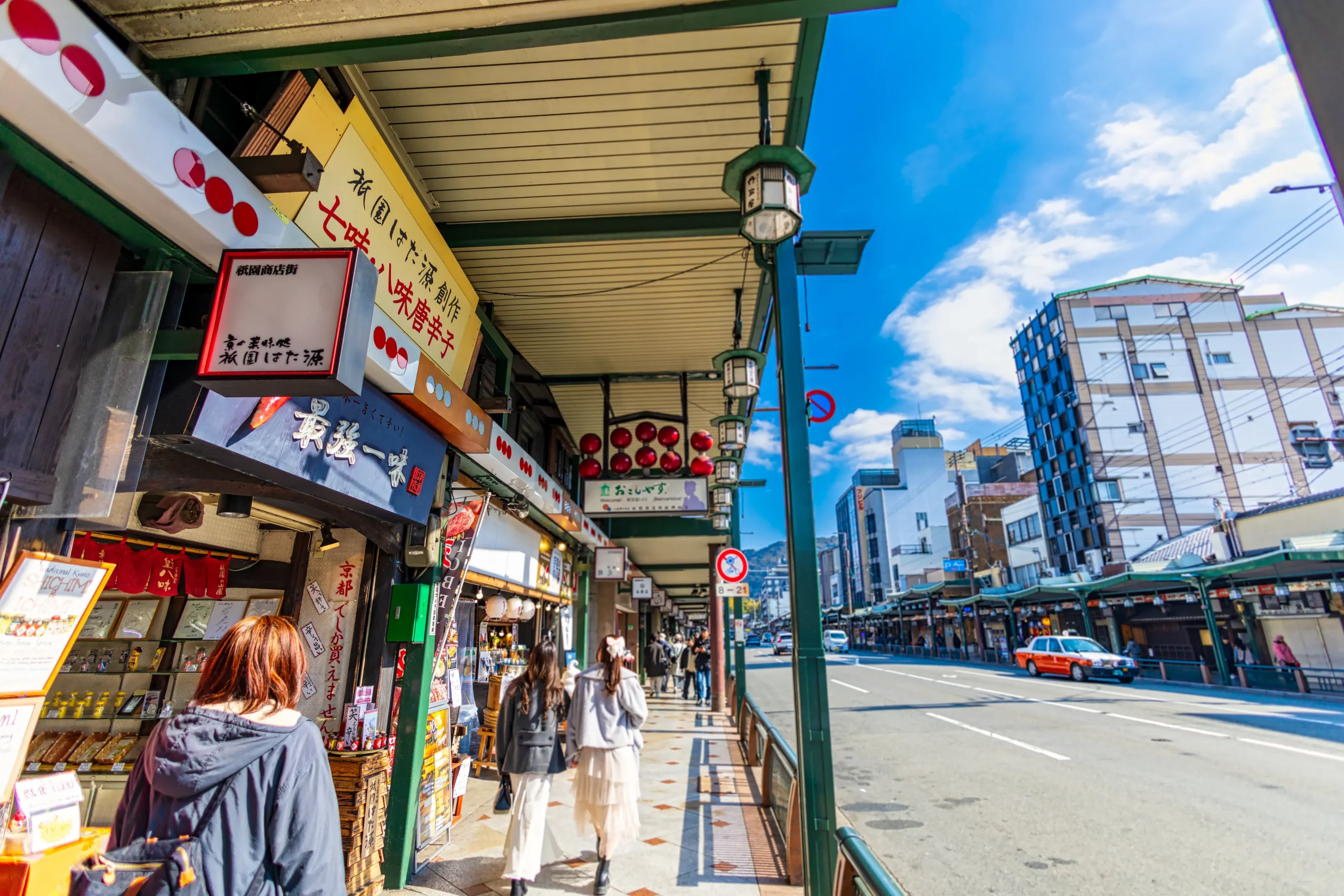
A comfortable visit depends on the hours around the performance as well as the time in your seat. Keep the journey manageable and leave room to settle in.
Arrive with Time to Collect Tickets
Minamiza’s official directions give approximately one minute’s walk from Exit 6 of Keihan’s Gion-Shijō Station, and three minutes from Exit 1 of Hankyu’s Kyoto-Kawaramachi Station. These estimates begin at the exits, not at the train platforms.
For a step-free journey, consult the official Gion-Shijō station map rather than assuming the shortest exit meets your requirements. Confirm the route against your mobility needs.
As a planning allowance, aim to arrive 30–45 minutes before the performance. This leaves time for collection and finding your seat; it is not a statement of official opening time. Keep your confirmation readily available, and leave large luggage at your accommodation where possible.
Leave Space for Food, Rest and the Return Journey
For October’s evening session, a manageable sequence is a relaxed afternoon, arrival around 15:15–15:30, the 16:00 performance and dinner after the scheduled 19:25 finish. Allow time to leave the theatre, then check your restaurant’s last-order time before booking.
Minamiza permits eating at your seat during intervals. Use the actual break lengths, and arrange suitable food beforehand if you have dietary requirements. Do not assume every interval accommodates a full meal.
During the performance, avoid eating and drinking, photography and recording. Switch off personal electronic devices, follow instructions for rental guides and sit back rather than leaning forward into another spectator’s view.
If travelling with children, check admission requirements and consider the programme’s length and subject matter. If a child becomes distressed or disrupts others, take a break in the lobby. Preparation should support the whole party’s enjoyment.
Afterwards, choose a return journey that suits your energy. You need not add a late walk merely because the theatre is in Gion.
Keep a Second and Third Plan
A changed plan can still offer a worthwhile cultural visit. First decide whether your priority is kabuki itself or another encounter with Kyoto’s arts.
| Situation | Plan B | Plan C |
|---|---|---|
| Preferred ticket unavailable online | Compare another session, date or seat | Ask Shochiku about remaining availability |
| Weather or fatigue affects sightseeing | Keep the performance and shorten outdoor activity | Travel directly from your accommodation, if safe |
| No suitable kabuki during your stay | Consider another performing art | Explore Kyoto’s craft traditions |
Gion Corner presents several traditional arts in approximately 50 minutes, not kabuki. Standard adult admission is 5,500 yen; premium seats with an explanatory tablet cost 6,600 yen.
Regular shows start at 18:00 and 19:00. From 1 December to 11 March, performances run Tuesday to Friday, excluding public holidays. The venue also lists closures on 16 July, 16 August and 26 December–4 January. Check the booking calendar before arranging your visit.
IMAGINE NOH offers noh and kyōgen with English introductions and discussion. Noh combines movement, chant and music; kyōgen is a comic theatre tradition.
Its advertised 2026 dates remaining after this guide’s check are 14, 22 and 28 October, and 5 November. Sessions at Kyoto Kanze Noh Theatre run 17:30–19:00, with adult tickets at 23,000 yen. It is a limited-date event, not a daily fallback.
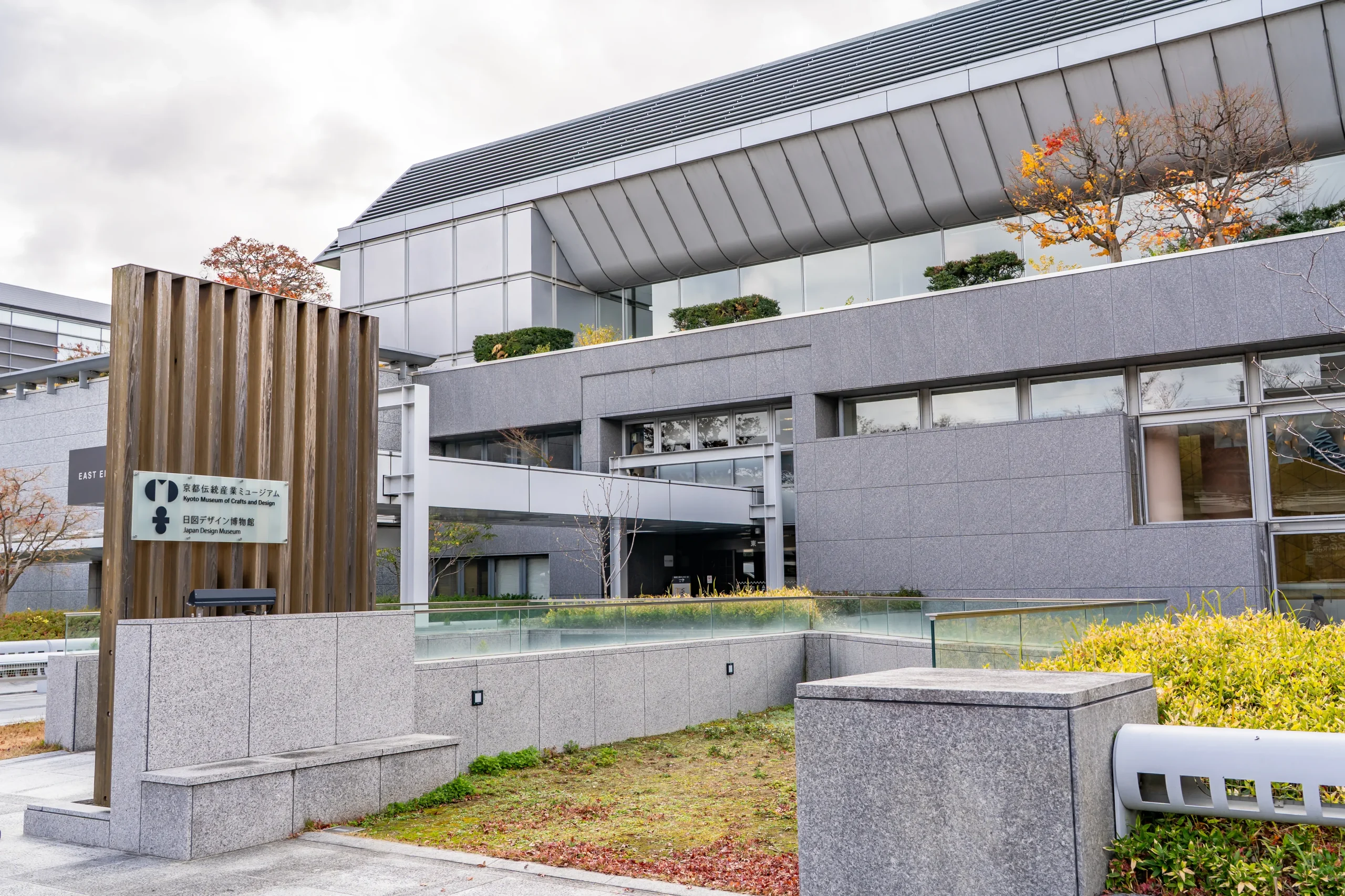
Kyoto Museum of Crafts and Design offers a different focus on local craftsmanship. It is in Miyakomesse’s basement in Okazaki, not beside Minamiza. Listed hours are 10:00–18:00, last admission 17:30, and adult admission 500 yen. Check the closure calendar before travelling.
In severe weather, reconsider the journey itself. An indoor venue is not necessarily reachable, and transport disruption does not automatically establish a refund entitlement.
Quick Answers Before You Book
These answers bring together the key decisions before you choose a performance.
Can I Enjoy Kabuki Without Speaking Japanese?
Yes, but choose support that meets your expectations. Read the English synopsis and check your production’s flyer or rental guide. Do not expect a complete translation.
Can I See Just One Act at Minamiza?
Only when a specific offer is announced. Special single-act tickets have existed, but do not assume Tokyo’s regular arrangements apply to Minamiza.
Should I Choose the Daytime or Evening Programme?
Compare the repertoire, English support and total duration. Choose the session that leaves enough time for food, travel and rest—not simply the earliest available ticket.
Kyoto Has a Seat Waiting for You
A well-chosen Minamiza performance can give your Kyoto visit a clear focus: a particular programme, a suitable seat and time to notice how the stage works.
Confirm the session, guide and collection details, then leave some space around the performance. If fitting cultural visits into the wider journey needs more thought, ENJYU JAPAN’s tailor-made travel enquiry offers a place to discuss your dates, interests and preferred pace.
Choose your kabuki performance with care, then settle into your seat and let the stage surprise you.
References
- Shochiku / KABUKI WEB – Minamiza Theatre: Current Programmes and Performance Dates
- Shochiku Multilingual Online Ticket – Official Booking: Seat Categories, English Guide Options and Ticket Collection
- Shochiku / KABUKI WEB – How to Buy Tickets: Online Sales, English Telephone Reservations and Box Office Purchases
- Shochiku / Kabuki-bito – Minamiza December Kaomise 2026: Dates, Prices, Ticket Release and Private Bookings
- Shochiku / KABUKI WEB – Minamiza Theatre Information: Access, Seating Plans and Theatre Facilities
- Shochiku / KABUKI WEB – History of the Minamiza Theatre: Kabuki’s Kyoto Origins and the Present Building
- Shochiku – Theatre Accessibility Information: Wheelchair Spaces, Lifts and Accessible Toilets
- Shochiku / KABUKI WEB – Rules and Etiquettes: Photography, Electronic Devices and Audience Considerations
- Gion Corner – Official English Guide: Performances, Admission Prices and Seasonal Opening Arrangements
- IMAGINE NOH – Kyoto Performances: English Introductions, Dates and Booking
- Kyoto Museum of Crafts and Design – Plan Your Visit: Access, Opening Hours and Admission