If you want more from a Japan trip than sightseeing, choose one or two experiences that let you make, learn, practice or observe something in its cultural setting.
You could make soba noodles, repair pottery using kintsugi techniques, sit zazen at a Buddhist temple or learn the basics of a Japanese martial art. Some experiences are easy to add to a stay in a major city, while others make much more sense in the place they come from, such as yumomi in Kusatsu Onsen.
This guide compares 15 experiences so you can decide which ones fit your interests, route and travel style.
Which Japanese Cultural Experience Is Right for You?
| If you are interested in… | Good options | Planning note |
|---|---|---|
| Japanese food | Soba, wagashi | Easy to combine with a wider itinerary |
| Hands-on crafts | Pottery, kintsugi, knife making | The location and workshop format can matter |
| Something playful | Food replica making | Particularly good for families and creative travelers |
| Quiet cultural experiences | Tea ceremony, zazen | Choose between a short introduction and a deeper experience |
| Regional traditions | Yumomi | Best experienced where the tradition belongs |
| Shrines and temples | Goshuin, miko experience | Miko programs require more planning |
| Martial arts | Kendo, kyudo | Look for programs designed for beginners |
| Traditional performance and sport | Maiko/geiko, sumo | Decide whether you want to watch, learn or participate |
You do not need to fit all 15 into one trip. A few experiences chosen well are usually more rewarding than filling your itinerary with activities simply because they sound unusual.
Unique Food Experiences in Japan
1. Make Soba Noodles
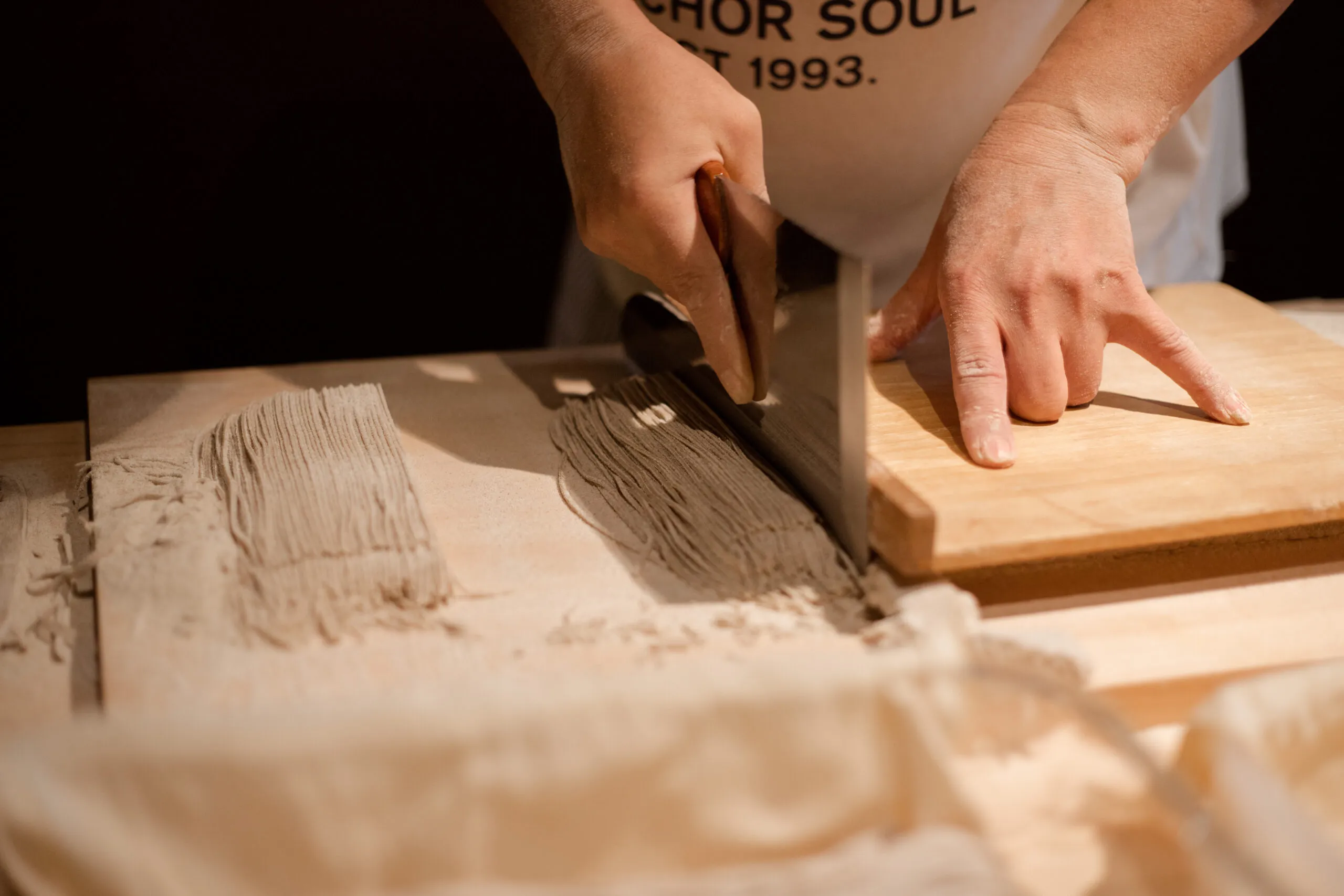
A soba-making workshop turns a familiar Japanese meal into a hands-on experience.
Participants typically work buckwheat flour into dough, roll it thin and cut it into noodles before cooking or eating what they have made. It is accessible even if you have little cooking experience, making it a good choice for families and travelers who want an easy introduction to Japanese food culture.
Soba is made throughout Japan, but areas known for buckwheat cultivation, including Nagano, add useful regional context to the experience.
2. Shape Seasonal Wagashi
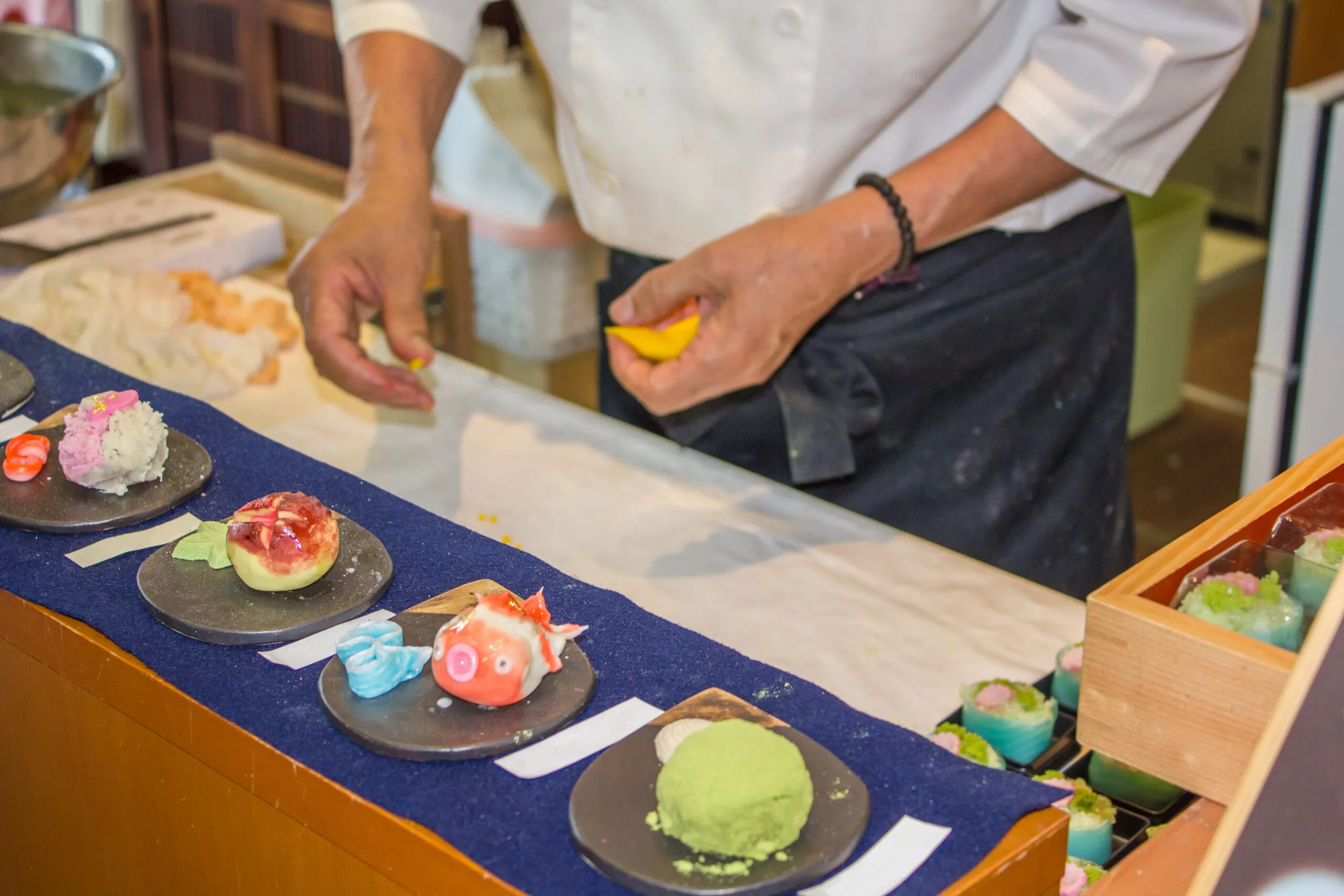
Traditional Japanese sweets, or wagashi, combine food with craft and seasonal design.
In a workshop, you may shape sweets such as nerikiri into flowers, leaves or other motifs before enjoying them with tea. Their colors and forms often reflect the season, while their close relationship with tea culture gives the activity more meaning than simply making a dessert.
Wagashi works particularly well for travelers interested in Japanese food, design or tea traditions.
3. Make a Japanese Food Replica
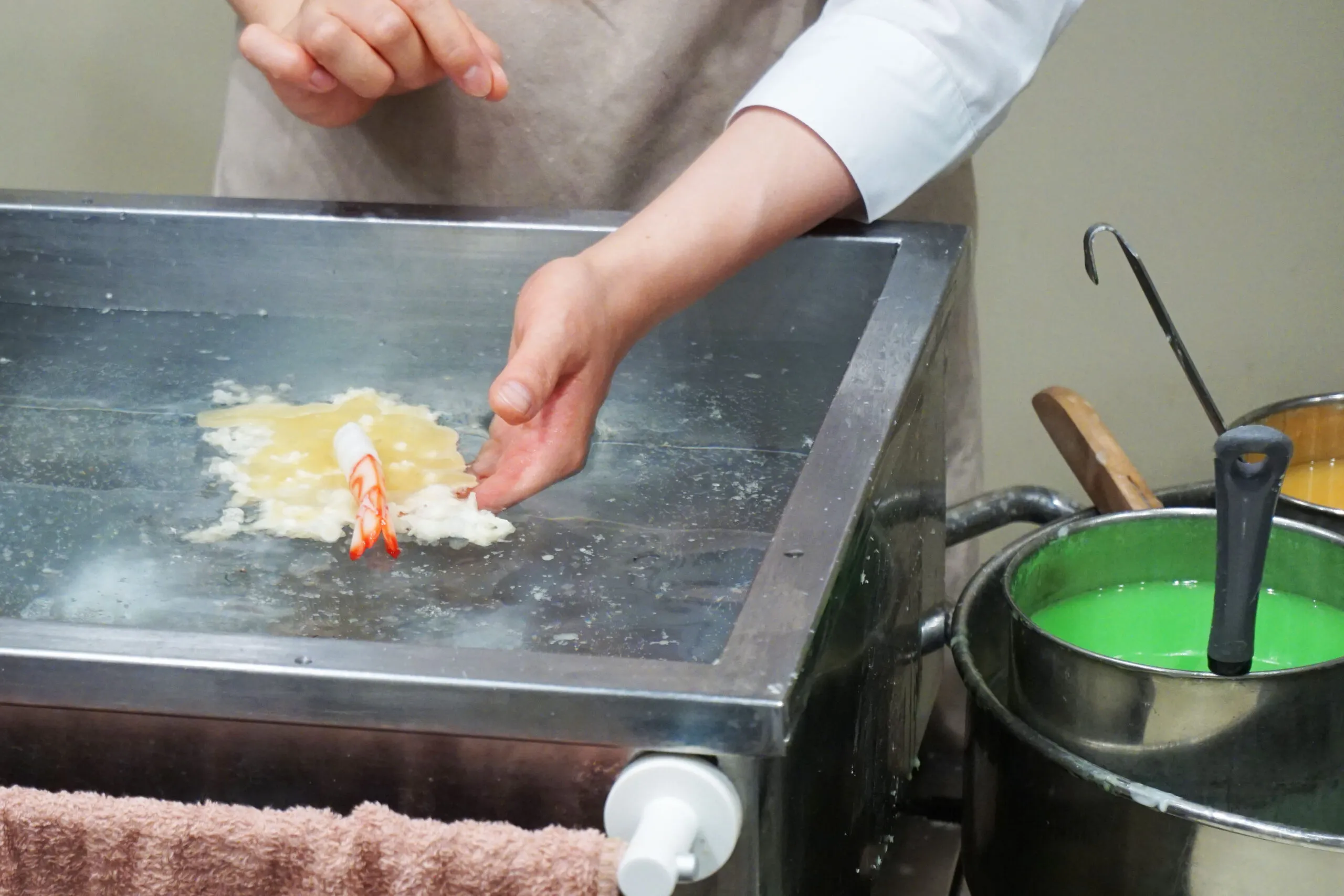
The realistic plastic dishes displayed outside Japanese restaurants have developed into a distinctive craft of their own.
Gujo Hachiman in Gifu is an important center of the food-replica industry, although visitor-friendly workshops can also be found elsewhere. Depending on the class, you might make replica sushi, tempura, desserts or other miniature dishes.
This is one of the lighter and more playful experiences on the list. It is especially well suited to families, creative travelers and anyone interested in an unusual side of Japanese craftsmanship.
Hands-On Japanese Craft Experiences
4. Discover Japan’s Knife-Making Traditions
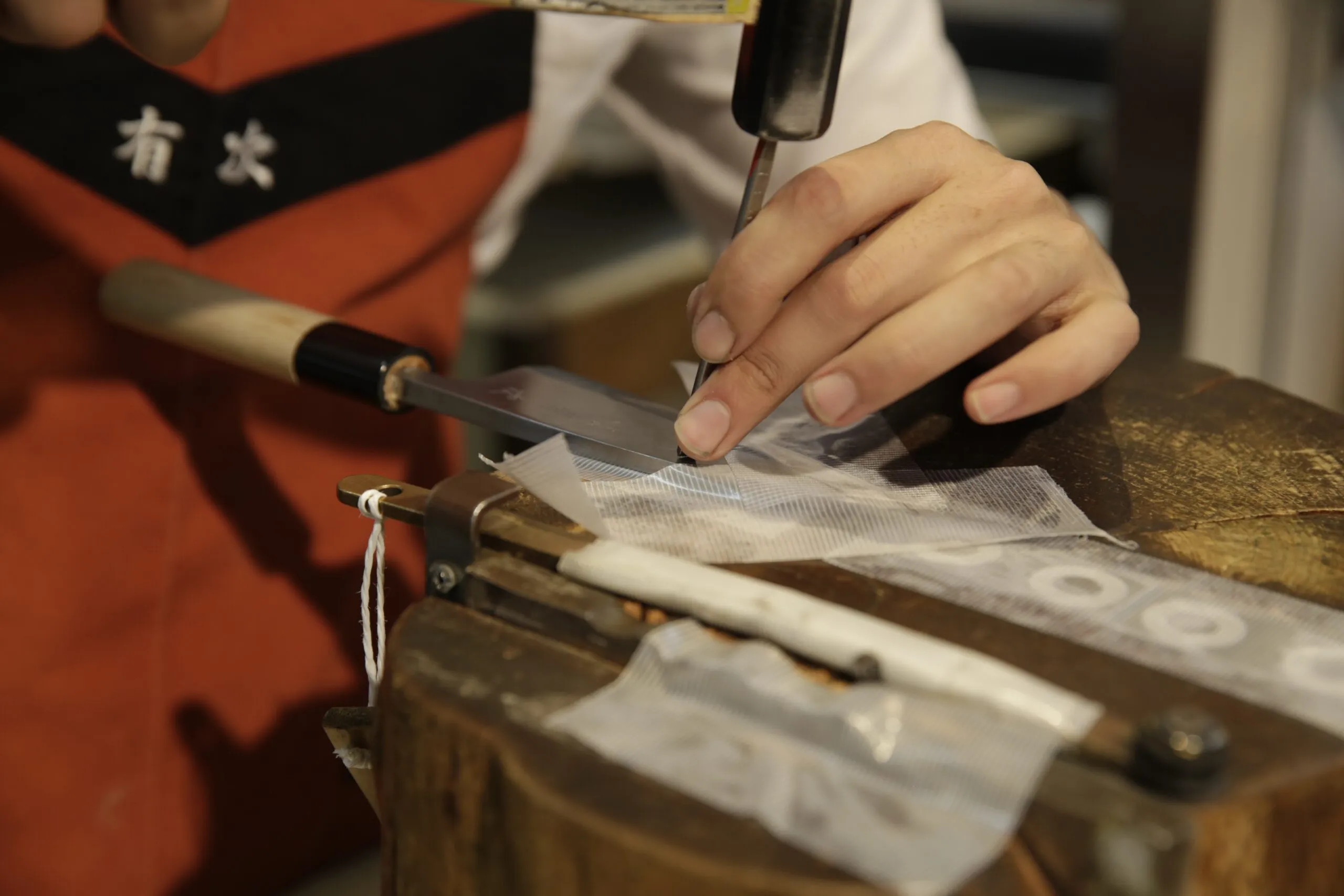
Japan’s kitchen-knife traditions are closely connected to historic blade-making centers such as Sakai, Seki and Echizen.
Visitor experiences vary considerably. Some focus on watching craftspeople work, while others include sharpening, finishing or selected production stages. A workshop described as “knife making” does not necessarily mean forging an entire knife from raw steel.
If knife craftsmanship is an important part of your trip, check exactly what the workshop includes and consider whether visiting one of Japan’s established blade-making regions fits your route.
Read more: Japanese Knife-Making Culture
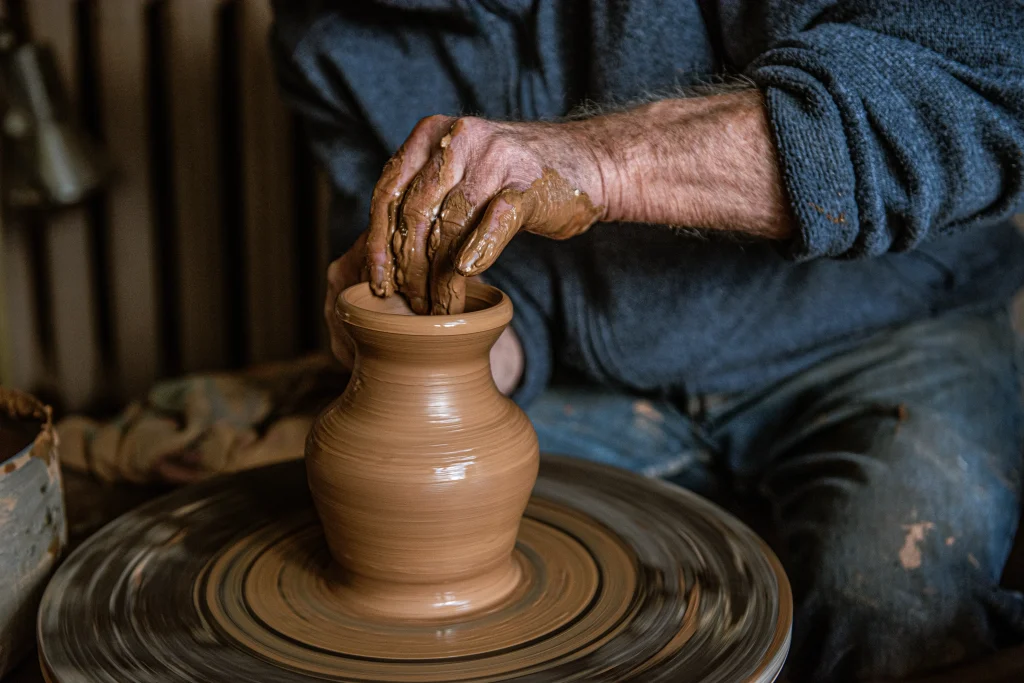
5. Try Pottery in a Japanese Ceramic Region
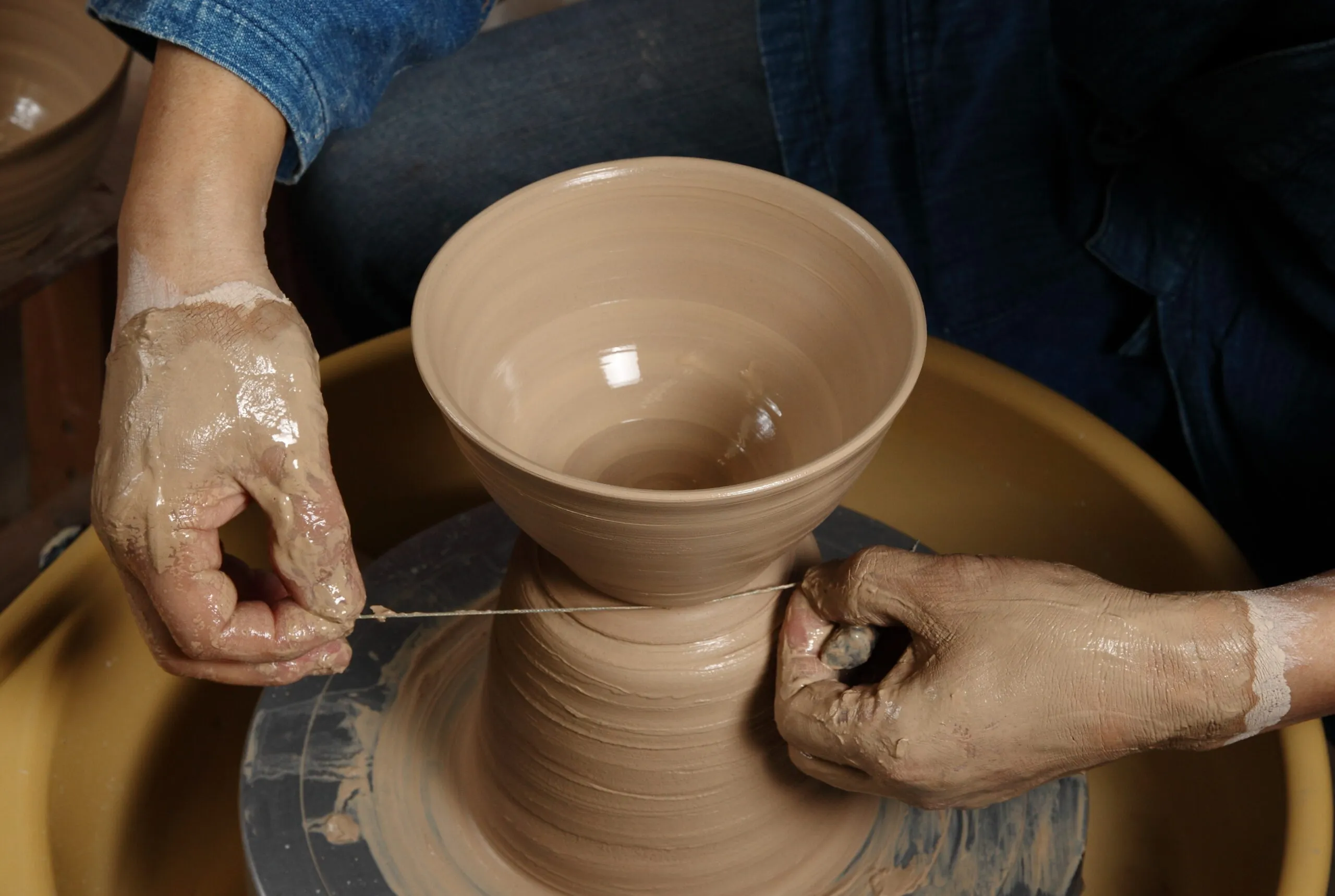
Japanese pottery is not one single tradition.
Bizen, Hagi, Mashiko, Seto, Tokoname and other ceramic areas developed their own materials, firing techniques and visual styles. A beginner workshop may involve hand-building clay or working on a pottery wheel with guidance from an experienced maker.
For casual travelers, almost any good workshop can be enjoyable. For someone particularly interested in craft, however, doing pottery in a region connected to a specific ceramic tradition adds another layer to the experience.
6. Learn About Kintsugi
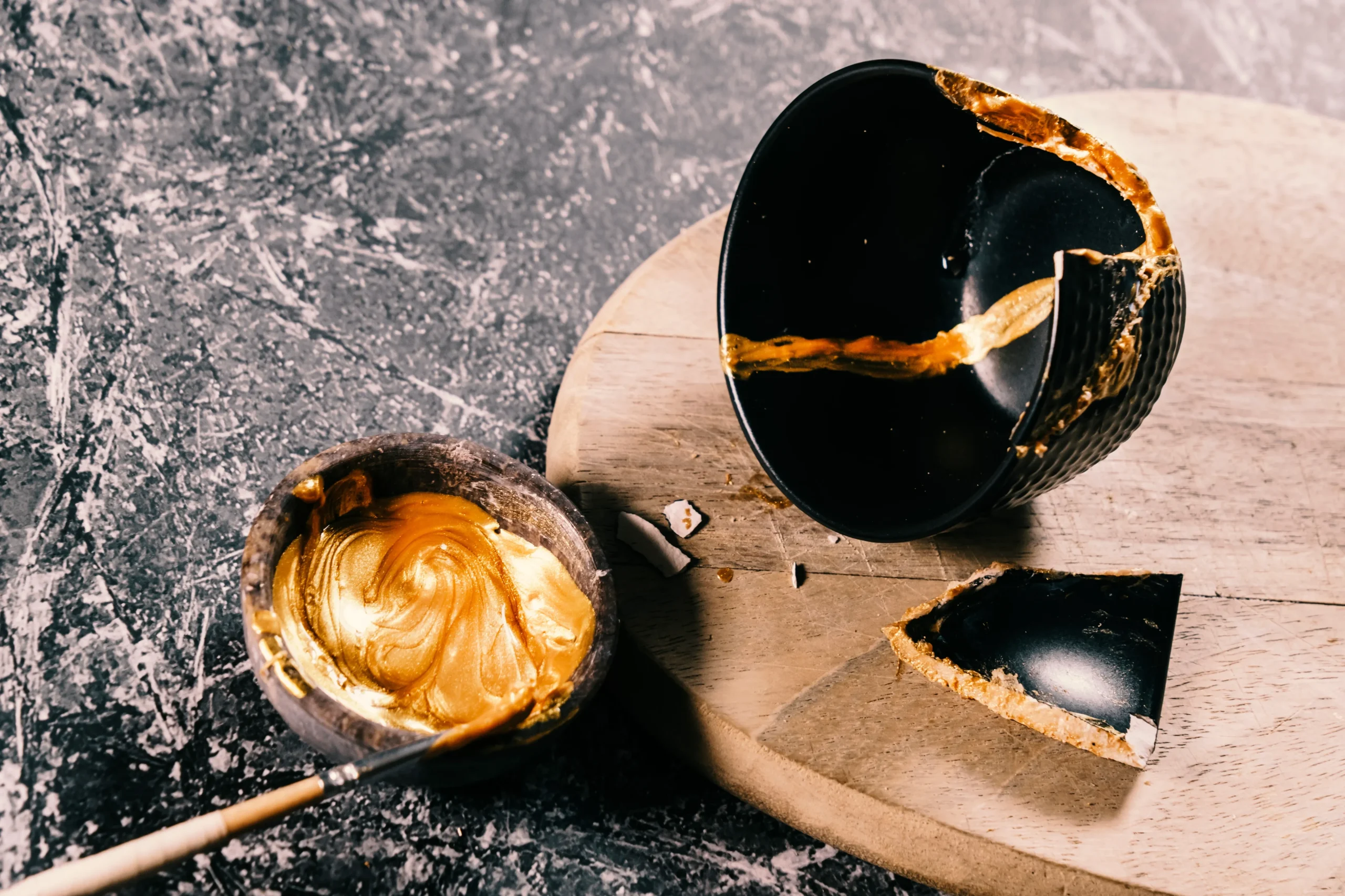
Kintsugi is known for repairing damaged pottery in a way that leaves the joins visible, often using gold-colored finishing.
Traditional kintsugi uses urushi lacquer and involves several stages of curing, so a complete traditional repair cannot normally be finished during a short tourist workshop. Short classes may instead introduce selected stages or use a format adapted for travelers.
Knowing that difference helps you choose between a brief introduction and a workshop focused more deeply on the traditional craft.
Read more: Kintsugi Philosophy
Traditional and Spiritual Experiences
7. Join a Japanese Tea Ceremony
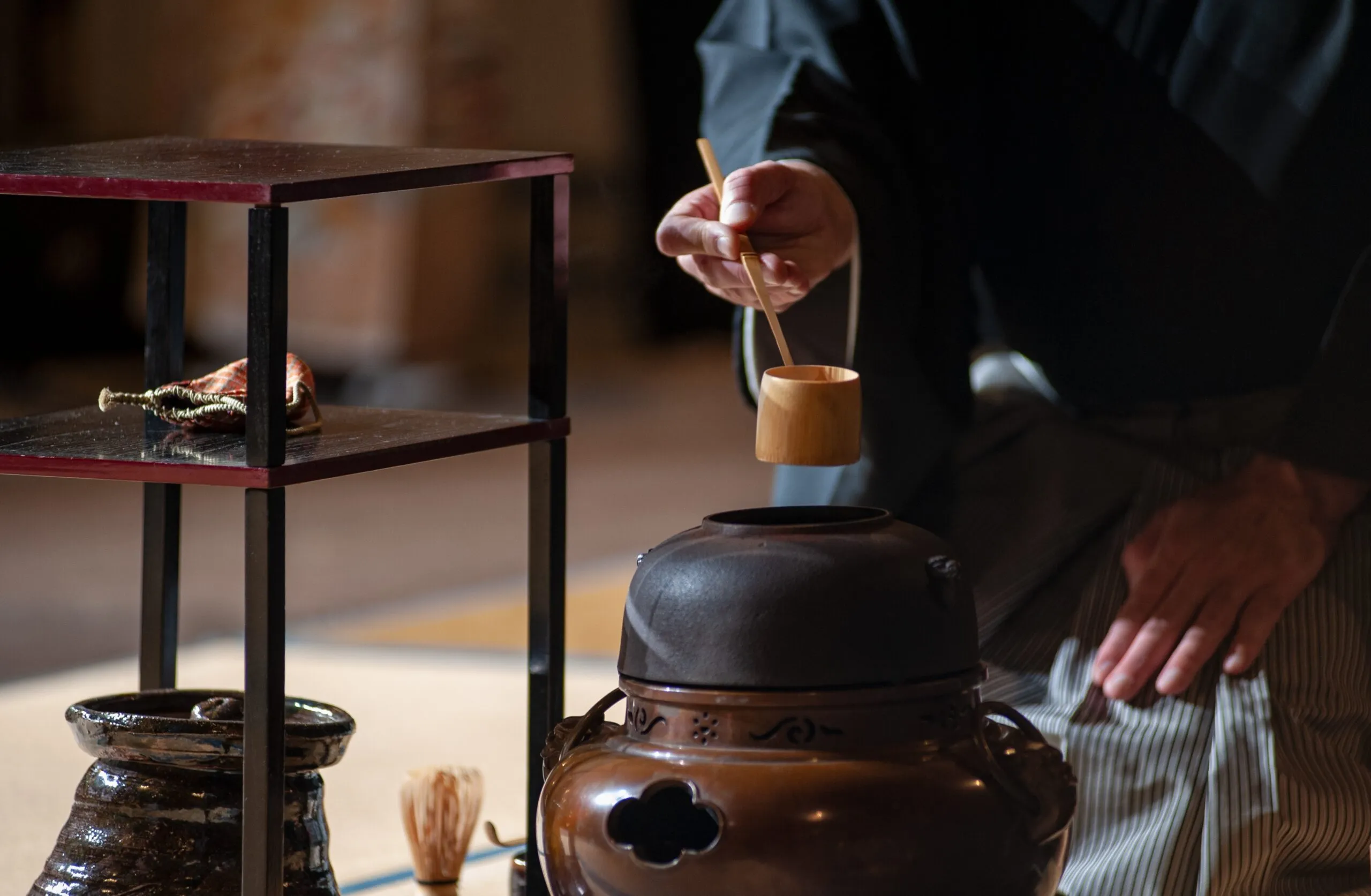
The tea ceremony is one of the easiest traditional experiences to incorporate into a first trip to Japan.
A visitor-oriented session may introduce how matcha is prepared and received together with the utensils, gestures and etiquette used between host and guest. More formal tea gatherings can be considerably longer, so not every tea experience offers the same depth.
Kyoto has particularly strong associations with tea culture, but introductory experiences are available in Tokyo and other destinations as well.
For many first-time visitors, a shorter guided session is enough to provide meaningful context without requiring a major change to the itinerary.
Read more: Tea Ceremony in Japan
8. Meet Kyoto’s Maiko and Geiko
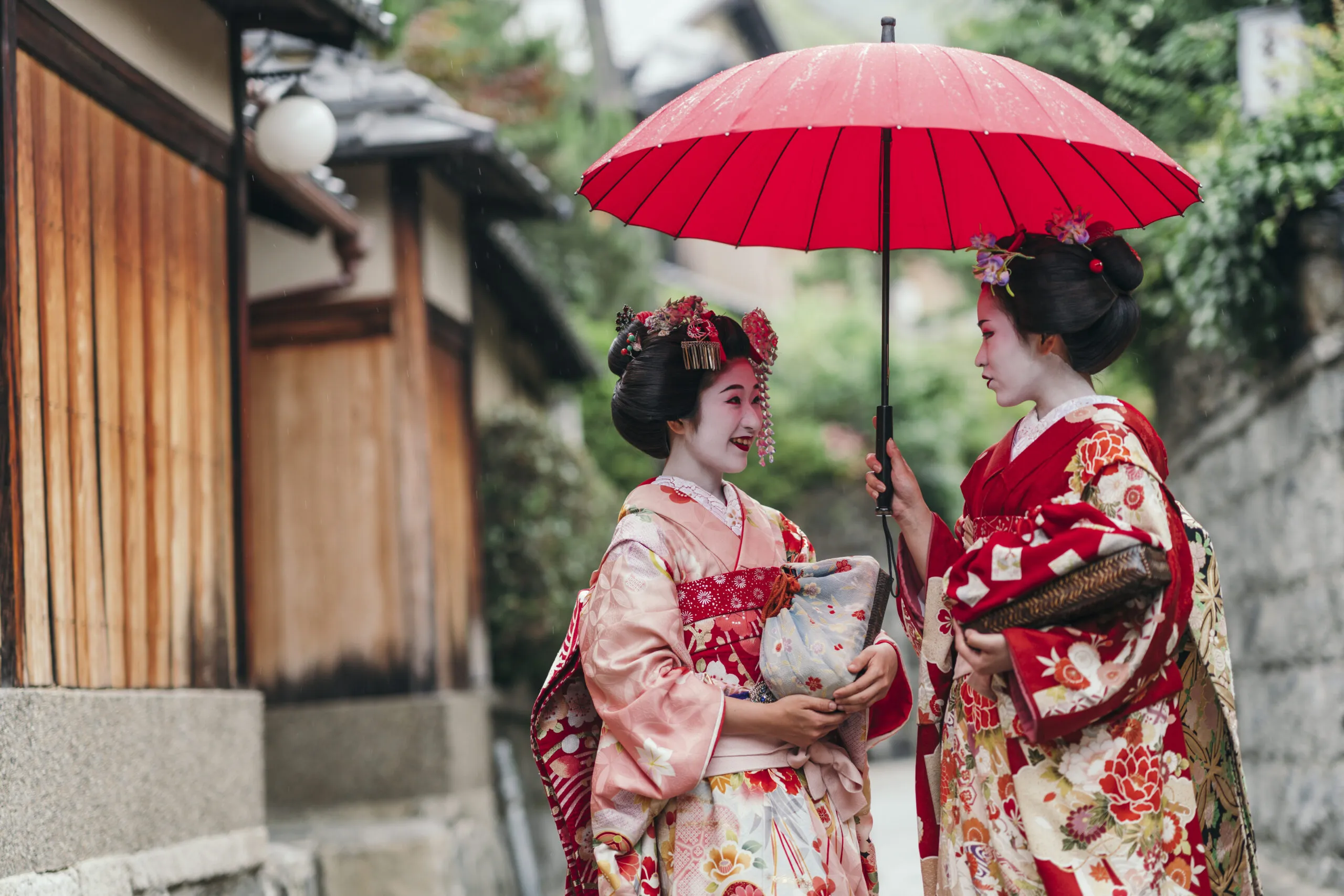
An organized encounter with Kyoto’s maiko or geiko can provide a much better understanding of their performing arts than simply hoping to spot someone while walking through Gion.
Depending on the program, you may watch dance or music, hear an explanation of their profession, ask questions or take photographs in an appropriate setting.
This is different from a maiko-style dress-up studio, where visitors wear makeup and costume themselves. Both can be enjoyable, but they are fundamentally different experiences.
If you want to encounter actual maiko or geiko, choose an organized cultural program and follow local photography and visitor etiquette.
Read more: Geisha Experiences in Japan
9. See Yumomi at Kusatsu Onsen
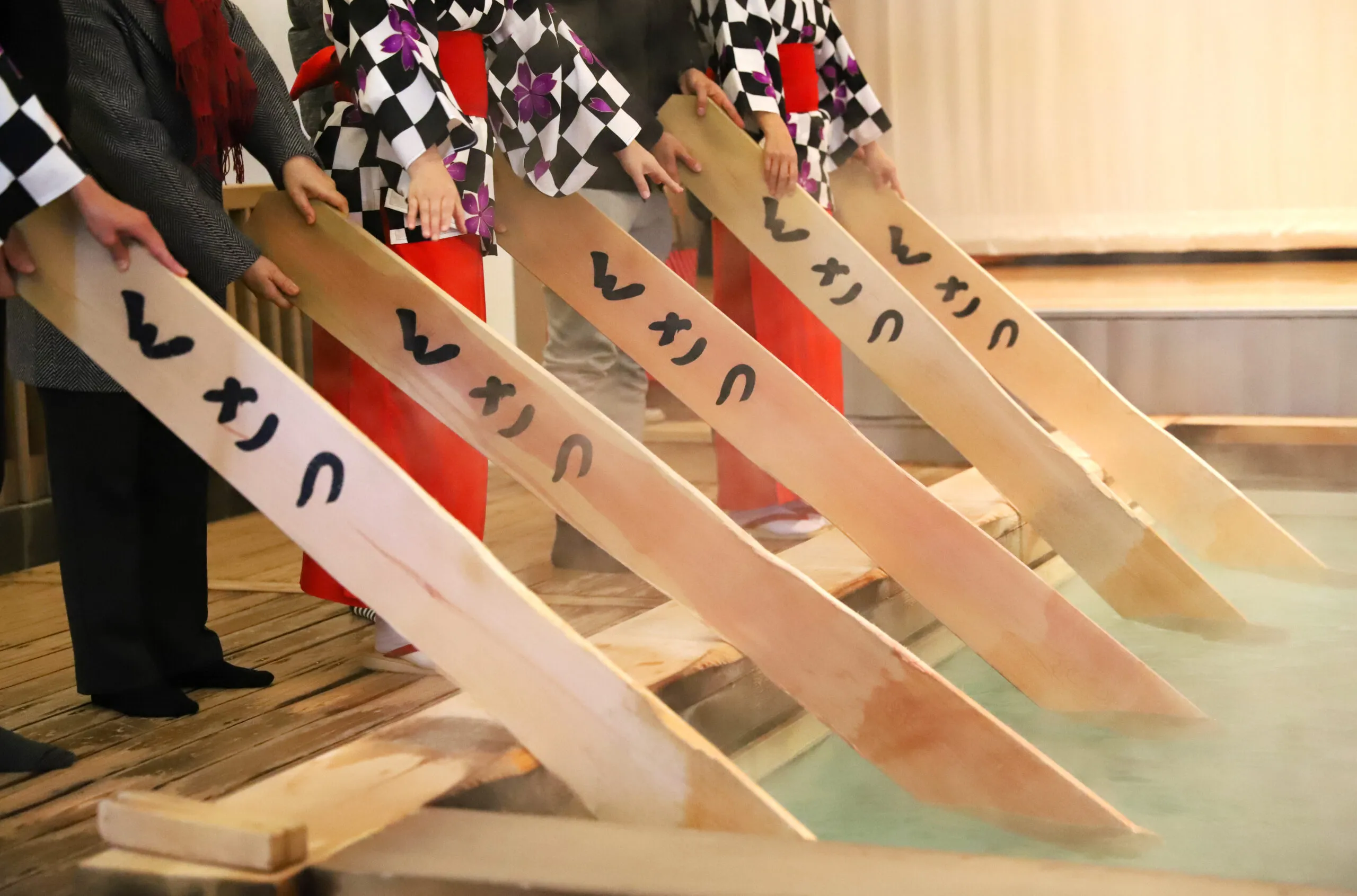
Yumomi is a good example of an experience whose value comes from its location.
The tradition is associated with Kusatsu Onsen in Gunma, where wooden paddles were historically used to help cool extremely hot spring water without diluting it.
Today, visitors can see yumomi performances at Netsunoyu beside Kusatsu’s Yubatake hot-water field. Participation opportunities may also be offered at selected times.
Yumomi is therefore not something to search for generically across Japan. It makes the most sense as part of a visit to Kusatsu and its wider onsen culture.
10. Practice Zazen Meditation
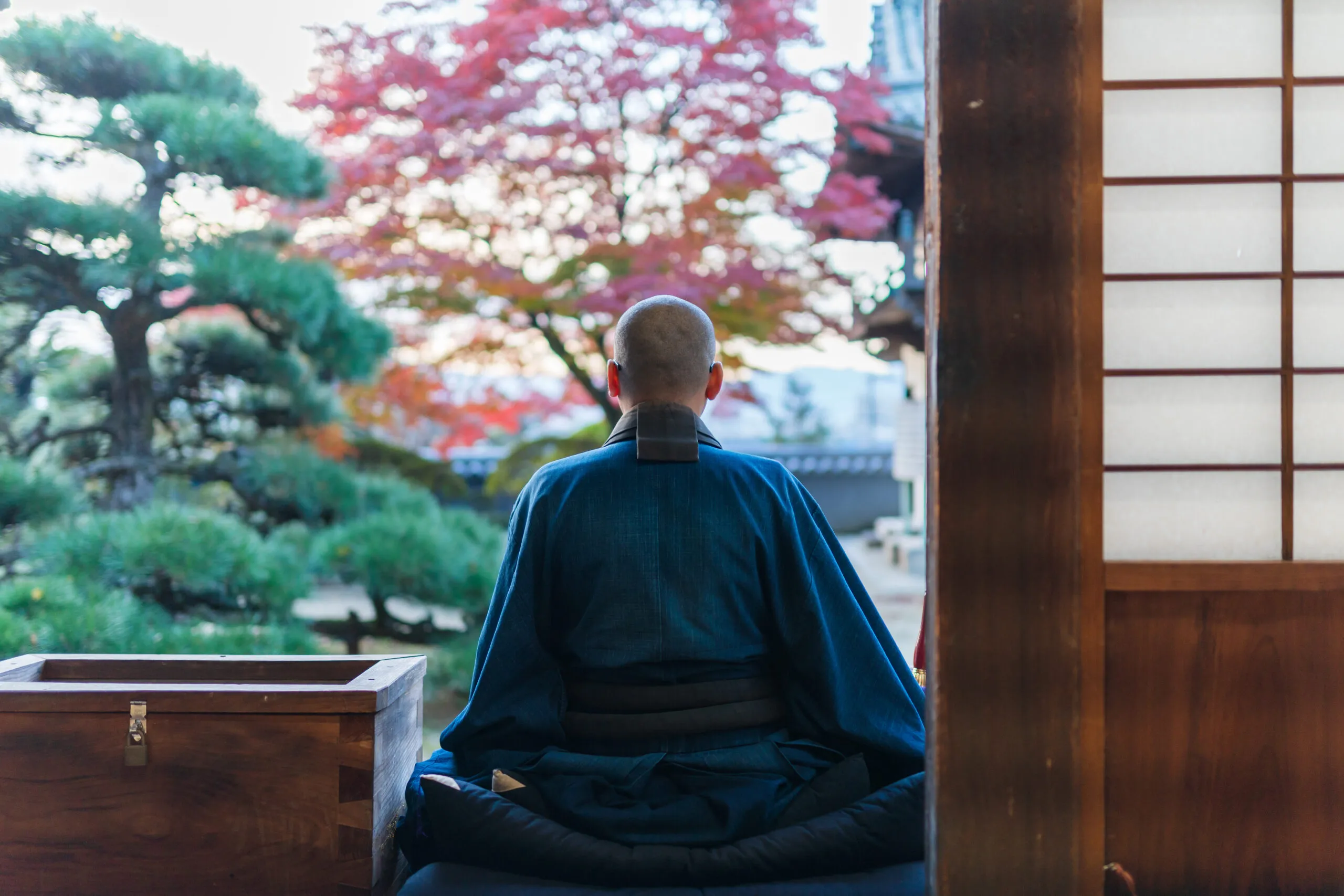
Zazen is seated meditation associated particularly with Zen Buddhism.
Experiences for travelers range from relatively short guided sessions to more involved temple programs and overnight stays. A beginner session may introduce posture and breathing before a period of quiet meditation.
The important decision is how deeply you want to engage with it. A short session can fit into a busy itinerary, while a temple stay gives you more time to experience the surroundings and daily rhythm of a Buddhist temple.
Avoid choosing a longer program simply because it sounds more meaningful. The right level depends on your interest, available time and comfort with a quieter style of travel.
Read more: Japanese Meditation
11. Receive Goshuin at Shrines and Temples
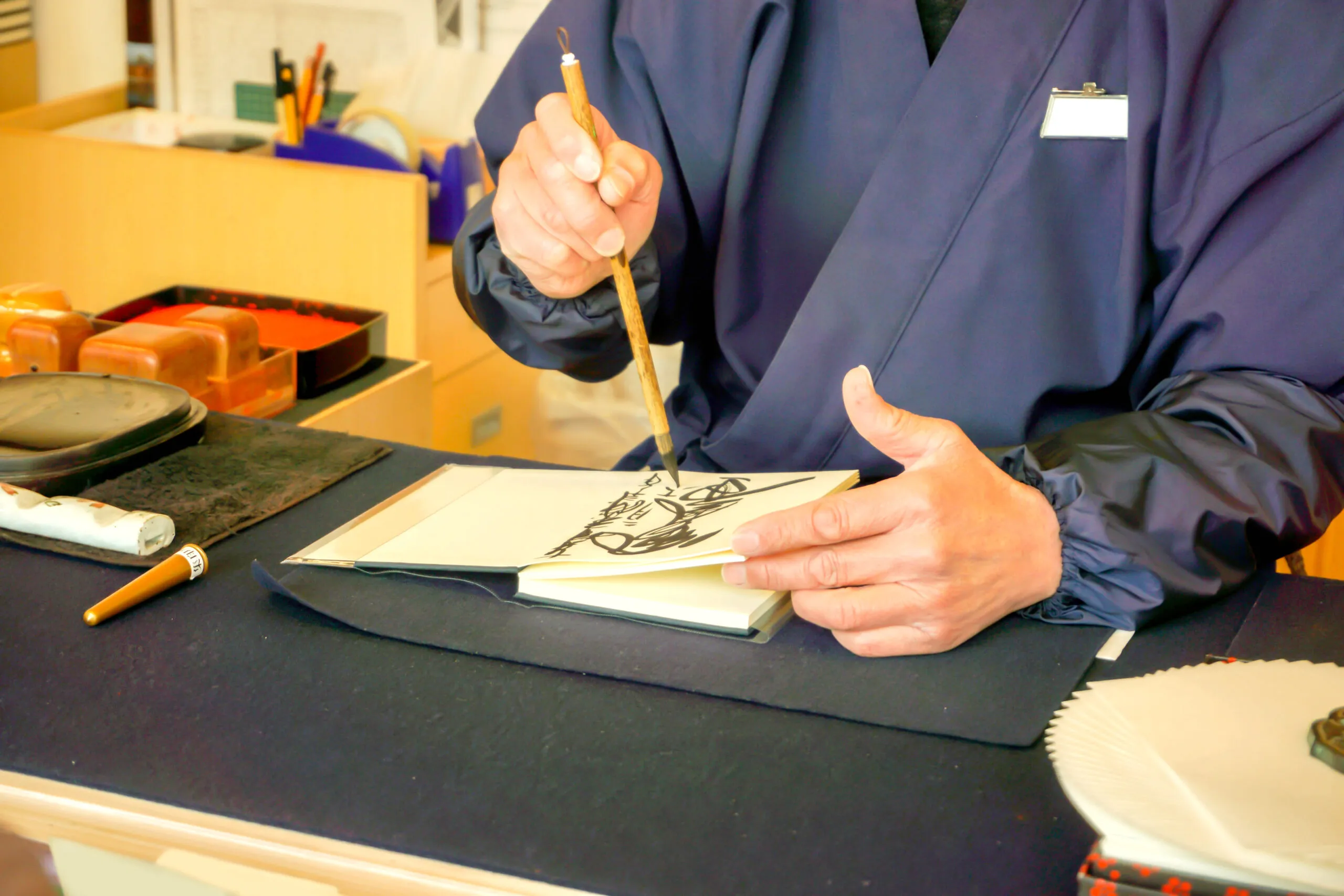
Goshuin are sometimes described simply as temple and shrine stamps, but that misses their religious context.
They are traditionally received in connection with visiting and paying respects at a temple or shrine and are collected in a dedicated book called a goshuincho. A goshuin may combine calligraphy, seals, the date and elements specific to the place or season.
Unlike most experiences in this article, this is not something that normally requires a workshop or special booking. It can naturally develop over the course of your trip as you visit different sacred sites.
For travelers already planning several temple and shrine visits, a goshuincho can become a personal record of that journey.
12. Take Part in a Miko Experience
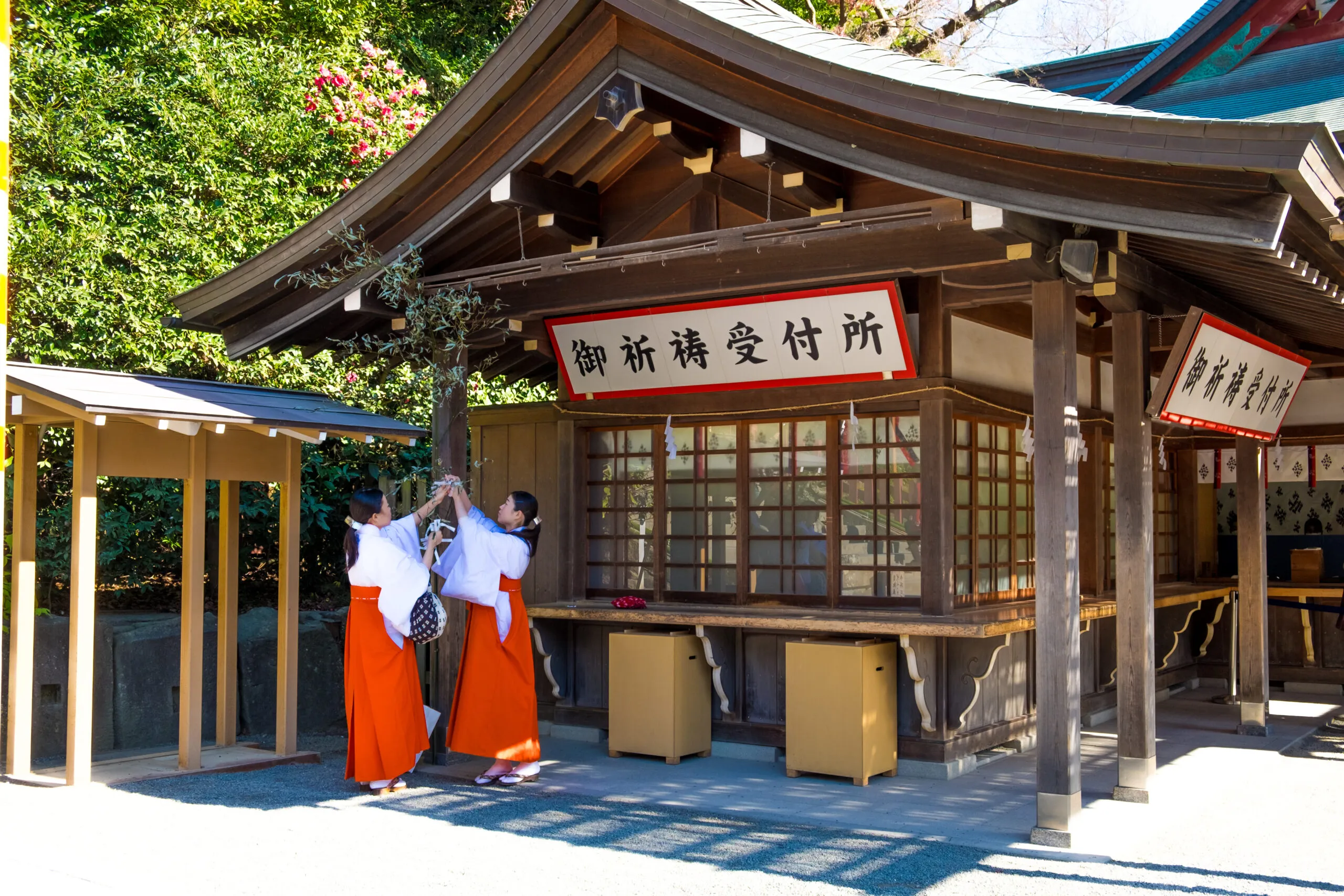
Miko are shrine attendants, but visitor programs that introduce their role are relatively rare.
Selected shrines and cultural programs may offer opportunities to learn about shrine etiquette, traditional clothing and aspects of miko duties. These experiences tend to operate on specific dates or under particular participation conditions.
That makes a miko experience very different from tea ceremony or pottery, which can usually be found more easily.
If this is one of your priorities, treat it as something to research and arrange in advance rather than assuming it will be available wherever you visit a shrine.
Japanese Martial Arts Experiences
13. Try Kendo
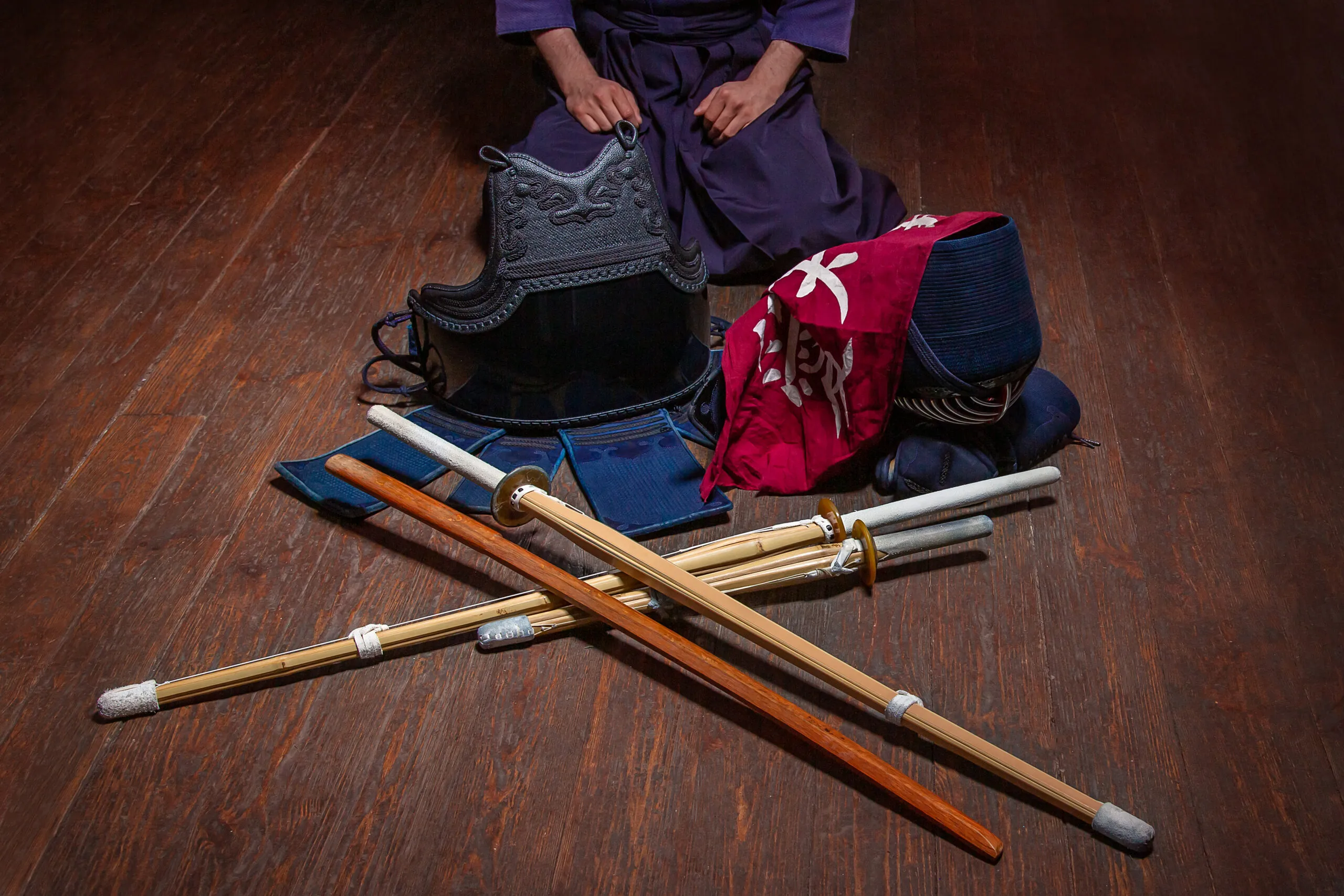
Kendo is a modern Japanese budo practiced using bamboo swords called shinai and protective equipment.
Visitor-oriented beginner programs can introduce etiquette, stance, movement, shinai handling and basic strikes under supervision. Some may also allow participants to wear training equipment.
A short session is an introduction rather than genuine kendo training, but it can give active travelers a much clearer understanding of the discipline than watching from the sidelines.
If you want physical participation without committing a large part of the trip to it, kendo is one of the easier martial-arts experiences to consider.
14. Experience Kyudo
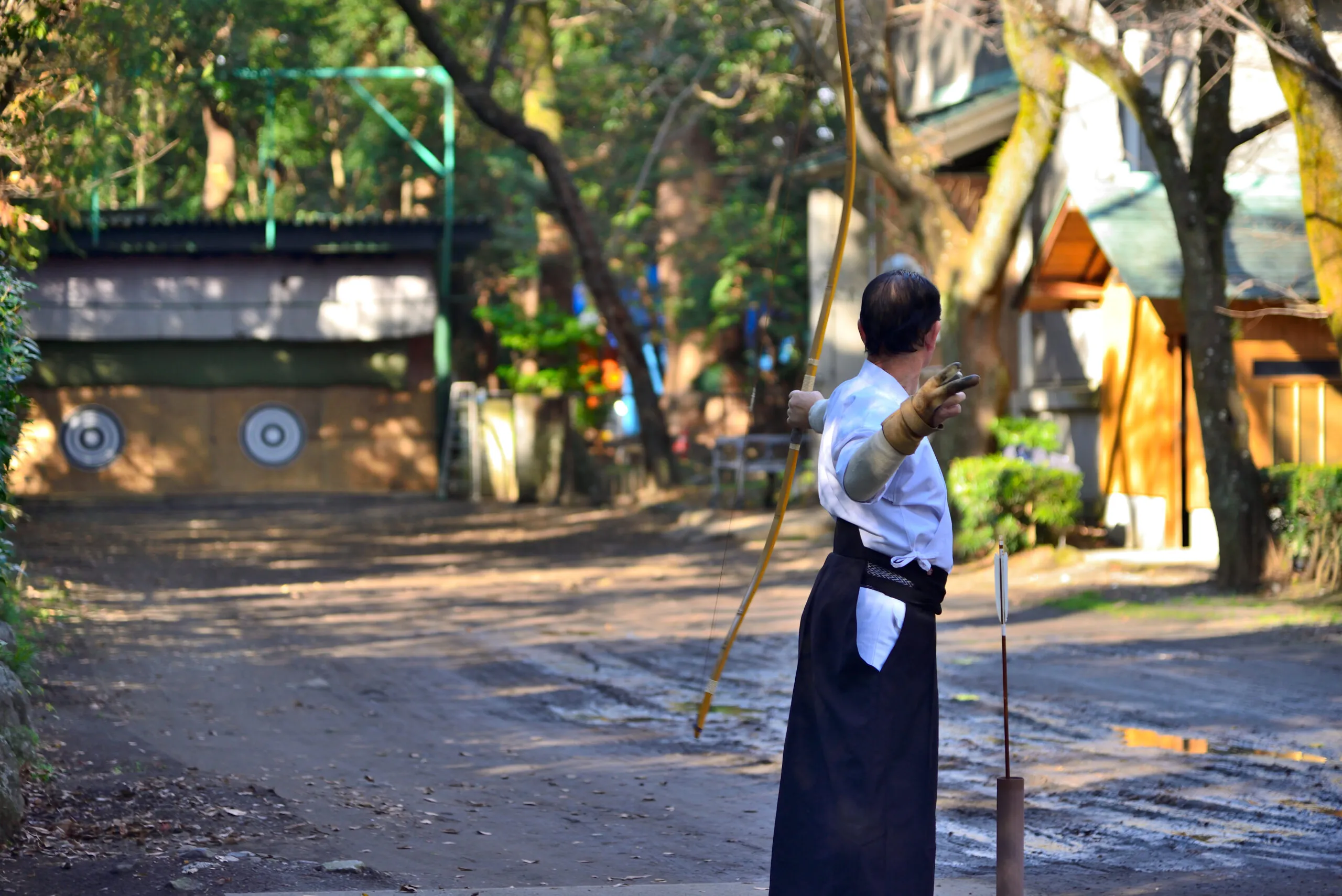
Kyudo, Japanese archery, offers a very different pace.
The practice emphasizes posture, etiquette and a carefully controlled sequence of movements surrounding the drawing and release of the bow. Beginner-oriented visitor programs exist, including experiences in Kanazawa.
However, an ordinary kyudo dojo should not be treated as a tourist facility where visitors can simply arrive and try archery.
Look specifically for a program designed to introduce beginners. Compared with kendo, this may require more advanced planning, but it is a strong option for travelers interested in precision and deliberate movement rather than fast physical activity.
15. Experience Sumo in Japan
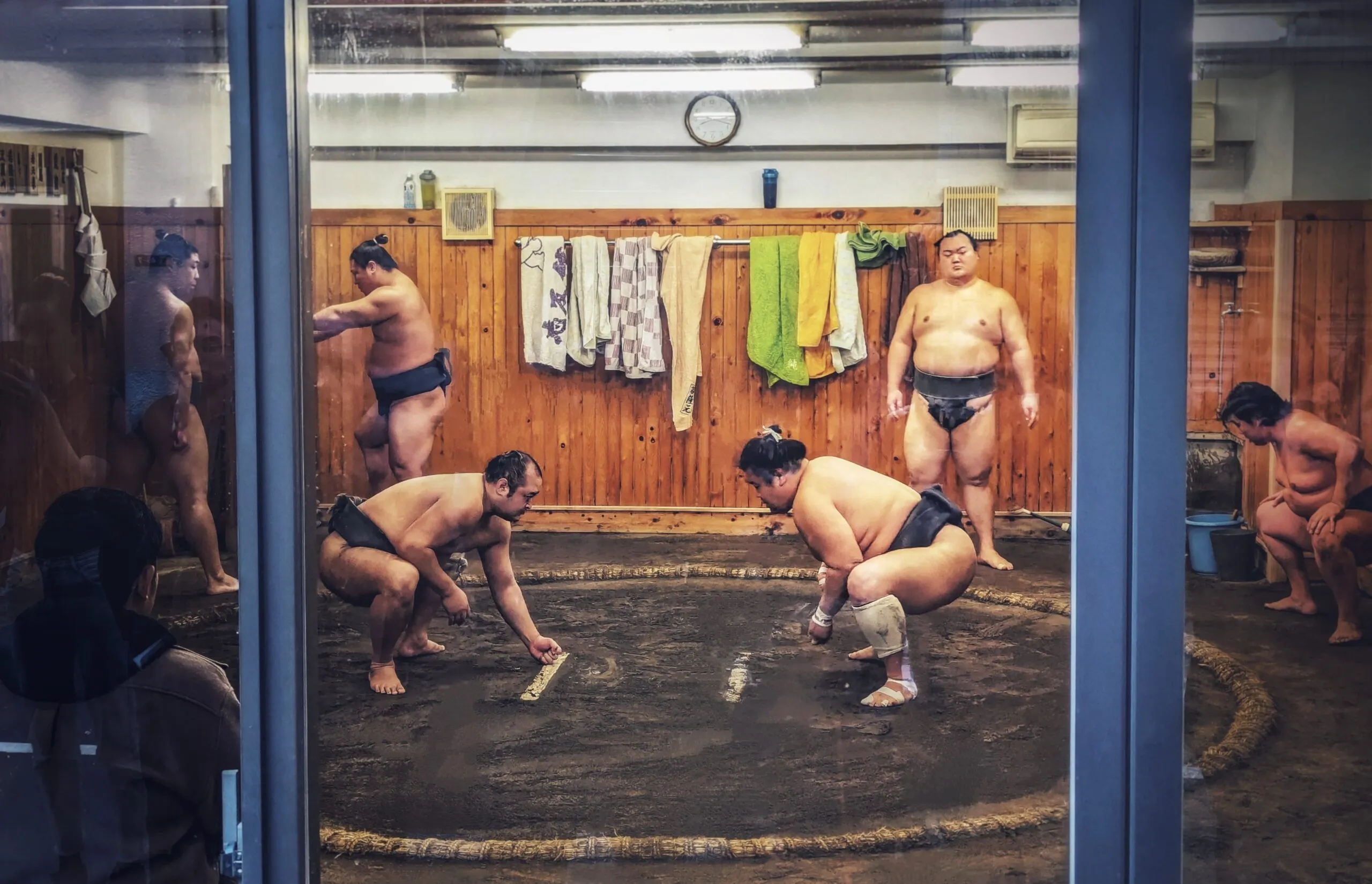
There are several ways to experience sumo, and they should not be treated as interchangeable.
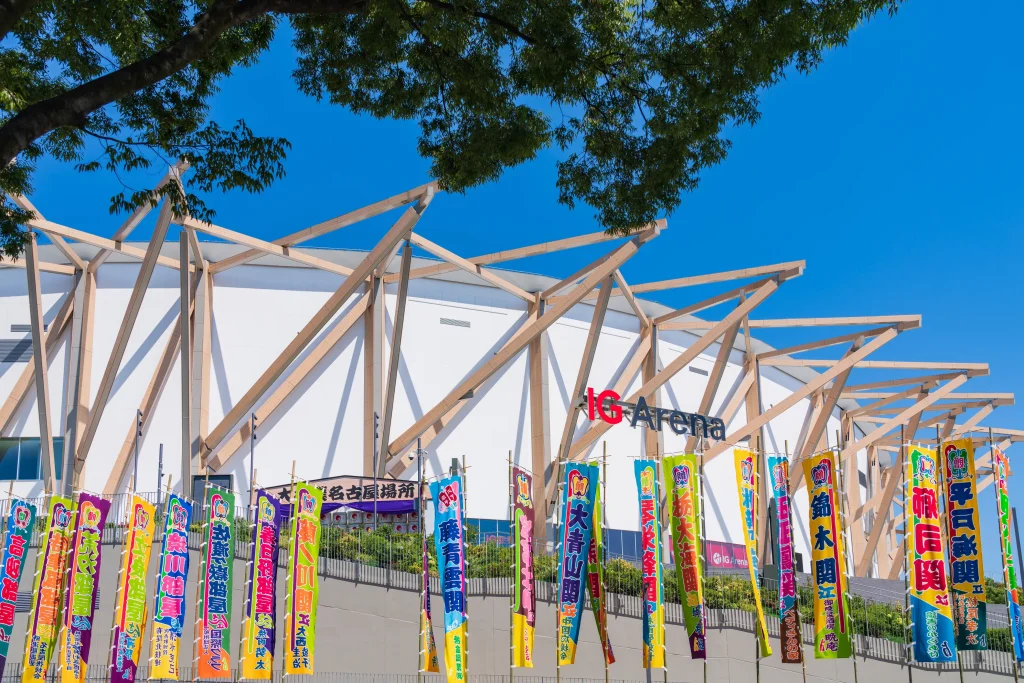
Attend a Grand Sumo tournament if you want the scale, atmosphere and rituals of professional competition.
Observe morning practice if you are more interested in how professional wrestlers train. These visits need to be arranged appropriately because sumo stables are working training environments.
Choose a visitor-oriented sumo program if you want explanations, demonstrations or limited hands-on elements designed specifically for travelers.
For most first-time visitors, attending a tournament is the clearest option when the dates fit the trip. Training visits and interactive programs are better suited to travelers who want to explore sumo in more depth.
Read more: Sumo Season in Japan
How to Choose a Cultural Experience in Japan
The most memorable experience is not automatically the rarest or most expensive one. It should make sense for your interests and the route you are already taking.
A few questions help narrow the choices.
Does the place matter?
For some activities, considerably.
Yumomi belongs to Kusatsu. A pottery workshop takes on more meaning in a ceramics town. Knife craftsmanship can become the reason to spend time in places such as Seki or Sakai.
Other experiences, including tea ceremony and introductory food workshops, are easier to incorporate into major-city itineraries.
Do you want to observe or participate?
Hands-on is not automatically better.
Making soba or practicing kendo may suit travelers who enjoy active participation, while watching professional sumo or a maiko performance can offer cultural depth through observation.
Think first about what you actually enjoy doing.
How much planning are you willing to do?
Tea, wagashi and many craft workshops can be relatively straightforward to incorporate into a trip.
A miko program, beginner-friendly kyudo experience, maiko/geiko encounter or particular temple program may have more limited schedules or availability.
If an experience is important to you, plan around it rather than hoping to find one after arrival.
Will you need English guidance?
Many programs created for international travelers offer English support, but this should not be assumed everywhere.
For crafts, religion and martial arts in particular, a good explanation can make a major difference to how much you understand from the experience.
Build the Experiences Into Your Route
Once you start researching cultural activities, it is easy to create a long wish list: tea ceremony in Kyoto, kintsugi in Tokyo, pottery in a regional town and sumo if a tournament happens to match your dates.
The challenge is making those choices work together.
Some experiences can be added almost anywhere. Others depend on a particular destination, limited program or event schedule. Adding one may justify changing your route; another may not be worth a large detour.
ENJYU JAPAN’s tailor-made travel planning can help you compare those choices and build the experiences that matter most to you into a practical itinerary, together with transportation, accommodation and the rest of your trip.
You do not need to experience everything Japan offers. Choosing a few activities that genuinely match your interests can make the journey much more personal.